Oh, When the Saints…

Regular readers of this blog know I cannot pass a good church. When Steve and I came across Saint Andrew’s Anglican Cathedral, we had to check it out. And, what a good choice it was. As I walked in, I was met by a lay minister with a big smile who welcomed me and asked me where I was from, how long I was in Australia for and where else I was going. He greeted my travelling companion, Steve and then answered some questions about the cathedral and introduced us to a colleague who was also very helpful. Both gents checked in with us several times and pointed out more interesting features of the place to us. With my interest in the similarities and differences between the Anglican and Roman traditions as well as the many variations in Anglican modes of worship, I found these gentlemen’s availability great.
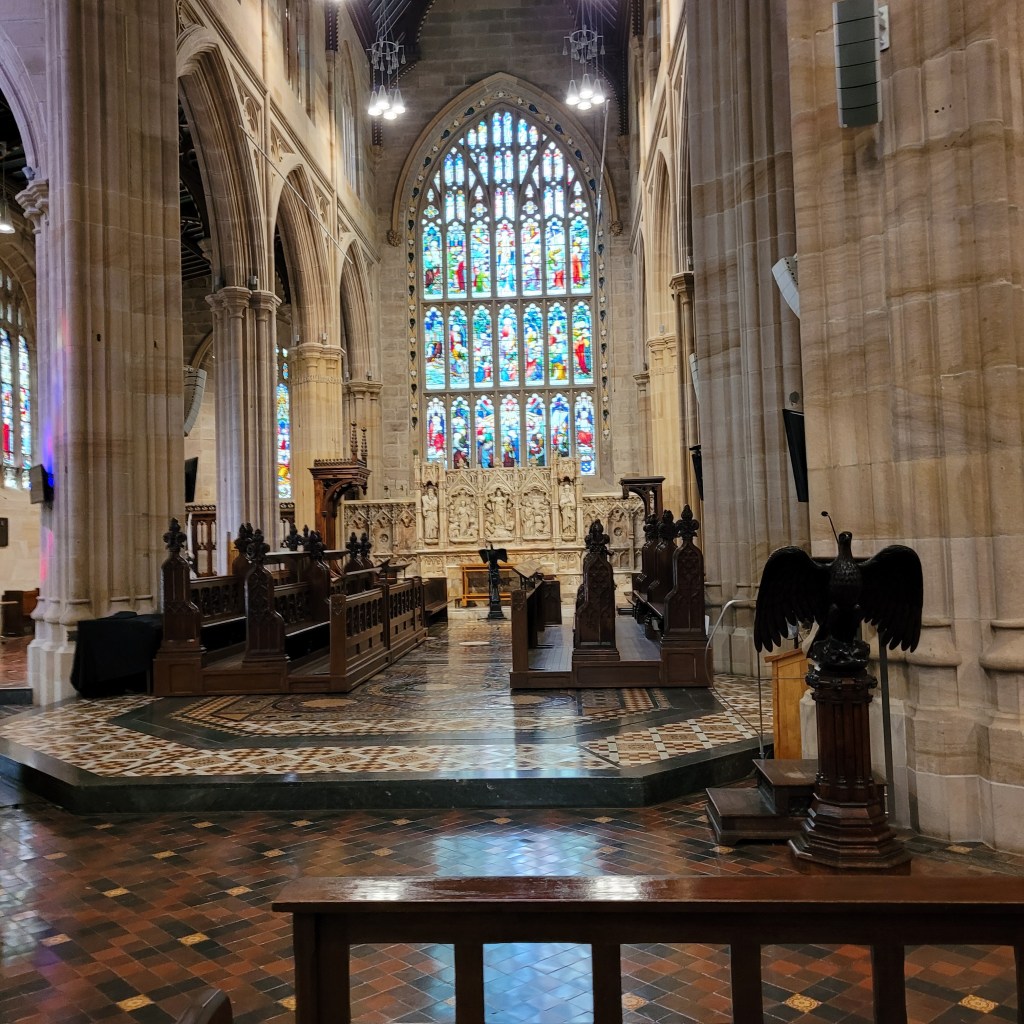
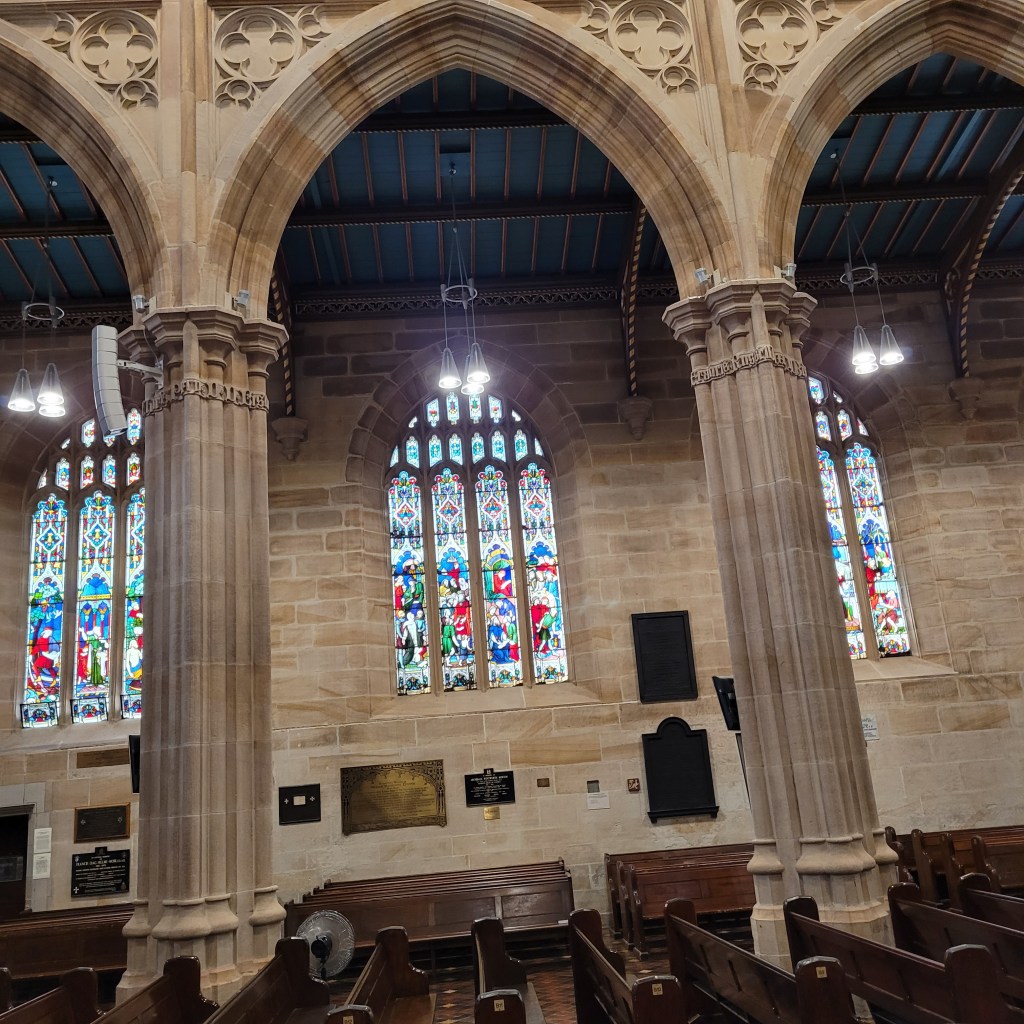
Stained glass window above the choir and the original altar location in the cathedral. The small ‘table’ is moved closer to the congregation for Eucharist services.

The cathedral’s stained-glass windows may look traditional, but they also speak of this community’s missionary efforts to people of the Pacific to bring the words of the Jesus to them. It has been interesting during this first week of my visit to this continent and this wonderful city of Sydney, so familiar, yet so different to the American and British places I know and love, to hear and read about the ways in which the First Nations of Australia and its neighbors have found peace, reconciliation and even joy in their own ways of knowing the Creator and finding that these in-comers were not bringing anything new to them, but simply using different words. I have had many wonderful discussions with dear Anglican friends about similar things when I try to understand how our traditions remain so close to reconciliation, yet our leaders seem so unable to bring us fully together. This visit certainly gave me plenty more “food for the journey” as a dear Catholic friend of mine might say.

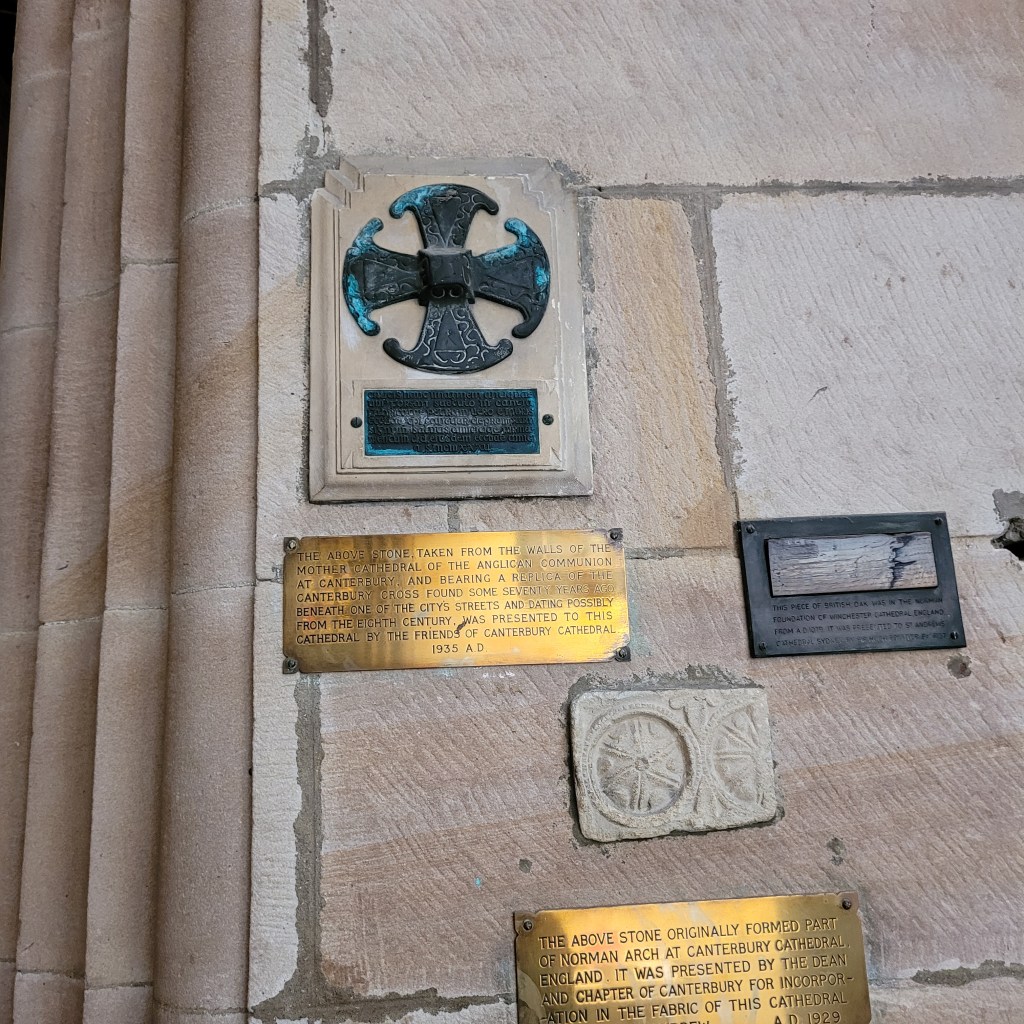
I want to add a few more pictures of some relics donated to this Cathedral.
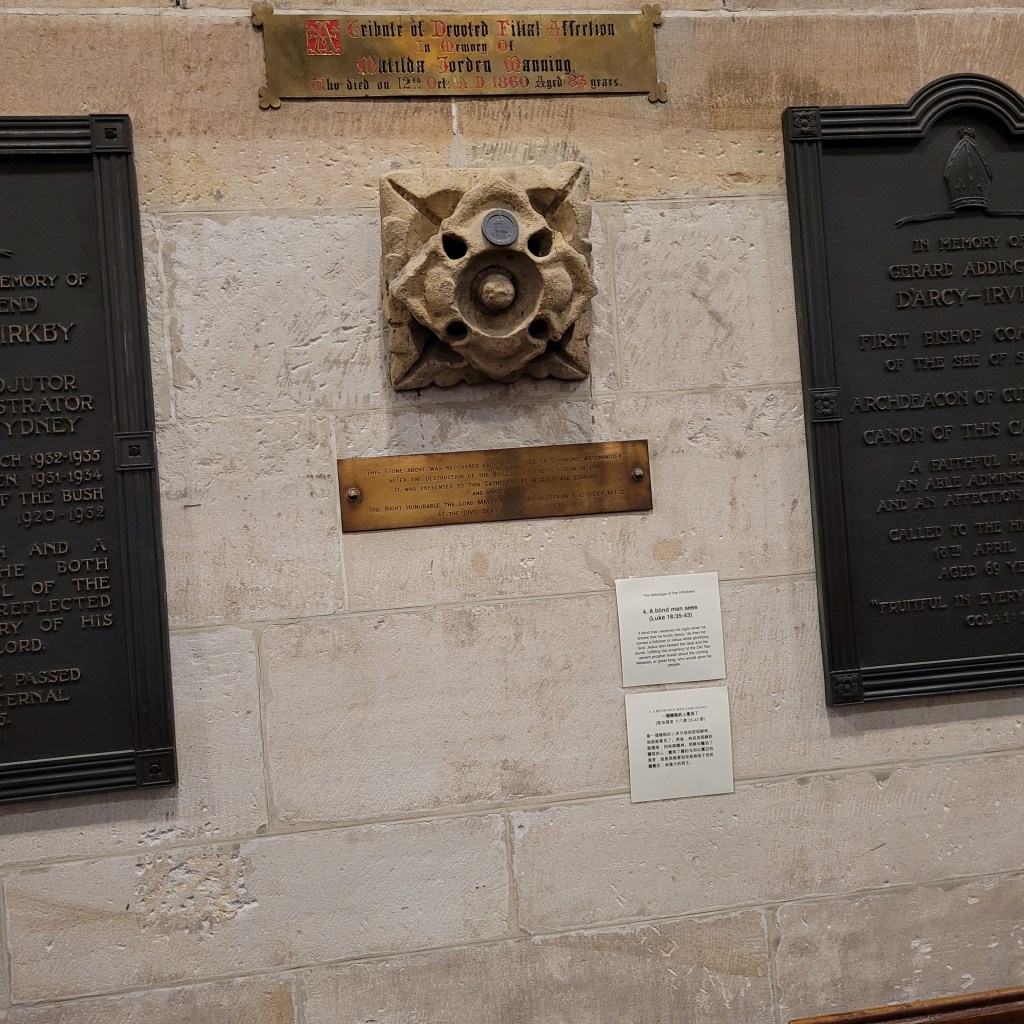
Above is a stone recovered from the wreckage of the British House of Commons, bombed during World War II.
Above are stones from Canterbury Cathedral, considered to be the “Mother Church” of the Anglican Communion. Also, a piece of oak taken from the foundation of Winchester Cathedral which dates from the 11th century. These, I think show the deep ties between the two nations and the strong bonds among Anglicans that continue to exist in spite of the differences that may sometimes appear among them.

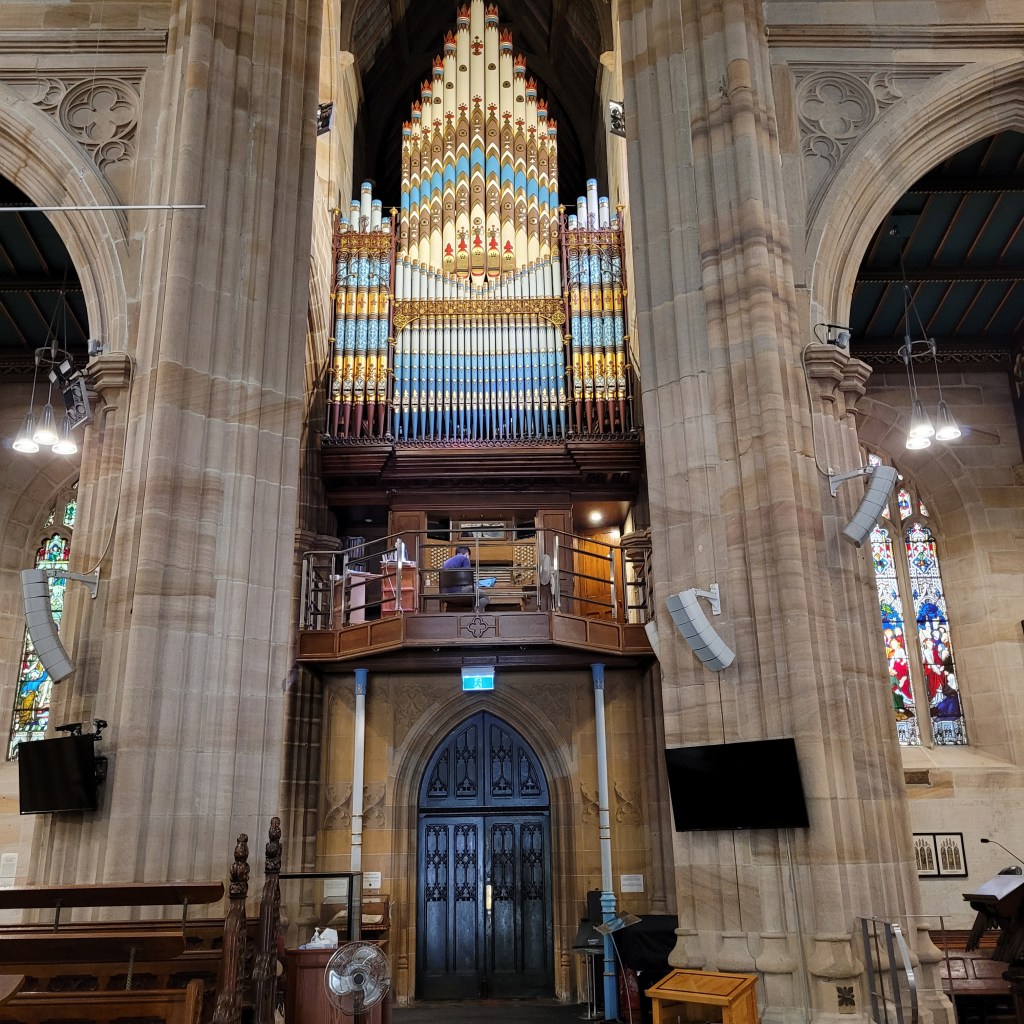
Finally, I would like to share this picture of the lovely organ in the Cathedral.
A Day at the Opera, a Lunar Celebration

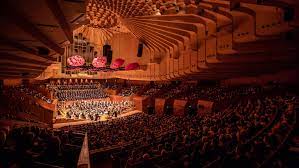
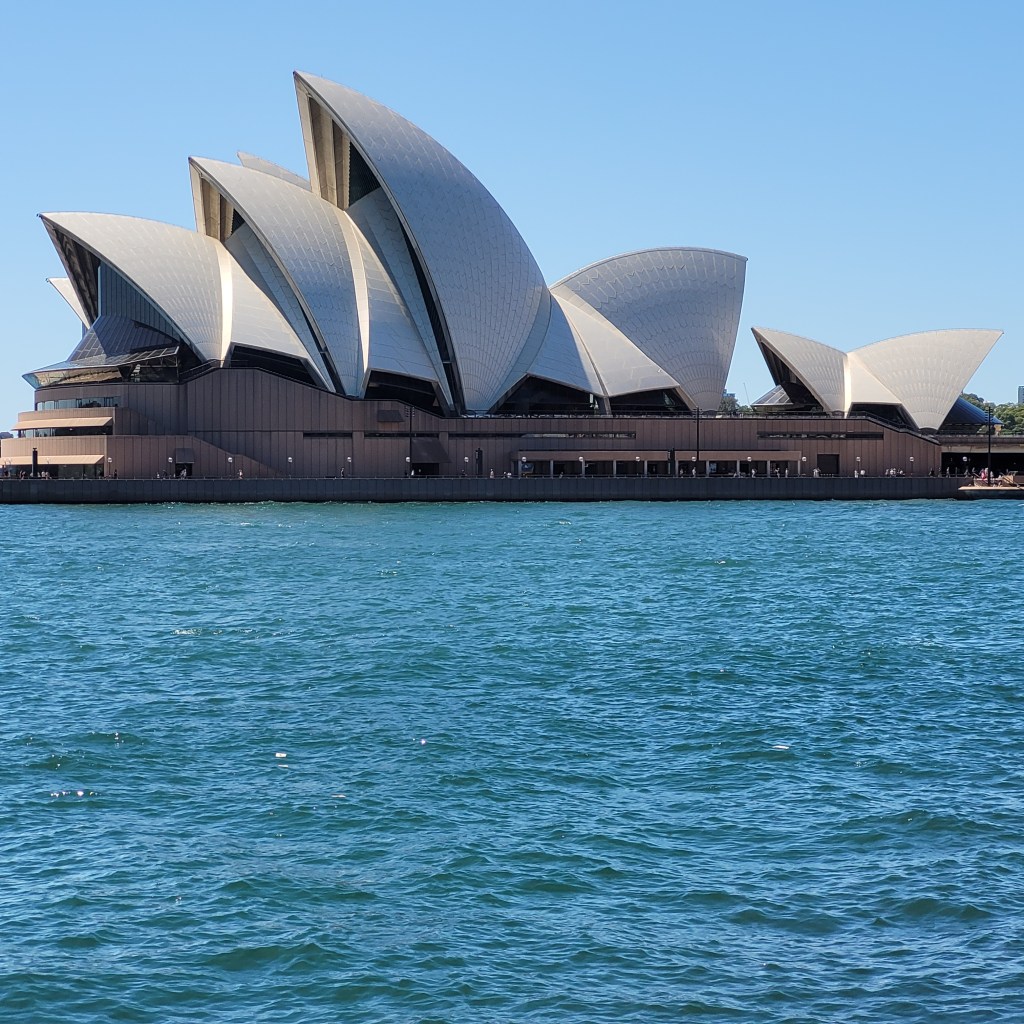
Our tour of the Sydney Opera House was interesting, but we were not able to take pictures of the indoor sights, like the theatres. There were craftsmen at work in the theaters. More importantly, I suspect, Ryan Gosling was filming a movie somewhere in the complex. (Well, excuse the heck of the rest of us Ryan.) However, I did manage to pull one shot off the internet. The theaters are acoustically amazing. The seats are comfortable with sufficient leg room to imagine a pleasant evening at a concert or opera.

The history of the construction of the iconic building was fascinating to hear. It began with a group of renowned designers and architects rejecting the design until Eero Saarinen convinced his colleagues that it was the winner. The designer, a relatively unknown young Danish architect named Jørn Utzon who envisioned a sculptural curved building on the harbor. His vision for the exterior of the building was completed, but political intervention over costs led to his resignation from the project and another architect was brought in to finish the project. In the end, however, Utzon was asked by a later, perhaps more artistically sensitive government to develop a set of design principals regarding the building which now govern how it must be maintained.  In 2007 the Sydney Opera House was formally recognized as one of the most outstanding places on Earth with its inclusion on the UNESCO World Heritage List under the World Heritage Convention. Sadly, Mr. Utzon never returned to Australia, but our tour guide told us that he had the honor of having Mr. Utson grandson on one of his tours last year.

Another touching fact that was mentioned during the tour was Dame Joan Sutherland’s devotion to the Opera House. At a time in her career when she did not need to take the time away from singing in the great established houses of the world, she made room for this new venue in her homeland and brought her fame and friends to it. After her death the opera theater was named for her, and this lovely portrait (best picture I could find) hangs outside its doors.

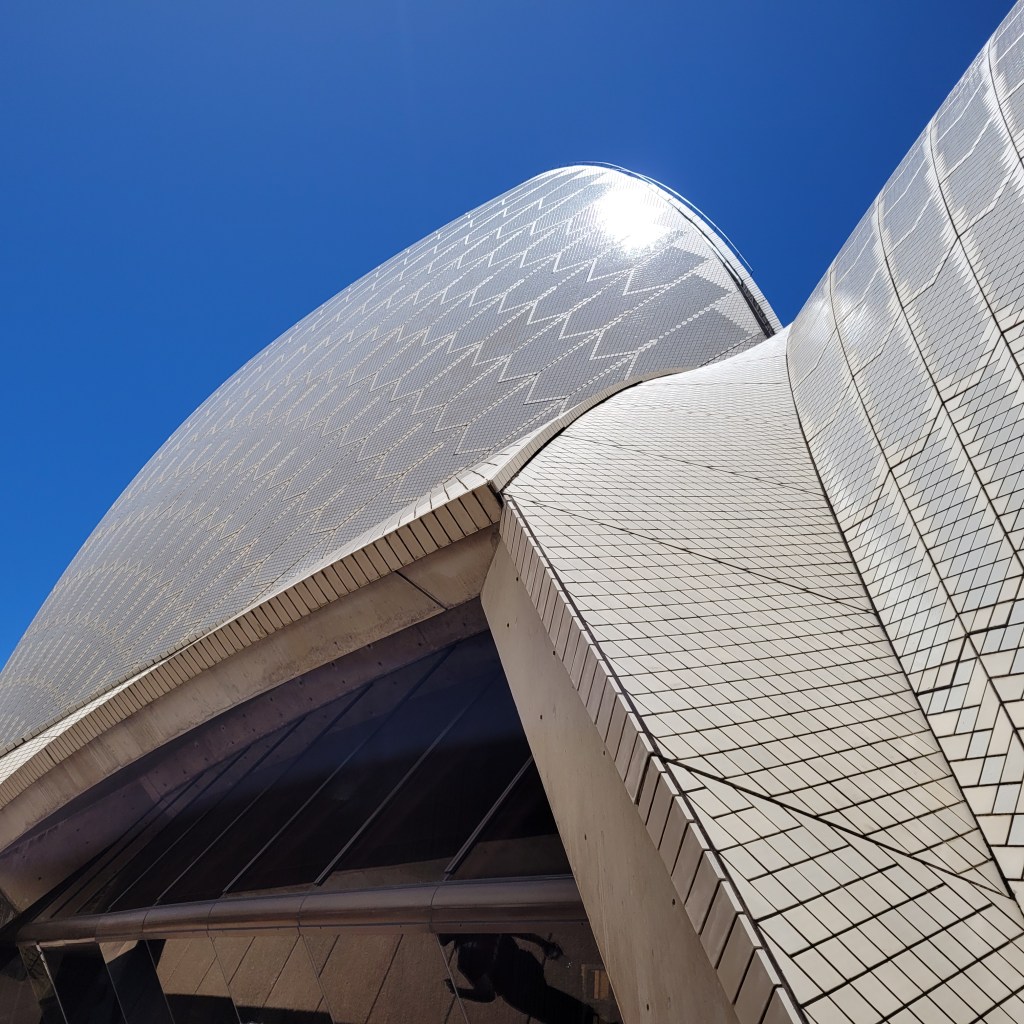
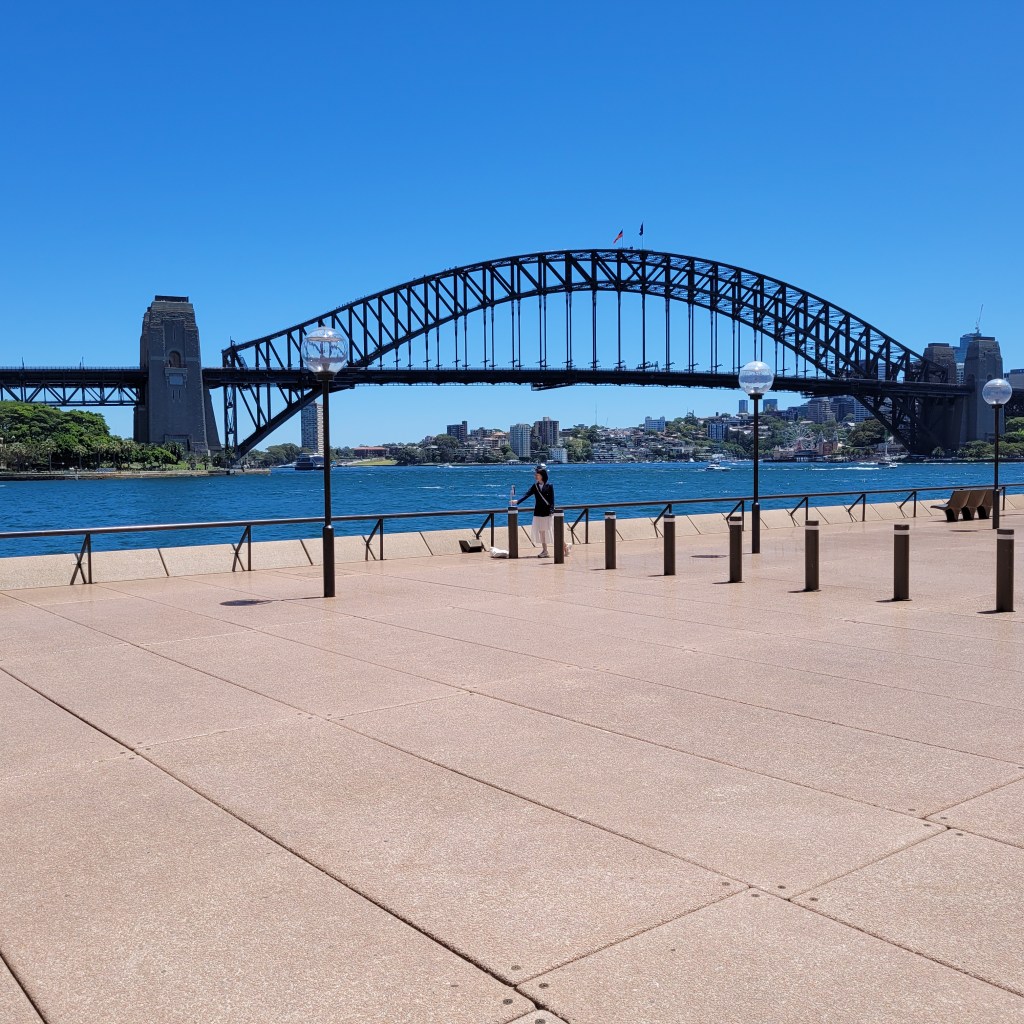
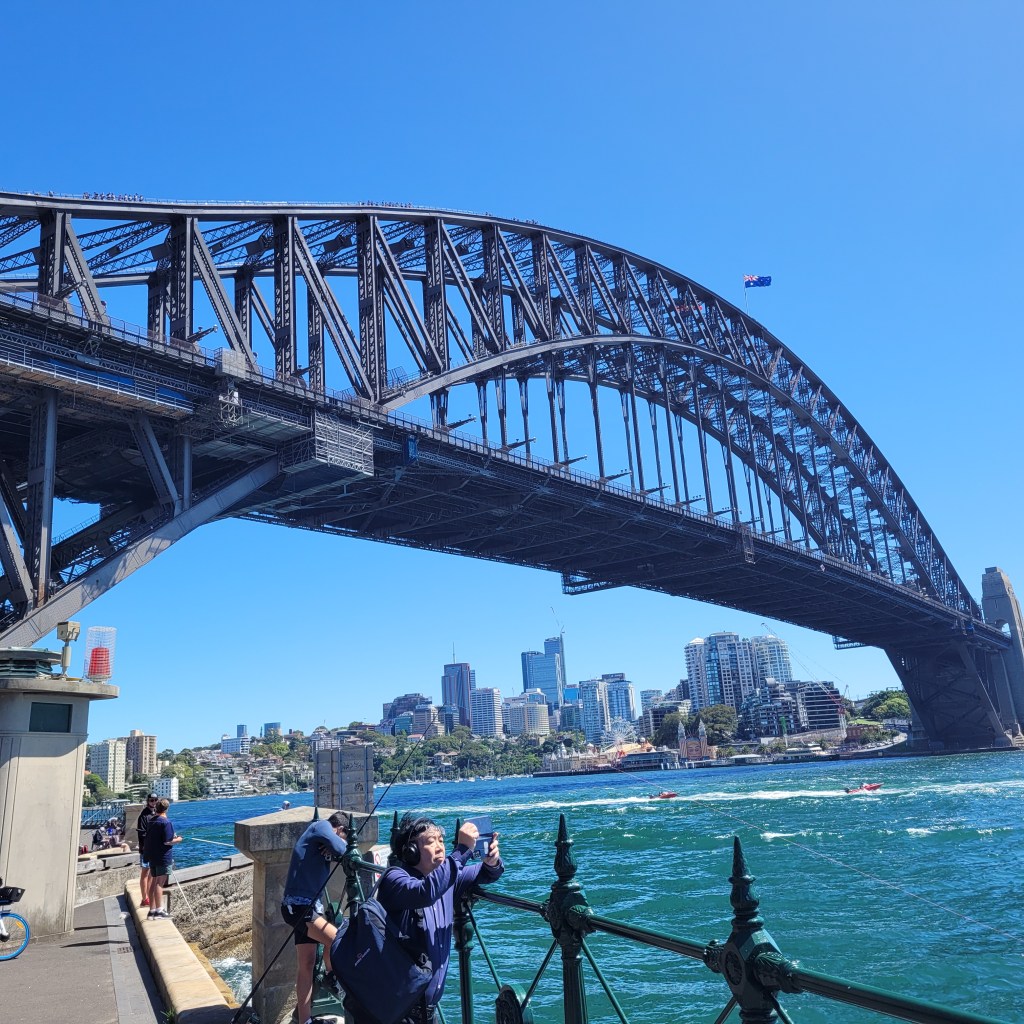
A few interesting shots from outside the Opera House, one shows a close-up of one of the iconic “shells” and another shows the famous harbor bridge.

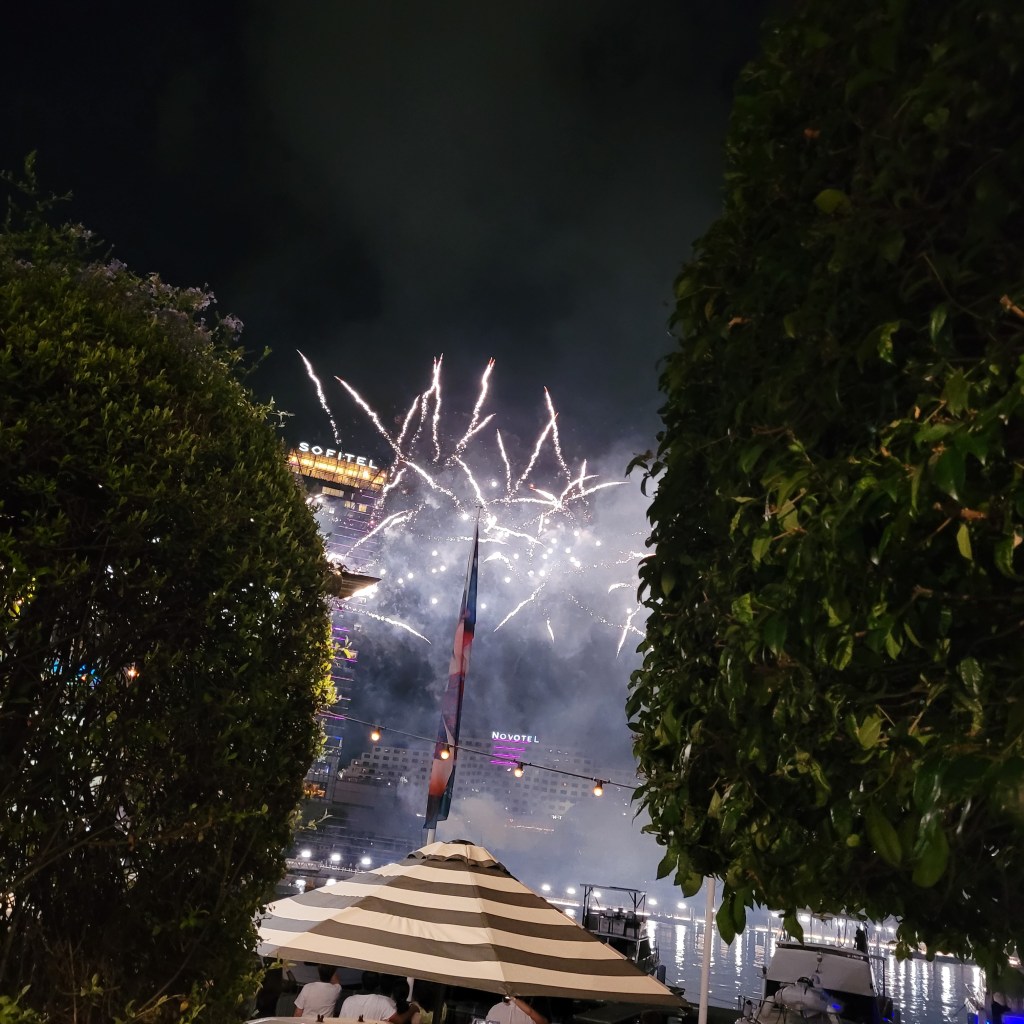
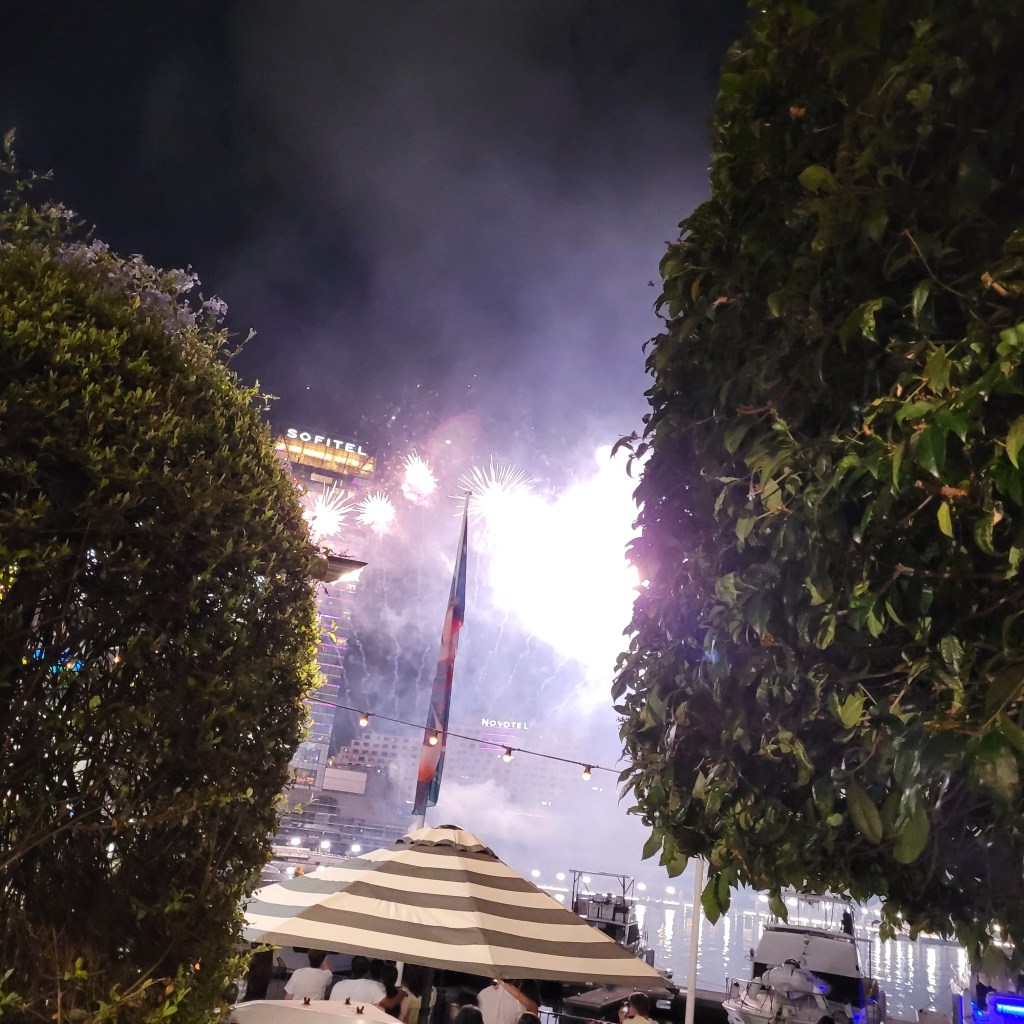
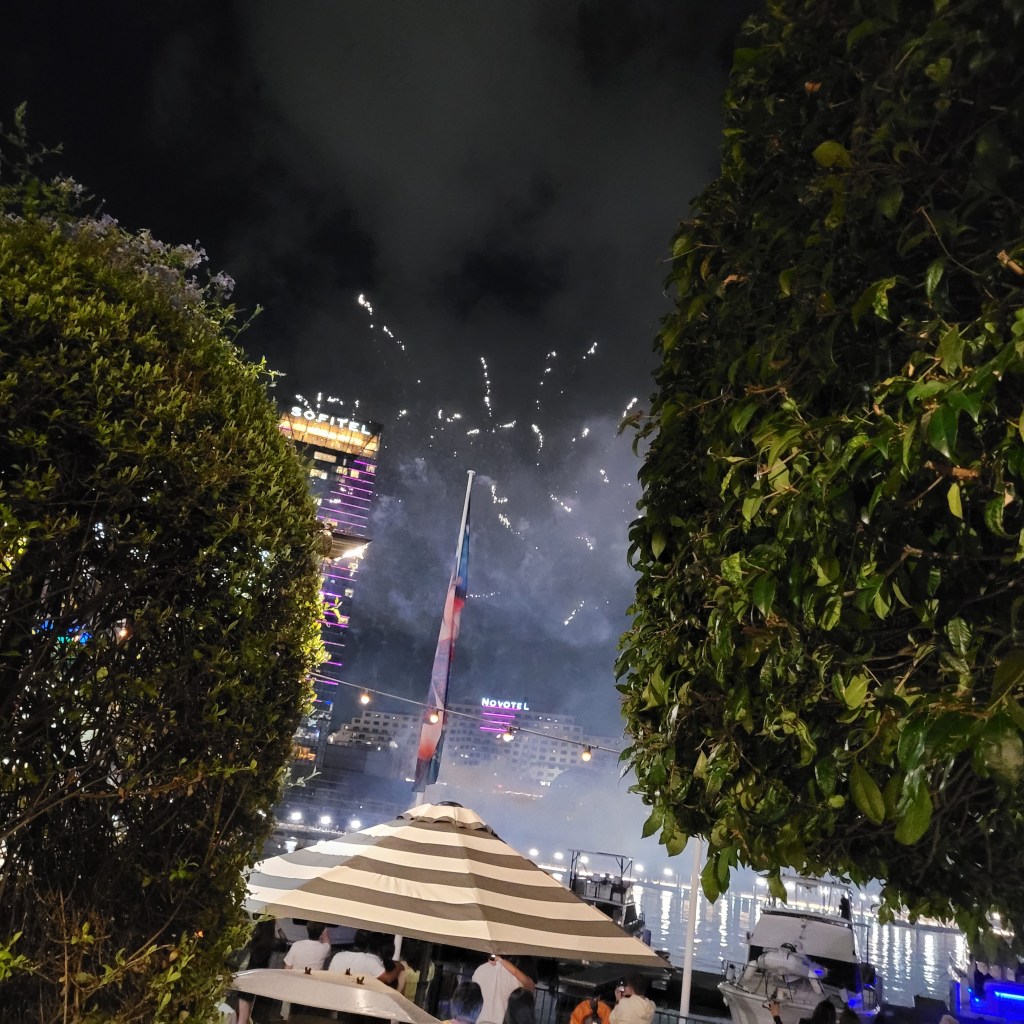
That evening, we went to dinner at Darling Harbor. Steve had learned of a series of fireworks displays and water shows in commemoration of Lunar New Year. We hoped to finish dinner and try to find a spot to see the fireworks over the water. We found a spot at one of the many restaurants that line the harbor, but because of the crowds present, were unable to get seated, served, and complete our meals before the fireworks started. I was able to find a spot between two bushes to get some shots of the fireworks-not great quality, but I hope it gives you an idea of the spectacular,

It was quite a night and, as the old saying goes, “my dogs were barking” by the time we got back to our apartment that night.

Darling Harbor and the Long March toward the Opera

We are staying in a beautiful part of town called Darling Harbor. Steve, my intrepid pal, had done some exploring at the end of the first day while I lay prostrate in my bed trying to catch up on sleep. He led me on our second day in an incredible walk that made my Fitbit very happy. As we walked along the waterfront, there was a remarkable amount to see. There was a great deal of very interesting reuse of old industrial buildings, now remade into housing or restaurants and retail space. One example is this group of buildings.

After seeing several peeks of the iconic Sydney Harbor Bridge, we finally turned around a curve and saw it in its glory. We noticed some tiny figures near the top of the span of the bridge that we finally realized were people making the bridge walk. We both agreed that this was definitely an activity we both enjoyed watching from a distance.

I have to admit that the long march from our flat through Darling Harbor, past the bridge and to the Opera House was not the stuff dreams are made of. But I made it. My remarkably fit companion who is only a few years my junior (the dirty dog) was still as fresh as a daisy, as I dragged my sorry butt through the lower restaurant level of the Opera House. We managed to get tickets for a tour of the incredible edifice for the next day (if I lived to see it, I thought) and then we chose the Sydney Opera House Bar for lunch.

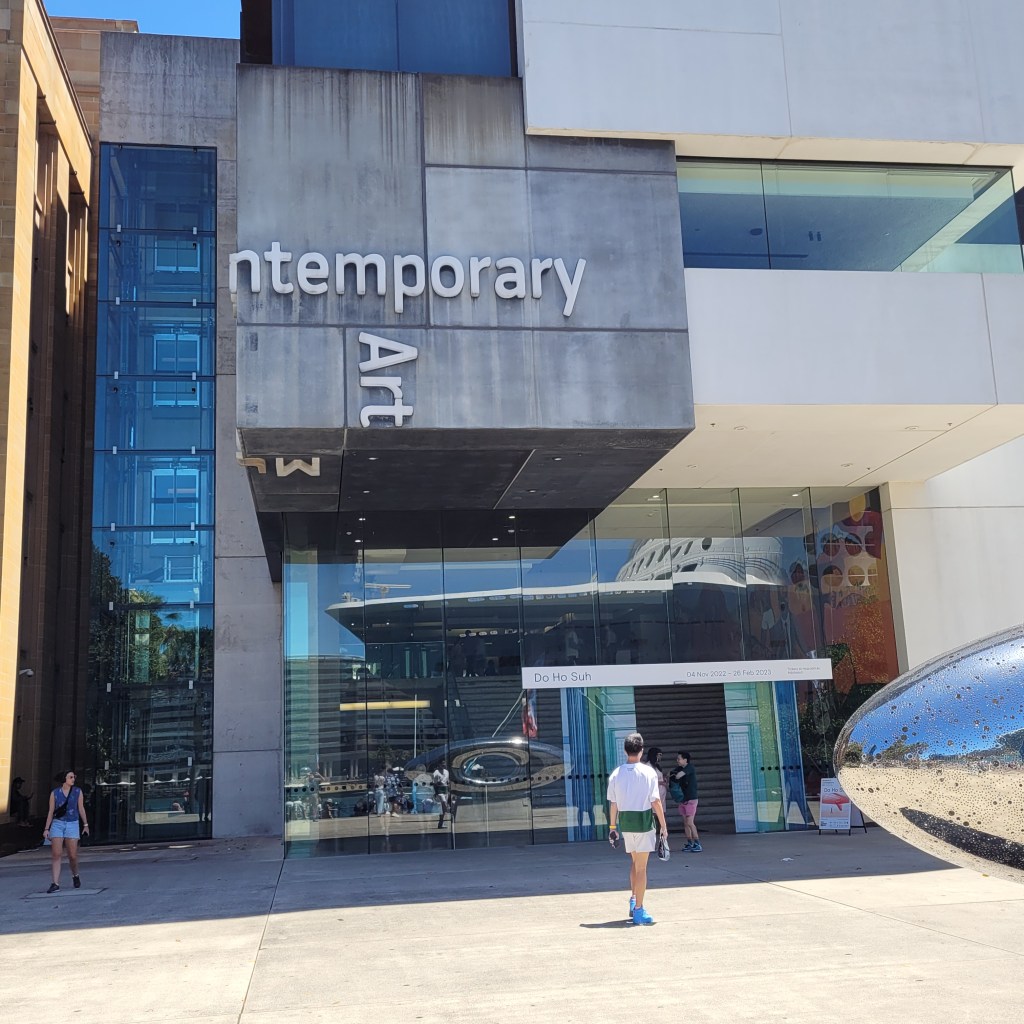
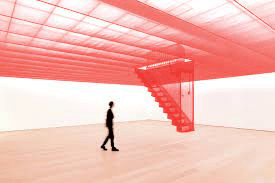
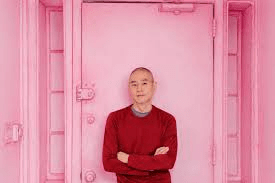
After lunch, I decided that I had not punished myself with enough walking for one day and so Steve and I chose to visit the Australia Museum of Contemporary Art located close to the Opera House, but with plenty of stairs and with acres of walking to be done inside. The museum is actually quite a pleasant place with a small collection of some very fine art by native Australian artists. There was a special exhibition on by a South Korean artist Do Ho Suh whose work is characterized by its exploration of concepts around home and identity.

His work is interesting and appears substantial, in parts and ethereal in others. He has lived through a turbulent time of change in his native South Korea but moved on to create much of his work in New York, where he studied and London where he later settled. One of this most touching works, which is not shown here dealt with the protesters, many of whom were ‘disappeared’ during the student uprisings that led to the end of the military dictatorship in South Korea and the gradual development of a democracy there.

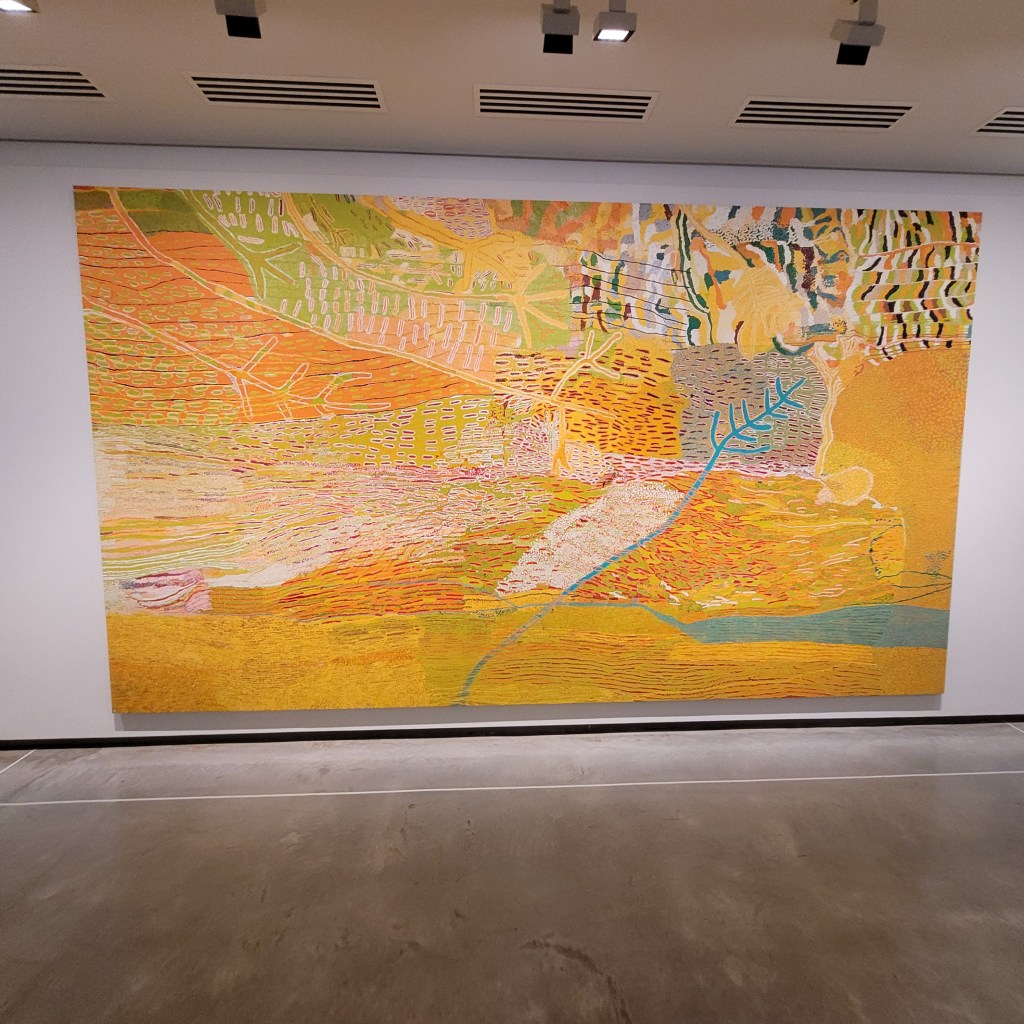
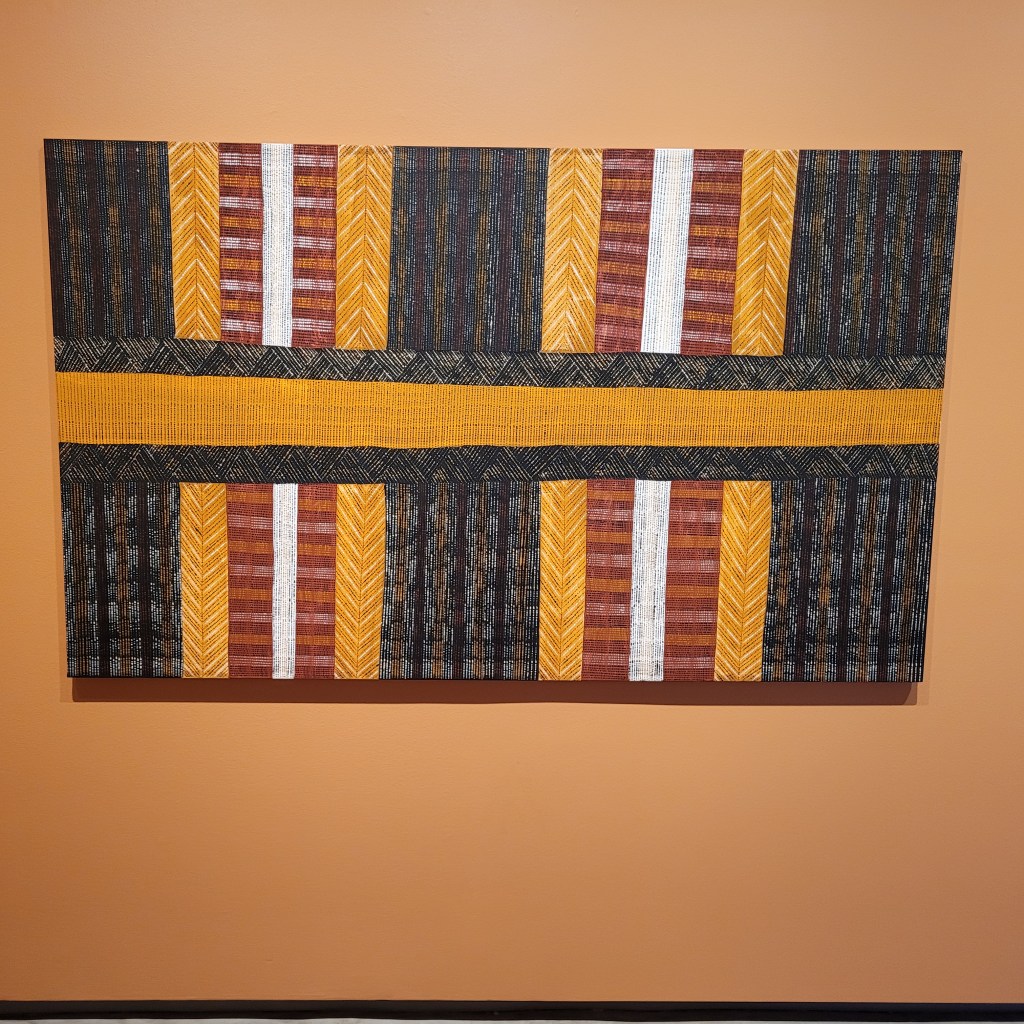
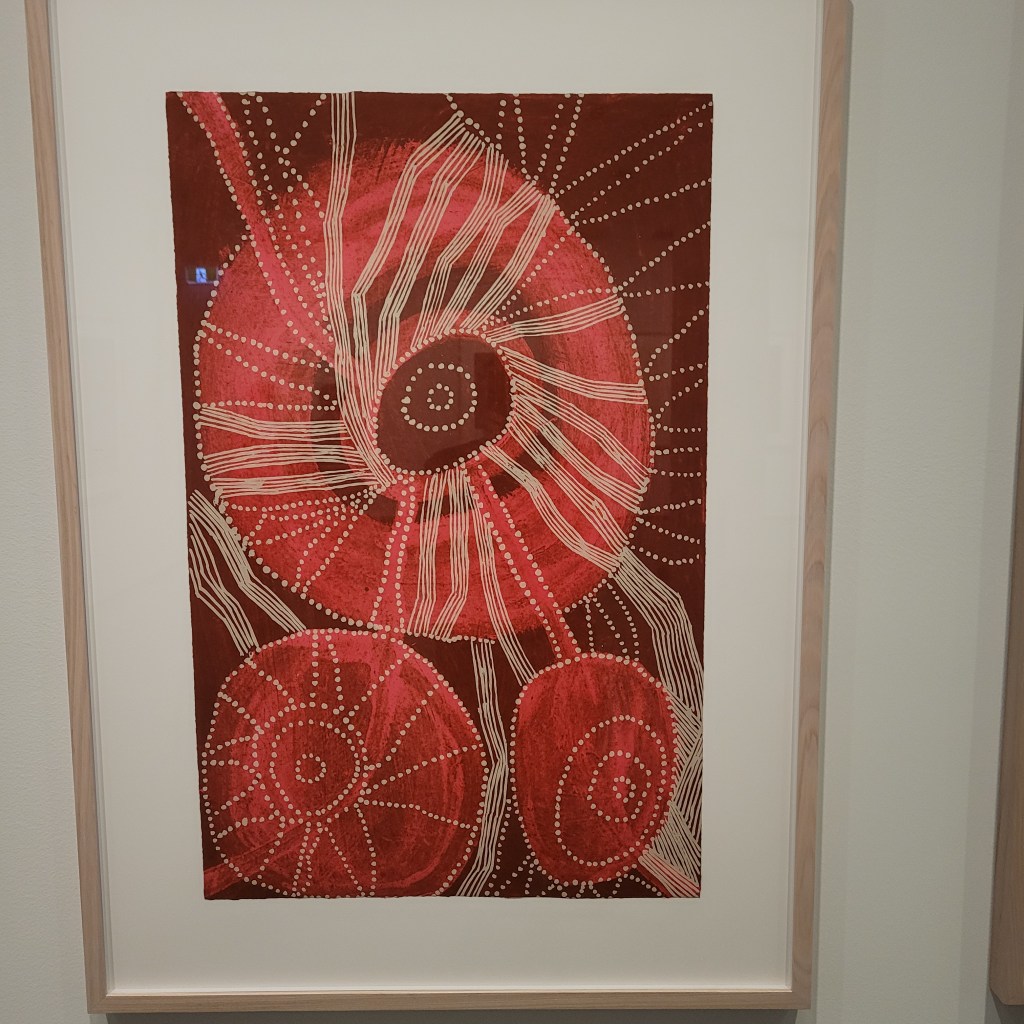
Perhaps the most interesting and exciting part of the permanent collection of the museum are the works of Aboriginal or native artists, living and working today in Australia. Here are some of these.

I find these works wonderful and I hope that you too enjoy them.

To Oz-Mark in London AND the World Lives Up to the Name

The bucket list trip I had started to think would never happen has finally begun. I can confirm that, yes, it is a very long flight! I was driven from Naples, Florida to Ft. Lauderdale Airport where I took a two-hour flight to Houston, Texas. There, I met my companion for the journey, a friend of nearly 50 years standing, Steve, who flew down from New Jersey. We chose United Airlines for the 17-hour flight to Sydney. United’s Premium Economy class was a very good value. The seats were very comfortable, food and beverages were good, and we both were able to get some sleep during the journey. Sydney Airport’s customs regime is largely automated, and we were through it quickly.

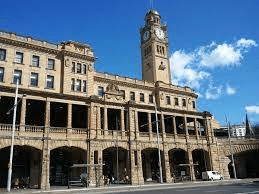
Since we could not check in to our accommodation for several hours, our first stop was Sydney’s Central Train Station that offers a safe place to store luggage.

Bags stowed, Steve and I set out on our first tentative exploration of Sydney’s many delights. The first thing we spotted was this interesting piece of public art.

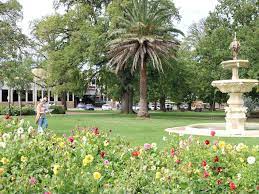
Sydney is a beautiful green city. We were only a block from the Central Station when we found Belmore Park, a beautiful oasis of calm, in the city.

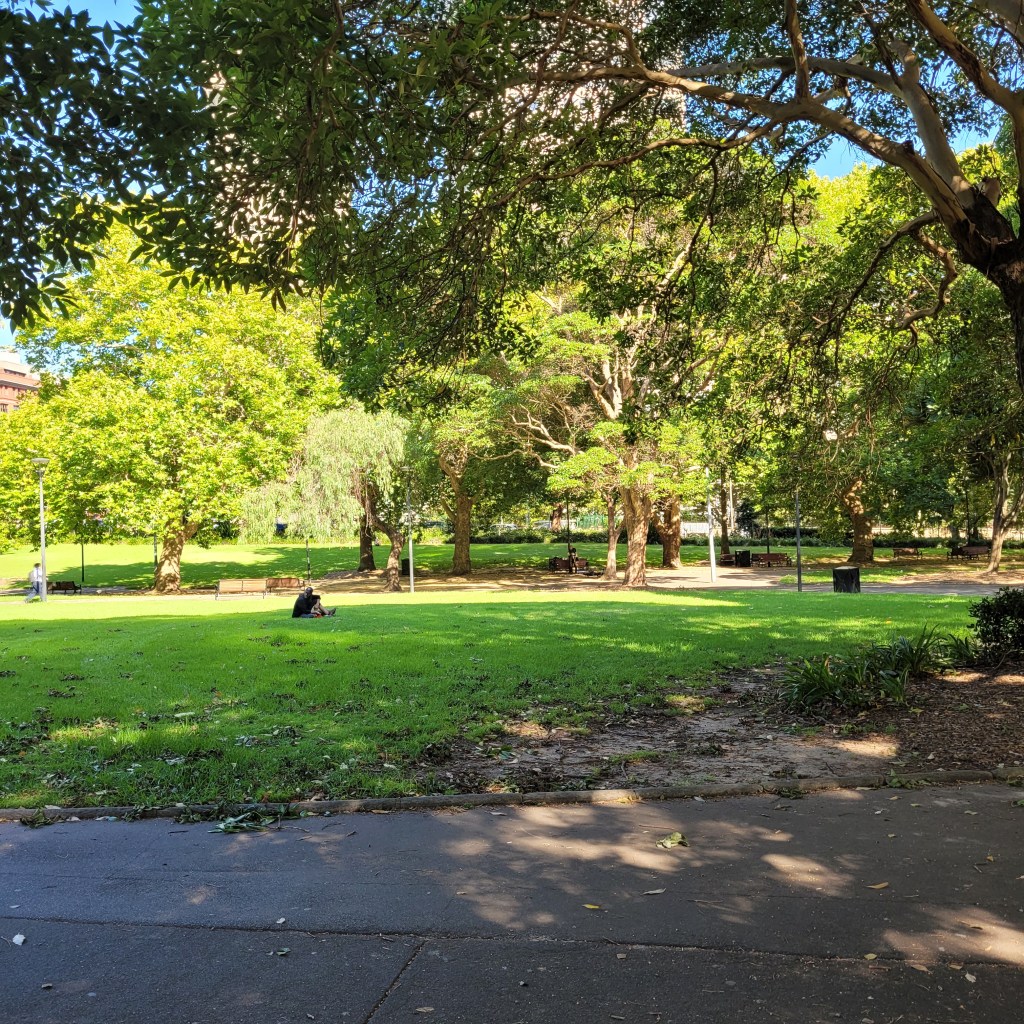
We continued to walk through central Sydney toward the next park we hoped to see, Hyde Park. Hyde Park is lovely, more green lawns and native trees and a wonderful statue of Captain James Cook.

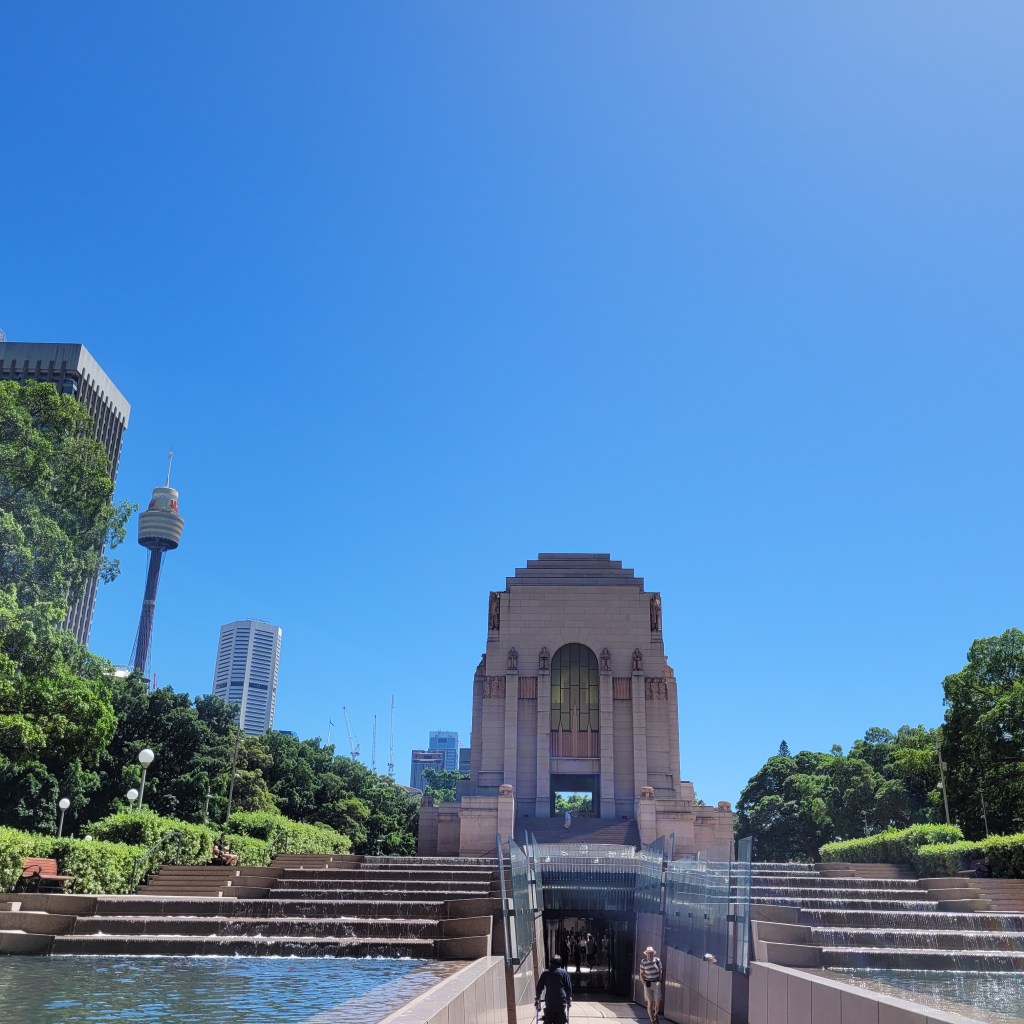
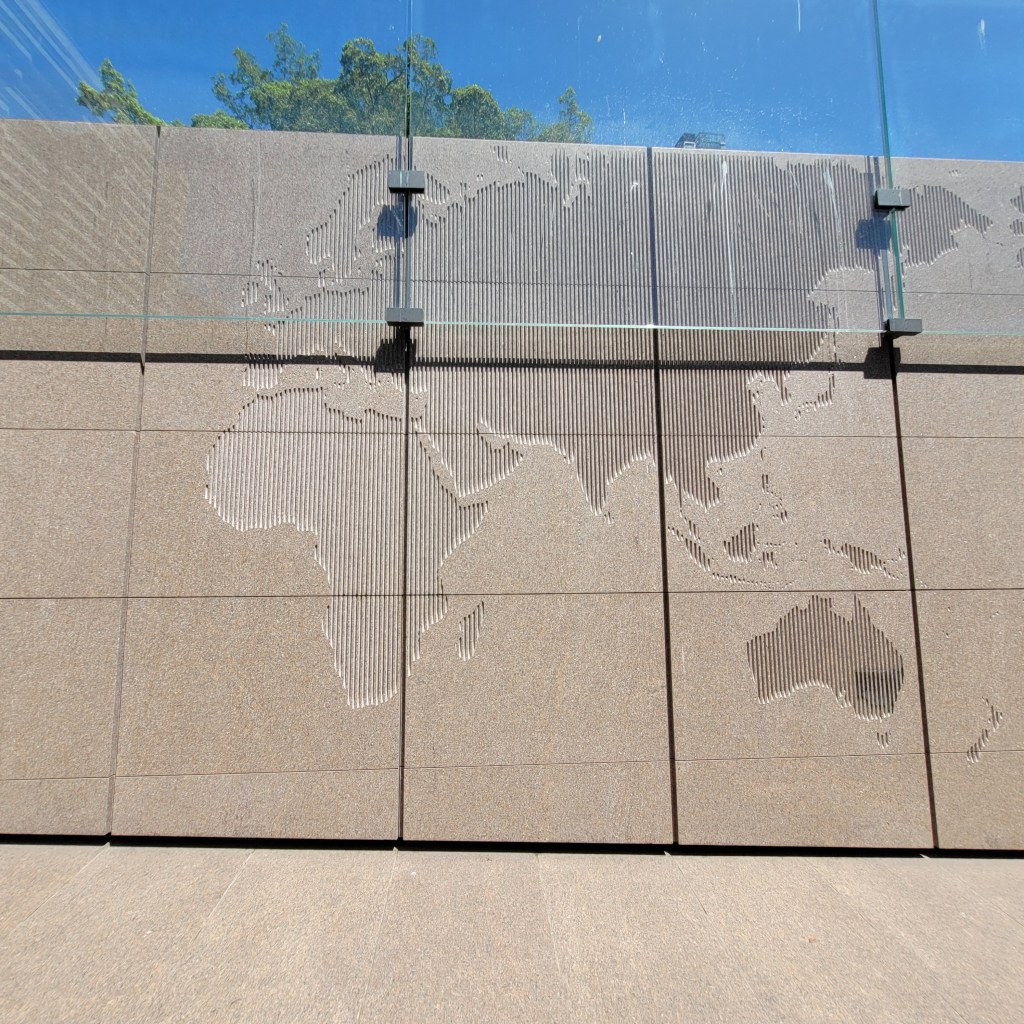
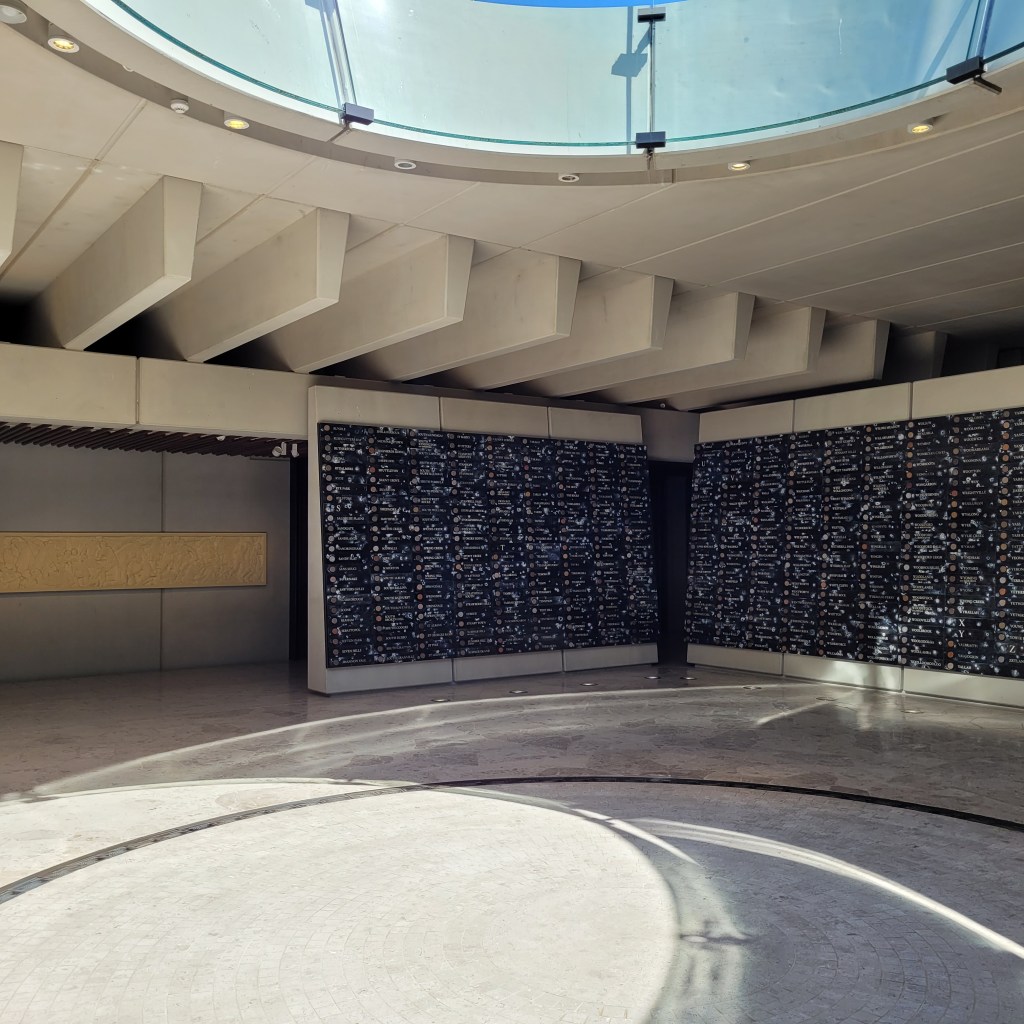
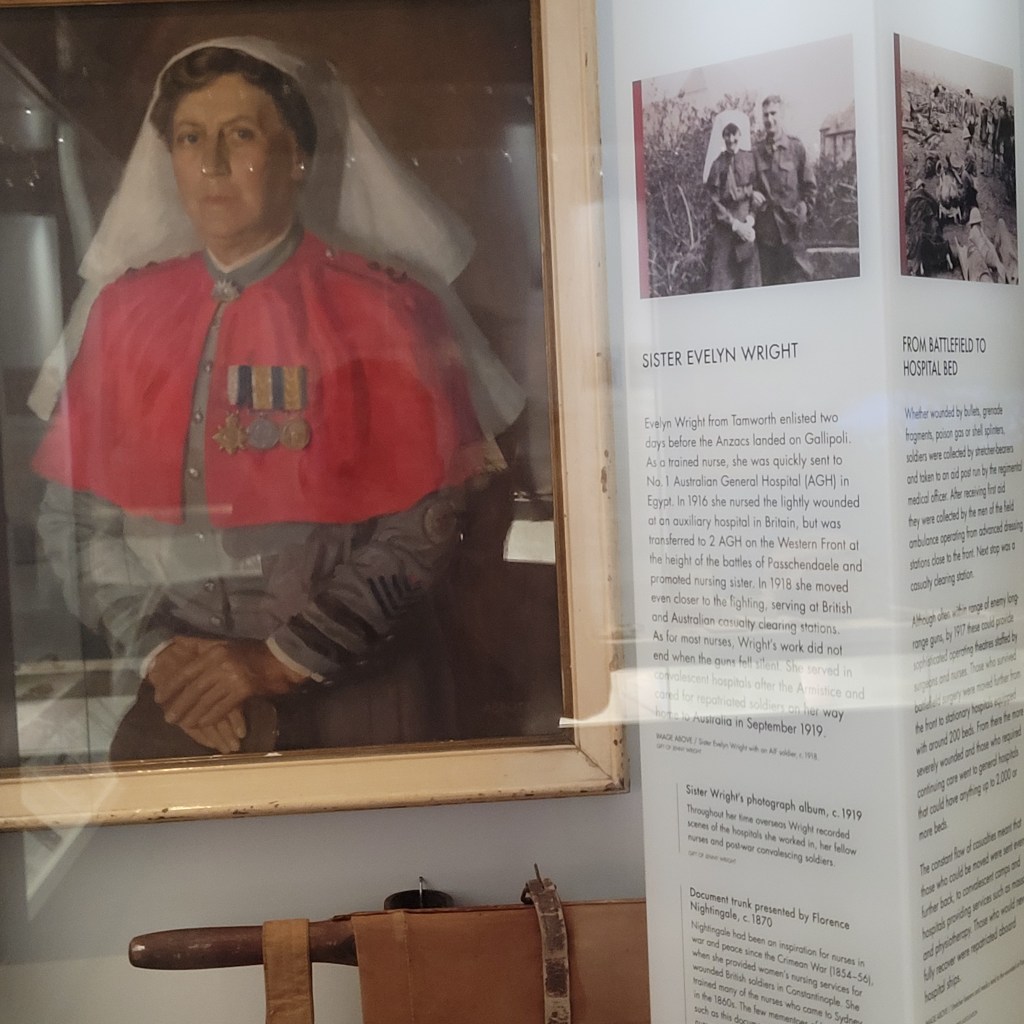
The truly touching part of this park was the solemn and beautiful ANZAC (Australia and New Zealand Army Corps) Memorial. The ANZAC troops were incredibly brave, fighting in wars as independent nations and as part of the British Commonwealth. Their sacrifices in wars where they fought alongside Americans with great courage was a touching reminder to me that we are one world, one people, who are connected through our joint history.

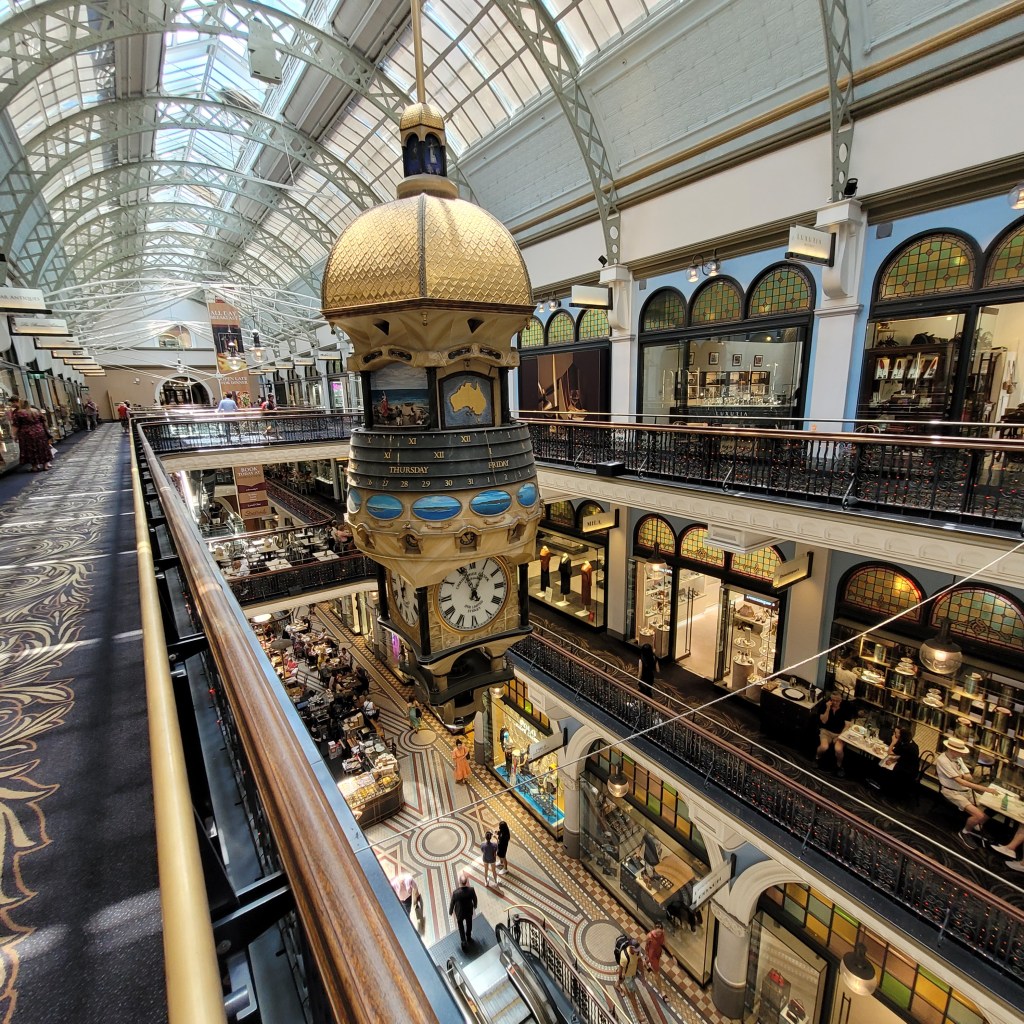
Our last stop of the day before retiring to our flat was at the Queen Victoria Building, a historic old lady of an edifice that has been turned into a multi-level high-end shopping mall. Here is one shot of a whimsical clock that graces the interior of the place.

More and better posts coming, as Steve and I recover from jet lag and continue our adventures.