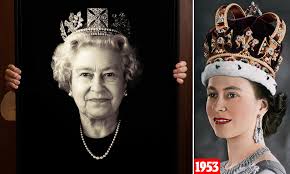
September 8th, 2022, started like any other morning for me in London. I had planned to visit a couple of churches and take some pictures and possibly take care of a legal errand in the afternoon. I got to the two churches and returned to my flat to change because the tube had been very warm. I had the TV on and was watching the news when Huw Edwards, one of the BBC’s most distinguished news readers and reporters, completed an update on the Queen’s health and his face gave the news before the words came out of his mouth. “Her Majesty, Queen Elizabeth had died at Balmoral Castle”. For the first time in 70 years the words, “the King and the Queen Consort” were spoken with regard to Britain’s reigning sovereign and spouse. Operation London Bridge, the long discussed and oft revised plan for this eventuality had begun.
Like the majority of people in the UK and the Commonwealth, this American blogger assumed that Her Late Majesty, as the reports began referring to her, would have lived to at least 100, and probably outlive her mother who died just months short of her 102nd birthday. But it was not to be. Many of us had been shocked to see how frail the Queen had looked a few days before her death when she had received the outgoing and incoming British Prime Ministers at Balmoral. But both had commented about how sharp and engaged she was, so everyone just assumed that all was better than it was.
And so, a stunned United Kingdom, the British Overseas Territories, the Crown Dependencies, the sovereign states where she remained Head of State, and many of the Commonwealth nations that continue to hold her in high esteem, began to mourn the loss of this remarkable woman who on her twenty first birthday made a speech that included these words: “I declare before you all that my whole life whether it be long or short shall be devoted to your service and the service of our great imperial family to which we all belong.” While the empire is long gone, the Queen did devote her life to the service of the citizens of the UK and of the countries of the former empire.
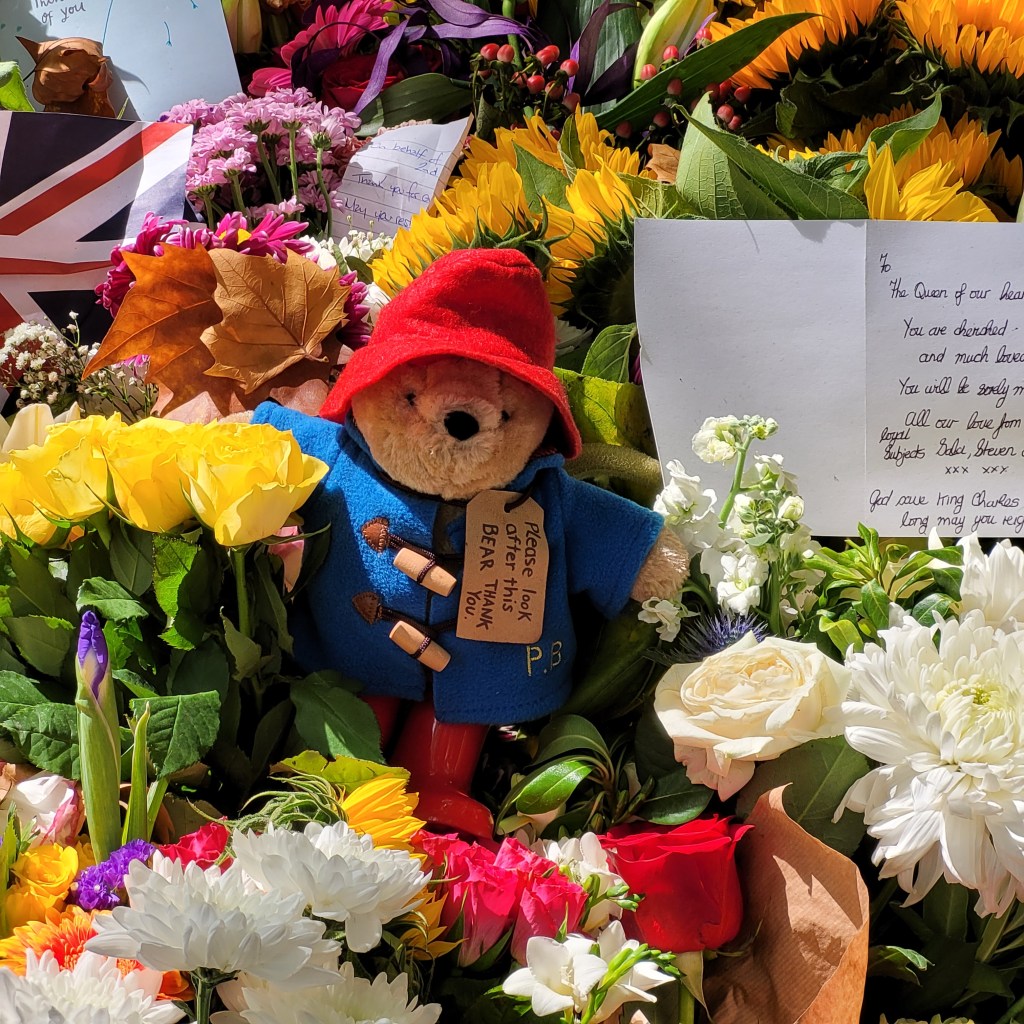
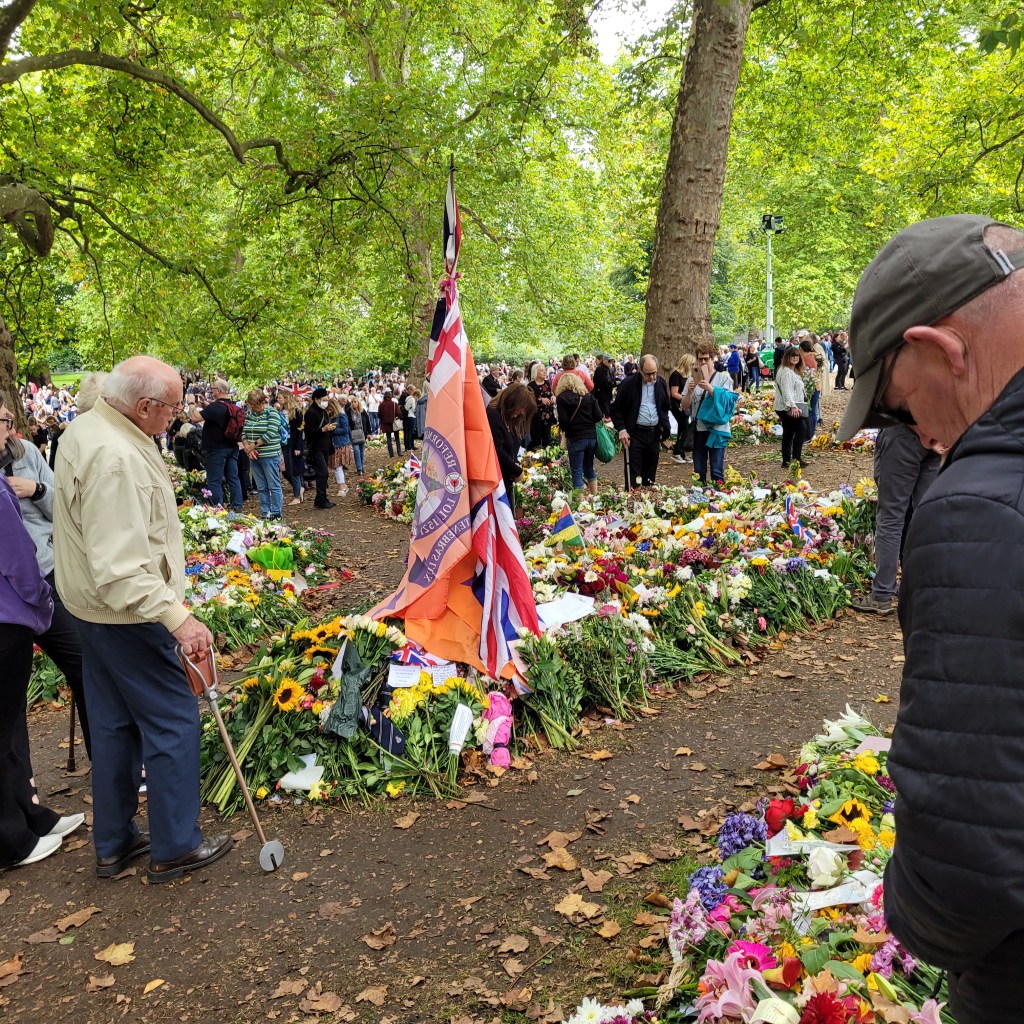
Almost immediately, the floral tributes began to arrive at Balmoral, Windsor Palace, just outside London, and at Buckingham Palace. The first bouquets arrived at Balmoral before the Queen’s younger children and grandchildren did. Only King Charles and Princess Anne, the Princess Royal were with the Queen when she died. By the second day after the Queen’s death, the decision was made to move the flowers from Buckingham Palace at the end of each day to Green Park, a huge park adjacent to Buckingham Palace and St. James’ Palace. The sheer number of bouquets, Paddington bears, notes, cards, children’s drawings, flags from organizations she was a patron for, were staggering, yet touching and beautiful.



Over the days following the Queen’s death, two parallel processes were happening, the installation, for lack of a better word, of the new sovereign and the official mourning process and funeral of the Queen.
The United Kingdom is a constitutional monarchy. While Prince Charles immediately ascended to the title of King and ceased being Prince of Wales, upon his mother’s death, there are numerous legal steps that had to be taken to formalize his role as head of state of the United Kingdom. Most governmental power resides in the UK Parliament and in the devolved parliaments in Scotland, Wales, and Northern Ireland for certain local matters. But the sovereign serves as the symbol of the State and as the leader who is above politics can give advice to the Prime Minister and can, as the Queen did for 70 years, and as her father, King George VI did during World War II. In the United Kingdom, the sovereign, is also Governor General of the Church of England and has the title of Protector of the Faith. But not in Scotland. History going back to the time of the union of England and Scotland in 1707. The Scottish Presbyterian Church is independent. Therefore, days after his mother’s death, at another political process unique to the United Kingdom, the Accession Council, the King signed a document guaranteeing the continued freedom of the Scottish church. His formal coronation will not take place for months.
The UK, with a new Prime Minister, faces a very dangerous winter because of potential heating fuel shortage. Because King Charles is an ardent environmentalist and, at 74 years old, he has been at his mother’s side for many years. He knows many of the energy executives and the international leaders who the political leaders with have to work with to resolve the problems they face. He could provide valuable advice to his new Prime Minister. This can be the strength of a constitutional monarchy, the stability that the sovereign provides.
I have British friends who would like to see the UK become a republic, but few of them can tell me how they would like to see it happen. I do not find that hard to understand because I believe it would be a process akin to the United States trying to fix our legislative system or our electoral system. Each system is intertwined with the historical fabric of our way of life and our governmental structure. I have American friends too, who think it is all a bit archaic and a waste of time and money. I like to remind my American friends that it was only some thirty years ago that an American politician whose party had not been able to gain a majority in the Congress created a false “gridlock” to gain the position of Speaker of the House of Representatives, in an attempt to turn the US into a parliamentary democracy. Instead, he managed to destroy a successful system of bipartisan cooperation that had helped make America a successful economic power that had gone to the moon and made progress on intractable social problems. Look at where that “contract ‘on’ America” has left us today.
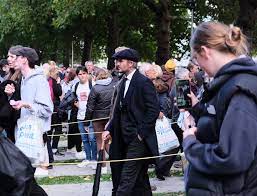
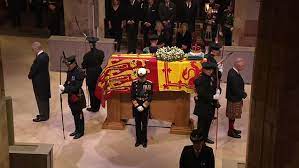
The formal mourning and funeral process that took place must have been extremely difficult for all the Royal Family, but especially for the King and Queen Consort. King Charles and Queen Camilla, the Queen Consort travelled, not only back to London, but then made trips to the Welsh, Northern Irish, and Scottish capitals to show each constituent country of the United Kingdom his respect and to thank them for their support and love for the Queen. In addition, the King, with his consort by his side, was carrying the procedural duties I mentioned above. I will assume that most readers saw the incredible stories of the lines that thousands of people queued in to walk past the Queen’s coffin, first in Edinburgh, then in London, where the lines were many miles long and lasted over 21 hours in some cases. The rich and famous, like former Prime Minister Theresa May and football star Davide Beckham queued alongside ordinary citizens. The scenes in Westminster Hall where the Queen’s children and later her grandchildren stood vigil around her coffin touched every heart. Of course, the religious ceremonies and the processions were profoundly moving. The armed forces of Great Britain pledged an oath to serve the Queen, as we in the American Civil Service and Armed Forces pledge an oath to uphold our Constitution and laws. I know how deeply such an oath becomes a part of one’s soul and I understand the emotion and care that soldiers, young and old took in being part of this process.
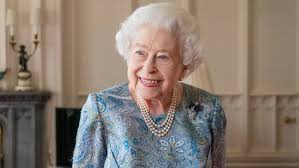
Let me close this segment by saying that Queen Elizabeth should be looked at for the way she carried out her responsibilities as head of state and head of the Commonwealth. She lived her life guided by her faith. I admired her. Rest in Peace.











































 Mark In London