Our last full day in Melbourne came much too quickly. It’s funny, one the one hand, I think, we both wanted to get out and get started, but we also sort of wanted to enjoy having the luxury of time since tomorrow the starter’s gun on the marathon trip would begin. We did get going and headed to the first of three places. Steve had not been well enough to join me on our first day in Melbourne, so he had not enjoyed the Queen Victoria Market in full-swing. It is open all week and we took a quick tram ride up so that I could show him the things I thought he would enjoy (and I wanted to see if we were close enough to find the city’s small but historic and previously notorious Little Italy). We both enjoyed the market and even found a pretty authentic Italian caffe where my few words of Italian when ordering confused the Austral-Italian clerk into assuming that I was Italian and not a watered down half-breed Italian-American poseur. But that happened at the Queen Victoria Market and we figured out that Little Italy was pretty far and mostly just a street filled with small restaurants, so we gave it a miss.
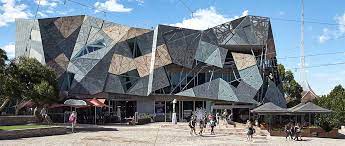
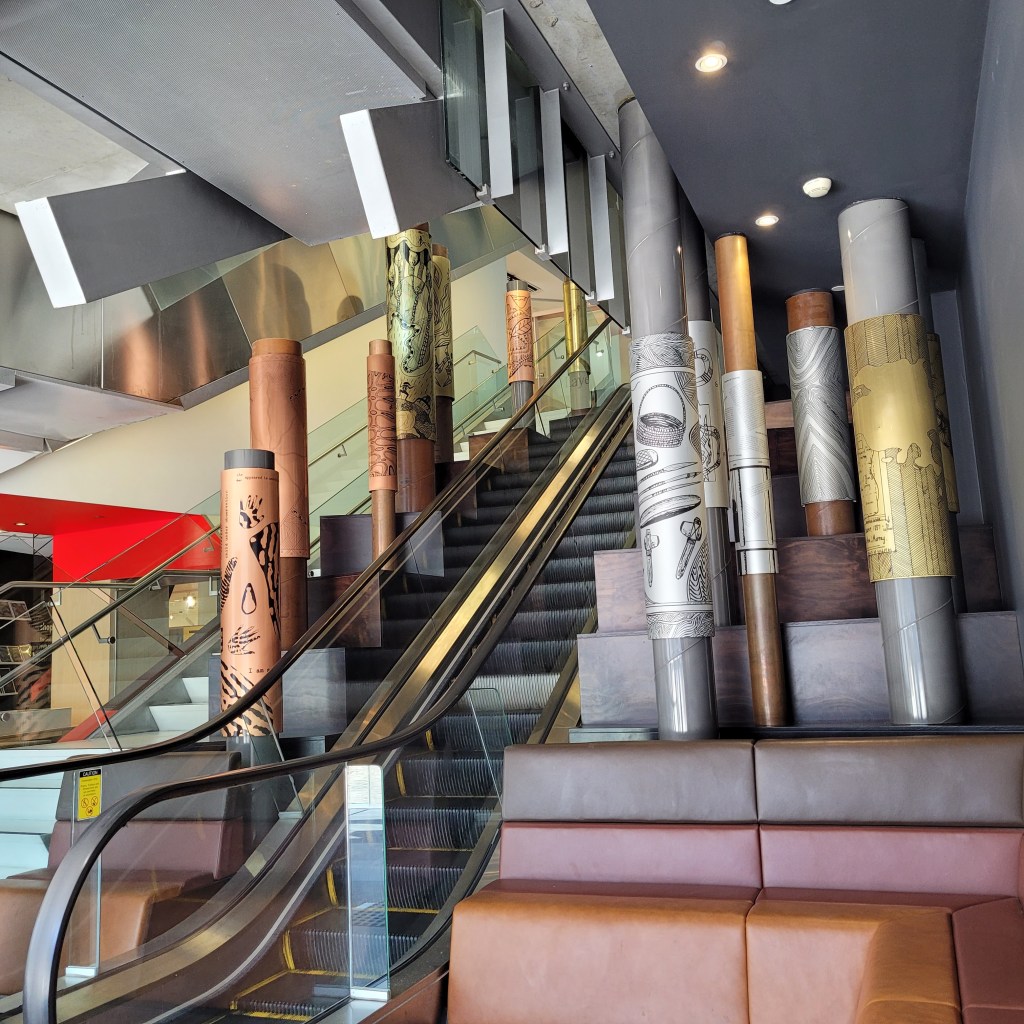
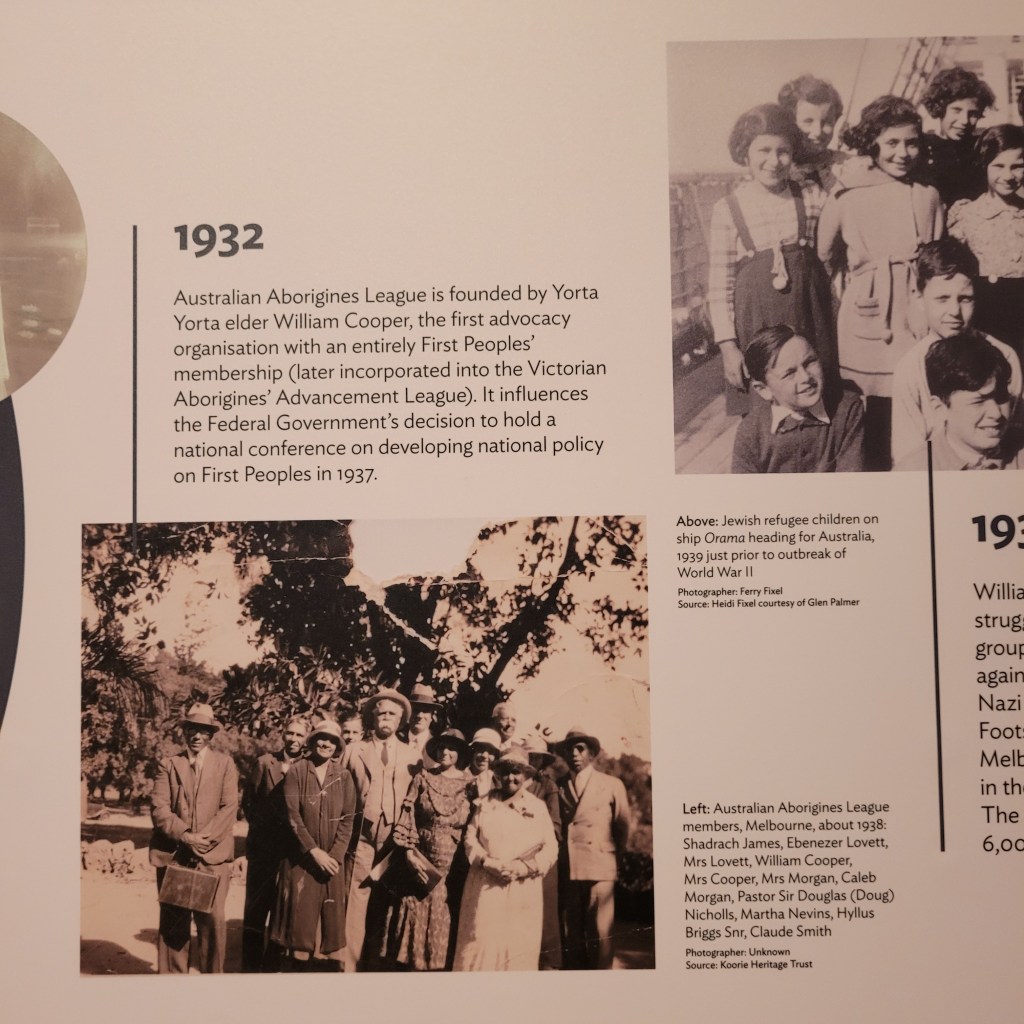
With time marching on, we took the tram back down toward the train station and walked over to the Immigration Museum. This nation that is trying so very hard to honor is First Nations and recognize them as the custodians and true holders of the lands on which all the structures and commerce of this modern nation exist is also keenly aware, not only of its impact on the Aboriginal and Island peoples, but also of the unique and continuing contributions and continually growing and changing makeup of Australia’s immigrant population. Telling the story of this unusual exercise in continuously building and binding a nation together with millions of moving parts that change constantly is what this museum tries to do.
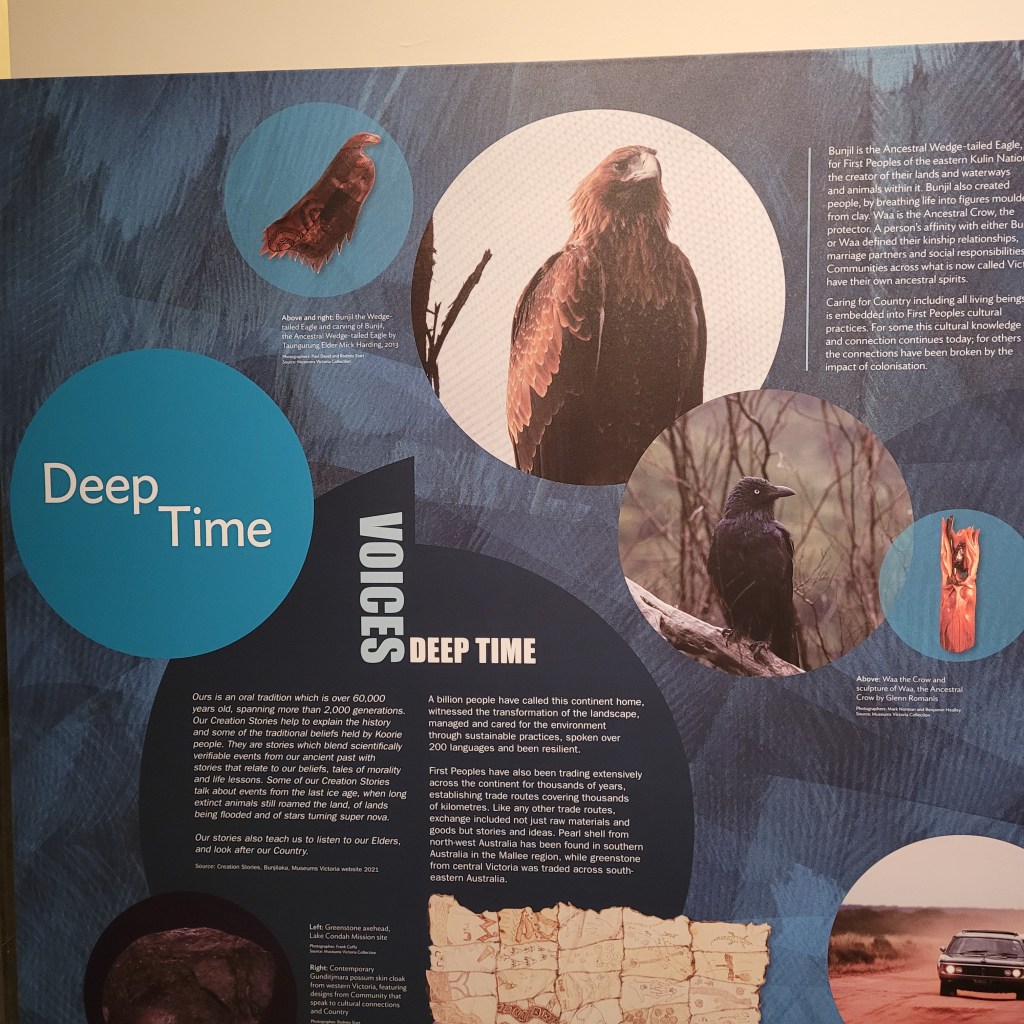
The museum has some fine exhibits for teenagers and young adults who often feel that they are apart from the society they live in. The interactive parts of these exhibits let these groups explore and express these feelings and then see and hear in the form of short video presentations the real stories of new immigrants who arrive in Australia and must learn or improve their language skills (a requirement for permanent status), find jobs, often while studying for career skills, make friends, worry about family at home often in countries at war or under repressive governments.
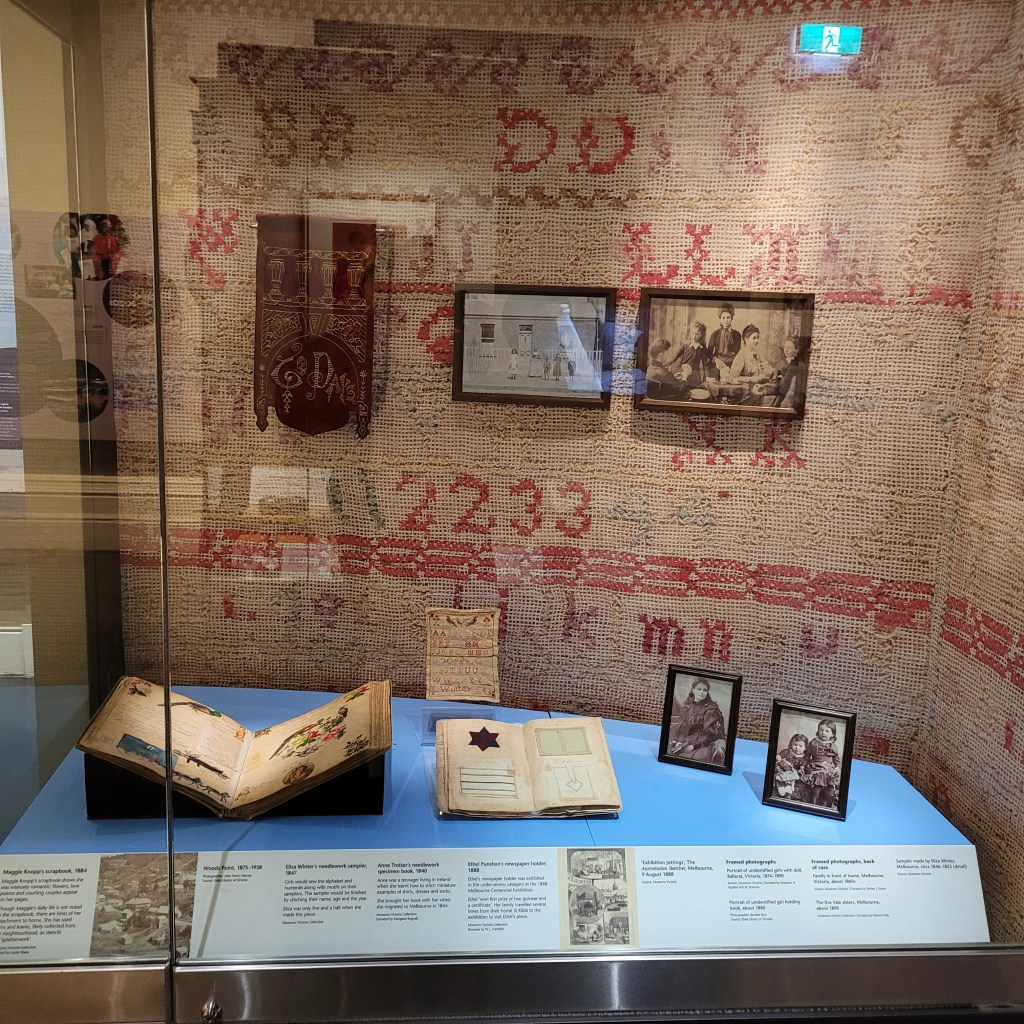
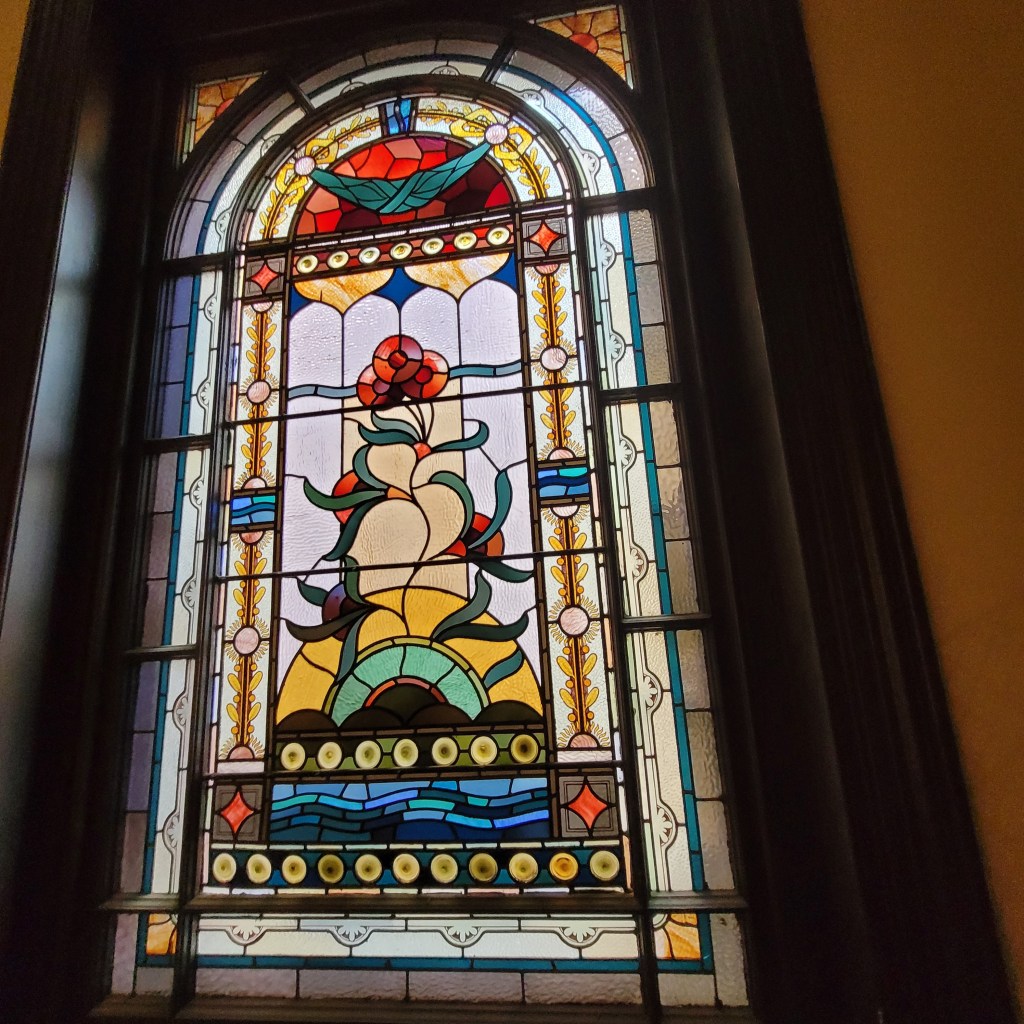
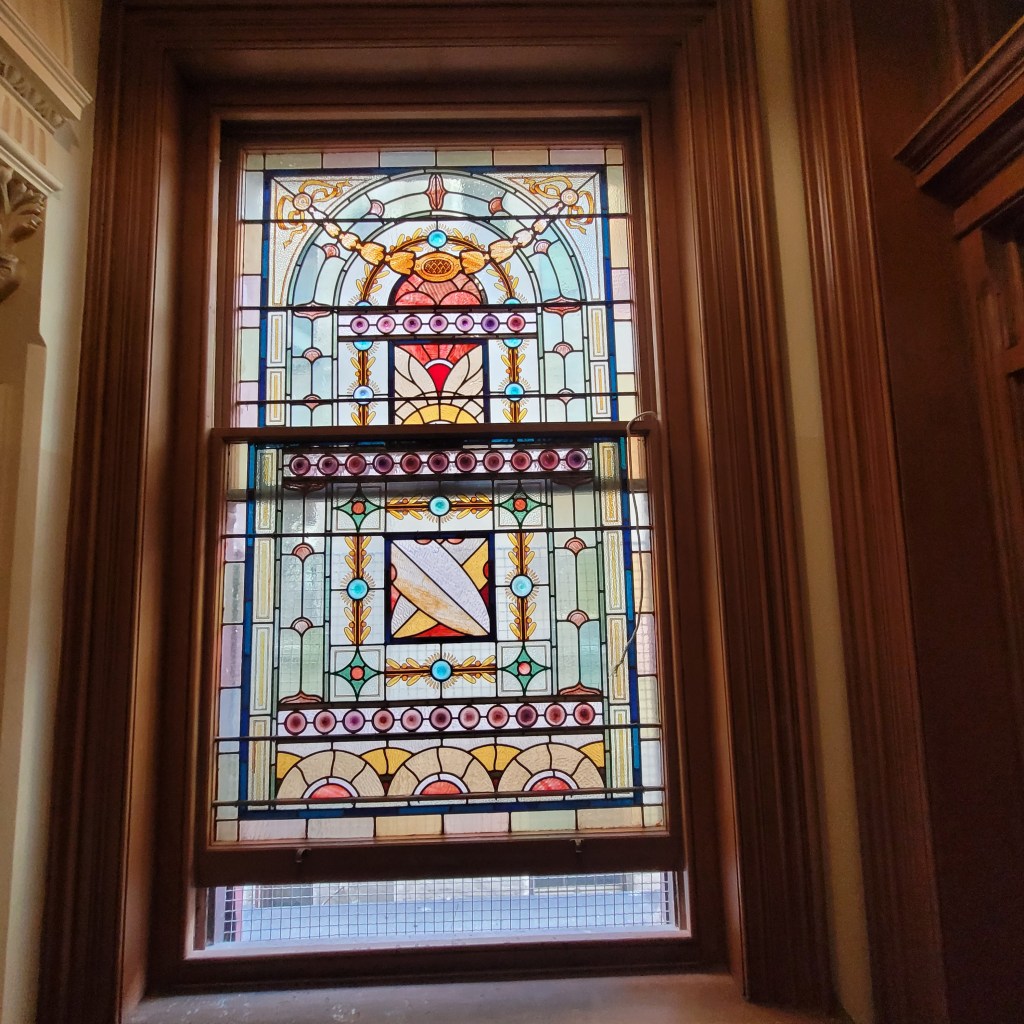
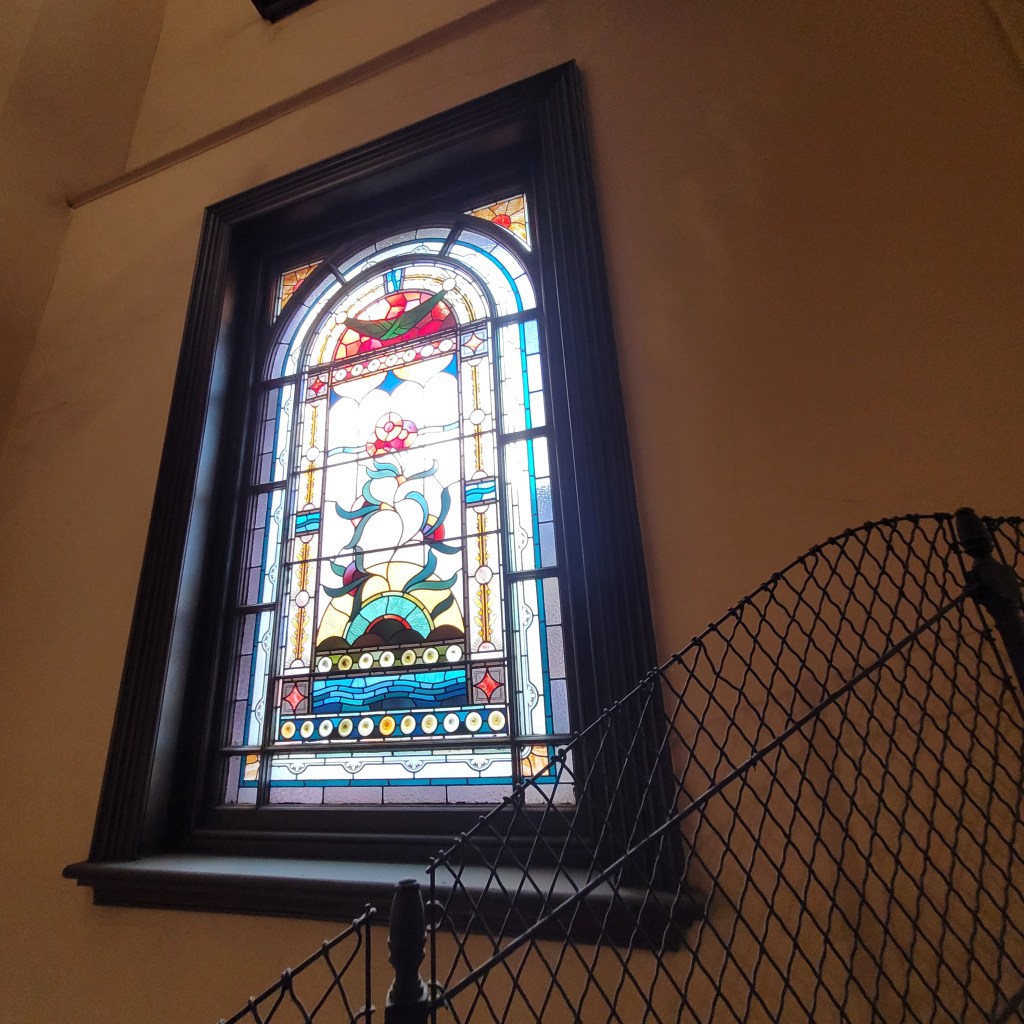
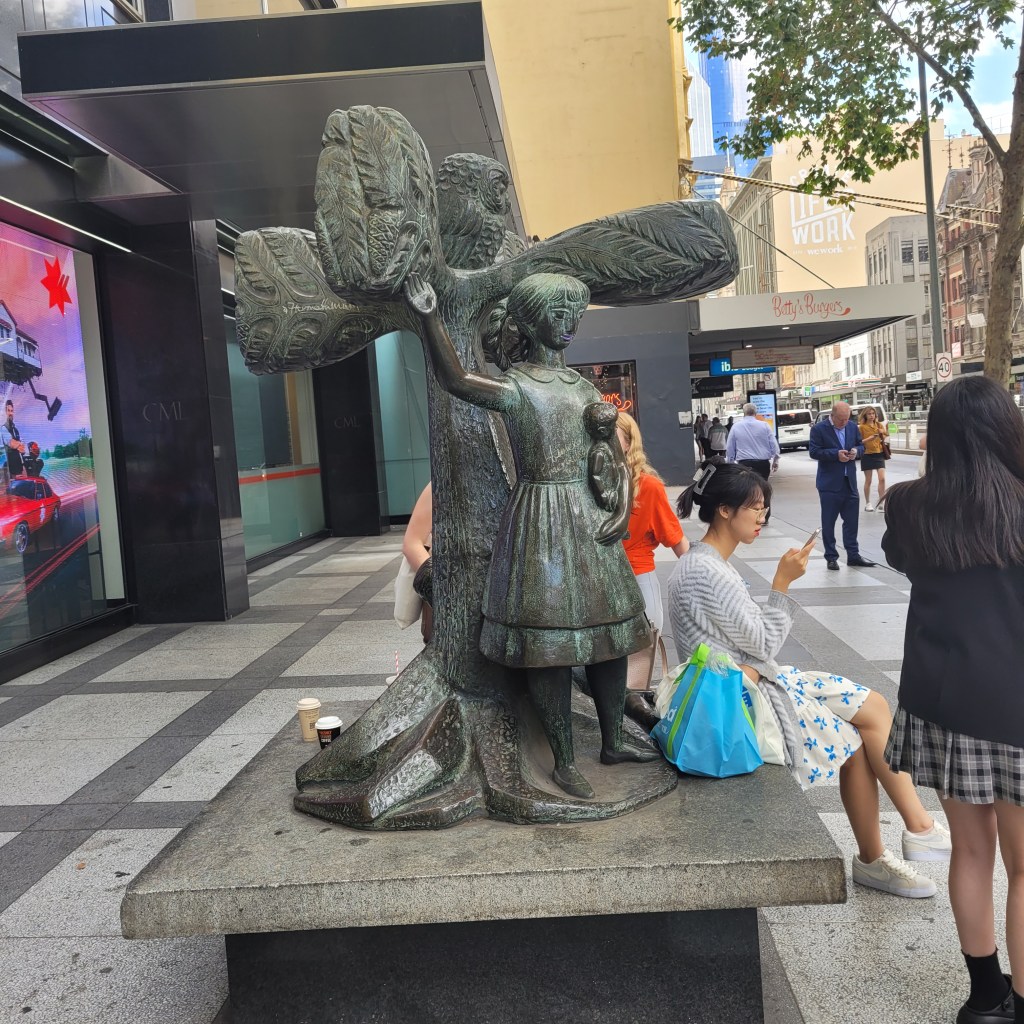
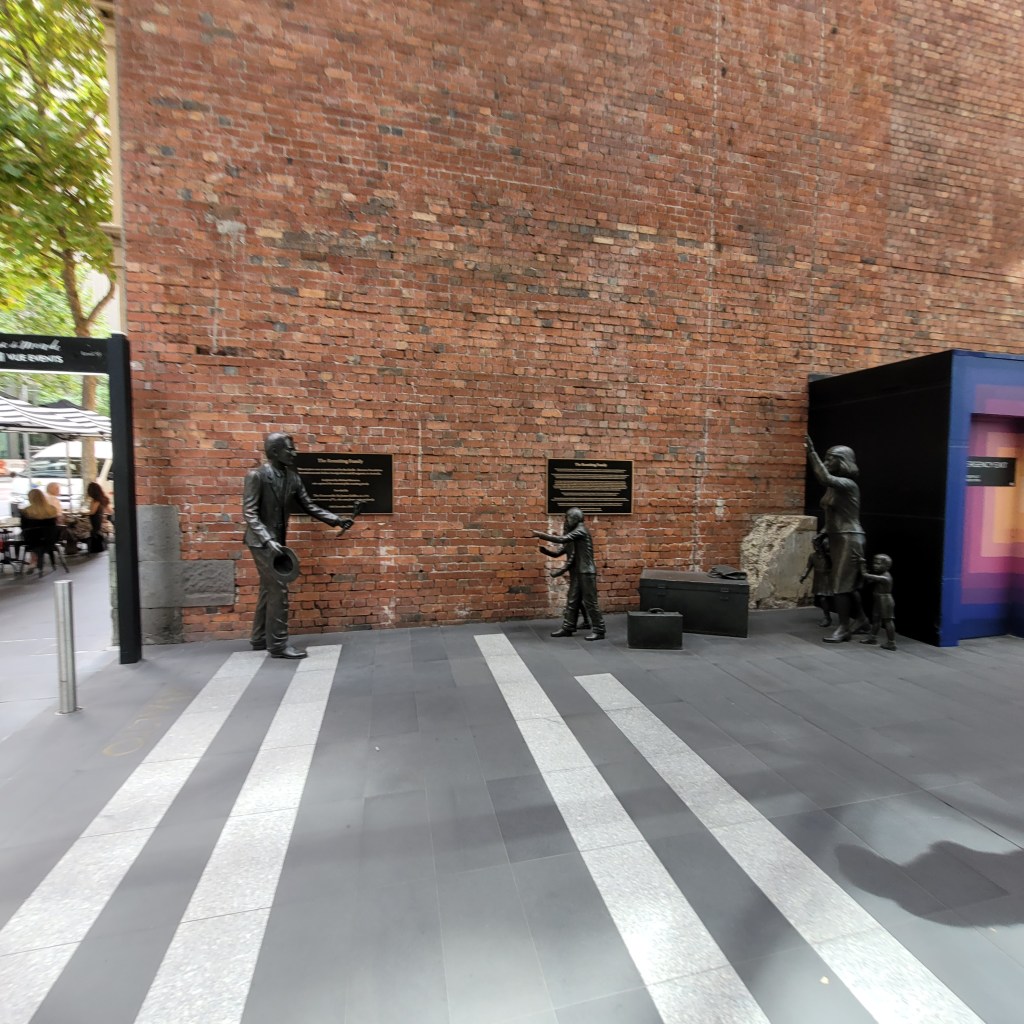
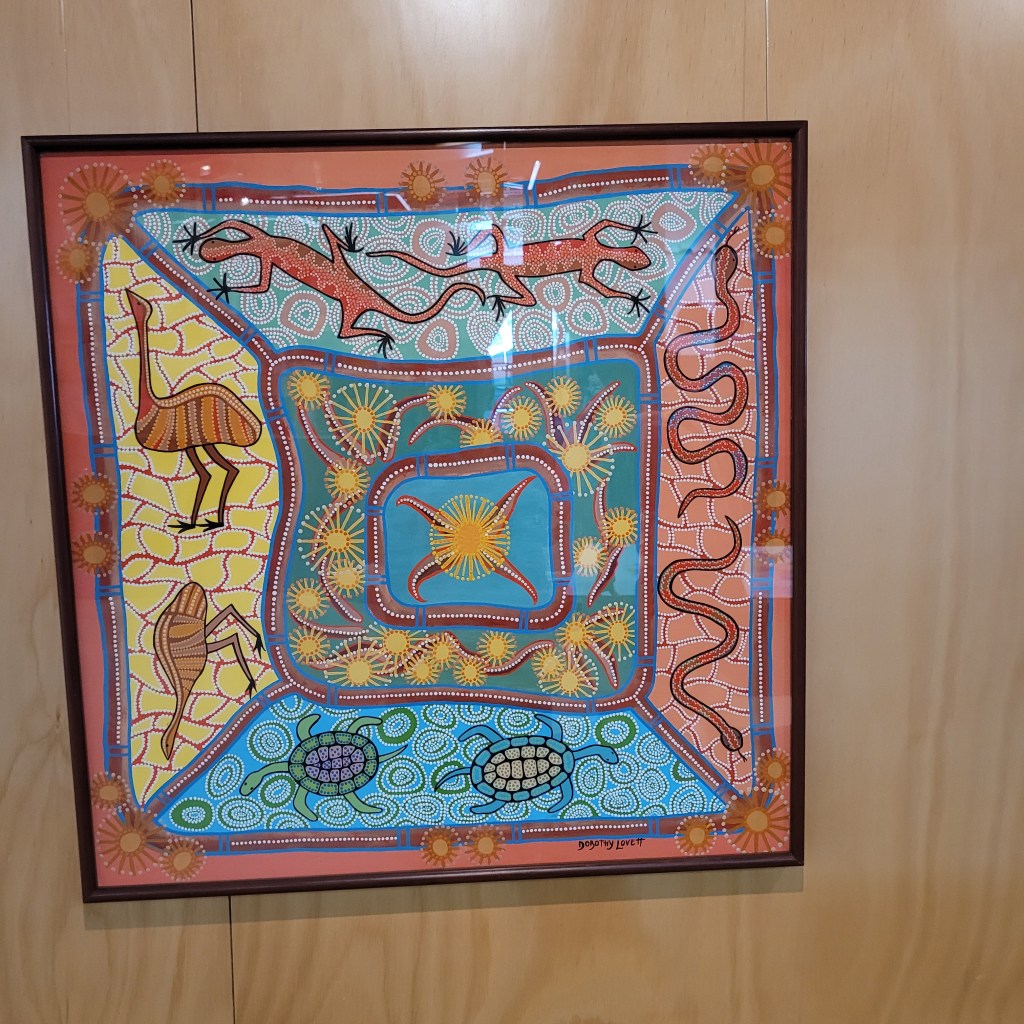
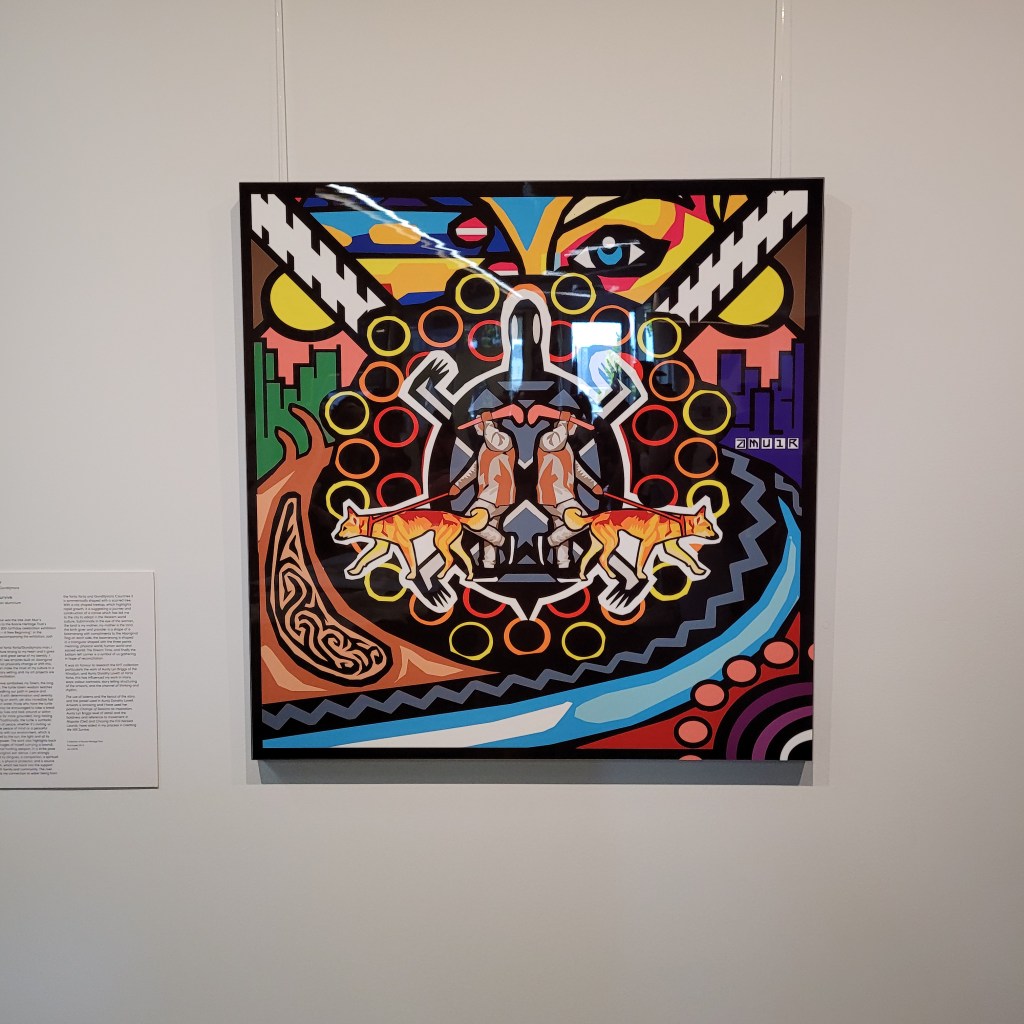
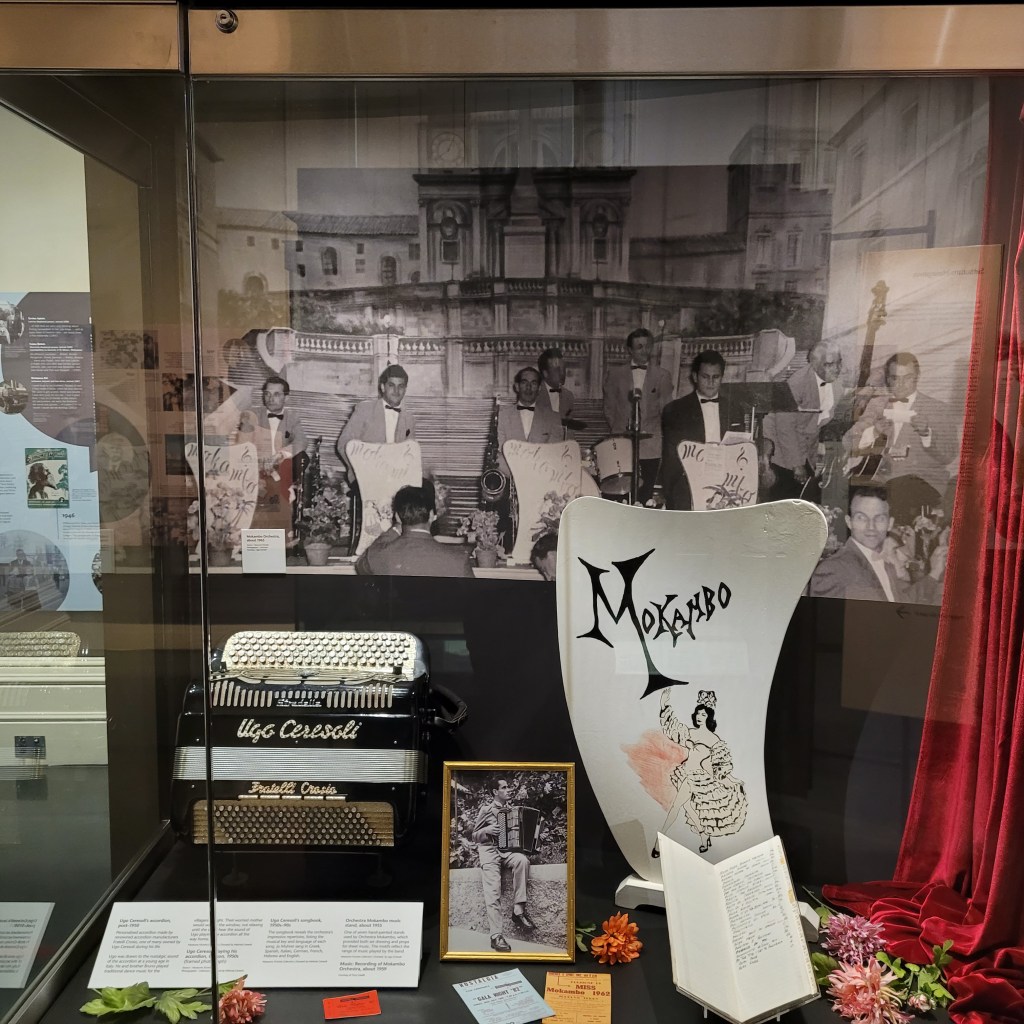
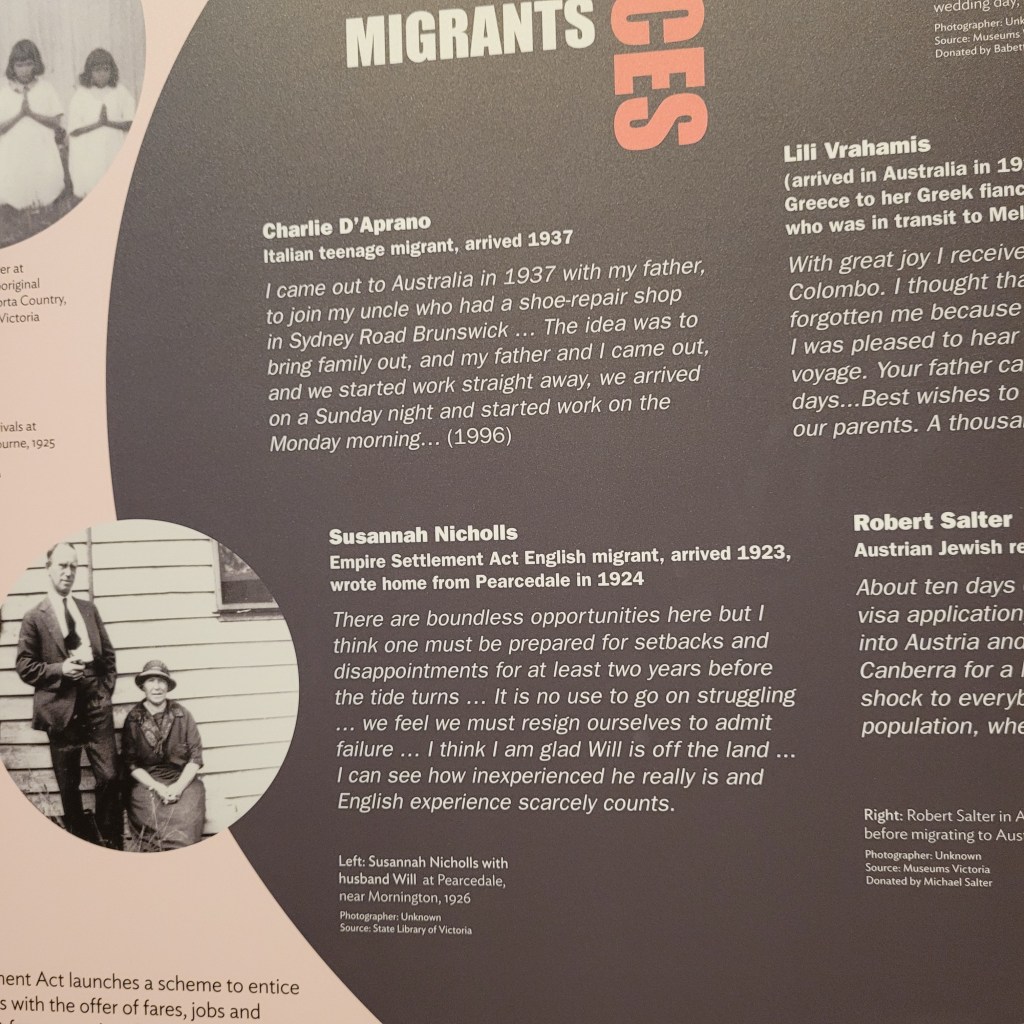
The look back at the history of immigration to Austria was also fascinating, so many familiar strains to America’s story, but so poignant, none the less. There were joyful stories of family reunifications and poignant one of young brides who had exchanged photos with men, married them by proxy, then been so shocked by their new spouse’s actual appearance that they did not want to leave the ships that had brought them from Europe to their new homes. The Covid era immigrants told tales of losing jobs and having to use up savings. One young man spoke of how remarkably kind and generous his neighbors were in offering help during those dark days. This, to me, is why Australia has been so successful in absorbing so many new people into its society. Here are a few more pictures.
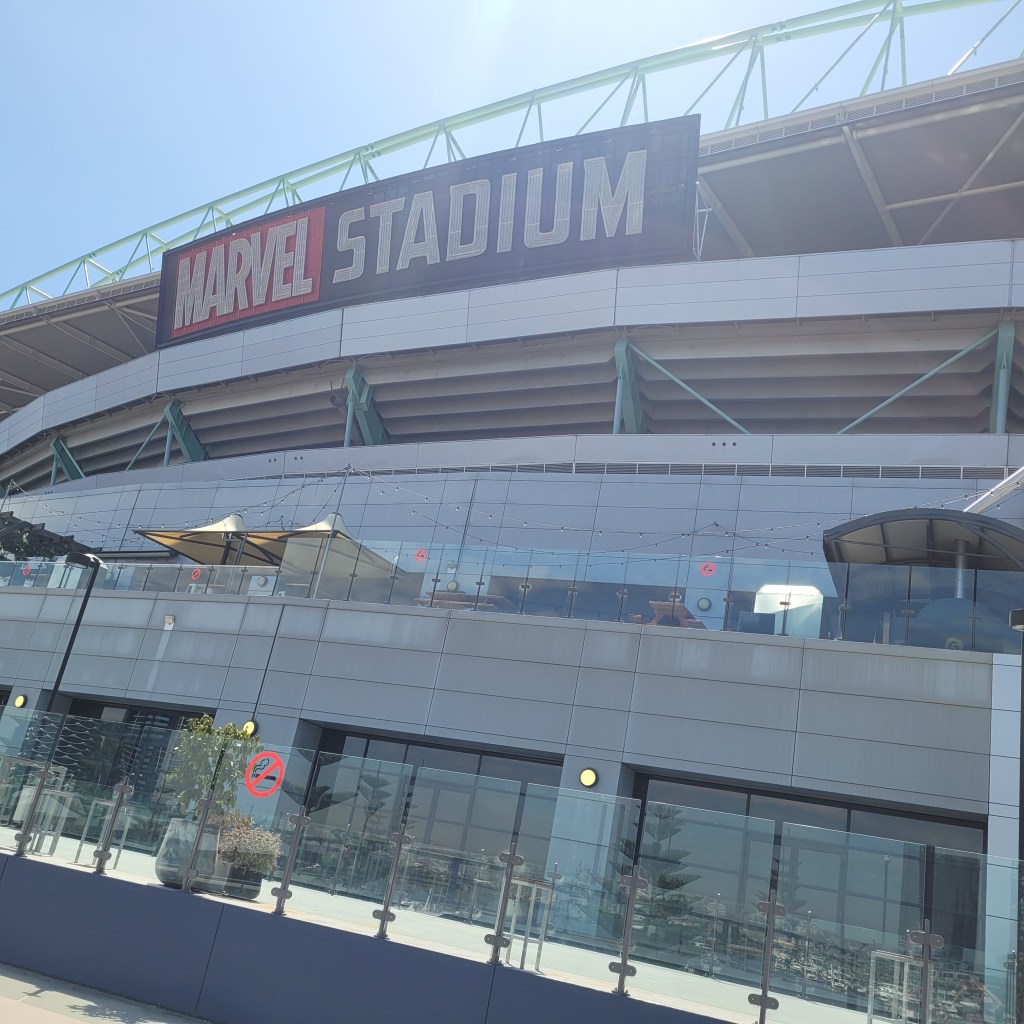
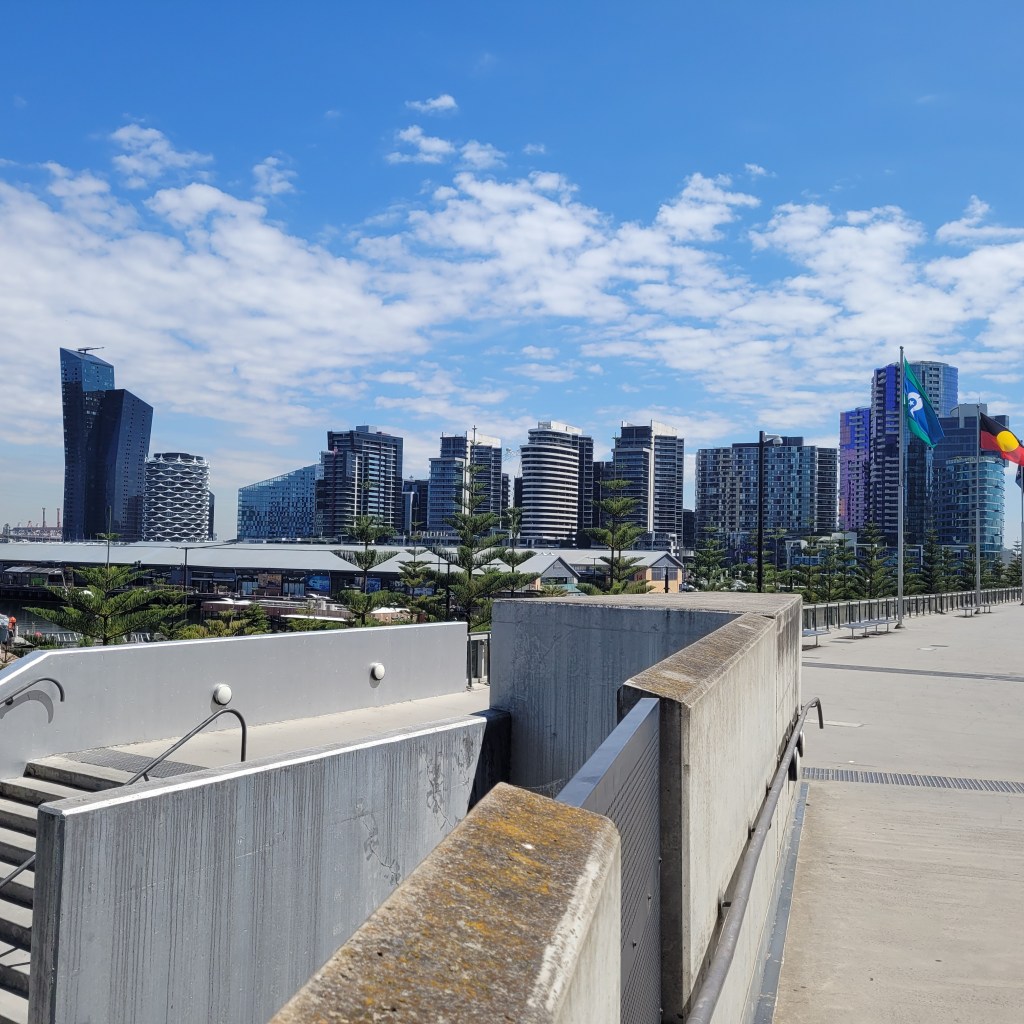
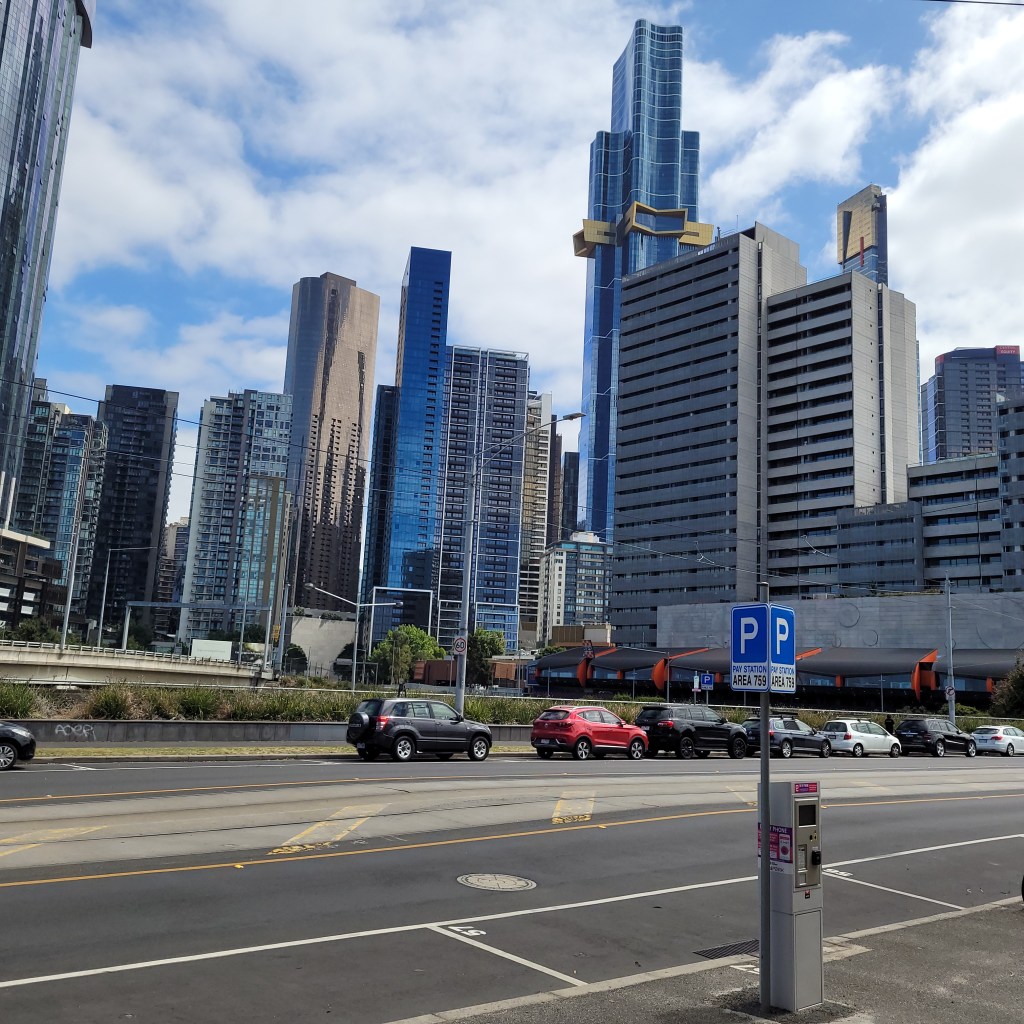
The afternoon was hot, and we both were feeling the heat, so we settled upon a final visit across the Yerra River to Southbank to see if we could find one of the short river cruises that ran most days and get one last chance to enjoy the incredible skyline of this part of urban Melbourne but also see a bit of where its future might be and where its industrial heavy lifting went on. We found a good cruise that carried us with a pleasant group of folks on a one-hour tour that showed us plenty of eye-popping architecture. It gave us an appreciation of the challenges of building on soil that must be heavily reinforced, and I was reminded of the courage and gambler’s fortitude that builders and real estate developers have to possess. These pictures aren’t the greatest, through the windows of a tour boat, but they give you an idea of what we saw.
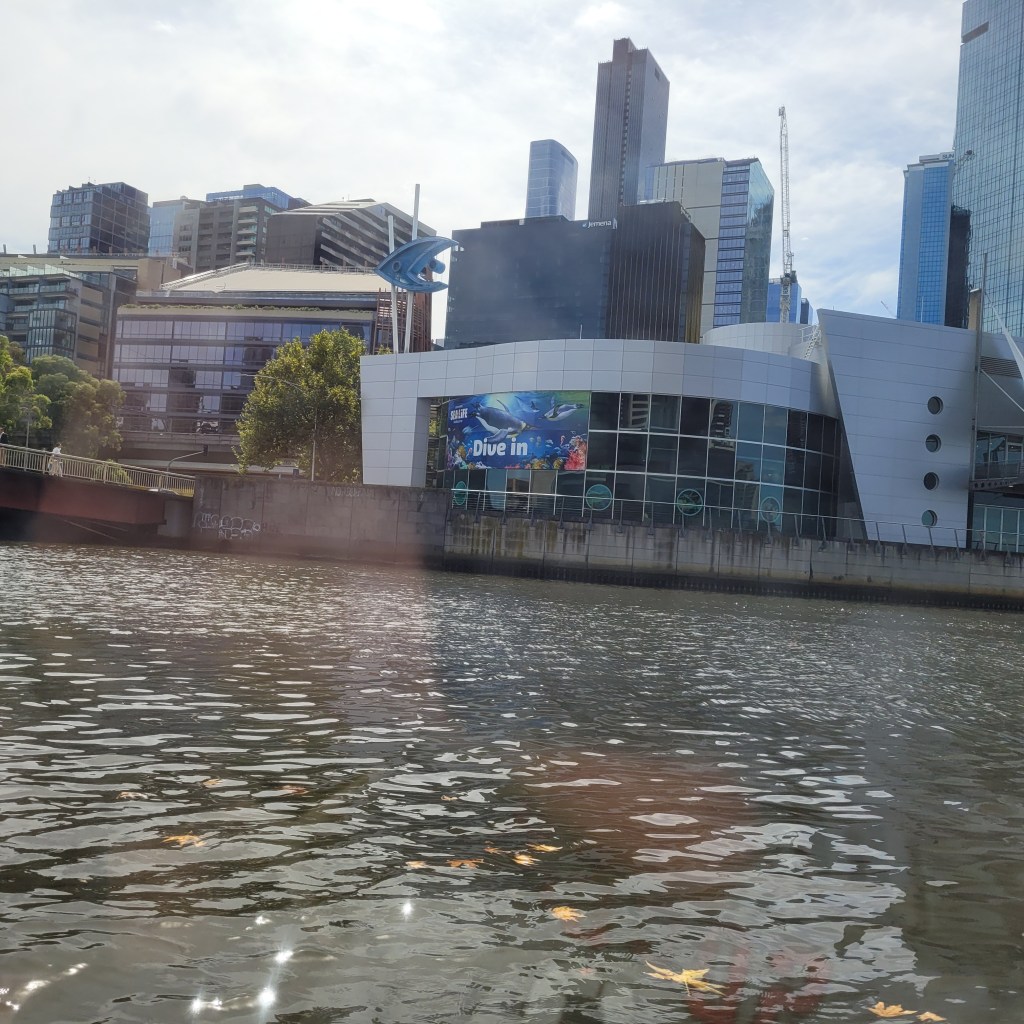
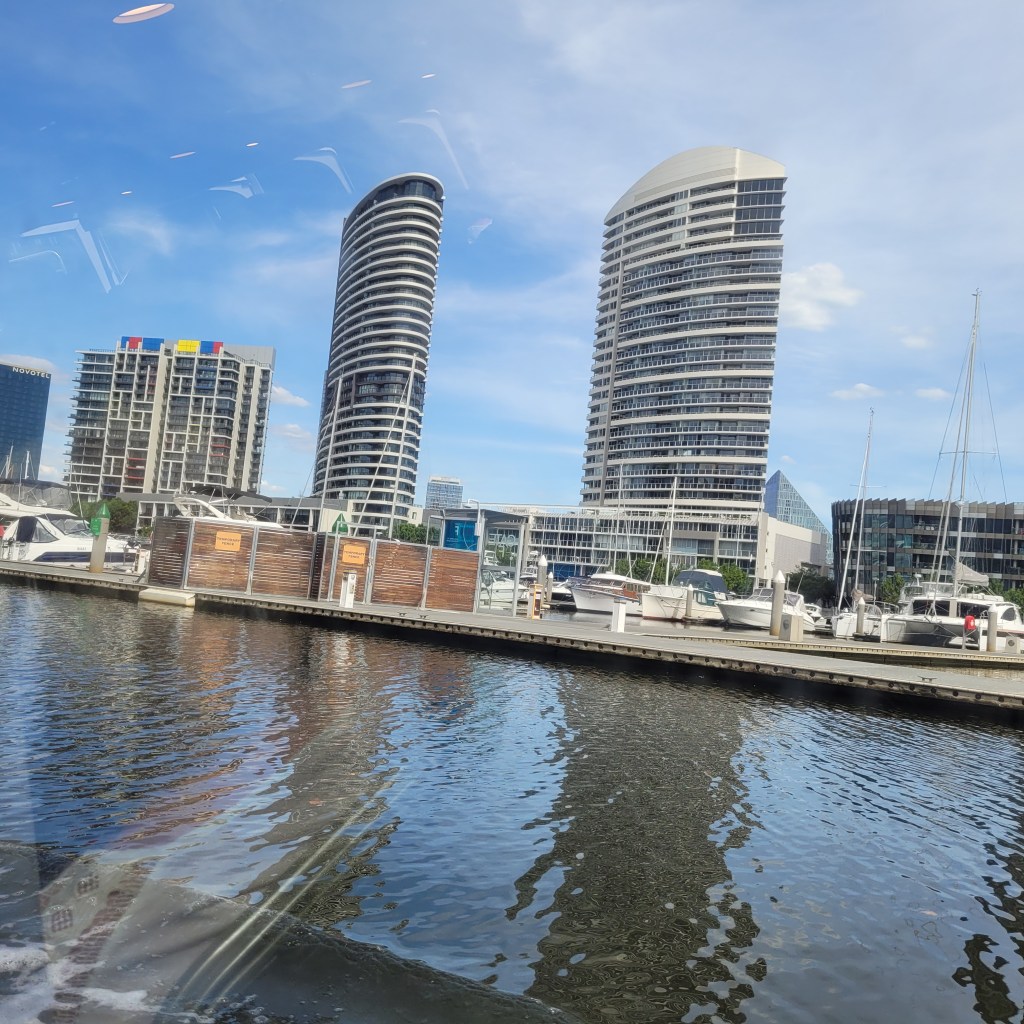
Above, the building with the square windows on the left is the Seaquarium where you can fish with the sharks. It is opposite the Crown Casino and Resort where, I guess you can risk your money rather than risk losing your body parts to another kind of shark. The second picture shows buildings with “on river” yacht parking. There was quite a bit of this privileged parking available and many abodes with great river views. I hope that the fancy homes were lived in year round.
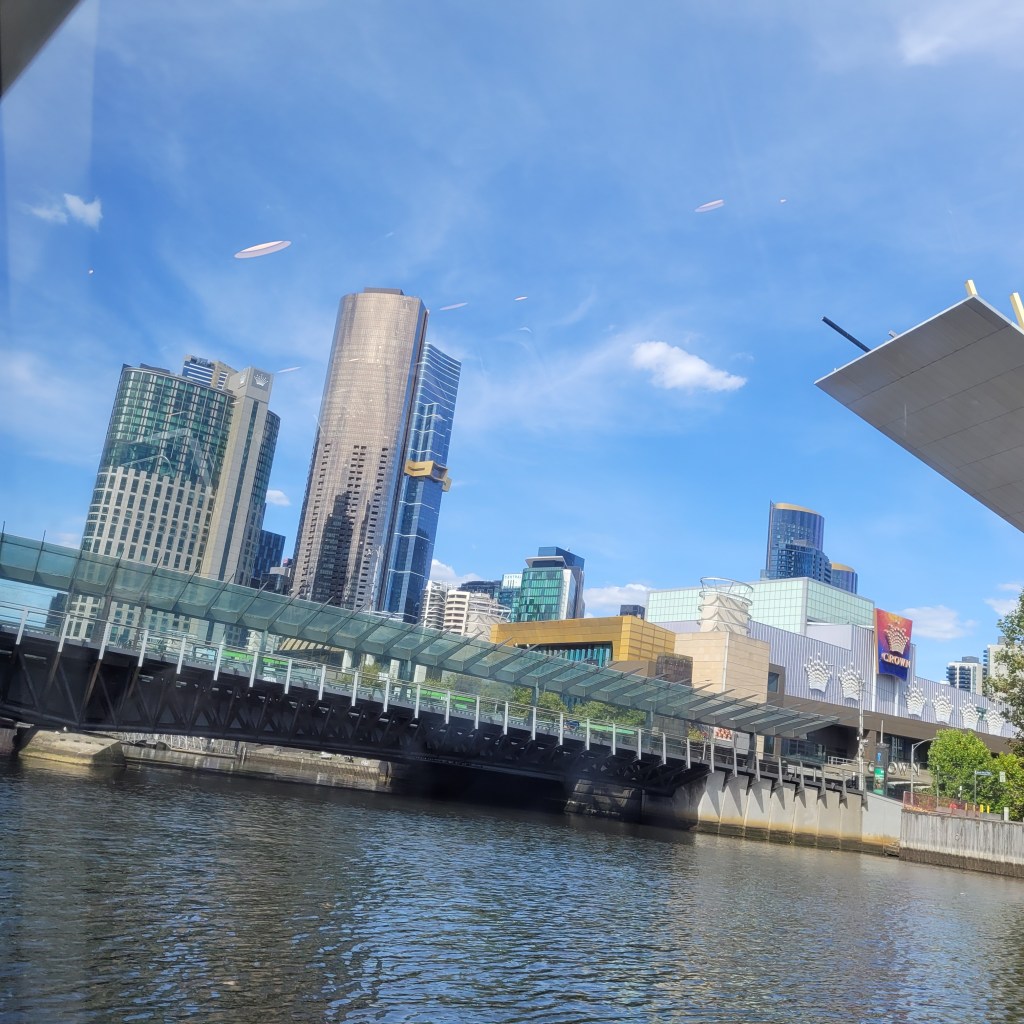
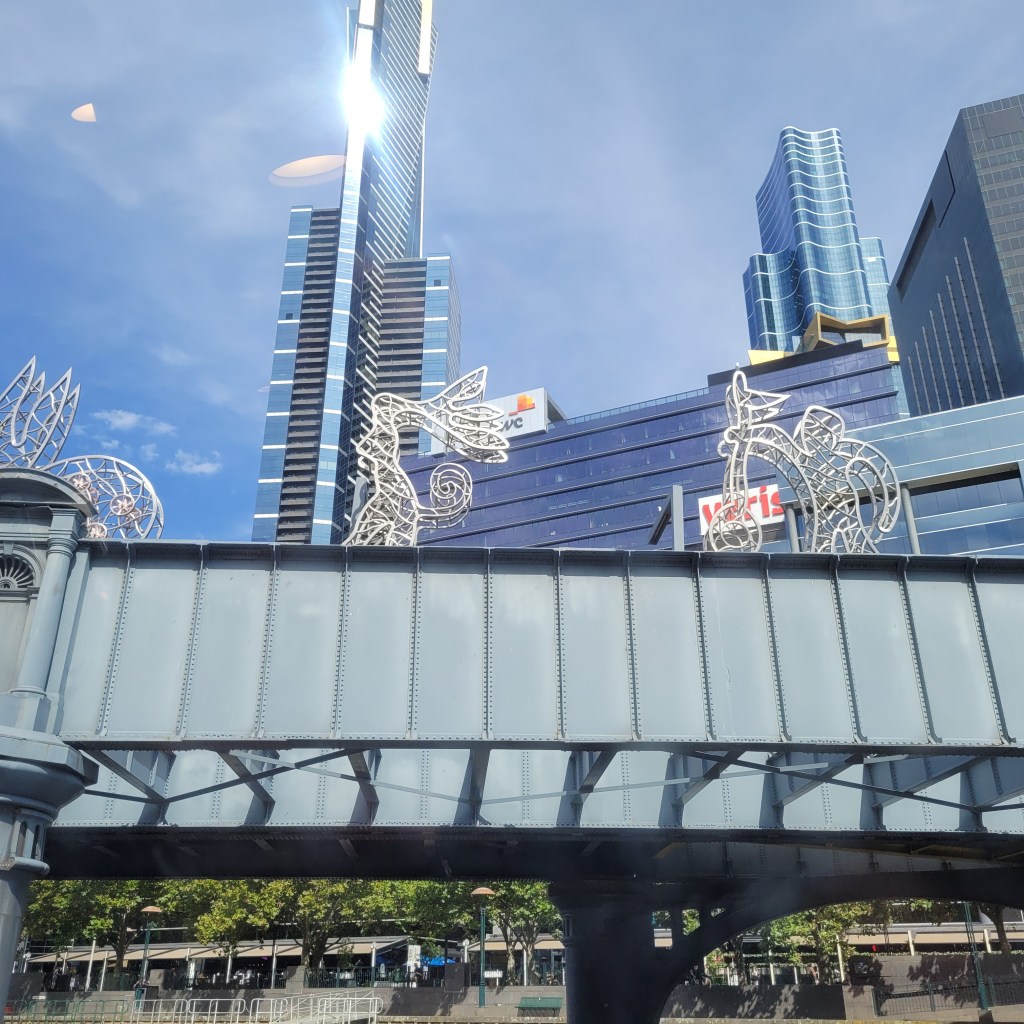
These are two of the many bridges over the river that are very low to the water. I think but cannot recall if this is what the guide told us, it had something to do with cost when the bridges were built. It was interesting to go under them. The second bridge is the Sandridge Bridge. Here is a description from the Melbourne Playgrounds website:
“Years ago in a previous incarnation, the Sandridge Bridge transported thousands of new arrivals from Station Pier to Flinders Street Station and new lives beyond. After a lengthy stint as a ramshackle eyesore, it was relaunched in 2006 as a pedestrian bridge and work of art entitled: The Travellers. As the towering steel sculptures slowly slide across the Yarra (three times a day), they literally and figuratively represent the journey made by migrants from all over the world and celebrate their many contributions to the state. Meanwhile, the sculpture fixed to the river bank represents the existing Koorie community and their enduring presence.
There are glass panels between the figures which list the originating countries and number of Melbourne immigrants.”
For a full description and pictographic representations of all the sculptures check this page provided by the Melbourne government: https://www.melbourne.vic.gov.au/SiteCollectionDocuments/travellers-fact-sheet.pdf.
After the cruise, we returned to our hotel. After a couple hours of rest, we each decided that a light snack was all we wanted that night and I invited Steve up to my enormous room (all that was available was a family suite when the snake in the grass would not fix the A/C at the holiday flat). to help me finish off a bottle of Glen Fiddich and have one last toast to our time in Australia. We had started having a wee dram or two in Sydney and continued on the first night or two in Canberra, before Steve started to feel less than tip top. Once he was back on form, we were able to complete our journey and our enjoyable discussions and putting the world to rights.
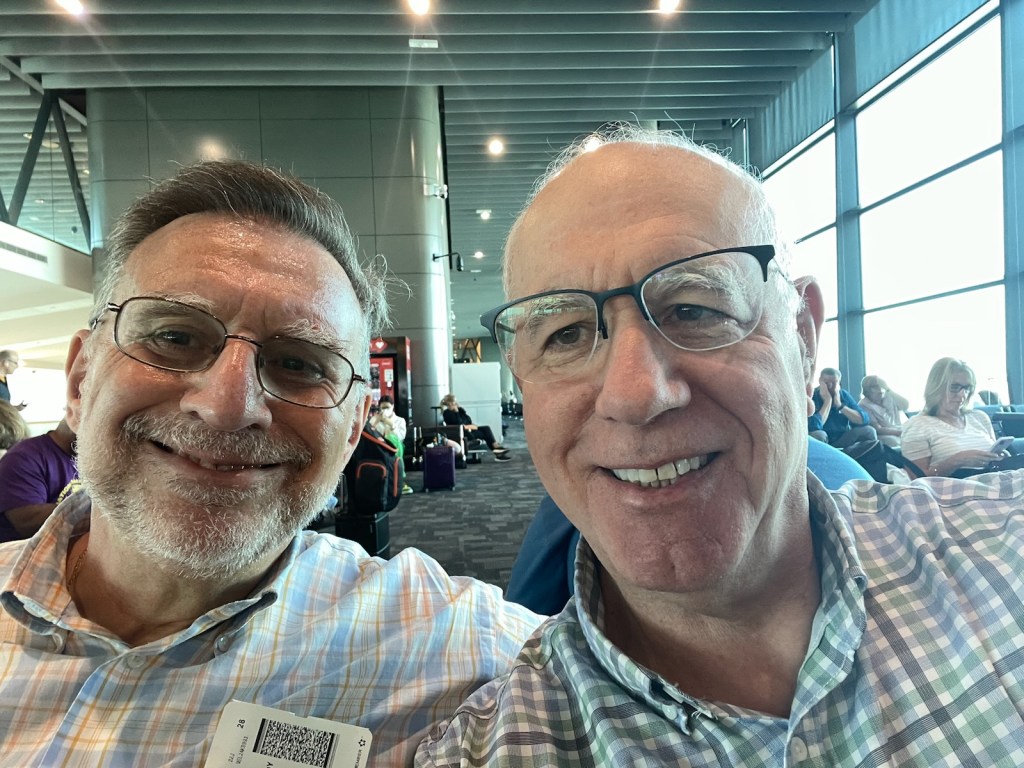
And so, our Australia adventure ended in the International Terminal of Melbourne’s airport, still smiling and still friends. I have done most of my international travel on my own over the years, but I couldn’t have asked for a better, more reasonable companion than this friend of 45 years.
A few final thoughts on Australia. When the “Doctor Who” series returned to the air in 2005, it did a number of episodes that involved the concept of parallel universes with each universe slightly different than the other. This was one of the thoughts I had in my first days in Australia. Clearly, it was neither America, nor England, two societies that I understand. After all, I am an American and have spent a great deal of time in England. Australia can seem to an American or, I suspect a person from England, like something of a parallel universe. So much is the same, but there are small critical differences. They took all of the good stuff and improved on the rest, one might say.
They out “L’Enfanted” Pierre L’Enfant and created a national capital that looks like something James Rouse might have dreamed of as a second project after he finished Columbia, Maryland. The streets are wide, the official buildings are large, the Parliament is stunning. The two legislative chambers are worthy of a great democratic tradition. Visiting this small city and its Museum of Democracy in the Old Parliament House, seeing and hearing the history of how this nation has persevered and become stronger showed me that there are many ways to be a strong democracy.
People in Australia were unceasingly friendly and showed little of the stress and anger that both Steve and I had seen and experienced in our work lives, he in the private sector and me in my public sector career. “No worries,” was the answer to everything. People seemed genuinely sorry if they could not make your wish come true.
But, of course, there are always some things in the parallel universe that aren’t as good as the things in your own, right? I think each of us would have to decide that for ourselves the way Steve and I came down on opposite sides on the Vegemite debate. (Sadly, he is wrong, I am right and even brought an unfinished jar of the low-salt version home).
Australia is not without its problems. Housing prices are very high, and many first-time buyers find it is hard to get onto the housing ladder. The two main political parties, Liberal (to the right) and Labor (to the left) have very different ideas about where the country should go in the future and how it should get there. In fact, the evening news programs often echoed the kinds of political issues that American politicians and political parties face all the time.
While I have praised their overwhelmingly positive approach to immigration and resolution of past treatment of the original peoples of the continent, there are tensions and concerns that remain and could become more significant in the future. They also face, as we all do, a future filled with environmental uncertainties. The July 2019 to March 2020 bushfires that burned 18 million hectares (approximately 44,448,000 acres) were only the most recent ones to hit the country. Vegetation was lost, a billion vertebrae animals were estimated lost. These fires happen at some level every year depending on how dry a year the continent has. So, Australia must plan carefully for its future, and it seems to consider all of these issues in its planning for new buildings and the reuse of existing ones.
I know that not everyone can make a journey like the one I have taken. I hope my blog has been enjoyable to read. If you get the chance, consider a trip to visit our cousins “down under.” If you can’t go that far away, see if your community has a Sister City and consider volunteering for the committee. You may get a chance to visit it, you may get free lodging with a family there, and you may get the chance to welcome a traveler into your home in return. I made lifelong friends in Normandy that way. But that will be a story for another blog, perhaps during my planned return to London later this year. Thanks for following my pal Steve and me to Australia!