Category: Uncategorized

The Last Tango, What A Nine Days!

Sorry this took so long. No excuse beyond the usual, jet lag and idleness.

A Long-Anticipated Oneonta Visit

The Final Chapter started with the arrival of Gwen Schuster, a longtime friend I know through SUNY Oneonta. Gwen and I first formally met when we served together on the Alumni Board of our alma mater a few decades ago. I had known her before as “that red haired lady who always won some golf contest at the alumni weekend golf tournament”. She knew me as one of the Class of ’75 alums who came back every year and were known for our class spirit. Gwen’s late husband Rudy and I had become friends too. He had an interest in all things nuclear and he and I would have great chats at various alumni dinners over the years. This was Gwen’s first solo trip since Rudy’s passing and I was thrilled to be able to welcome her to London on the morning of her arrival. Gwen continues to represent the class of 1963 with charm and panache.

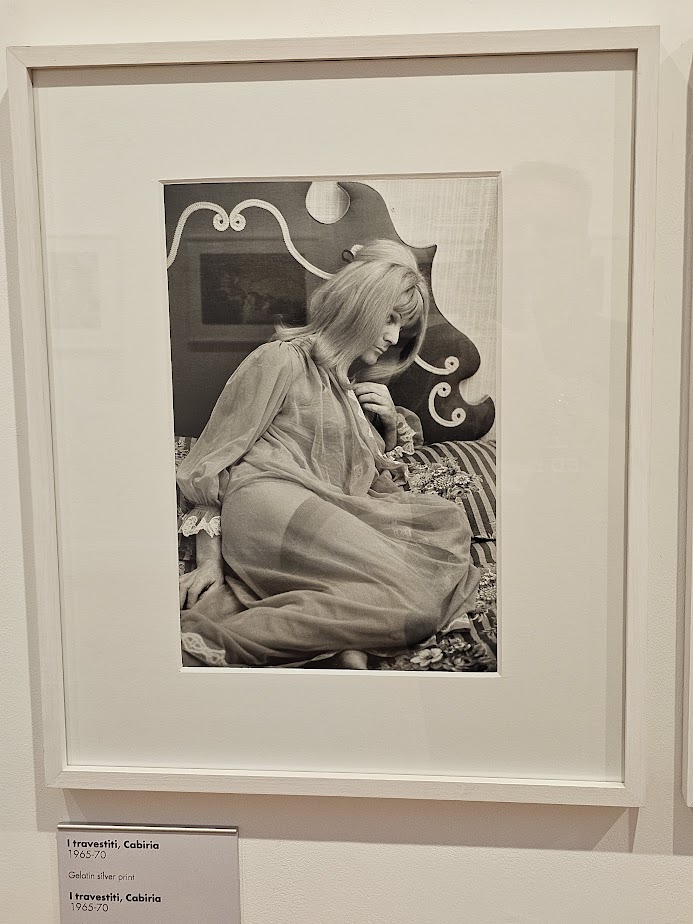
Liseta Carmi Photography at the Esoterick Collection

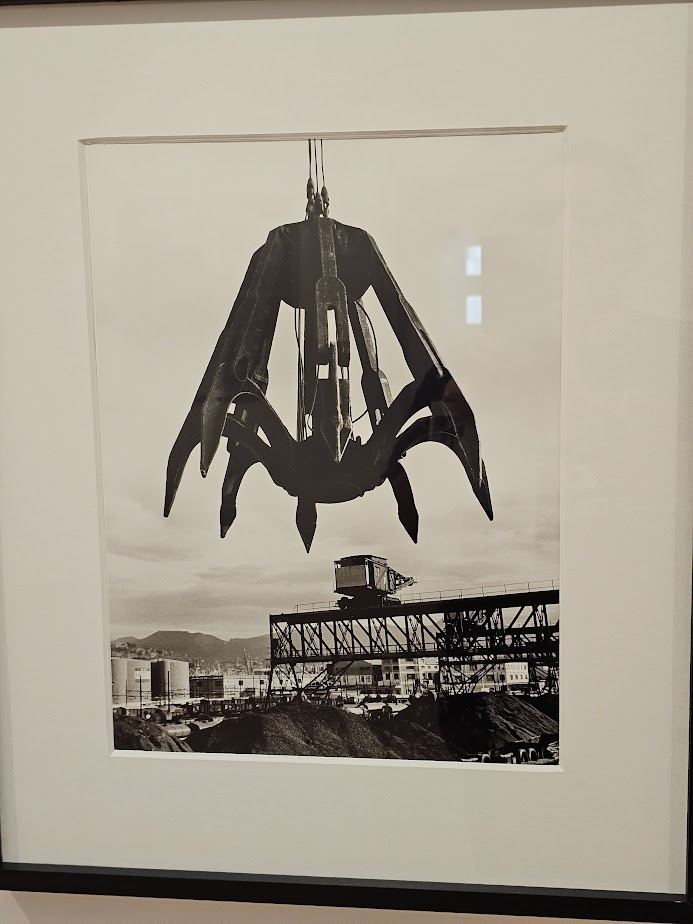
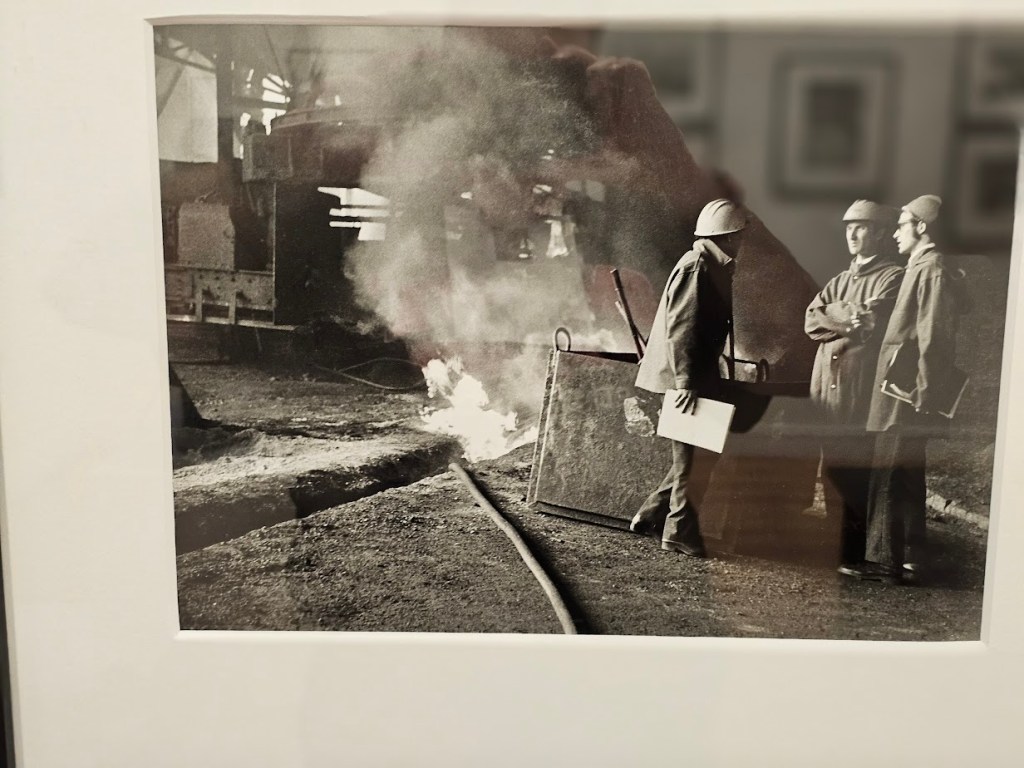
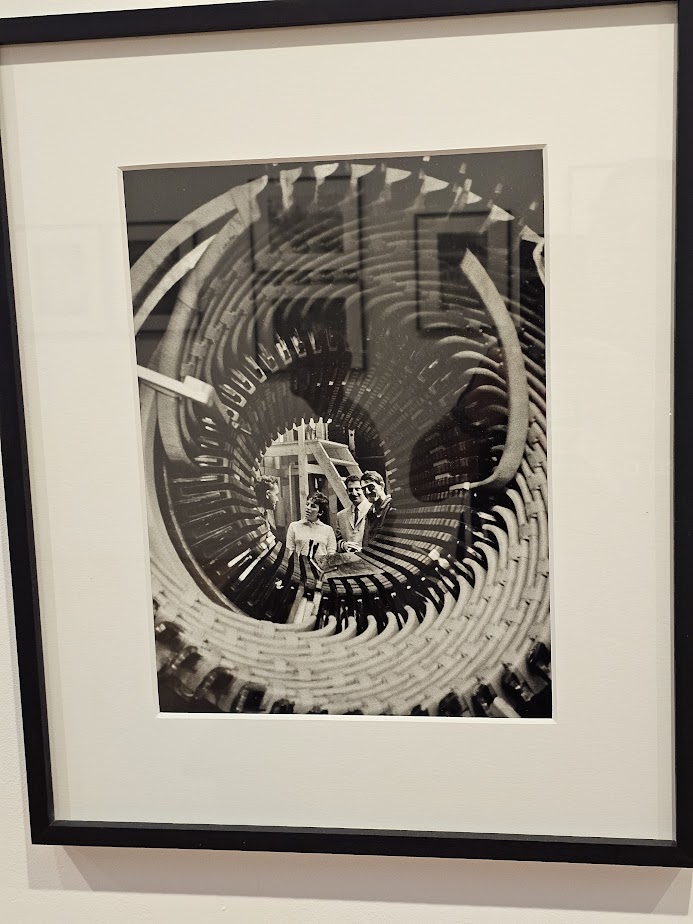
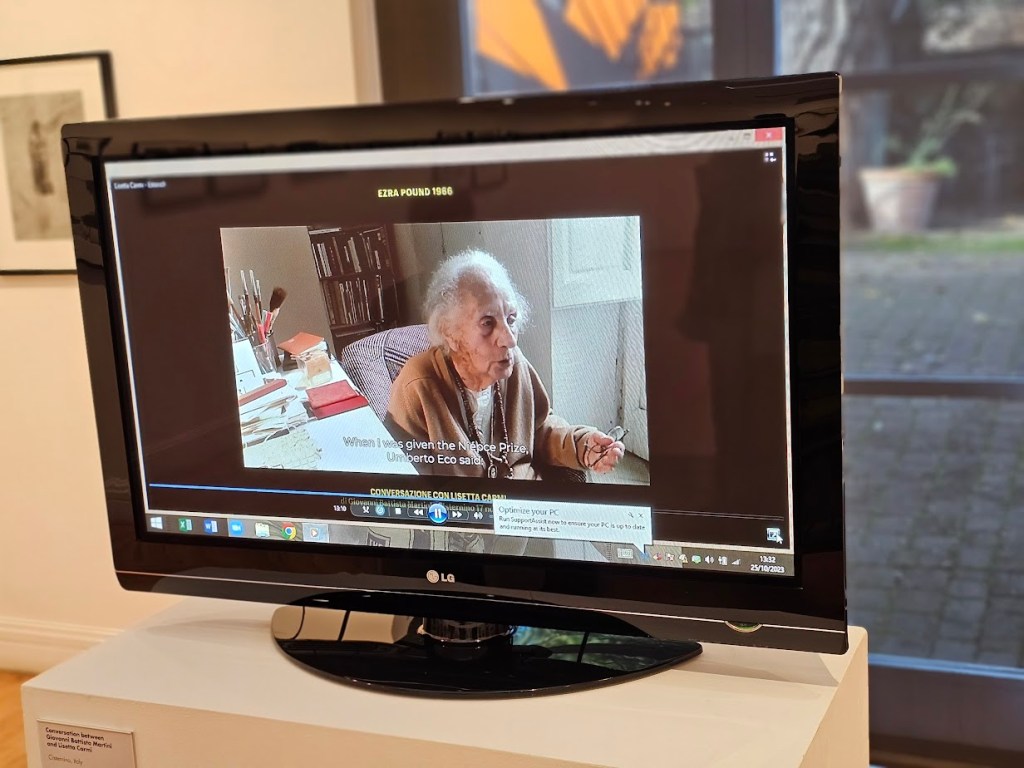
I always try to visit the Esoterick Collection, one of London’s smaller modern art venues during my annual sojourn. About two weeks back, I realized I had not yet been there. I went online and saw that it had a rather provocative exhibition on and decided I would choose a morning and go up there to see “Liseta Carmi Identities. Ms Carmi died at 98 in 2022. The exhibit focused on her photos of Genoa Italy’s population of people who today would be called transgendered, transsexual or cross-dressers. In those days, such distinctions were not made. The other part of the exhibit focused on the social issues of the working people of Italy and how they did their work. The picture above is one of the ones on display as are the ones below. The community of people welcomed Ms Carmi and her photos somehow showed such openness and kindness to them. Similarly, her photos on the subject of working people are quite remarkable. The final picture is from a video that was shown of the late artist at the end of her life, unadorned and quite satisfied to discuss her many accomplishments.

No More Pennies for the Guy

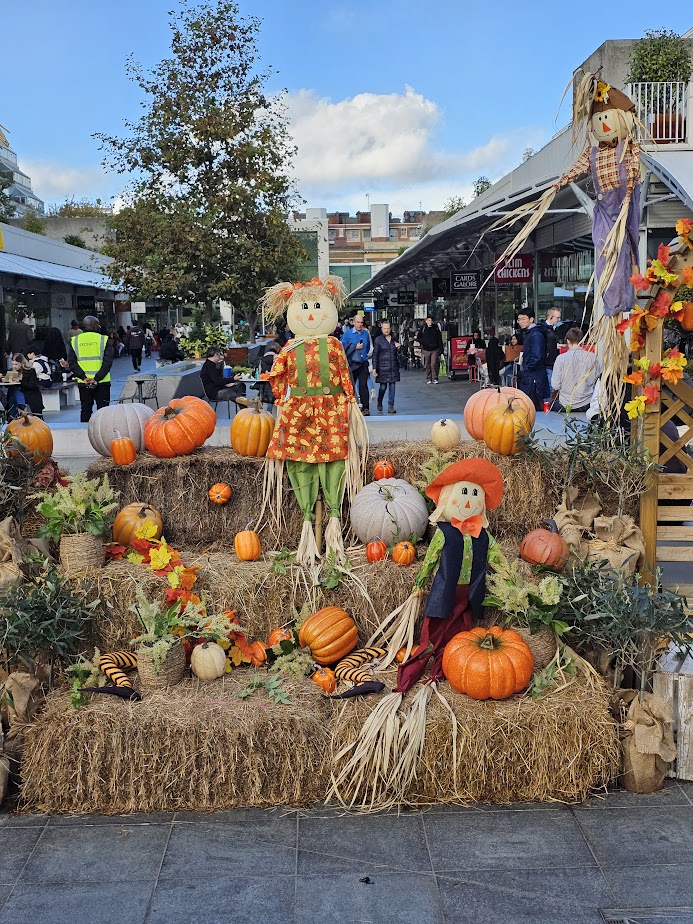
The coming of Autumn used to be the time of bonfires and children making a Guy Fawkes to be paraded around the streets on Bonfire Night (November 5th) with requests for “a penny for the Guy.” Now, however, it’s all about Halloween. Here are two pictures of the decorations at the Tube Station near the Esoterick Gallery and in Brunswick Centre, the local shopping precinct near the flat I rented.

Backstairs Billy
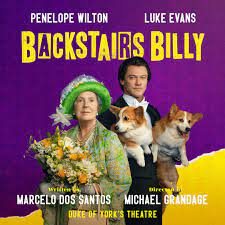
I had booked tickets for this production back in the late Spring knowing very little about it. I knew it was about Queen Elizabeth, the Queen Mother, and a servant of whom she was very fond. I, of course, assumed it would be like Queen Victoria and Mr. Brown, and all be very tasteful and proper. Boy, was I wrong! Well, not completely. Billy (William Talon), starting at age 15, rose through the ranks at Clarence House, the Queen Mother’s home, after she was widowed at 55, to become “Page of the Backstairs,” Her Majesty’s most trusted aide. He keeps the house looking as if it is still in Edwardian times and does his best to keep the Queen Mother who went from being the best known and loved woman in the UK and Empress of India, to being a widow whose family didn’t have much time for her, happy and amused. The Queen Mother made it quite clear early on that she had no problem with Billy’s sexuality or that there would be “two queens” in Clarence House. In fact, she is portrayed very sympathetically as a rather jolly lady who enjoyed a gin and a dance with Billy. He was allowed to “take liberties” and even do impressions of Princess Margaret and the then Prince Charles. He did make one serious blunder of getting caught by one of the “bean counters” from Buckingham Palace when he brought a ‘rent boy’ to Clarence House. But the Queen Mother meted out her own punishment and then forgave him. He was with her until she died at 102.

Rainy Days

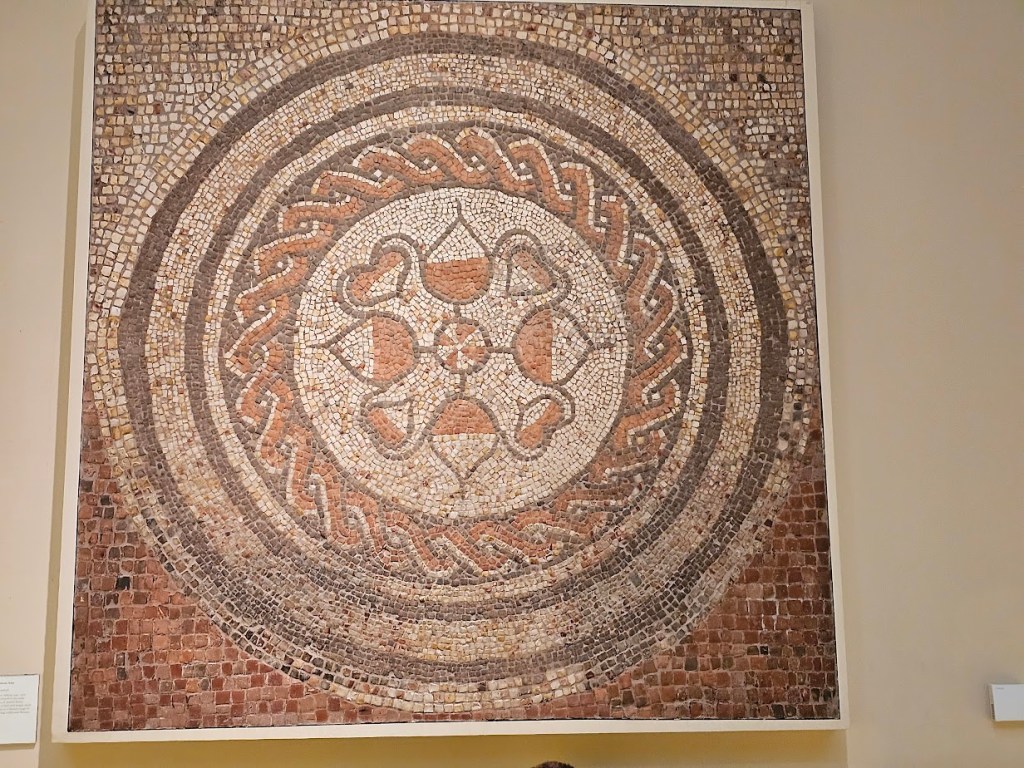
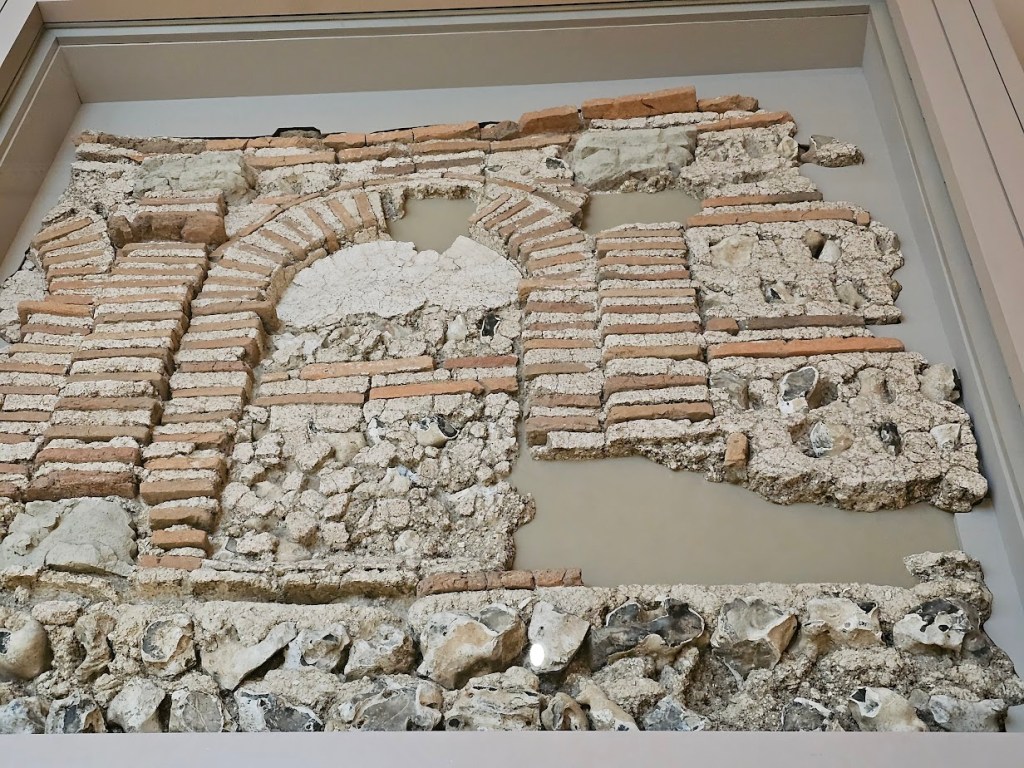
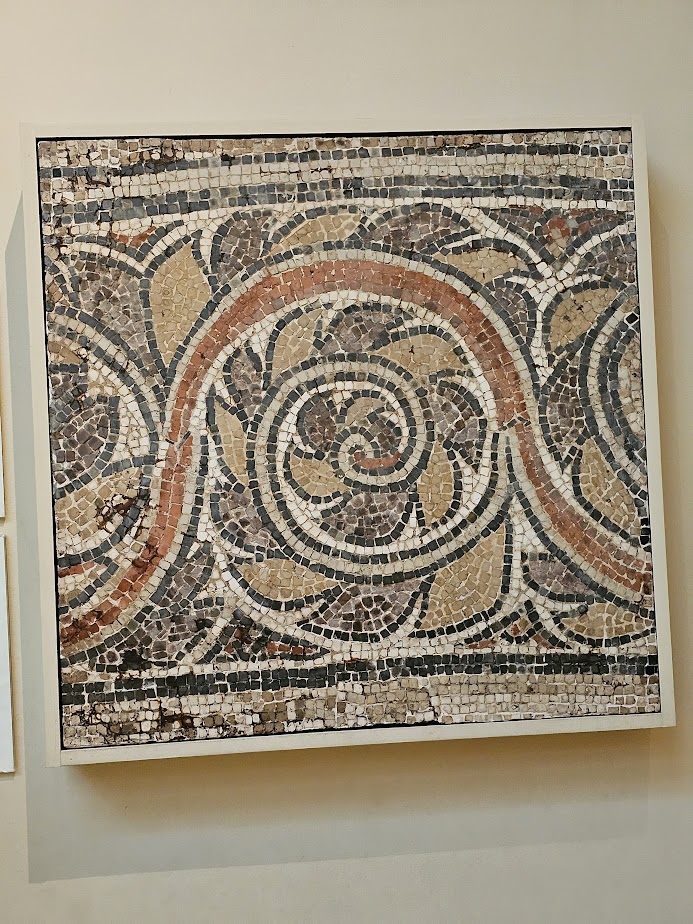
The last nine days featured a good amount of rain. In order to make sure I made my step count on one of those days, I visited the British Museum, (in the neighborhood) and walked through its upper floors. Along the way, I came across some interesting mosaics and ceramics that I thought I might share.
King Lear

The above picture might say all that needs to be said. Branaugh was bigger than life, as one reviewer put it, overenunciating every word. But he was good, very good. In my own cynical way, I had to notice that the Lear daughters, a multi-cultural trio of outstanding actors were obviously from different mothers. The story, I think most of us know. A ridiculously bloody tale, with the typical Shakespearean bodies all over the stage ending. But the staging was good. Minimalist in set decoration and an almost pre-historic feel to the costuming.
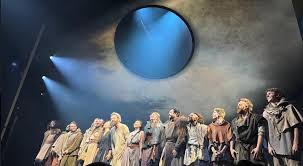
It was a wonderful last performance to see, and I had hopes for the trifecta of Backstairs Billy on Friday, Lear on Saturday (matinee) and my final visit to Wigmore Hall for one last Classical Blast on Sunday.

The Last Concert at Wigmore that Wasn’t (or The Great Phone Heist)

At the risk of repeating myself to many of you, at this late date, a lovely Sunday morning dawned, and I got an early start for my walk to Wigmore Hall from my flat. I like to arrive early and have time for a coffee and croissent at the restaurant in the lower level of Wigmore Hall. I was enjoying the crisp morning air, but Google Maps kept cutting out on my earbuds and so I would take my phone out of my trouser pocket to make sure it was working, and that the problem wasn’t my earbuds. I took the phone out, noticed that I was .7 miles from Wigmore Hall and suddenly a bicyclist came from behind me, in between me and the plate glass window of a large building and grabbed my phone. He was gone in seconds. The man was dressed head to toe in black with a black ski mask and black gloves. I was annoyed more than surprised, as phone theft is a major problem in London. Usually, though, the streets I walk on are so busy a maneuver like his would not have been possible.

I did complete my walk to Wigmore Hall, but rather than go to the concert, I went looking for the Mobile phone stores on nearby Oxford Street, a major shopping district, but they wouldn’t open until Midday on a Sunday. Luckily, I had a backup pay-as-you-go UK phone that allowed me to let some local friends know. Unfortunately, I couldn’t get through to T-Mobile, but good old Google saved my bacon, and I was able to “brick” my phone through them. My biggest worry was not being able to contact the fellow that drives me to and from Heathrow Airport. I had a feeling, though, that he would show up, based on our previous agreement and he did! He and I now have all forms of communication instead of just WhatsApp.

The Metropolitan Police could not have been nicer or more helpful or honest. They said there was little chance of getting the phone back, but expressed lots of concern about me and if I needed any kind of follow up care of any kind. As I’ve said many times, I’m just glad it happened to me and not a first-time visitor who might be put off from returning to the great city.

After a nice flight home on Virgin Atlantic, my local Naples. FL. T-Mobile store was great. They helped me with the form to report my stolen phone to the insurance company and order my replacement which I received two days later. The staff at the store got me up and running and most of my data, beyond phone contacts and messages was backed up and saved.

So, all things considered, I had another great sojourn in the UK (and Normandy). I still love London and my heart is with Fulham FC. Stay tuned for more adventures.
When it Rains it Pours-Wigmore Hall, Museums, A West End Delight and “Foreign Friends”

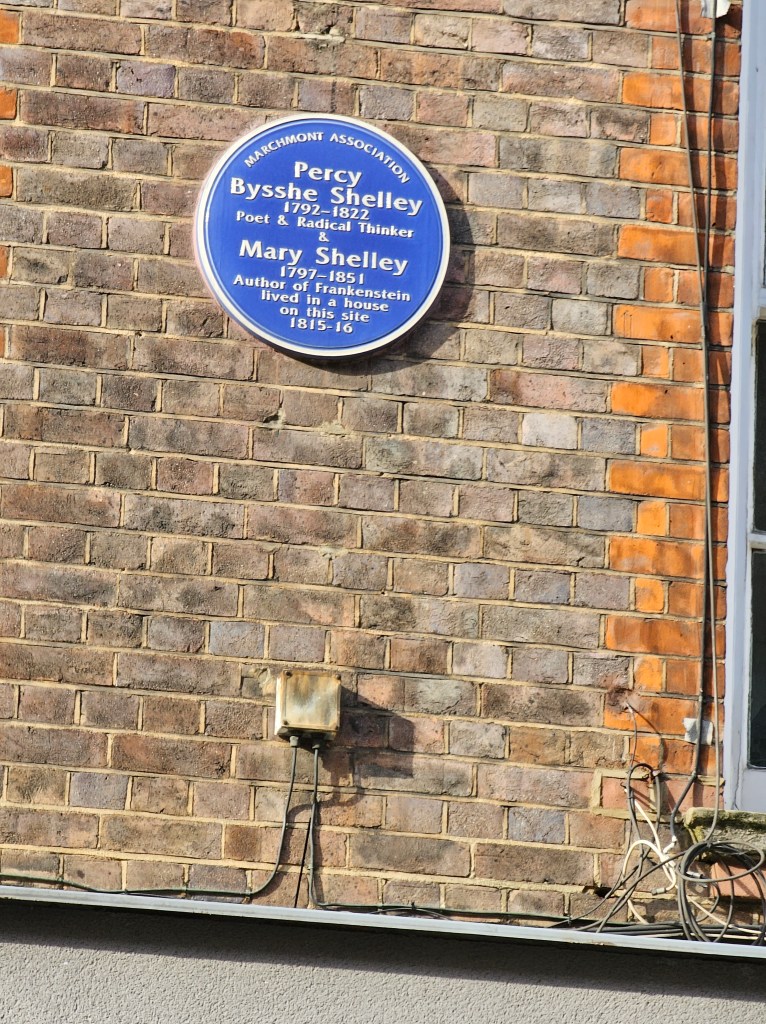
We had a rainy week in London. It did start on a nice enough note and I was able to start the week with a very nice walk down to Wigmore Hall for the only Monday midday concert on this trip. Before I left, I dropped my laundry off at the local launderette (EastEnders fans may shed a tear her for Pauline Fowler and Dot Cotton-others may scratch their heads). As I walked out, I noticed a Blue Plaque across the road. I may have seen it before, but I had to take a picture of it.

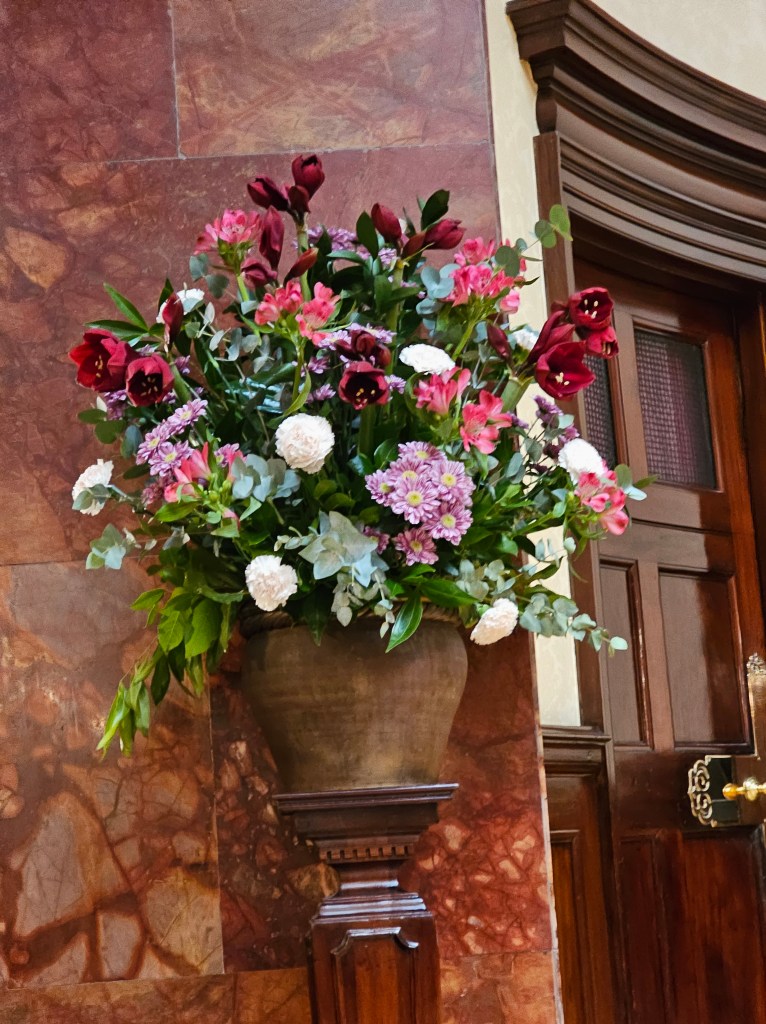
I arrived at Wigmore Hall in time to have a coffee and relax a bit in the cafe before going upstairs for the performance. Below is the on-stage bouquets for this performance.

The performers were Théotime Langlois de Swarthon-violin and Justin Tayor-harpsichord.

They played a program of French and English music from the late 17th and early 18th centuries. I found the harpsichord to be a more versatile instrument in the hands of this young musician. The pair were obviously very comfortable together and their trust in each other was obvious in the way that they played and relied upon each other. You can look them up on Google and check out some of their delightful music.

At the Victoria and Albert and Seeing What I Could Find

Facing a rainy day, I decided that a visit to the V&A might give me a chance to stay dry and “get my steps in,” killing two birds with one stone. My adventure started in the Cast Halls. Well, actually, it started in the lobby. I had assumed that since it was such a wet day, the entrance to the museum from the tunnel at the South Kensington Tube Station would be open. It wasn’t. So, while waiting to discuss this with one of the docents, I overheard a couple of Americans asking her about what to see and where to go. After I discussed the entrance issue with the docent (we had a good laugh about it), I caught up with the Americans and told them about the Cast Courts that they did not know existed.

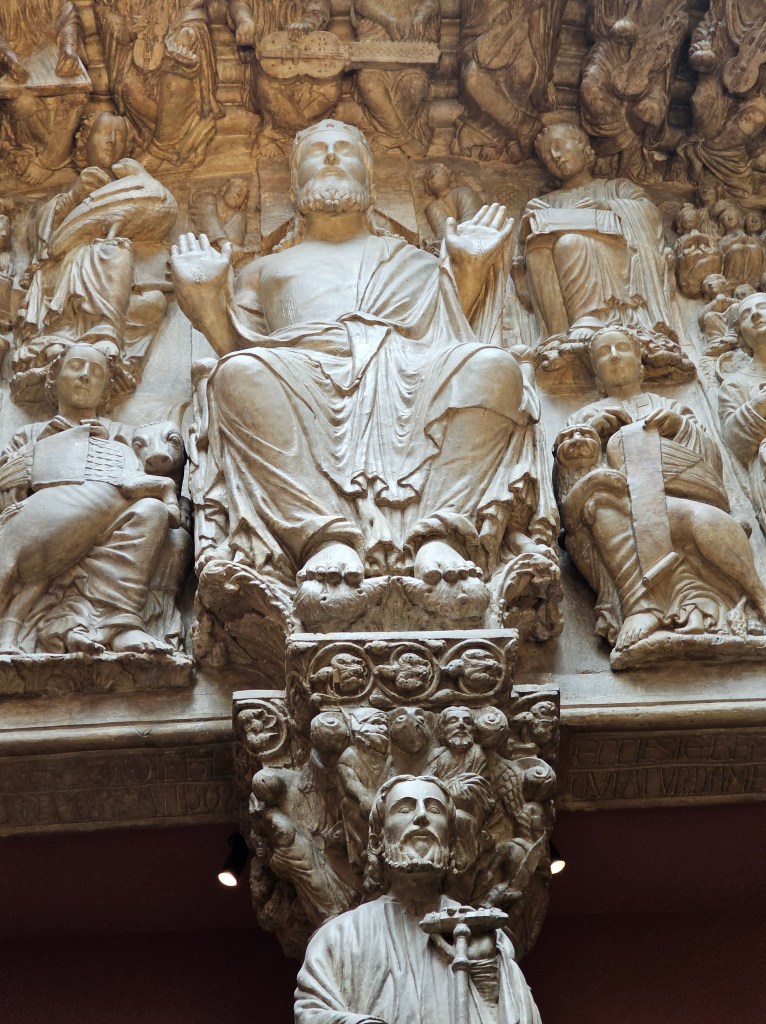
Anyway, I was looking at one of the largest structures in one of the Courts, a portico from the cathedral in the Cathedral de Santiago de Compostela in Spain. It depicts a number of biblical figures. I first noticed this smiling fellow.

There is also this interesting depiction of Jesus. The originals figures were vividly colored. The film that is provided in the cast court shows them being restored. One can see the red blood from the wounds to the feet and hands of Jesus.

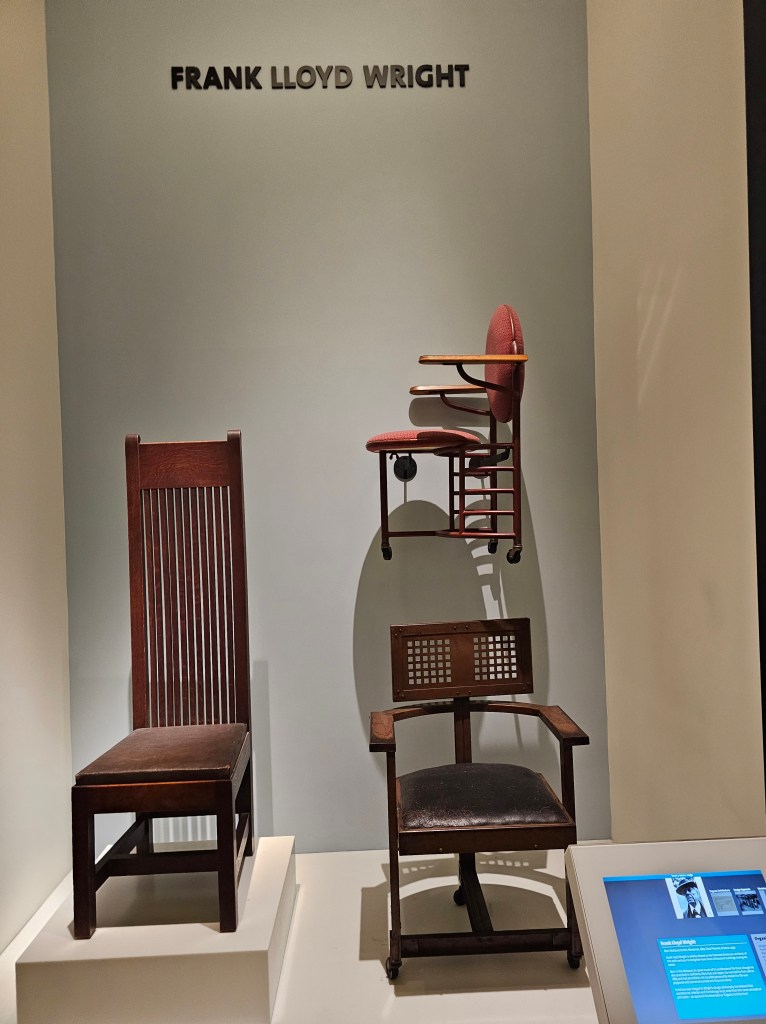
l continued upstairs to the ceramics and furniture collections and was delighted to view these classic Frank Lloyd Wright Chairs in their collection.

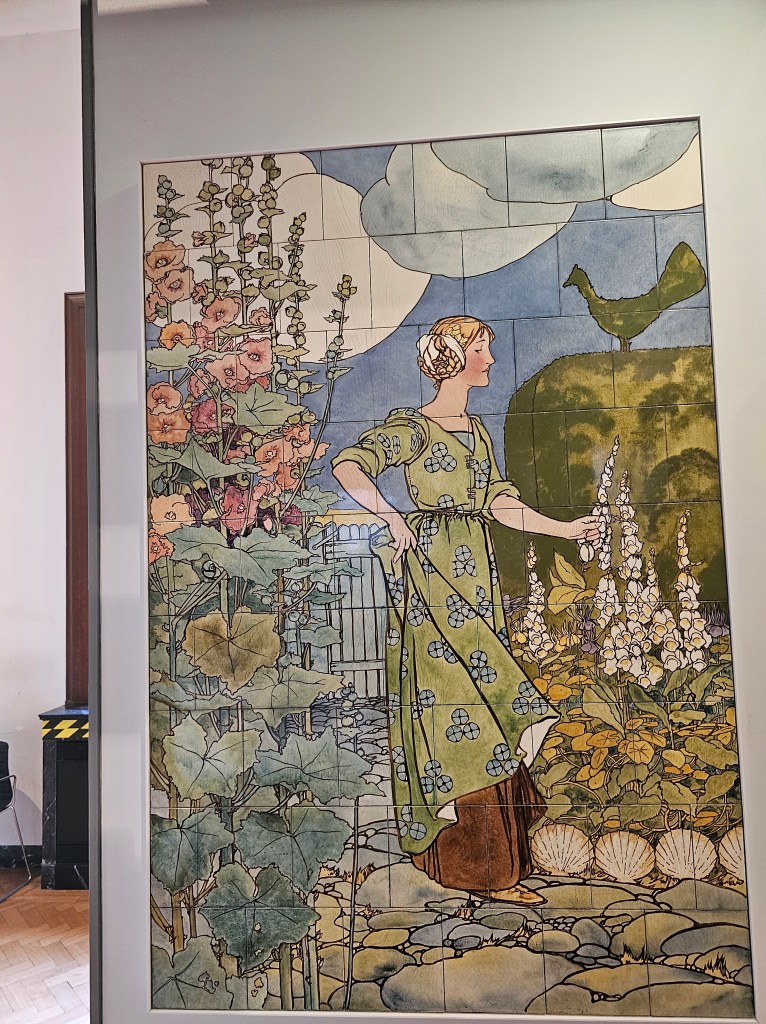
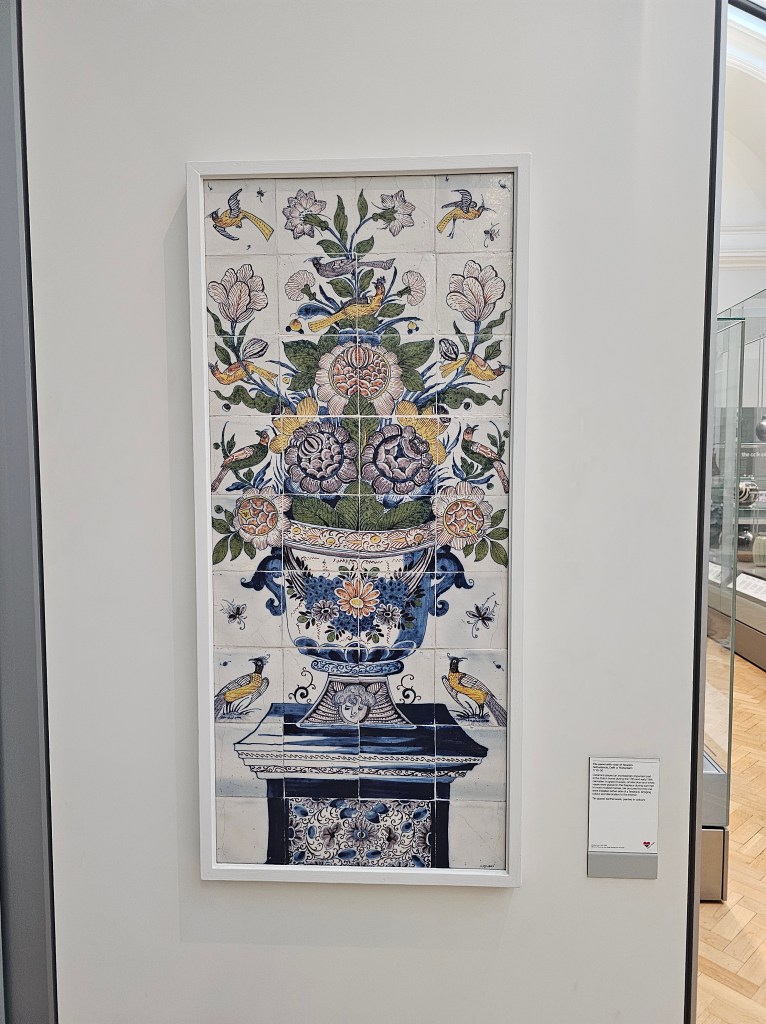
Here are a few of the thousands of Ceramic pieces on display. It is an overwhelming collection.

On to the National Gallery of Art

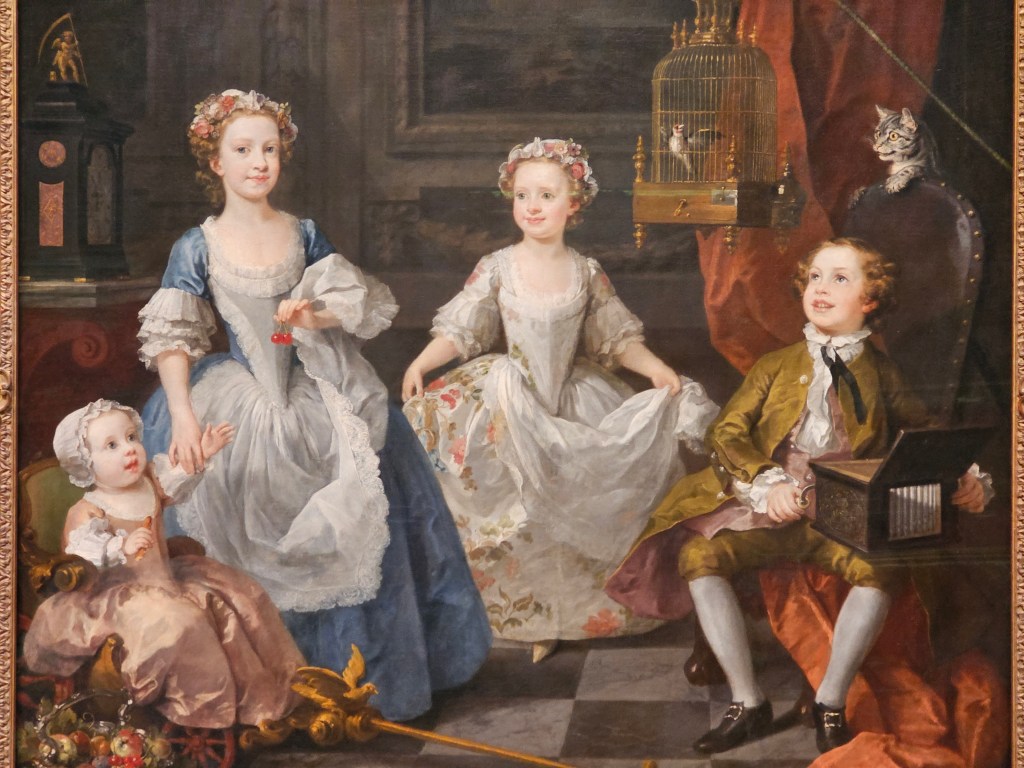
As the rainy week continued, I visited the National Gallery of Art on Trafalgar Square. The Gallery is finally trying to make itself more accessible to people who cannot easily climb up and down the stairs throughout its many levels and it has somewhat improved its flow. I came across this very interesting William Hogarth painting of the Graham Children from 1742 that I must have seen before, unless it had been off display.

Everyone, even the cat, is smiling. But, if you look at the clock above and to our left, you will see Cupid holding the scythe that indicates death. This may be because the baby Thomas Graham died before the painting was completed. Wouldn’t that have been a pleasant “memento mori” to hang above the mantle piece!

The Fourth Plinth in Trafalgar Square

There are four plinths in the corners of Trafalgar Square outside the British Museum. According to Wikipedia,  The two southern plinths carry sculptures of Henry Havelock and Charles James Napier. The northern plinths are larger than those in the southern corners, as they were designed to have equestrian statues, and indeed the northeastern plinth has one of George IV. The fourth plinth on the northwest corner, designed by Sir Charles Barry and built in 1841, was intended to hold an equestrian statue of William IV but remained empty due to insufficient funds.

Over recent years, that fourth plinth has had a number of interesting and sometimes provocative statues on it. One of the most inspiring ones was “Alison Lapper Pregnant which graced the fourth plinth from 2005 to 2007. Again, this description comes from Wikipedia. A 3.6 metres (12 ft), 13-tonne[1] Carrara marble torso-bust of Alison Lapper, an artist who was born with no arms and shortened legs due to a condition called phocomelia.[8] It explores representations of beauty and the human form in public space, and was remade on an even larger scale for the closing ceremony of the London 2012 Summer Paralympic Games.

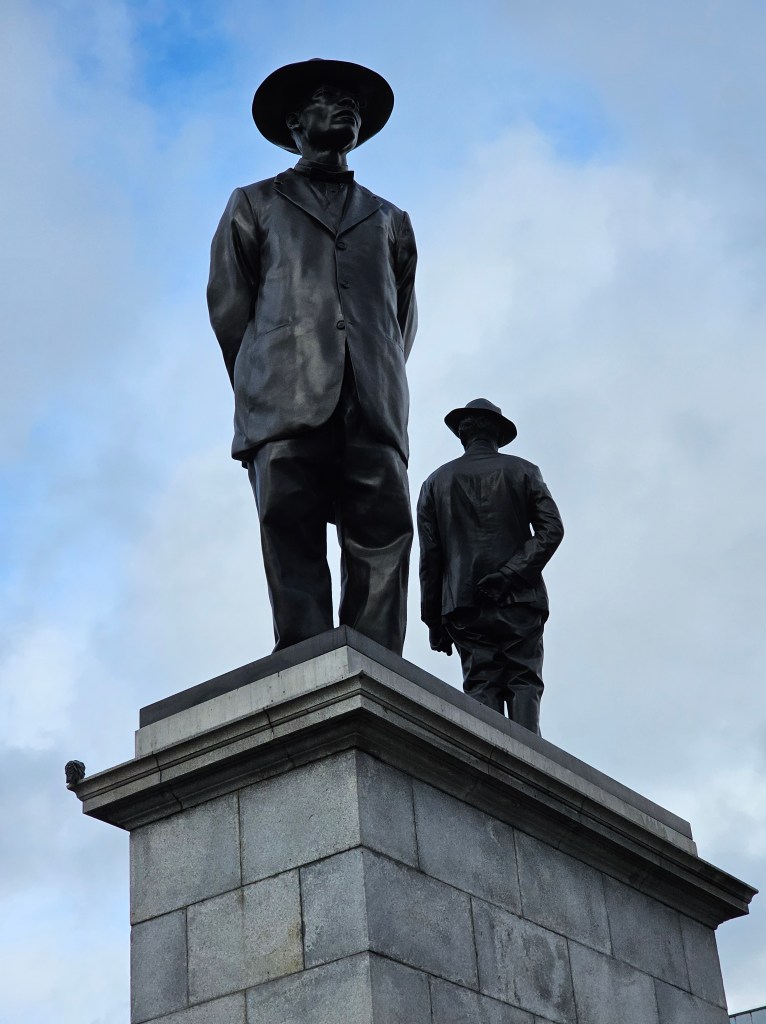
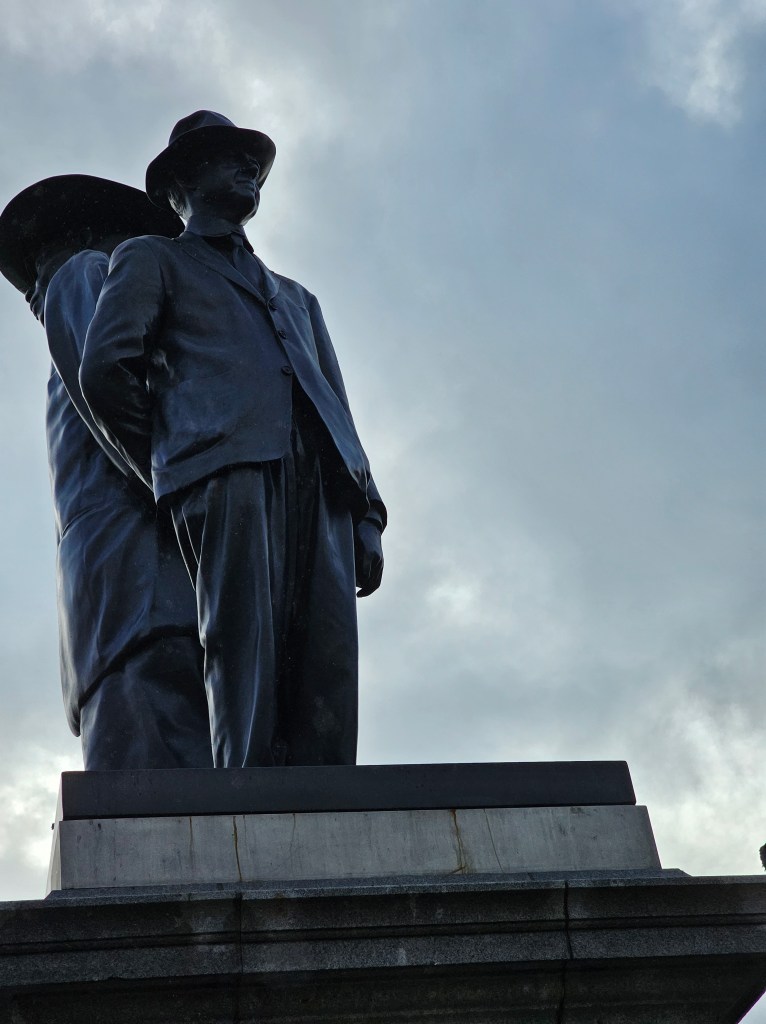
Currently, two statues appear on the fourth plinth. The larger than life figure is Jonathan Chilembwe, a preacher in what is now Malawe. He is wearing a hat. This was not allowed in front of white people during British colonial rule. The second figure is John Chorley, a European missionary who is depicted as a sculptor. The scu;pture is based on a 1914 photograph taken at the opening of Johathan Chilembwe’s first church. He was killed a year later during an uprising against colonial rule.

CLYDE’S

Washington, DC area friends may be thinking of “Sky rockets in flight” and “afternoon delights” when they see the word “Clyde’s.” It is, after all, the name of the restaurant, now a chain and restaurant group, from whose menu Bill and Taffy Danoff were inspired to write their 1970’s hit song “Afternoon Delight.” This West End delight, however, was a completely different Clyde’s. The Donmar Warehouse in Covent Garden is a theatre that often shows experimental or unusual productions. This dramatic story with moments of high comedy as well is written by Lynn Nottage who is a very important young playwright. She tells the story of four convicted felons who can only find work after release from prison at Clyde’s, a truck stop diner run by Clyde, another convicted felon and she seems to be controlled by some bad people.
This is a play that deserves the intimacy of the Donmar where patrons sit close to the stage and almost feel part of the action. We see the artists as they do their work, and we know that they are aware of us. These actors each have to unfold a story of a life that went off track. The four kitchen workers have dreams and hopes of somehow “fixing” things. Clyde only seems to want to keep them down and keep them what she sees as real. You want to laugh, you want to cry, you know this is more real than you want to believe. This was a wonderful night of theatre.

“Foreign Friends”

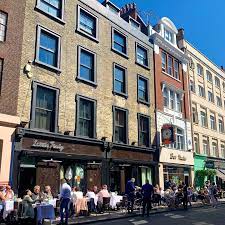
This wet week came to an end with a return trip to Soho, that once hedonistic corner of London that has mostly become more “acceptable,” unless (I suspect) you know where to look. I was there to meet my friend Rose and her friend Catherine who were in town for a convention. We had agreed to meet at “Little Italy,” the delightful restaurant my friend David Daly had introduced me to earlier in this sojourn.

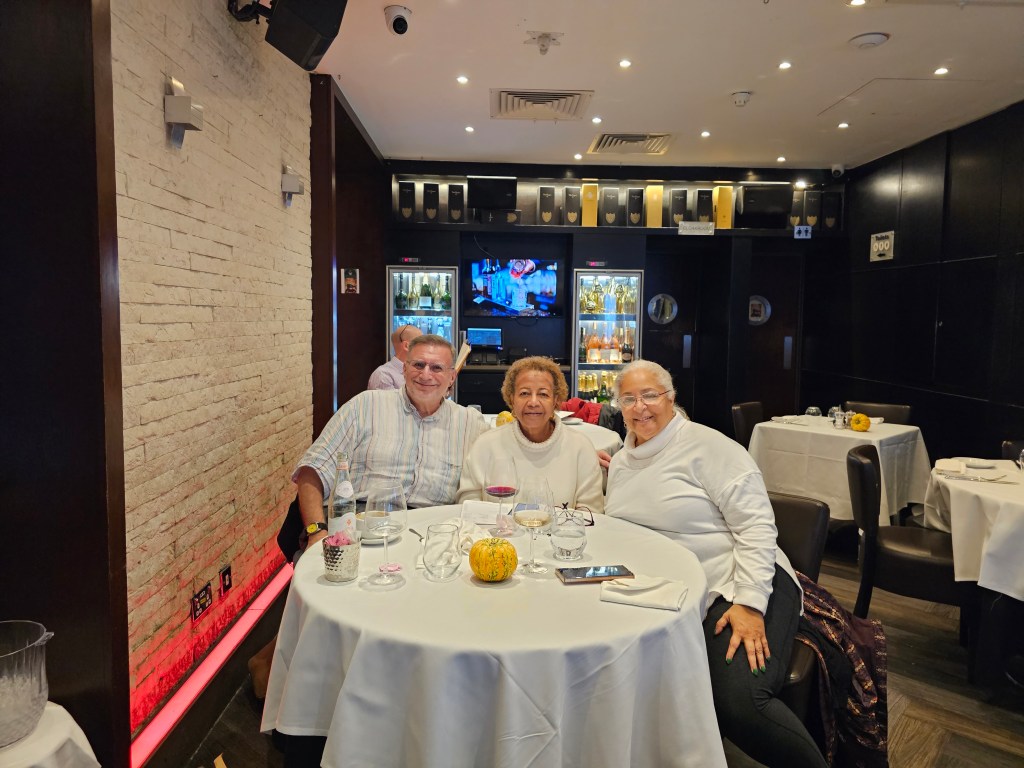
I cannot recommend this restaurant highly enough. The staff is top notch. The food is perfect. The wine is absolutely great. Rose and Catherine were troupers too. Their hotel happened to be on the route of a major protest march and the concierge was holding back people from exiting. They finally got him to agree to take them out through a safer exit and found a taxi on a side road. Rose and I are old friends from my days working on the Alexandria, VA-Caen France Sister City Committee. Rose, among the myriad of responsibilities she had at City Hall, was in charge of shepherding all four sister city committees. Catherine is a wonderful person, and we all enjoyed the food and conversation. Our waiter kindly took this photo for us.

Mark, Rose, and Catherine after a fine meal at Little Italy in Soho, London. A little bit of Virginia in the UK.

About 9 days to go and lots to do. I hope to get one more post up before I get on the big bird.

Brunel, Gorillas, A Record Shop and an Unexpected Priory

The Brunel Museum

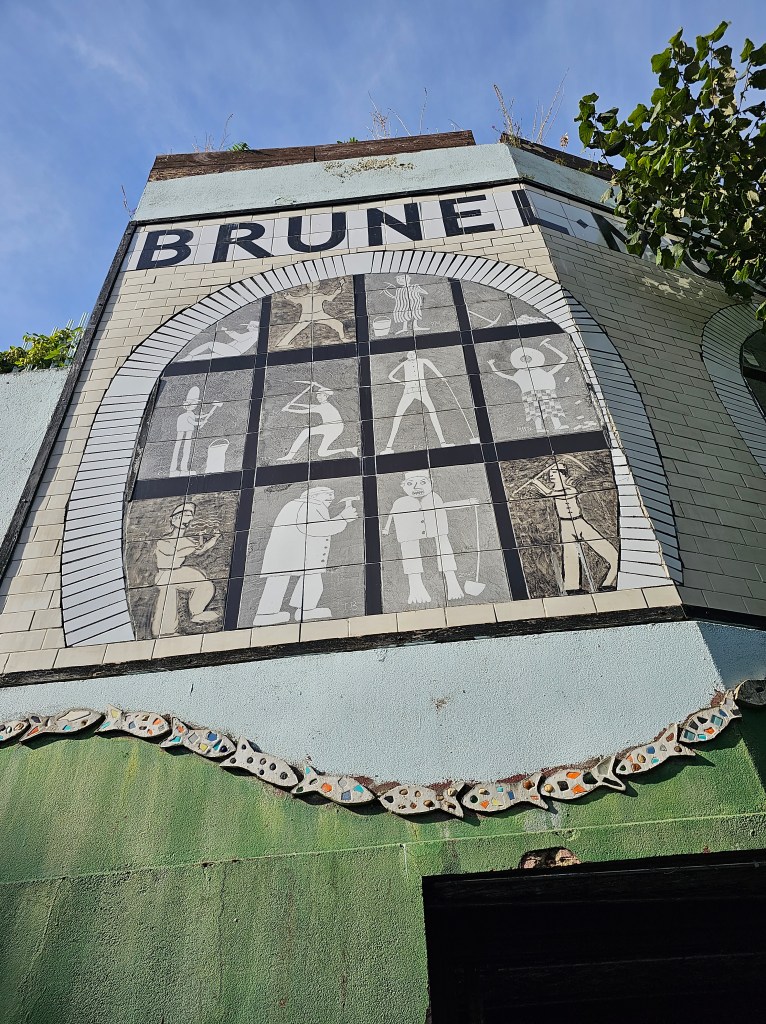
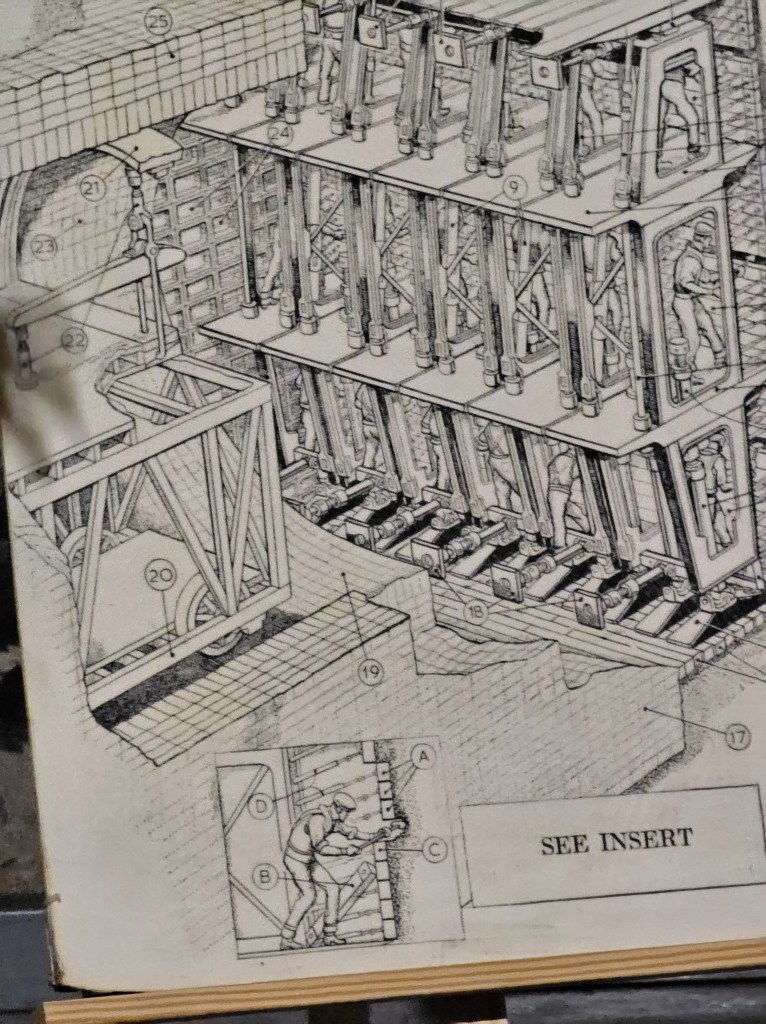
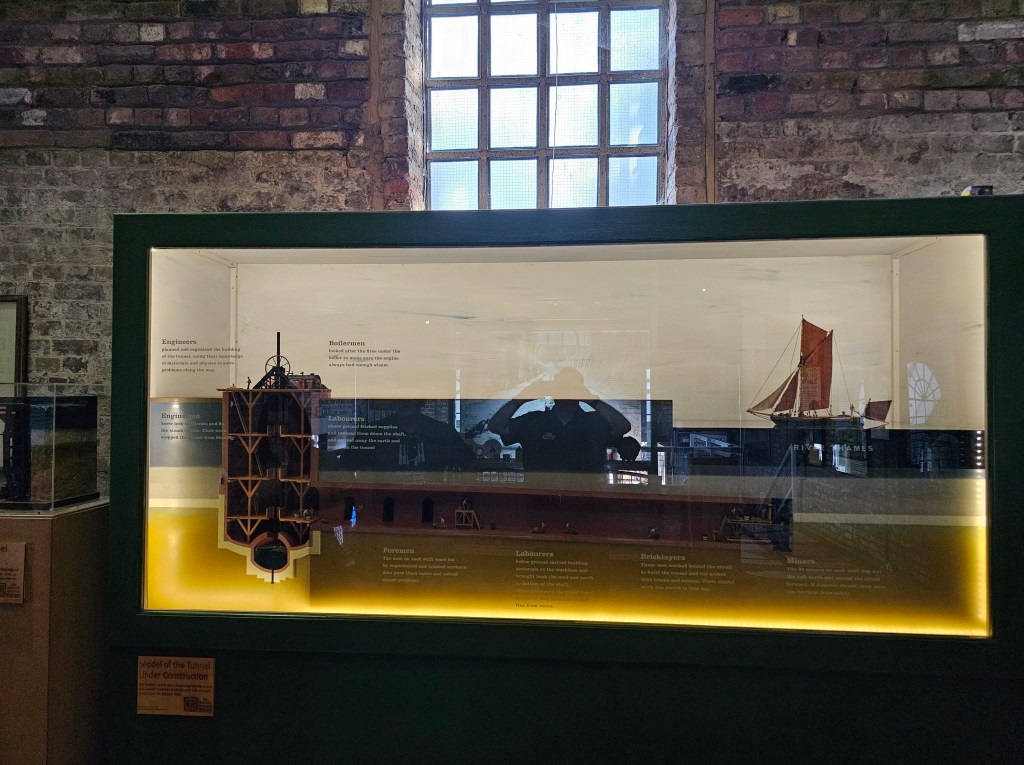
When my friends Steward and Kerry invited me to meet them at the Brunel Museum, I knew it would be an interesting day. Stewart is one of Nigel’s brothers and the extended Grant family has yet to let me down on excursions around London and the Home Counties. This journey took via the London Overground to Rotherhithe Station near the Thames to the site of the Museum that recognizes Marc Brunel’s incredible achievements of creating his tunnel shield, in affect a human tunnel version of the 20th century tunnel boring machine and the successful completion of the world’s first tunnel beneath a navigable body of water anywhere in the world. The shaft and tunnel were constructed between 1825 and 1843. Brunel’s son, Isambard Kingdom Brunel assisted in the engineering and completion of the tunnel.

The three images above show something of the incredible engineering that went into the development of Brunel’s shield and how the miners and brick layers worked under the river to dig out the soil, build the brick walls and move forward. It is absolutely amazing that the succeeded with as few deaths and accidents as they did. Having spent a good bit of my career at the Nuclear Regulatory Commission working on a project that involved underground tunnels and geology, I “totally geeked out” during this museum tour. The tour guides were well prepared to discuss the limits of taking core samples and dealing with irregular soil depths as well as the obvious fairly limited technology in terms of breathing and maintaining a healthy environment under the Thames.

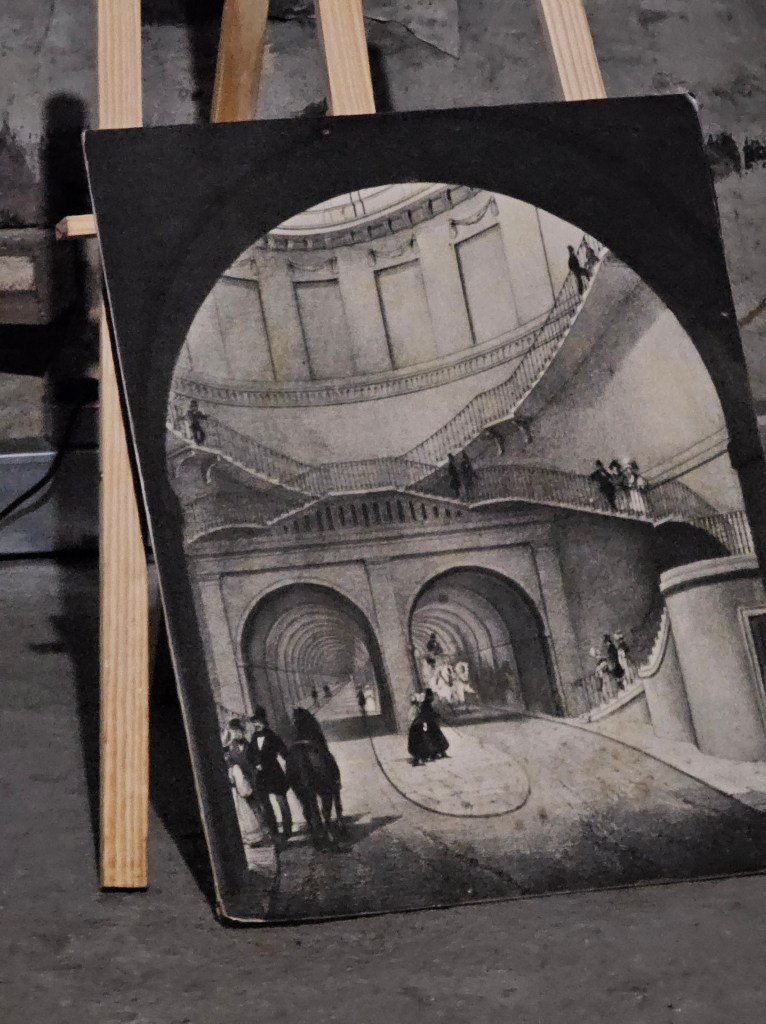
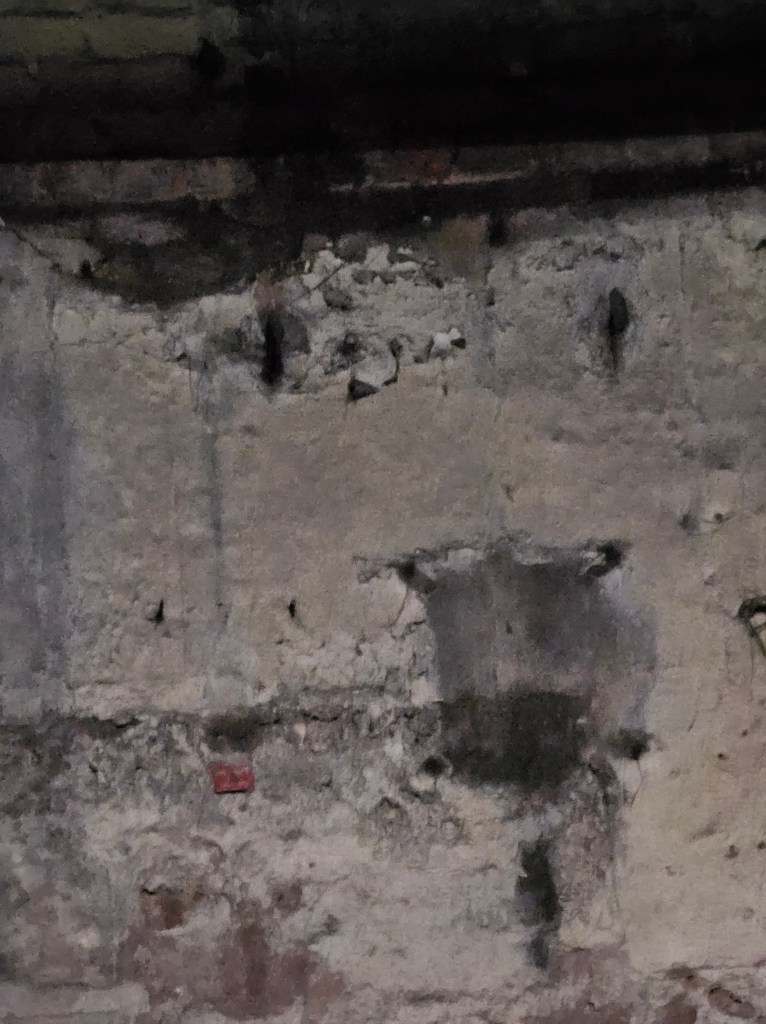
The picture on the left, above shows the completed tunnel when it was used as a pedestrian and animal crossing and the one on the right is actually from the shaft which is now used for the tour. Here you can see some of the original brickwork and this is part of one of those decorative rectangles shown at the top. The tunnel was eventually sealed from the shaft and turned into a still-used rail tunnel.

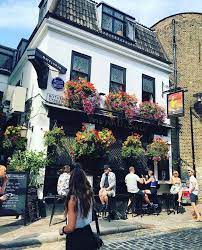
When we finished the tour, Stewart asked if there were any good places to eat nearby. The museum staff recommended “The Mayflower Pub.” It was renamed after the famous ship some years ago after a major anniversary of it’s sailing from Rotherhithe. The place was packed! We waited (hovered) for a table and I am glad we did. The food was superb. I had fish and chips. It was delicious. Here is a photo that I believe was not copyrighted.

Gorillas

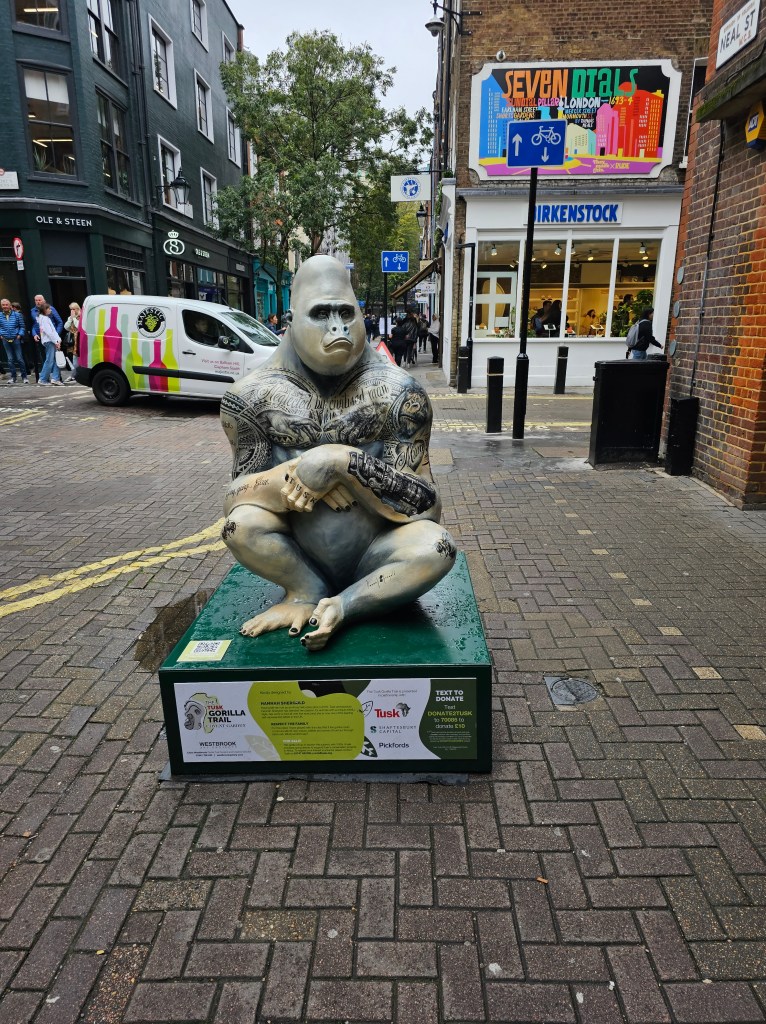
Every year of so, sculptures of one type of animal appear around London and people will often make a serious activity of hunting for all of them. I’m just happy to run into a few in my travels around town. Since my last blog, I have met these two “gorill a my dreams.”

A Record Shop

I didn’t think record shops existed anymore. Another member of the Grant family has a milestone birthday coming up. Actually there are several Grant birthdays in the offing, in addition to Miss Edie Grant’s recent celebration that I missed to go to the Brunel museum with her Great Uncle and his lovely lady. Edie’s dad, my pal in many London adventures, Rennaissance man, James, has an upcoming birthday. James and I share an interest in music, so I thought i would buy him some classic vinyl or cds for this special occasion. I was surprised to see that there were several stores offering both near Bloomsbury. When I walked into FOPP in Covent Garden, I was transported back about 30 years to a multi-story emporium of vinyl record and cds. I was delighted and overwhelmed by the selection and variety.

The Unexpected Priory

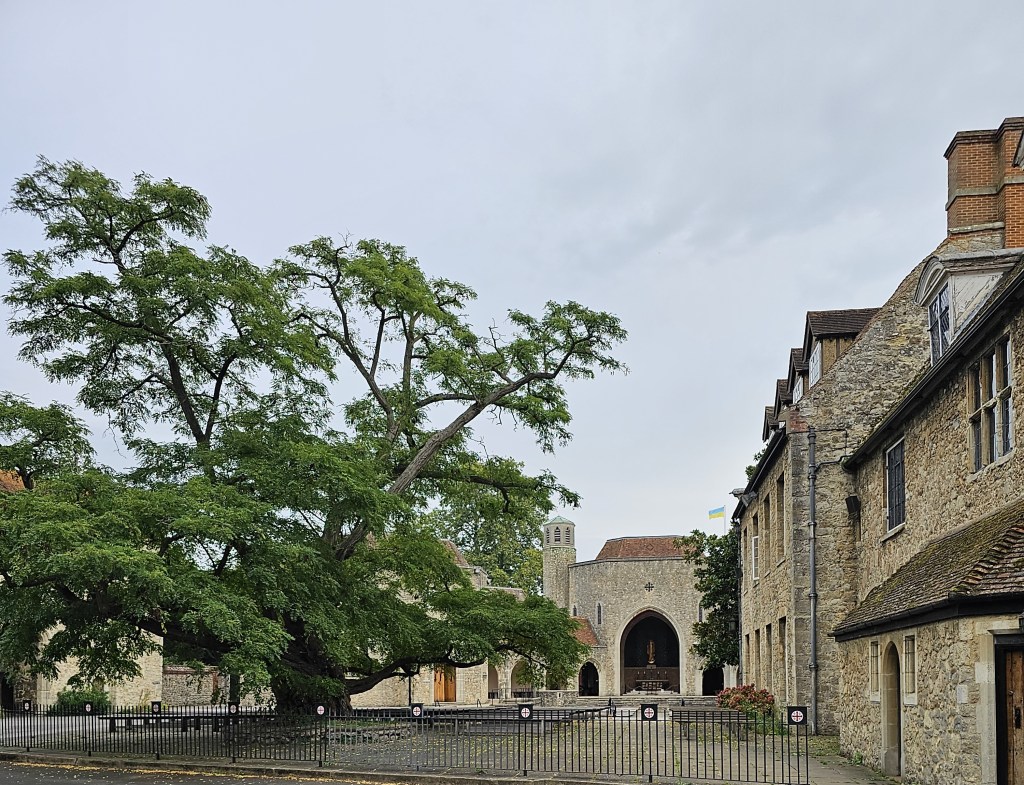
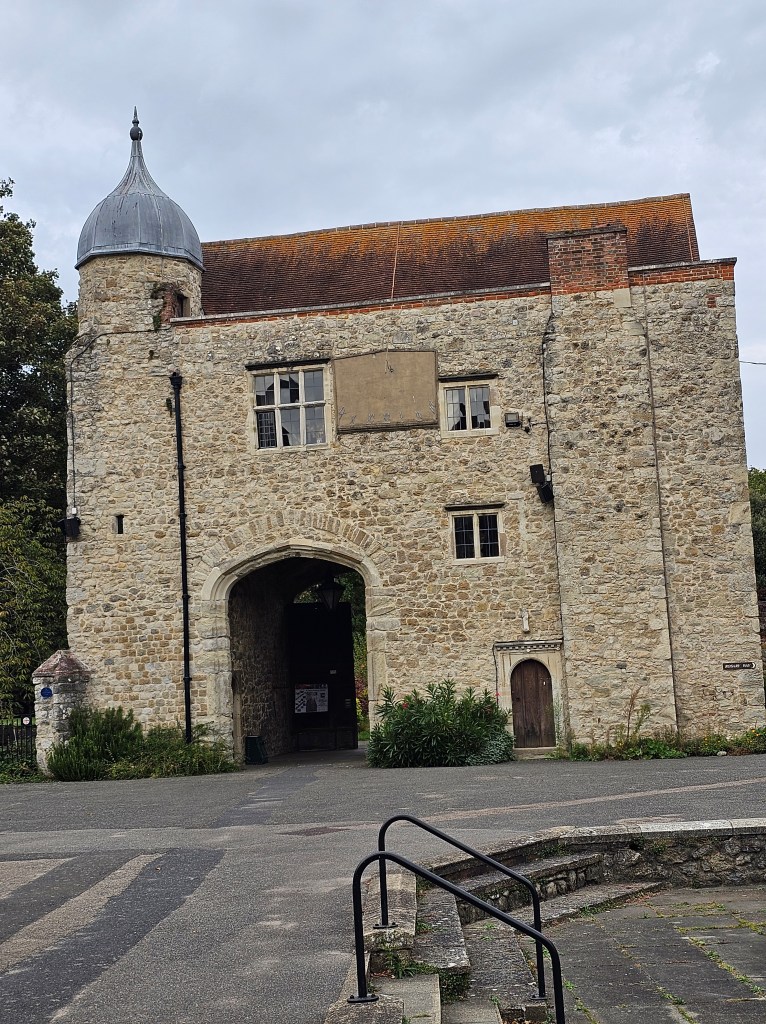
Keeping with the Grant family theme, I had twice cancelled trips down to Gillingham, Kent to visit Nigel and Gwynne Grant, but there were no train strikes on the horizon, so I made my trip without trouble and had a delightful homecooked lunch with my dear friends. After lunch Nigel asked if I was up for a visit to Aylesford Priory. To me, this meant that Nigel probably thought that this would be a great way to spend our afternoon. I knew from experience that he would most likely be right. So, I agreed.

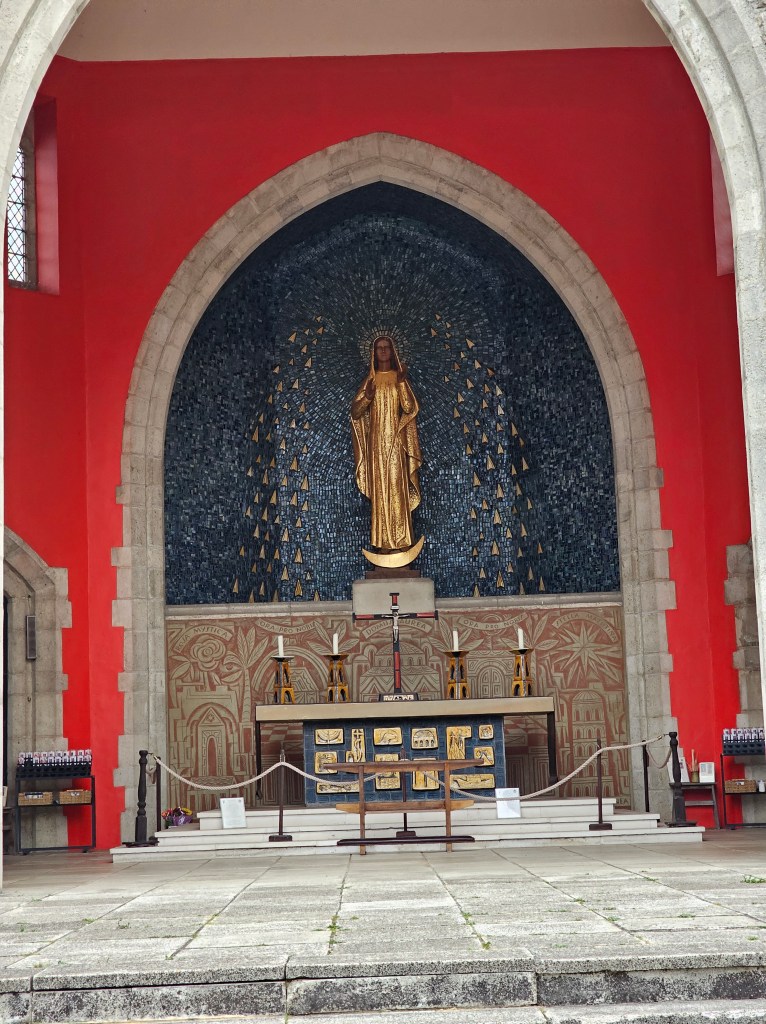
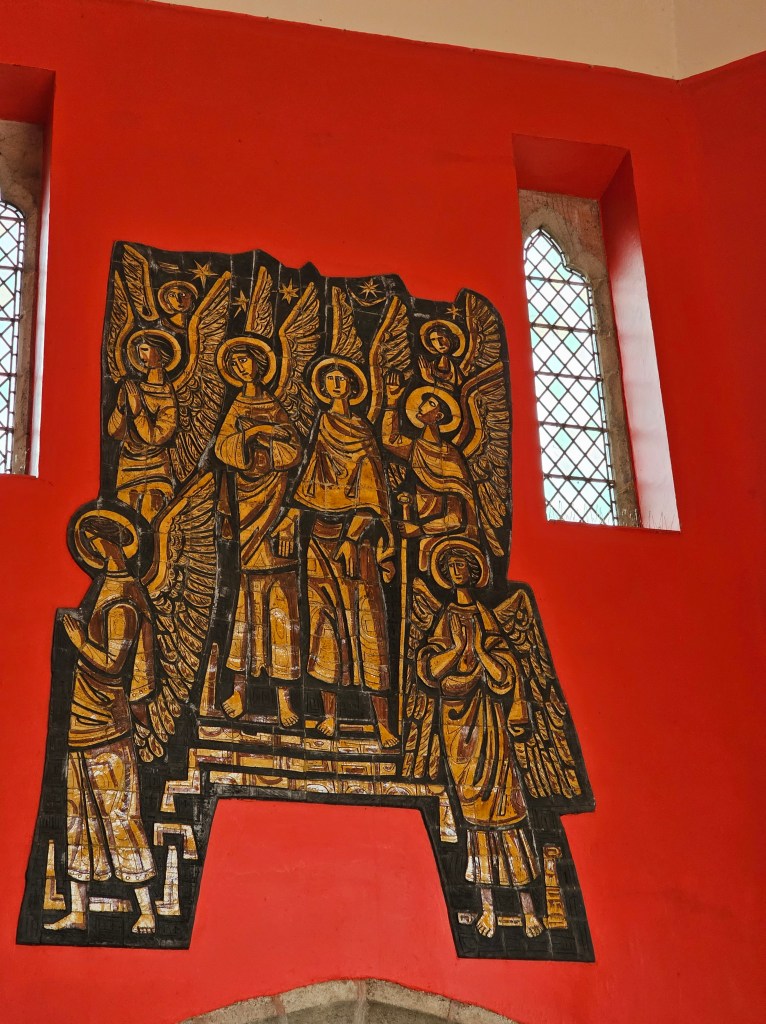
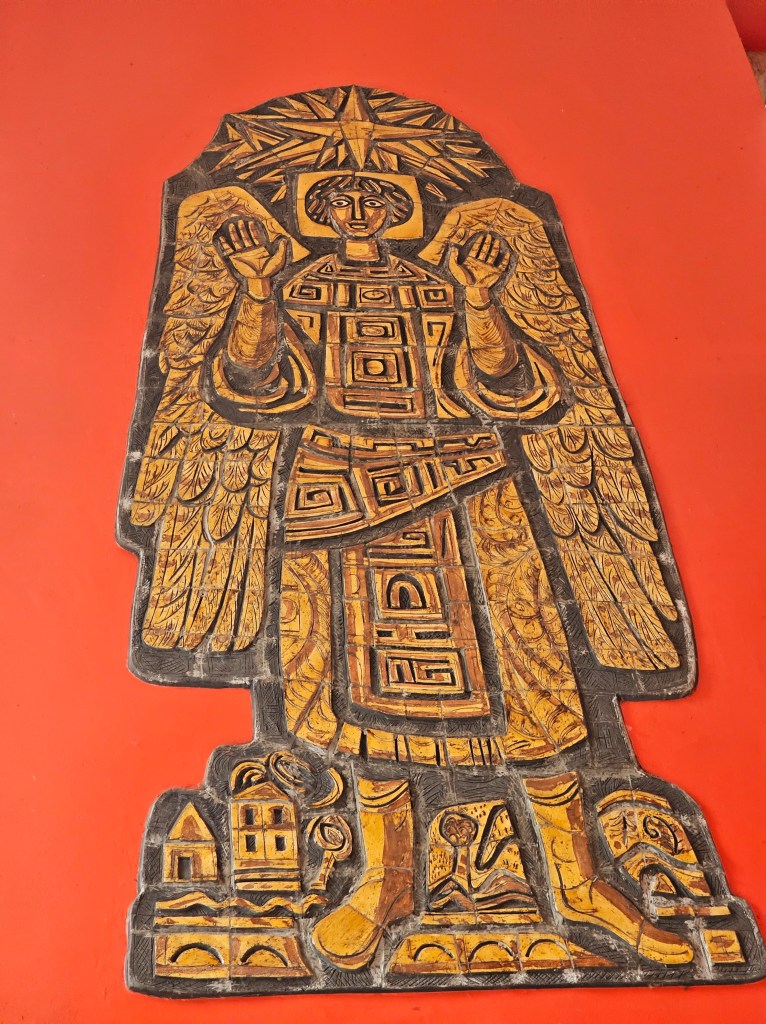
Aylesford Priory has an interesting history. It was started by the Carmelite order in the 13th Century and remained in its Maidenstone, Kent home, until King Henry VIII dissolved all the religious houses and took their resources. The Carmelites saw that the land and the manor house that had been the priors’ home was for sale in the 1940s and bought it back! They have since restored old barns and buildings and built the chapels that we see today. They have a conference center, hold retreats, have a pottery and a tea and gift shop to help support and sustain their lives of prayer and contemplation.

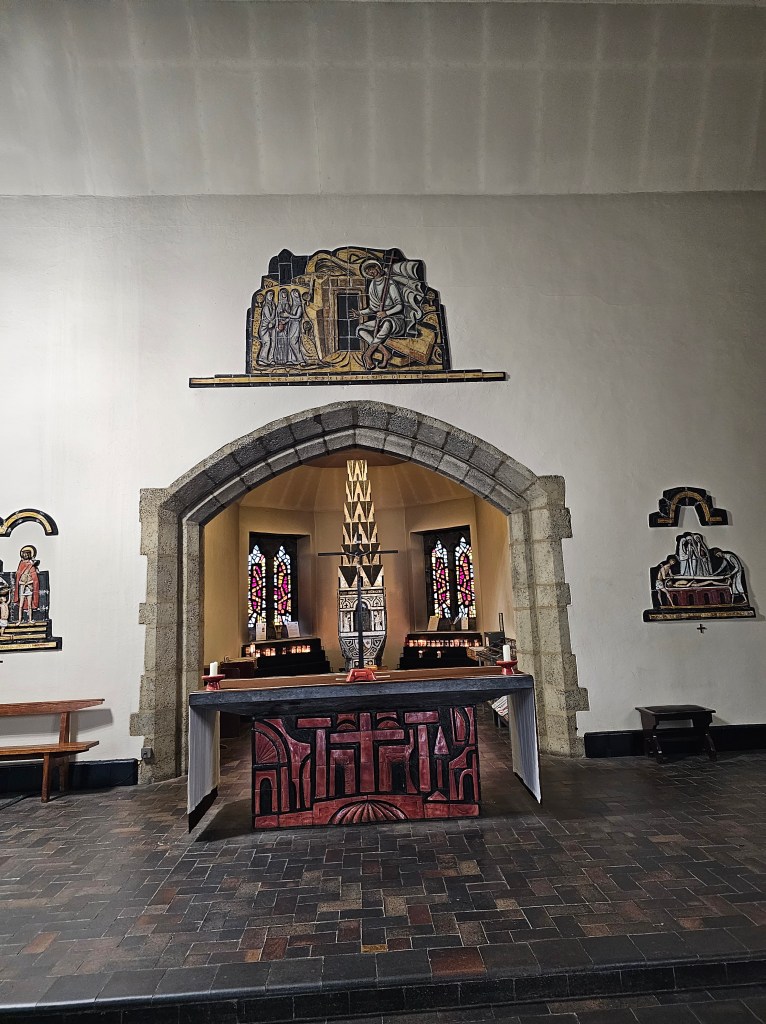
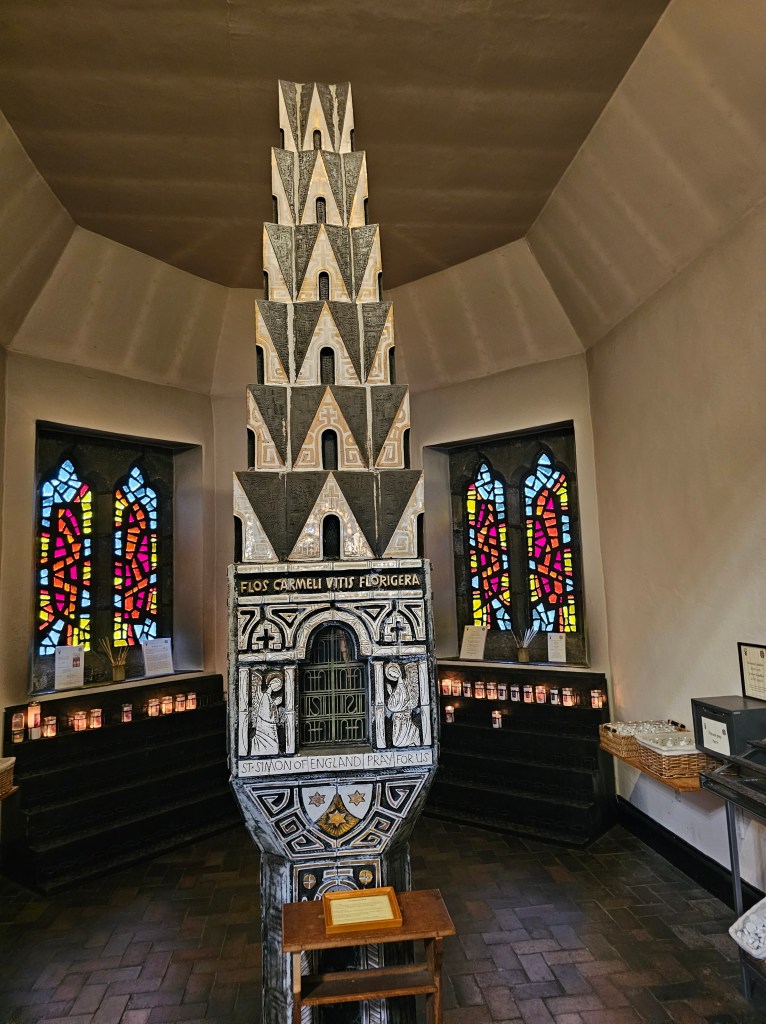
While we were walking around the chapel which was something of “a Tardis,” we noticed the reliquary (the place where a relic of a Catholic saint is kept). Shortly afterwards we met a friendly prior, coincidentally named Mark, who was originally from New Zealand. He took us back to the reliquary and turned on the interior light so that we could actually see the relic, the skull of Saint Simon Stock, a 12th Century Carmelite Monk who lived at the Priory.

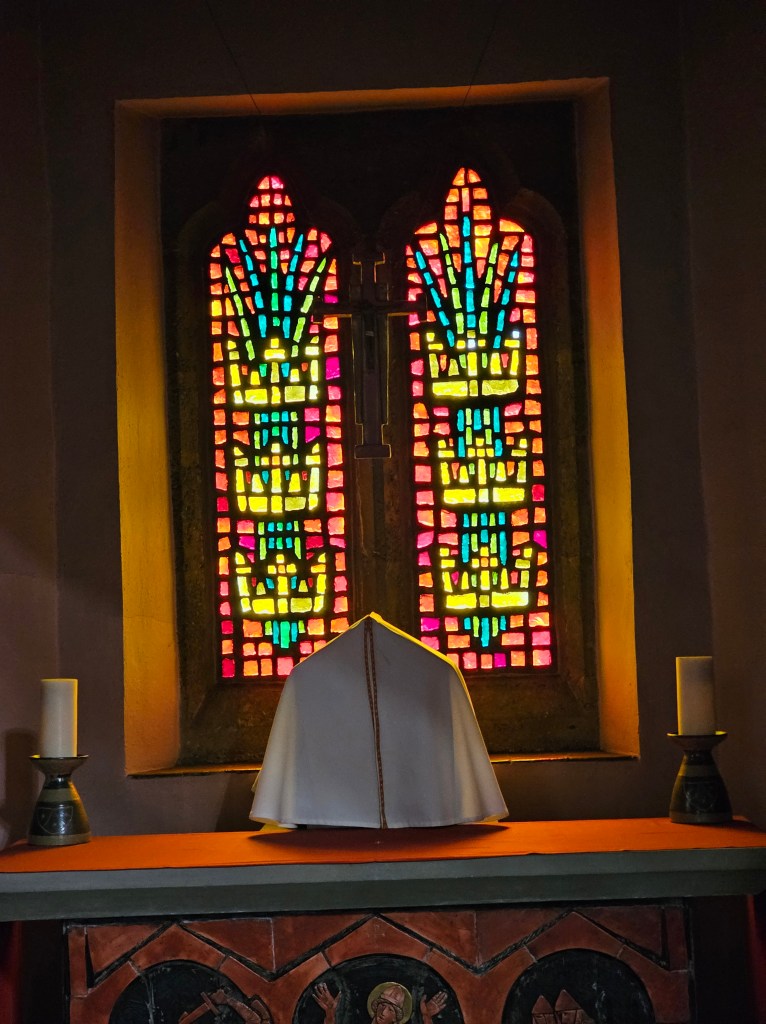
Below, three examples of modern stained-glass windows in the chapel.

Above, two examples of different styles of Stations of the Cross in the Chapel.

Next up, more music and theater!

Octopolis, The Tate Britain, and A Big Win for Fulham

Octopolis

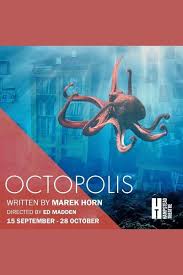
Cover of the programme from the Hamstead Theatre

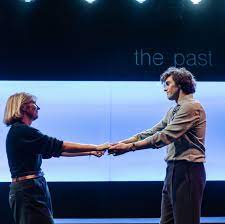
I’ve had many interesting theatre experiences over the years that I have been coming to London. I’ve seen some shows about unusual topics too. I don’t think I would have anticipated seen one about a woman, a man, being brought together by their shared interest in an octopus. But I did, and the two actors were amazing. Last year, I had the great luck to meet Jemma Redgrave. She is an actress of some renown and a member of the well-known acting dynasty. We had a mutual friend (my friend Jacquie) and they kindly invited me to stay when Jemma arrived for a quick visit with Jacquie. Anyway, she seemed to me to be a lovely genuine person and I was happy to have met her. When Jacquie and her husband Tom mentioned that Jemma was in this unusual show by a very promising young playwright, I wanted to see it. While I have seen a few high school classmates who have had successful careers in film and TV, seeing a person I had met, now on stage, was intriguing to me. Gemma plays a scientist at a university, grieving the loss of her fellow

Jemma Redgrave and Ewan Miller from Hampstead Theatre

scientist husband, who had died. Together they had studied the behavior of octopuses/octopi with their resident tanked octopus (Frances) being their main object of study. The university sent a young anthropologist played by Ewan Miller to the university-owned home that the Jemma shares with the octopus. By the end of the play, the two characters and Frances have gone through a complex set of emotional events that change all of their lives. Ms. Redgrave and Mr. Miller were absolutely luminous in their performance. The small theatre only holds an audience of a few hundred seated on three sides. The performance took place directly in front of us. I was in the front row and the actors were just feet away from me. It was an amazing experience.

The Tate Britain

The Tate Britain is an interesting museum, covering British art from 1500 to the present. Like the Tate Modern across the River Thames, it seems to change what it exhibits from its vast collection quite often. I visit to get surprised and to be delighted by old friends. If you follow me, you know that I have been trying to get the National Portrait Gallery to acquire and display a portrait of Her Majesty, Queen Camilla. My constant focus at the Tate Modern is whether the elevator to the Members’ Lounge is working, as it has done so rarely in recent years. I am pleased to say that it was working on this visit.

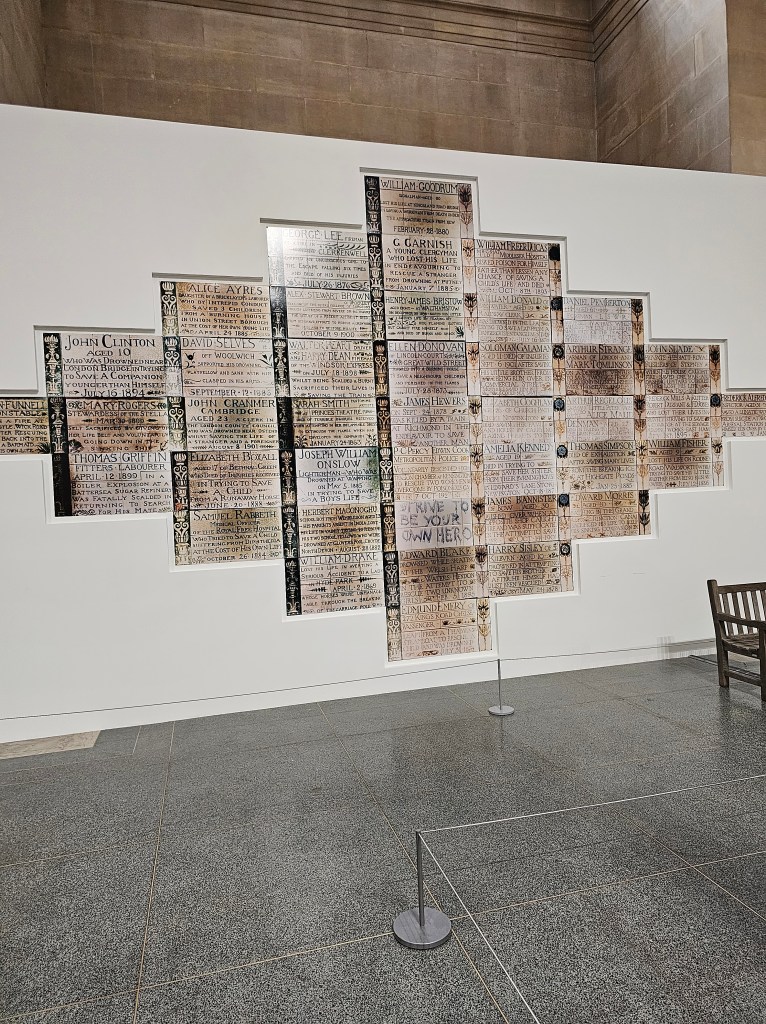
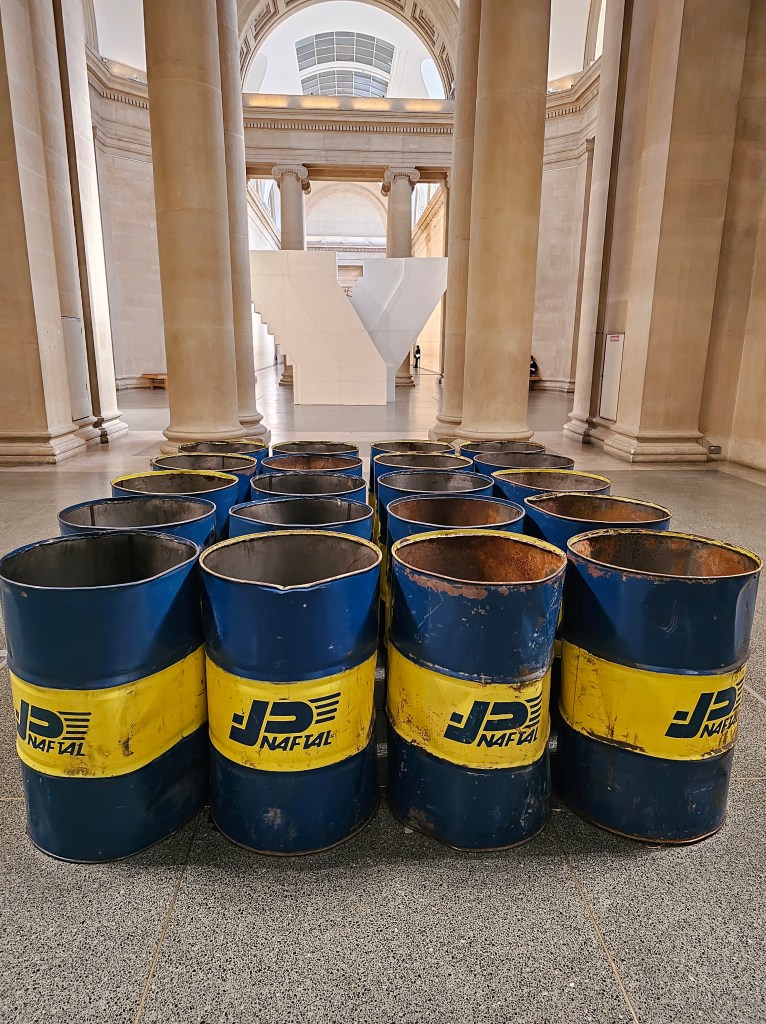
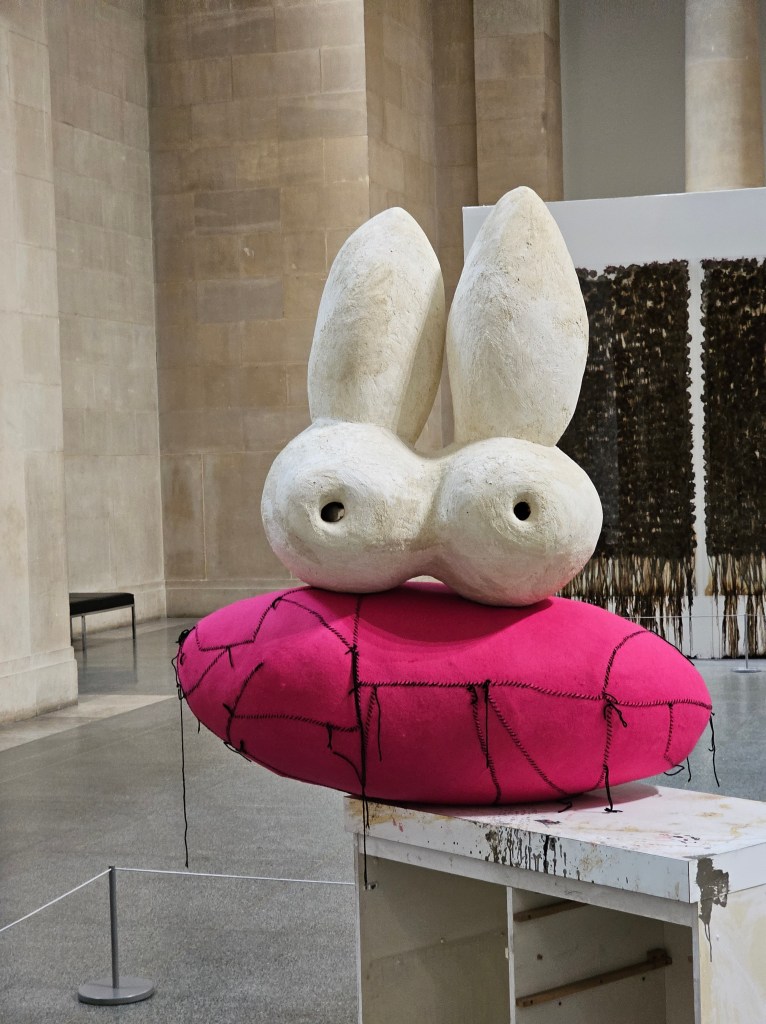
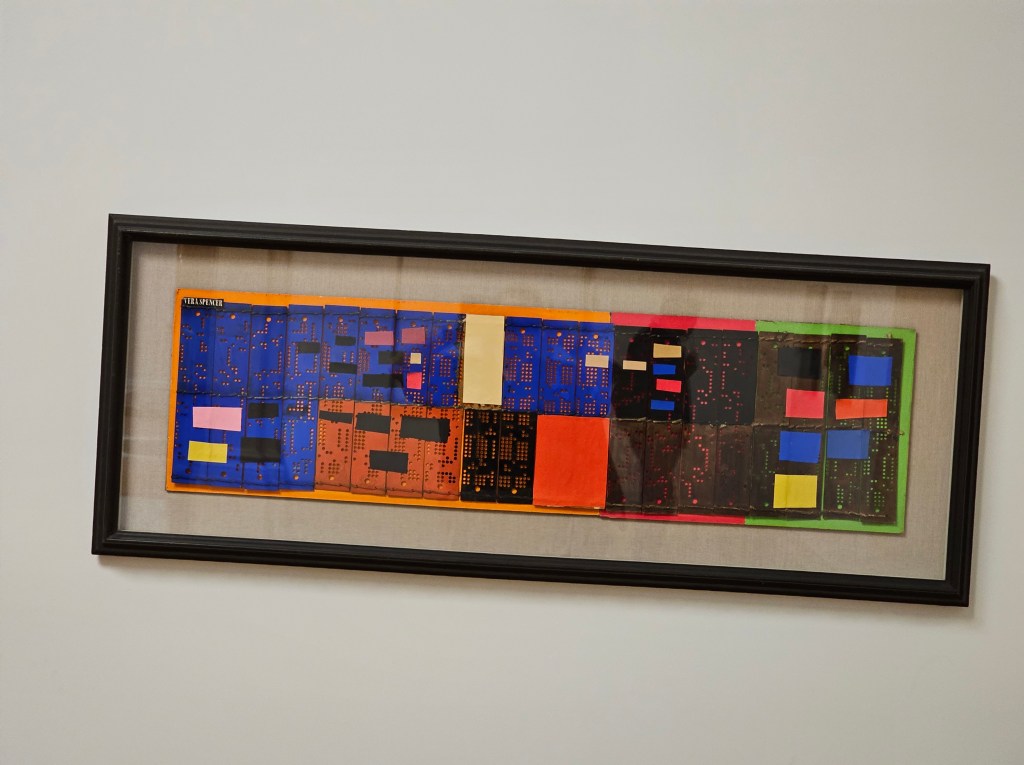
Here are some pieces from the grand hallway on the first floor of the Tate. The exhibit is called: Material As Message.

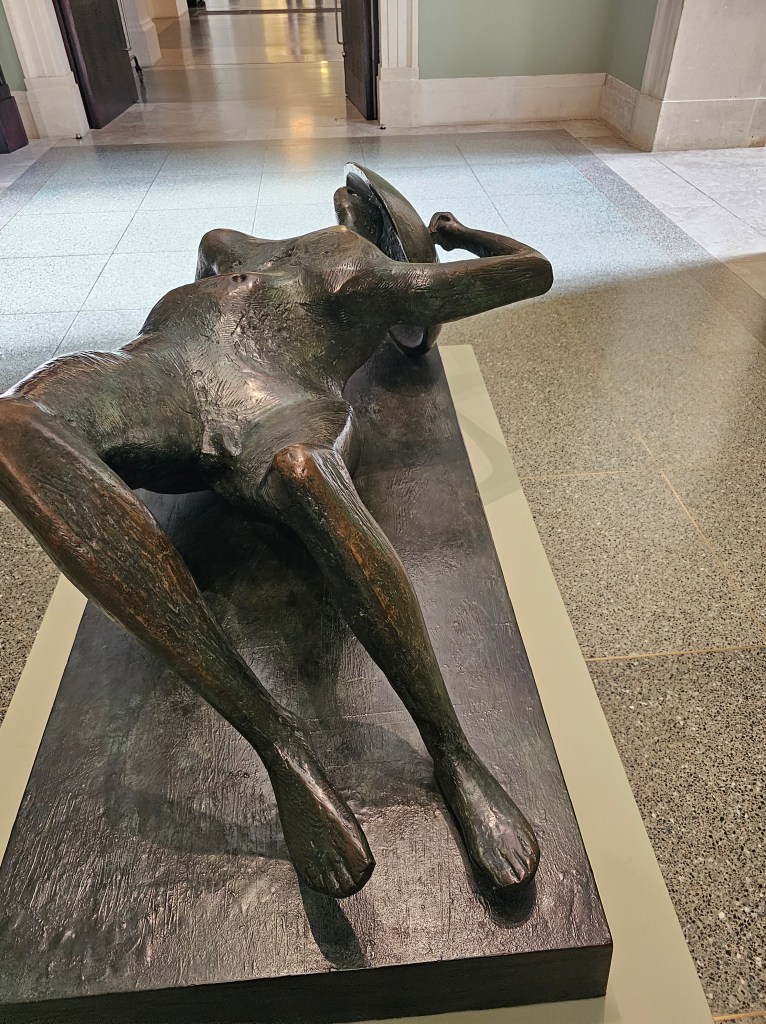
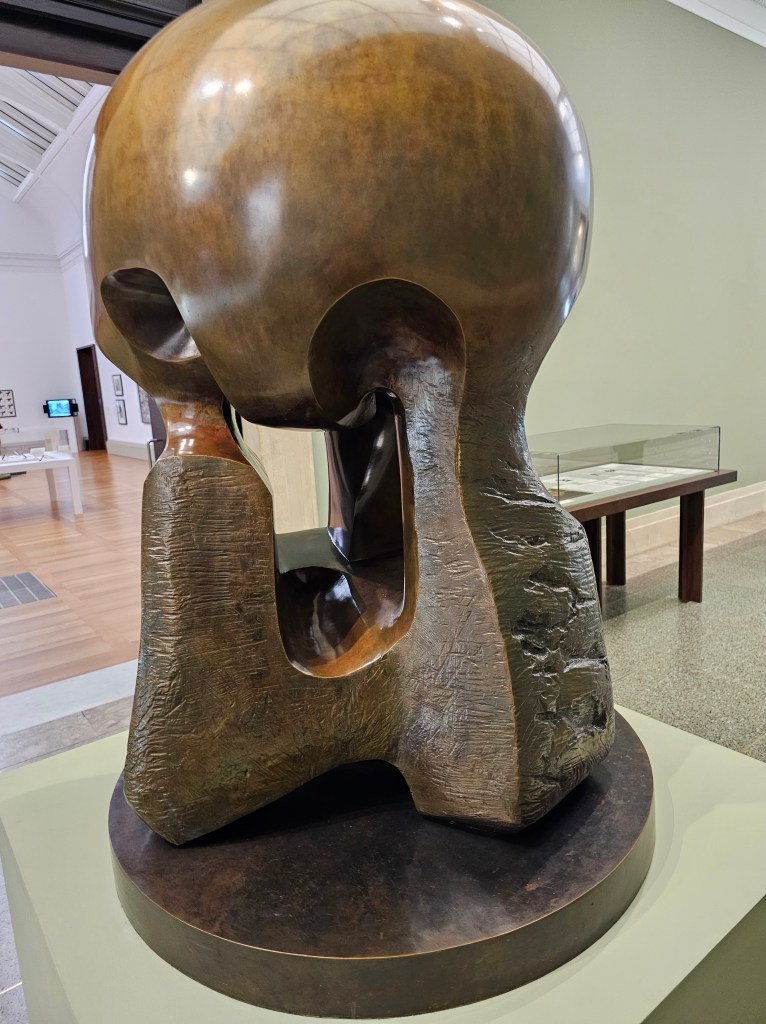
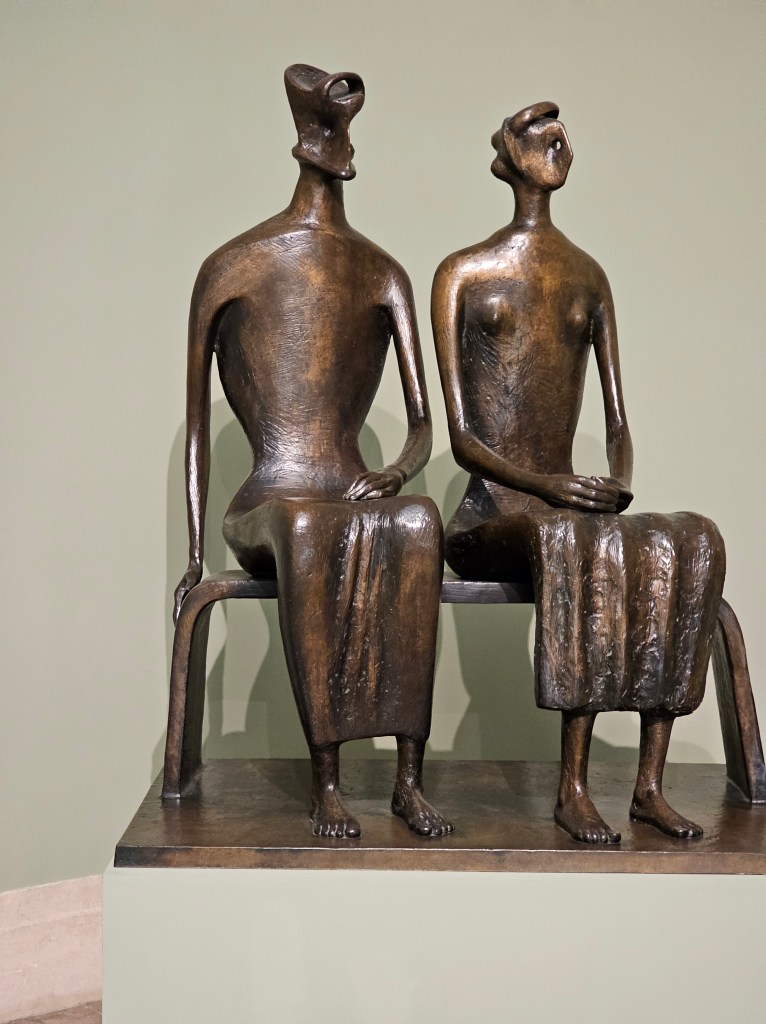
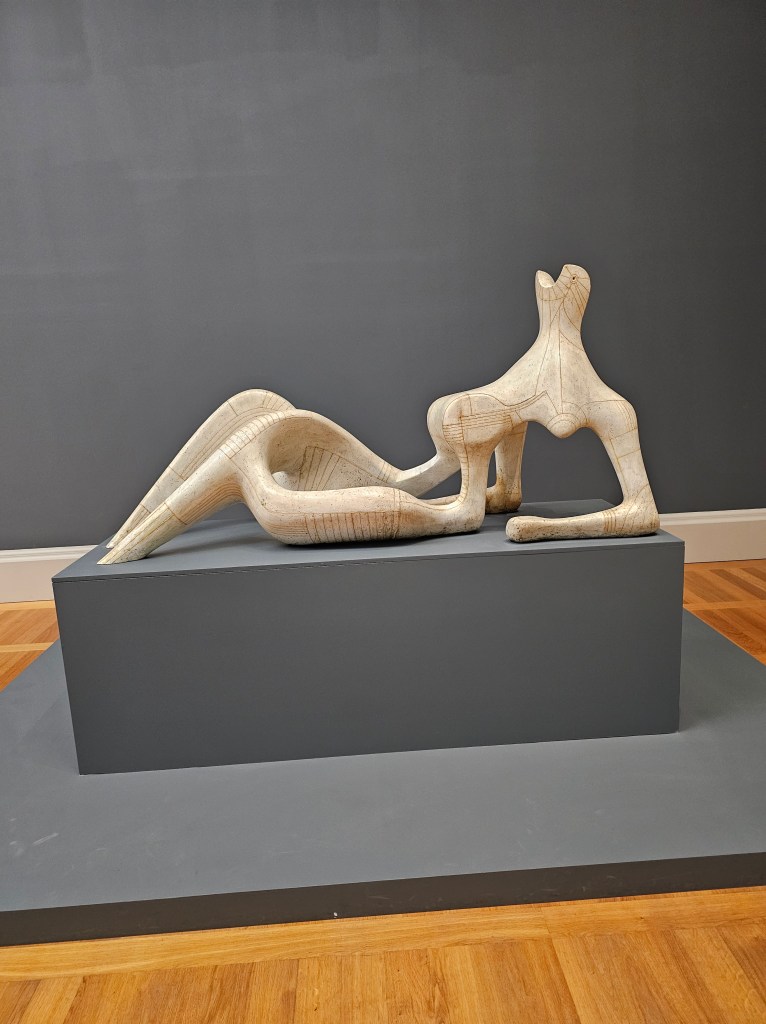
Then, of course, I visited Henry Moore, oh the simple joy of brilliant sculpture.

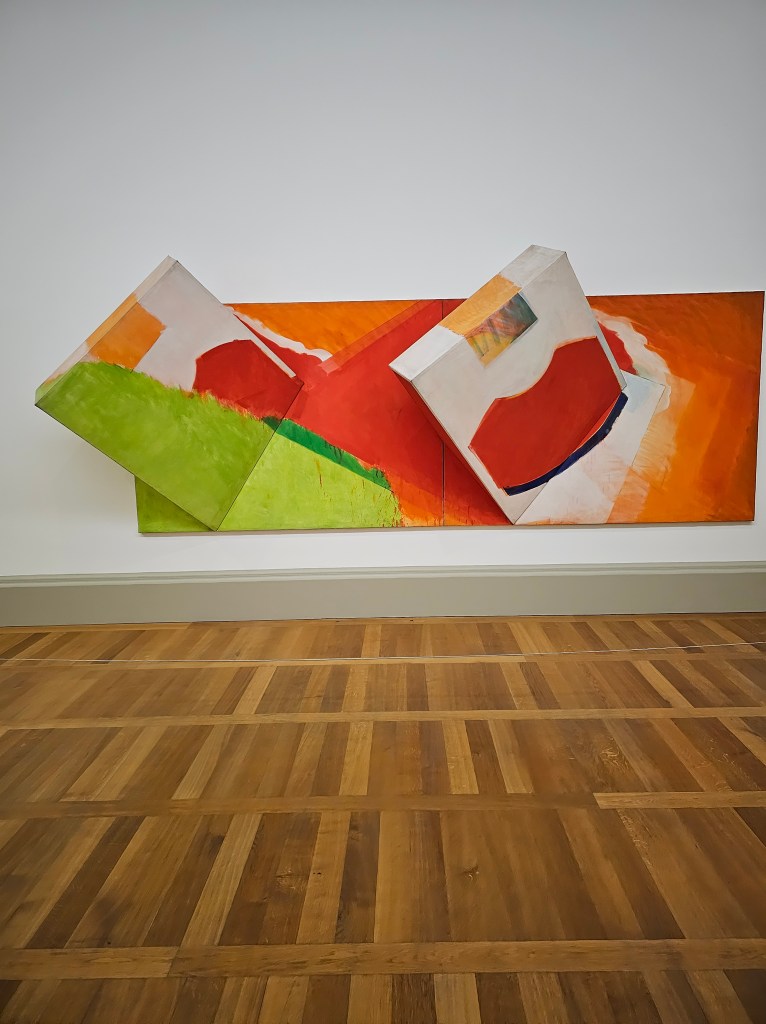
Finally, two cool paintings I really like.

Fulham Wins, Fulham Wins, Fulham Wins!

My friend and fellow SUNY Oneonta alumnus, Dave Daly, who deservedly claims responsibility for making me a Fulham fan, still can’t believe, it just took one match at Craven Cottage to do it, but it did. It took a bit of doing to get my ticket this time. Who knew Fulham vs Sheffield tickets would be so hard to find? I had been saving the day for one of two favorite kids in Tooting Broadway’s birthday party, but her folks chose to have it on Sunday this year, so my Saturday opened up. But by then I had to go the ticket resellers route. Unfortunately, Stub Hub prices seemed a bit astronomical, so I went with another purveyor. Initially, they sent me a ticket several days in advance, but it was for the Fulham-Chelsea match that had just taken place. It took several emails before things were straightened out and on game day, through the kind assistance of the local post office, I even got the ticket printed before I left Bloomsbury.

As you can see from the picture above and the picture below, it was a beautiful October day for a football match along the River Thames. The band was playing below the statue of Fulham great, Johnny Haynes, for whom the historic stand behind his likeness is named. All the fans were in a great mood.

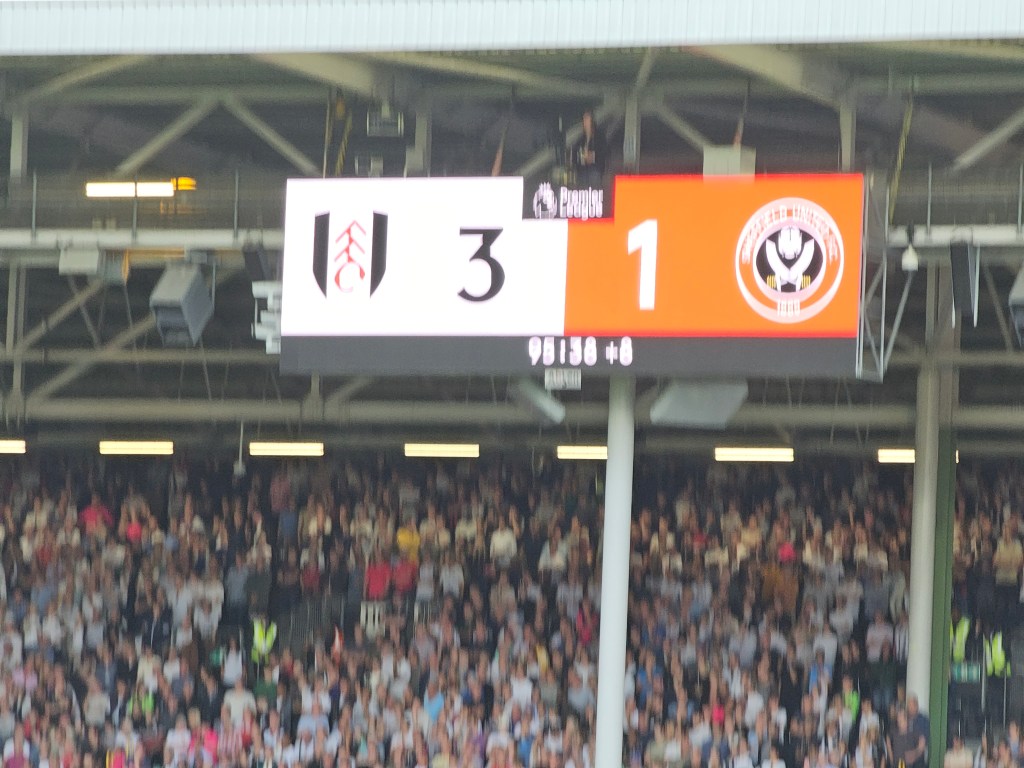
The first period of the match ended in a nil-nil draw, and a Sheffield United player had gone down with a serious leg injury that led to a total of over 14 minutes of added time. Fulham’s manager must have said the right things at the half because they came out rejuvinated and scored three goals to Sheffield United’s one. It made for a glorious walk back through Bishopsgate Park to the Putney Bridge Tube station for the trip back across town. In my view, Fulham is still not recovered from losing its main scorer to the Middle Eastern league that shall remain nameless. But they will get better each week and with a little luck will pick up a good solid scoring machine or learn how good they are without the one they had. In any case, I am so glad that I got to see three matches live at the cottage and will be looking forward to seeing many more on the TV when I get back across the pond next month.

Next blog will include a visit to a very cool museum that brought back memories of my happy years at the US Nuclear Regulatory Commission.