Category: Uncategorized

Music on Sunday/Theatre on Monday & Talk

Another Sunday morning concert at Wigmore Hall. As I arrived, it occurred to me, as it has before, how

unprepossessing it is from outside. It’s almost easy to miss among the porticos and fancy fronts of the buildings nearby. The world inside, especially for these morning concerts, though, reminds me of how special it is.

This Sunday’s performers were the Zemlinsky Quartet. They are a Czech quartet who met as students in

Prague. Their website explains their name with these words, “Zemlinsky Quartet is named after the Austrian composer, conductor and teacher Alexander Zemlinsky (1871-1942), whose enormous contribution to Czech, German and Jewish culture during his 16-year residence in Prague had been underrated until recently. His four string quartets (the second one being dedicated to his student and brother-in-law Arnold Schönberg) belong to the basic repertoire of the ensemble. Since 2005, the quartet has maintained a special relationship with the Alexander Zemlinsky Foundation in Vienna.”

The program on Sunday was Mozart’s String Quartet No. 18 in C and Dvořák’s String Quartet in E flat. Each work was performed to perfection. The Mozart was more familiar to me and so it was easier to get lost in the music and enjoy the flow of stringed instruments. The Dvořák work was great. It was new to me, but I enjoyed it from beginning to end.

It was a chilly day and surprisingly cooler after the concert than before. I did catch up with two of my local friends in the afternoon at Caffe Tropea. One of my luckiest accomplishments this trip has been connecting with this group of folks of regulars. These two ladies are delightfully forthright and love to tease me about American views. I love to tease them about the outlandish things that the British press say about the Duke and Duchess of Sussex (aka Harry and Megan). The more we talked and laughed, the more I learned about our similarities and differences. Their country is a constitutional monarchy with its unwritten constitution and its social democracy that has been controlled by the Conservative Party (the Tories) for much of the last 50 years. We live in a democratic republic with a written constitution and a capitalist economy with aspects of social welfare programs at a much lower level of coverage than theirs. Our national government has been split between the two major political parties for much of the last 50 years and the 50 State governments are split, as well. I don’t think it is easy for either Americans or British to fully appreciate how different our two societies are in terms of how basic rights of citizenship are defined, exercised and accepted. The postwar generations also encountered vastly different lives. We in America were not rebuilding a bomb-ravaged infrastructure or playing in bomb craters or bombed out buildings for years after the war. We were living a different life. As I found in my years with Sister Cities in Alexandria, Virginia and Caen, France, there is no better way to understand people’s lives than to spend time with them in their own space. It is always time well-spent.

Monday was another chance for me to learn more about the United Kingdom from other friends and then to see a preview performance of a wonderful new musical play. But the day started with a quick Tube trip to the Victoria and Albert Museum in South Kensington. I’ve mentioned it before as my favorite museum and sometimes a just need a little “V&A” fix. It never fails. Upon entering the Exhibition Road Entrance, I was looking over the schematic layout on the wall. One of the outstanding volunteers asked if I needed help and we ended up having a delightful ten-minute chat covering the recent funeral of Her Late Majesty to favorite pieces in the museum and, of course, the perennial topic, the London weather. I then spent some time enjoying some galleries before going to my “happy place,” the Cast Courts that, as Wikipedia describes them, contain “reproductions of some of the most famous sculptures in the world. Most of the copies were made in the 19th century and in many cases, they have better resisted the ravages of time, 20th-century pollution and over-zealous conservation than the originals.” Afterwords, I returned home and caught up with two other friends for coffee at Caffe Tropea. These two, are politically aware and astute and gave me a great tutorial on The Labour Party from the second half of the 20th to now, and the beginning of their annual conference. We have had many great discussions on the subject of our two political systems over these two months. What a great addition, they too have made to my life.

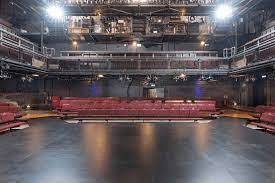
The evening took me to a great theatre in Covent Garden, the Donmar Warehouse. Where the audience sits around three sides of the stage and there is no proscenium arch or curtain. I joke that this is the theatre where I made my West End debut. I was asked to hold up one end of a banner unfurled by an
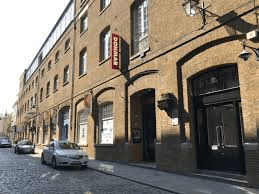
You would never know it was a world class theatre.

View from the back of the stage.

an actor during a production of a Shakespeare play here. The preview I was here to see was “The Band’s Visit.” It is a simple sounding story of an Egyptian police department’s concert band, invited to play at the opening of an Arab cultural center in an Israeli city. A miscommunication causes them to travel to a tiny desert town with a name one letter different from the big city. The cast was wonderful, the music was incredible.
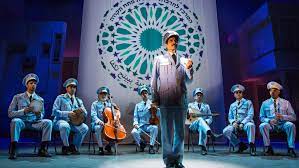

Alon Moni Aboutboul and Miri Mesika lead a cast that turn the stage into that tiny desert village. Ms. Mesika, an Israeli singer and actor has a voice that evokes the mood of the songs in a way that is heartbreaking and bittersweet. Mr. Aboutboul is the leader of this group of musicians, but also a police officer first, conflicted in his roles, and shows it perfectly as his performance continues. The musicians who are on stage much of time must, and do, have some acting talent and some of the actors must play instruments. The success of all is a credit to them. This was a truly delightful evening at the theater. The Donmar also always manages to have a very friendly and personable staff which adds to the ambience of the evening. I understand this show started as a movie. Definitely worth seeing.
A Visit to Leicester but no Parking lot King

Confirmation

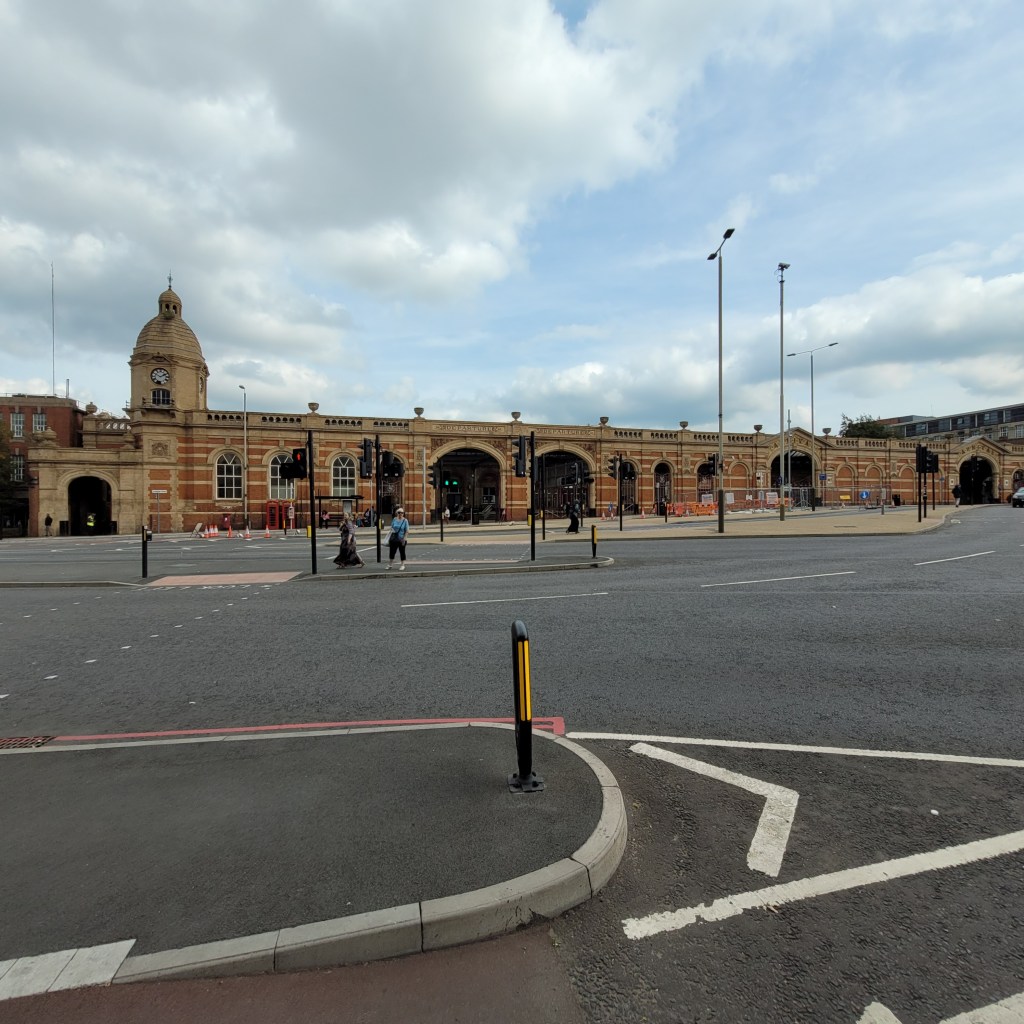
Leicester Cathedral has been on my list of English Cathedrals to visit since the remains of King Richard III, the last English King killed in battle, were found in a car park in Leicester on the site where Greyfriars Church had once stood. Richard was buried in the church after he was killed in the Battle of Bosworth in 1485. In 2012, the remains were discovered and reburied in Leicester Cathedral in 2015. To my surprise, upon arriving at Leicester Train Station, I discovered that the Cathedral was closed for renovations until 2023!

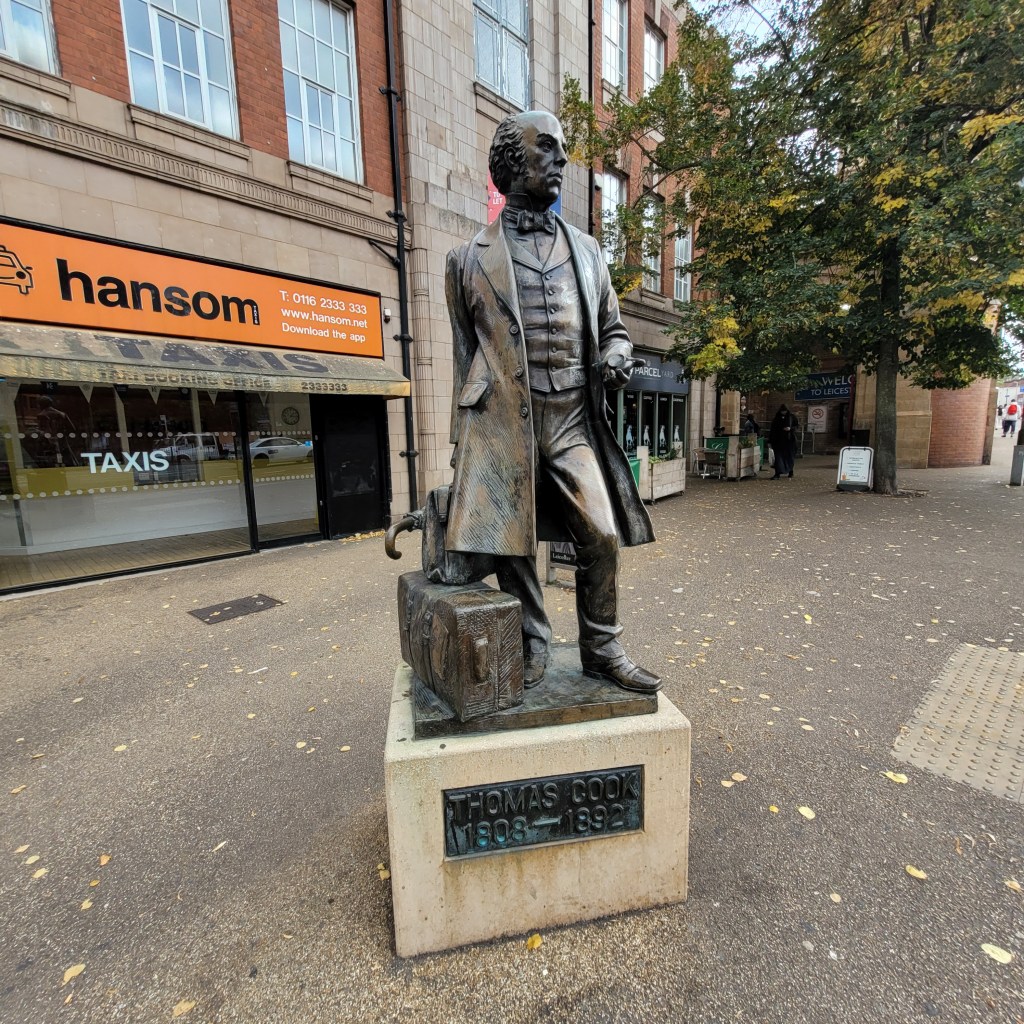
Now, what was I going to do in Leicester on a pleasant late September afternoon? I figured Jannick Vestergaard from Leicester City FC might not take my call, so I’d have to improvise. Luckily for any tourist finding themselves in Leicester it is a city that is easy to navigate, filled with lovely buildings and lovely folks speaking with a distinctive English Midlands accent. A quick google check showed that the Leicester Museum and Art Gallery was just a short walk away. On my way there, I did pass a couple of interesting statues and a nice Methodist Church. The first was a statue of Thomas Cook who founded a famous English travel company. It is just a few steps away from the train station.

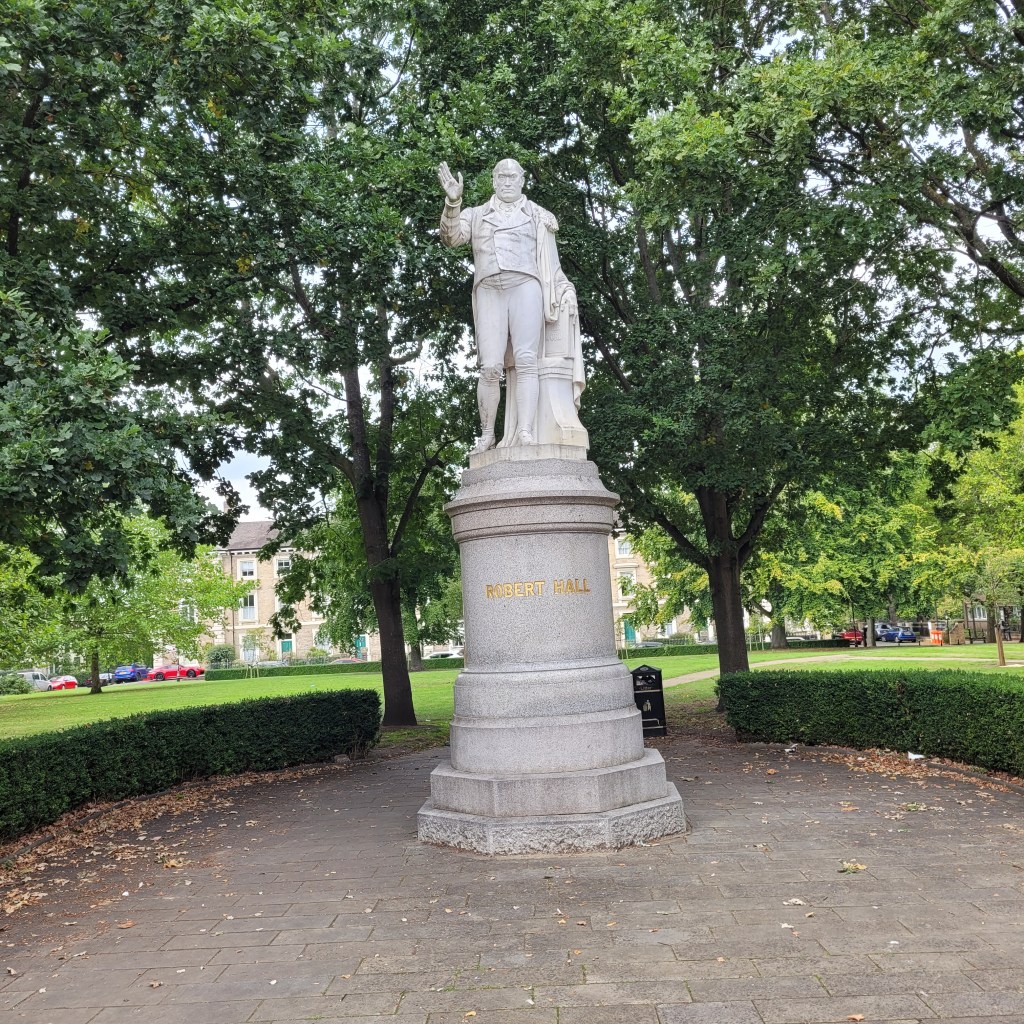
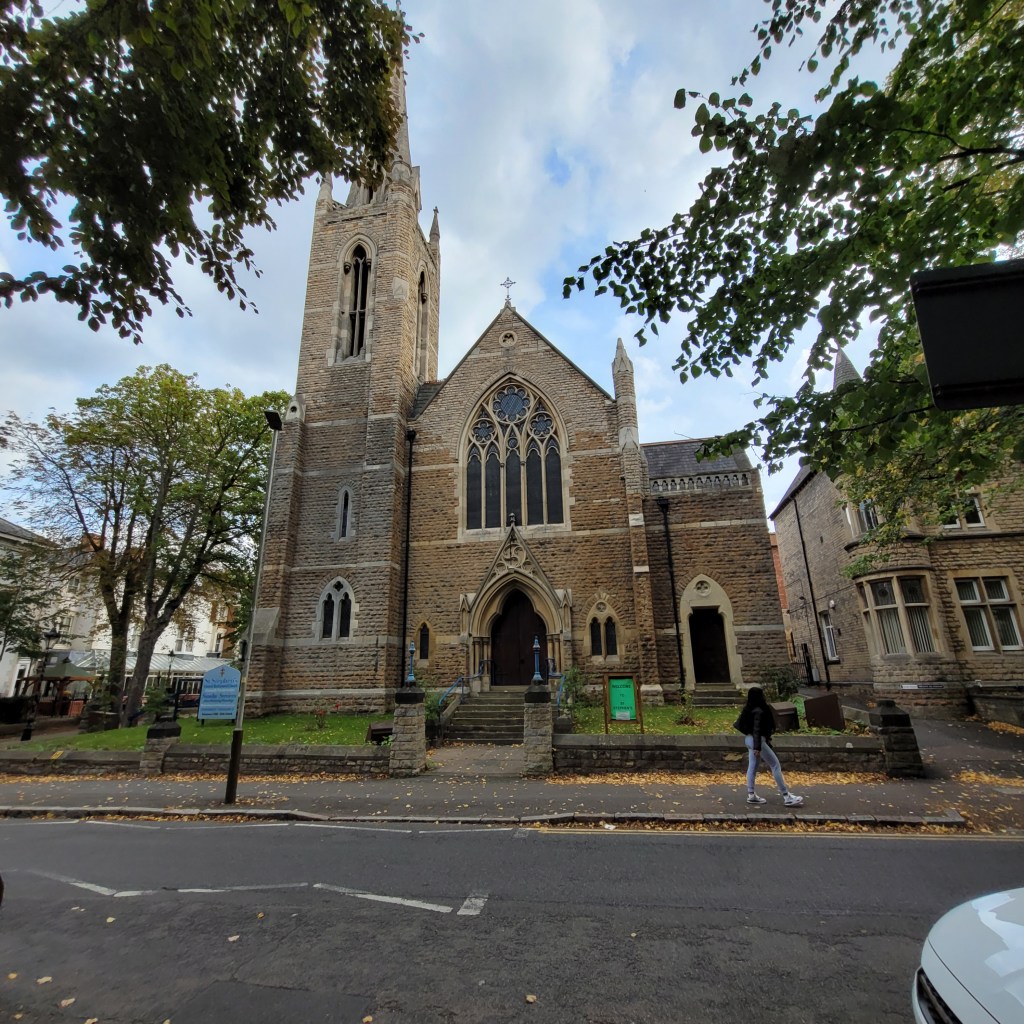
After walking around De Montfort Square, the location of the statue of Robert Hall who was an 18th Century Baptist Minister, and the Methodist Church pictured above, I continued down the New Walk to the Leicester Museum and Art Gallery. This Robert Hall had nothing to do with the fondly remembered American eponymous discount clothing retailer of days gone by.

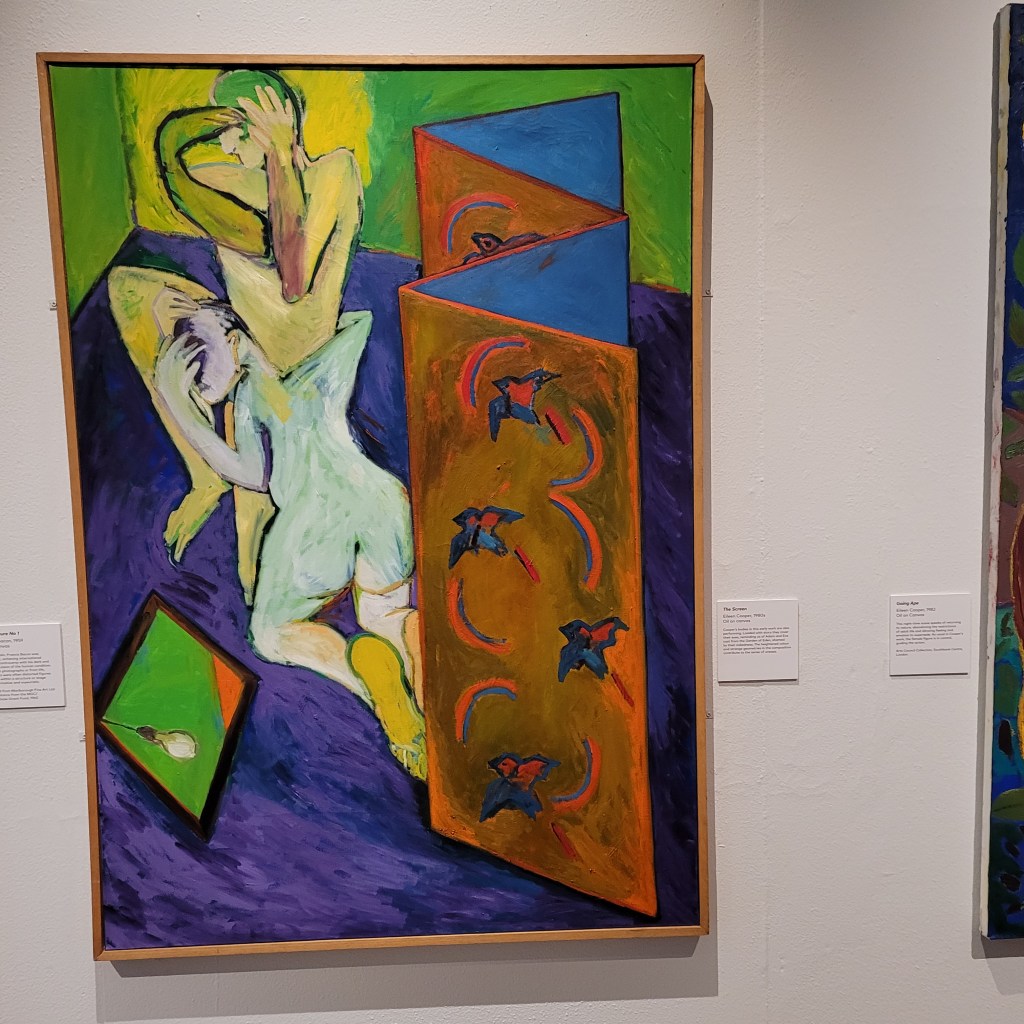
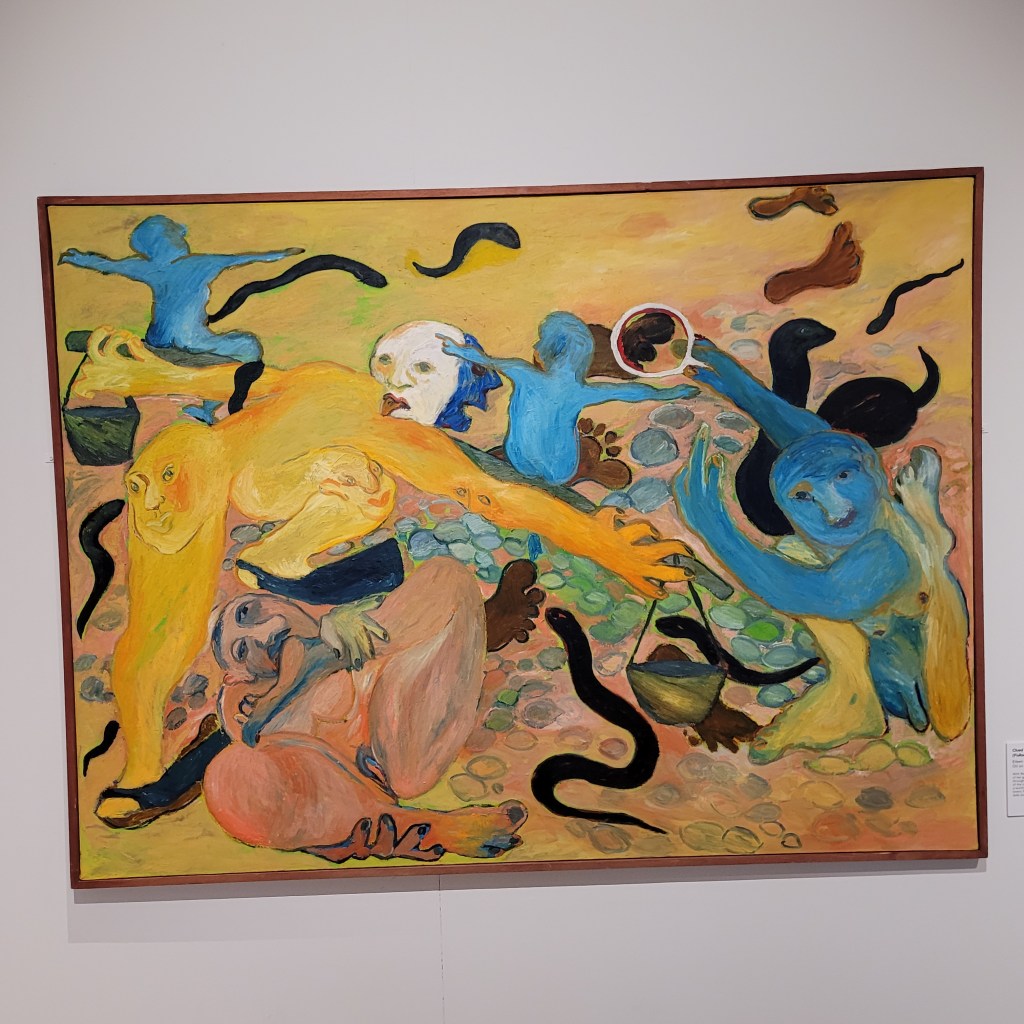
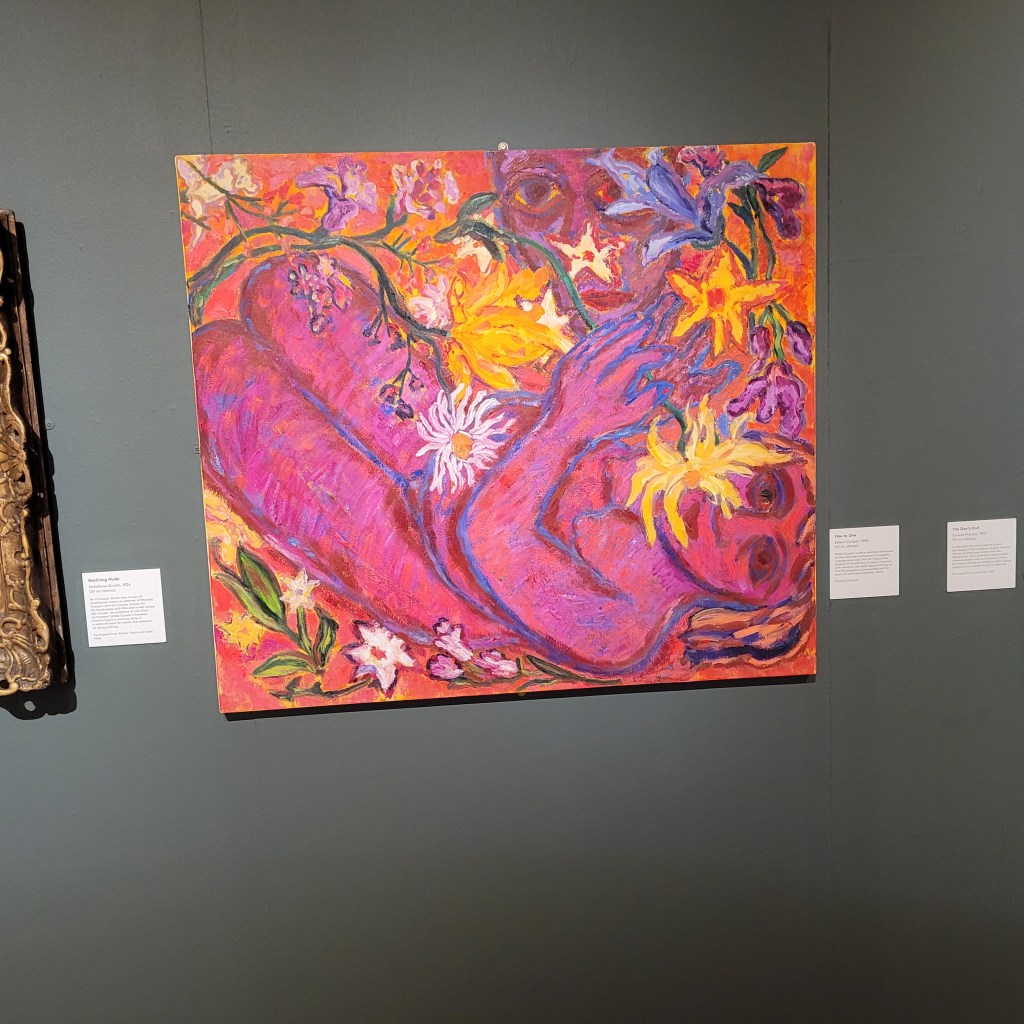
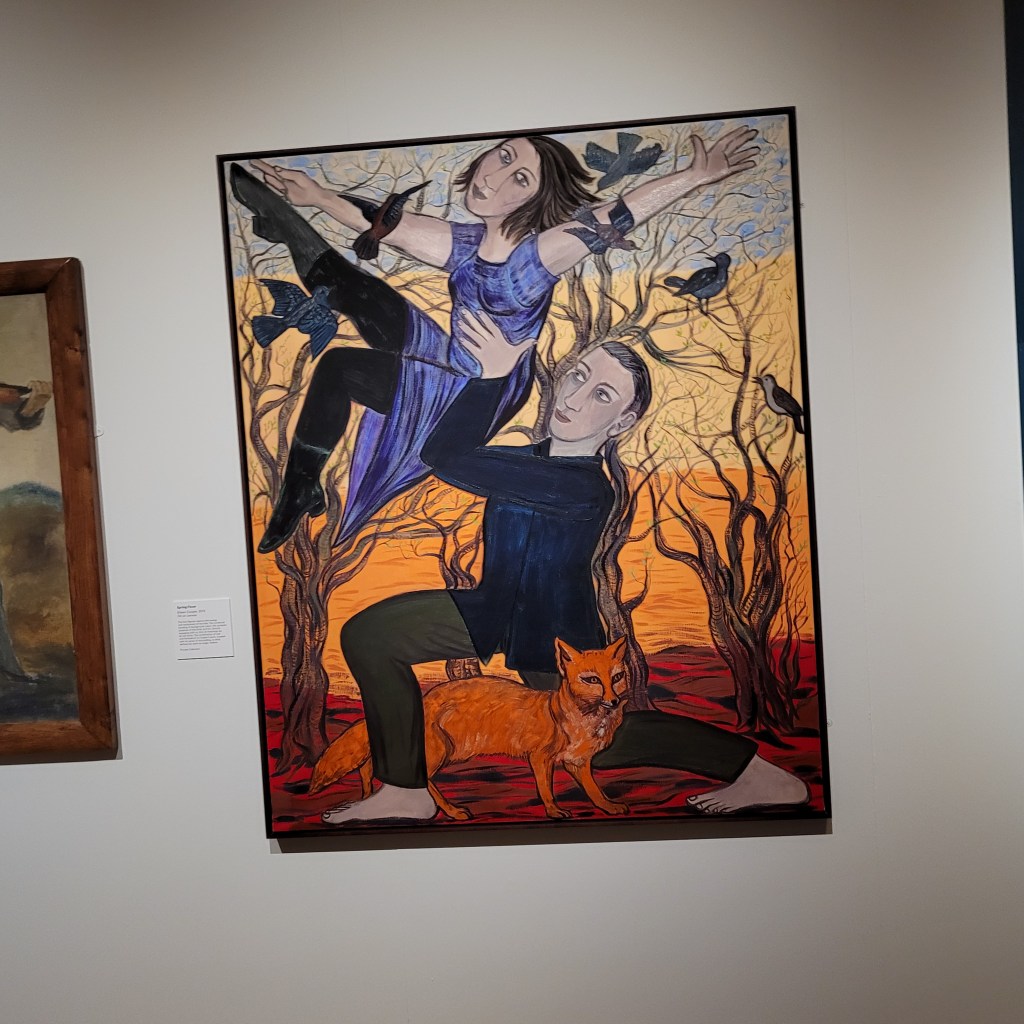
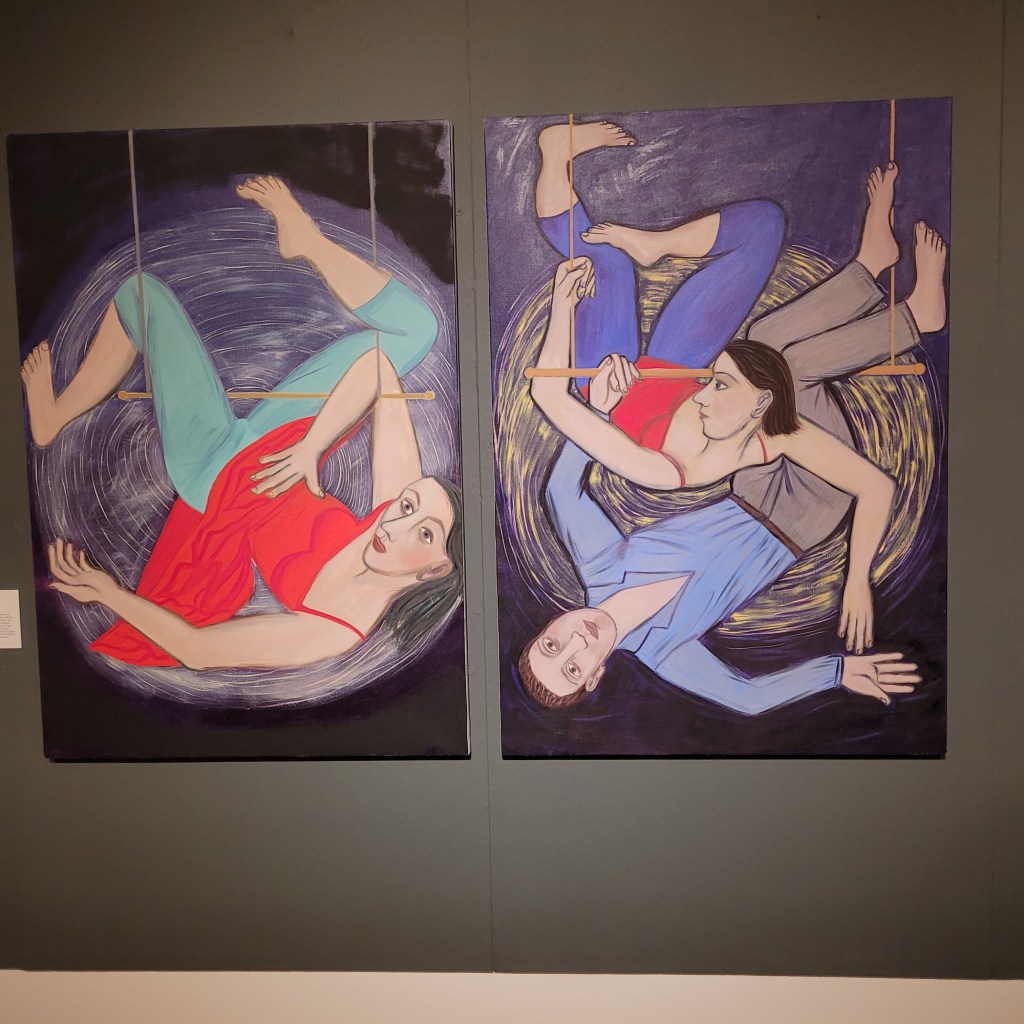
I can’t say enough positive things about the Leicester Museum and Art Gallery. From the charming young woman who greeted me when I entered through every docent and other staffer, there was a smile and a kind word. The museum has an interesting permanent collection of Victorian period art that, in my eyes was of as good a quality as the similar collection at London’s Guild Hall Art Gallery. The museum has an interesting collection of German Expressionism. The paintings were dark, using muted colors and to me seemed to presage the horrifying events to come in World War II. Happily, featured exhibition artist Eillen Cooper, (English, born 1953) seems to have a more energetic and brighter view of life and expression. I hope you enjoy these works as much as I did”

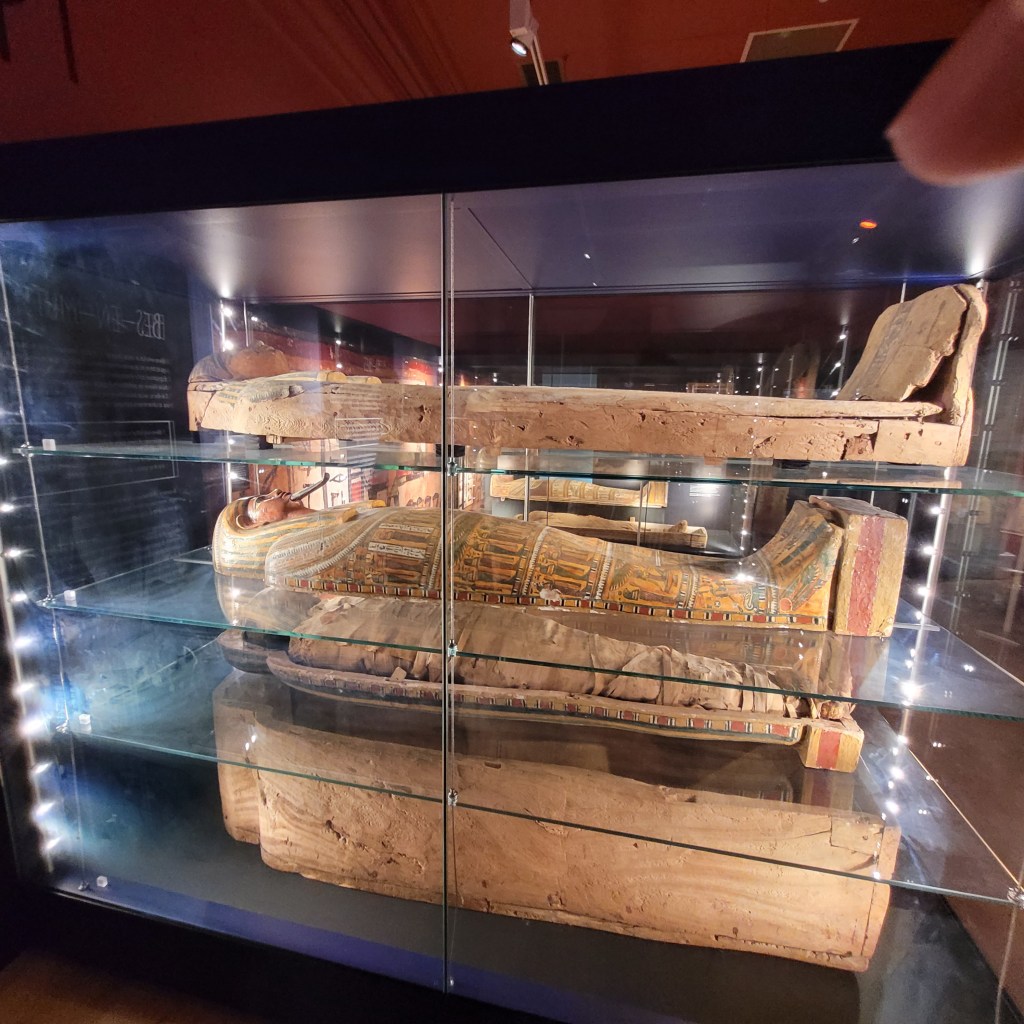
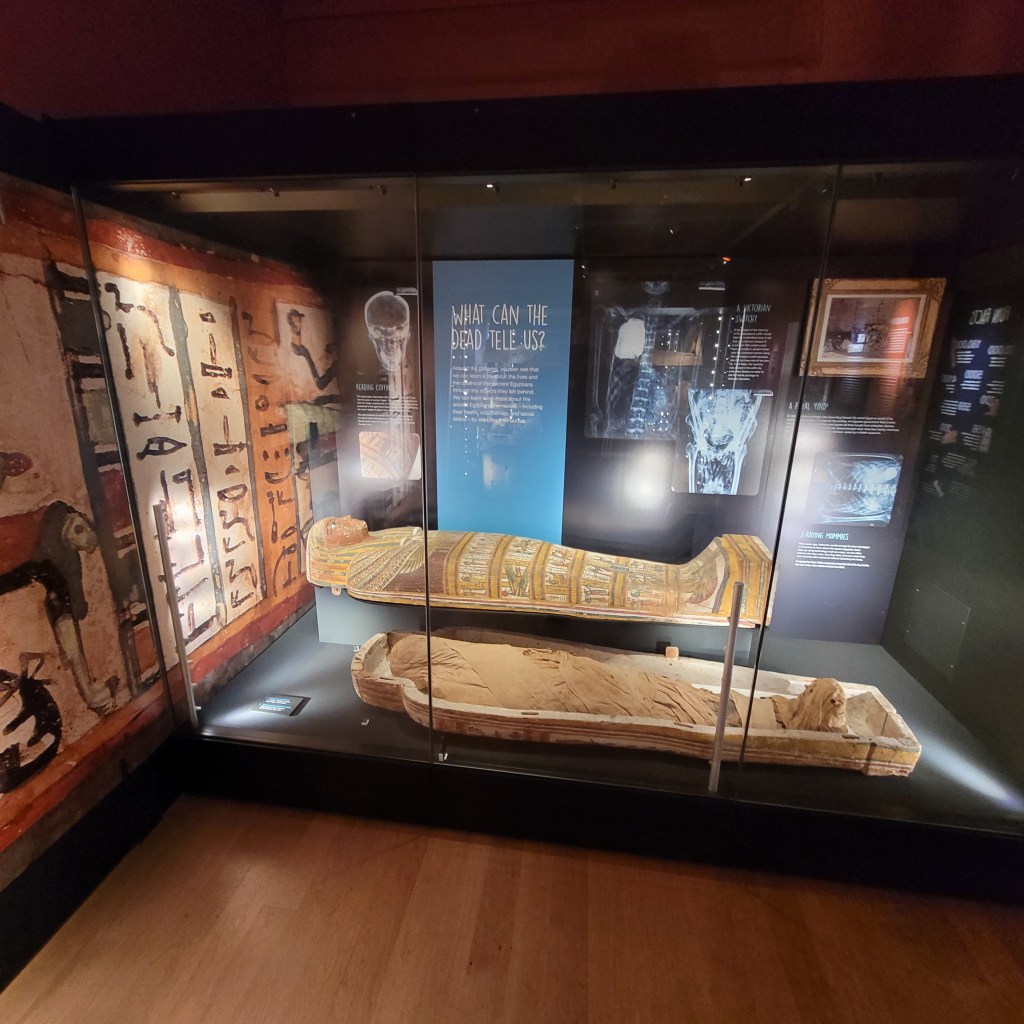
After a blissfully quiet and reflective time enjoying the Cooper exhibit, I went through the glass doors and down the hall into a world of energy and noise that can only be made by elementary school children. They were in a crafts room and transitioning into the Egyptian Mummy exhibit. The kids were amazing, though and when I crossed with them later, as they were leaving, they all thanked the staff member who had supervised the room I was in while they were visiting.
Above two examples of mummified remains on display.

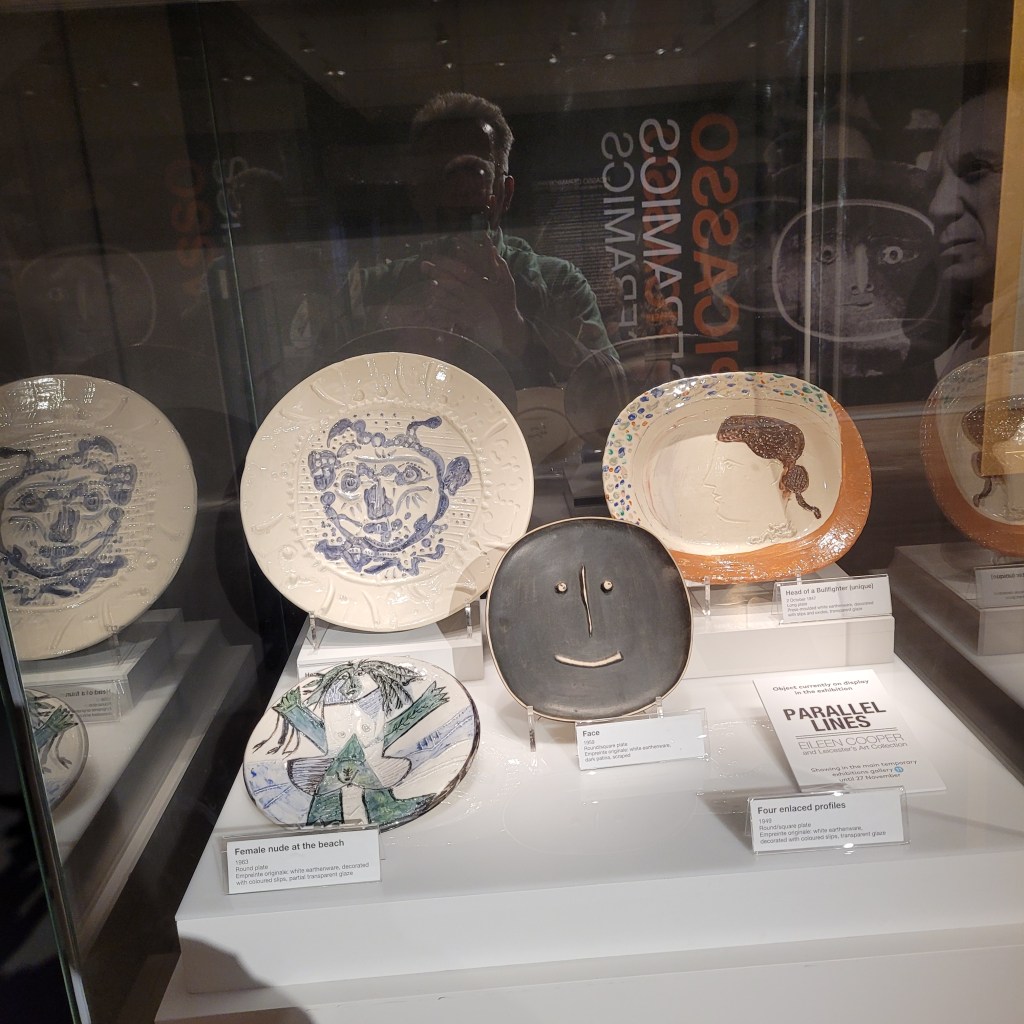
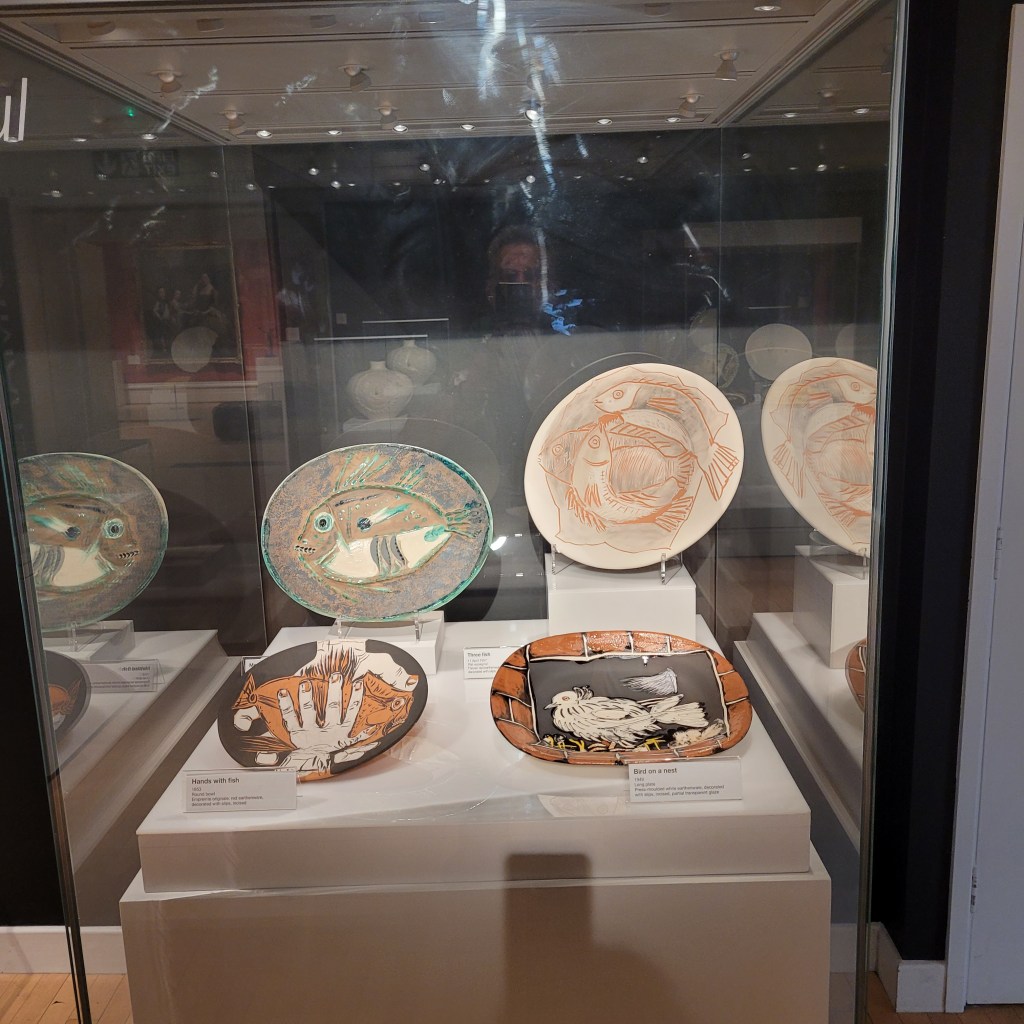
Another surprise was a display of Picasso ceramics that were donated by Lord and Lady Attenborough (Richard Attenborough, the renowned British actor and his wife, actress Sylvia Sim) in memory of their daughter and granddaughter who were killed in the Tsunami in Malaysia.

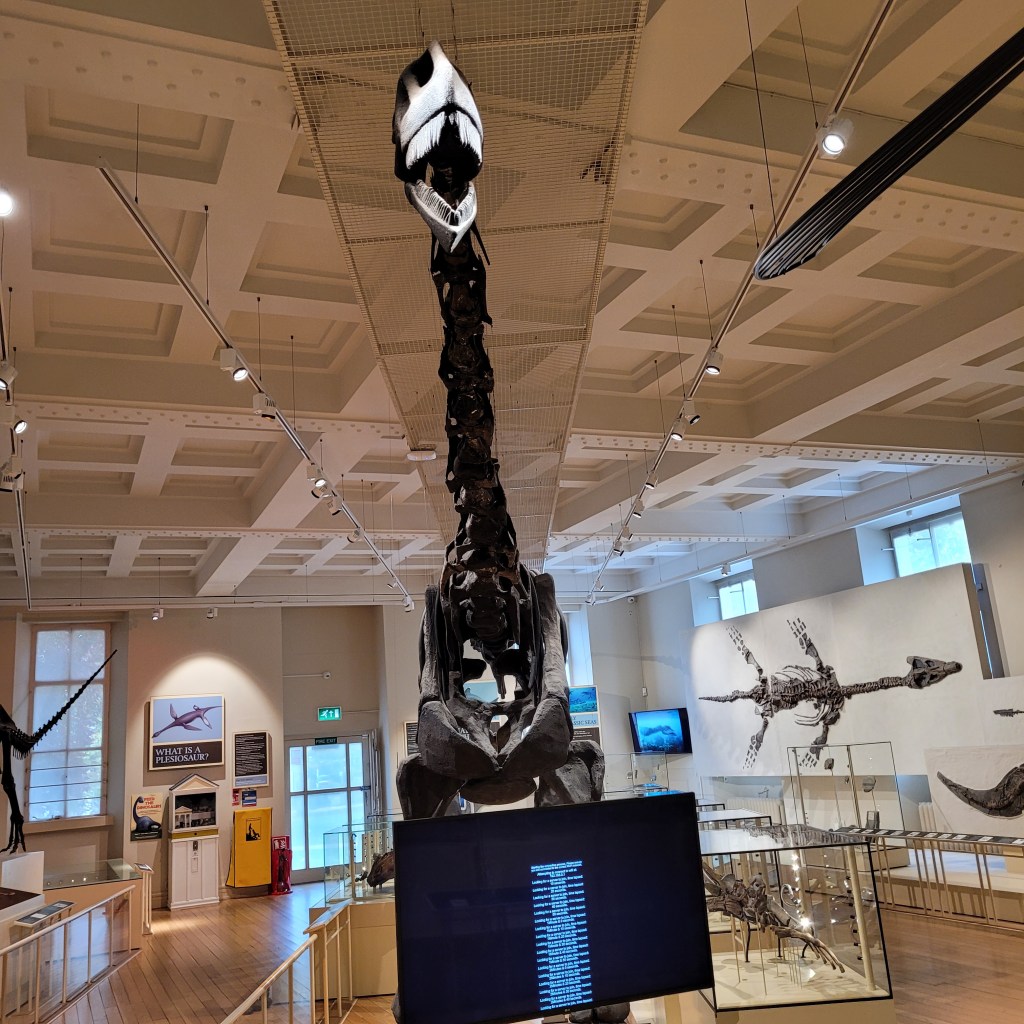
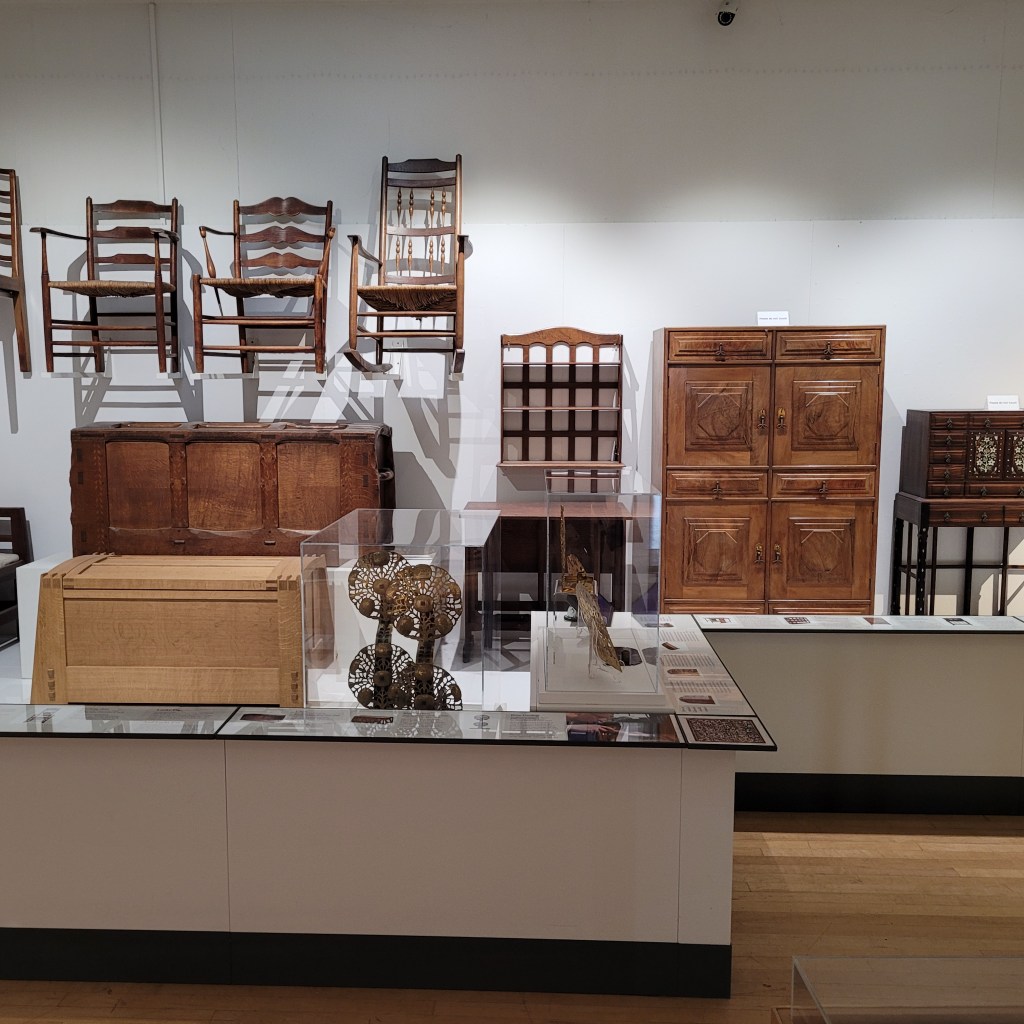
Two other excellent exhibits are the Dinasaur exhibit that included the Rutland Dinasaur, pictured below and an interesting display of Arts and Crafts period furniture.

I will certainly return to Leicester to see the Cathedral, perhaps for the football match, or just to enjoy this lovely small city. The last Leicesterian I spoke to was the gentleman working the Costa Coffee stand on the platform of the train station while I was waiting for the train back to Saint Pancras Station, London. He was as friendly and kind as everyone I met that day.

More Churches of London and a Concert to Remember

As I mentioned in my last blog, I had visited a few churches prior to the passing of Queen Elizabeth. I visited another today. I will discuss them in historical order and then move on to a concert that took place on September 11, 2022.

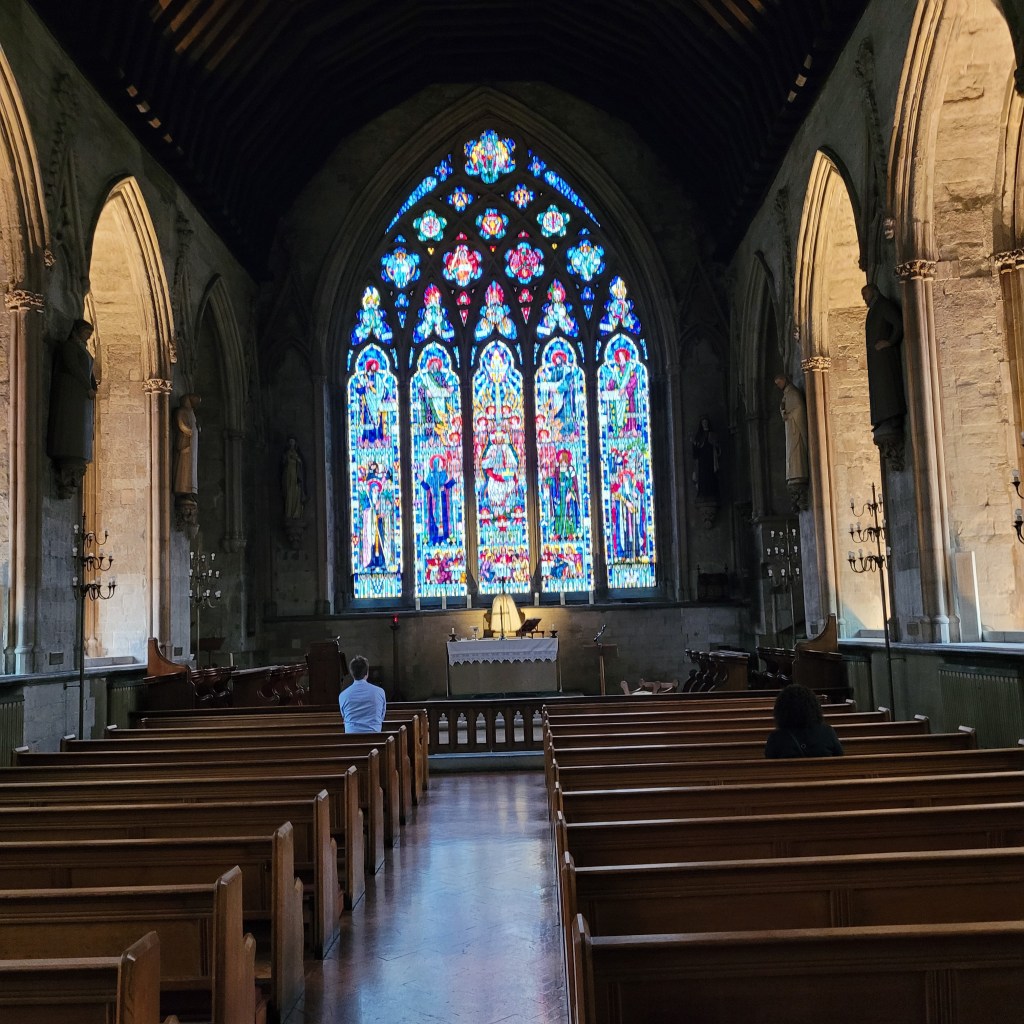
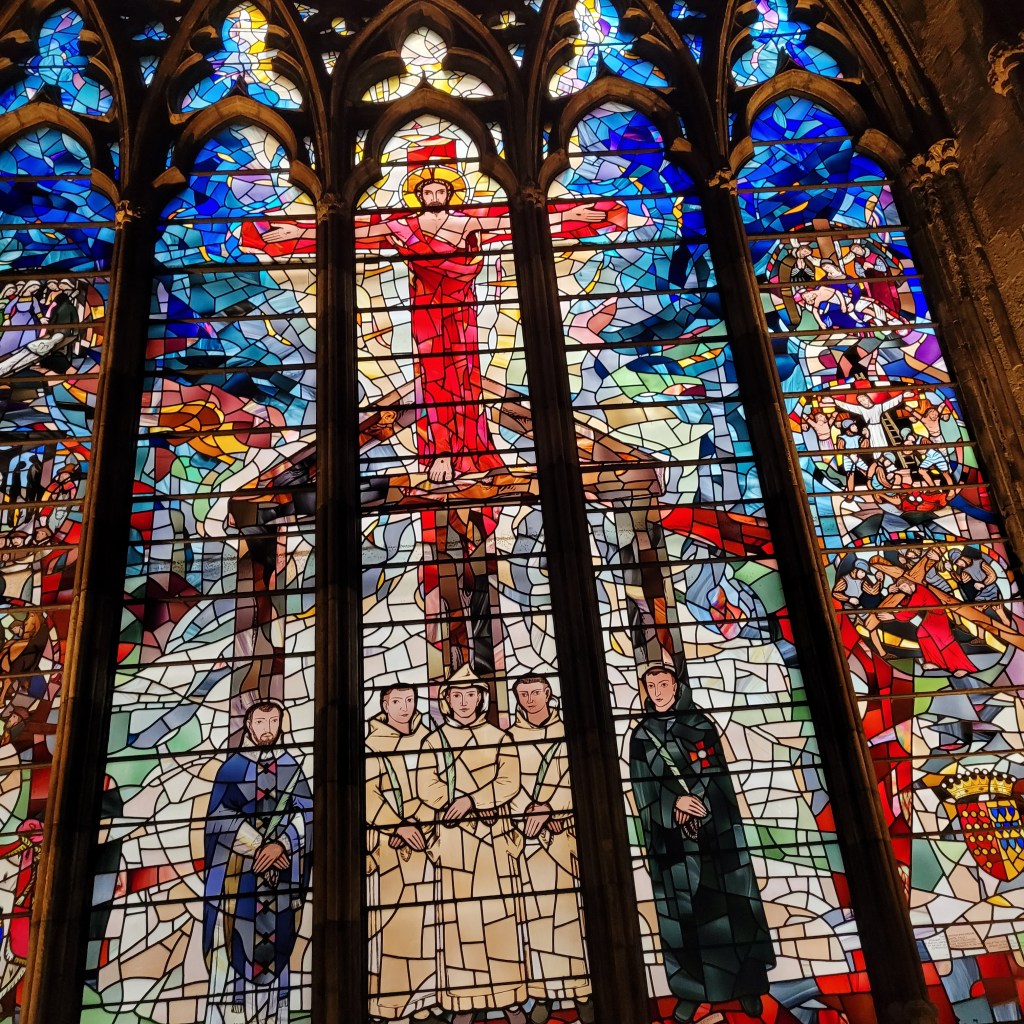
Saint Ethelreda’s is a Catholic Church with a history dating back to the 1200s. Some say it is the oldest Catholic Church in London. I leave that debate to others. It sits in a now modern court of townhouses not far from Farringdon Underground Station and London’s jewelry district. It started as a larger, grander structure and a property with a Bishop’s mansion and gardens, but history, the English Reformation and World War II were not kind to it. The Church passed from Anglican back to Roman Catholic hands in the 19th Century and today’s church is a small but peaceful haven in the middle of the city. These first three

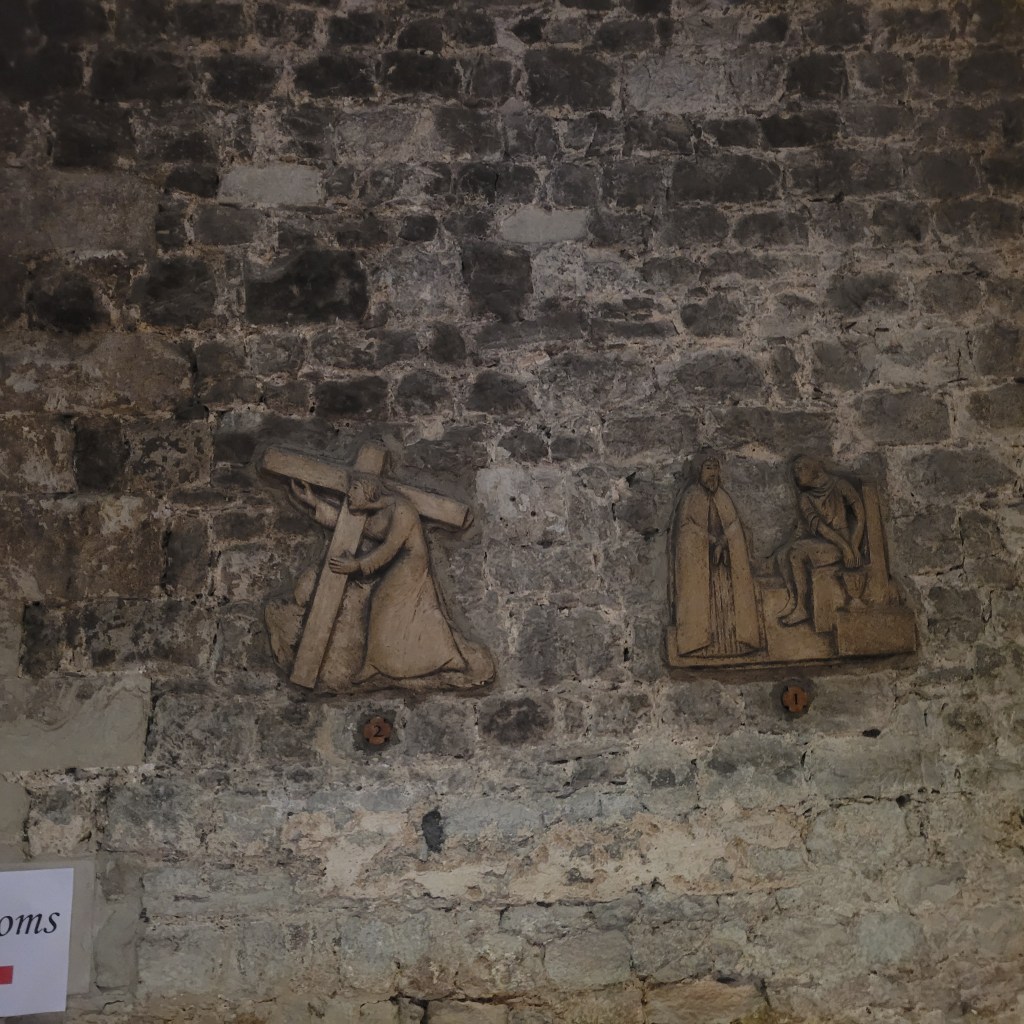
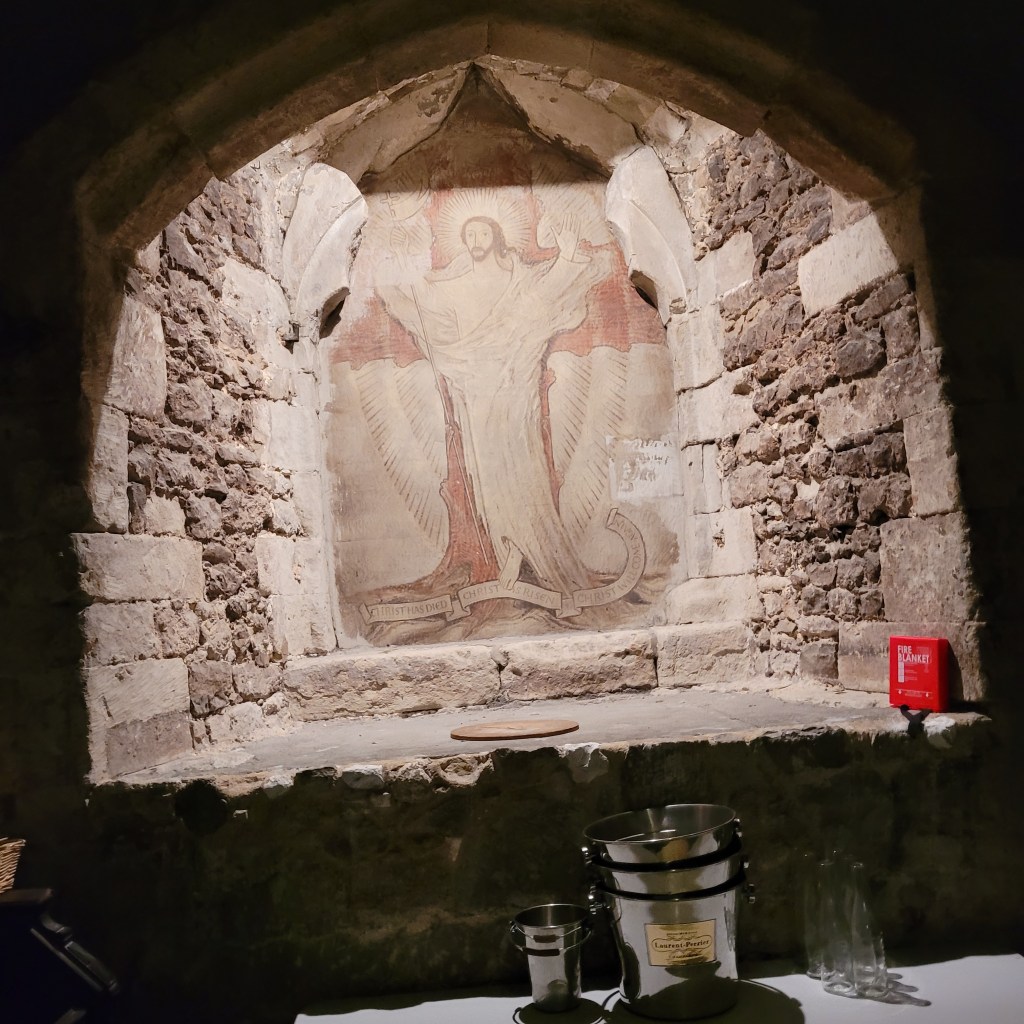
pictures show the upper church with a few of its lovely stained-glass windows. I am sure that the many people working nearby at the Inns of Court have taken comfort here over the centuries. The church also has an ancient crypt on its lower level, which like many churches is used for different purposes today. It retains religious symbols of old, while bringing opportunities for community to gather outside of the space set aside for worship and contemplation.

On the left, two of the lovely “Stations of the Cross” placed along the walls of this ancient space. On the right, a fresco depicting Christ Triumphant, after His resurrection, is relatively recent, but is made to fit with the ancient walls.

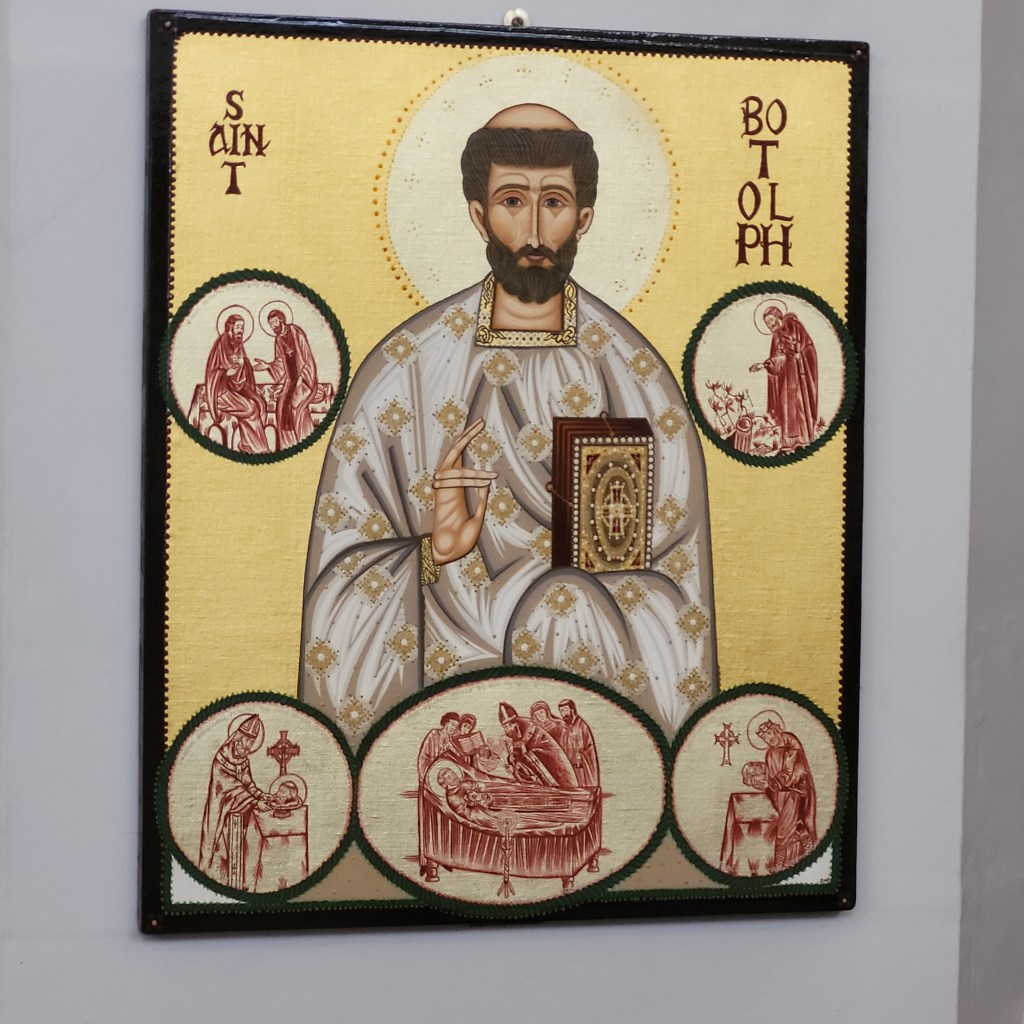
The next oldest church in this group is St Botolph without Aldgate meaning that it is outside the old City of London Wall, built in Roman times and basically marking the square mile of the City of London. The Church was joined with the Church of Holy Trinity Minories back in 1899 and is now known as St Botolph without Aldgate and Holy Trinity Minories. The earliest written record of St. Botolph’s Church dates back to 1115! However, the church, which survived the great fire in London, was rebuilt several times, the last being from 1741-44. Like St. Ethelreda’s it was damaged by bombing during World War II and restored, then damaged by a fire in 1965 and restored again! Today, it sits in an area that has been built up with skyscraper style office buildings. But it has a beautiful powerful organ, and it too is a place of refuge from the hustle and bustle of this metropolis. It sits just a few meters from the Aldgate Tube station, if you want to stop by for a quick visit, or if you are on your way to the Spitalfields Market, a few streets away.

The first picture below is “the man” himself, St. Botolph. Wikipedia tells us that he died around 680 and that he was an English abbot and saint He is regarded as the patron saint of boundaries, and by extension, of trade and travel, as well as various aspects of farming.
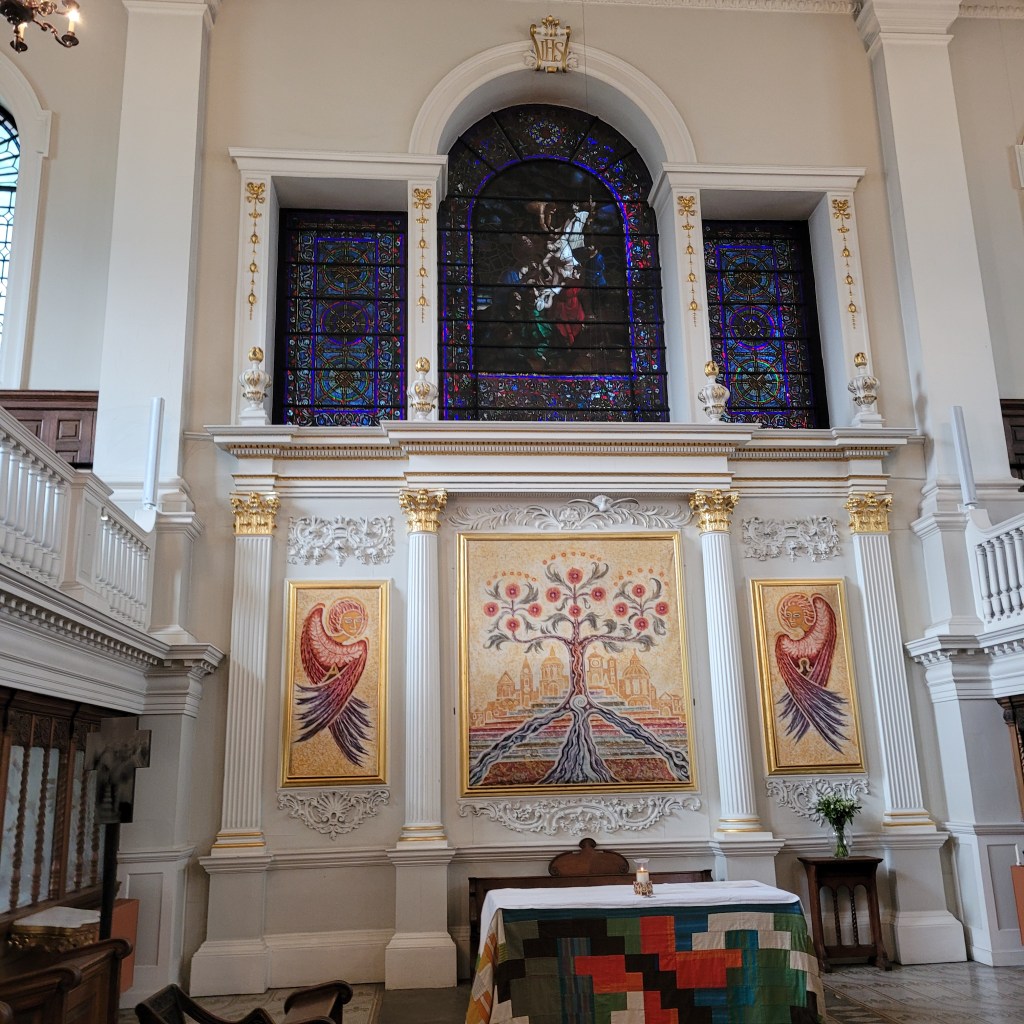
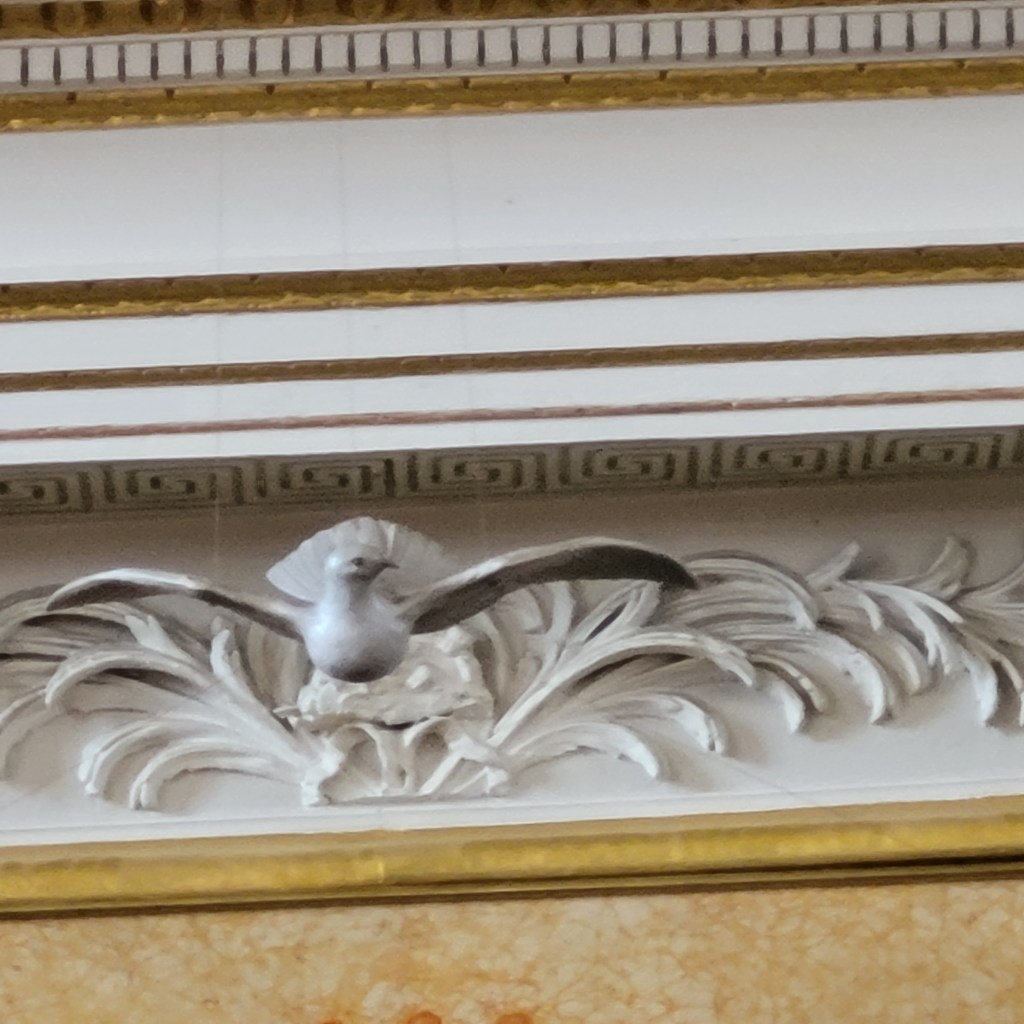
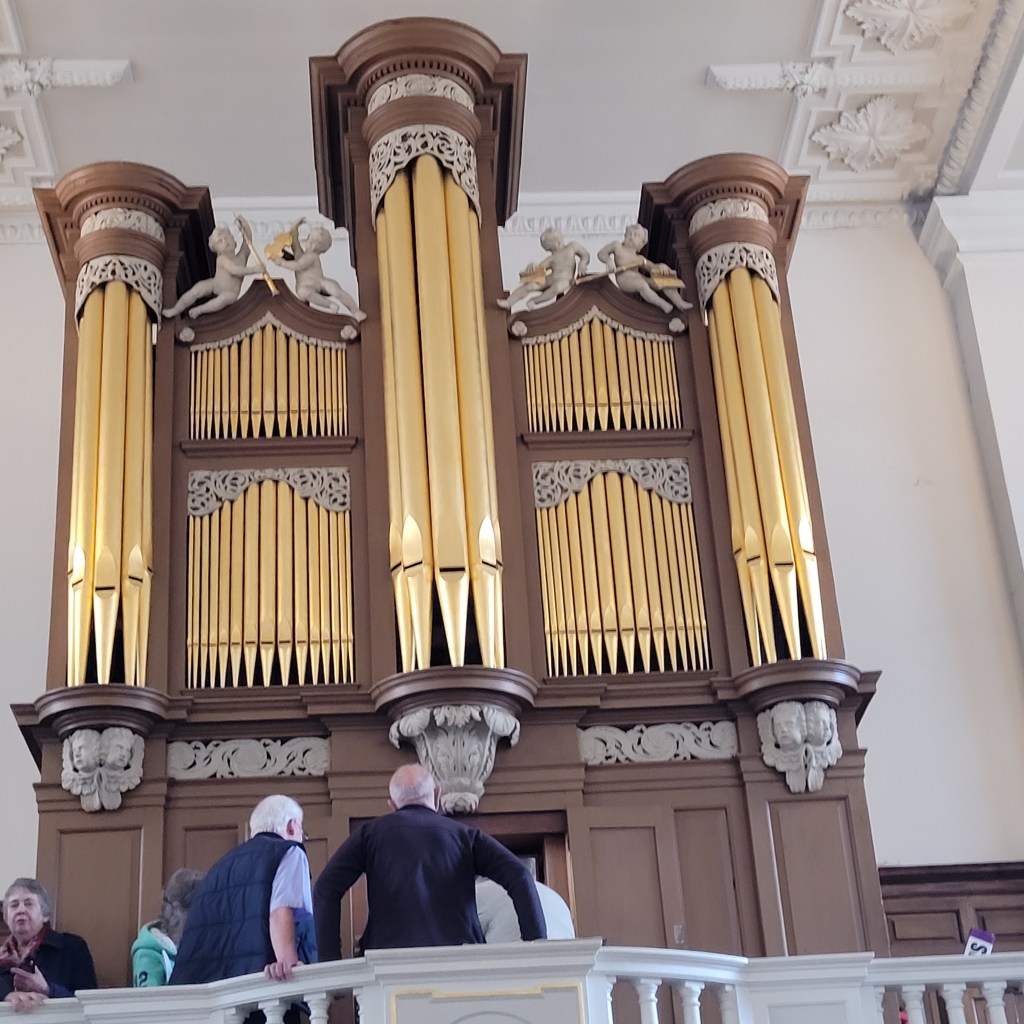
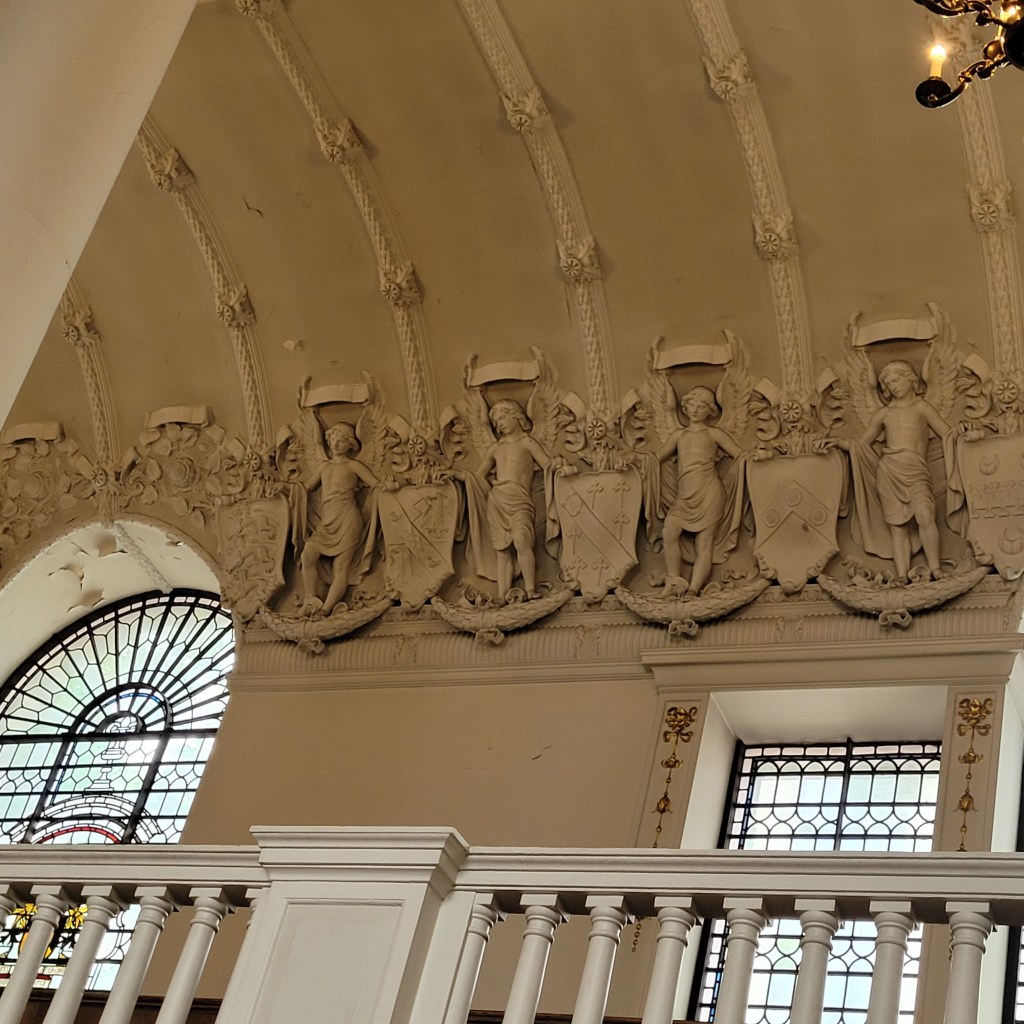
The second picture above is the altar, the third is particularly interesting. The dove that soars above the altar is where the Eucharist is reserved. The fourth picture is the beautiful organ. The reason people are gathered around it is that there was a midday organ concert that ended just a few minutes before. The fourth picture shows how the cherub theme on the organ is carried around the ceiling of the second-floor gallery.

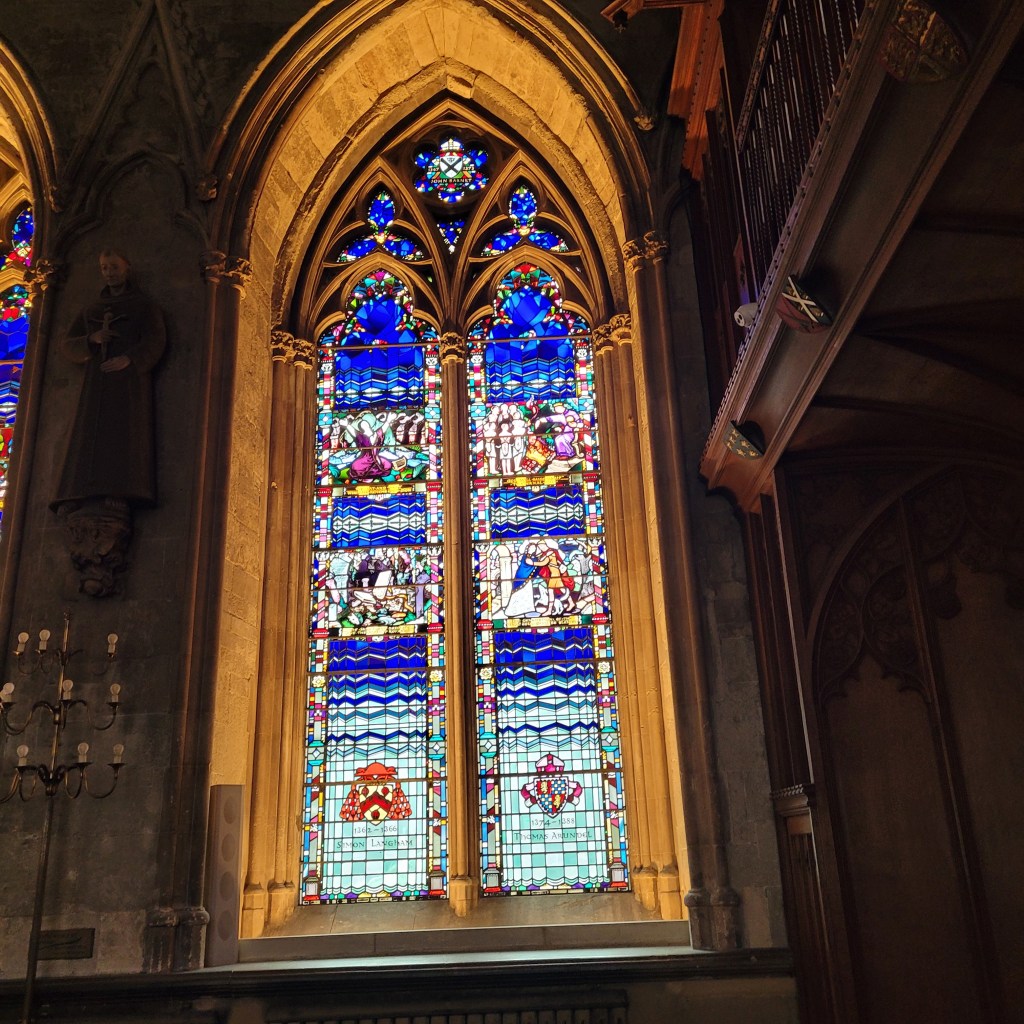
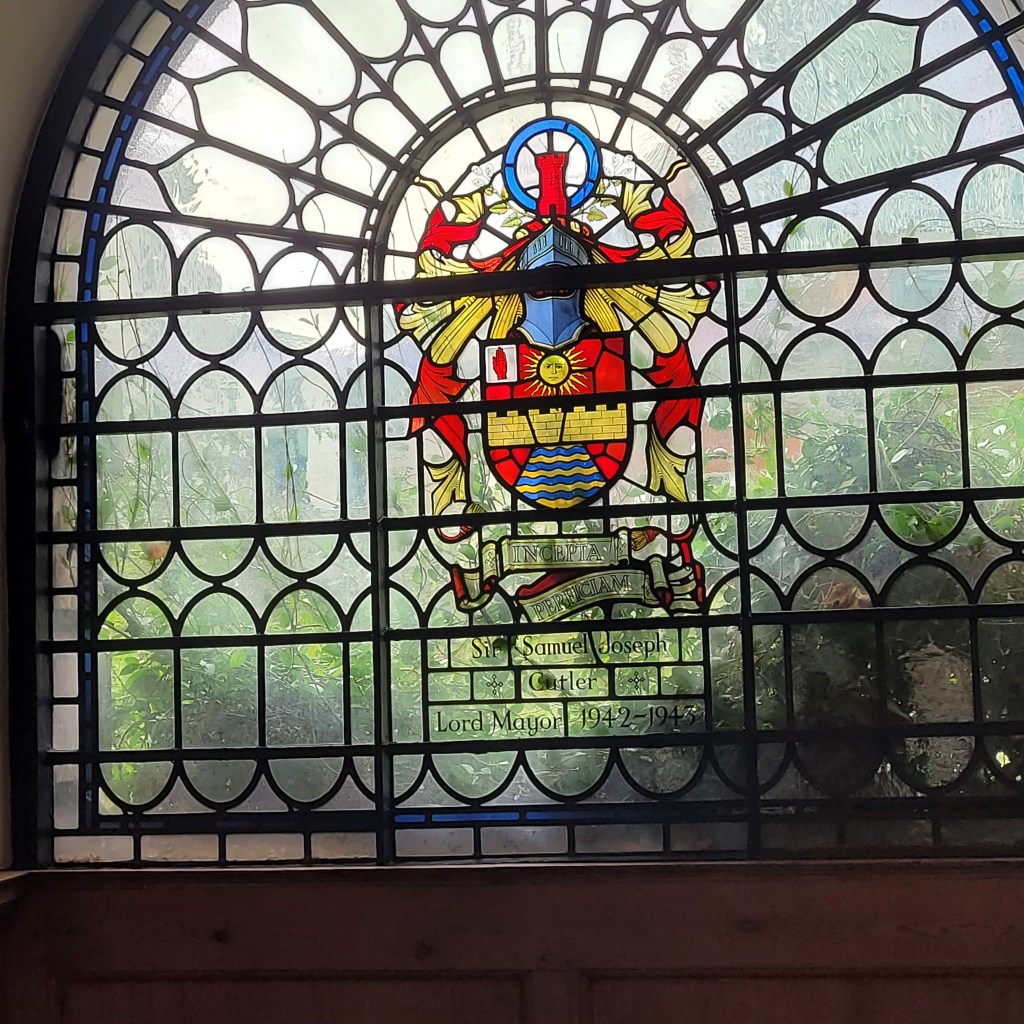
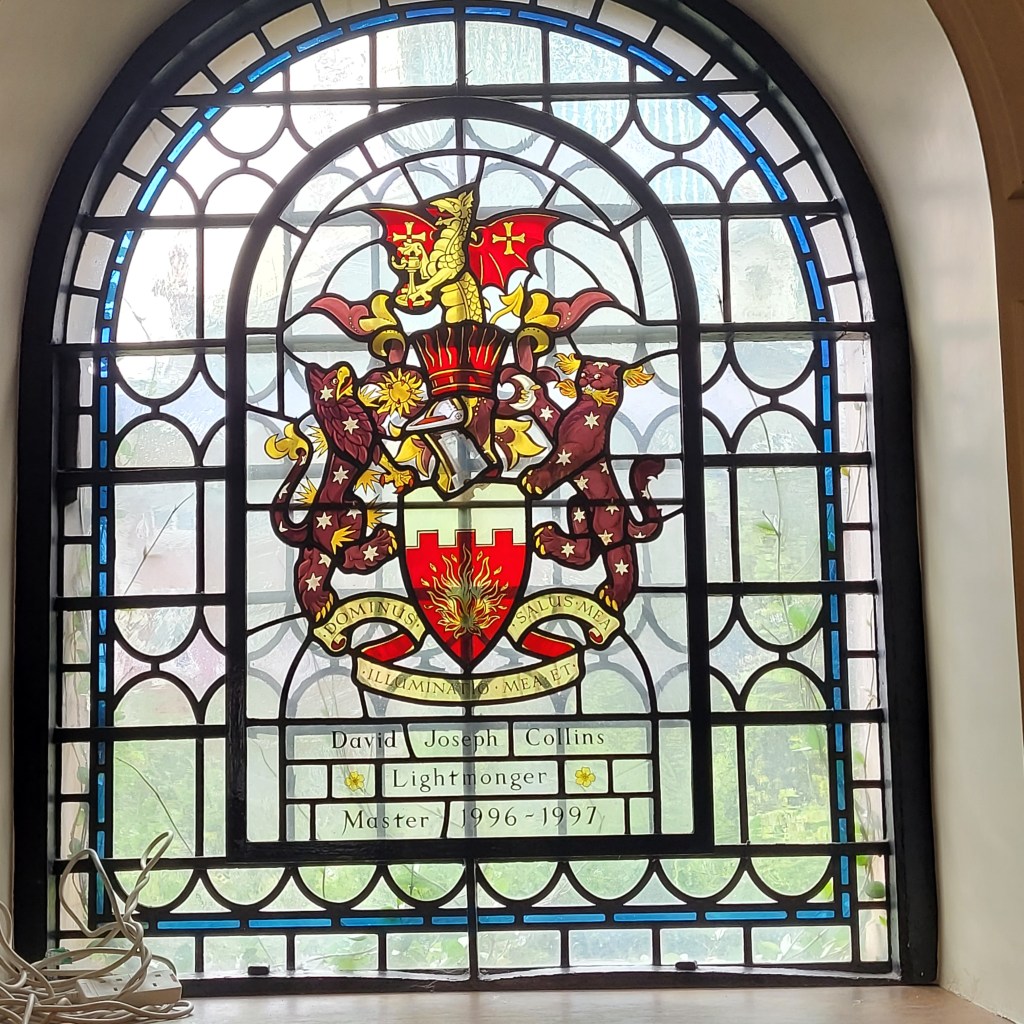
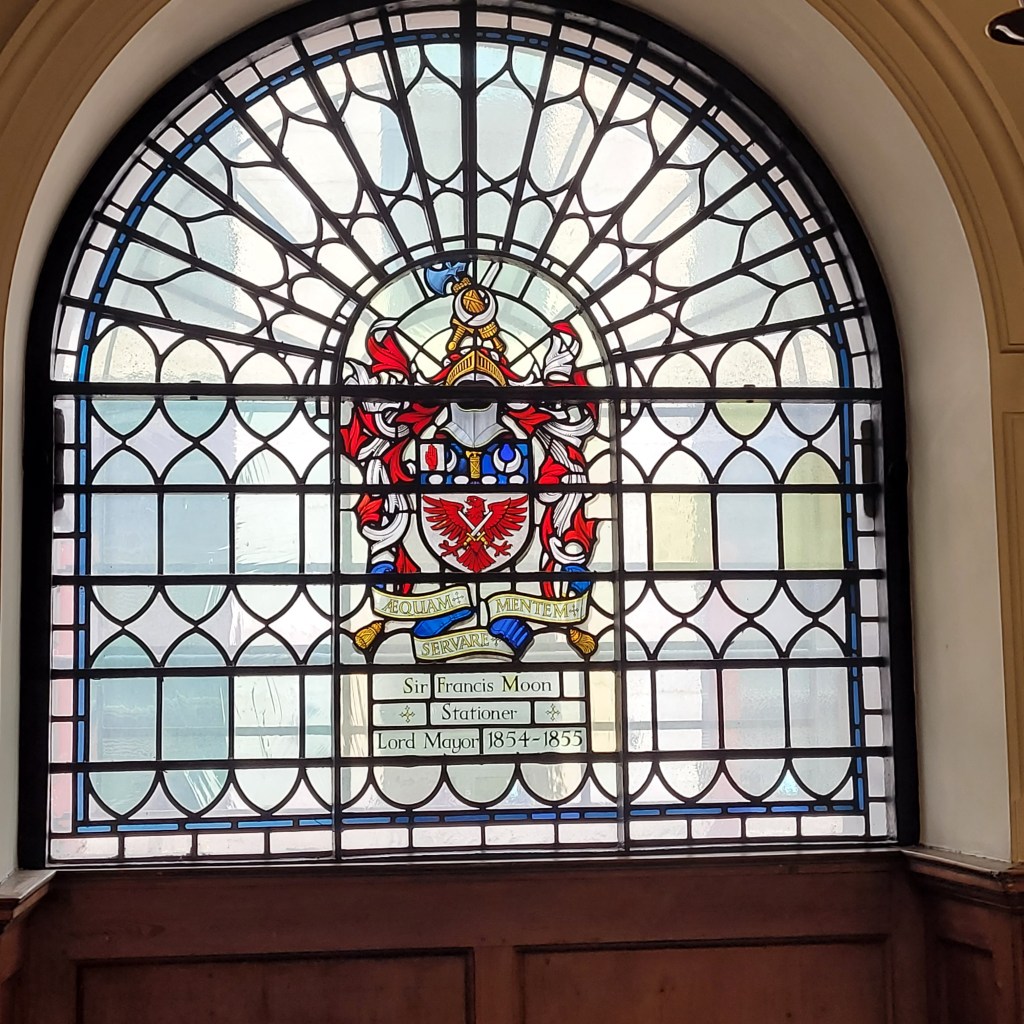
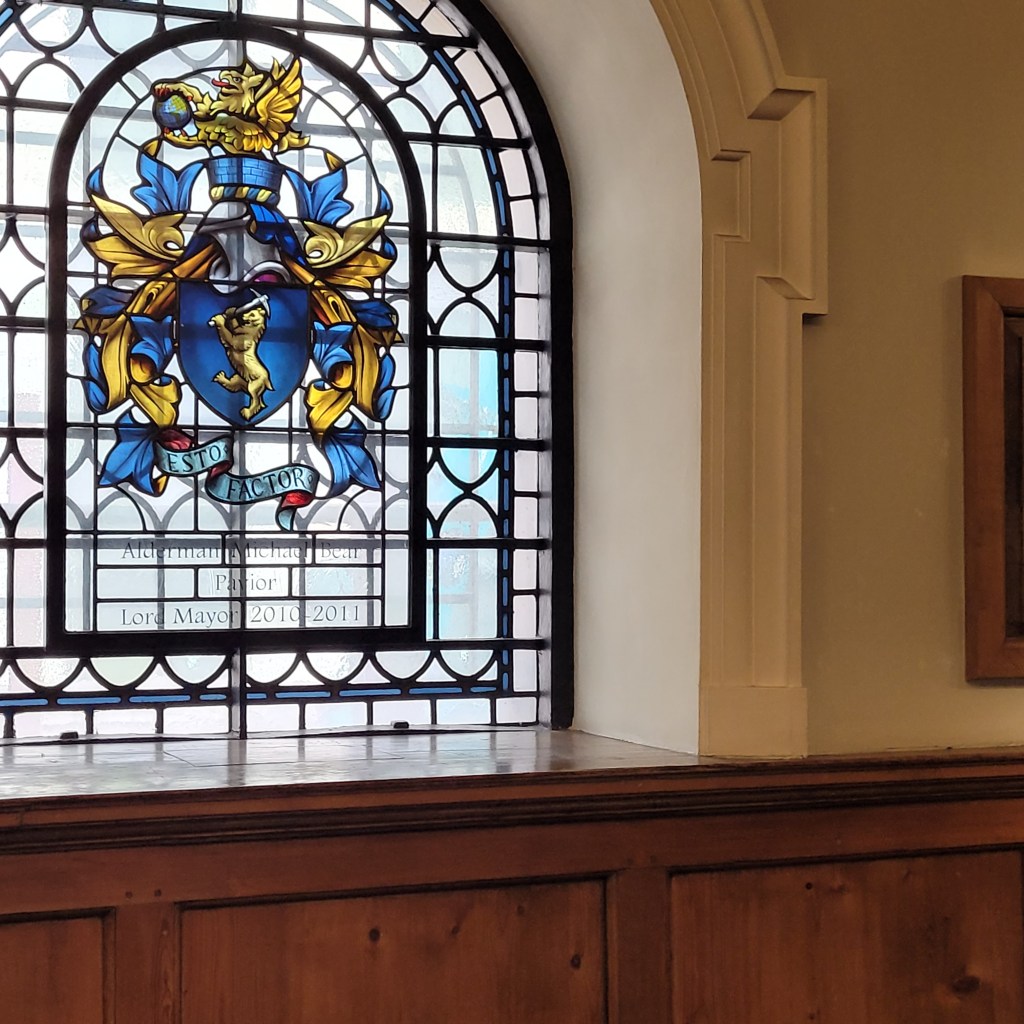
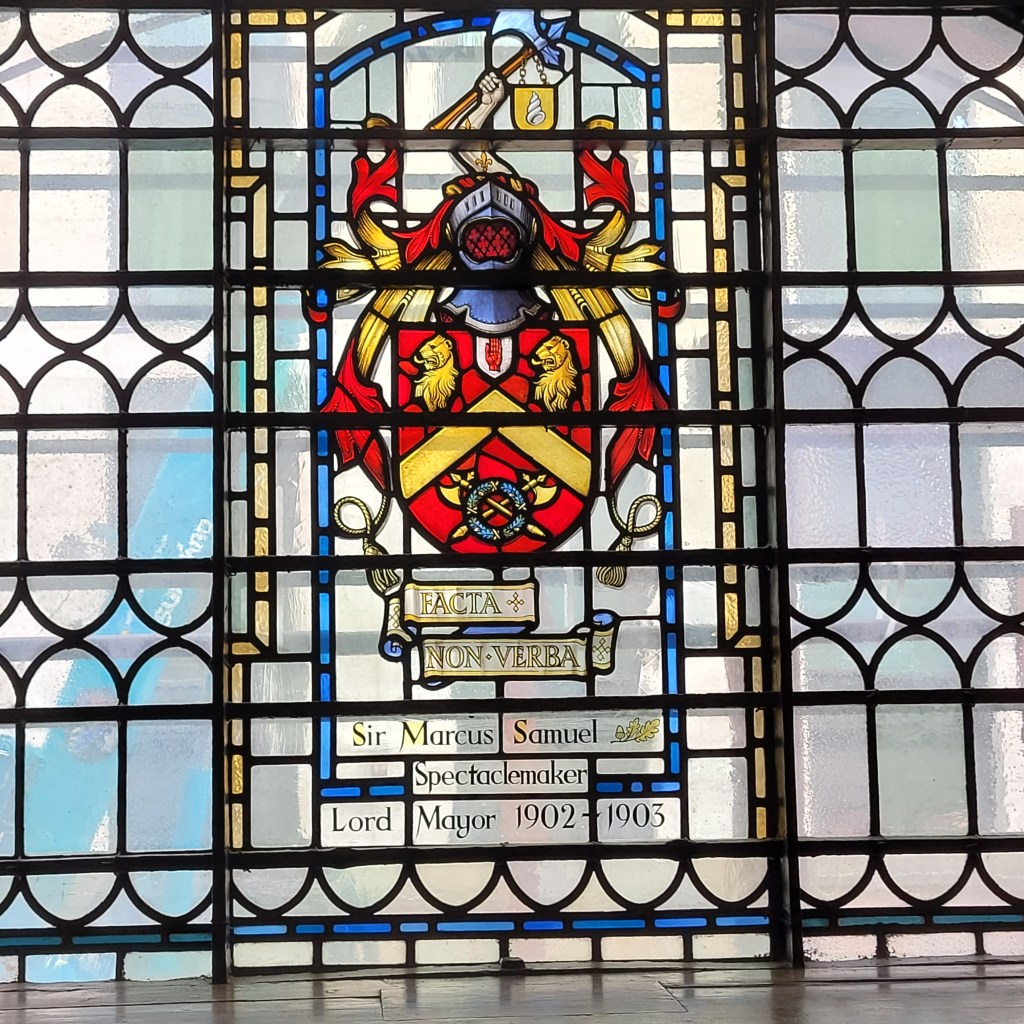
Below is a selection of pictures of the stained-glass windows in Saint Botolph’s.

As you can see, these are dedicated to individuals, rather than as teaching tools, with biblical themes as traditional stained-glass in older churches were. Still, these show craftmanship and are interesting to view.

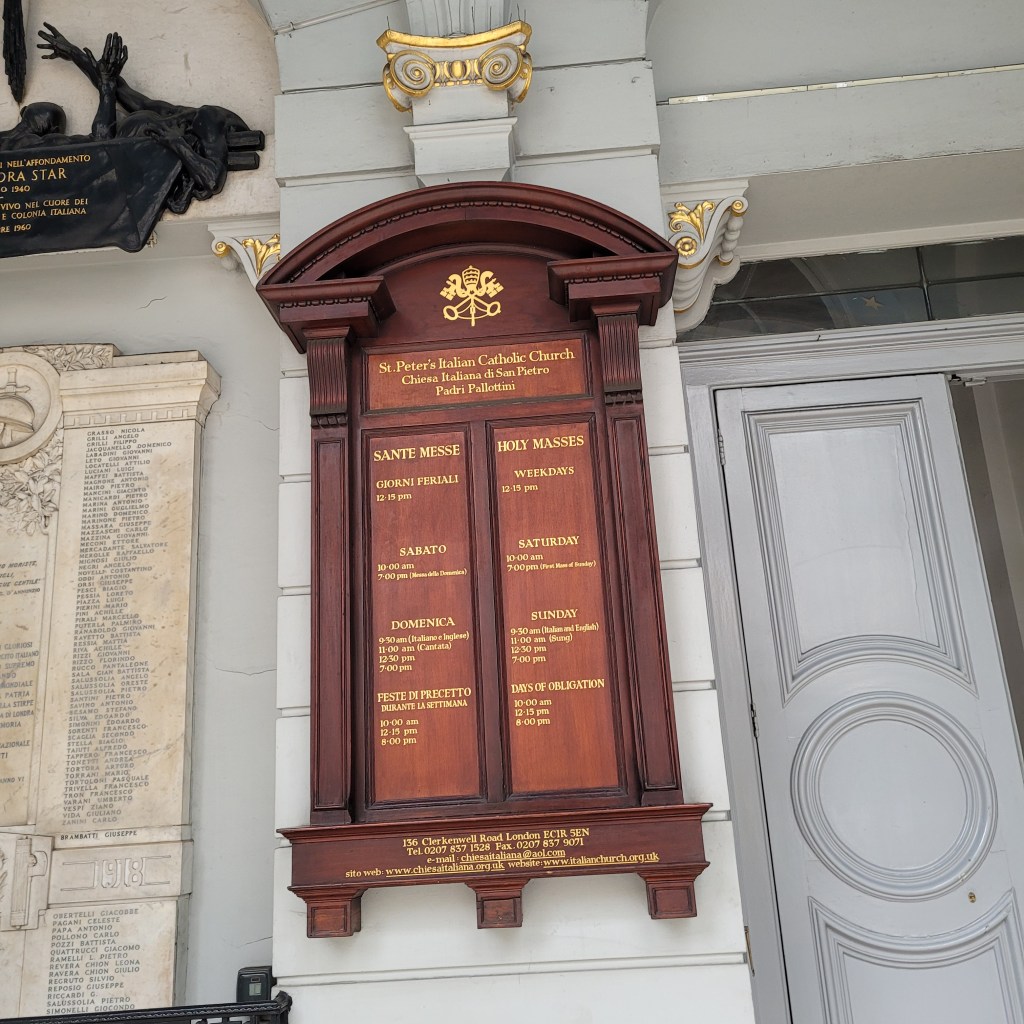
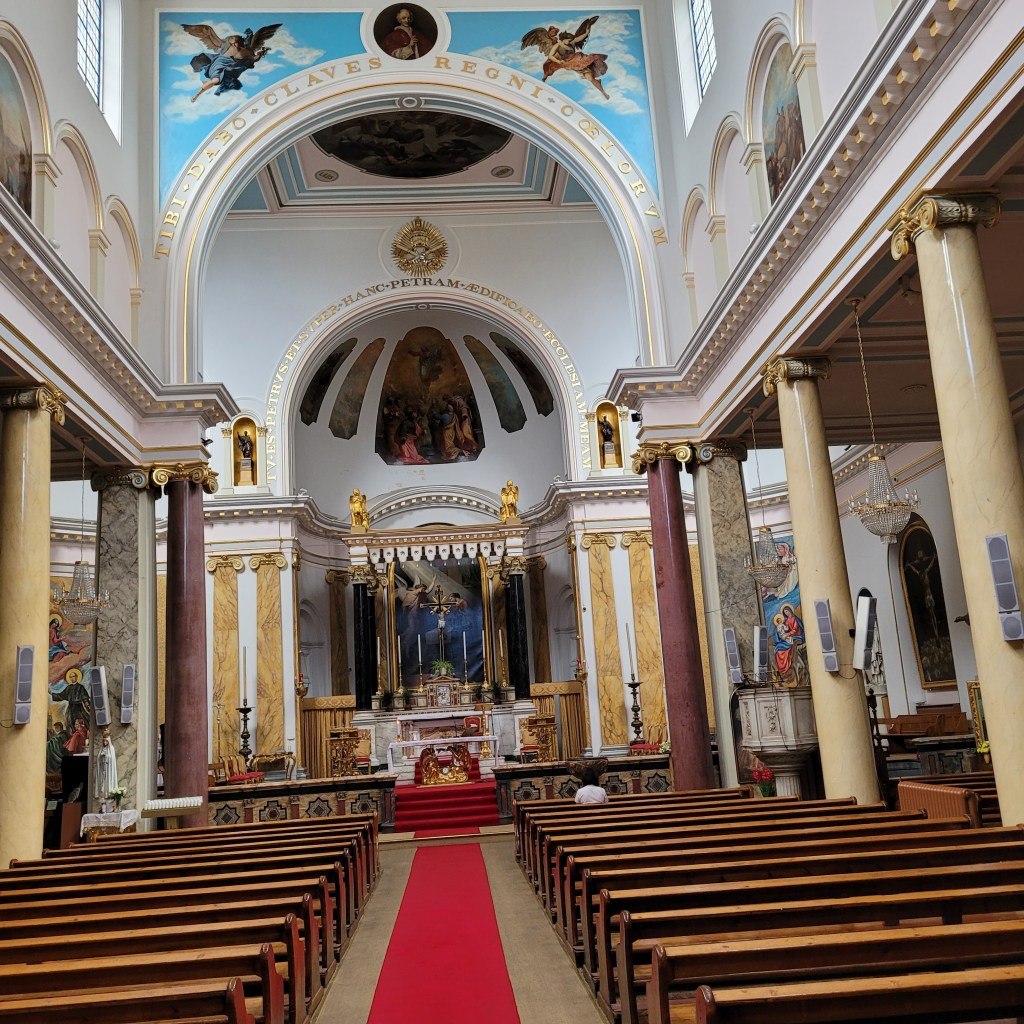
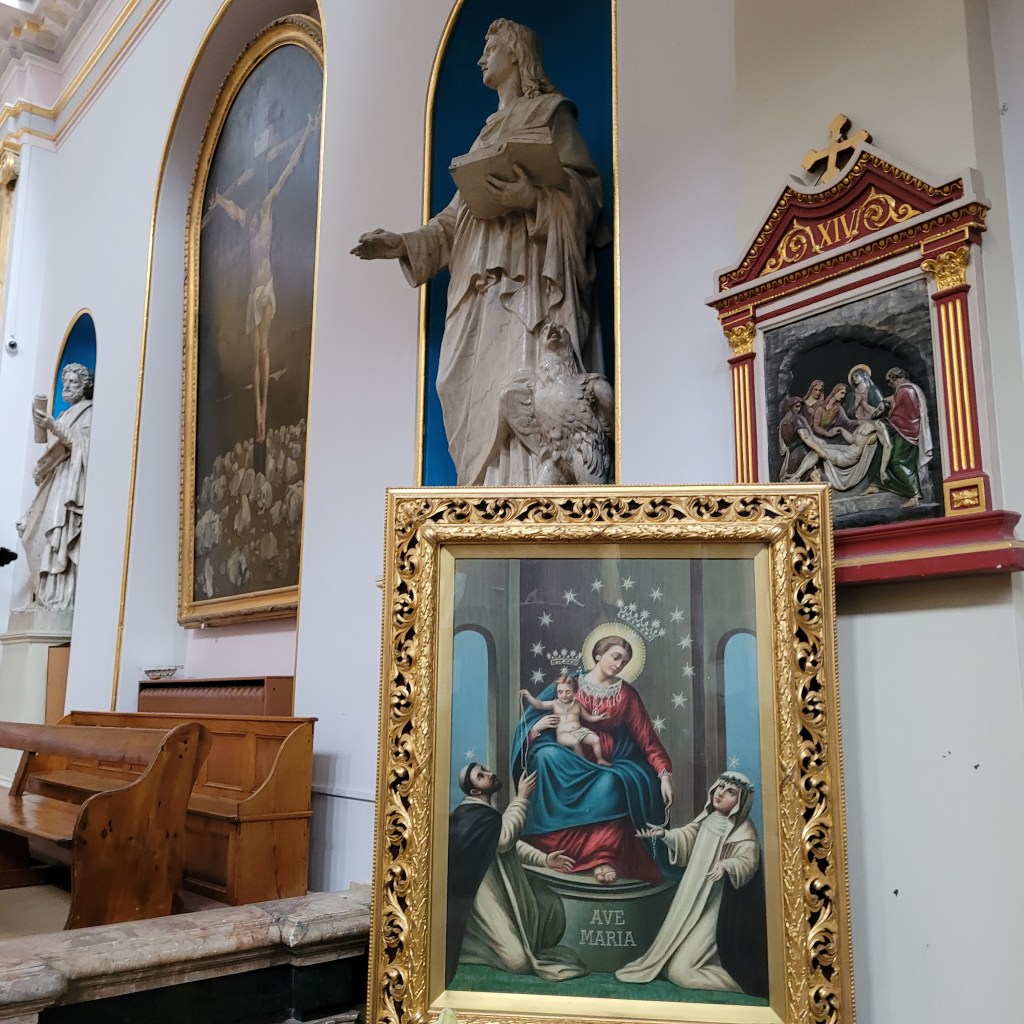
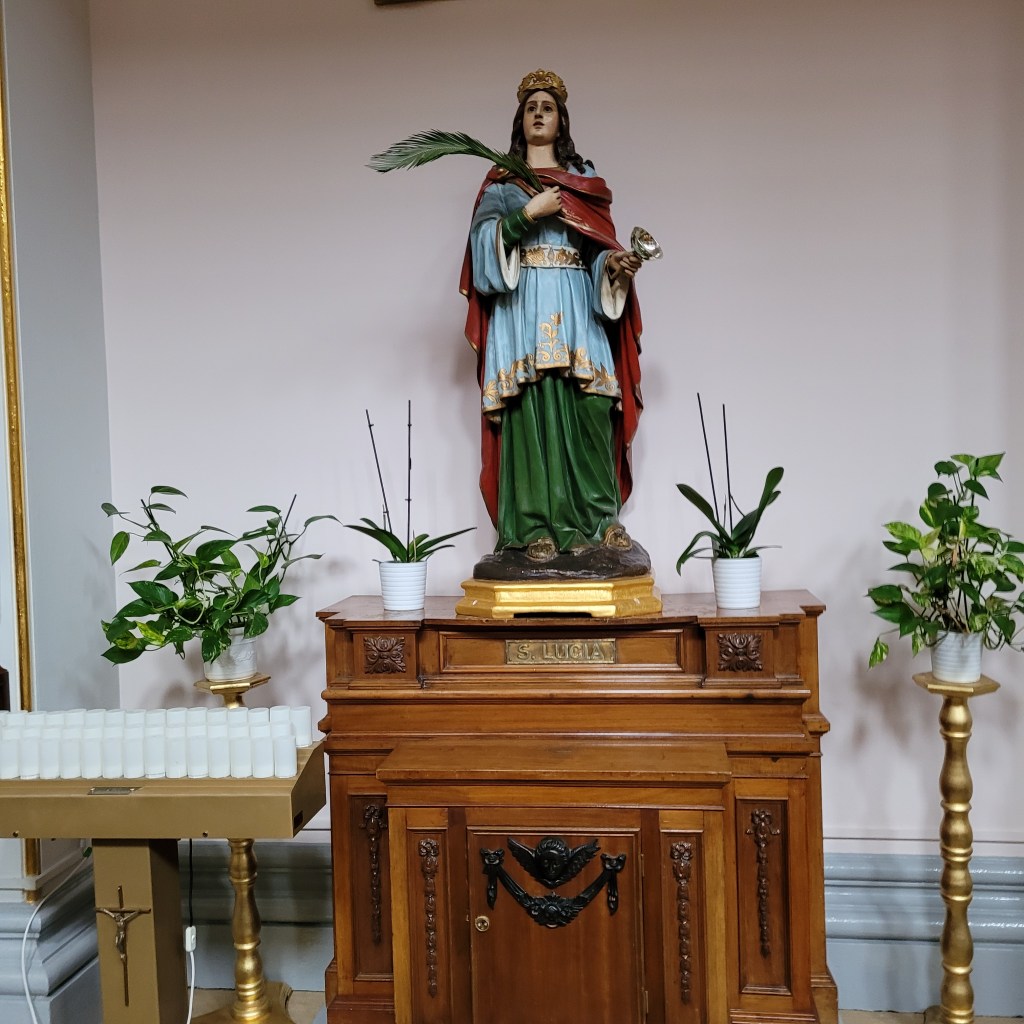
Finally, a delightful favorite of mine, a church known as “the Italian church.” Its formal name is “St. Peter’s Italian Catholic Church.

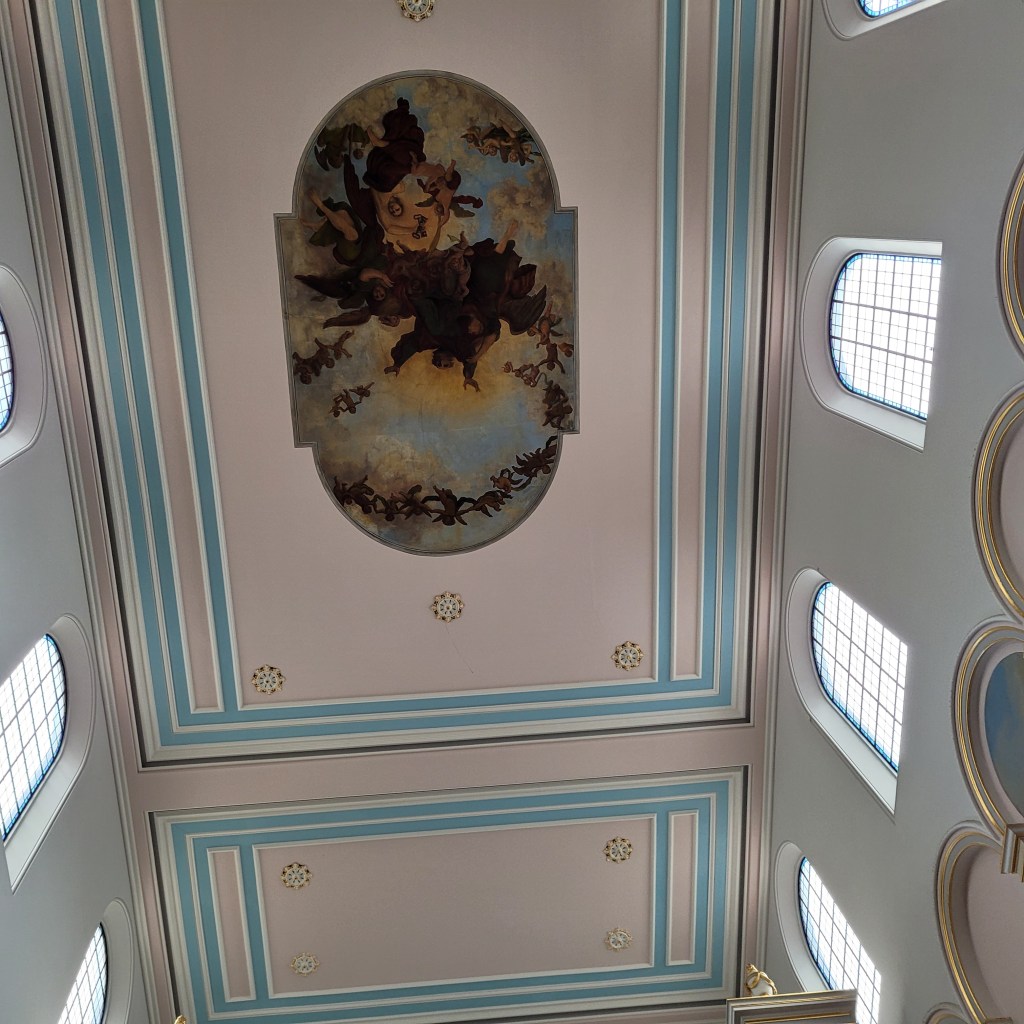
Saint Peter’s is one of the few remaining symbols of the once thriving Italian immigrant community, a second or third wave of Italians (not counting the Romans ones that encountered a lady named Boadicea, quite a while back). The group that built this church came to London at the same time as the great Italian diaspora that saw thousands of their fellow citizens leave for America, as well. Walking into this church gave me a feeling of immediate familiarity. The paintings reminded me of those found in churches in America in my youth if a parish had a large Italian American component.

A local friend tells me that even though the Italian community has largely left the area, this church thrives with families returning for weddings and to celebrate other special occasions and its Sunday schedule still includes an Italian bi-lingual mass.

And finally, the Sunday after I visited the Italian Church, I paid my first visit to Wigmore Hall for one of the

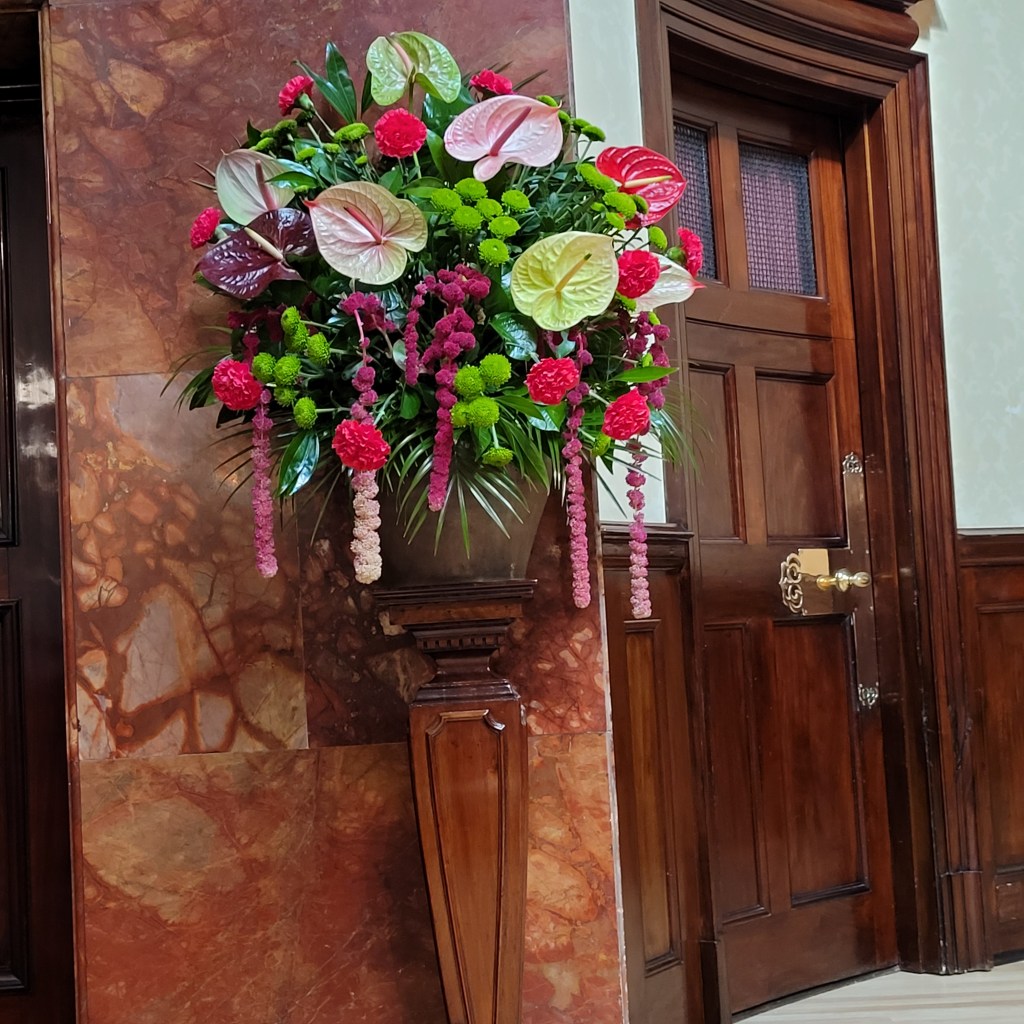
always special Sunday morning concerts. This one featured the Heath Quartet. Above is one of the incredible bouquets that always adorn the sides of the stage at Wigmore Hall. The Heath Quartet, two violins, a viola, and a cello, played Benjamin Britten’s String Quartet No. 3 Opus 94 and Fannie Mendelssohn’s String Quartet in E flat.

The music was sublime. The crowd at Wigmore Hall is always composed of classical music lovers and the crowd went wild. This quartet deservedly received three call backs to the stage (there is no curtain, so I really couldn’t call them curtain calls.) I recommend Wigmore Hall’s program of Sunday and Monday afternoon concerts as well as their evening programs.

She Was The Only Queen We Ever Knew

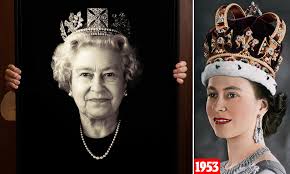
September 8th, 2022, started like any other morning for me in London. I had planned to visit a couple of churches and take some pictures and possibly take care of a legal errand in the afternoon. I got to the two churches and returned to my flat to change because the tube had been very warm. I had the TV on and was watching the news when Huw Edwards, one of the BBC’s most distinguished news readers and reporters, completed an update on the Queen’s health and his face gave the news before the words came out of his mouth. “Her Majesty, Queen Elizabeth had died at Balmoral Castle”. For the first time in 70 years the words, “the King and the Queen Consort” were spoken with regard to Britain’s reigning sovereign and spouse. Operation London Bridge, the long discussed and oft revised plan for this eventuality had begun.

Like the majority of people in the UK and the Commonwealth, this American blogger assumed that Her Late Majesty, as the reports began referring to her, would have lived to at least 100, and probably outlive her mother who died just months short of her 102nd birthday. But it was not to be. Many of us had been shocked to see how frail the Queen had looked a few days before her death when she had received the outgoing and incoming British Prime Ministers at Balmoral. But both had commented about how sharp and engaged she was, so everyone just assumed that all was better than it was.

And so, a stunned United Kingdom, the British Overseas Territories, the Crown Dependencies, the sovereign states where she remained Head of State, and many of the Commonwealth nations that continue to hold her in high esteem, began to mourn the loss of this remarkable woman who on her twenty first birthday made a speech that included these words: “I declare before you all that my whole life whether it be long or short shall be devoted to your service and the service of our great imperial family to which we all belong.” While the empire is long gone, the Queen did devote her life to the service of the citizens of the UK and of the countries of the former empire.

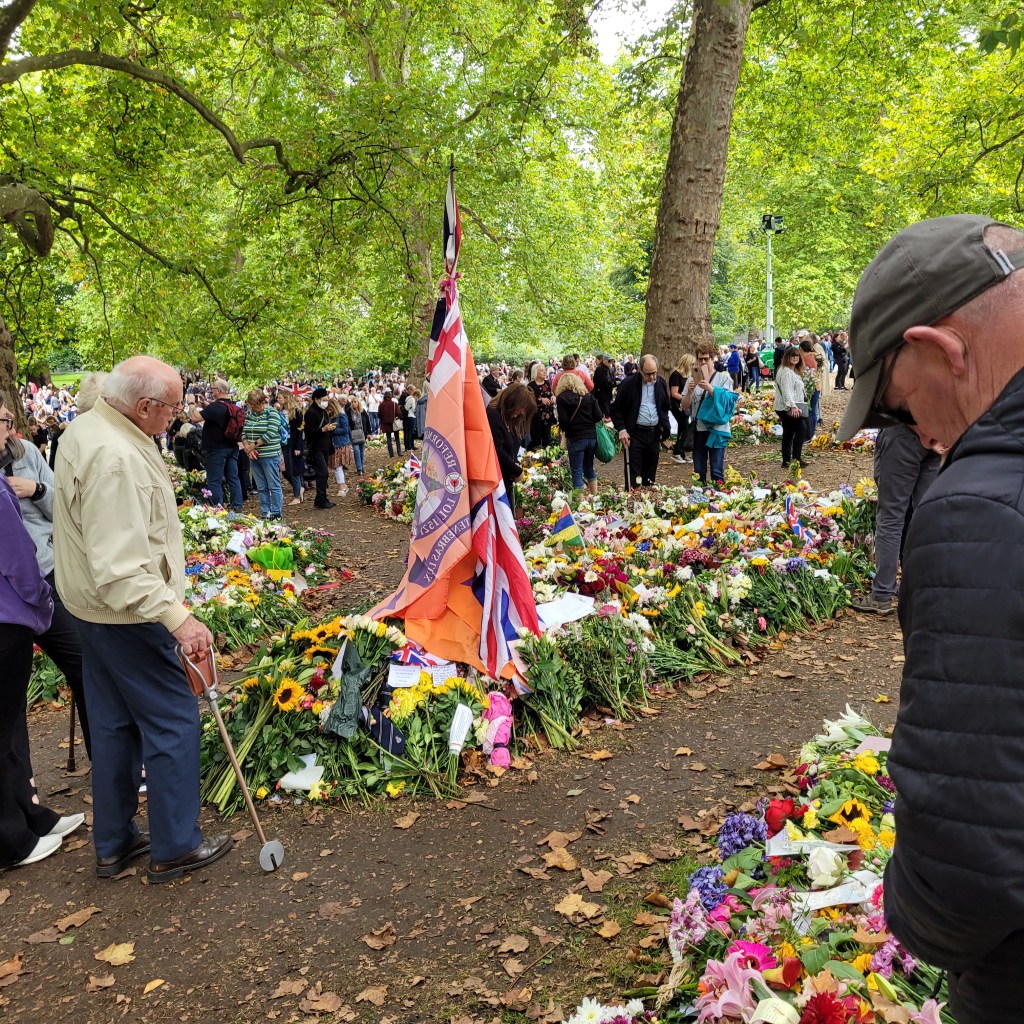
Almost immediately, the floral tributes began to arrive at Balmoral, Windsor Palace, just outside London, and at Buckingham Palace. The first bouquets arrived at Balmoral before the Queen’s younger children and grandchildren did. Only King Charles and Princess Anne, the Princess Royal were with the Queen when she died. By the second day after the Queen’s death, the decision was made to move the flowers from Buckingham Palace at the end of each day to Green Park, a huge park adjacent to Buckingham Palace and St. James’ Palace. The sheer number of bouquets, Paddington bears, notes, cards, children’s drawings, flags from organizations she was a patron for, were staggering, yet touching and beautiful.

Over the days following the Queen’s death, two parallel processes were happening, the installation, for lack of a better word, of the new sovereign and the official mourning process and funeral of the Queen.

The United Kingdom is a constitutional monarchy. While Prince Charles immediately ascended to the title of King and ceased being Prince of Wales, upon his mother’s death, there are numerous legal steps that had to be taken to formalize his role as head of state of the United Kingdom. Most governmental power resides in the UK Parliament and in the devolved parliaments in Scotland, Wales, and Northern Ireland for certain local matters. But the sovereign serves as the symbol of the State and as the leader who is above politics can give advice to the Prime Minister and can, as the Queen did for 70 years, and as her father, King George VI did during World War II. In the United Kingdom, the sovereign, is also Governor General of the Church of England and has the title of Protector of the Faith. But not in Scotland. History going back to the time of the union of England and Scotland in 1707. The Scottish Presbyterian Church is independent. Therefore, days after his mother’s death, at another political process unique to the United Kingdom, the Accession Council, the King signed a document guaranteeing the continued freedom of the Scottish church. His formal coronation will not take place for months.

The UK, with a new Prime Minister, faces a very dangerous winter because of potential heating fuel shortage. Because King Charles is an ardent environmentalist and, at 74 years old, he has been at his mother’s side for many years. He knows many of the energy executives and the international leaders who the political leaders with have to work with to resolve the problems they face. He could provide valuable advice to his new Prime Minister. This can be the strength of a constitutional monarchy, the stability that the sovereign provides.

I have British friends who would like to see the UK become a republic, but few of them can tell me how they would like to see it happen. I do not find that hard to understand because I believe it would be a process akin to the United States trying to fix our legislative system or our electoral system. Each system is intertwined with the historical fabric of our way of life and our governmental structure. I have American friends too, who think it is all a bit archaic and a waste of time and money. I like to remind my American friends that it was only some thirty years ago that an American politician whose party had not been able to gain a majority in the Congress created a false “gridlock” to gain the position of Speaker of the House of Representatives, in an attempt to turn the US into a parliamentary democracy. Instead, he managed to destroy a successful system of bipartisan cooperation that had helped make America a successful economic power that had gone to the moon and made progress on intractable social problems. Look at where that “contract ‘on’ America” has left us today.

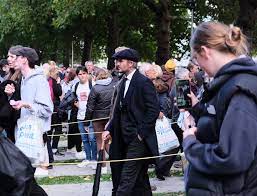
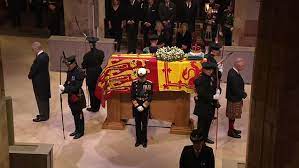
The formal mourning and funeral process that took place must have been extremely difficult for all the Royal Family, but especially for the King and Queen Consort. King Charles and Queen Camilla, the Queen Consort travelled, not only back to London, but then made trips to the Welsh, Northern Irish, and Scottish capitals to show each constituent country of the United Kingdom his respect and to thank them for their support and love for the Queen. In addition, the King, with his consort by his side, was carrying the procedural duties I mentioned above. I will assume that most readers saw the incredible stories of the lines that thousands of people queued in to walk past the Queen’s coffin, first in Edinburgh, then in London, where the lines were many miles long and lasted over 21 hours in some cases. The rich and famous, like former Prime Minister Theresa May and football star Davide Beckham queued alongside ordinary citizens. The scenes in Westminster Hall where the Queen’s children and later her grandchildren stood vigil around her coffin touched every heart. Of course, the religious ceremonies and the processions were profoundly moving. The armed forces of Great Britain pledged an oath to serve the Queen, as we in the American Civil Service and Armed Forces pledge an oath to uphold our Constitution and laws. I know how deeply such an oath becomes a part of one’s soul and I understand the emotion and care that soldiers, young and old took in being part of this process.

Let me close this segment by saying that Queen Elizabeth should be looked at for the way she carried out her responsibilities as head of state and head of the Commonwealth. She lived her life guided by her faith. I admired her. Rest in Peace.