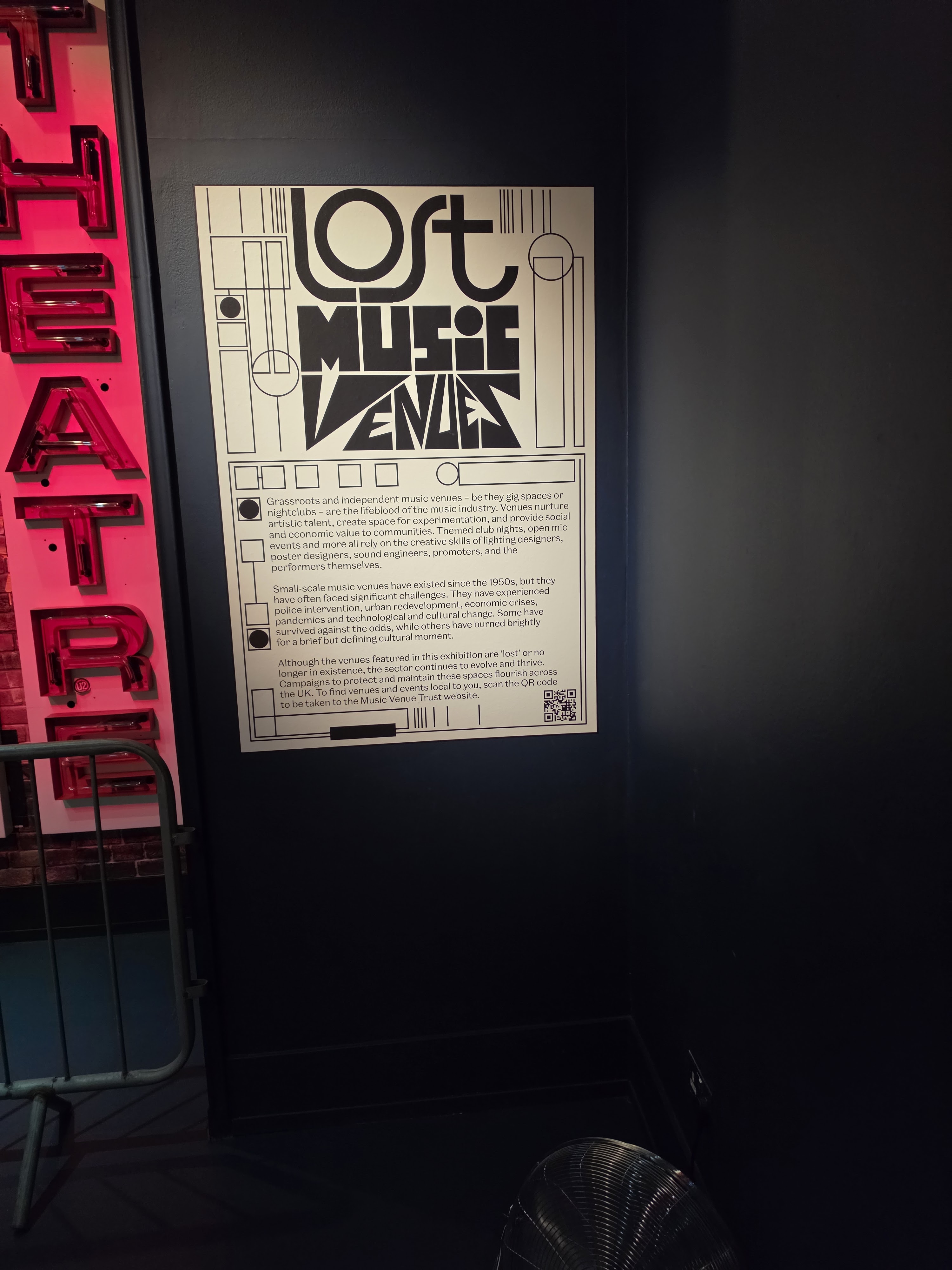
Lost Music Venues and a Look at a Different Time in London
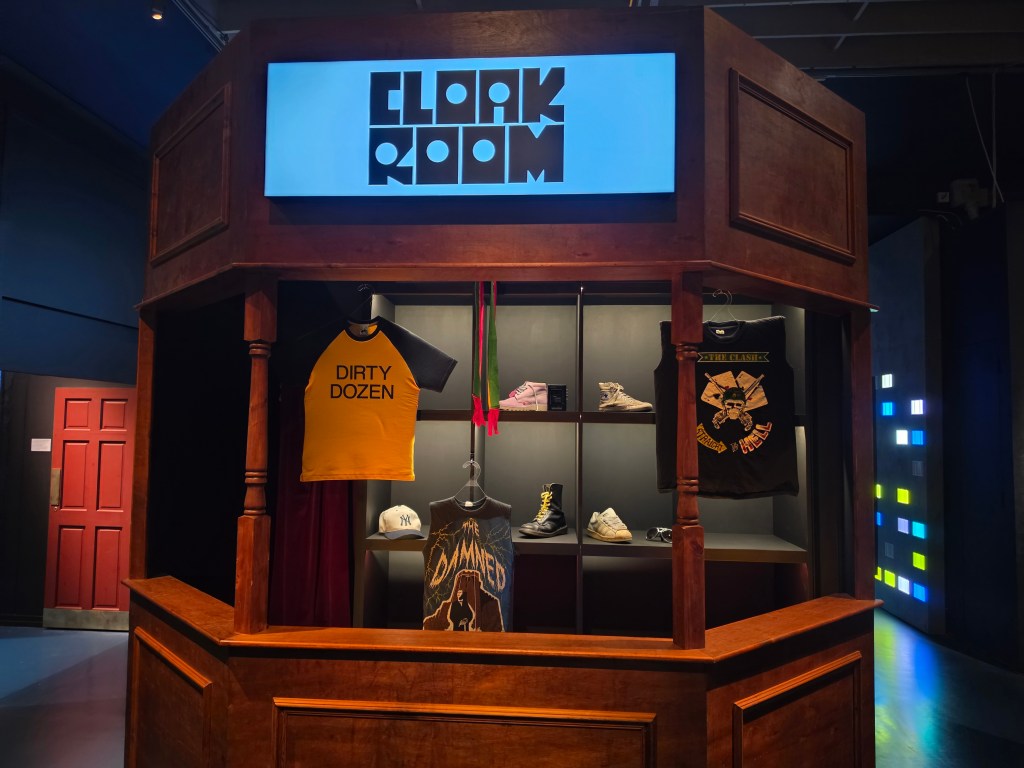
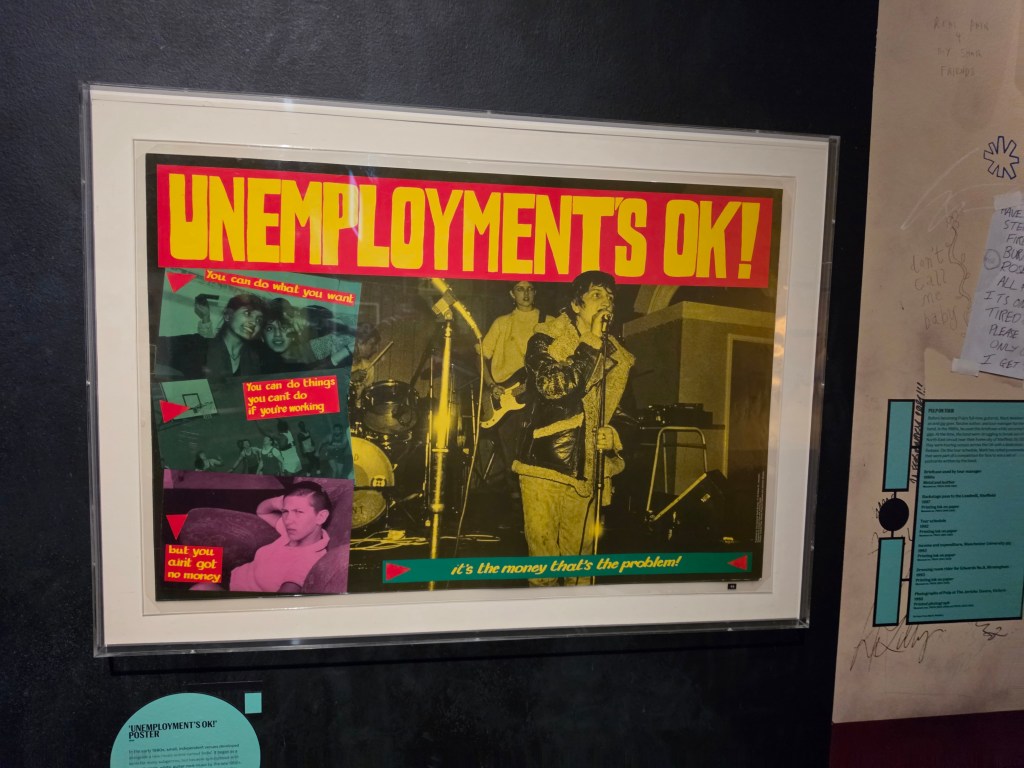
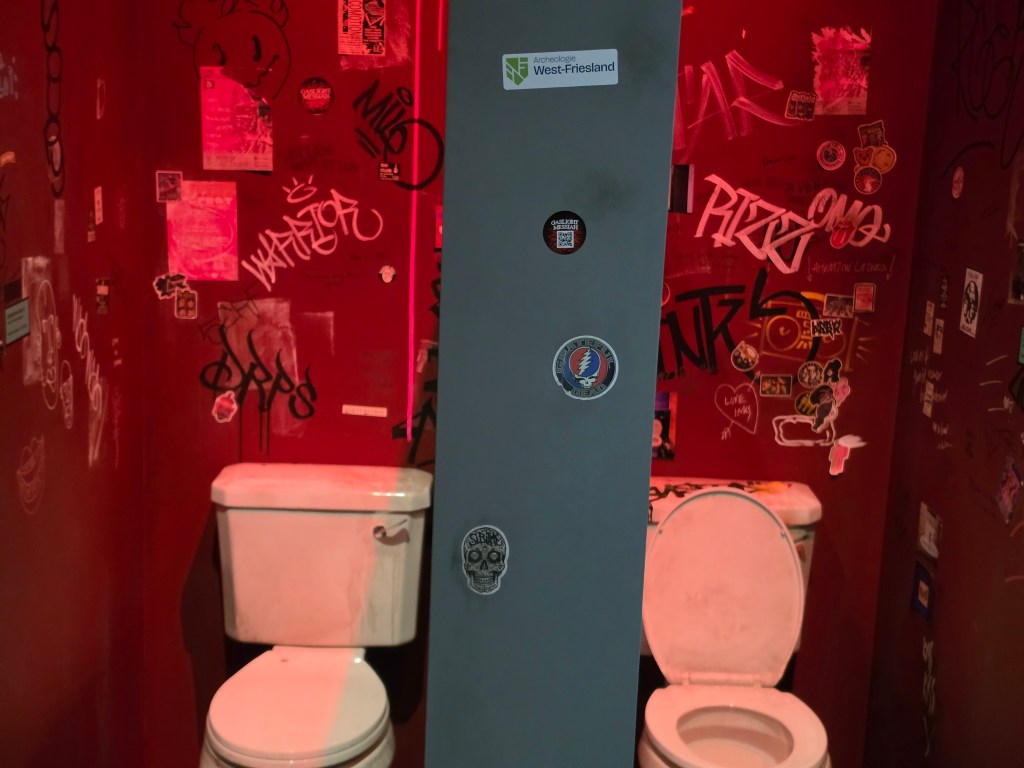
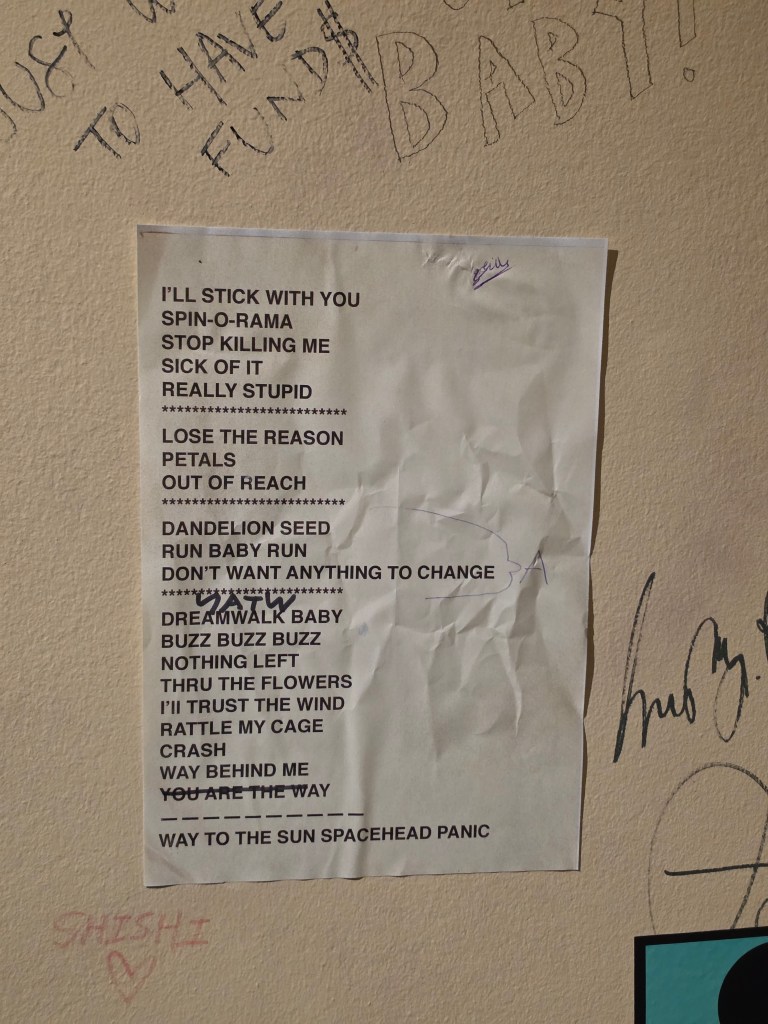
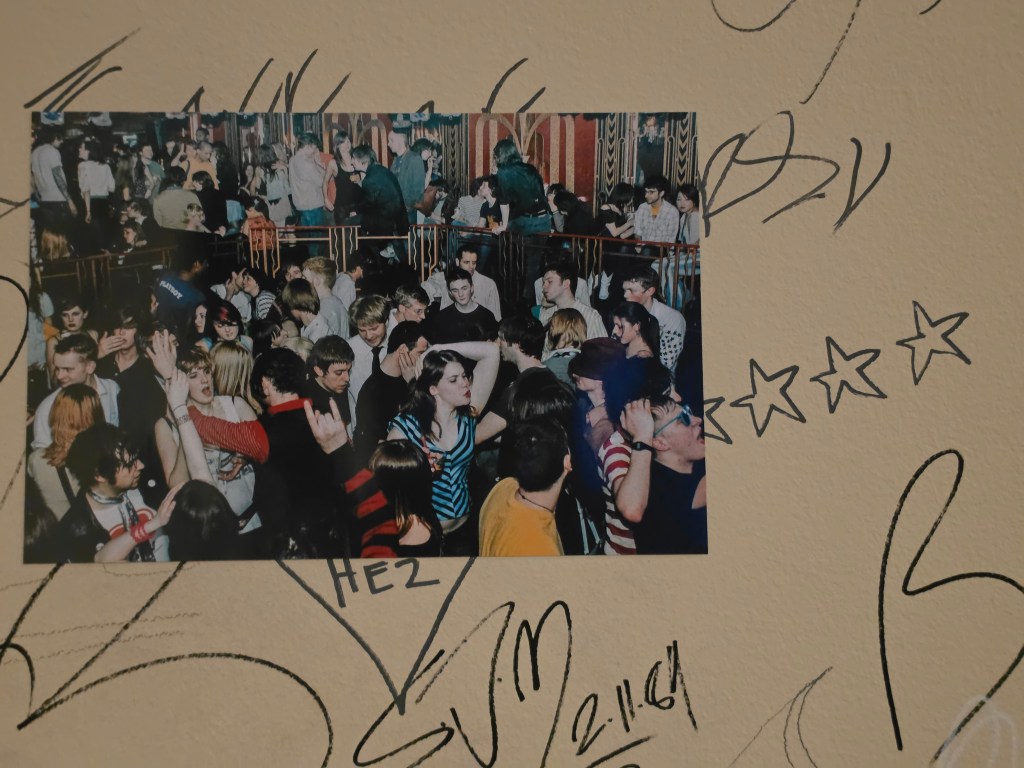
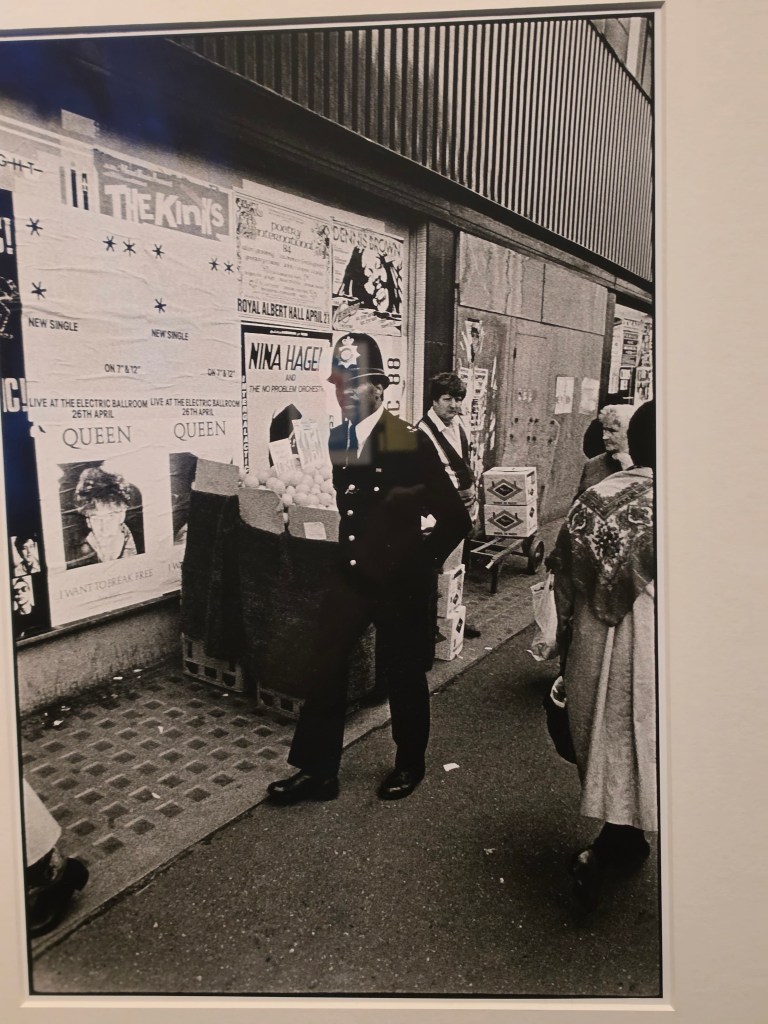
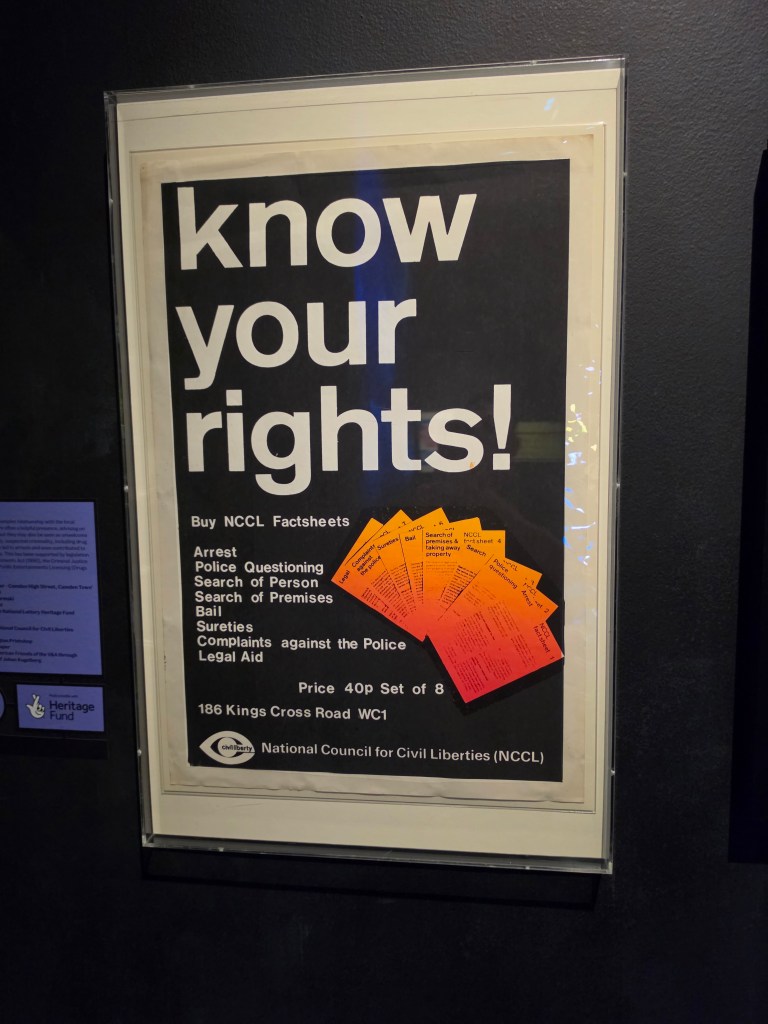
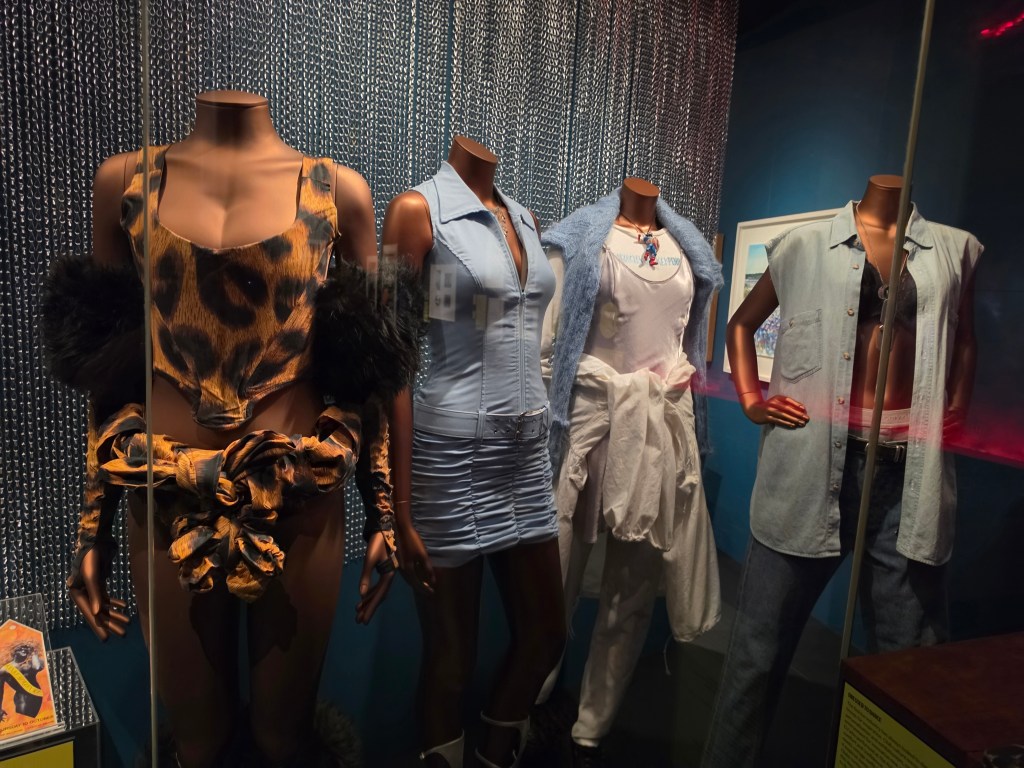
I had been interested in seeing the Victoria and Albert (V&A) Museum’s exhibit on “lost music venues,” mostly because London manages to preserve its ancient history yet constantly renew itself. This exhibit delivered, below are photos representing, not only, lost venues, but an era and the causes that came with the music.
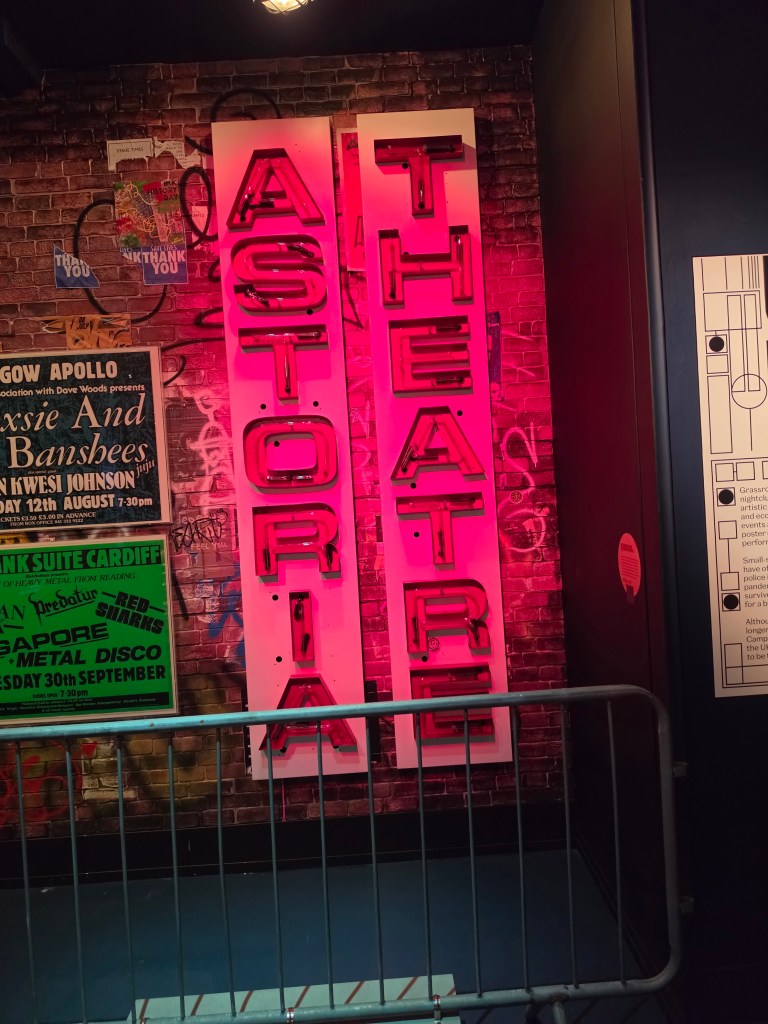
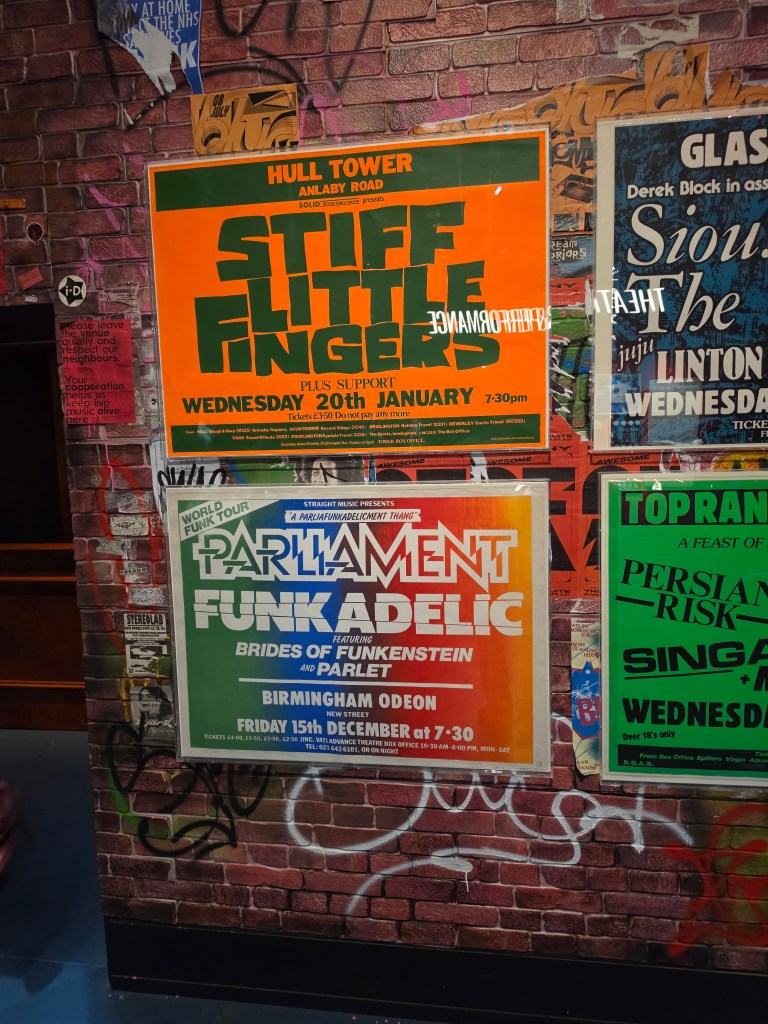
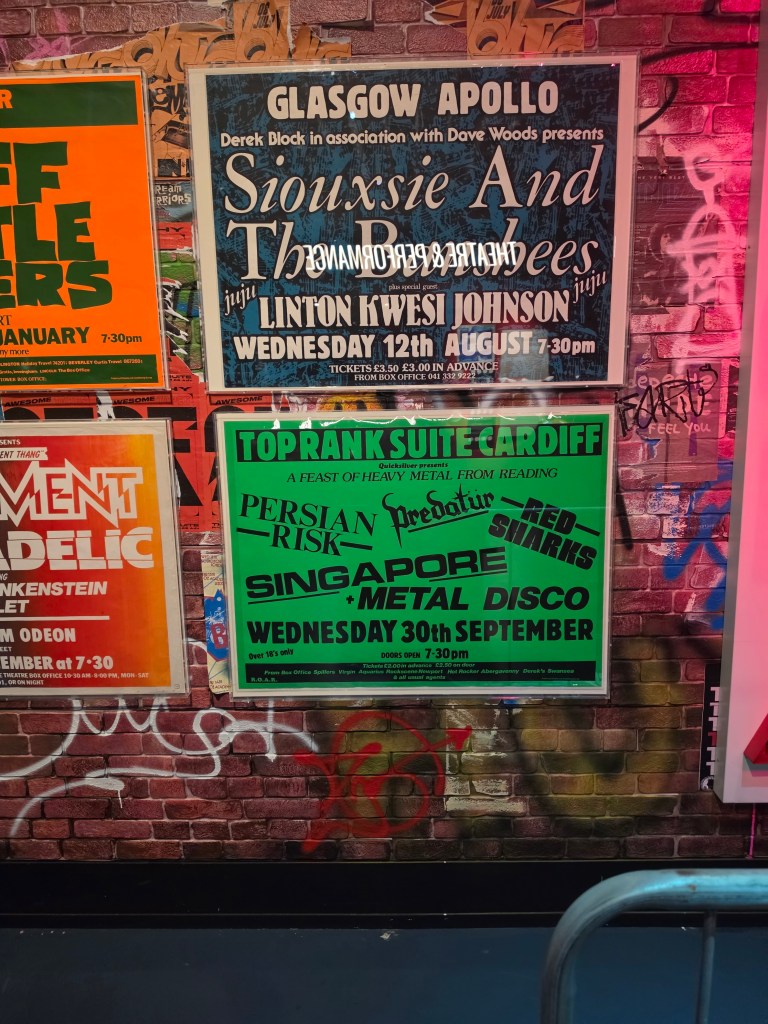
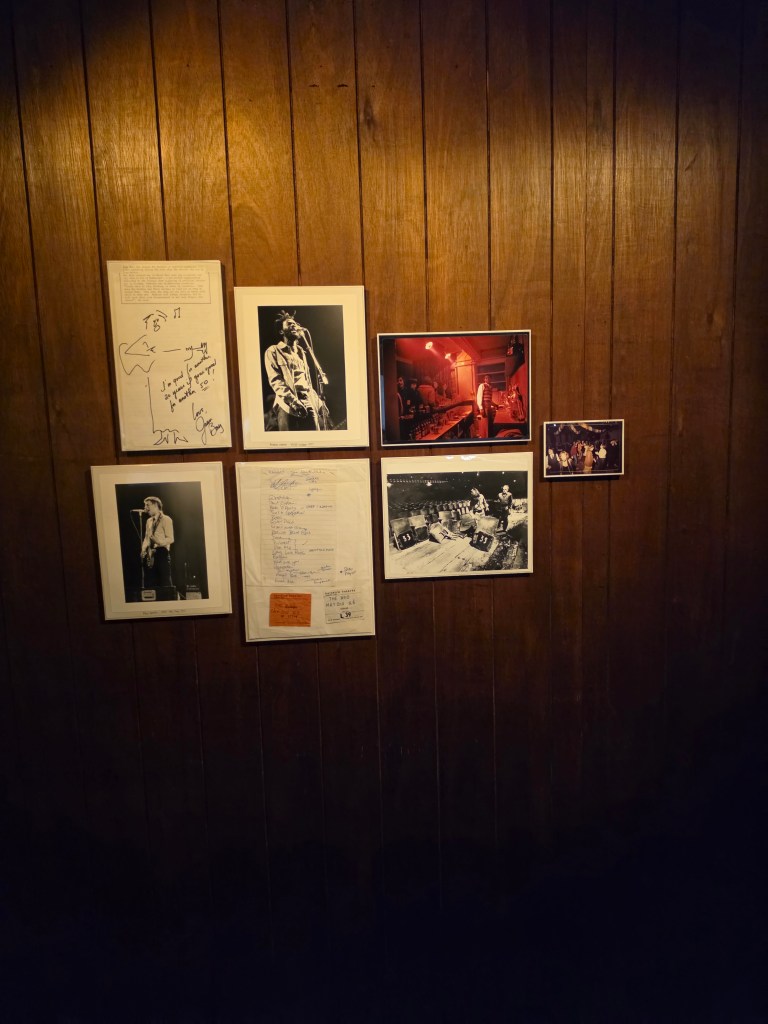
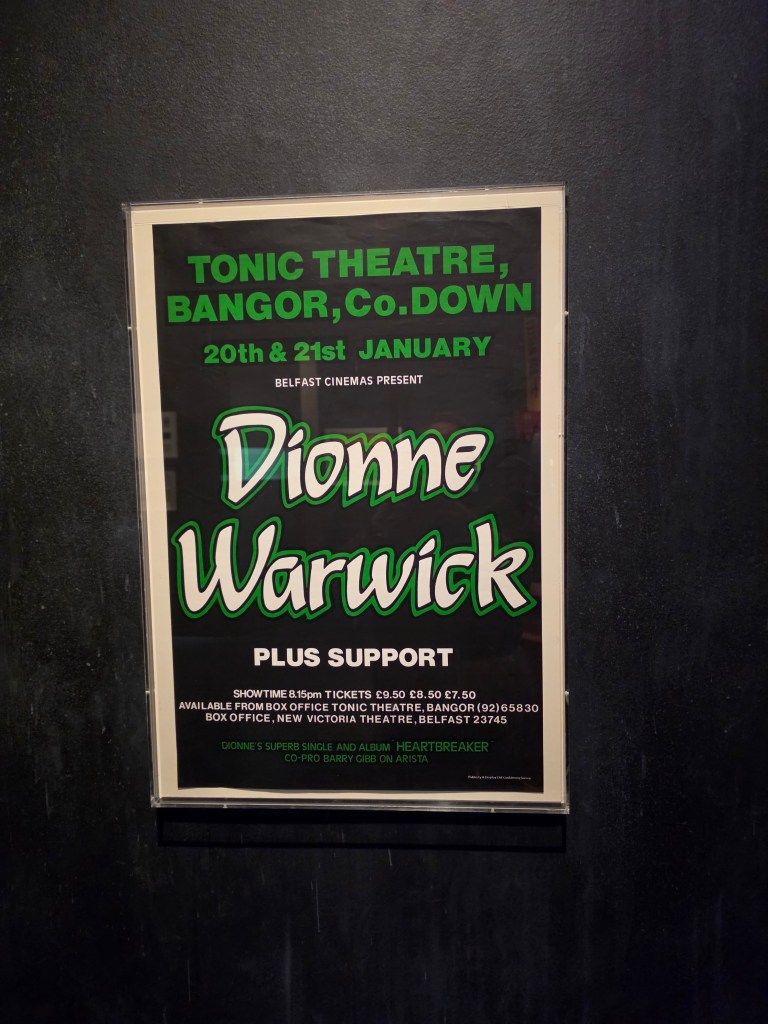
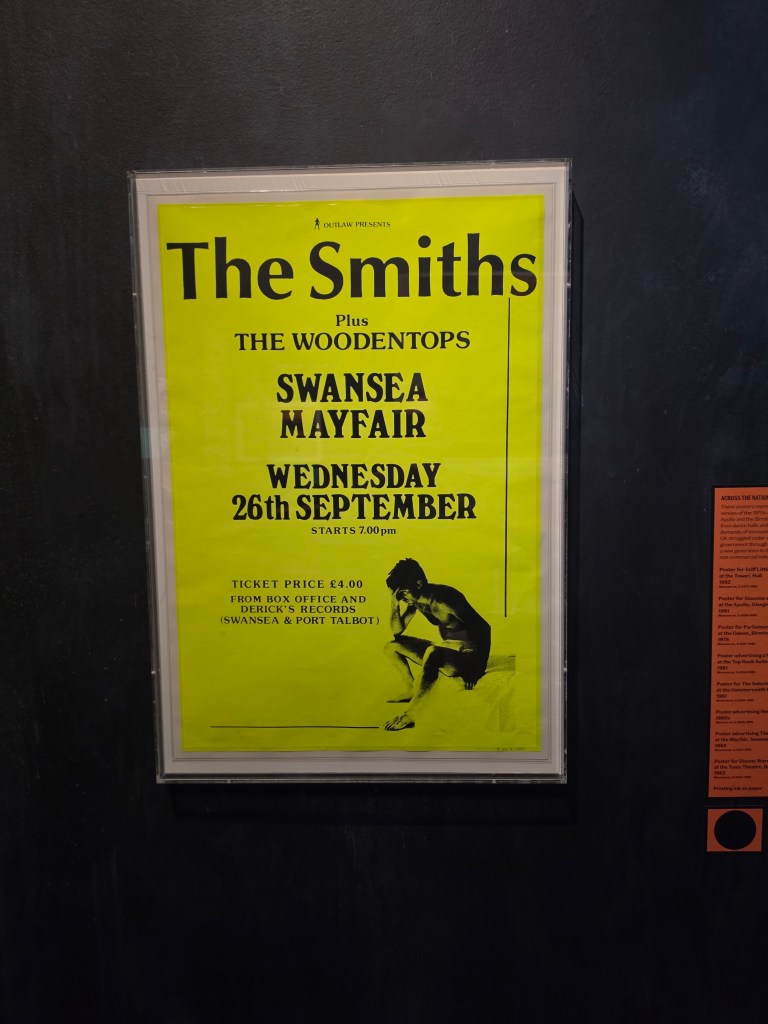
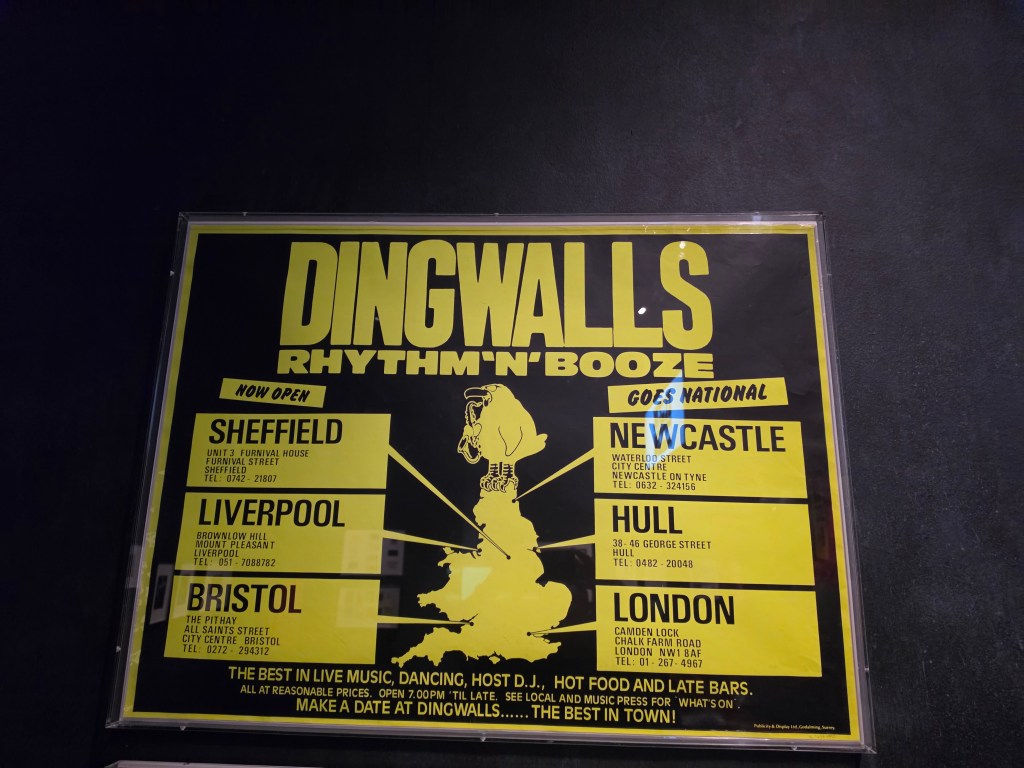
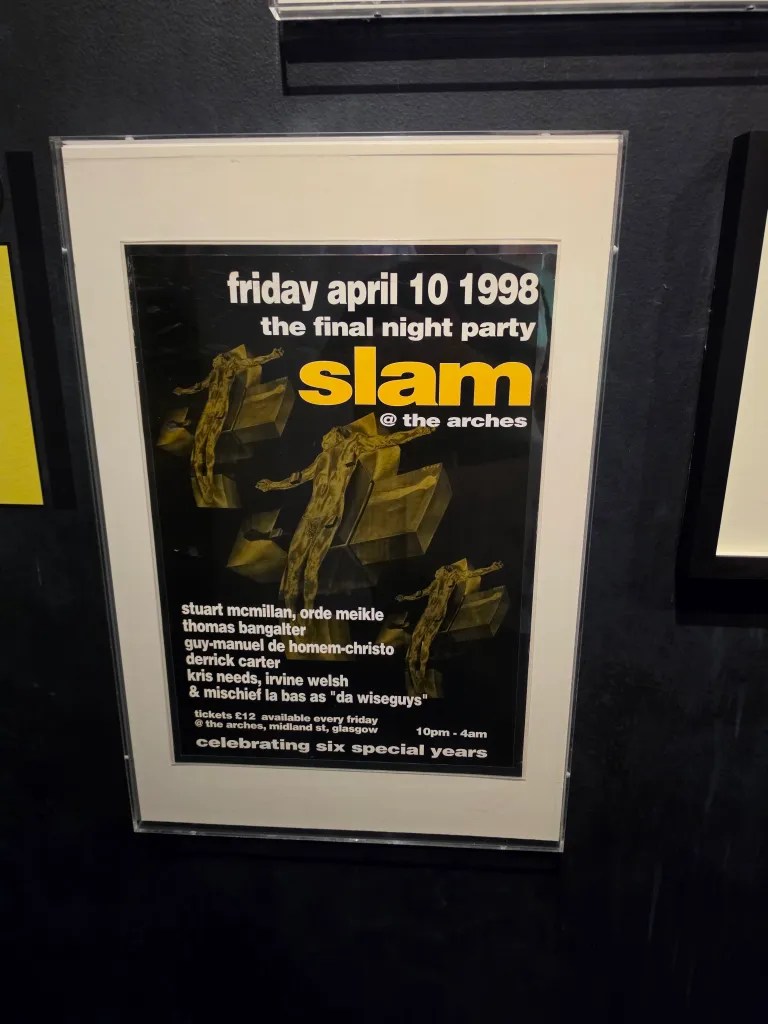
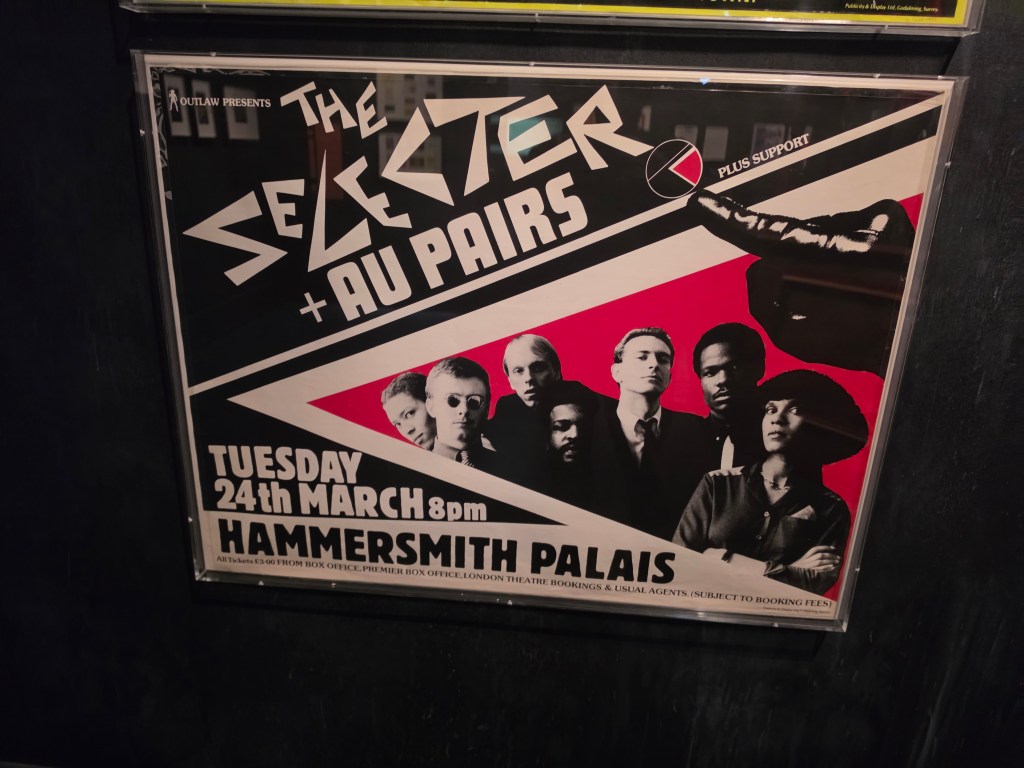
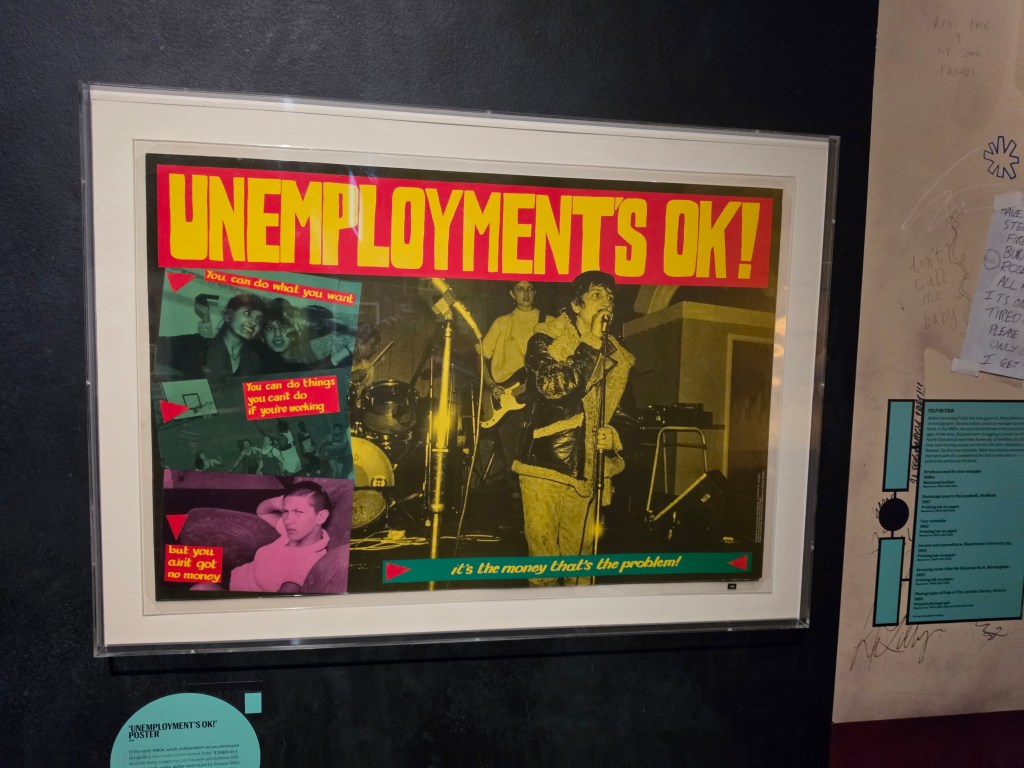
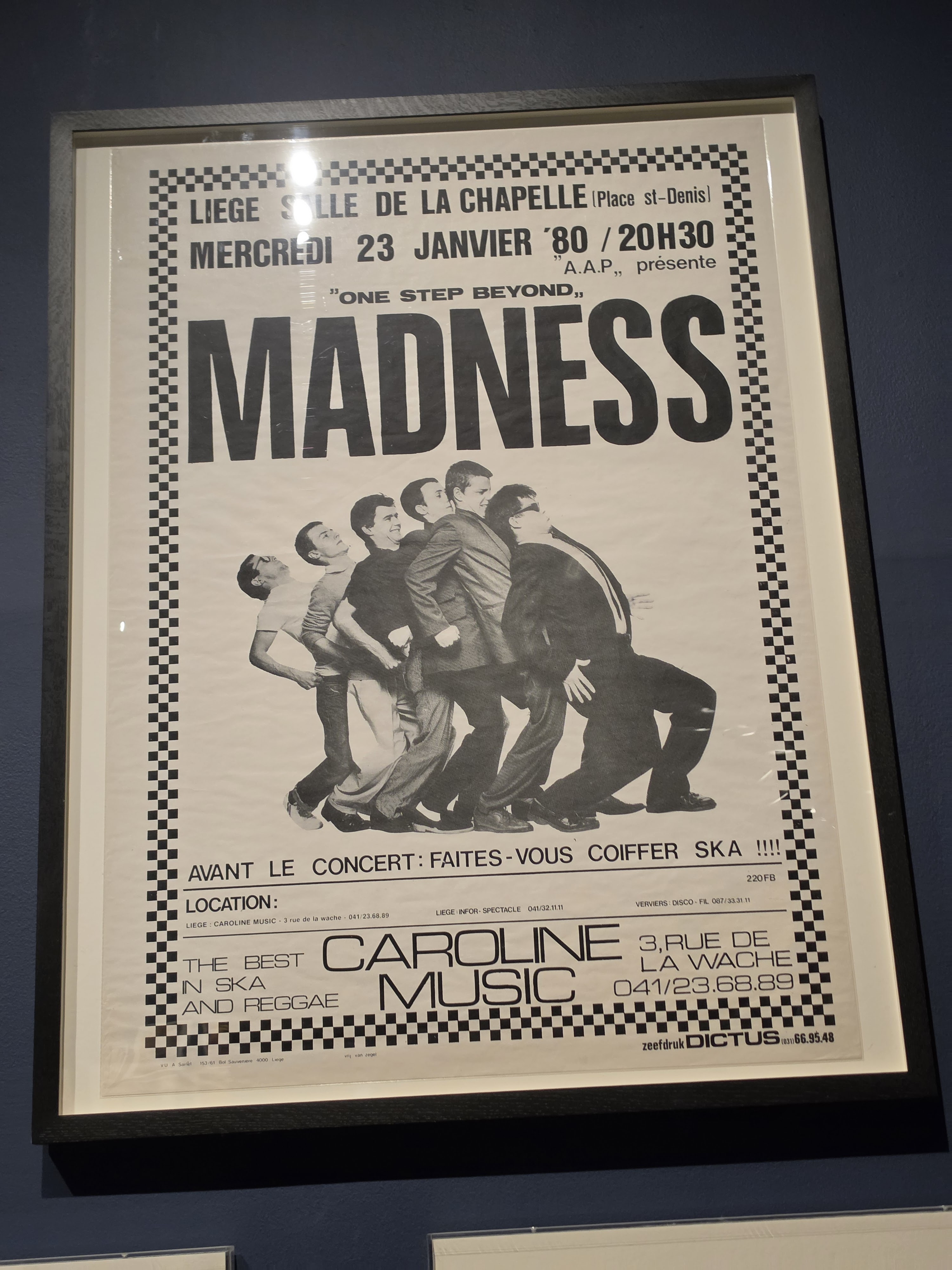
We of the “Classic Rock” generation tend to believe (with good reason) that our era of music included multiple genres of music and artists. The above photos show that this era that followed was still full of multiple musical experience and the excitement that went with them.
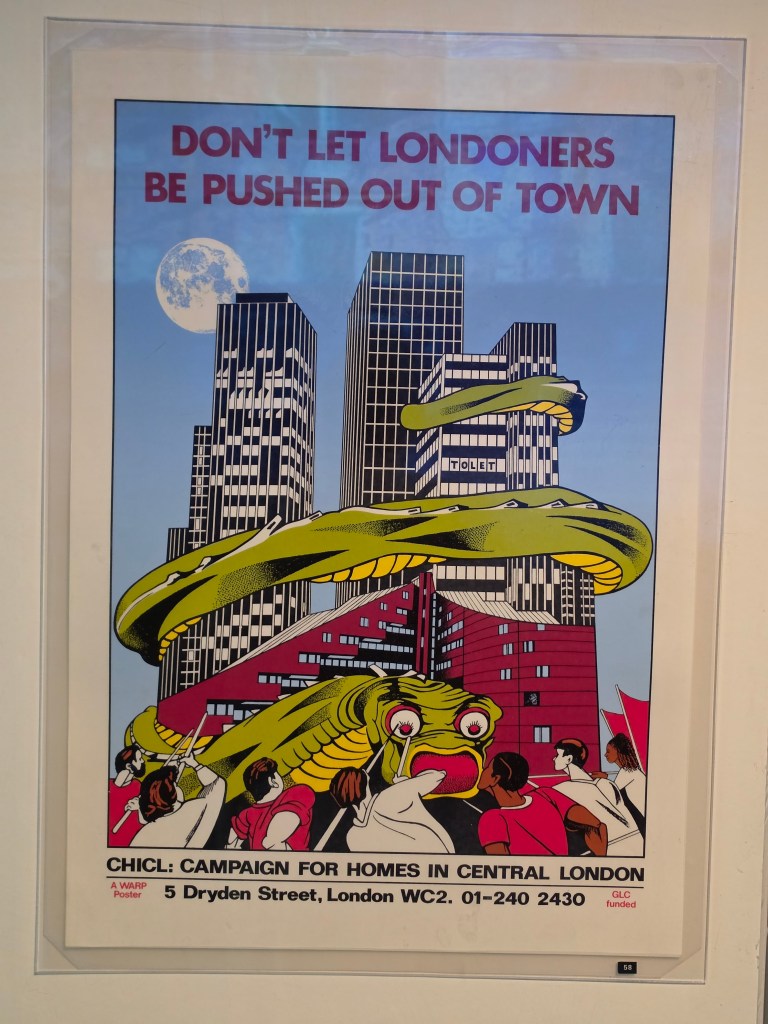
There were also the causes and the fashions of the era. These too were on display at the exhibition.
Docklands, Where the Museum of London Went to Await Regeneration
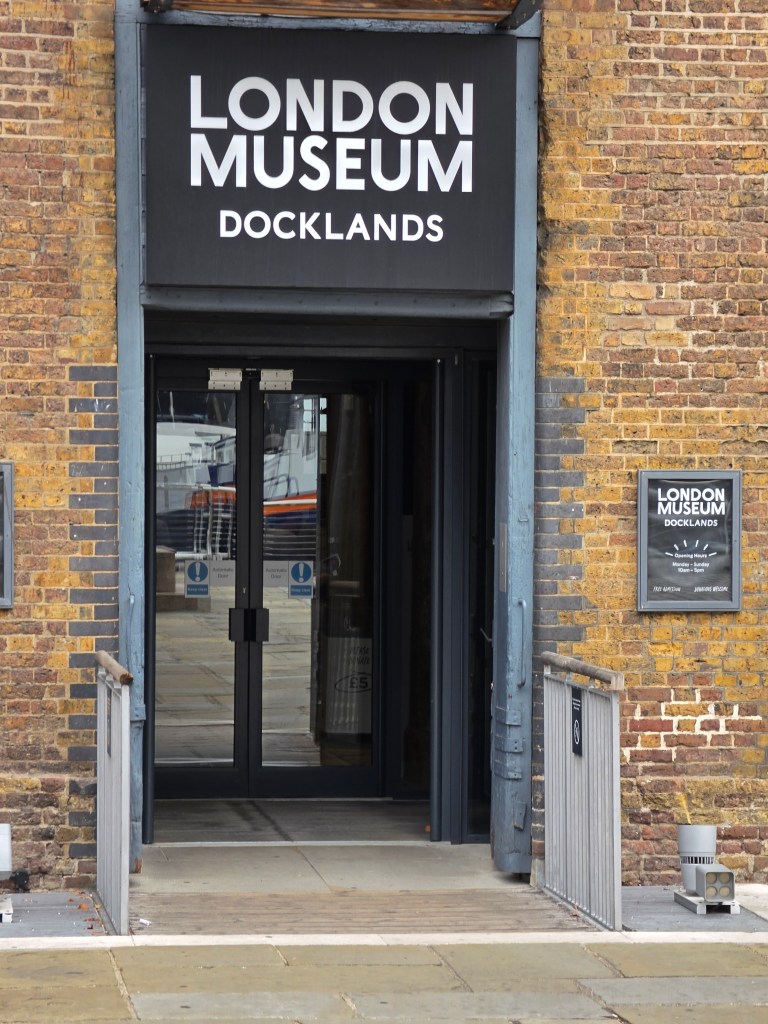
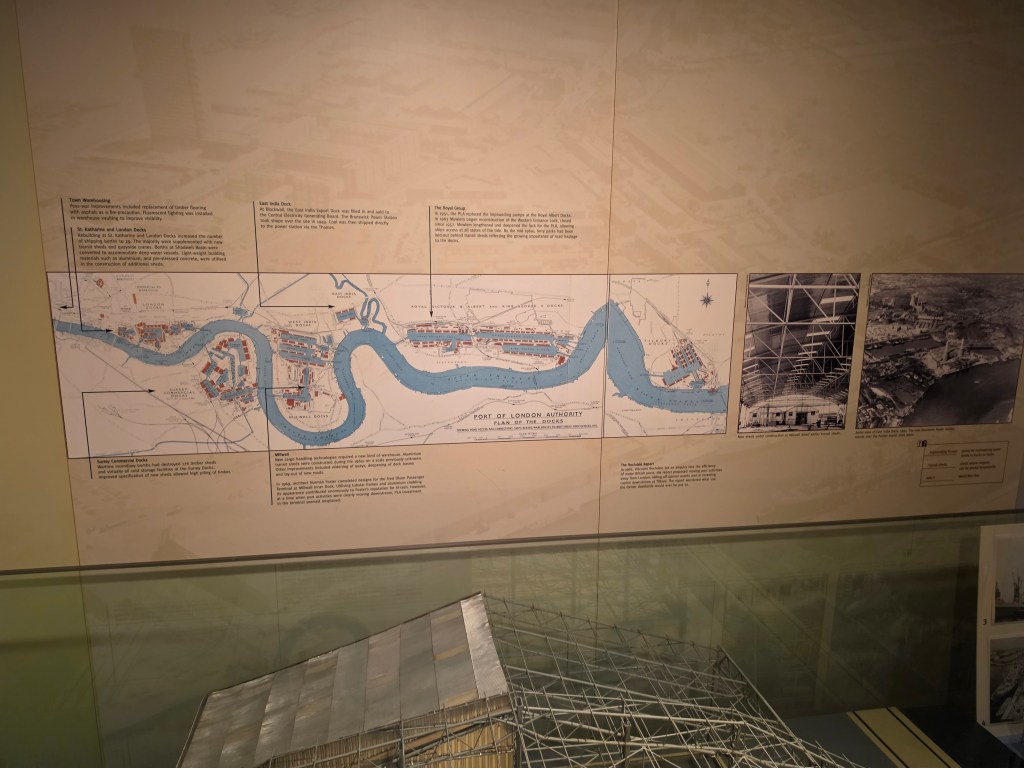
For many years, the Museum of the City of London sat along the ancient City Wall, near the Barbican Center. As I mentioned above, London is constantly changing and regenerating. When the London’s historic Smithfield General Market became available, the museum chose to close down and relocate there. But, in the intervening years, they opened an annex of sorts in the Docklands section of East London, another area that has gone through extensive changes and regeneration since its days an important part of London’s shipping and commercial past. The London Museum Docklands
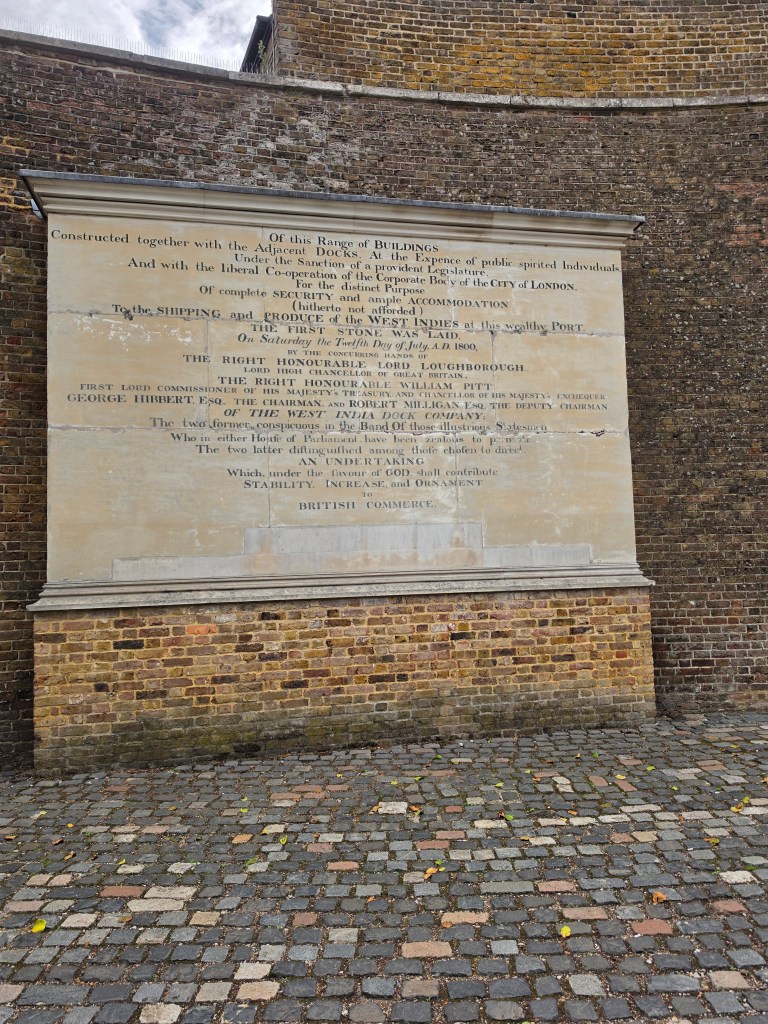
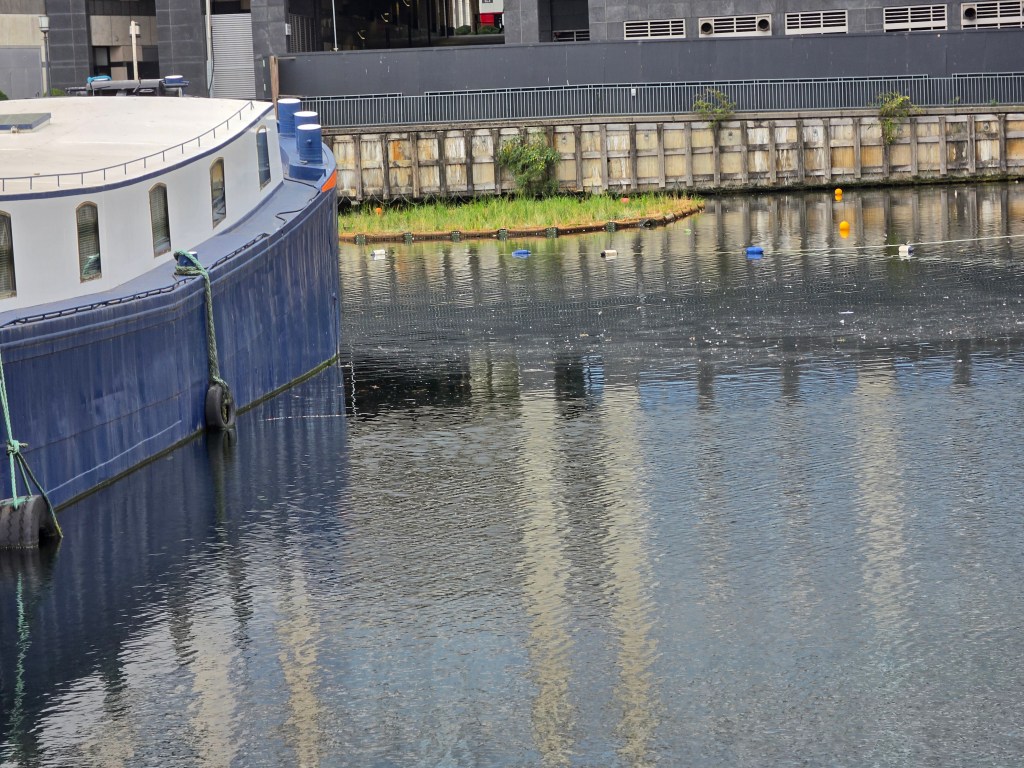
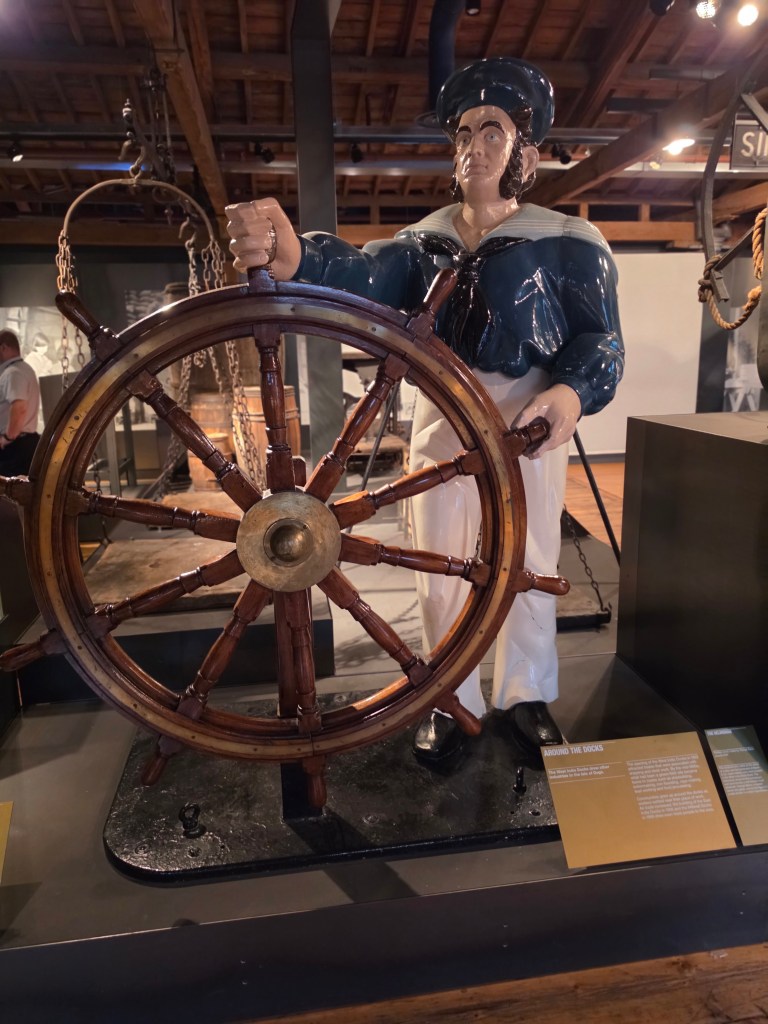
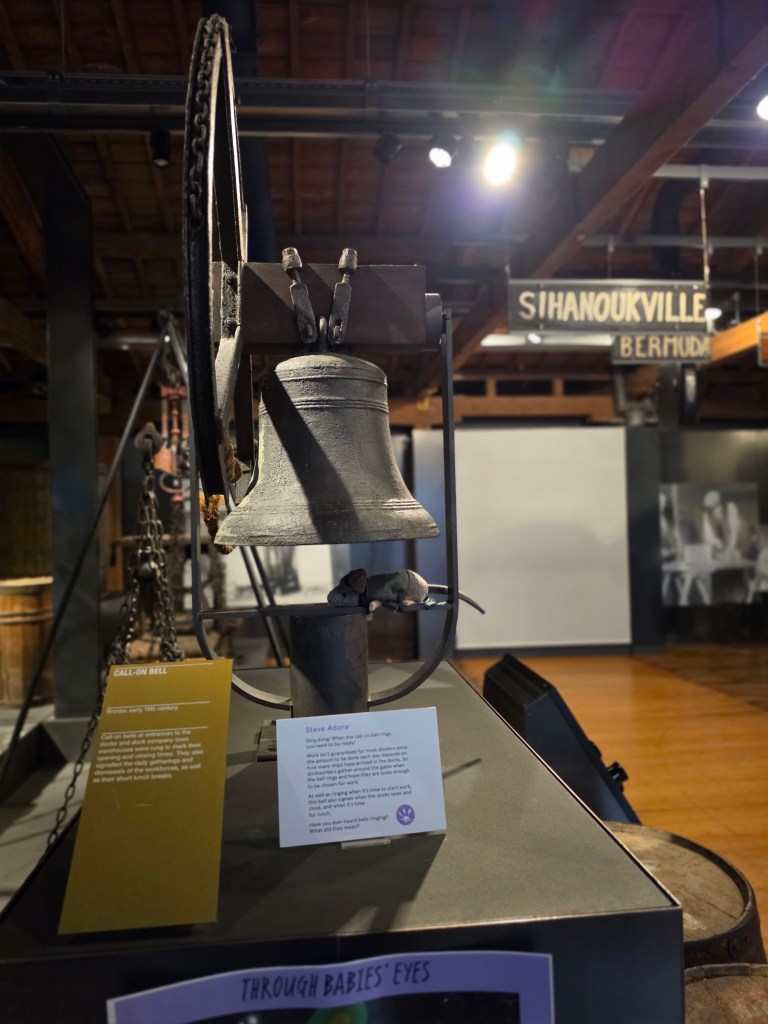
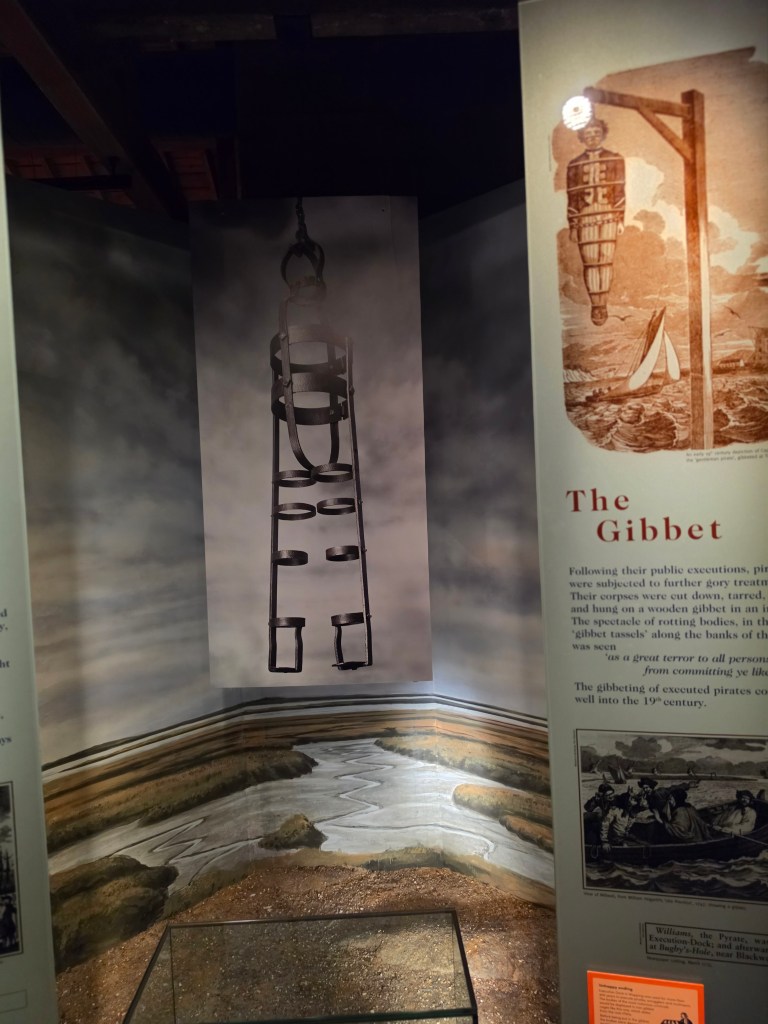
The early years as a port are told in the beginning of the tour. The photos above speak to that period. Perhaps the most difficult gallery dealt with the UK’s participation in the African and Caribbean slave trade. Sadly, my pictures from this portion of the exhibit are not clear enough to show. I strongly suggest you check this website, instead: London, Sugar & Slavery: 1600 – present | London Museum.
Another interesting part of the museum dealt with World War II and
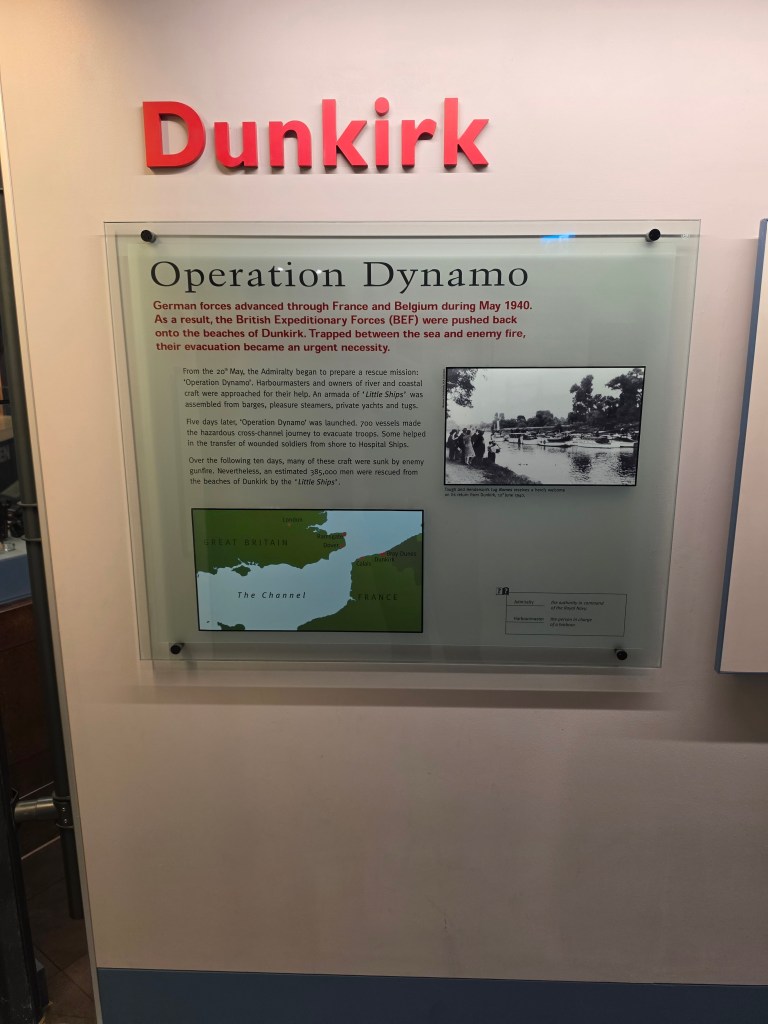
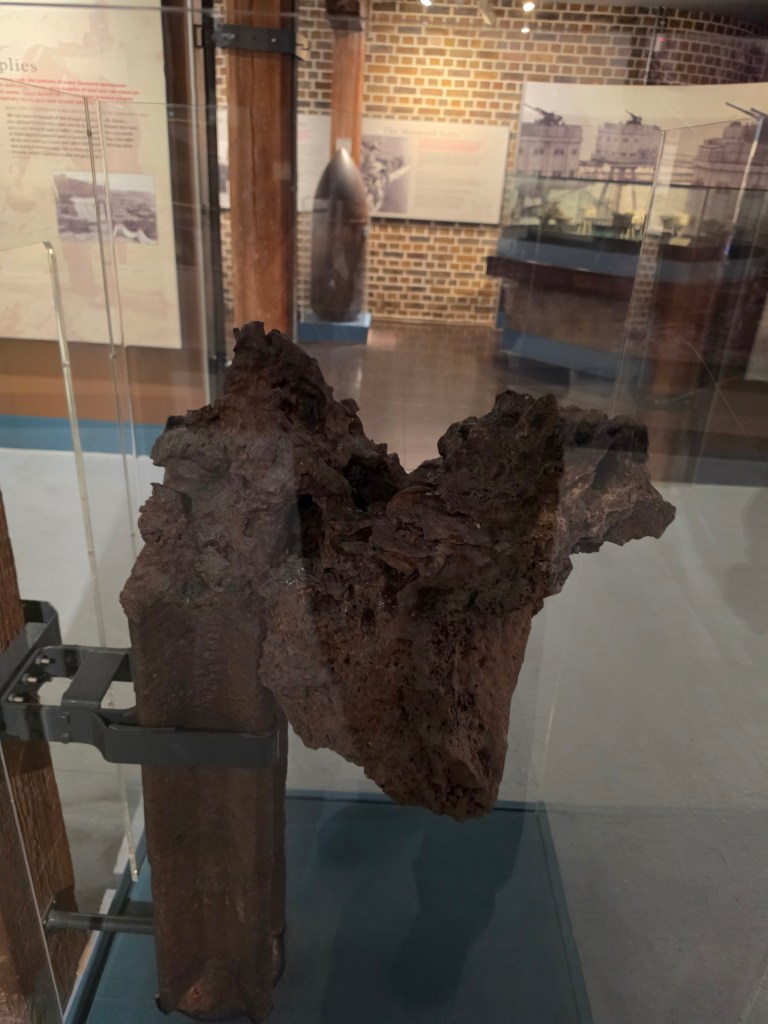
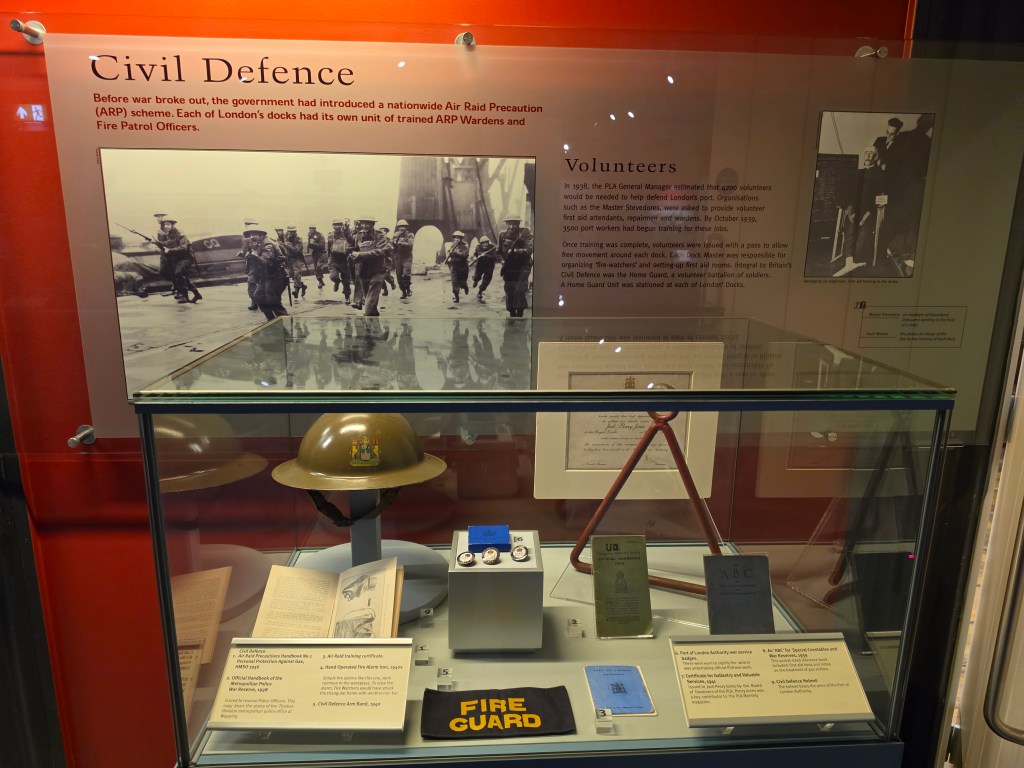
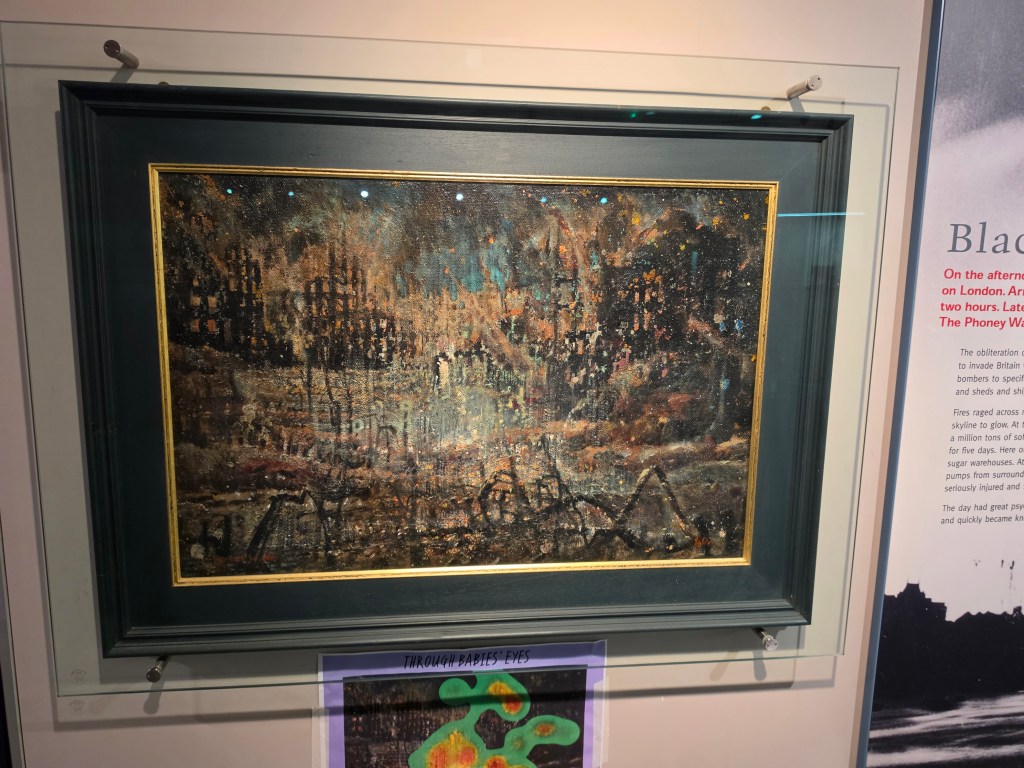
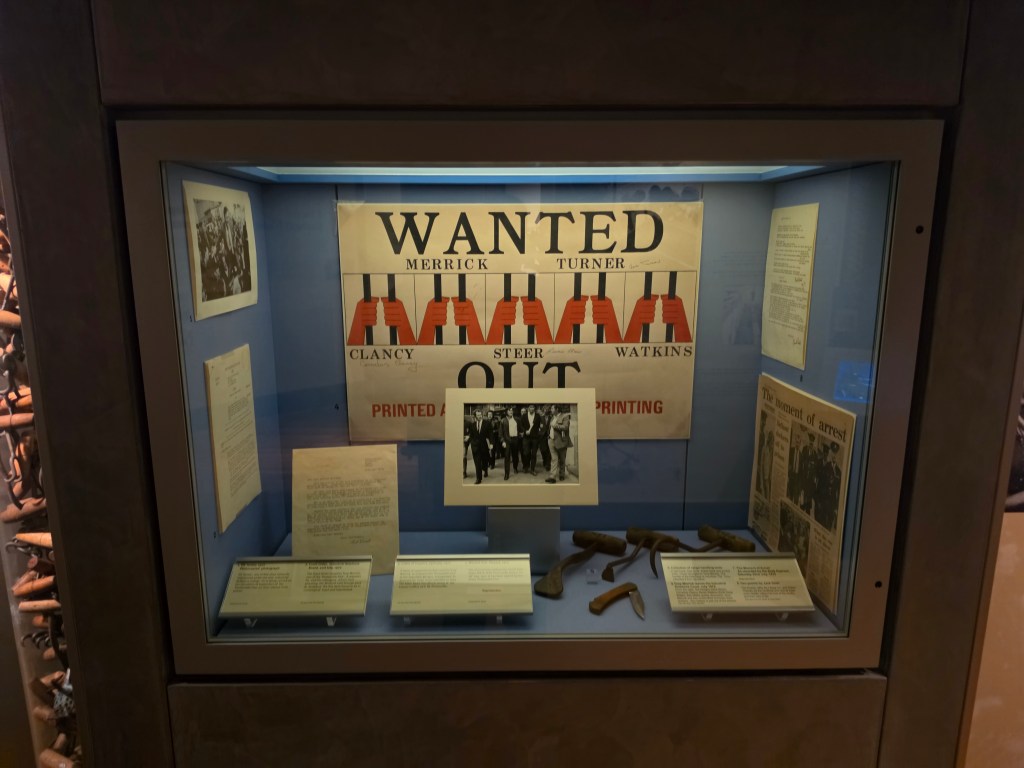
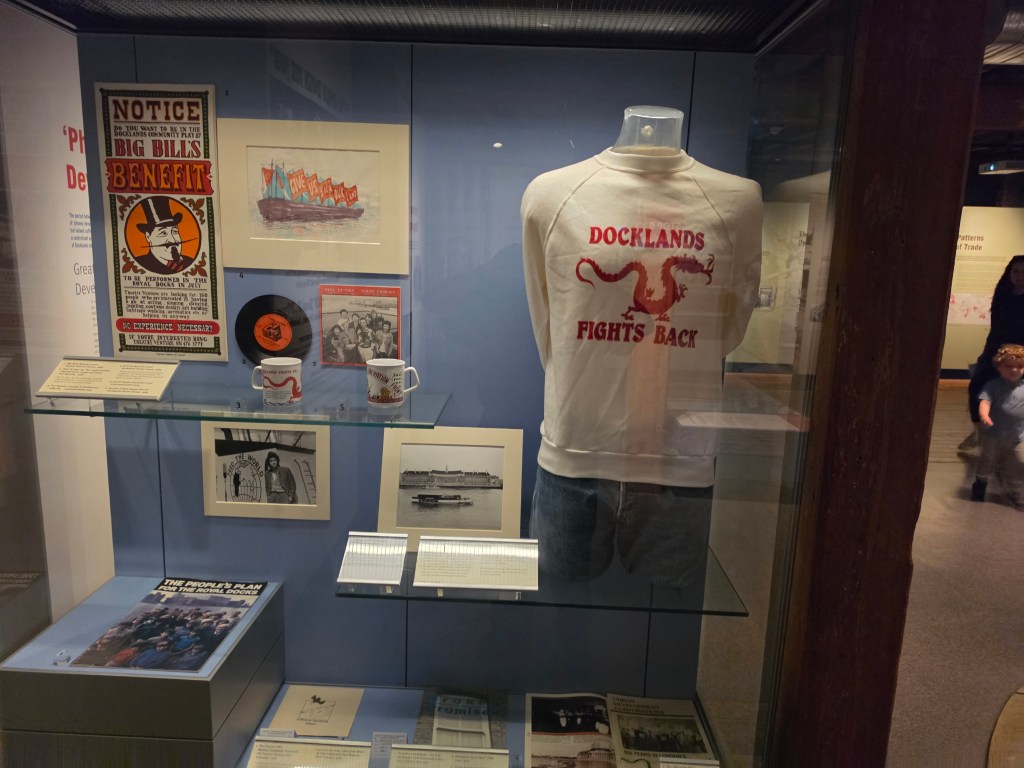
Finally, the museum discusses the controversy associated with the regeneration of Docklands, which meant dislocation of longtime residences and the end of its role as a port.
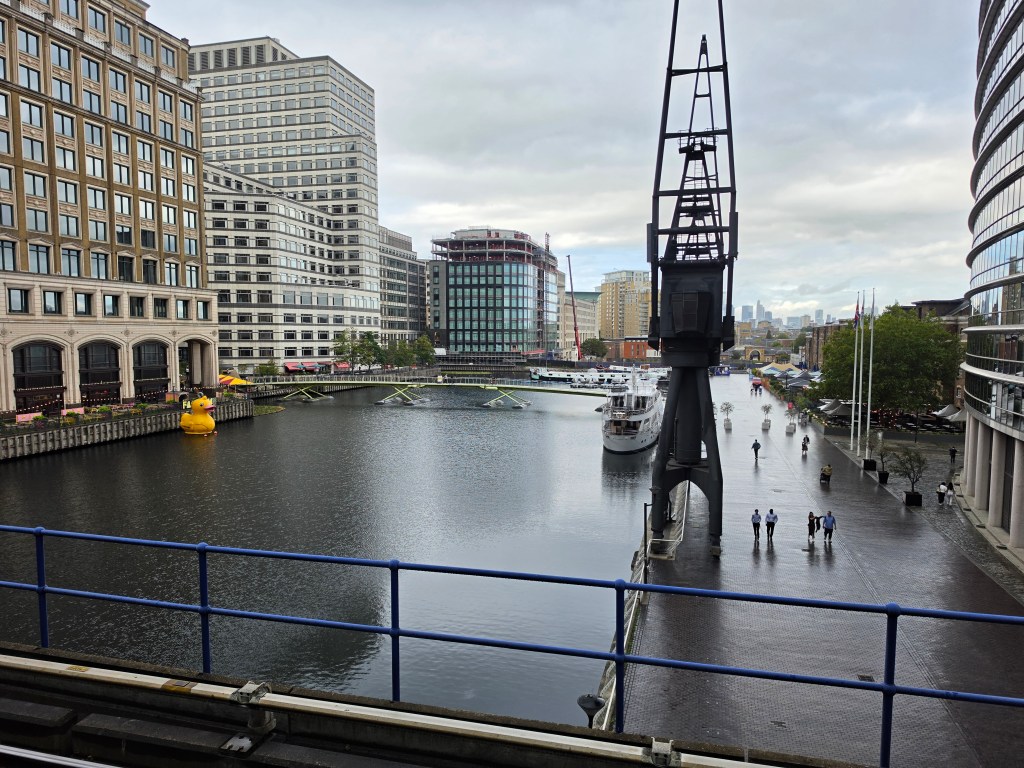
Part of a crane once used for lifting freight now stands as a monument to the past. I have no idea about the duck.
Good Old Protest Music at a Historic Church
The beautiful church, St. Martins in the Field is celebrating its 300th anniversary. A series of concerts are being held in the venerable church.
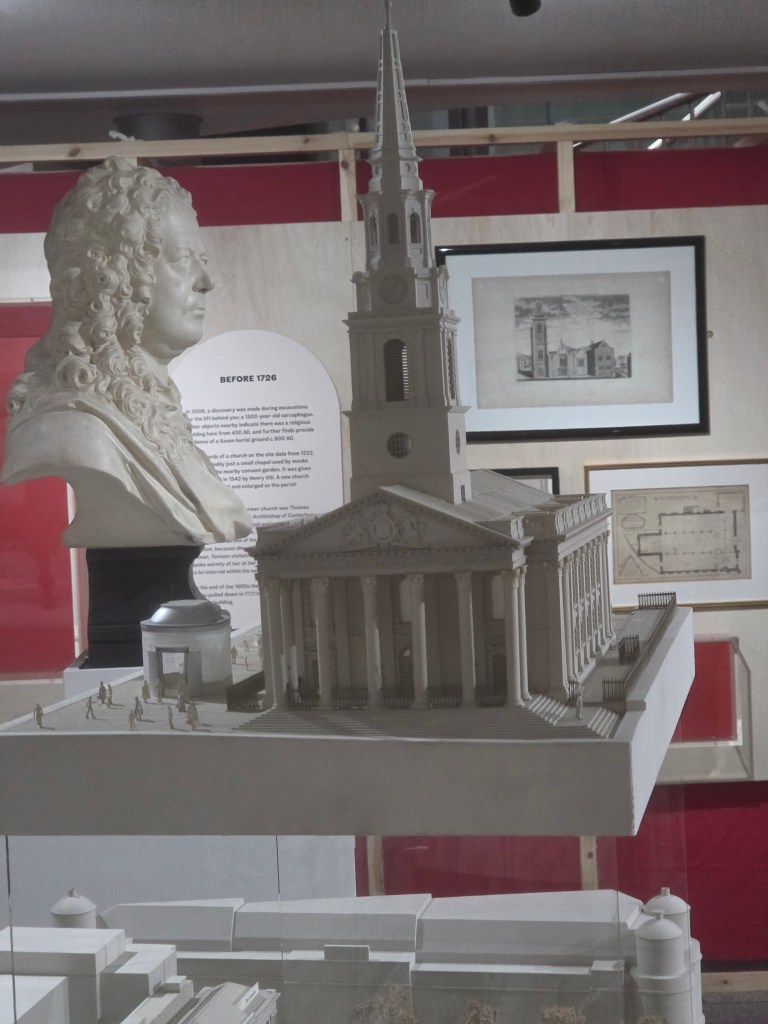
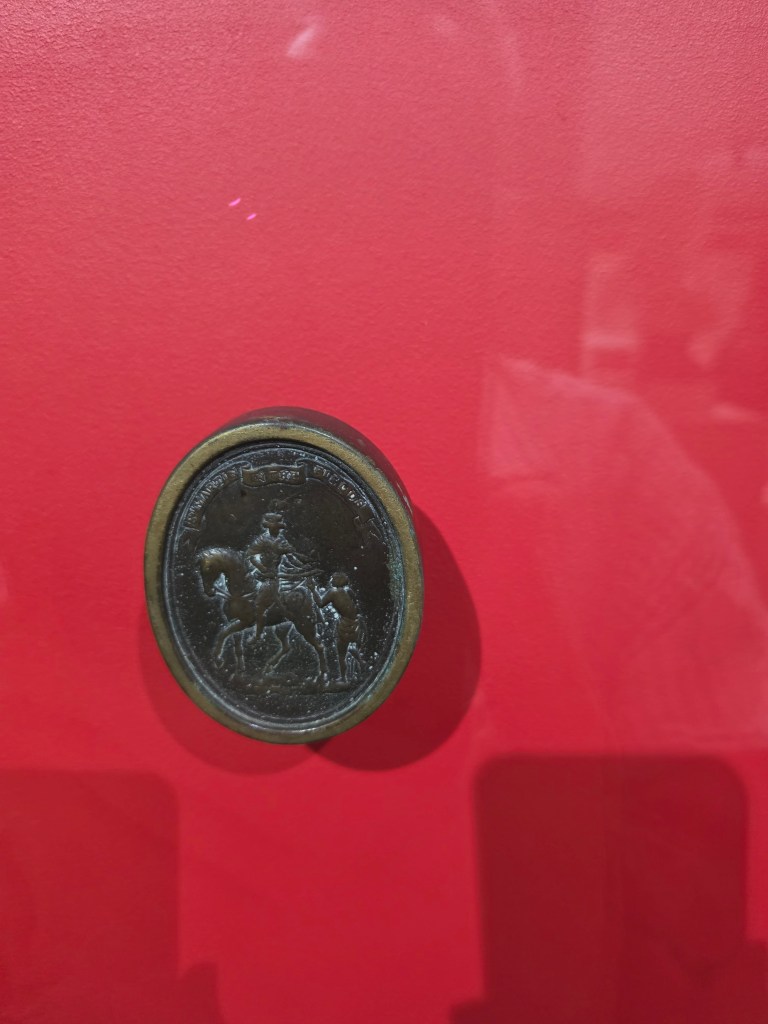
In the lobby of the church’s crypt, now a restaurant, gallery, and gift shop, were this replica model on the left, and an original door handle, on the right.
I was invited by my dear friends Stuart and Kerry to join them for a concert by the group Windborne for a concert of protest music through the ages.
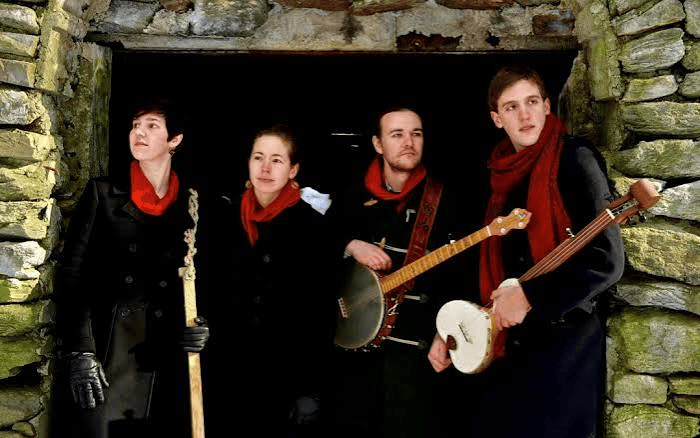
The music included songs in English, Italian, and French. There were pieces by well-known folk musicians like Phil Ochs. Others like Joe Jencks, and Lillie Steele. The songs were uplifting, joyful and some, downright funny. This was an old-time folk concert, the kind I remember from the 1960s when folk singers sang in school gyms and local libraries as well as in folk festivals. The acoustics in the church were fantastic. It was a great night. Check Windborne’s website to hear some of their music: WINDBORNE SINGERS- Old Songs, Bold Harmony, A Profound Vocal Experience.
Some Cool Shots from the V&A
I always take extra photos at the V&A.
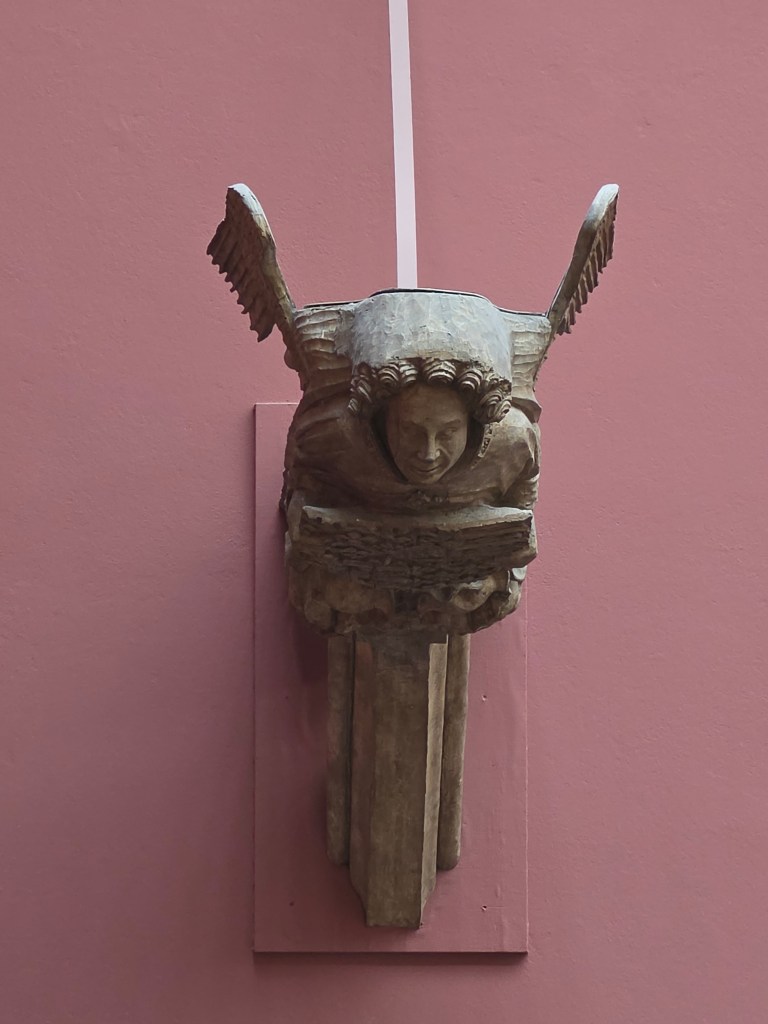
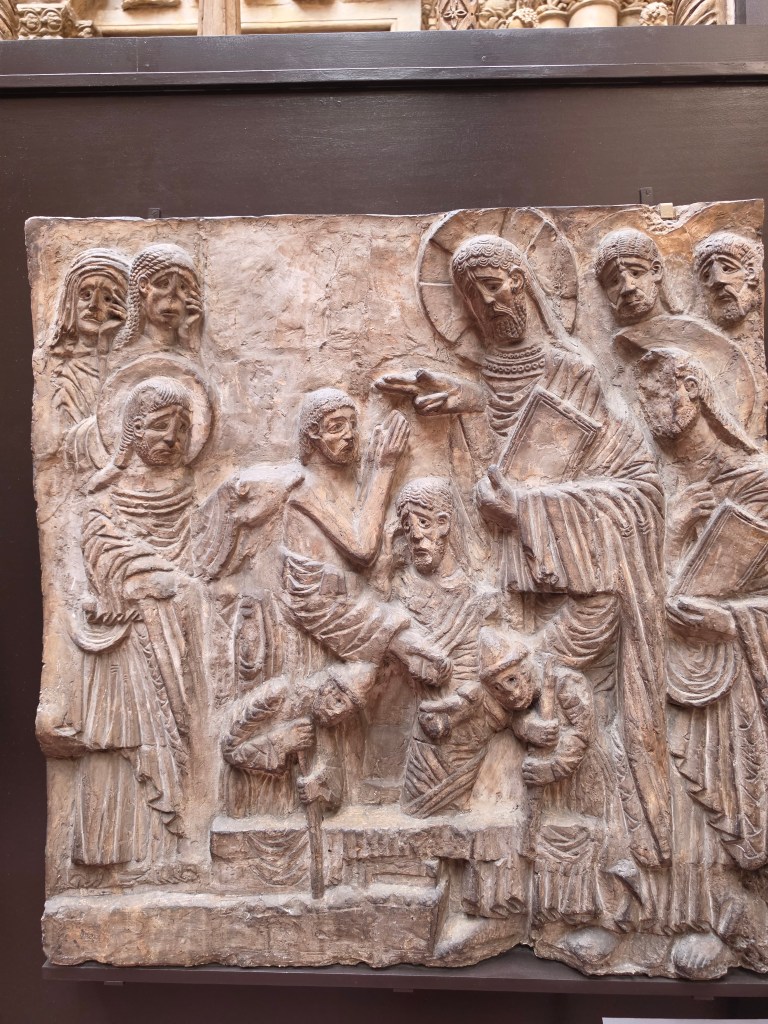
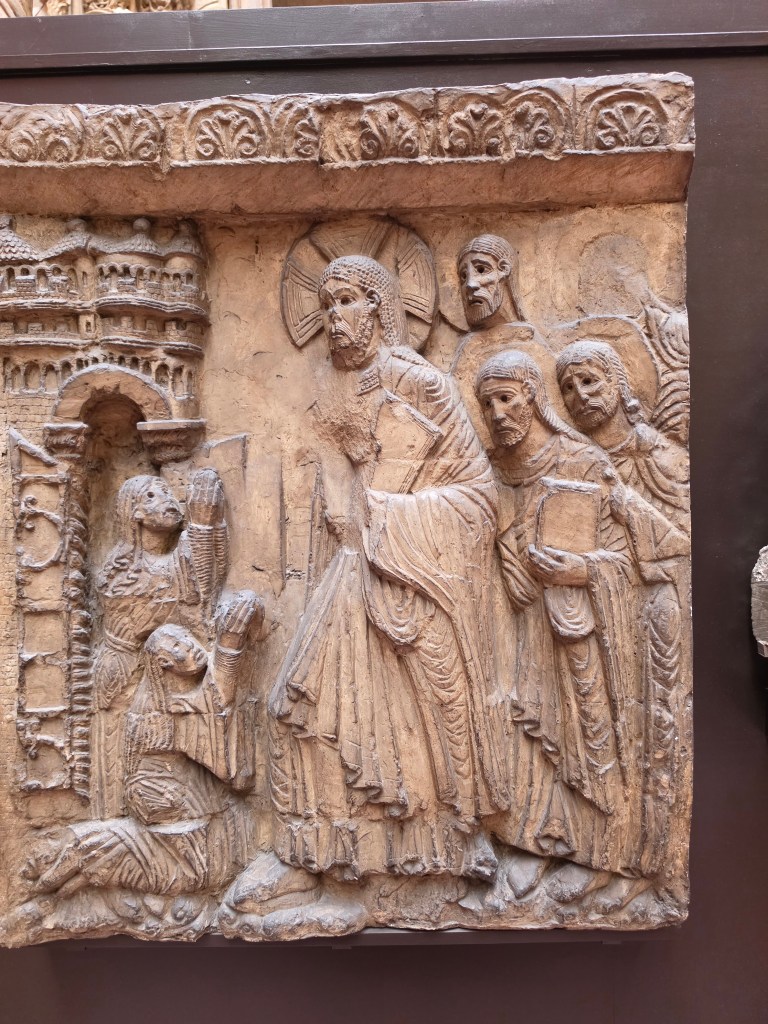
I asked one of the museum staff if the first item, hanging high on a wall, was a gargoyle or a grotesque (I was quite proud of myself). He found the plaque and was able to assure me that it was, in fact, a corbel! The second and third images are from 1125 -1150 from Chichester Cathedral depicting the story of Lazarus.

