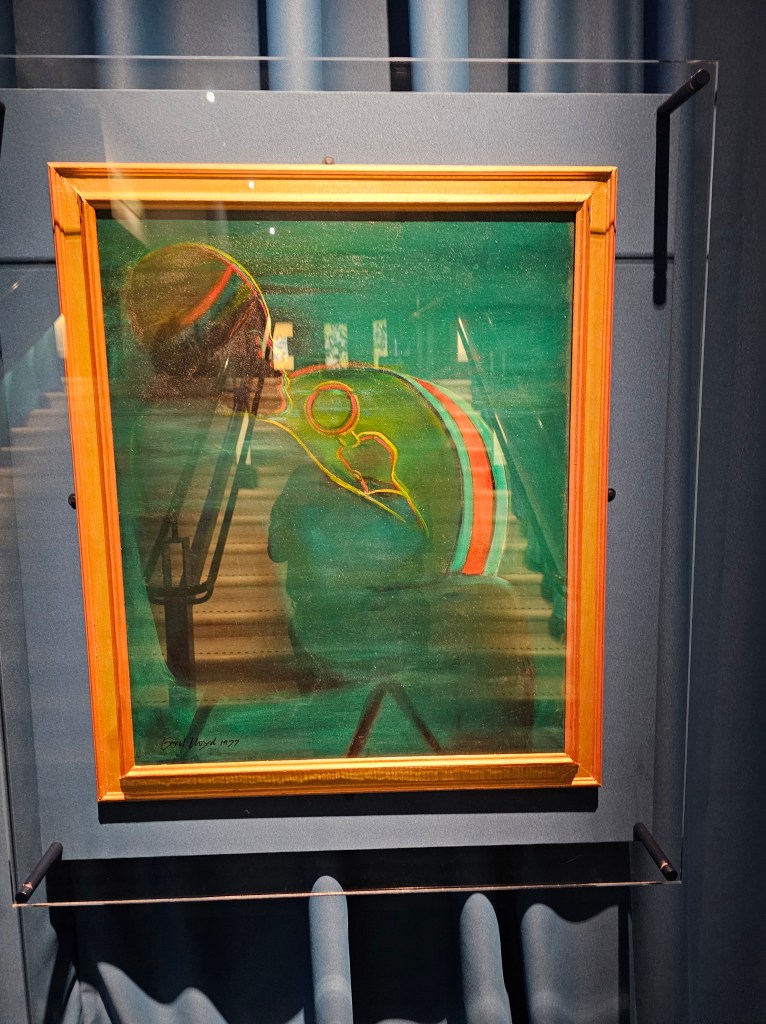
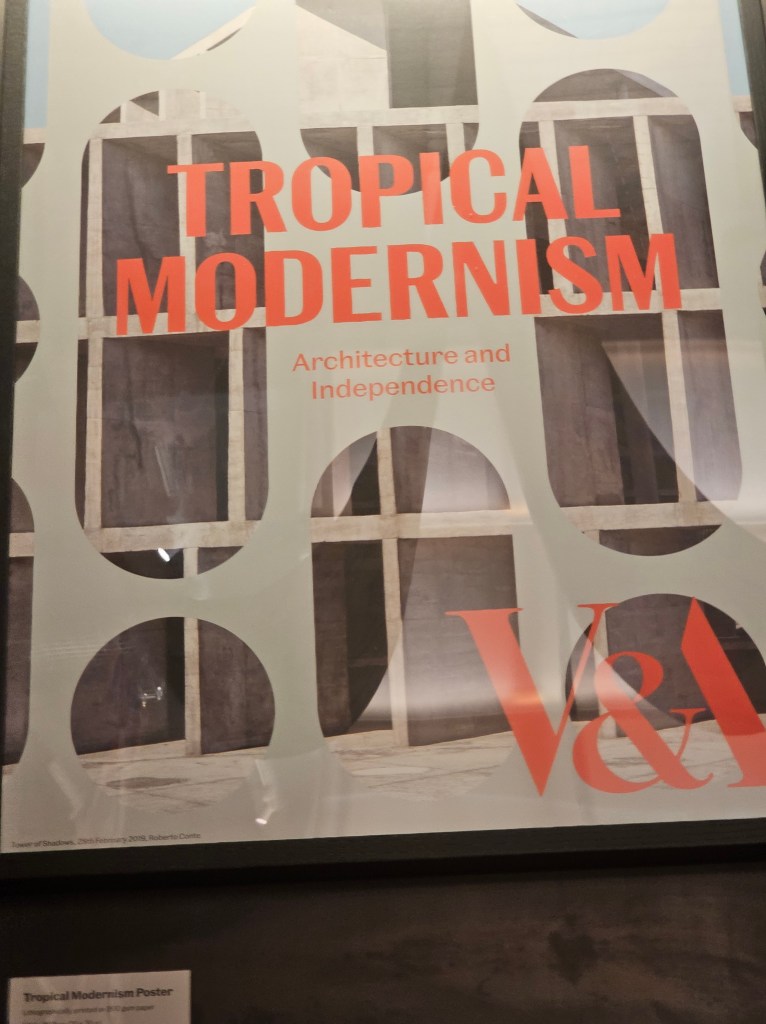
Over the course of two days, I visited two exhibits, “Beyond the Bassline: 500 Years of Black British Music,” at the British Library and “Tropical Modernism” at the Victoria and Albert Museum (V&A). The following day “my theatre season opened with “Skeleton Crew.”
The British Library
The British Library is a wonderful place to visit. Its special exhibits, speakers, workspaces, along with its collections make me happy to have it as a neighbor during my stays in London. This exhibit on Black British Music starts with the surprising depiction of a Black musician in the court of the King Henry VIII.
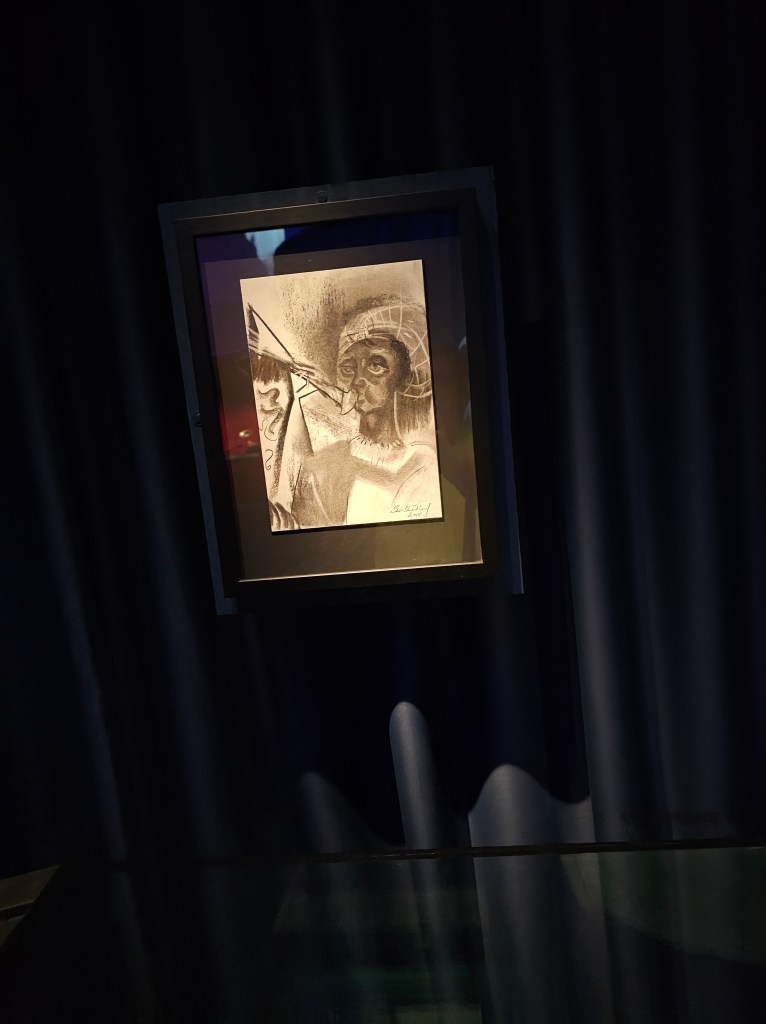
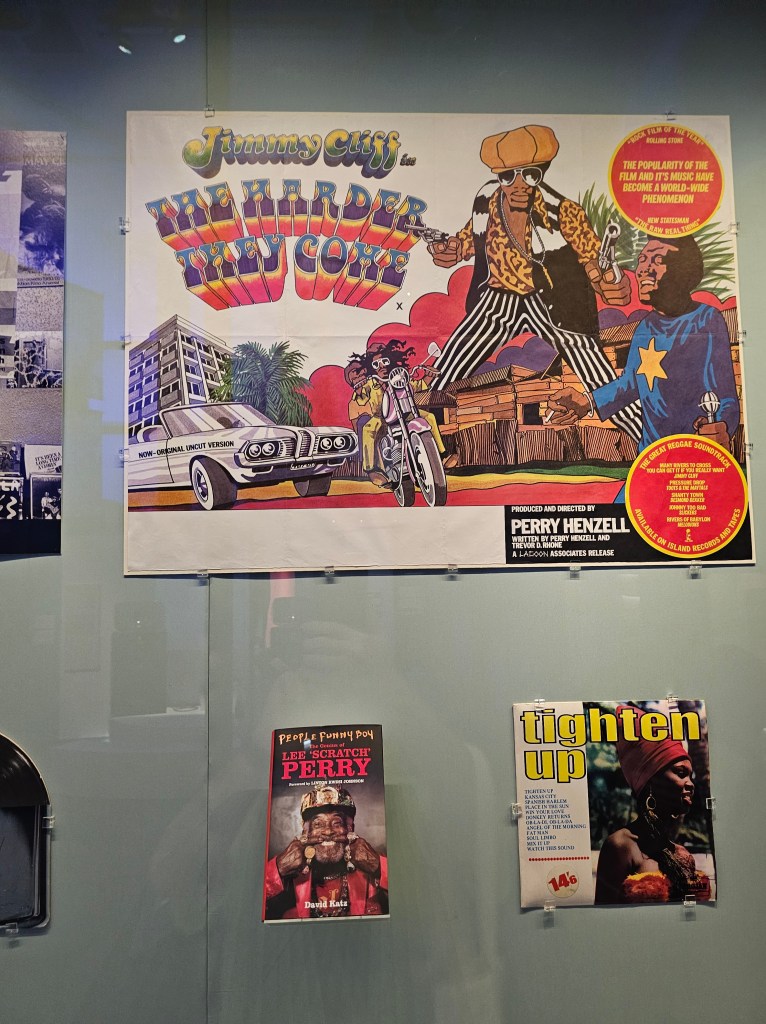
Much of the exhibit, though, focused on the period when Black migration from British colonies brought new sounds, new instruments and new excitement to the music in Great Britain. This led to the Caribbean style carnivals that are now a part of British culture, the success of internationally famous artists like Dame Shirley Bassey (of the “Goldfinger” movie theme fame), and the explosion of Reggae music.

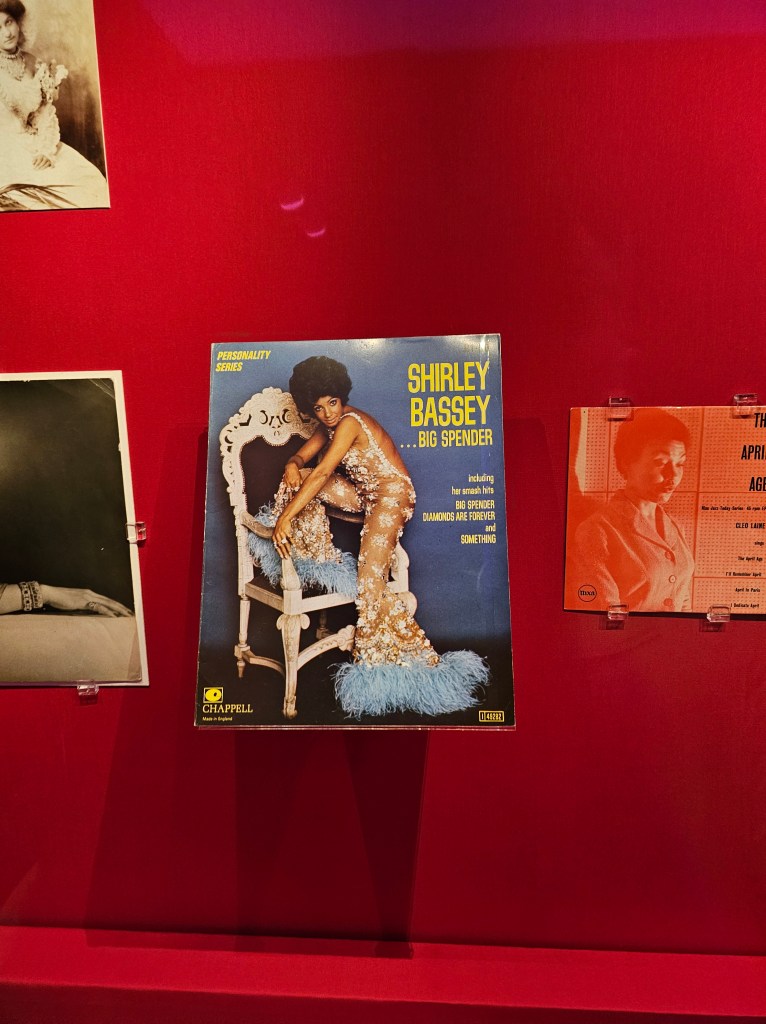

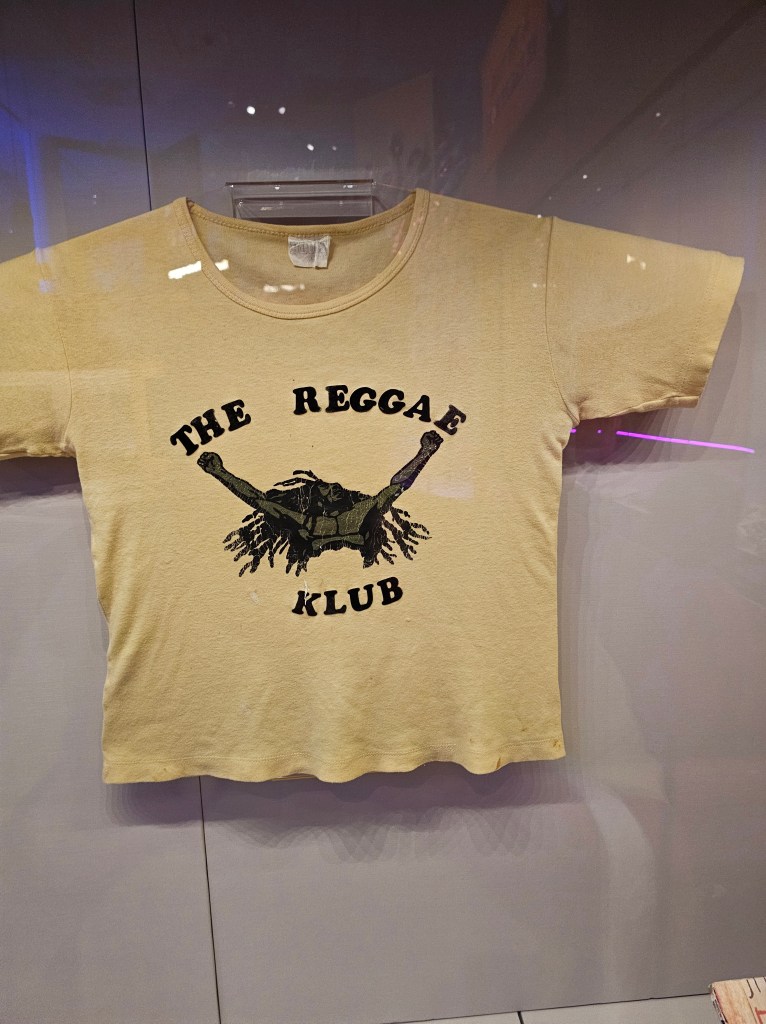

The exhibit also contained many filmed interviews with early Windrush immigrants who were part of the music scene. These were people who considered themselves British, having lived under British rule and law for centuries. Yet, upon arrival in Britain, they were asked if they had been naked before they came and were complimented on how well they spoke English. Music, though, the international language has demonstrated how this migration and immigration has helped diversify the British music world.
The Victoria and Albert
The second exhibit called “Tropical Modernism” was at the V&A. It looks at how British colonialism in Africa and the early years of Ghana’s (formerly known as the British colony of “Gold Coast”) had defined a new kind of architecture that was informed by the climate of West Africa and the traditions of building in the pre-existing culture. The centerpiece of the exhibit was a film about how British architects designed colonial era buildings with an eye toward airflow, screening the sun and heat through lattice-like brick work, and the use of open spaces. As Ghana became the first British African colony to gain independence under revolutionary leader Kwame Nkrumah (1909-1972), as Prime Minister and later, President, new ideas were introduced into Tropical Modernism, largely because of Nkrumah’s insistance that Ghanaian architects lead or have major roles in the design and construction of post-colonial buildings. The end products were exciting and beautiful buildings that often-included elements of well-known western architects like Buckminster Fuller, along with the ideas from Ghanaian architects who introduced local materials and traditional design elements. After Nkrumah’s forced removal from power, a period of turmoil took place, but today Accra, the capital of Ghana, remains an exciting and visually interesting city.
More From the V&A
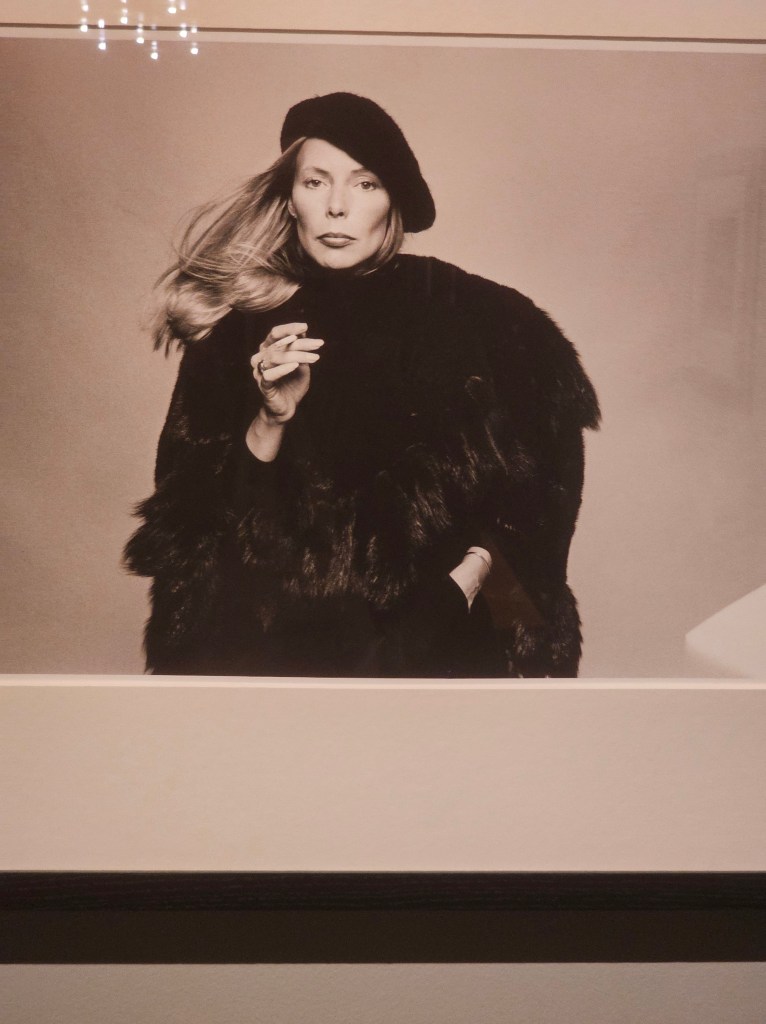
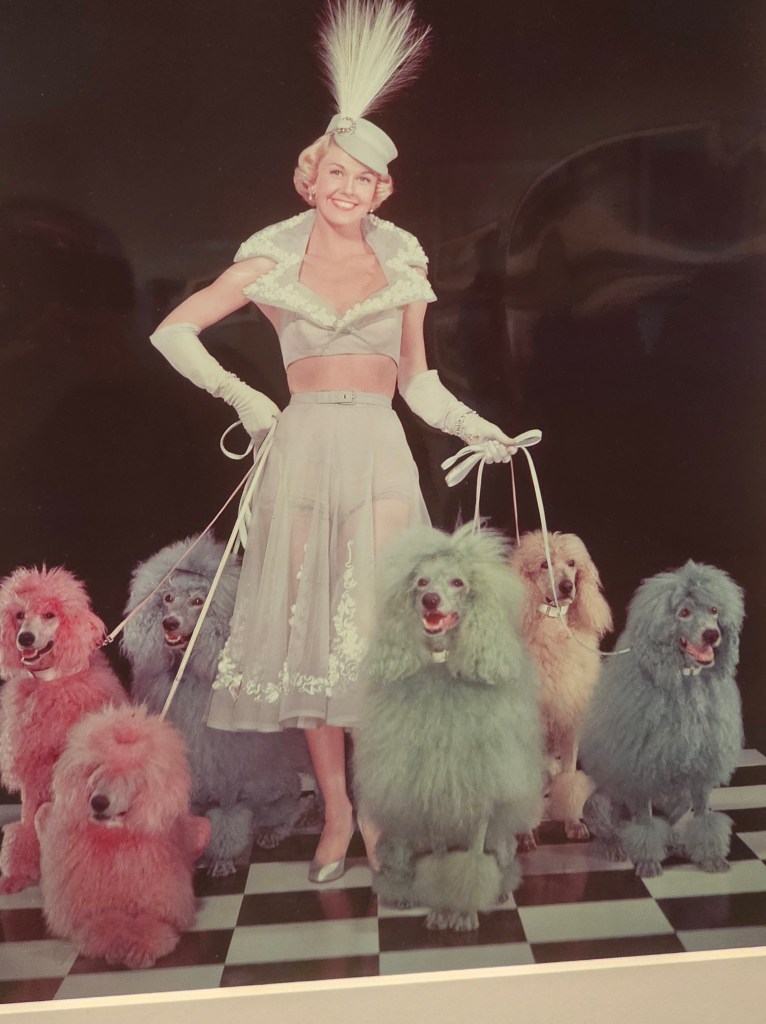
Also, at the V&A was an exhibit of photography called “Fragile Beauty,” from the private collection of Sir Elton John and his husband, David Furnish. The exhibit included beautiful and iconic photos of famous actors and musicians, as well as photos of political figures and events, interspersed with sections of homoerotic photography. I’ve included some highlights from the first two categories. It is particularly amazing that one collection contained the final two pictures below.



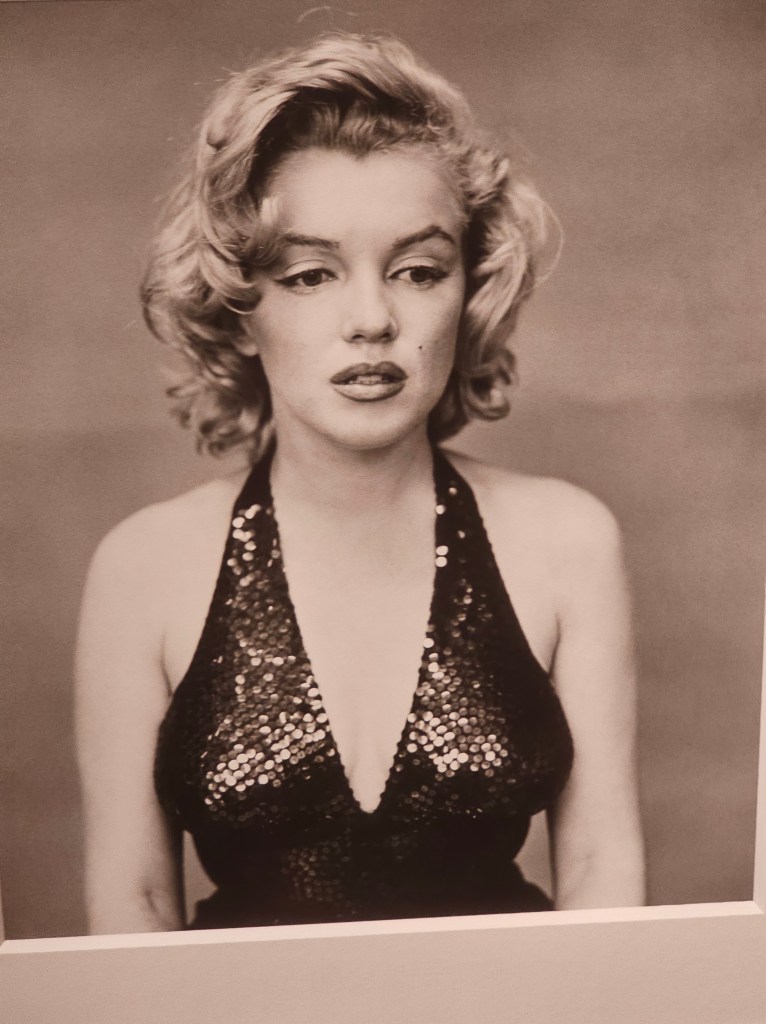

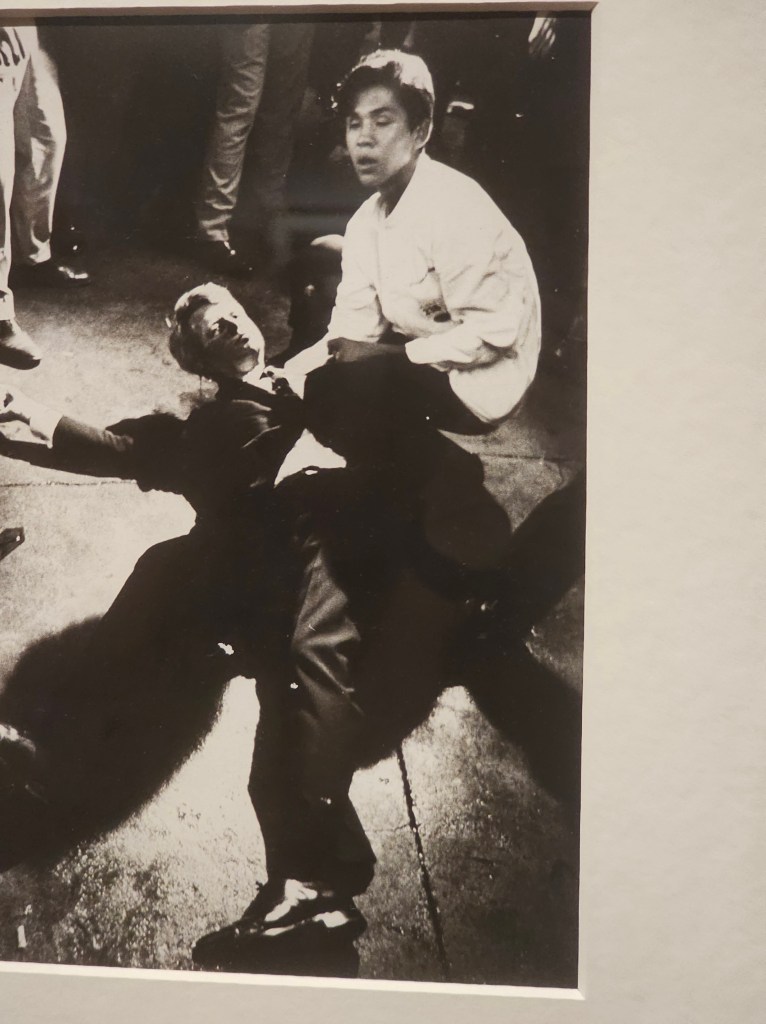
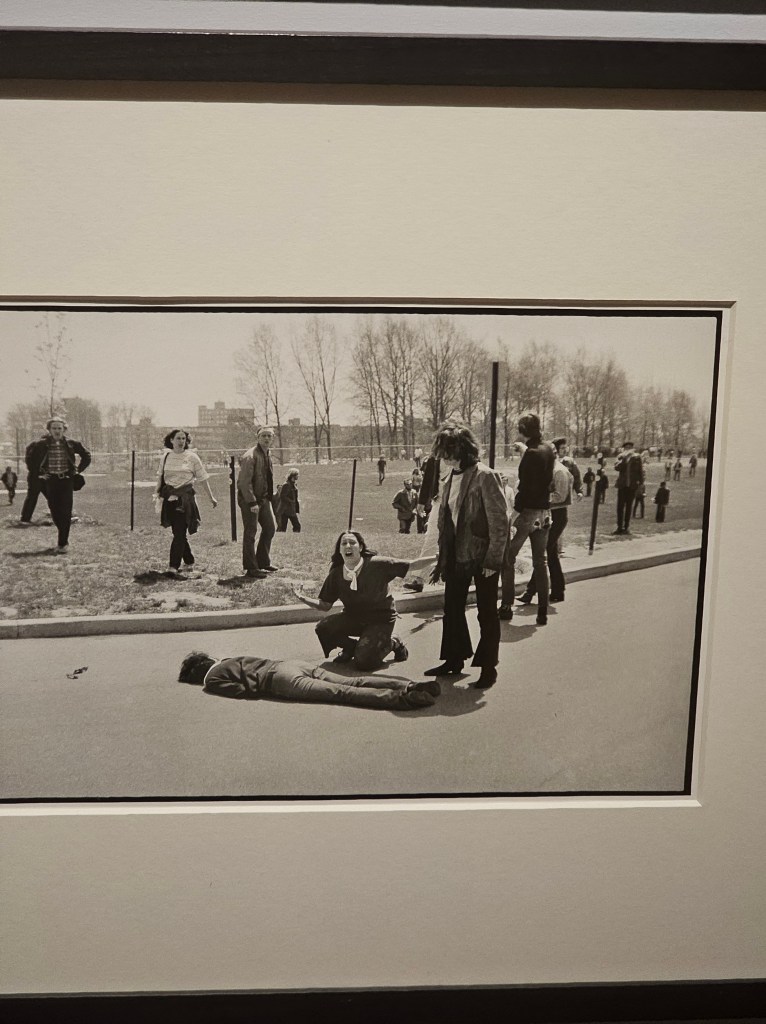
I found the Malcolm X photograph intriguing. As is the case with RFK, one can only wonder how different our world might have been if these two, and Dr. Martin Luther King, who was also included, but whose photo my phone seems to have missed, would have lived. For me, the Kent State picture takes me back to that terrible day in May of 1970 and again, one can only wonder how that event changed America.
I know I shall be returning to the V&A during my 2024 sojourn so there may be more from this great institution.
Skeleton Crew
I love the Donmar Warehouse, a theatre in the Covent Garden neighborhood of London. The theatre is intimate, four rows of seating surround three sides of the stage, with a similar number and configuration of balcony seats. As a venue for new and often “edgy” productions, its staff tends to be young and filled with energy. The plays and actors are usually first rate. “Skeleton Crew” by Dominique Morisseau tells the story of four people working at an unnamed automotive factory at the turn of the second Millenium, a period when the implosion of that industry in and near the city of Detroit, Michigan, was taking place.

The four British actors were amazing and word perfect on the American accents that never missed a beat. Music including, “I Say a Little Prayer for You,” “Angel,” and “Get Dis Money,” added to the atmosphere. The story was a sad and dramatic one with some signs of hope for the characters in their journeys through life. We are now far enough removed from those tragic days of rattling “K Cars” and the near collapse of the cities like Detroit and Dearborn, that this reminder of how corporate greed and union denial destroyed the futures of thousands of Americans. Bravo to the cast and crew of this production.
 Mark In London
Don’t know if you stream in Britbox but loved the new series, Three little birds.
Thank you for the messages. I enjoy reading them. Hope you are having a fabulous time in London.
Sent from my iPhone
LikeLike