Tag: history

Last Things and Things that Last

Last Visit to Wigmore Hall

It was another drizzling Monday in London and it was the day of the last Wigmore Hall Monday Afternooon concert I would see this year. It was a great one! Pianist Alexandre Tharaud played Mozart’s Piano Concerto in A. He then went on to play improvisations on songs by Piaf (Poulenc’s Homage), Jaques Brel (“Don’t Leave Me,” made popular by Rod McKuen as “If You Go Away”), Pesson abd Trenet. Theraud played brilliantly and even teased and joked with the BBC Radio 3 presenter. It was an uplifting and joyful experience.

A New Exhibit and an Unplanned Tour of the Wiener Holocaust Museum

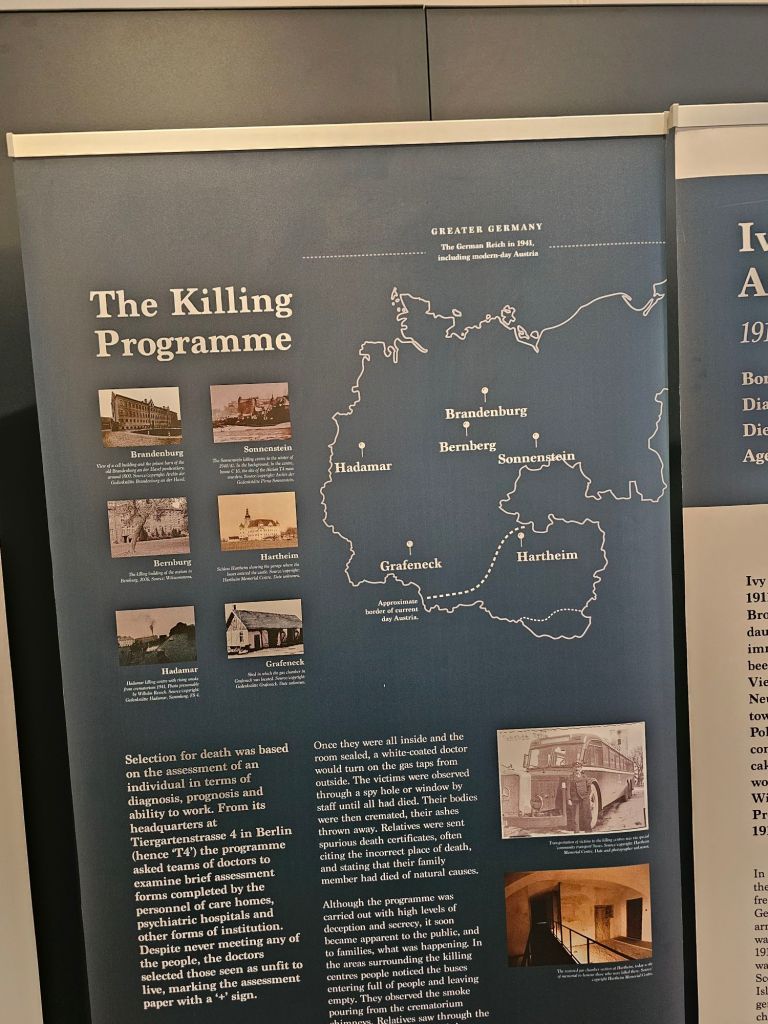
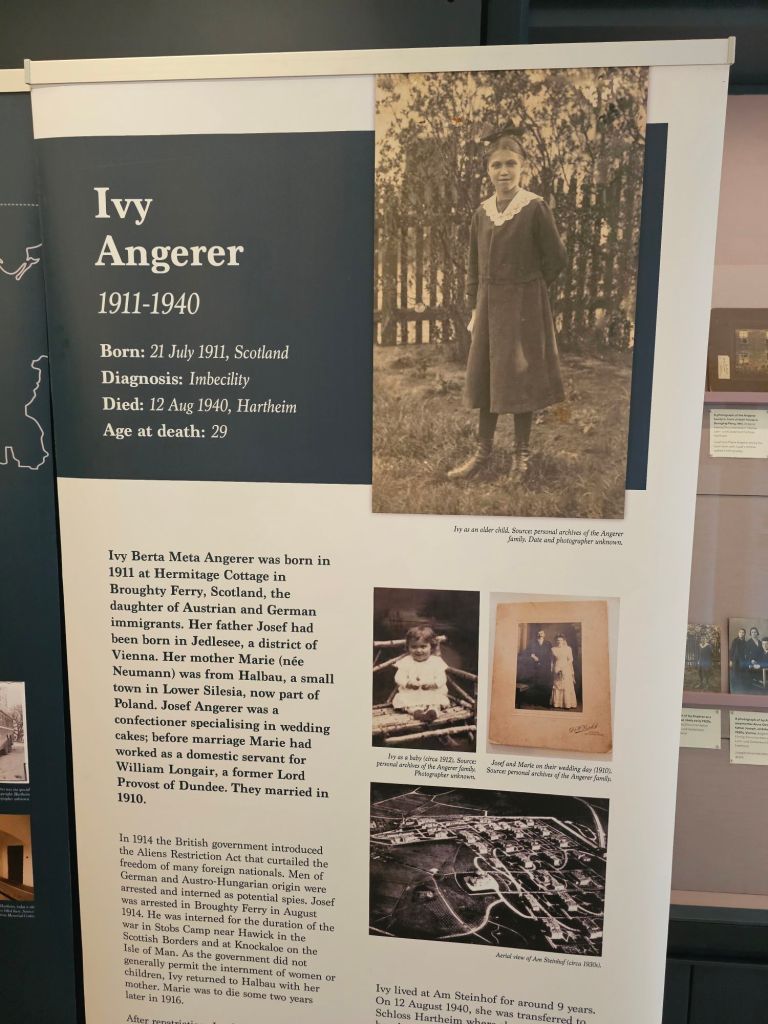
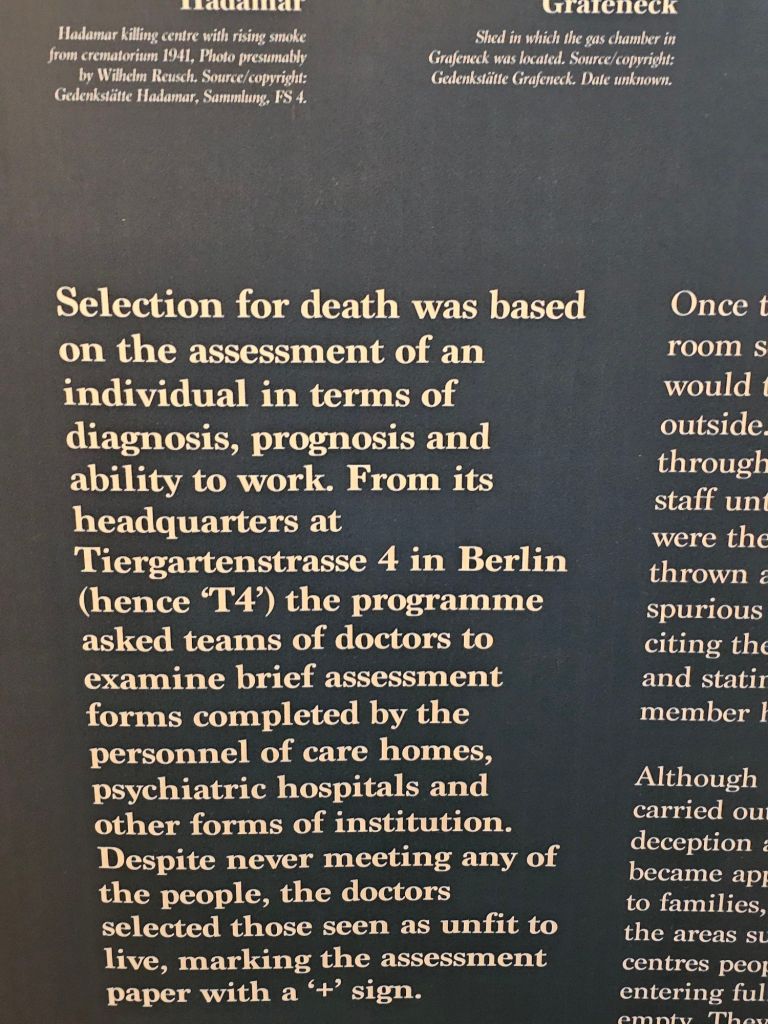
I had looked forward to seeing the new exhibit at the Wiener Holocaust Library on Russell Square. The Exhibit is called “Finding Ivy-A Life Worth Living (The Story of British-born Victims of the Nazis’ T4 Programme). ‘Aktion’ or Aktion T4, as it was known after the war was a Nazi program in Germany and Austria from 1940-41 which killed some 70,000 adults with mental or physical disabilities, living in institutions. It was deemed so horrible that the Nazis were forced to stop it. The exhibit focuses on several British-born people caught in the horror.

The exhibit was difficult to view, heartbreaking and sad. But, as all the Wiener Library exhibits do, it reminds the visitor why we must never let such a regime into power. Never Again!

Unexpectedly, for me, the Library was offering free tours of the entire facility. One normally only sees the large double room in the front on the ground (first) floor where the exhibits are shown. We saw the “book store,” the basement floor containing an incredible number of books, newpapers, physical objects that the library owns and we heard the story of Dr. Albert Wiener who started the collection in the Netherlands after the Nazis took power in Germany and managed to get it shipped to London before they took the Netherlands. While he escaped to London, he could not arrange visas for his wife and three daughters. He did manage to get them false Paraguayan passports which saved them from the gas chambers, but did not stop them from being put into a camp for foreigners, once the war started in ernest. The four women survived the camps and did manage to be included in a prisoner exchange. Sadly, Mrs. Wiener had been very ill in the camp, giving all of her rations to her daughters. She died before reaching England. Their daughters did survive and join their father.

Among other exhibits we were shown during the tour were the tragic last message from a German nurse who had escaped to England and her family in Germany. We also had the opportunity to hold in our hands one of the horrendous yellow Star of David badges all Jews were forced to wear.

We also saw the research library where people with family members in Germany and Austria who were killed in the Holocaust can do research along with students and scholars from around the world. In addition, much of the collection has been digitzed and can be accessed on line.

Visiting a House that Preserves a Time Gone By
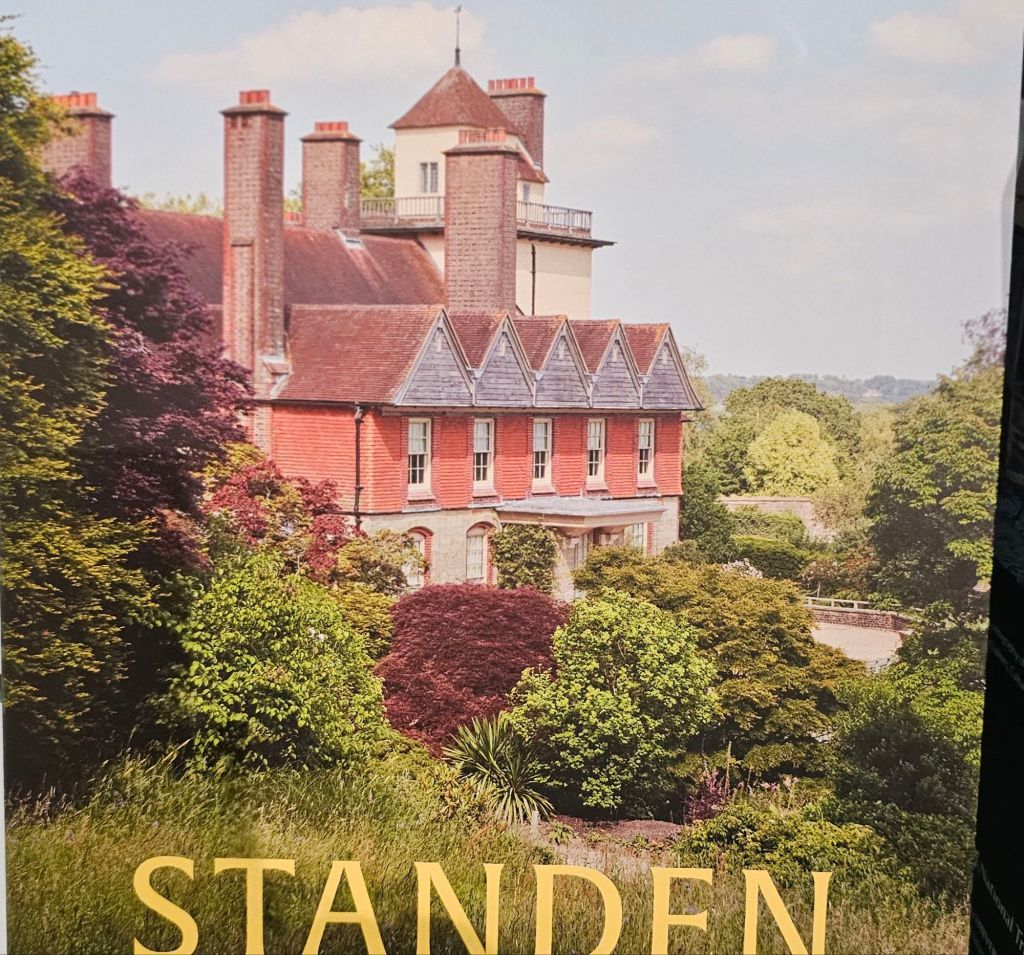
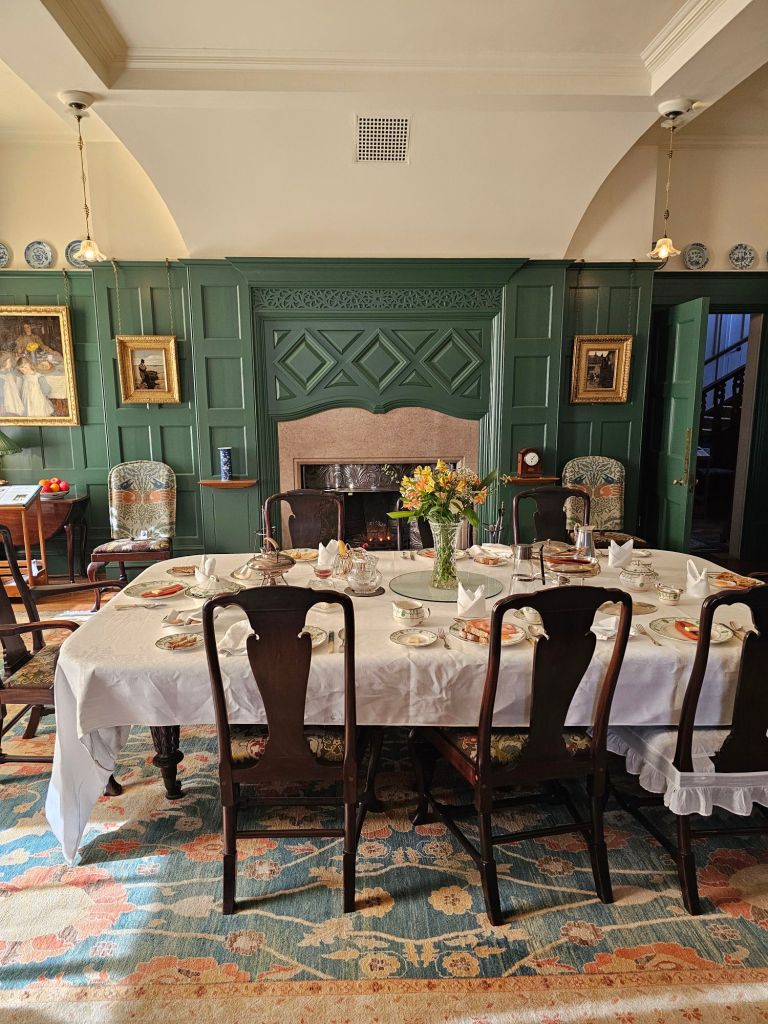
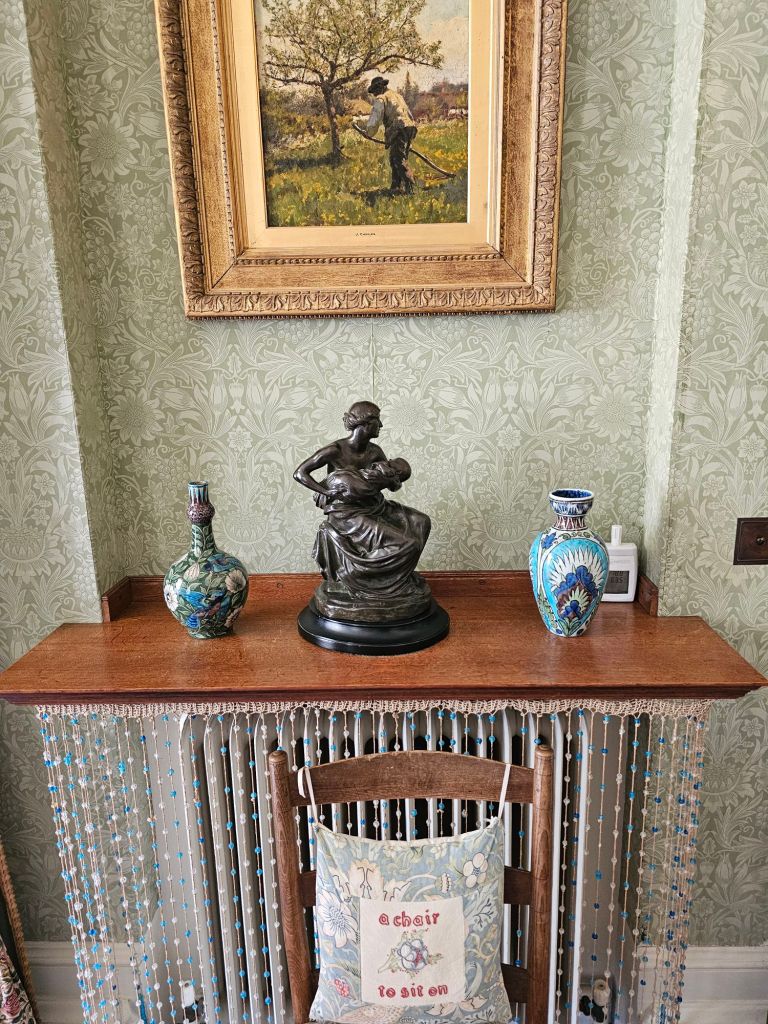
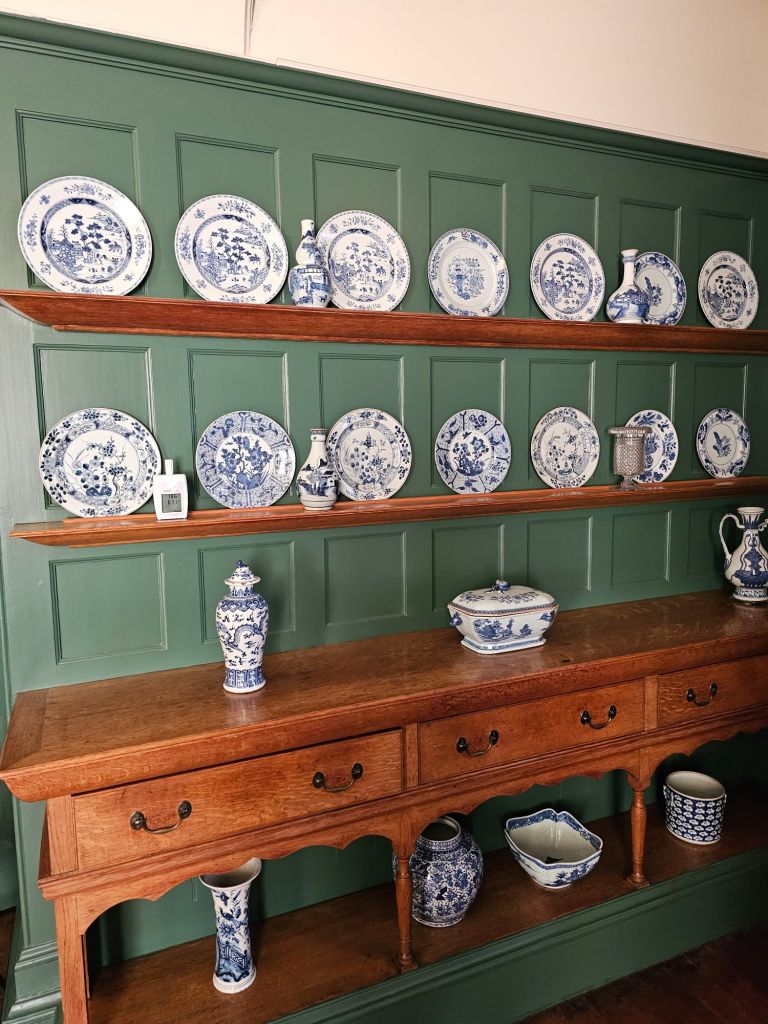
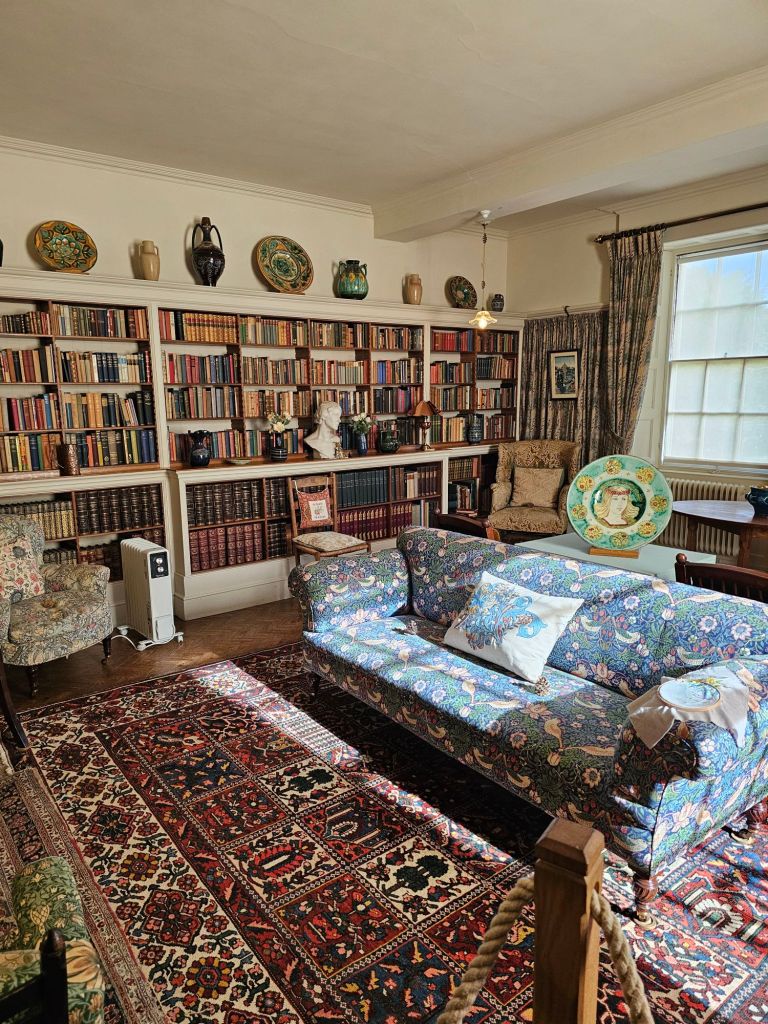
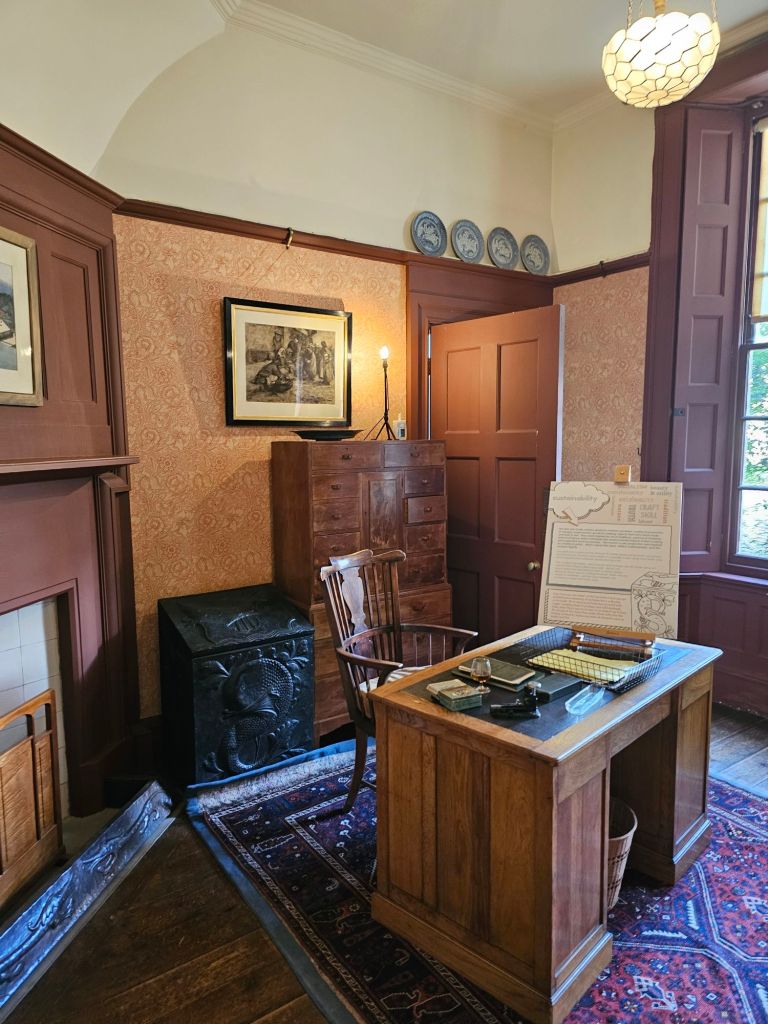
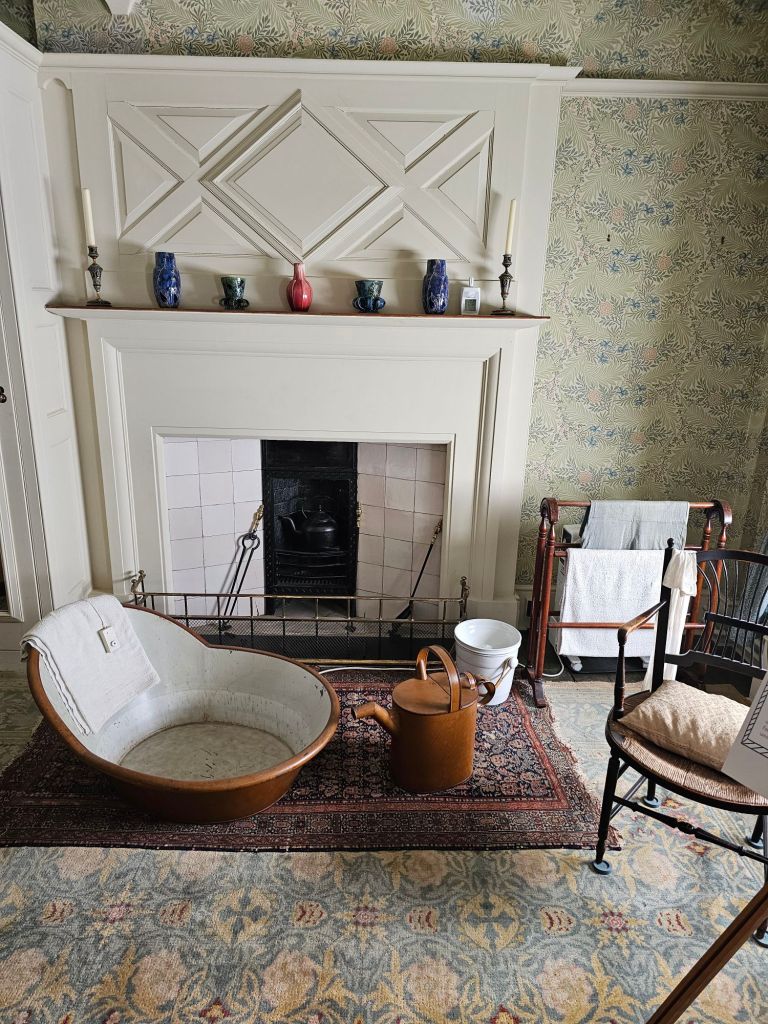
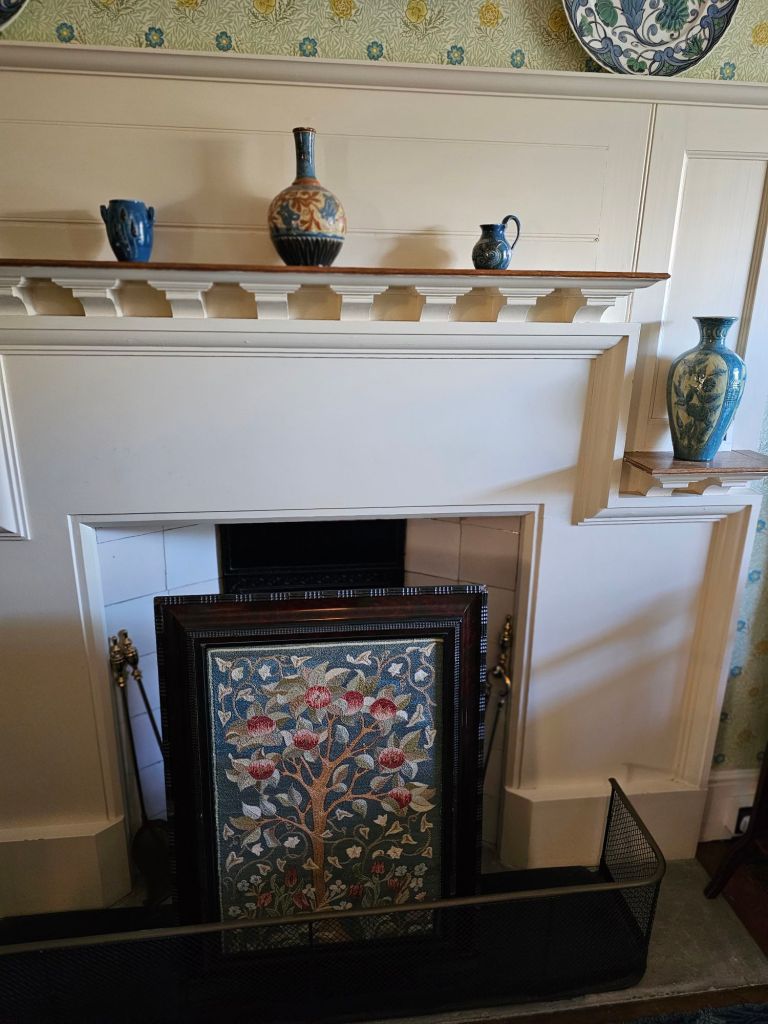
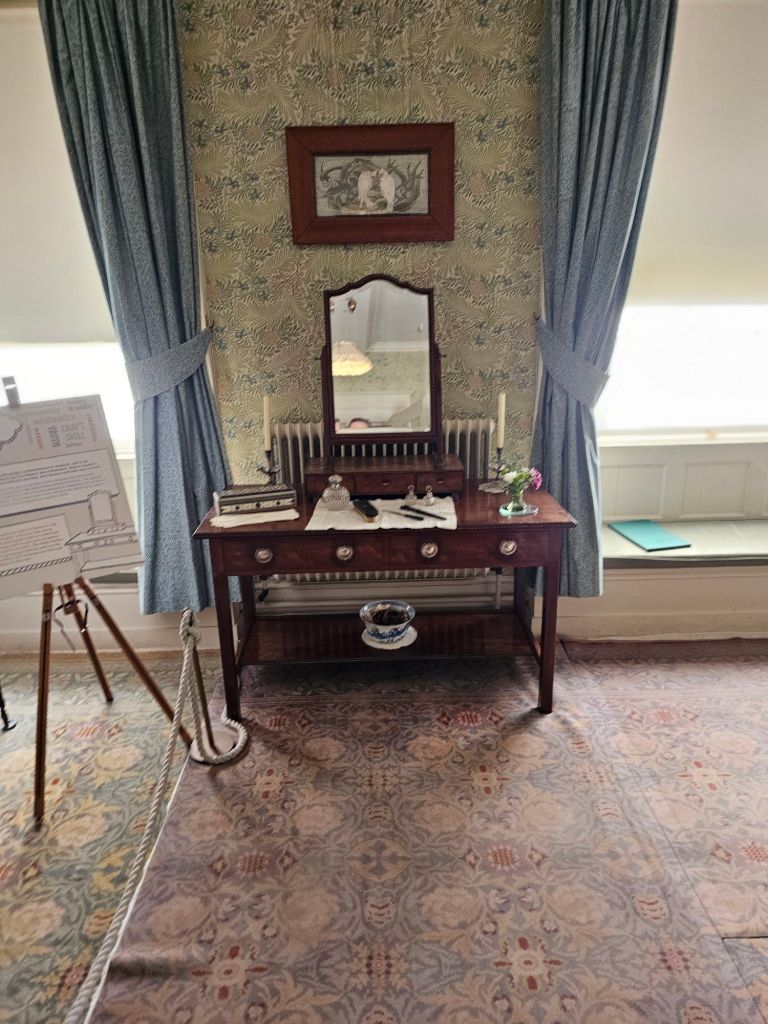
Standen is an Arts and Crafts style country house in East Grinstead, Sussex England. I met my friends Nigel and Gwynne Grant at the East Grinstead Train Station and we made our way the short distance to Standen and its extensive gardens. Arts and Crafts was a style greatly influenced by the designer William Morris.
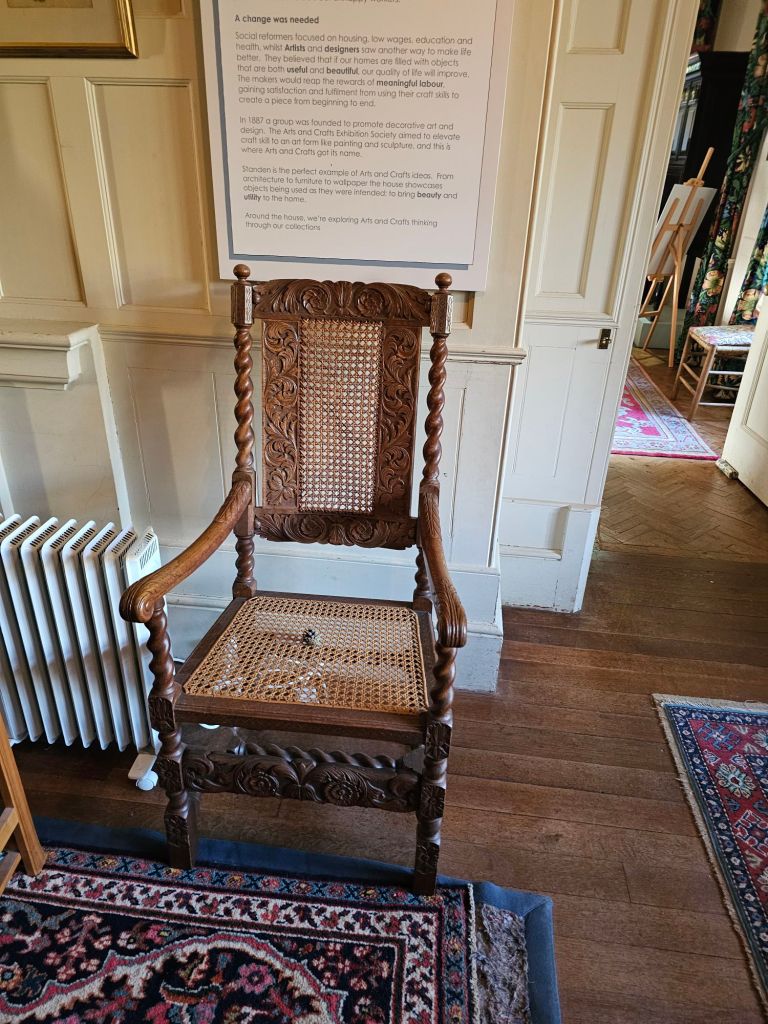
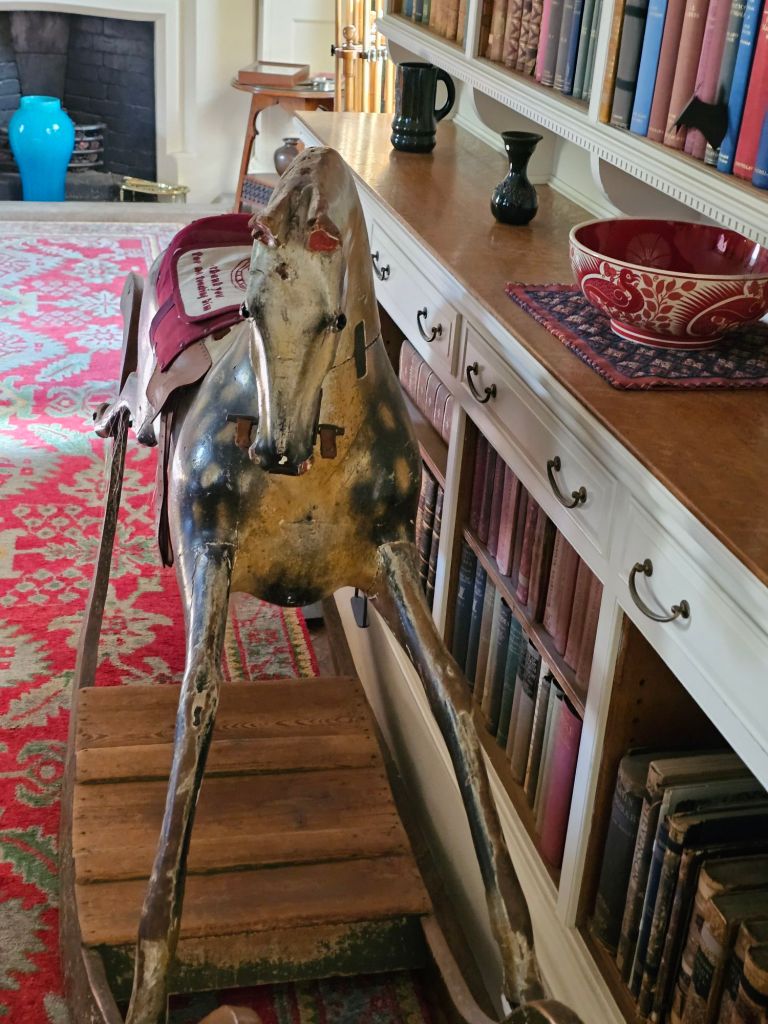
As you can see, the furniture. wall coverings, and objets d’art are exquisite and preserved beautifully.

While it was past the prime viewing season for the gardens, they still were lovely.

Well, this leaves me with one week to go. I still have a few interesting adventures.

Above, Nigel and me standing in the Standen garden. Photo by Gwynne.

Here, There, And Everywhere-Museums, Public Art, Trees

Public Art

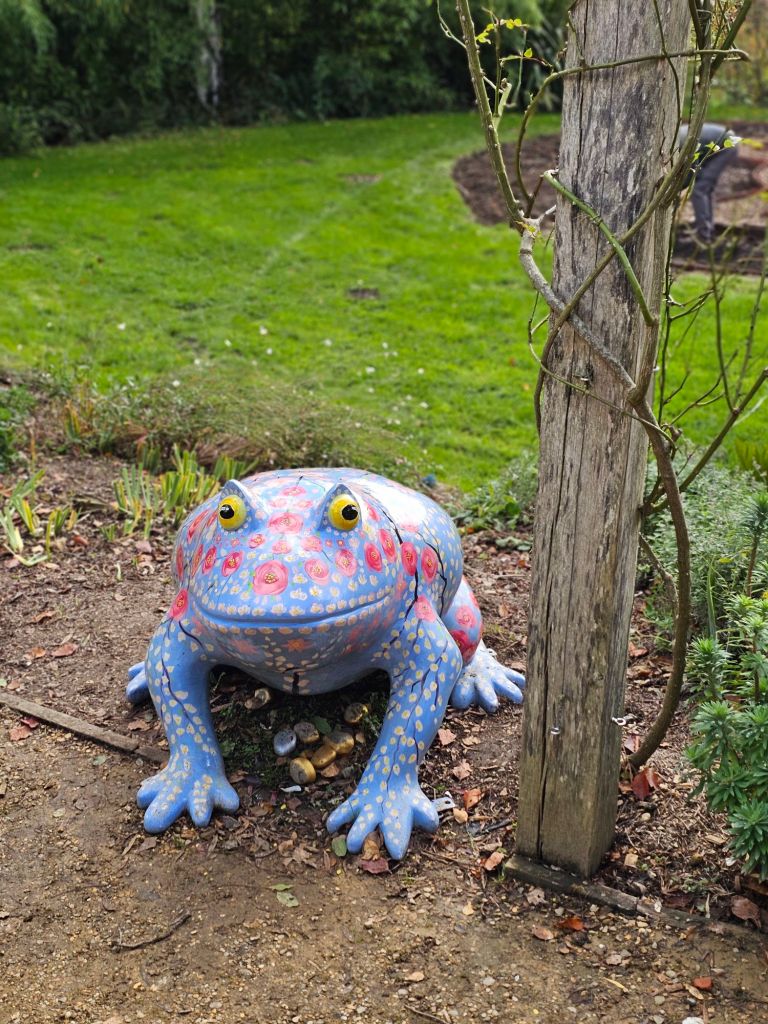
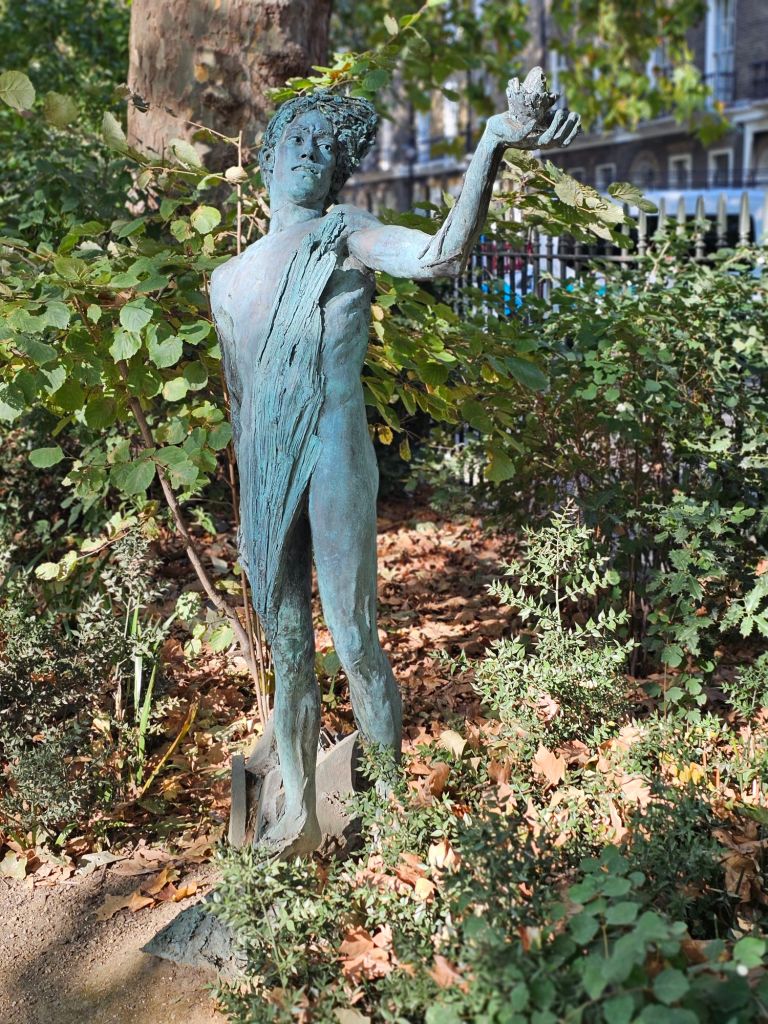
It was a quiet day and I was just out walking to get my steps in. In the course of my walk, I ventured onto the campus of University College London (UCL) and found these two sculptures.

The first is Thiruvalluvar, a Tamil Poet and Philosopher. The second is “The Green Man,” a figure from British folklore.

Tree Talk

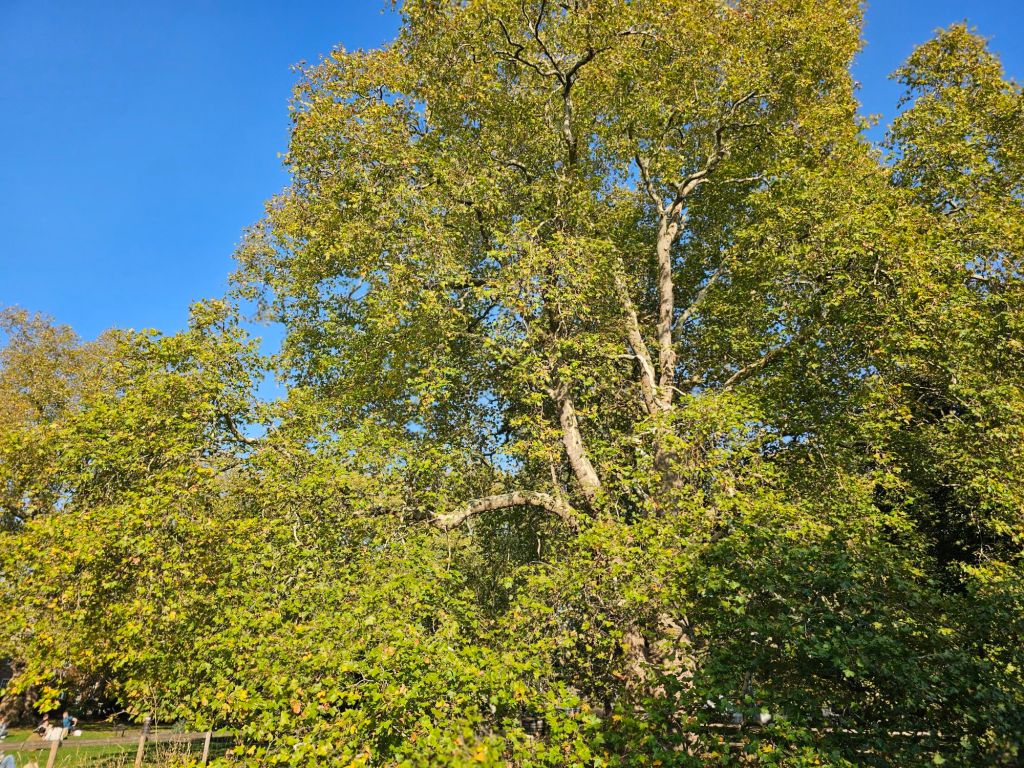
I can never pass the The Brunswick Plane Tree (aka, the Great Plane of Brunswick Square) with stopping to admire it and to stand in awe of this great tree which dates back, at least as far as 1796.

These photos do not do it justice, but if you are ever near Brunswick Square in Bloomsbury London, stop and visit.

Back at the National Portrait Gallery

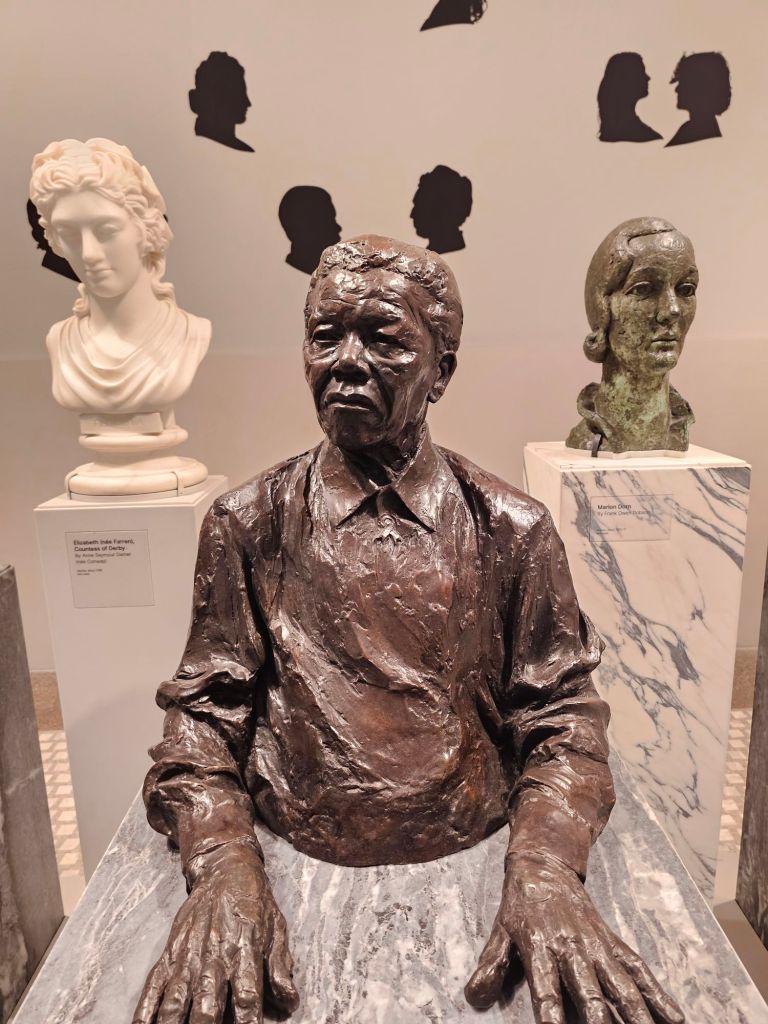
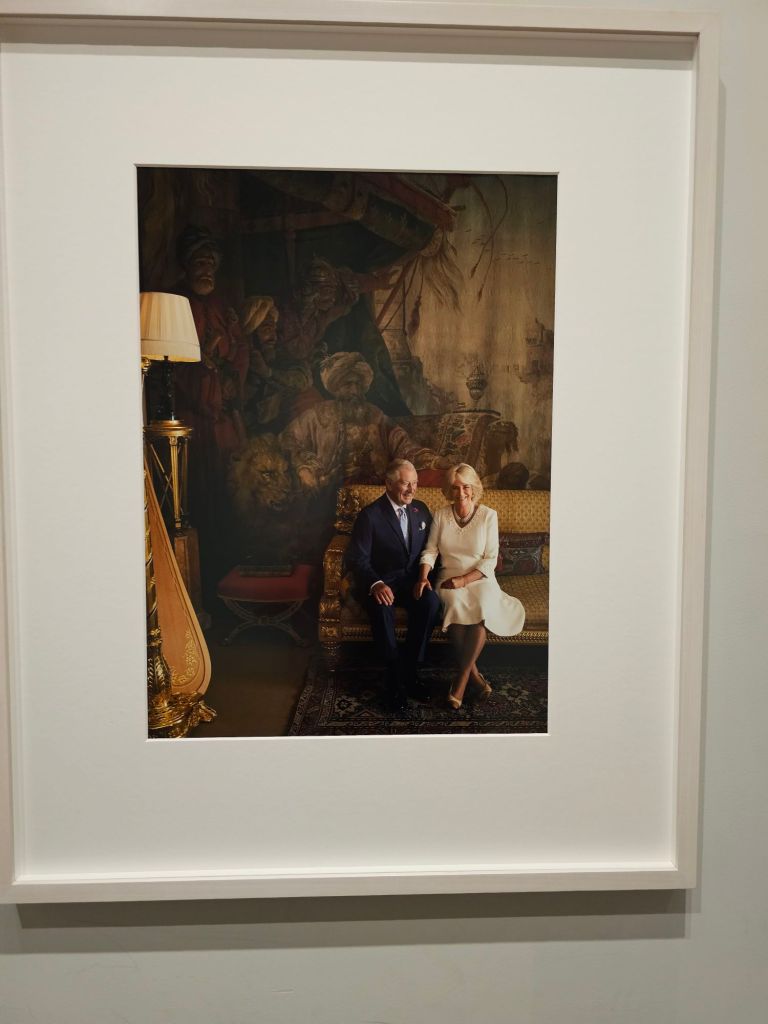
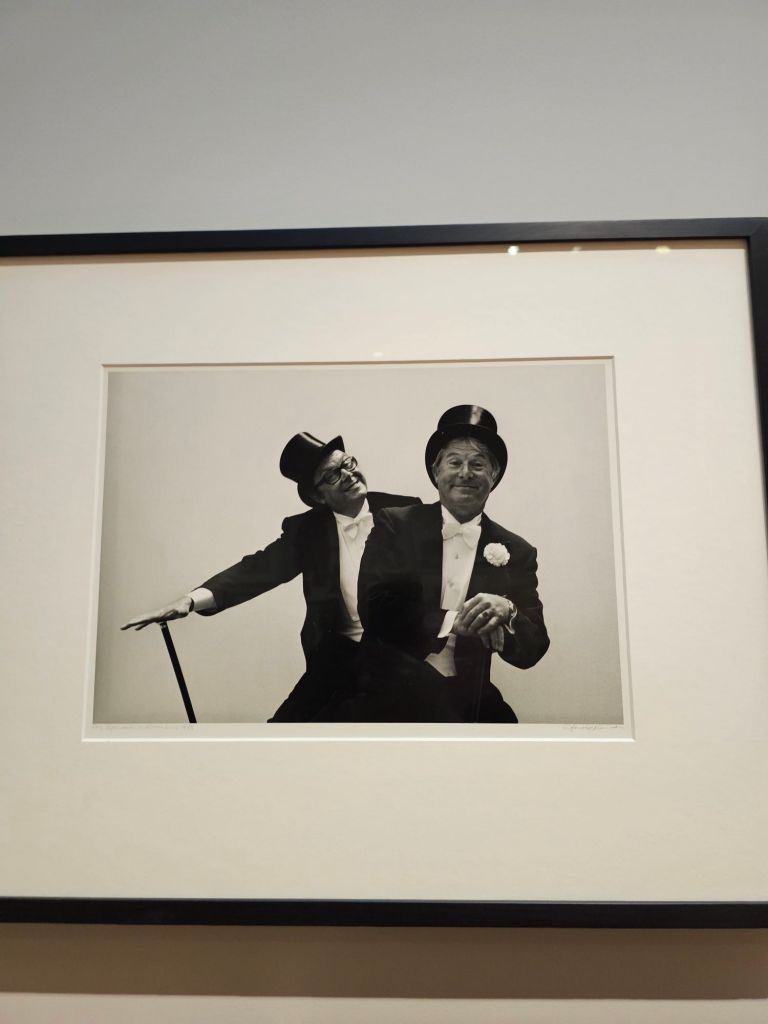
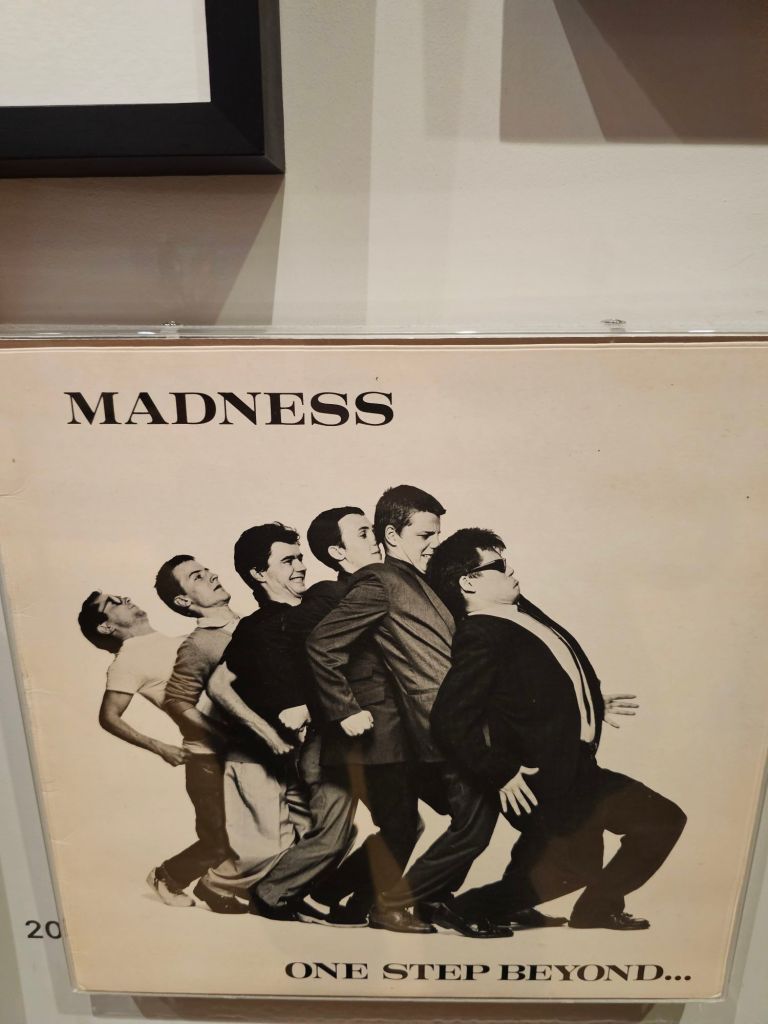
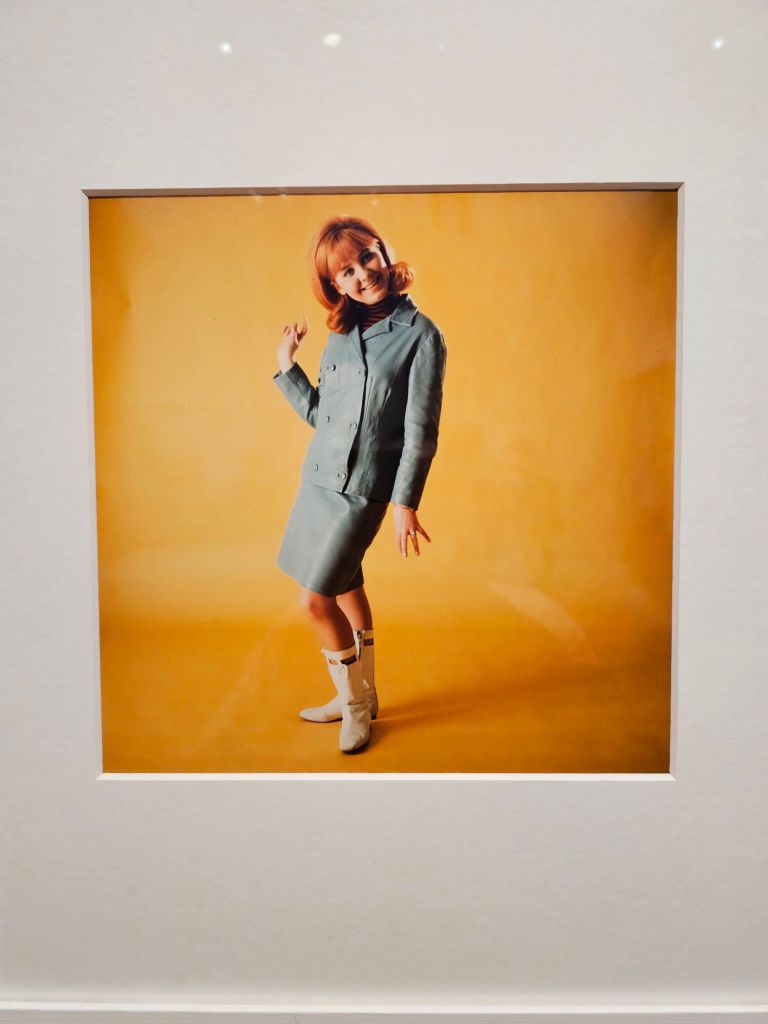
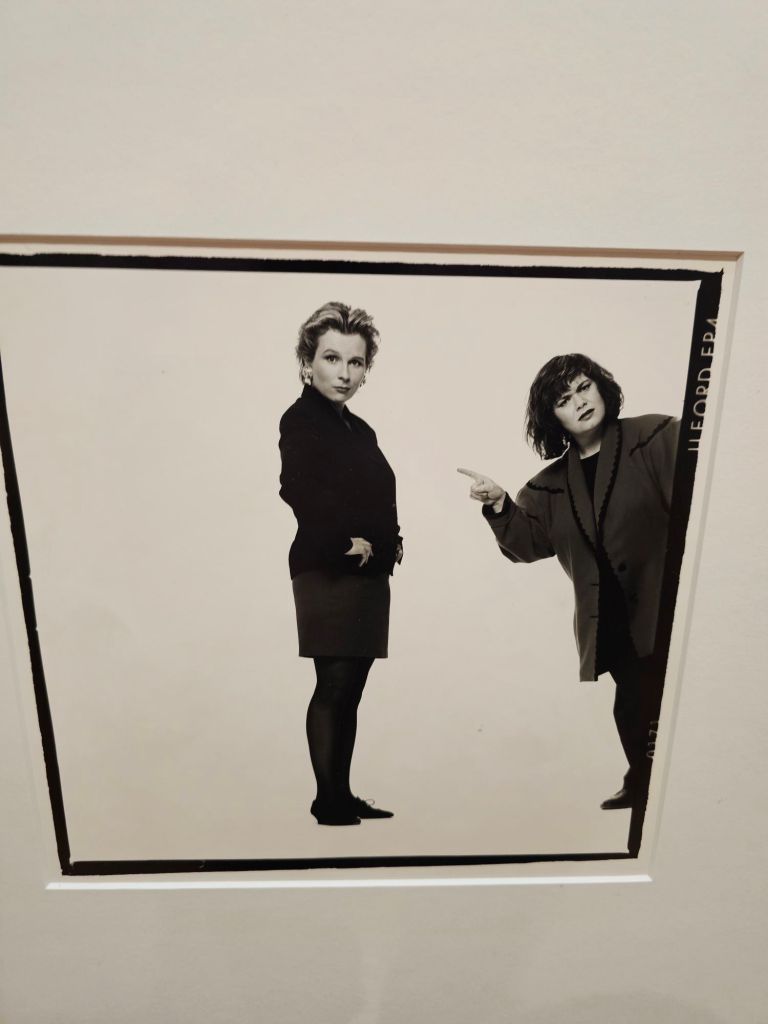
On another day where my scheduled day did not go to plan, I decided to hop on the Picadilly Line and begin my farewell tour of favorite places. First Stop, the National Portrait Gallery. OK, I admit it, I’m still looking for them to install an individual portrait of Queen Camilla, the Queen Consort. I took a few photos of some of the pieces I really like.

Lee Miller Exhibit at the Tate Britain

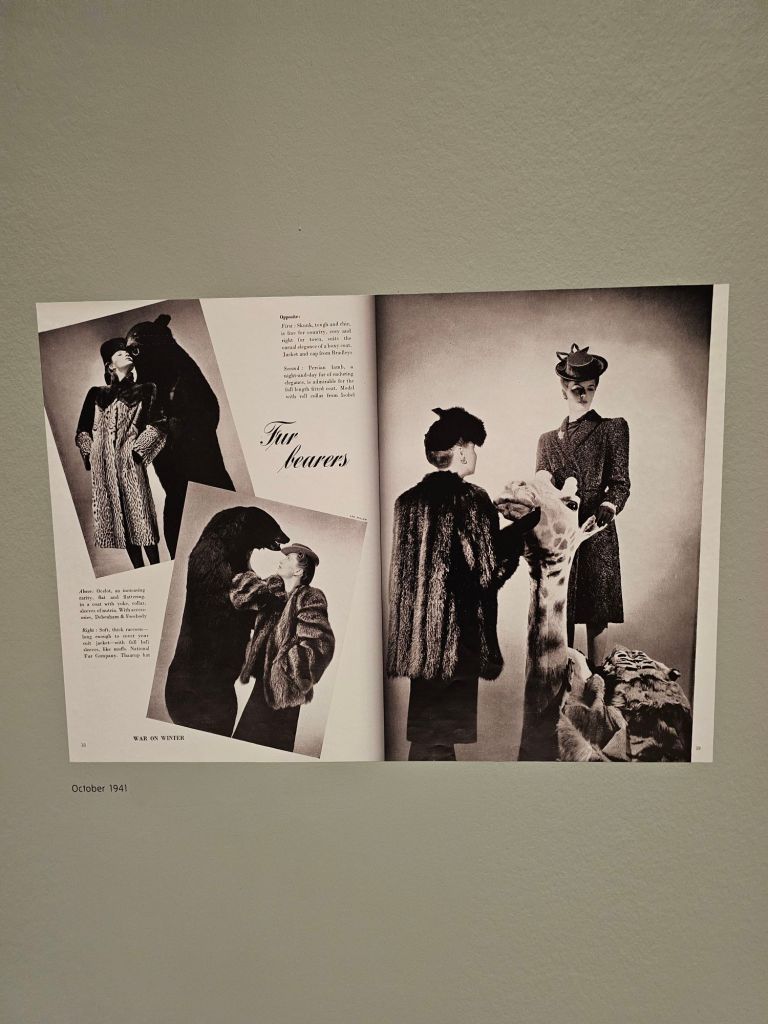
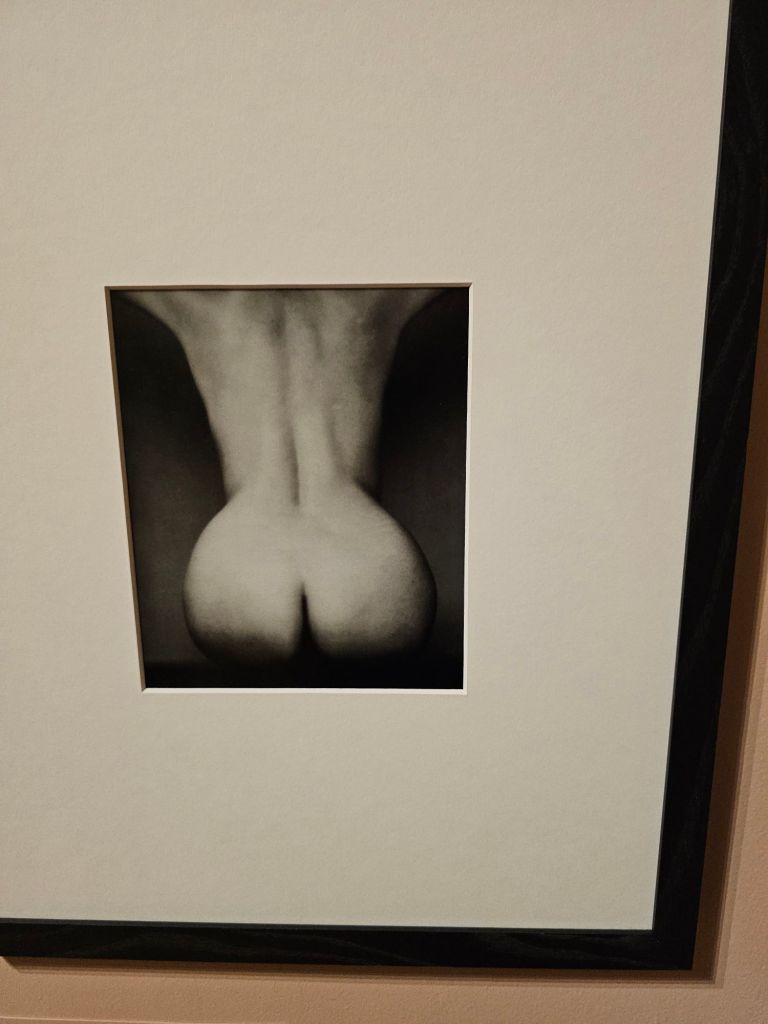
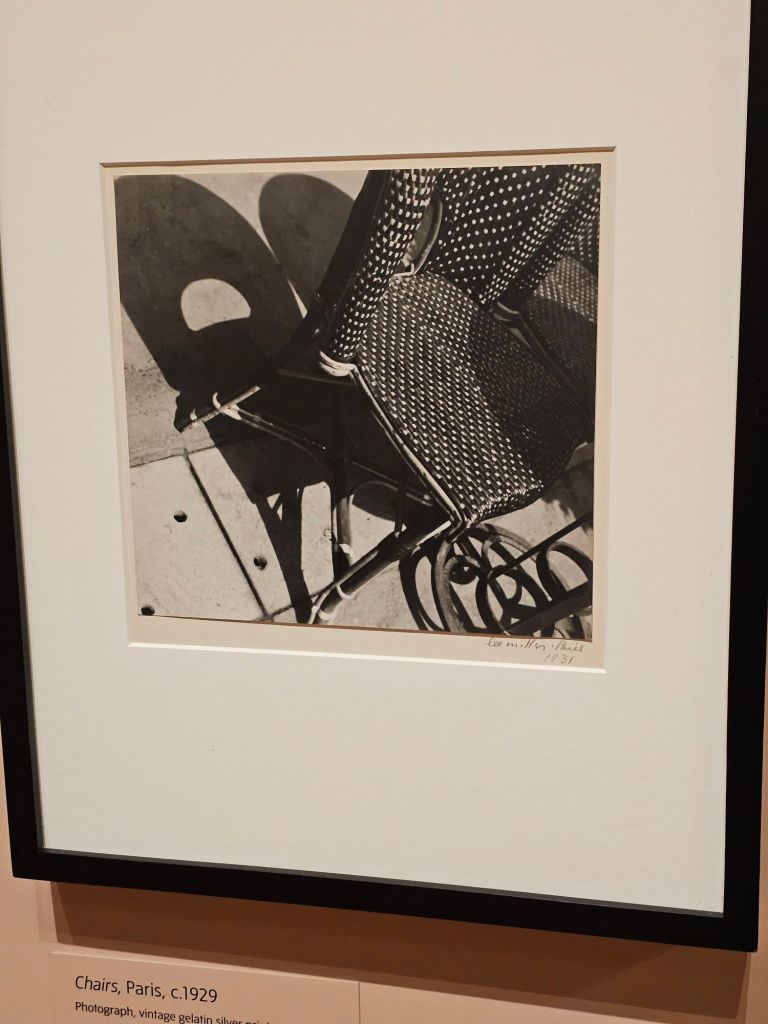
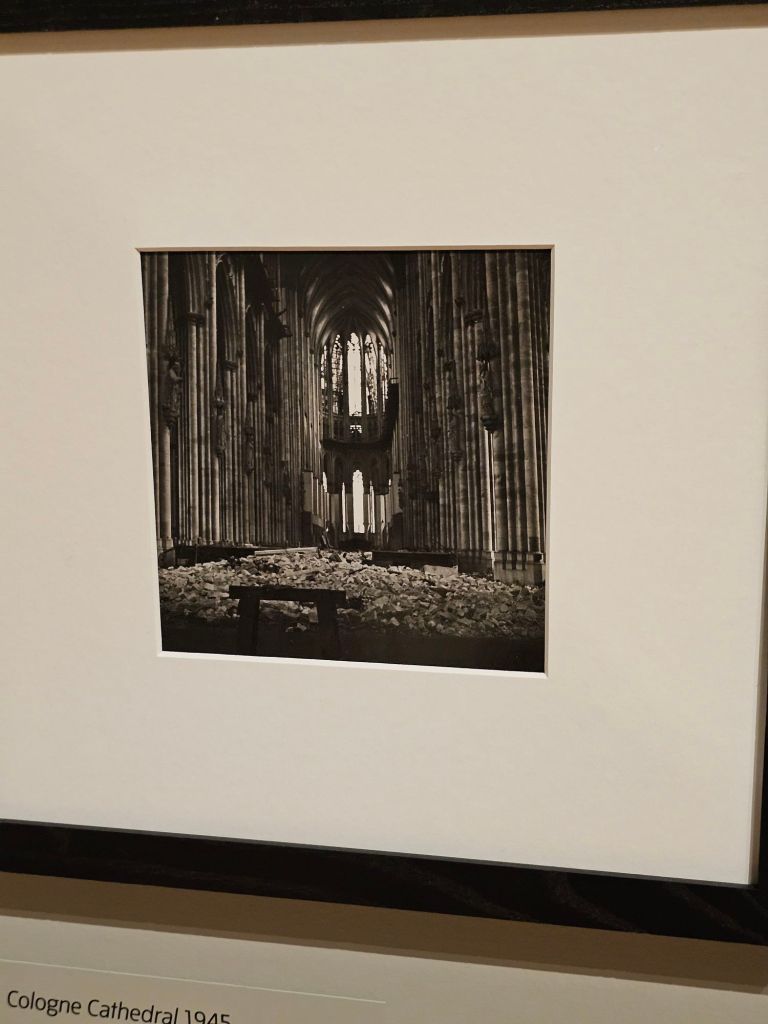
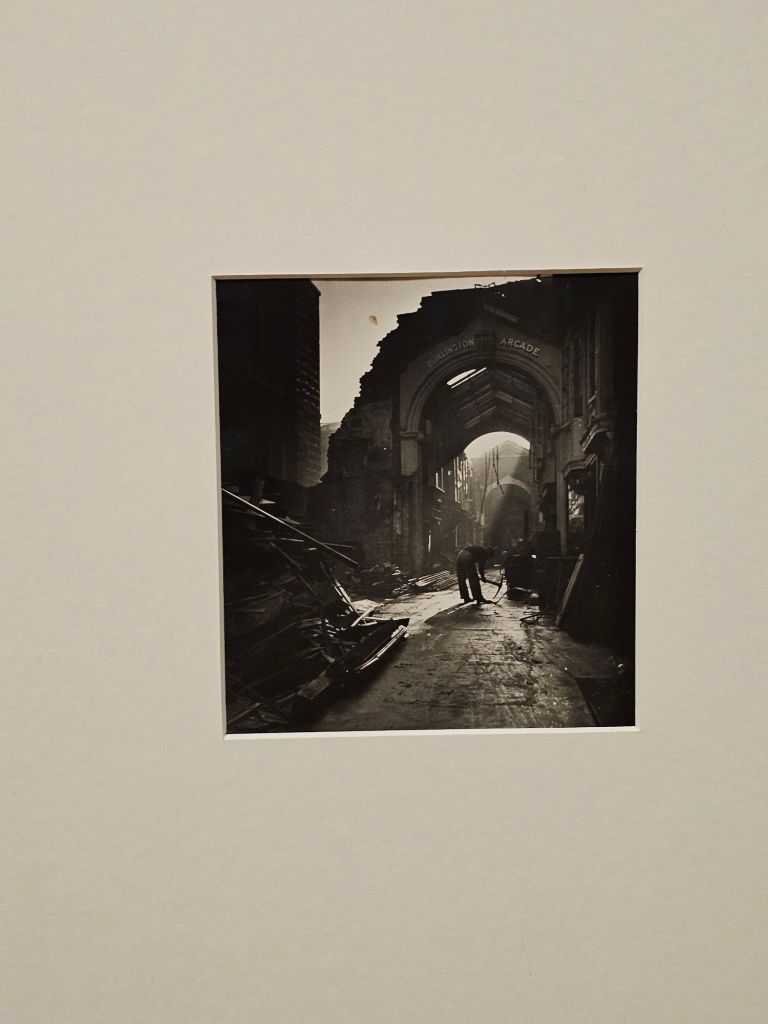
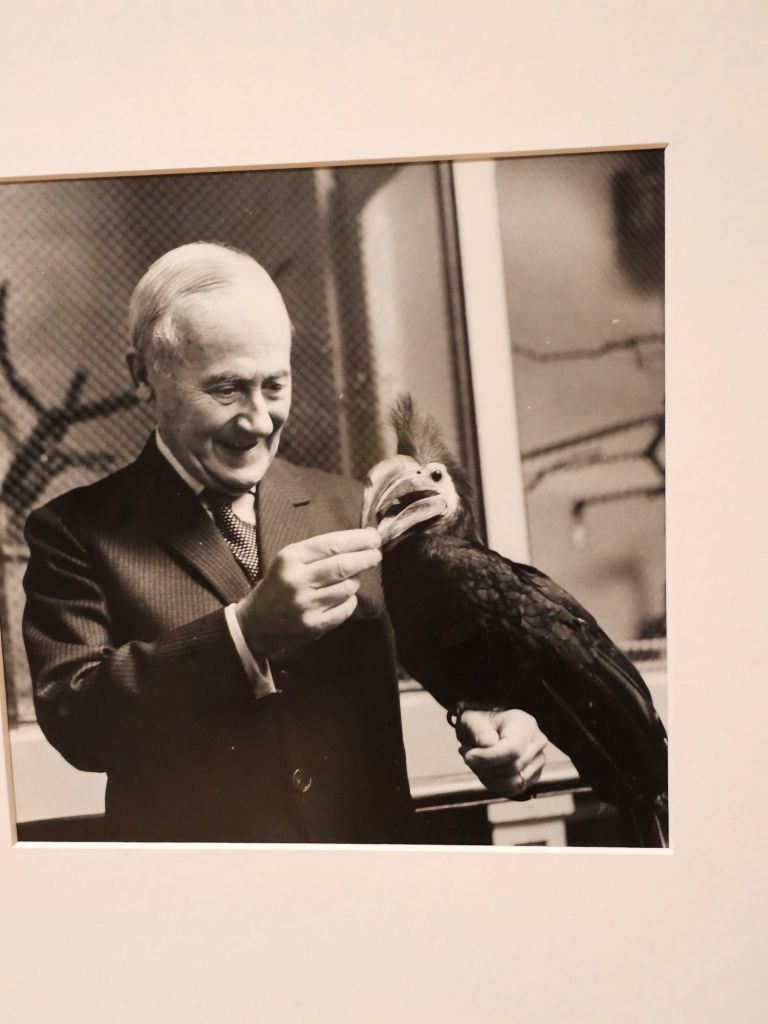
My dear friends Nigel and Gwynne came up from Kent and we agreed to meet at the Tate. Unfortunately, they went to the Tate Britain and I went across the river to the Tate Modern! After a bit of travel on my part, we met up for the Lee Miller exhibit at the Tate Britain. Lee Miller (1907-1977) started out as a fashion model. She moved to Paris and became a fashion and fine art photographer who took some stark pictures of the aftermath of World War II.

Fashion

Moving into Fine Art

The War

Famous Friends

Lee Milller’s career was prolific. Her photos are quite memorable. See this exhibit if it comes to a museum near you.

Extra Photos from my Uber Ride

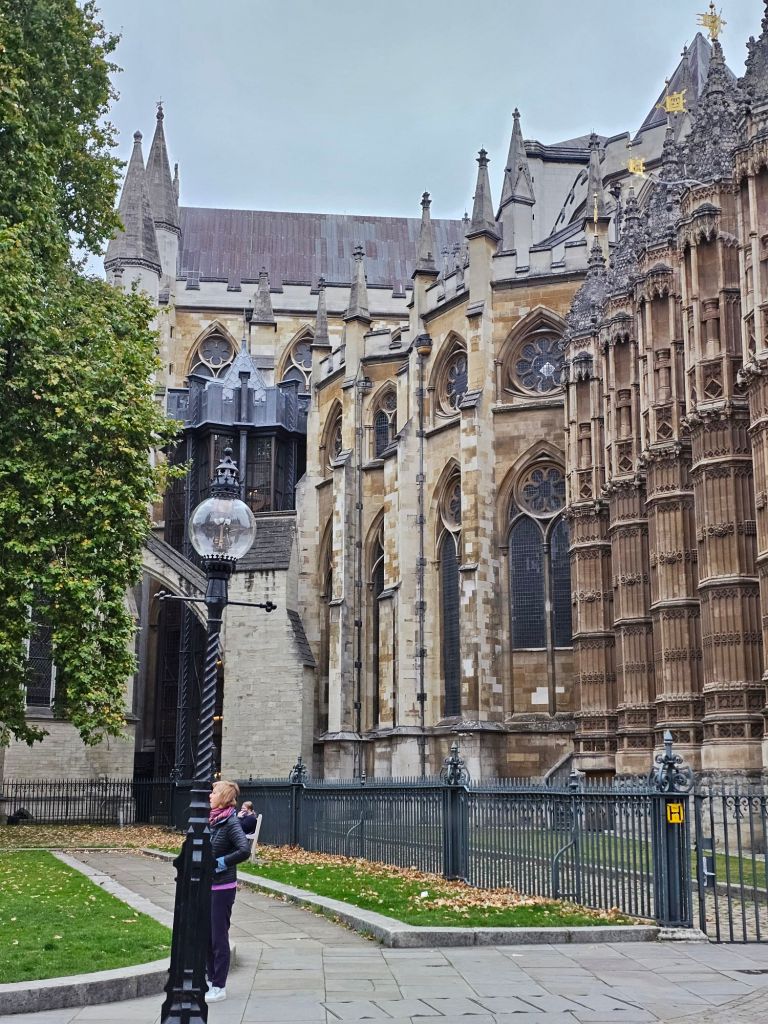
As we drove through Westminster, we were stopped at a traffic light. Here are two partial views of Westminster Abbey.

Thanks for stopping by.

Alms Houses and More Music at Wigmore Hall

Museum of the Home

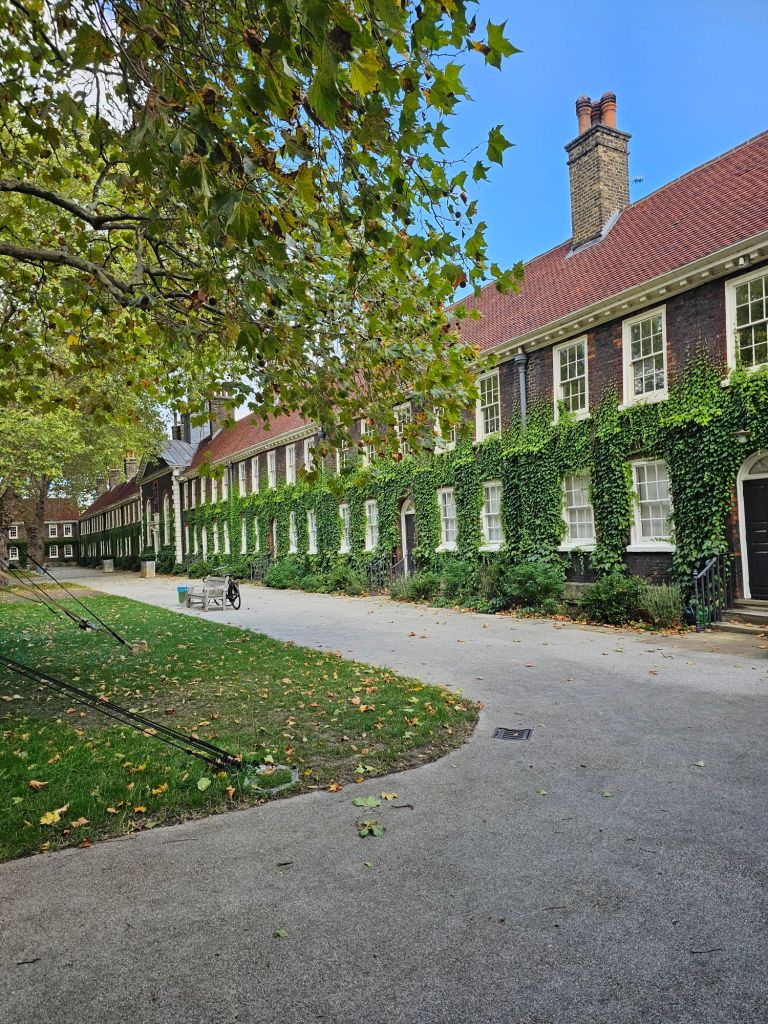
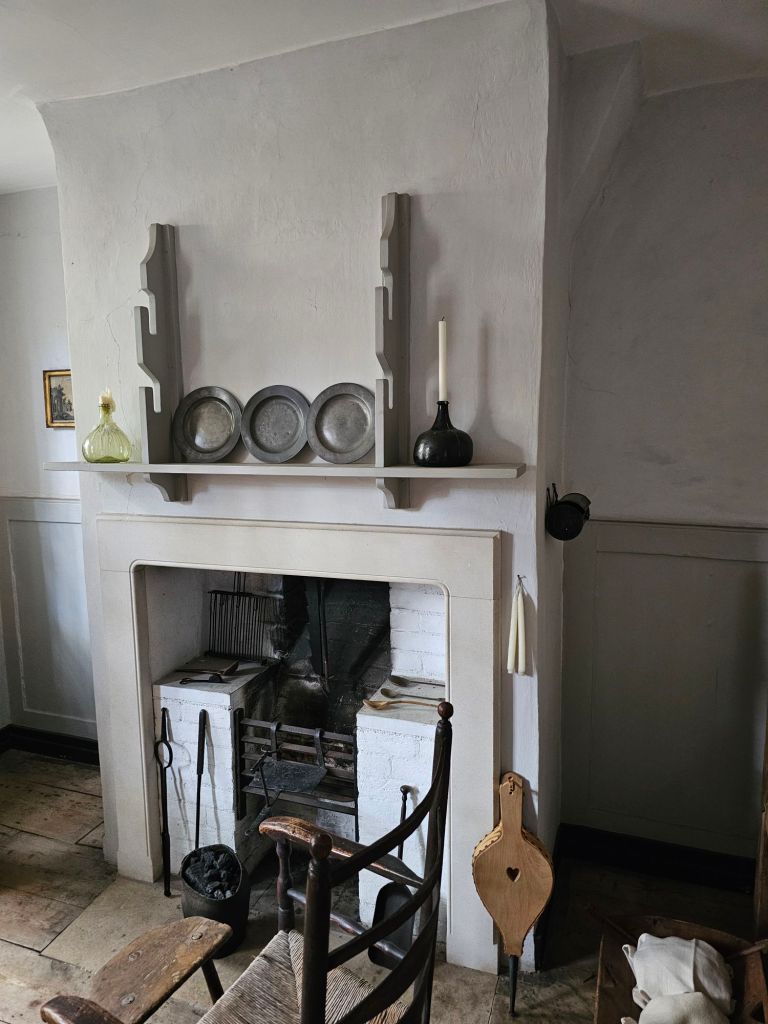
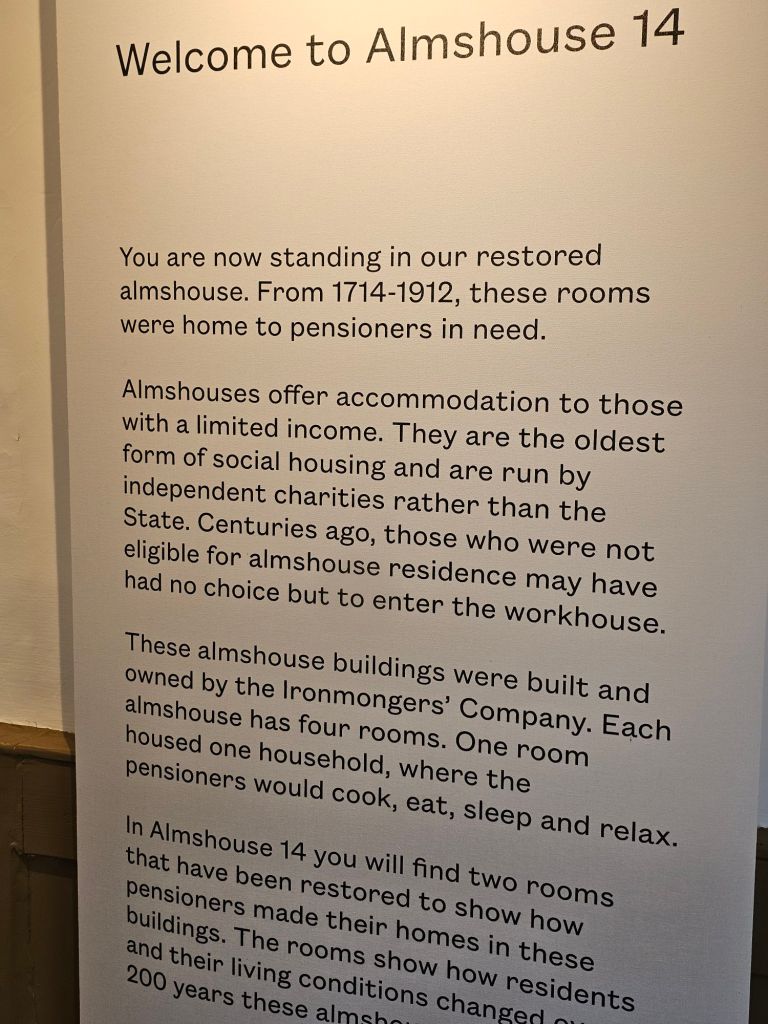
I always look forward to a trip out with my friends Stewart and Kerri. This time Stu suggested we visit the Museum of the Home in the Hoxton area of London. The museum is located in the Former Geffrye Almshouses, built through a bequest fromSir Robert Geffrye, a merchant, Lord Mayor of London and Master of the Ironmongers Company. Because he had some involvement in transporting enslaved men and women to the British West Indies in the late 17th and early 18th centuries, the museum is trying to downplay his name and move a statue that sits above the entrance to the almshouse’s chapel. We had two excellent guides throughout the tour of the almshouses.

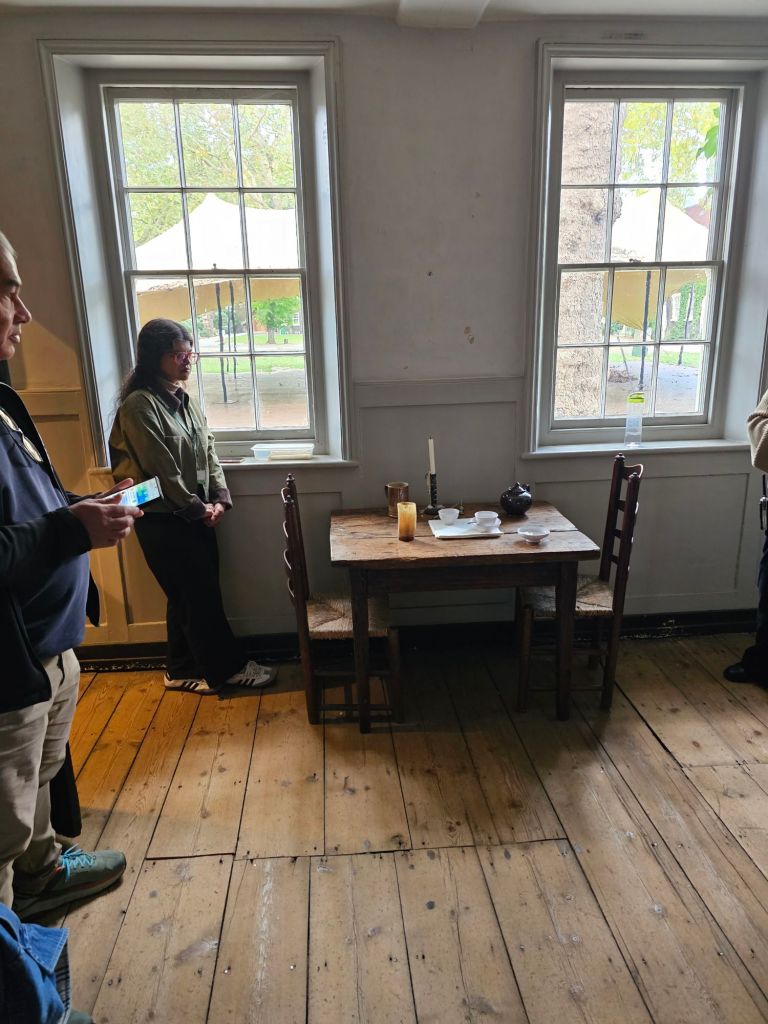
Almshouses were built for poor widow (and some men) that were asociated with various trades or guilds who built them. Residents were given very basic furniture and household items in the early years and a small stipend.

Above are some pictures of what the early almshouse room, allocated to a woman or a couple would have looked like.

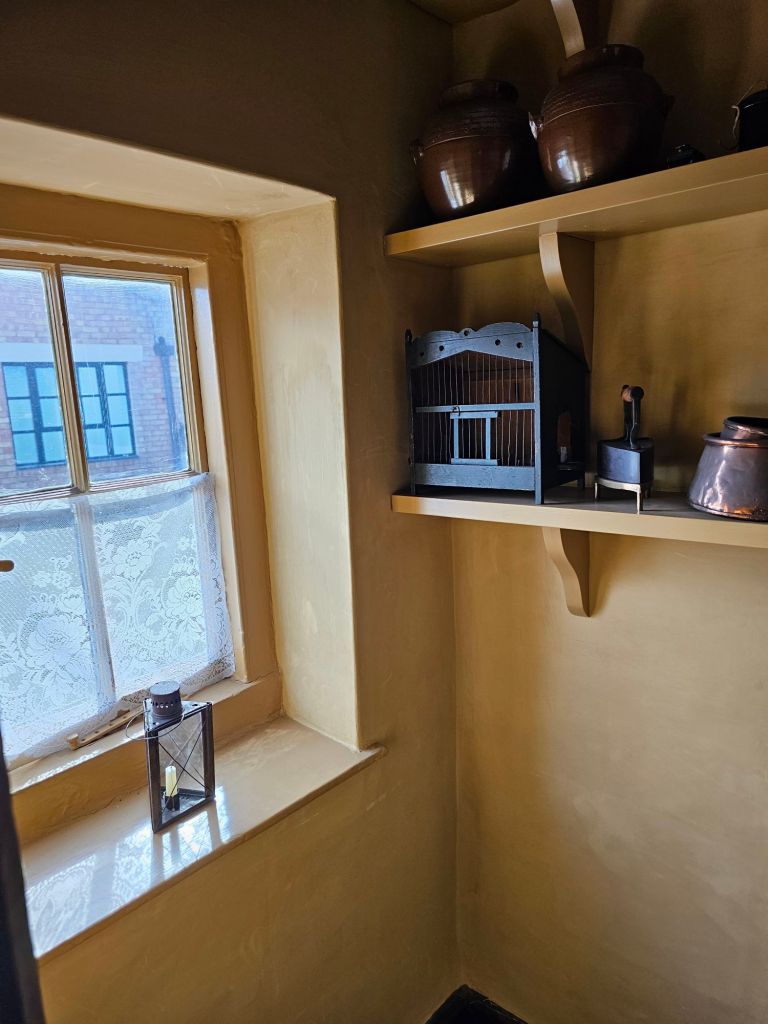
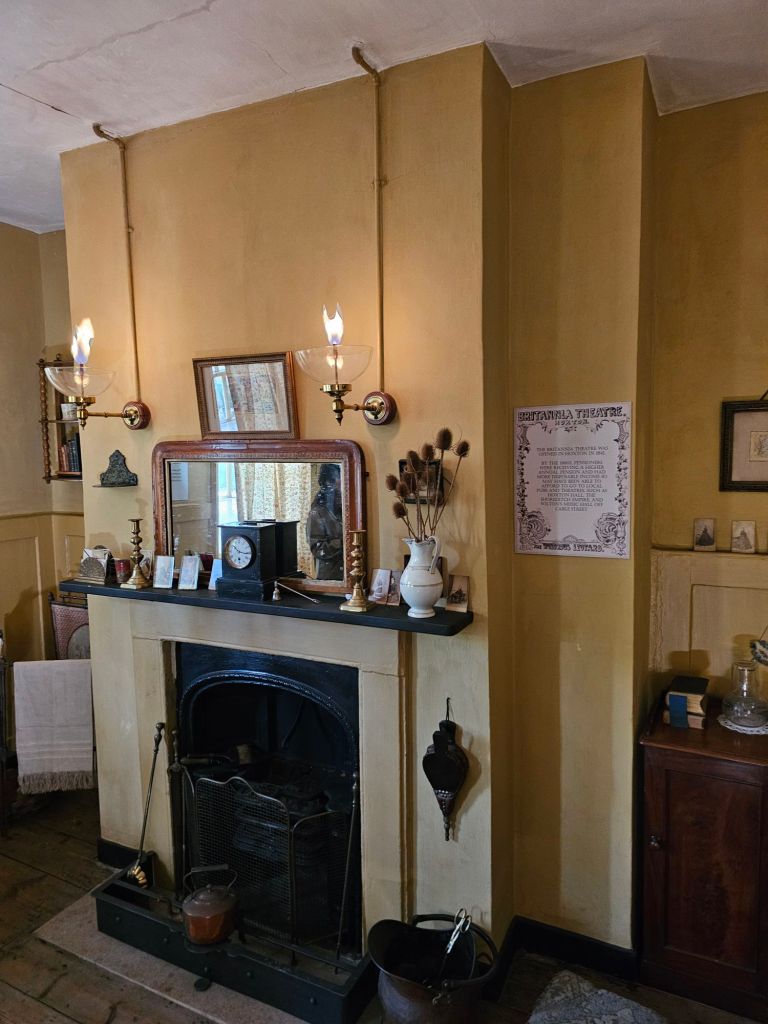
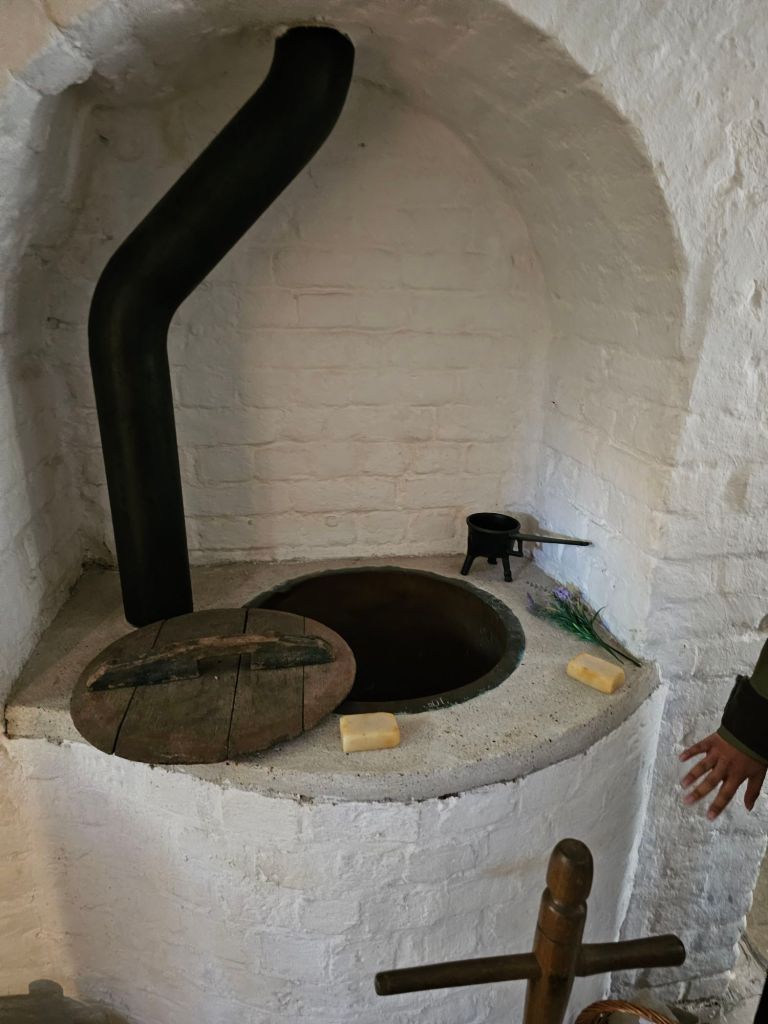
As time moved forward, the type of person needing the almshouses changed and by the 19th century, housemaids, nurses, former nannies etc., were moving in to somewhat improved conditions.

Below are pictures of the improved later accomodations, including indoor plumbing and clothes washing facilities.

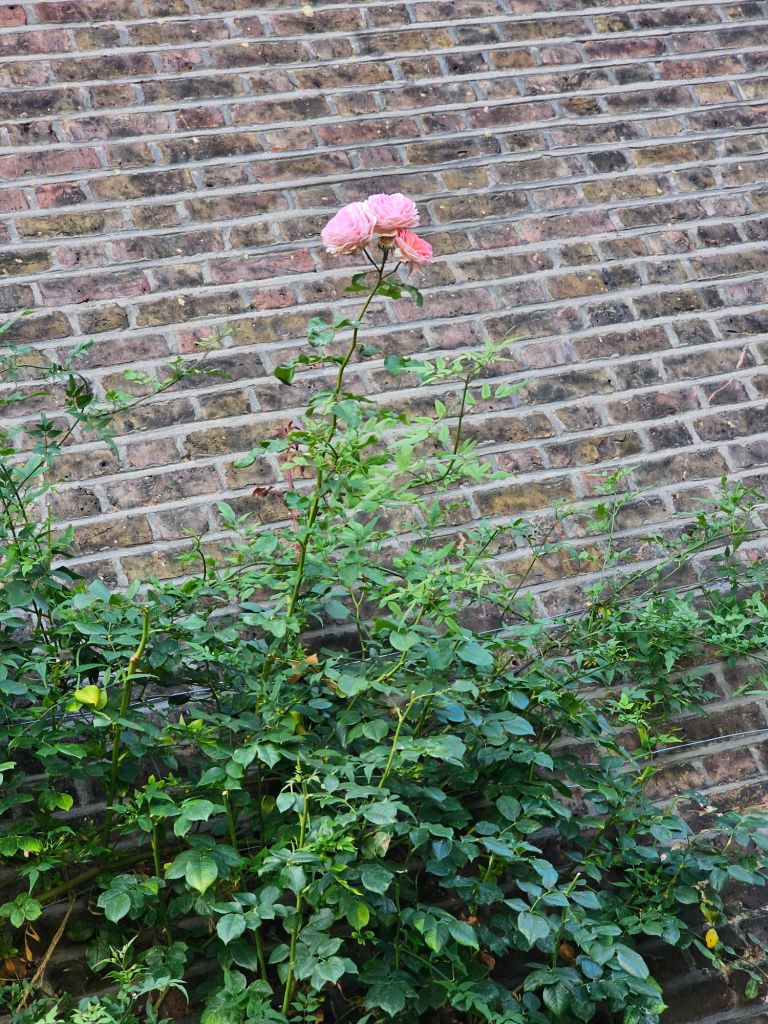
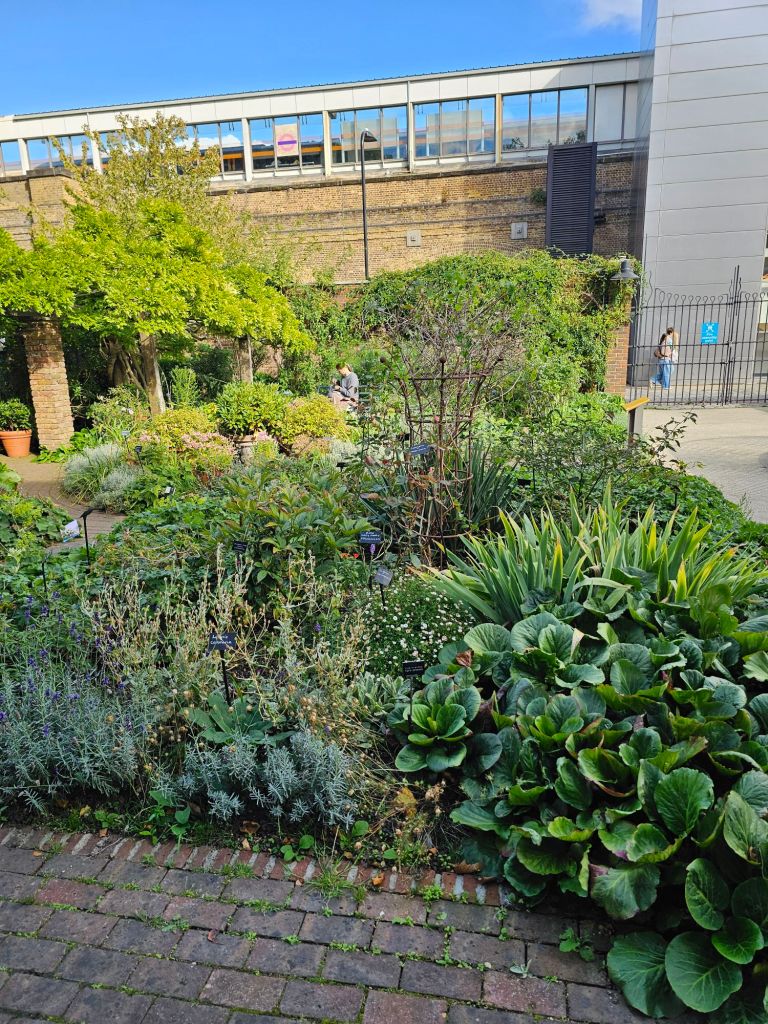
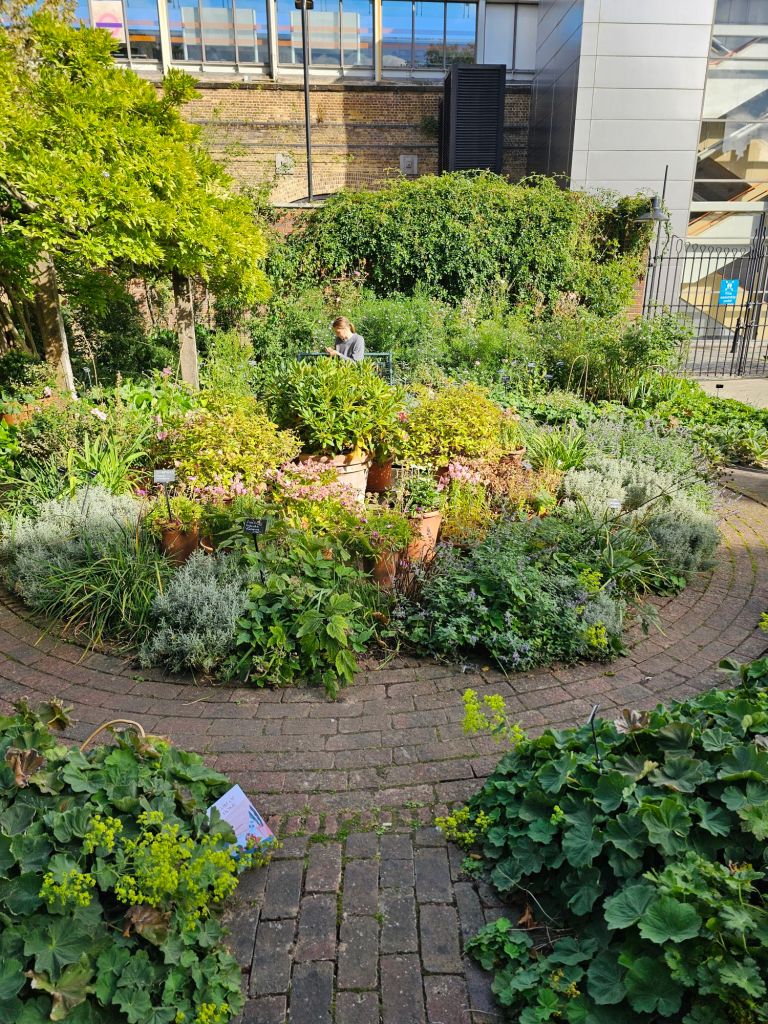
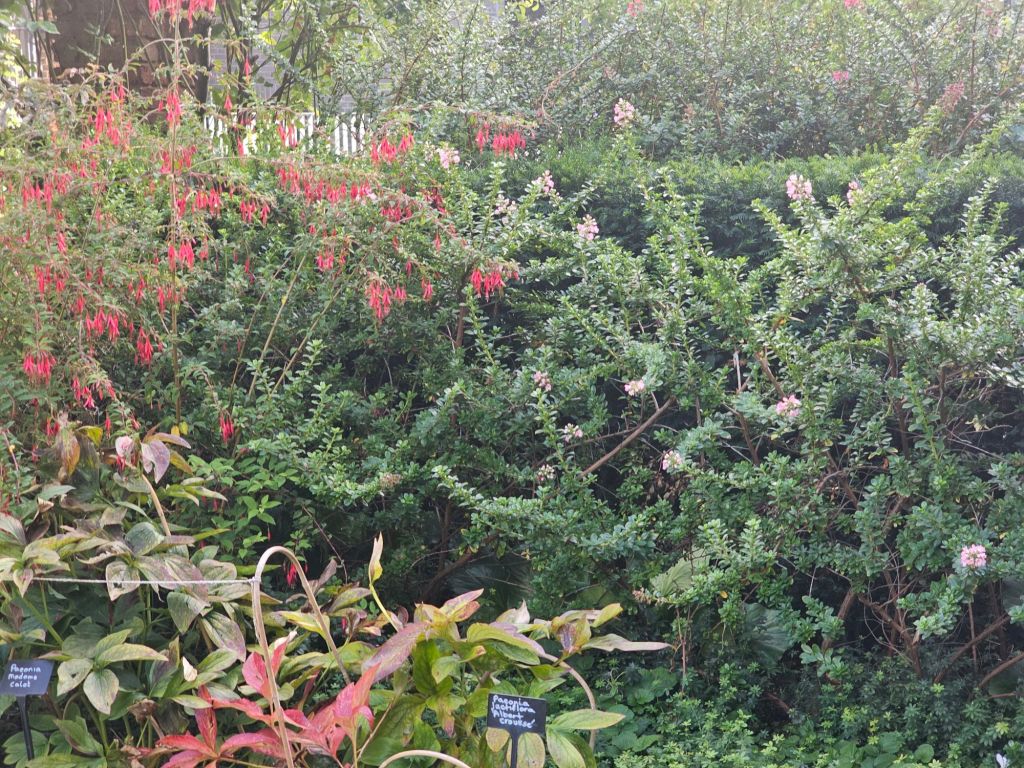
Underneath the row of Almshouses which each contained for “units,” the museum of the home displays typical rooms and furnishing from the 18th through 20th centuries. It too, is worth a visit. Wonderful gardens are also part of the property. Below are some pictures of them.

More Wigmore

Simon Trpcheski, a Macedonian pianist, was appearing for a 25th anniversary of his first appearance at Wigmore Hall. He played Tchaikovsky’s “Autumn Song” from “The Seasons Opus 37a. It was an incredibly beautiful performance of a song that was truly evocative of Autumn. His second piece was Ravel’s “Vaises nobles et sentinentales.” (Noble and Sentimental Waltzes) which was a perfect companion for the first piece. For his third piece, he returned to Tchaikovsky “Nutcracker Suite (arranged by Mikhail Pietnev). It was delightful hearing this familiar away from Christmas. He concluded with two encore pieces that were received with great delight.

A DISCUSSION ON BRITISH NUCLEAR BOMB TESTING AND A LAST MINUTE WIN AT CRAVEN COTTAGE

The British Library, as I have mentioned is a neighbor of mine during this London Sojourn (and the past two). This wonderful institution offers evening programs that cover difficult subjects. I previously attended a presentation on Chilean politics on the 50th anniversary of the coup that ended the Allende government and plunged Chile into a period of authoritarian rule. The presentation that is the subject of this discussion was an oral history project to gather the stories of British personnel who were involved in the development and testing of Britain’s nuclear weapons on Christmas Island and off Australia’s coast.

As a retired member of the staff of the U.S. Nuclear Regulatory Commission (responsible for assuring the safety, security and the environment in civilian use of nuclear material), I was very interested in this project. In the course of my career I had met American “downwinders” who had been exposed to radiation in the American above ground nuclear testing in the Nevada desert and had many discussions in public forums with citizens concerned about the safety of nuclear power plants, storage facilities, and the transportation of nuclear materials.

If you are interested in this topic, you can find more about the oral history project on the British Library’s website. The centerpiece of the evening, in addition to hearing from some of the veterans in person was the London premier of a short film “The Greatest Force on Earth,”

that told both an overview of the program and the men who, often unwittingly, were onsite when the tests took place, while focusing on the story of one man, Frank Bools, and his family. Mr. Bools ponted out a very salient point. Those that create government policy, without an understanding of the science or technology direct military or civilian engineers, scientists, and others to carry it out. There is often not full and frank communication to the implementors who also do not have the chance to communicate back to those who create the policies. In this case, Mr. Bools and his colleagues were there to carry out their jobs but were also there when the above ground tests occured. Experiencing this had life changing effects on them, including early deaths of many. I would recommend this film to anyone involved in government scientific or technical projects.

The Happier Part of this Entry

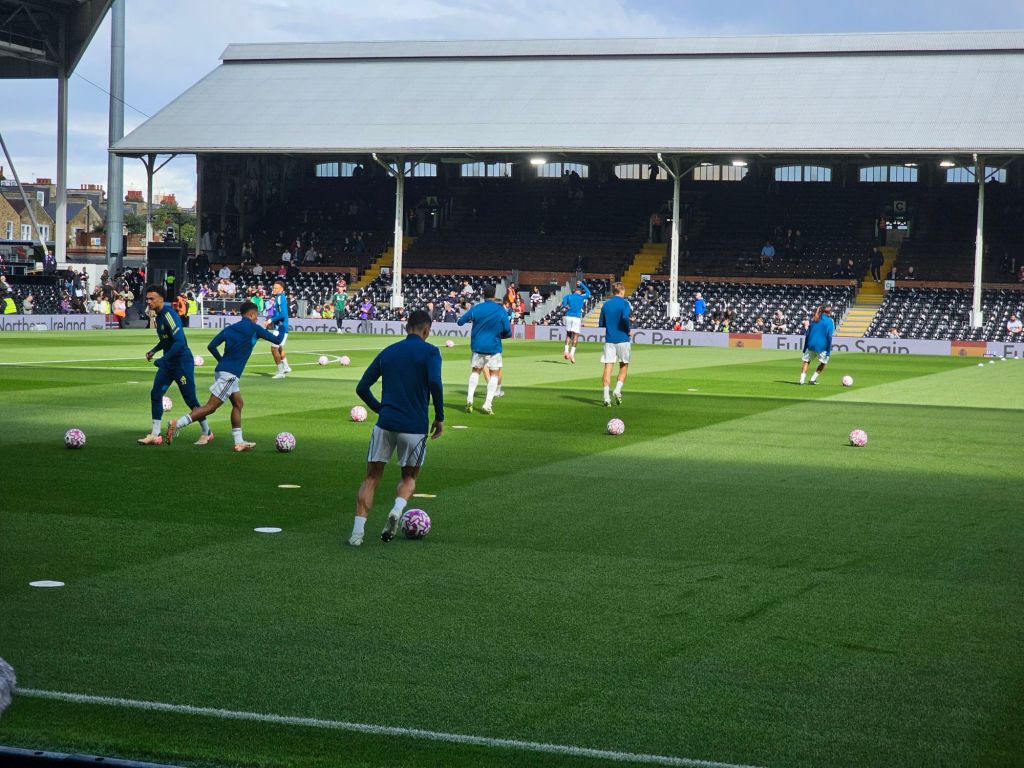
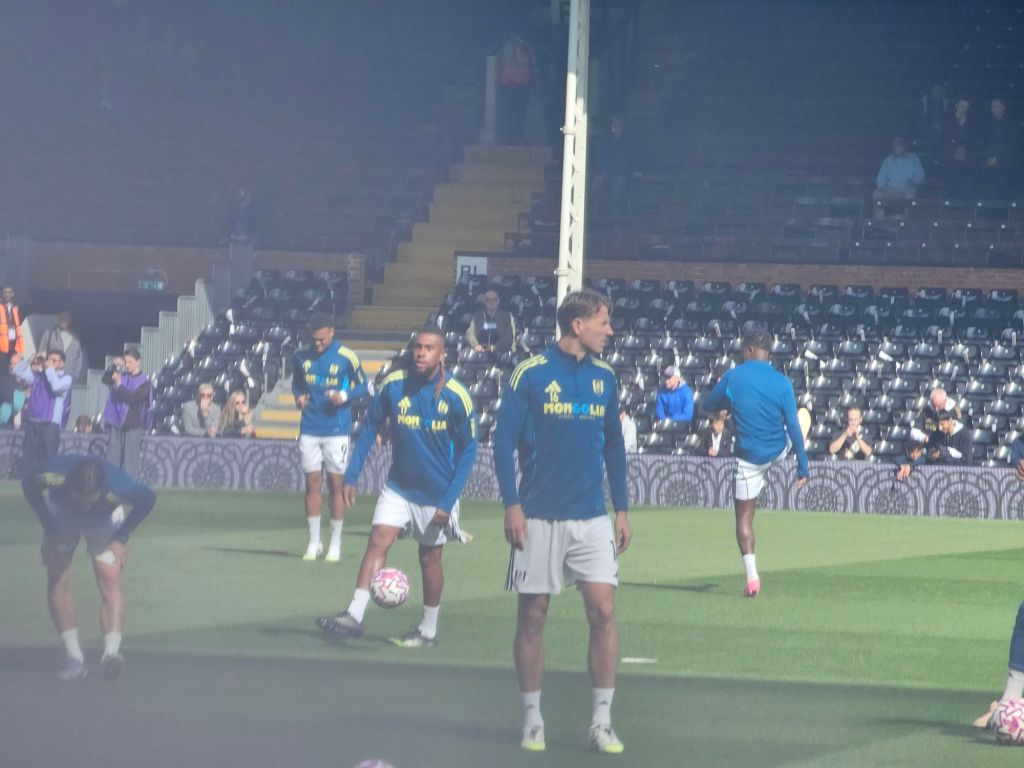
Fulham wins 1-0 in a heart stopping end to it match with Leeds. To set the stage, it was another partly cloudy, partly sunny day in London, still dry when I got on the Tube for the long ride to Putney Bridge, the closest station to Fulham F.C.’s home at Craven Cottage. When I arrived, one transfer later and started the 20 minute walk to the stadium, the rain started sprinkly lightly, by the time I crossed into Bishop’s Park, the rain got heavier. I was pretty wet when I arrived. Luckily, only my hat and outerlayer were really damp and I was able to remove them and enjoy the match that was played mostly in the sunshine. The one goal scored in the additional time of the second half (after the 90 minutes of regulation had been played) was deemed a Leeds “own goal” by the referees, but Fulham got the needed 3 points. As always, a match in Craven Cottage is a fun filled experience. Fulham fans are generally a friendly lot and there is always some great sharing of conversations over the course of the game.