
A Visit to the Whitechapel Gallery
My friend Tom who is bravely living with Parkinson’s has often urged me to visit this small but interesting gallery in the Aldgate area of London. The current exhibit was titled “Hamad Butt: Apprehensions.” The exhibit included three installations Butt created, as well as a series of drawings and paintings he created during his short career. He died at 32 in 1994 from complications of AIDS.
As the exhibit began, it included a discussion of the AIDs crisis as a historical evevent of the 1980s and 90s. It was strange for me to read of the events as a part of history that many alive today cannot recall. Butt, chose a conceptual rather than an activist approach to respond to the crisis.
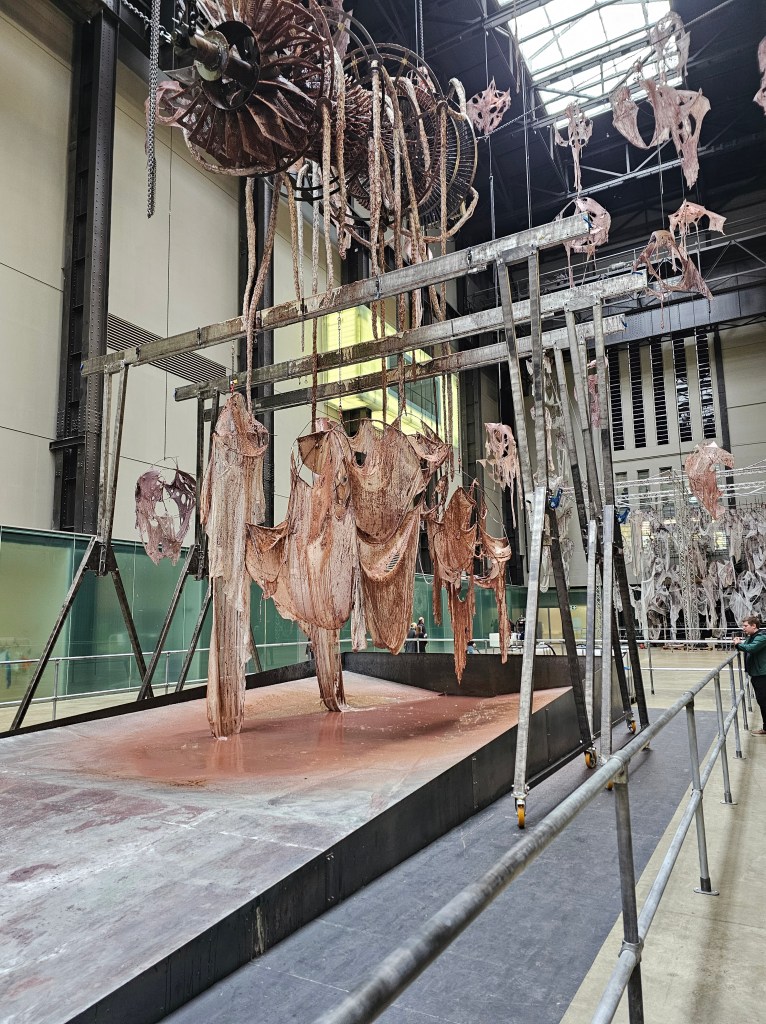
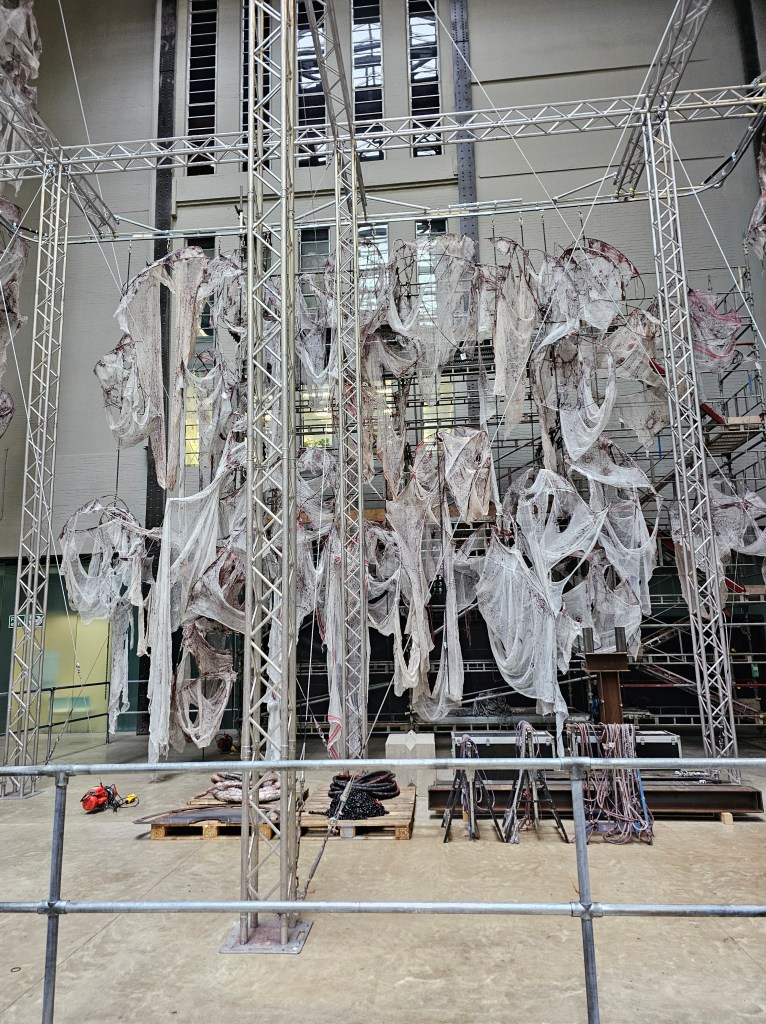
The exhibit began with three istallations pictured below.
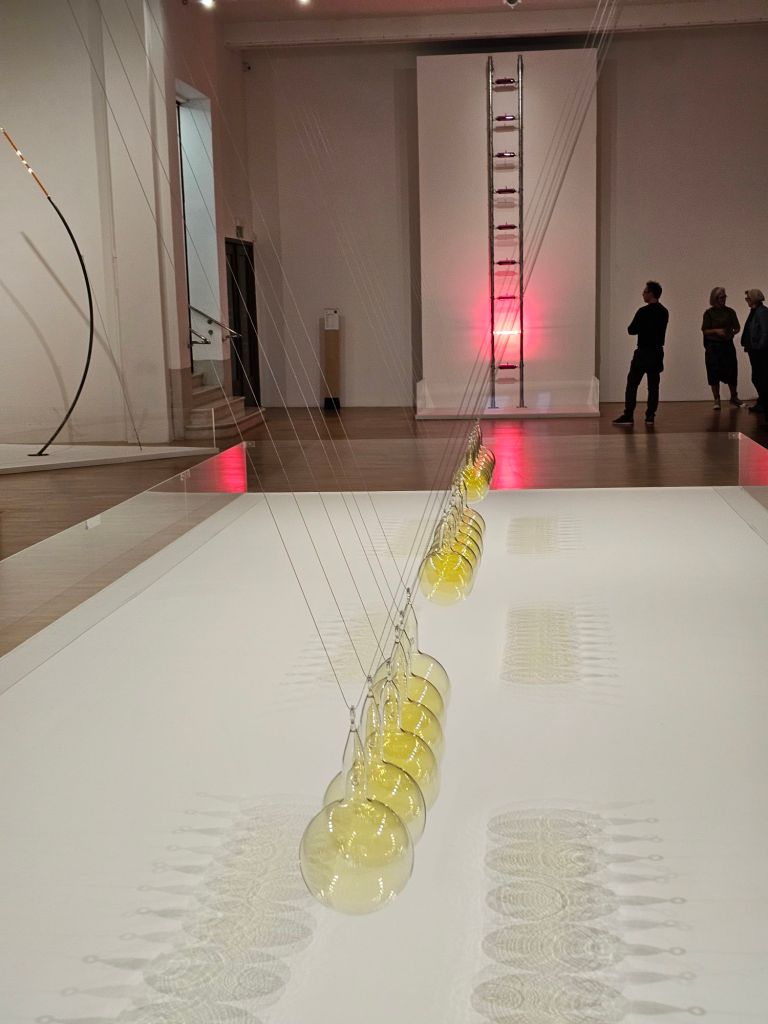

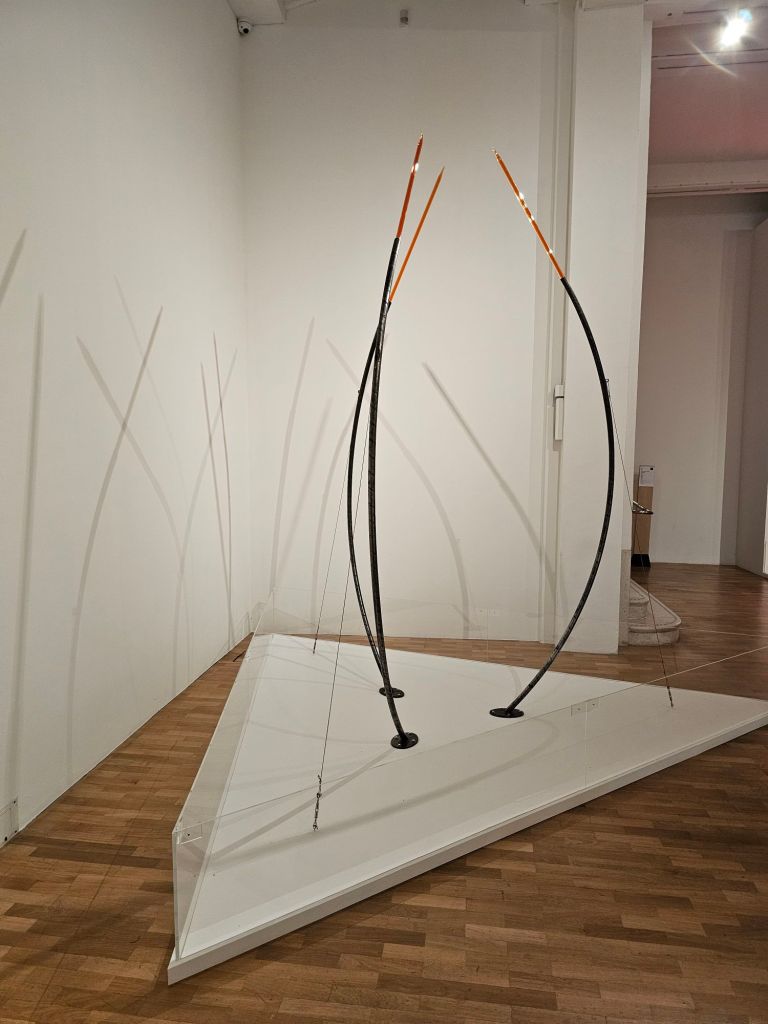
These three sculptures are called “Familiars.” They take three hallogens: bromine as liquid, iodine as solid crystals and chlorine as gas. They threaten the environment if released, symbolicly representing AIDS as it was perceived in the early days.
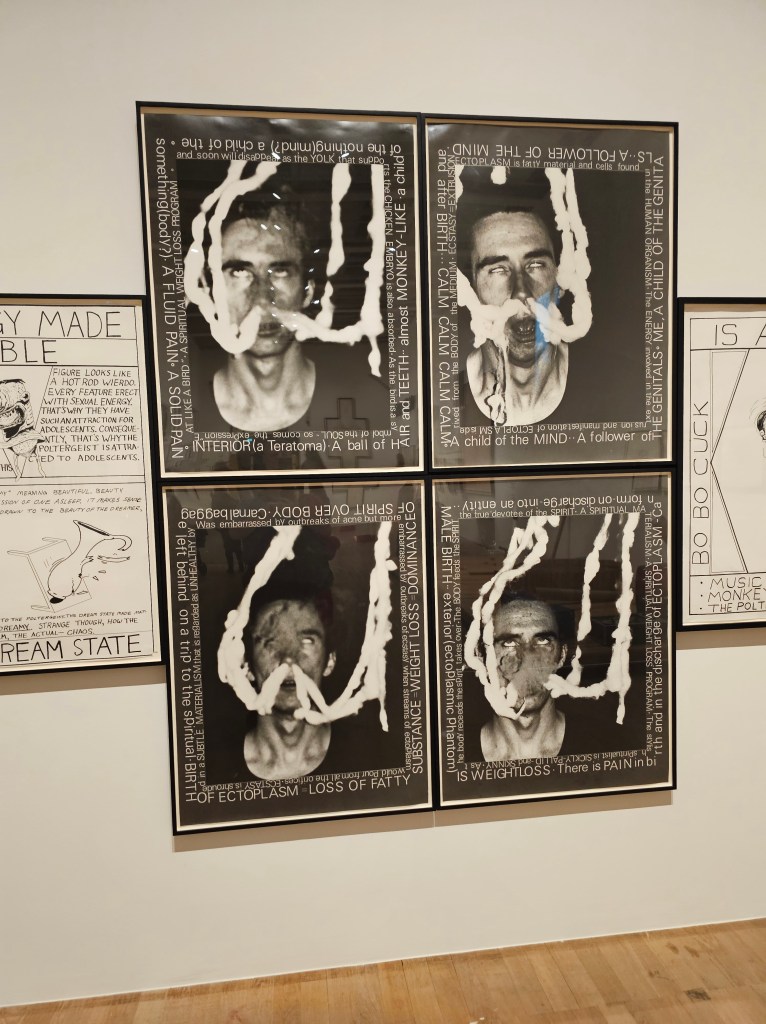
Much of his later work was untitled. Below are some examples.
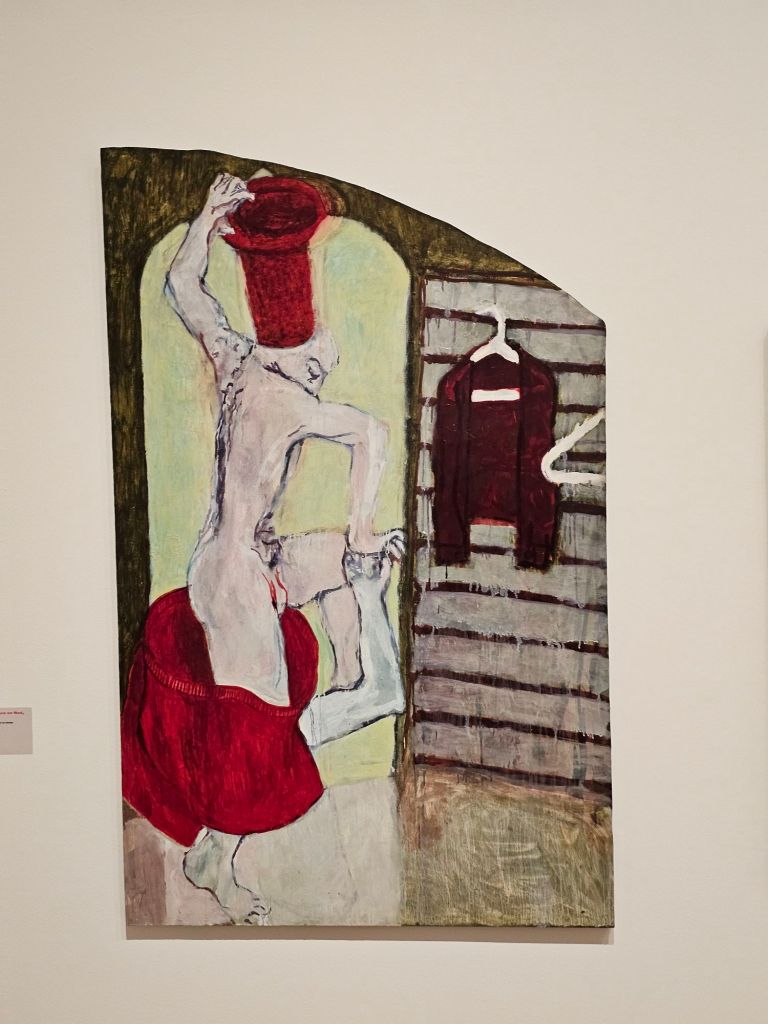
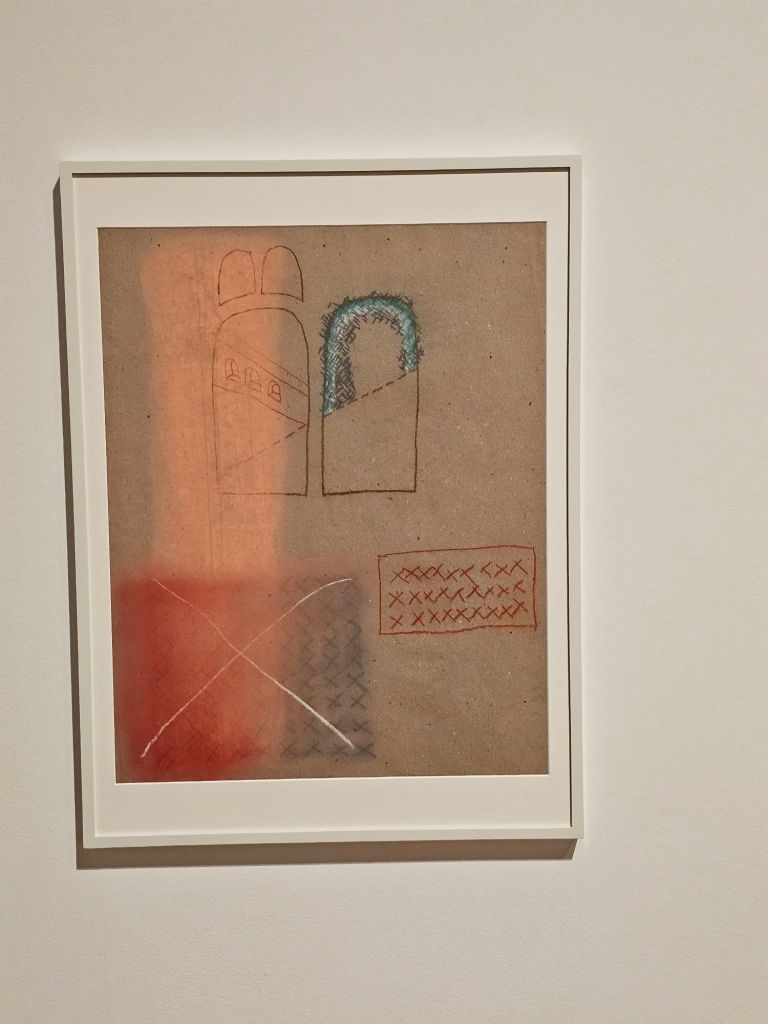
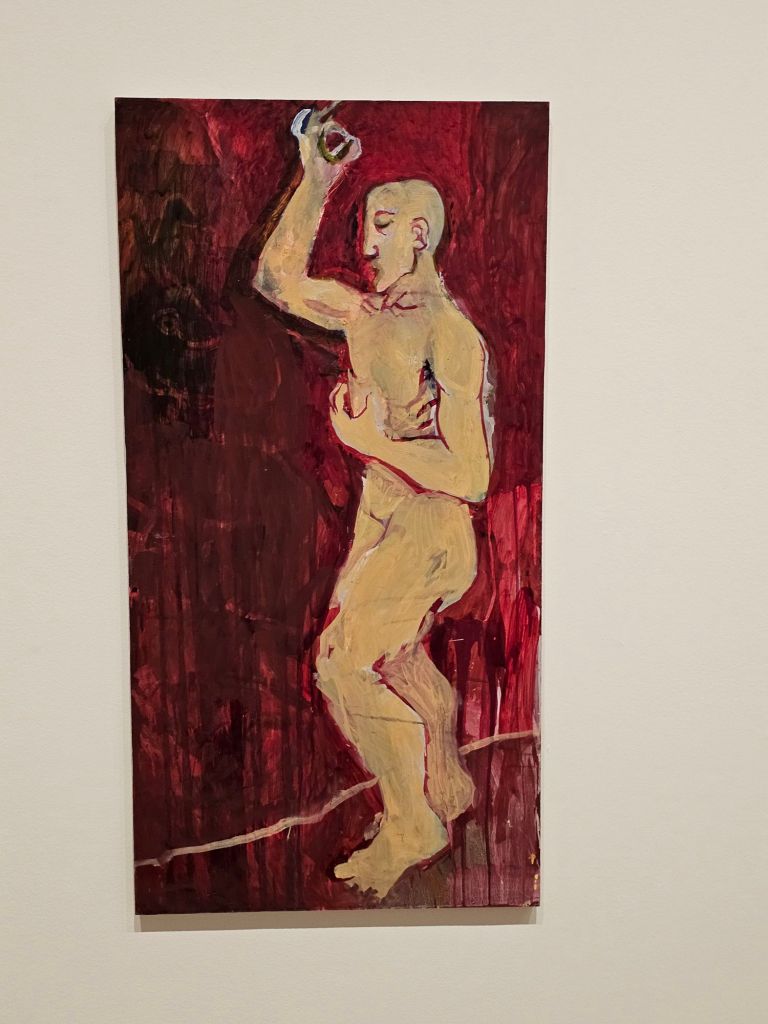
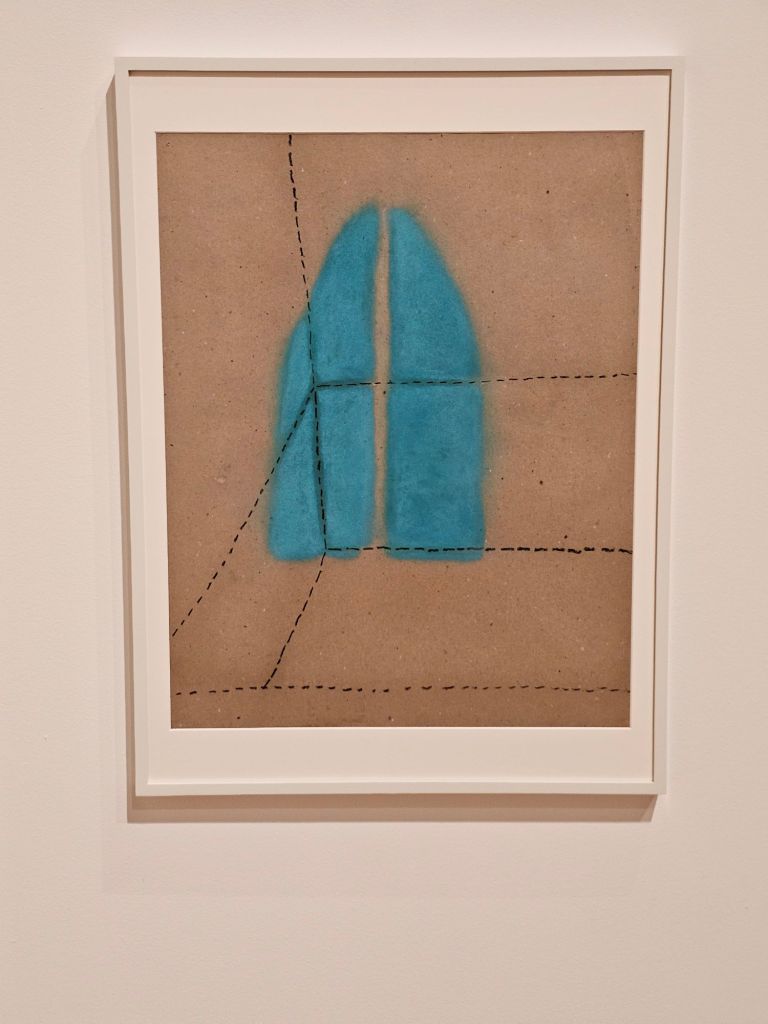

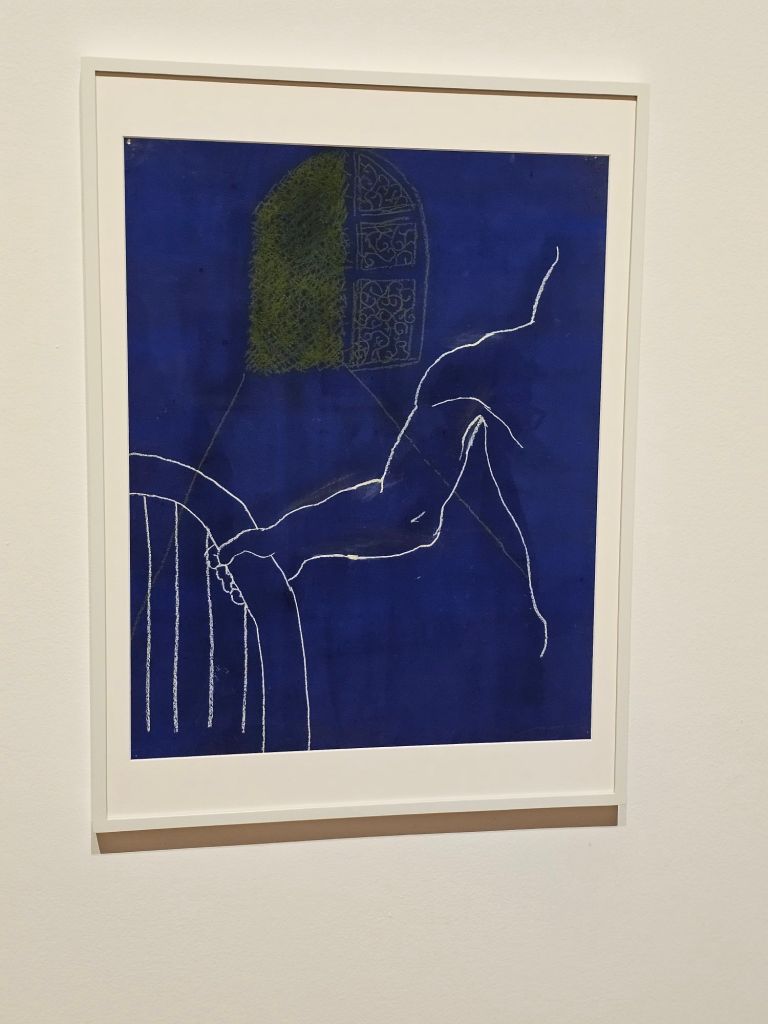
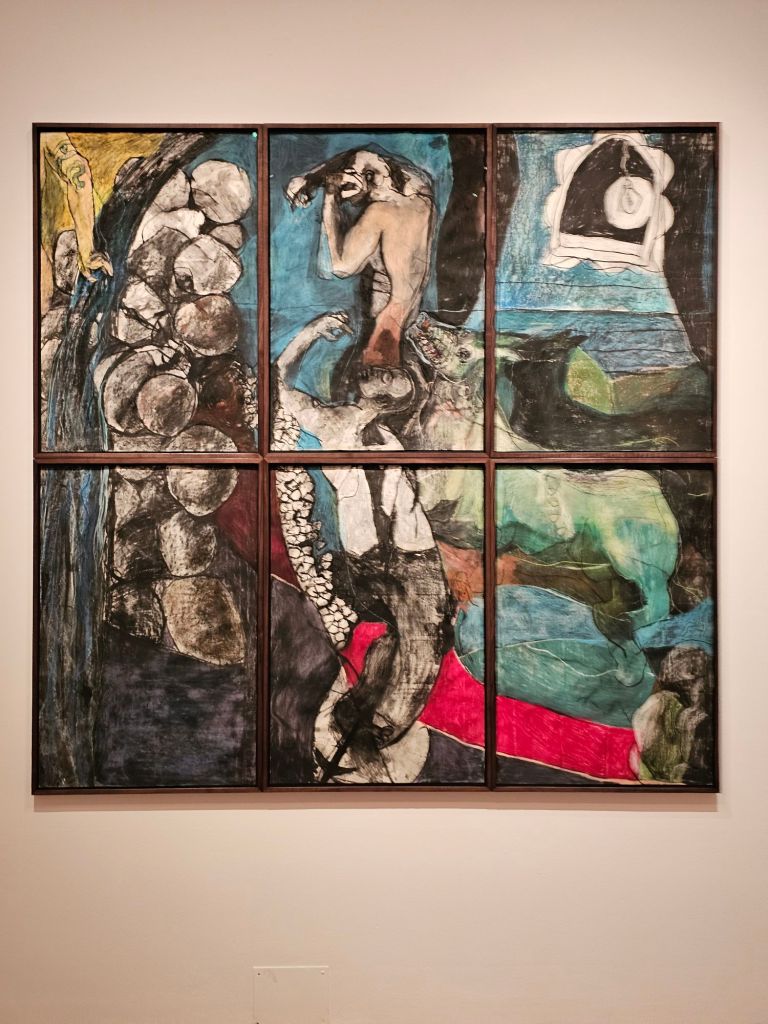
I guess that I can say I left the exhibit saddened that so much artistic talent was lost to a disease that seemed to come out of nowhere and caused so much human destruction. In the artists work one can see so much passion, so much possibility
I am also reminded of the activism of those affected either directly or indirectly by HIV and AIDS. I wonder where that kind of courage has gone in our current world. We need to remember that the way to stop a scourge is to fight, to stick together and to work to save what is important as those who crusaded to find a cure for AIDS did.
Doggy Day Afternoon
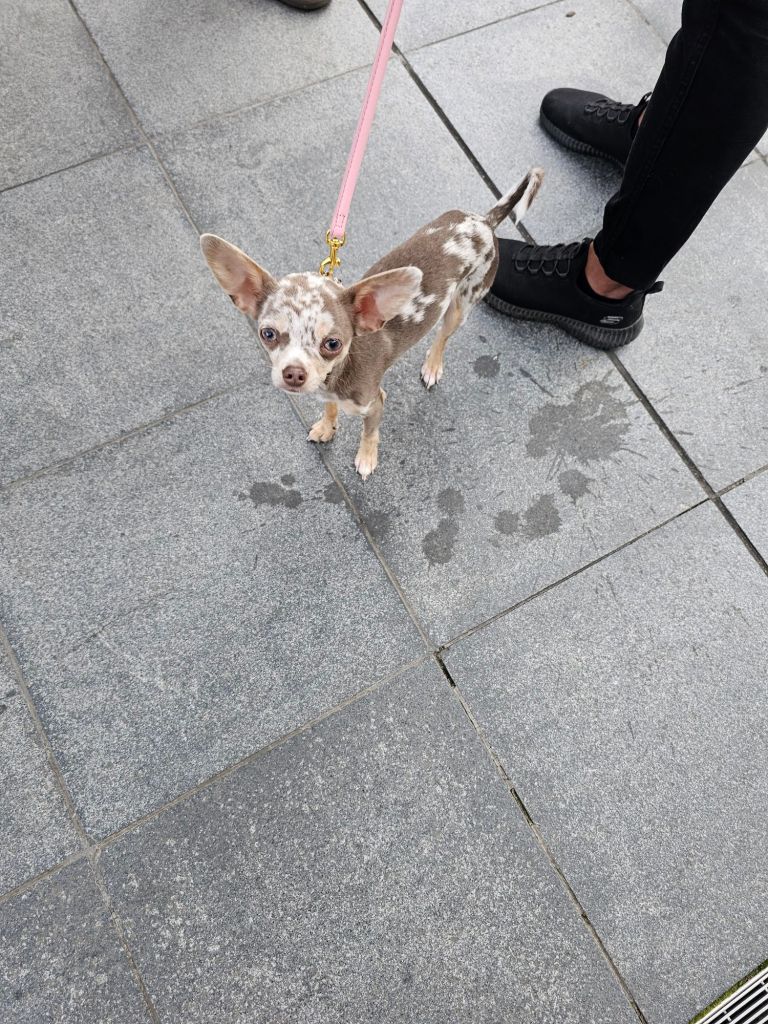
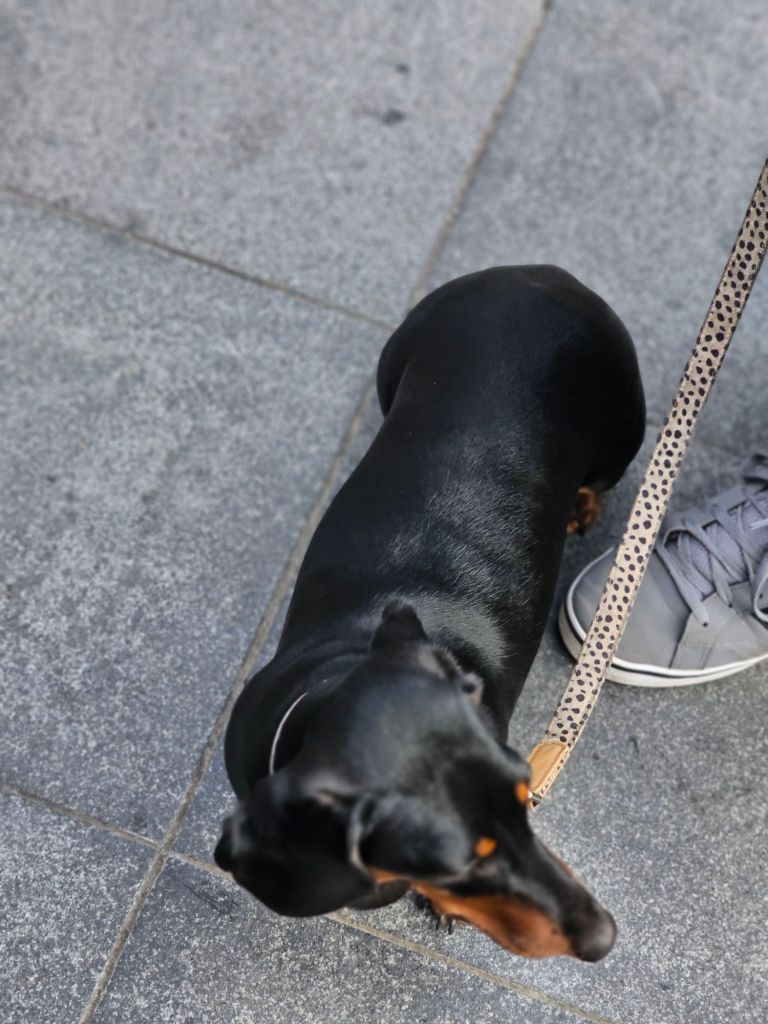
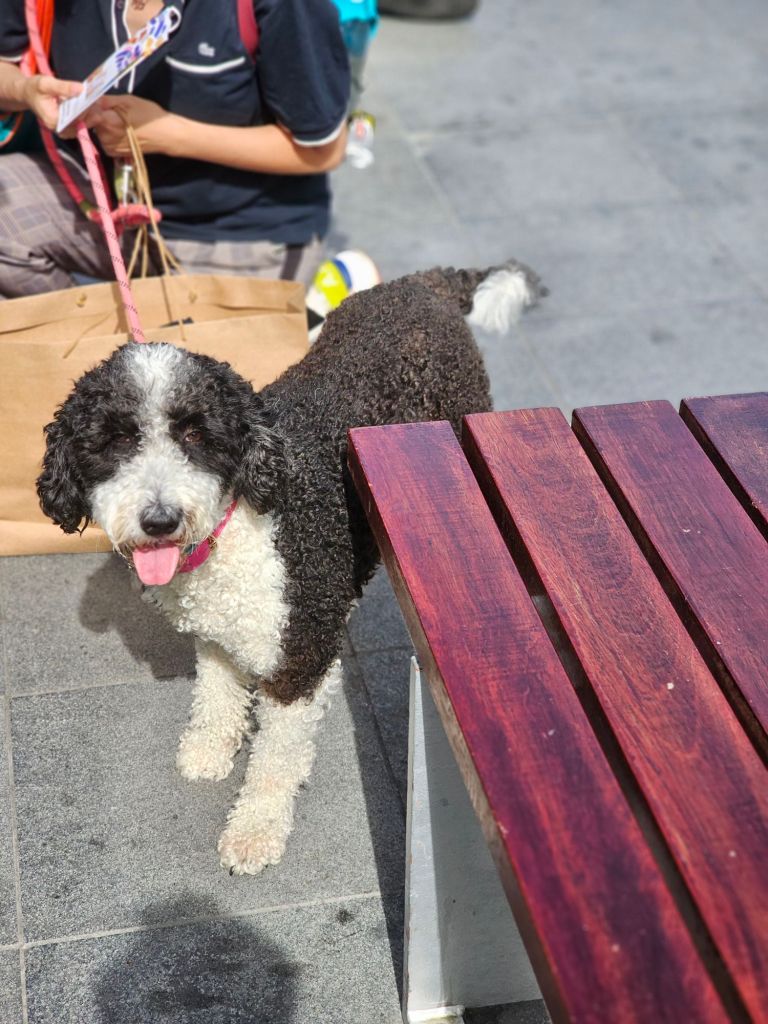
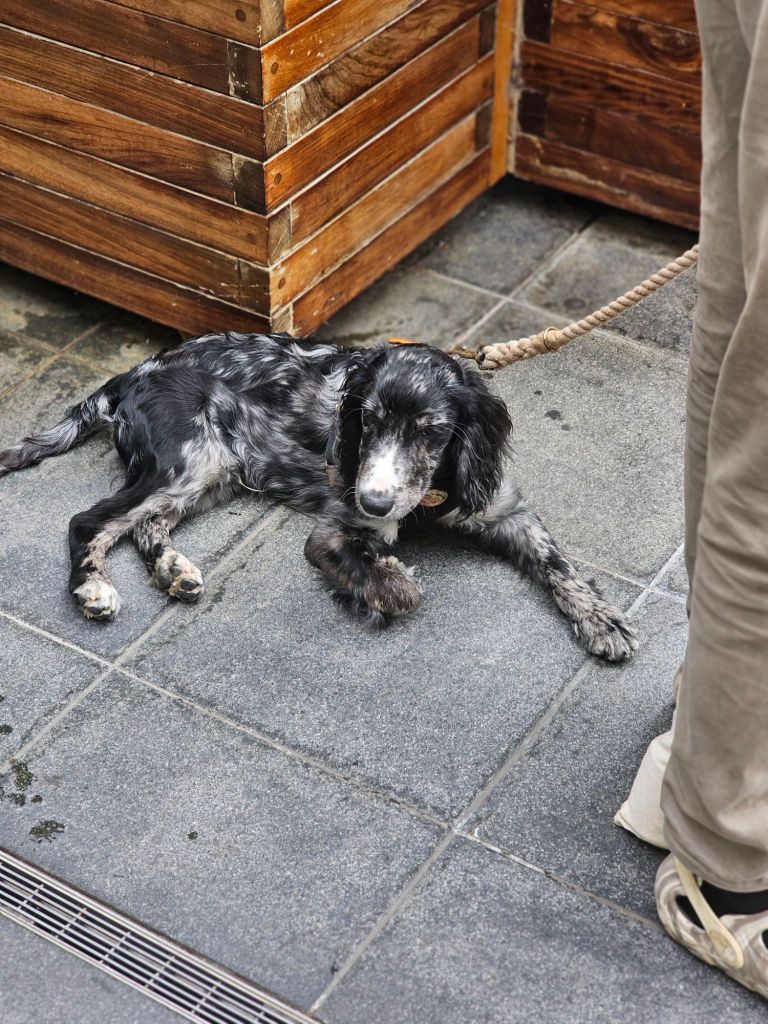
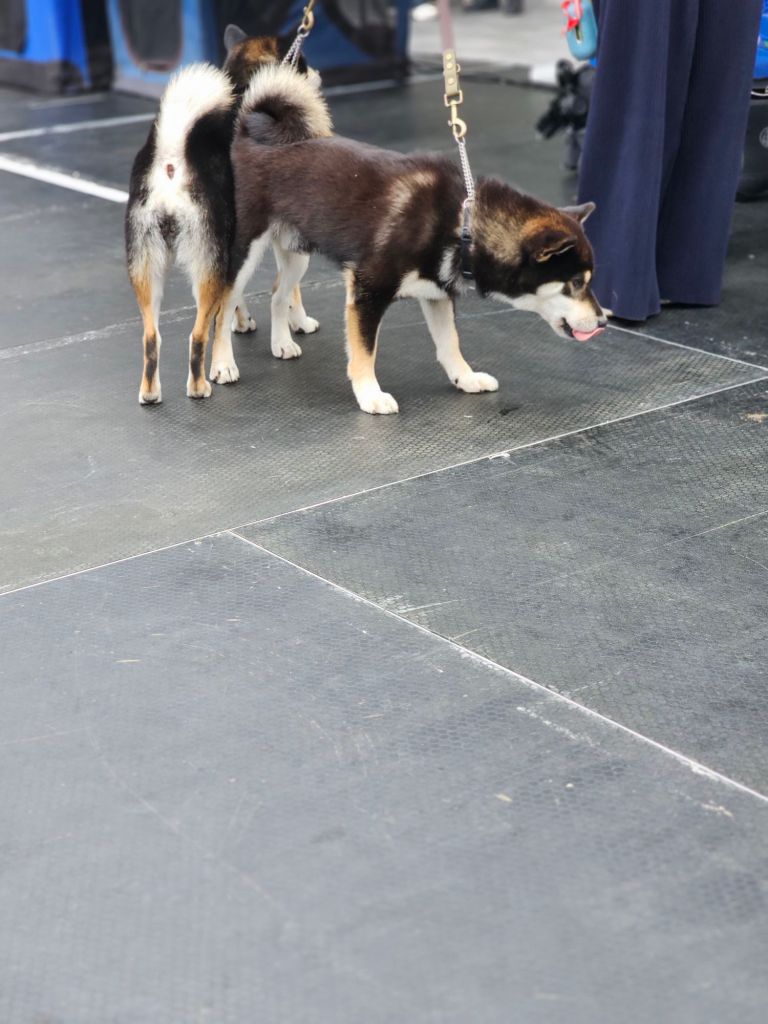
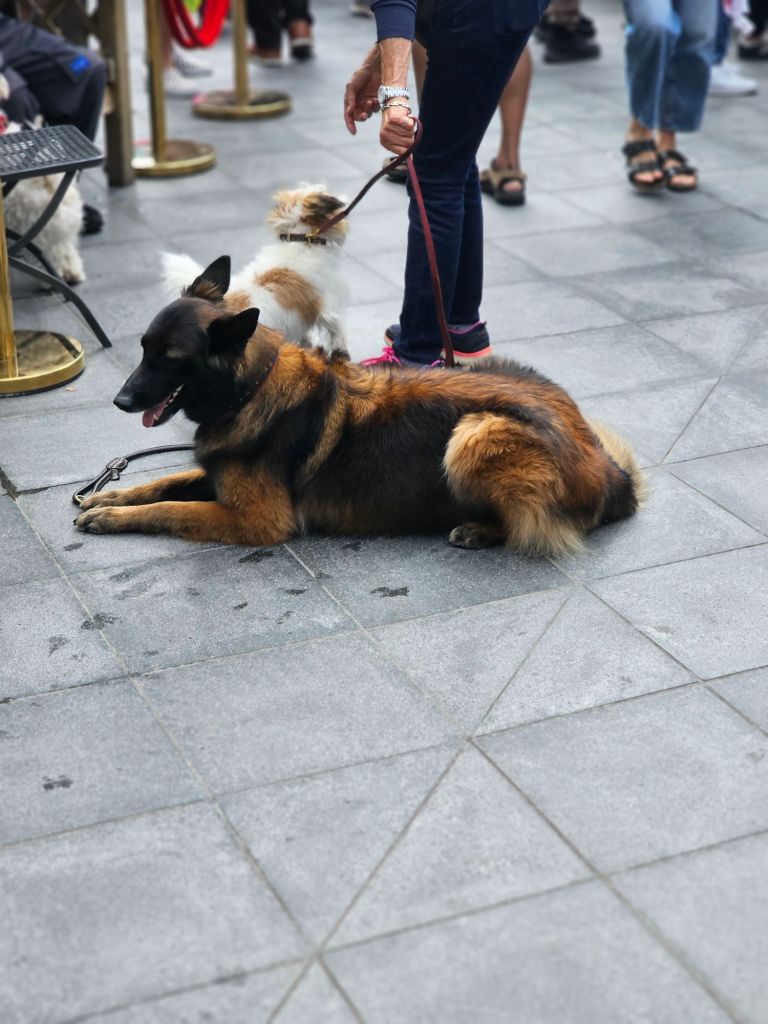
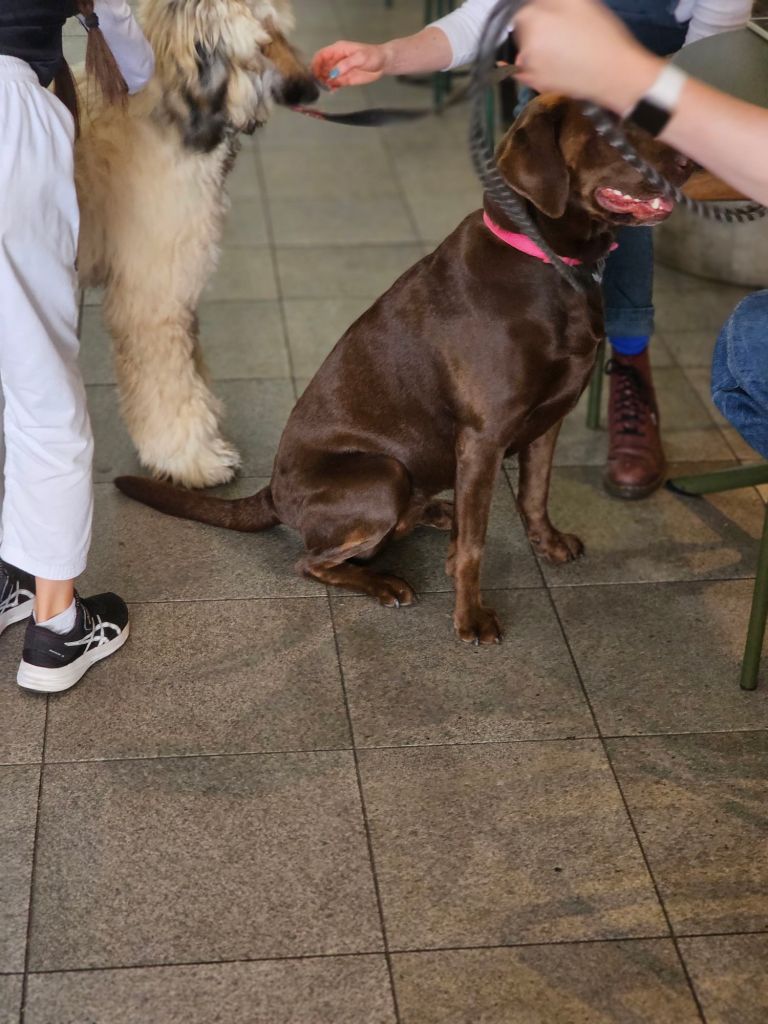
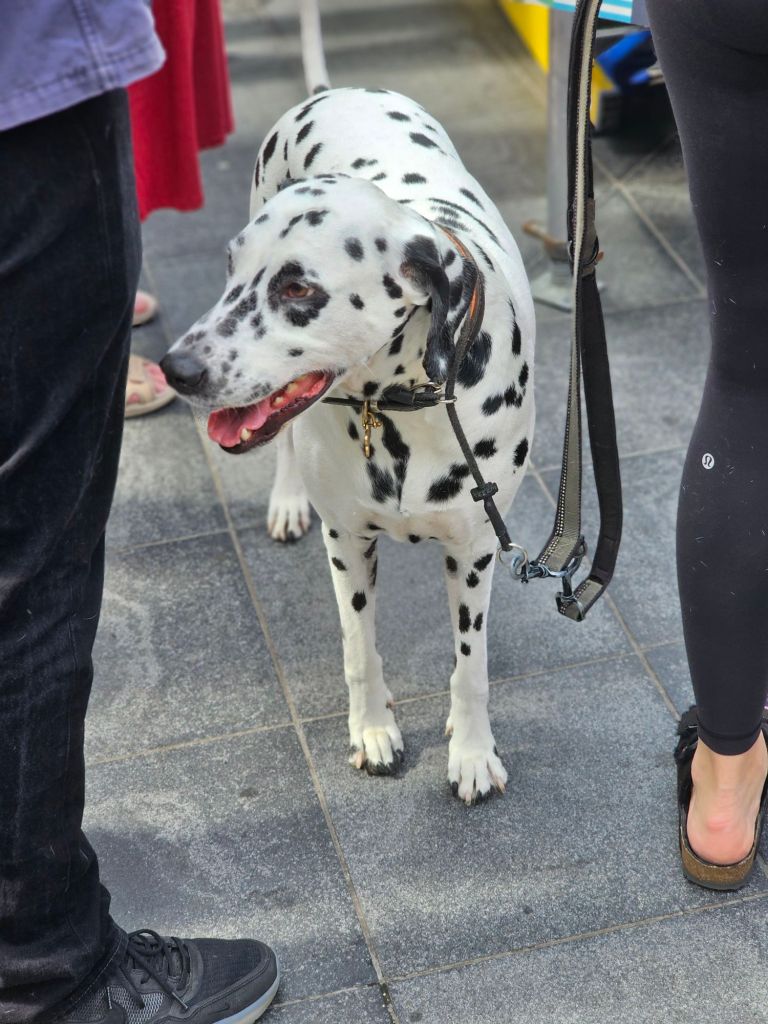
After such a poignant topic, I turn now to a joyful one. Each September, the Brunswick Centre, a brutalist monument to the architecture of the 1960s that includes apartments and a shopping centre, holds “Doggy Day” where dogs and their people come in droves to see and be seen and to win prizes. This is one of my favorite events of my time in London. I have collected photos of some of my favorites. Indulge me.



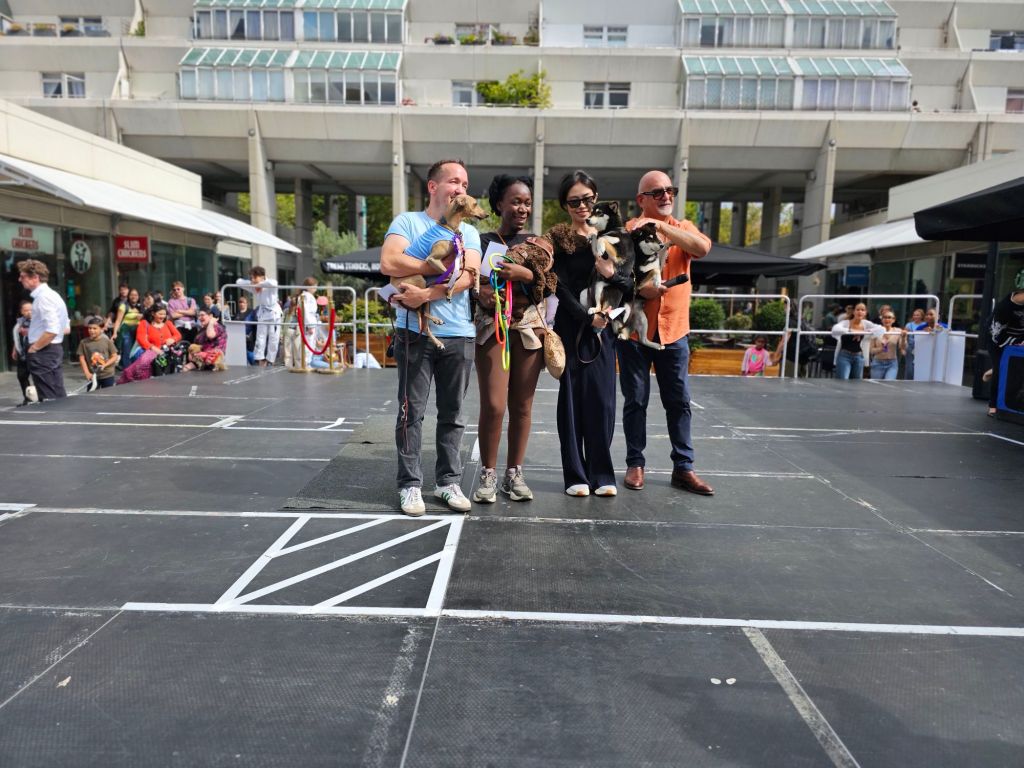
September in Bloomsbury
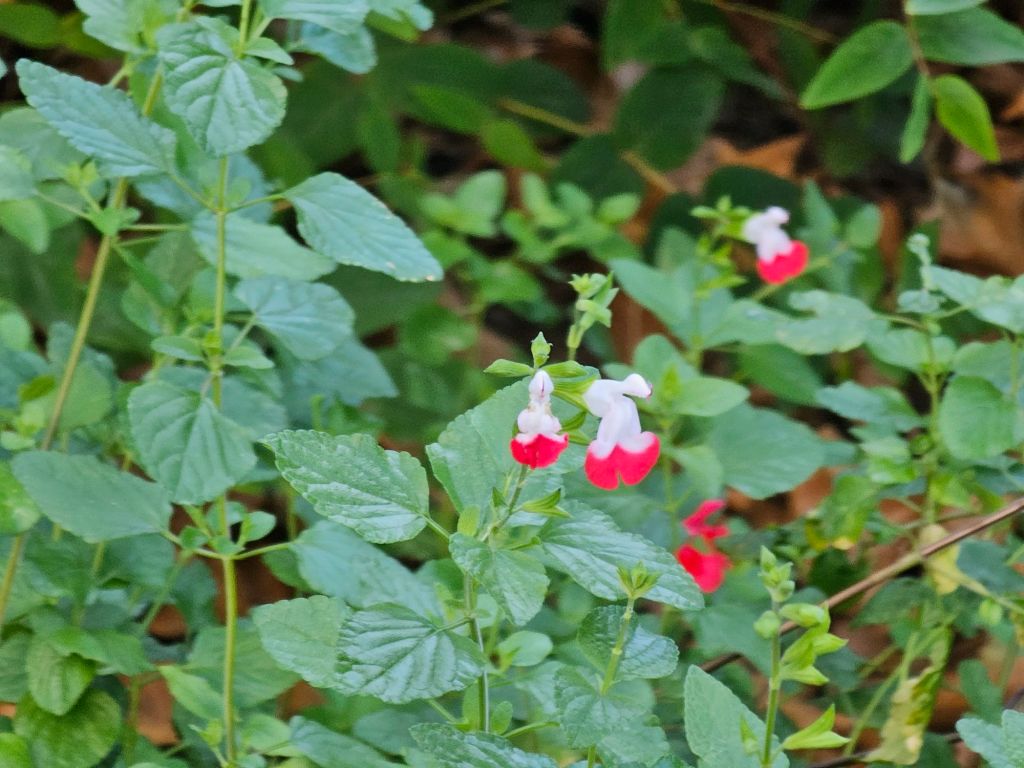
I took a stroll through two local parks today, the ones in Russell Square and neighboring Brunswick Square. There were so many late blooming flowers that I thought I should capture them.


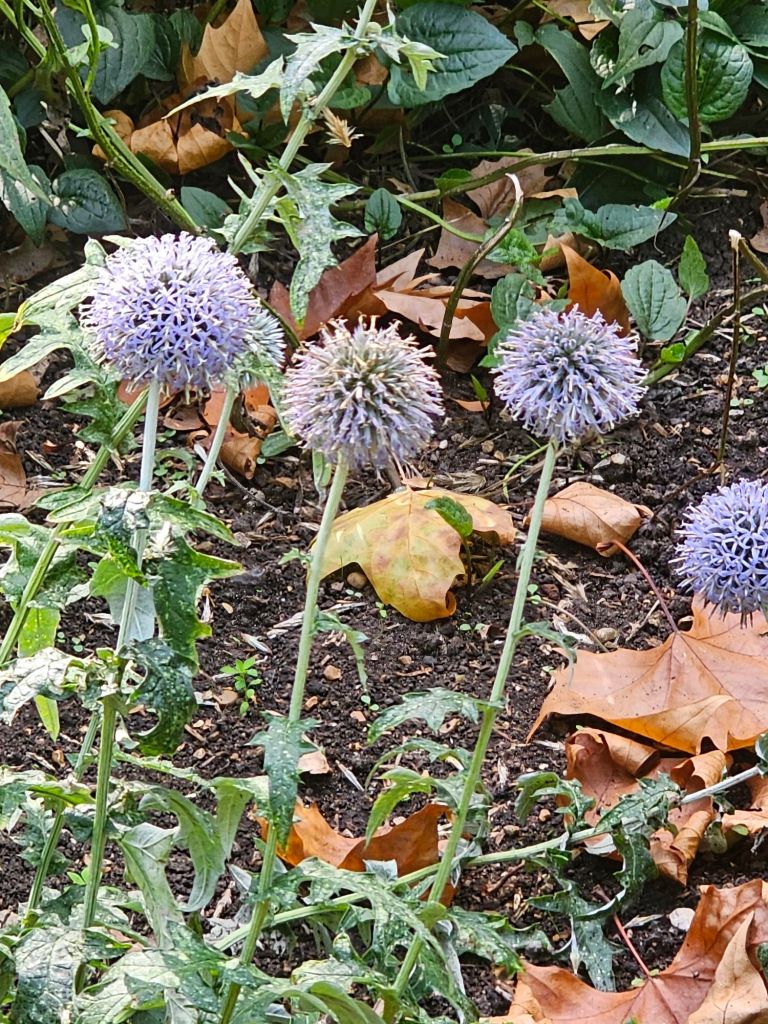


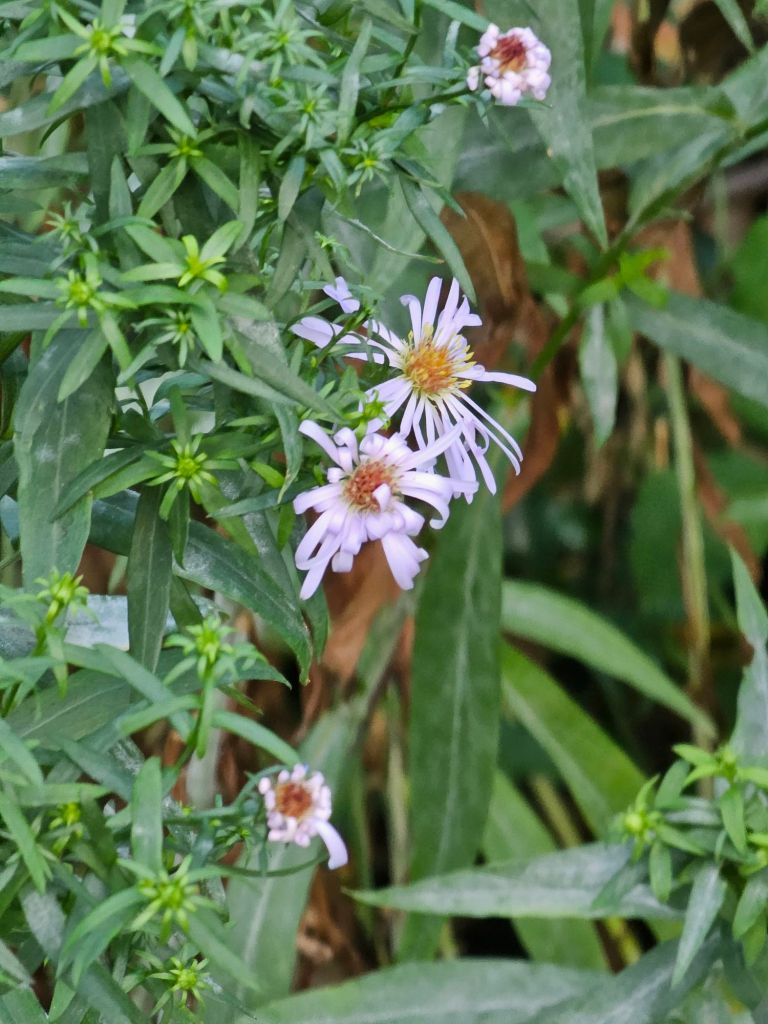
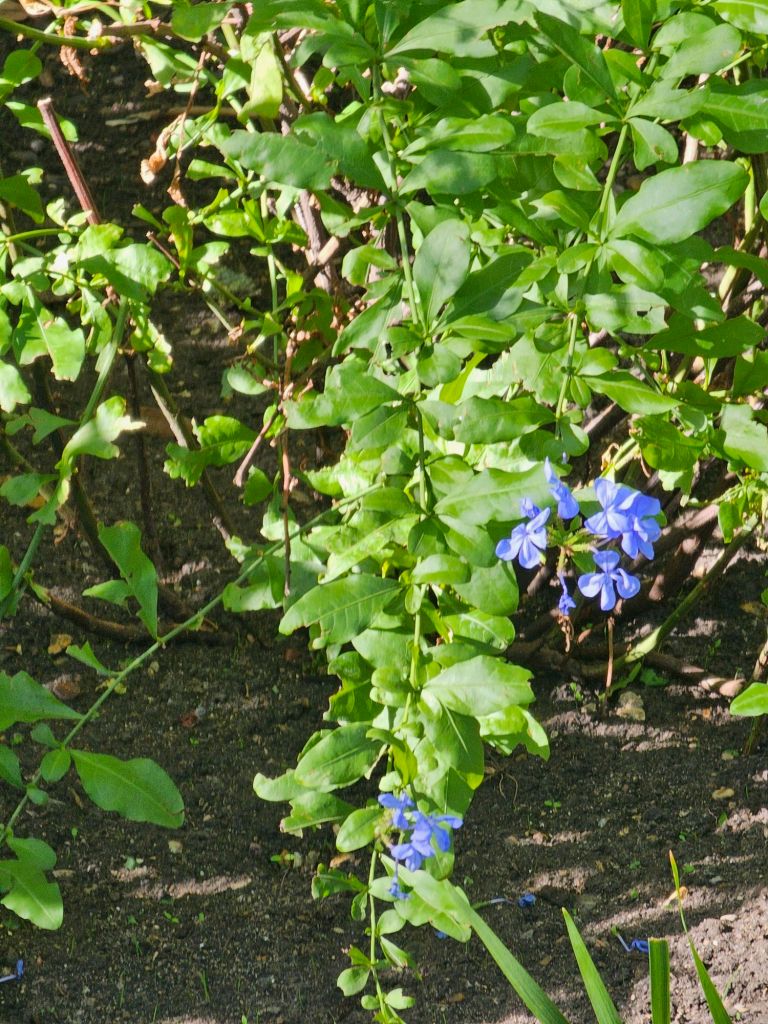




With the London Underground on strike most of this week, I shall be looking for different kinds of adventures. I’ll let you all know if I find some.









 Mark In London