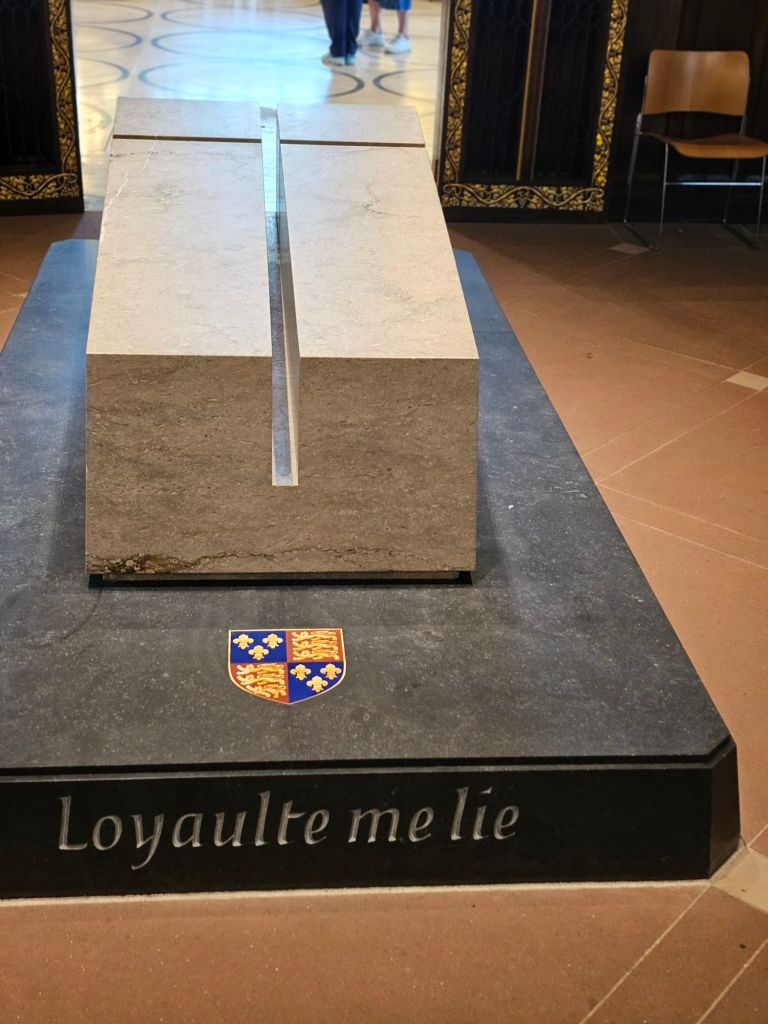
A couple of years back, I set off from London to Leicester to see the tomb of King Richard III, the last Plantagenet king of England who died from wounds suffered at the Battle of Bosworth Field in 1485.
For those who came in late, King Richard’s mortal remains were found under a parking lot in 2012 on ground that had once been the Grey Friars Friary where Richard had been interred. Then came the dissolution of the monastaries and the Reformation and the King’s remains were lost until 2012.
When I got to Leicester, I found out that the cathedral (which is dedicated to Saint Martin of Tours) was closed for renovations. See my blog post from 2022, “A Visit to Leicester but No Parking Lot King.”
I had been captivated by the story since the discovery of “the King in the parking lot.”
It Was Worth the Wait
The cathedral, seen above is, perhaps, not as grand as some I have visited. It is, however, a warm and welcoming place. The new tomb of King Richard is simple but elegant.
When the King laid in rest before his reinterment, this cloth covered the casket.
On the left, you see historic figures from his reign. On the right are important people who were involved in finding his remains and working to assure he was laid to rest in the cathedral. The fabrics used are beautiful and give an almost three dimensional feel to the figures. A docent told me that the depictions of the modern figures were true likenesses of them. She knew them all.
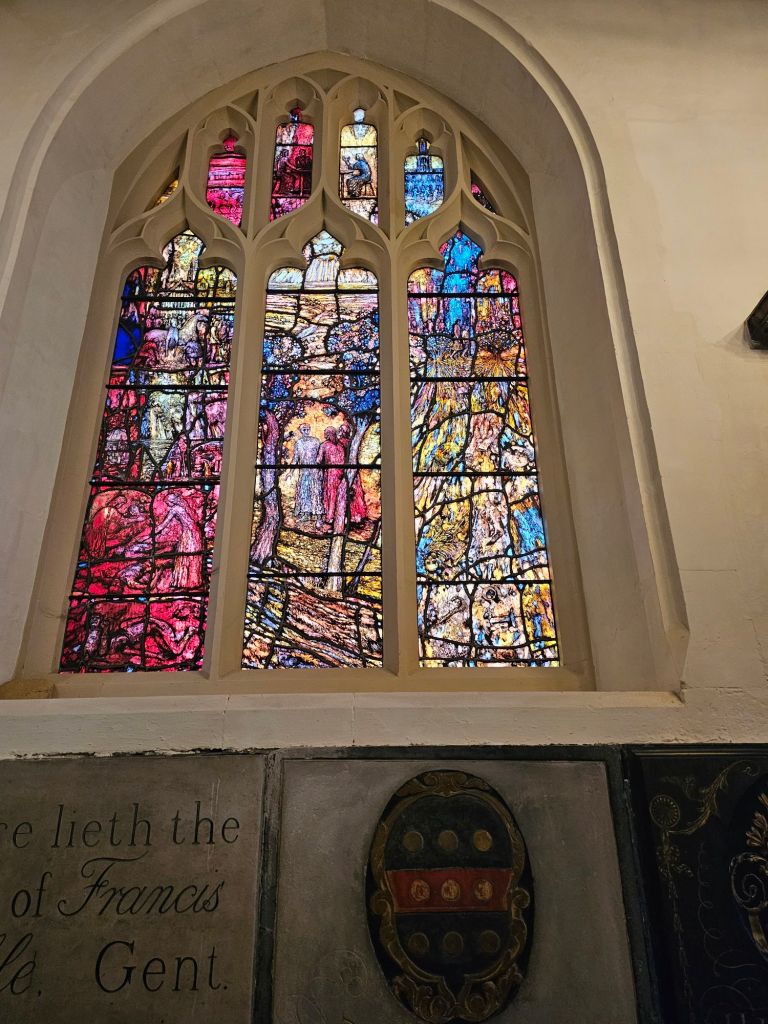
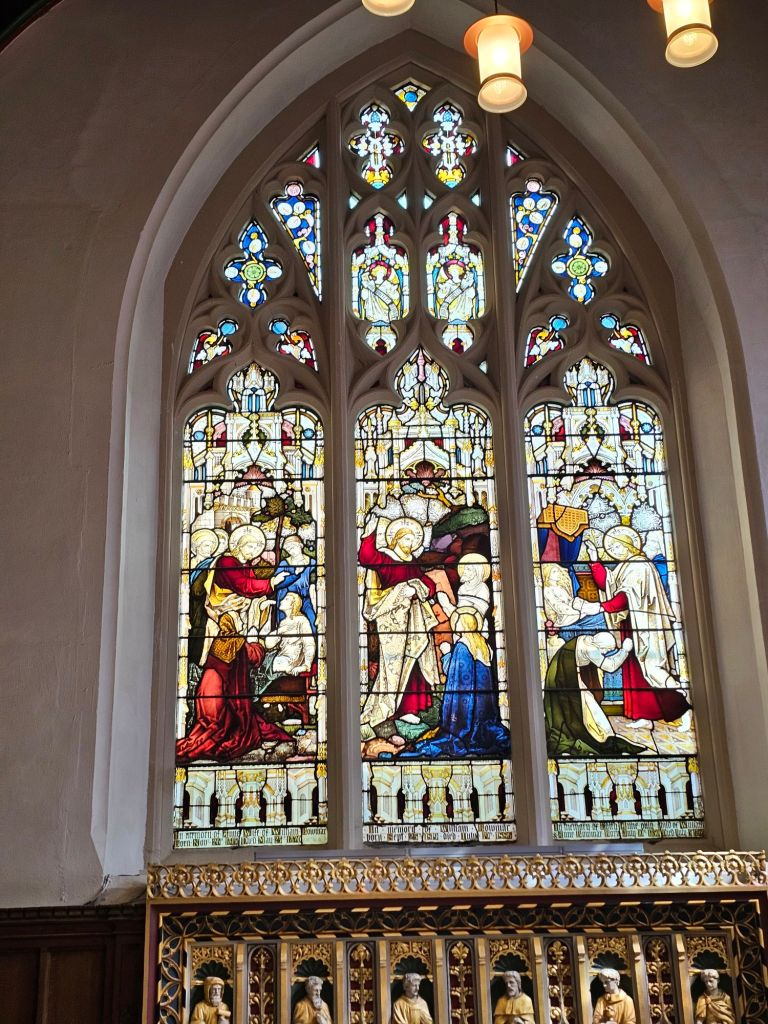
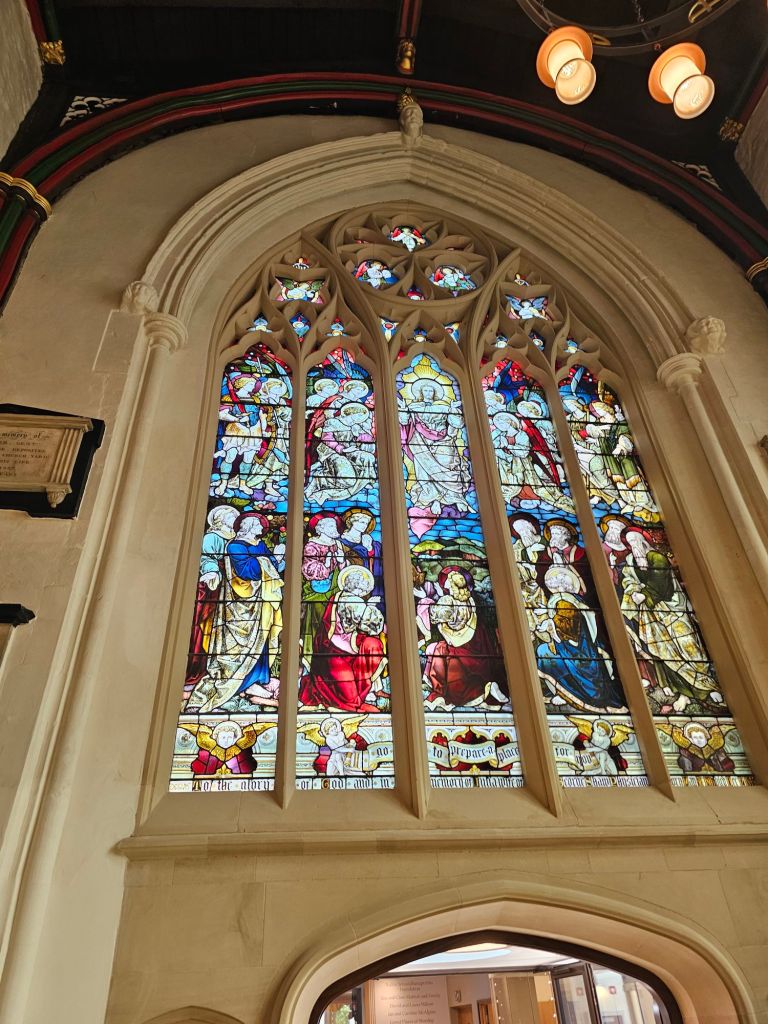
Stained Glass and Other Delights
Elephants Galore
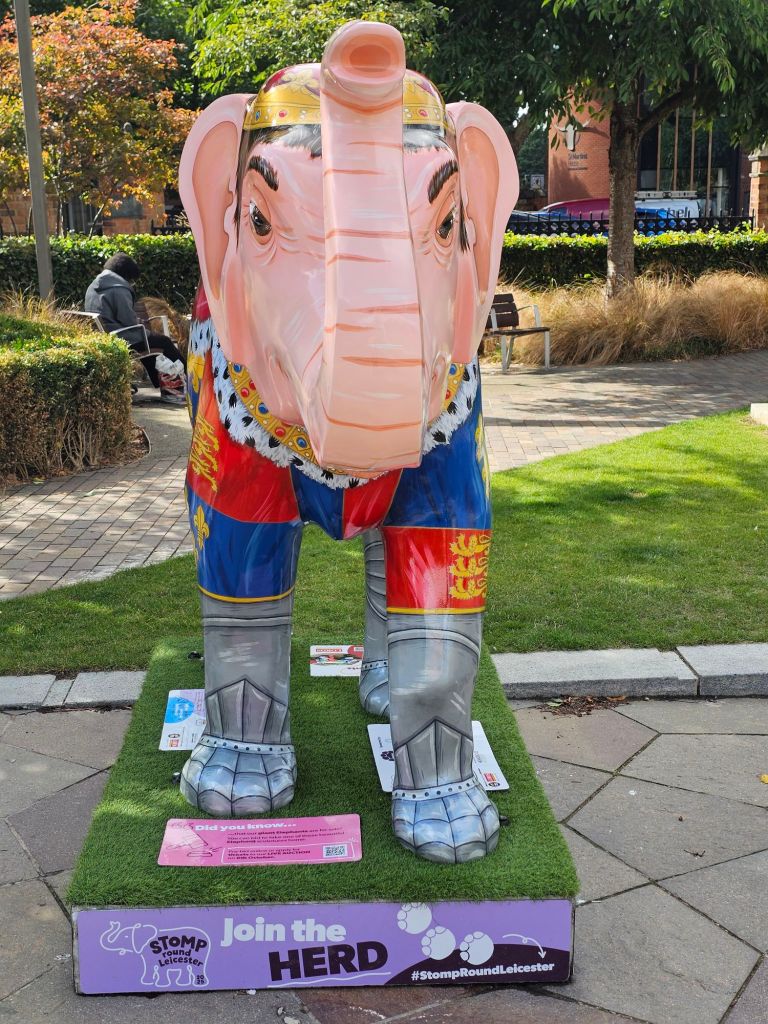
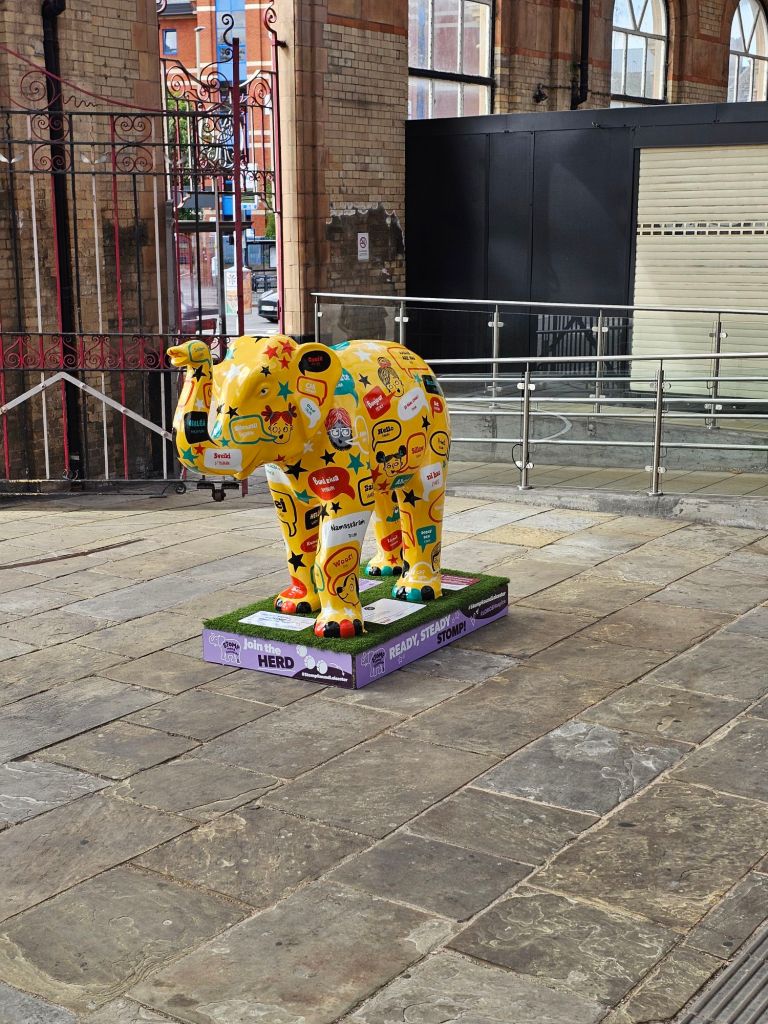
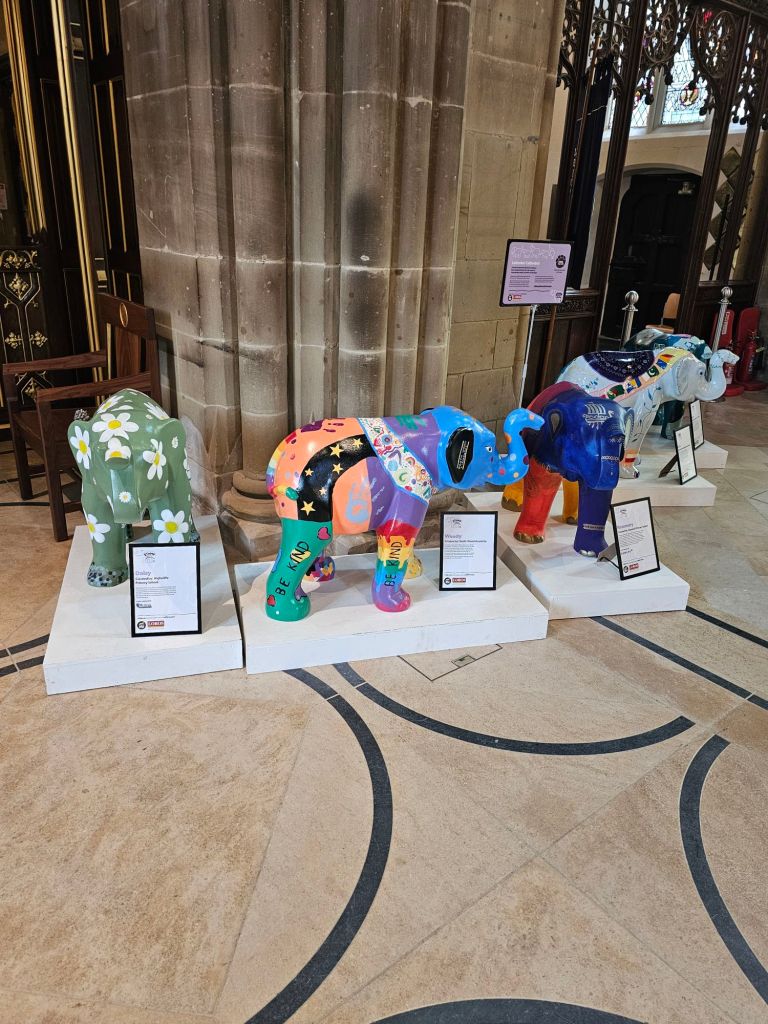
I thought it a bit strange to see an elephant sculpture outside the Cathedral. Inside, I found more. It was all part of a fundraising campaign for a local hospice.
One final note for train travellers to Leicester. Their station restrooms are clean and safe.
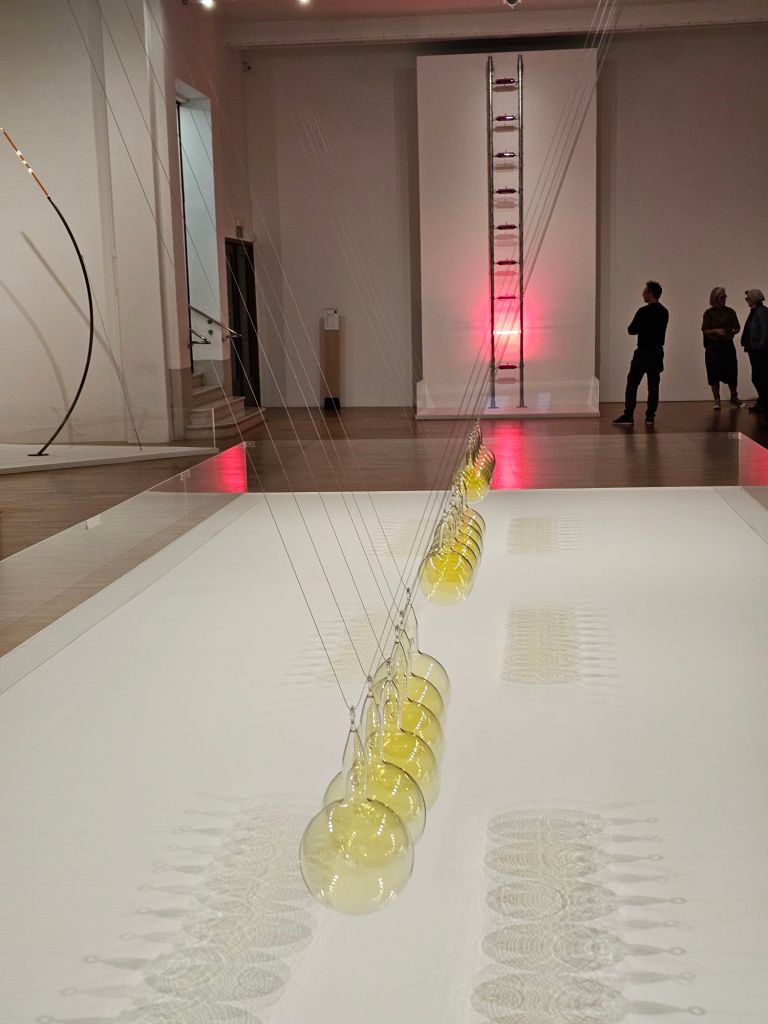
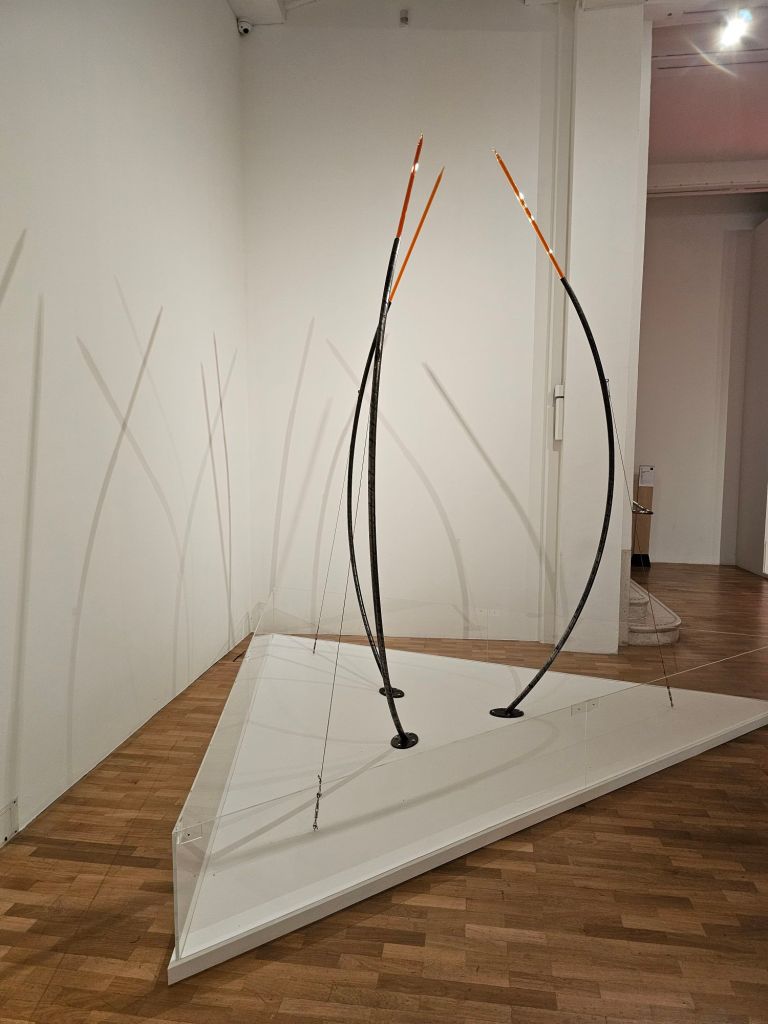
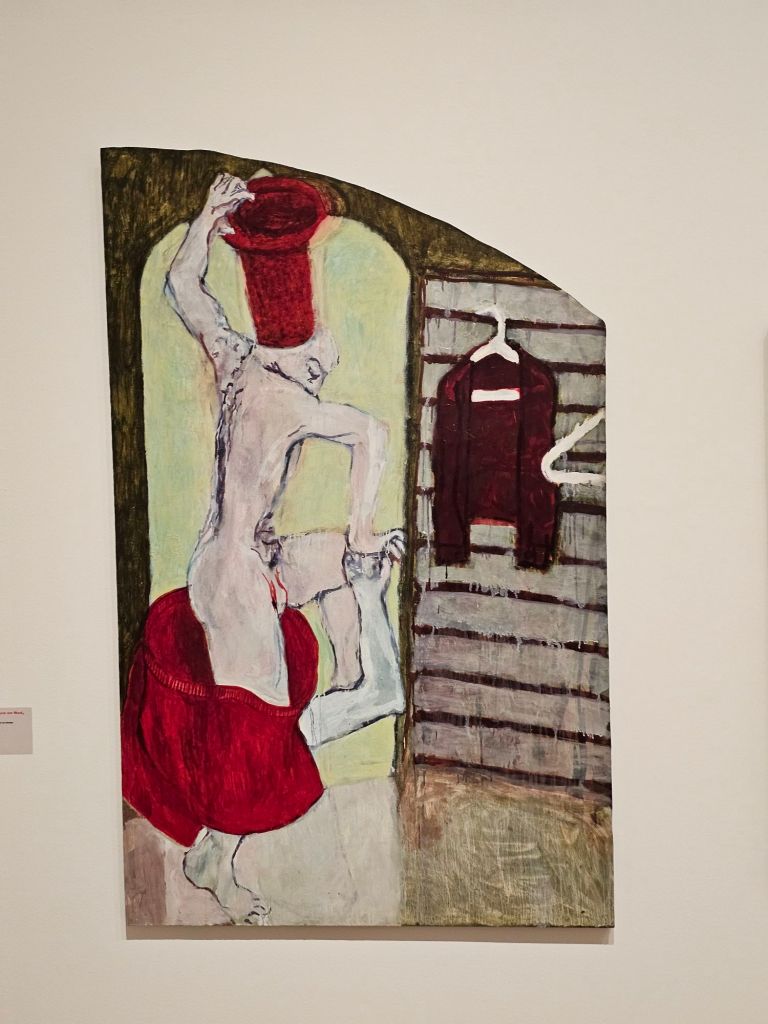
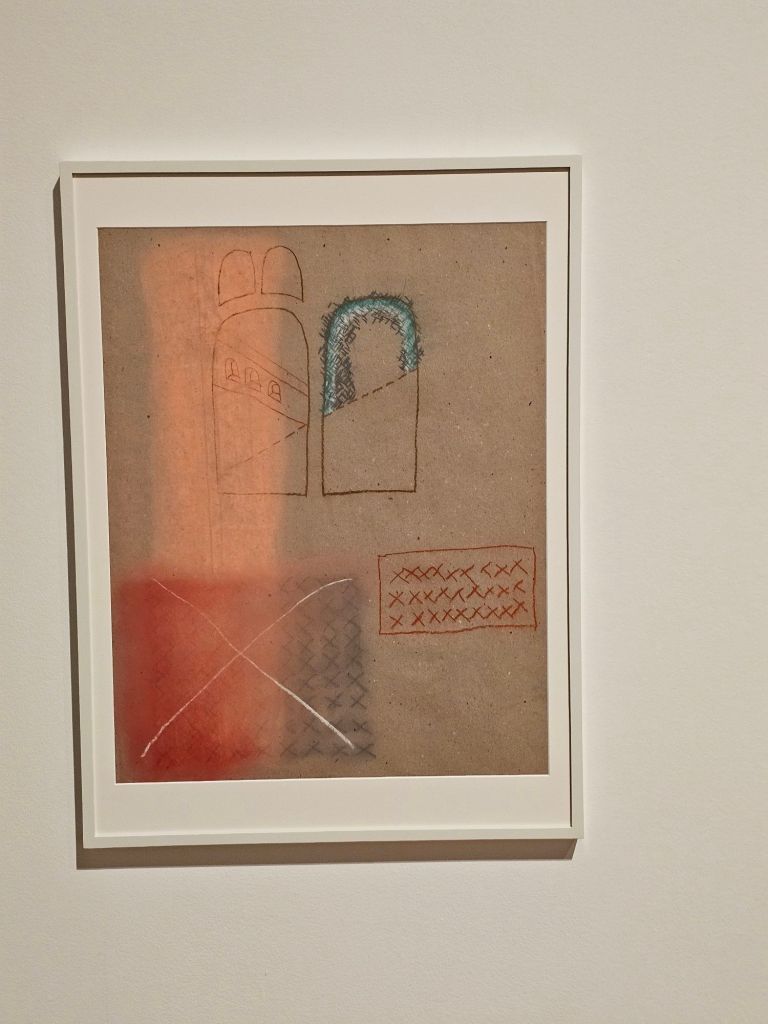
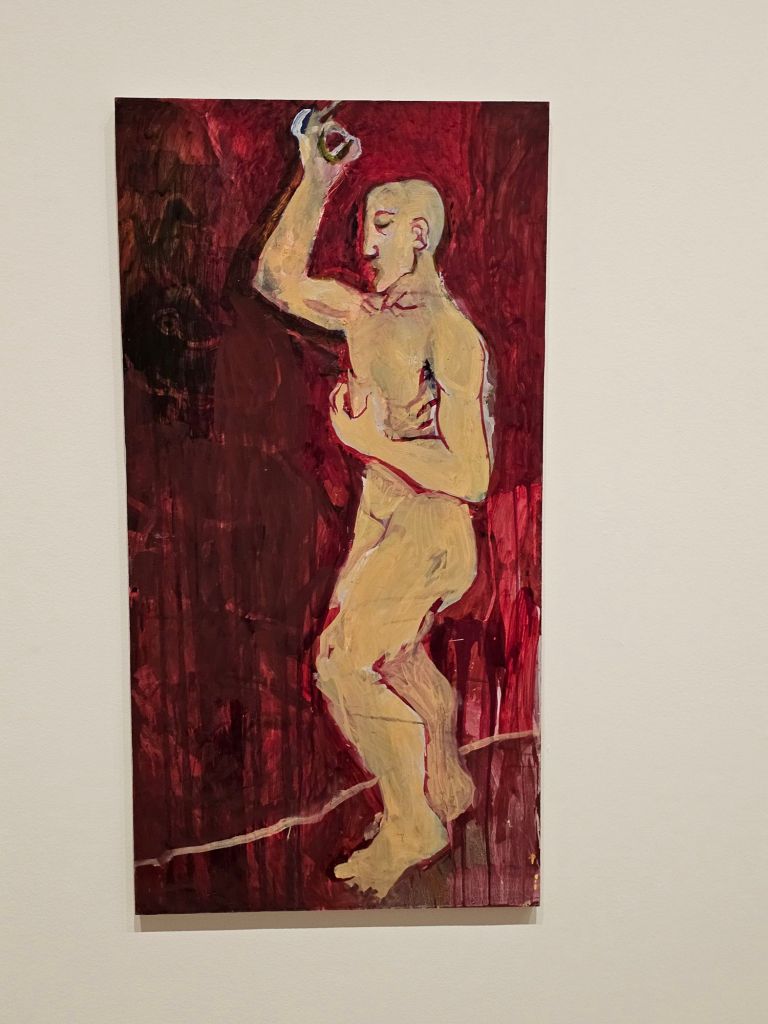
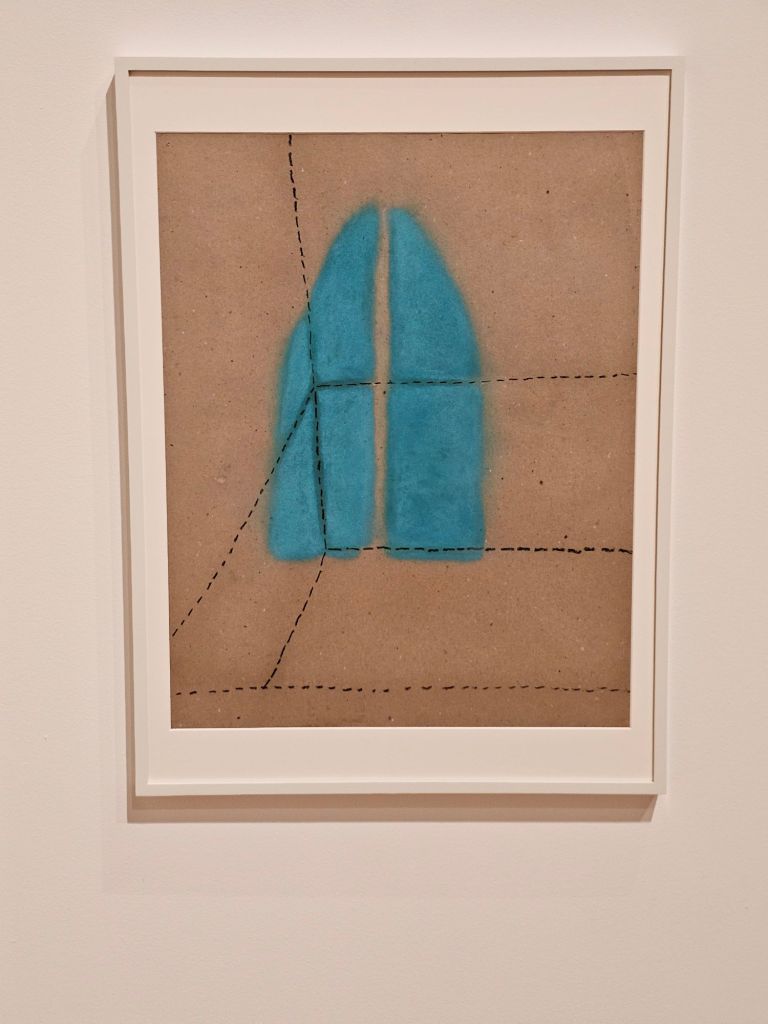
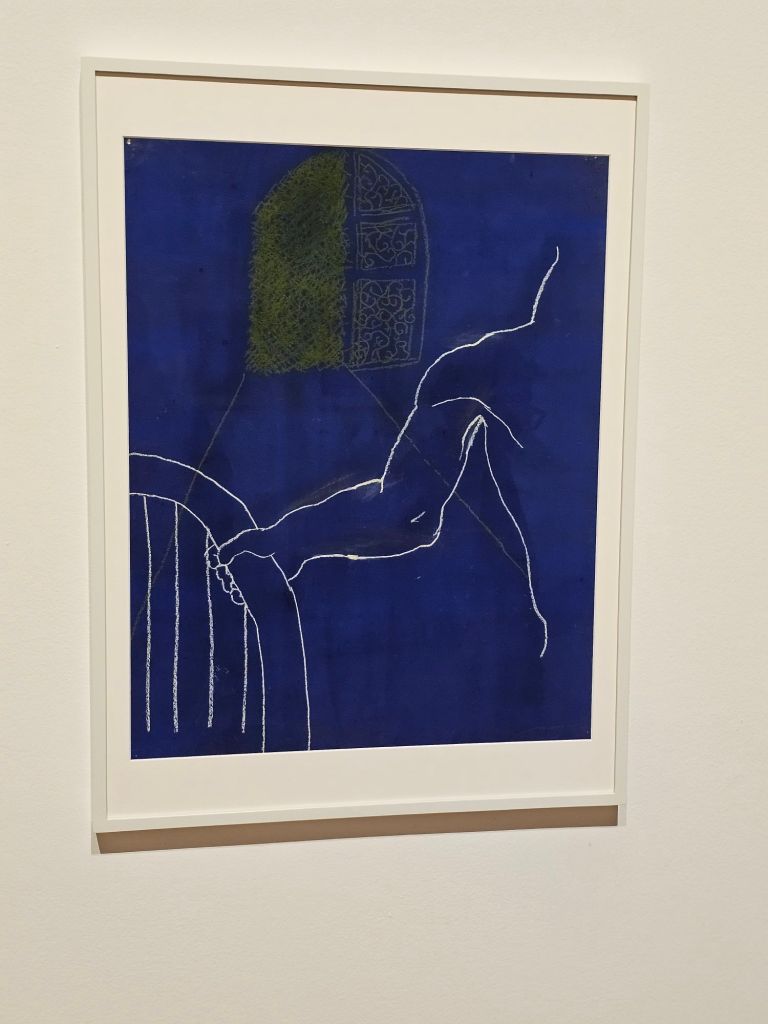
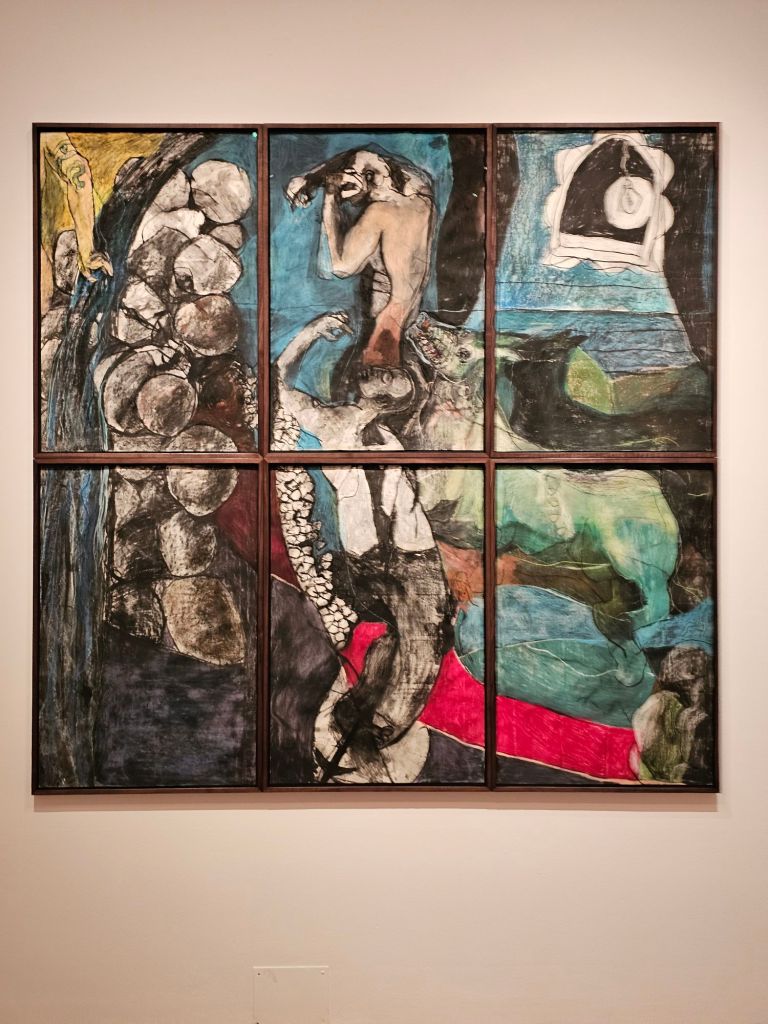
My friend Tom who is bravely living with Parkinson’s has often urged me to visit this small but interesting gallery in the Aldgate area of London. The current exhibit was titled “Hamad Butt: Apprehensions.” The exhibit included three installations Butt created, as well as a series of drawings and paintings he created during his short career. He died at 32 in 1994 from complications of AIDS.
As the exhibit began, it included a discussion of the AIDs crisis as a historical evevent of the 1980s and 90s. It was strange for me to read of the events as a part of history that many alive today cannot recall. Butt, chose a conceptual rather than an activist approach to respond to the crisis.
The exhibit began with three istallations pictured below.
These three sculptures are called “Familiars.” They take three hallogens: bromine as liquid, iodine as solid crystals and chlorine as gas. They threaten the environment if released, symbolicly representing AIDS as it was perceived in the early days.
Much of his later work was untitled. Below are some examples.
I guess that I can say I left the exhibit saddened that so much artistic talent was lost to a disease that seemed to come out of nowhere and caused so much human destruction. In the artists work one can see so much passion, so much possibility
I am also reminded of the activism of those affected either directly or indirectly by HIV and AIDS. I wonder where that kind of courage has gone in our current world. We need to remember that the way to stop a scourge is to fight, to stick together and to work to save what is important as those who crusaded to find a cure for AIDS did.
Doggy Day Afternoon
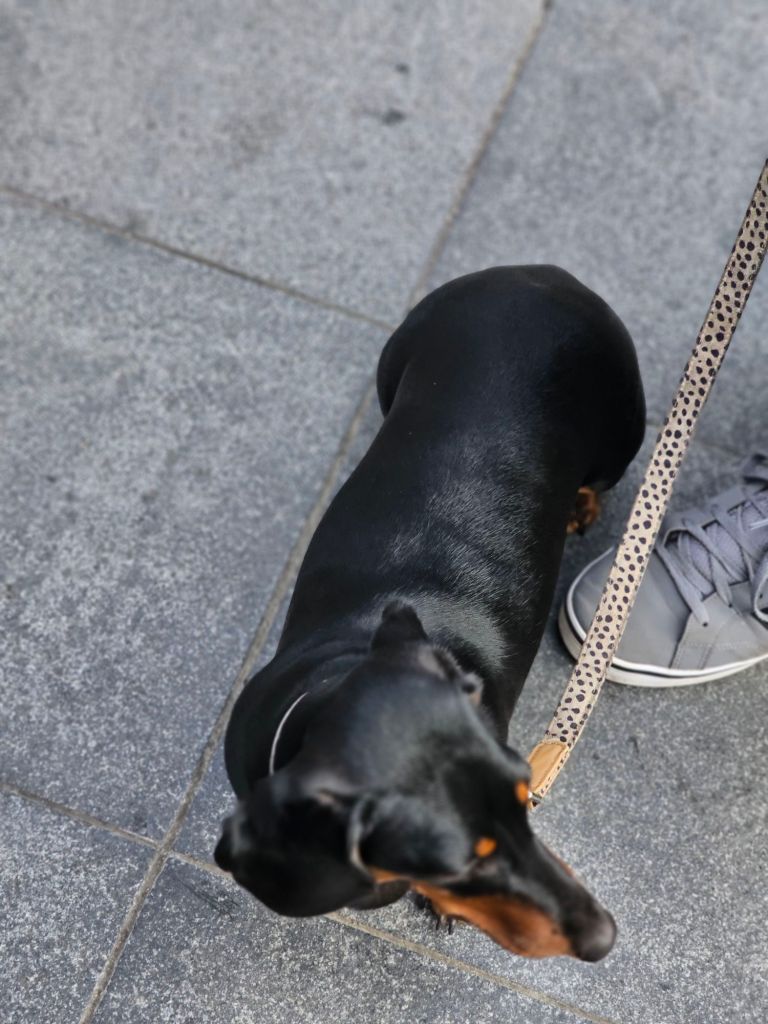
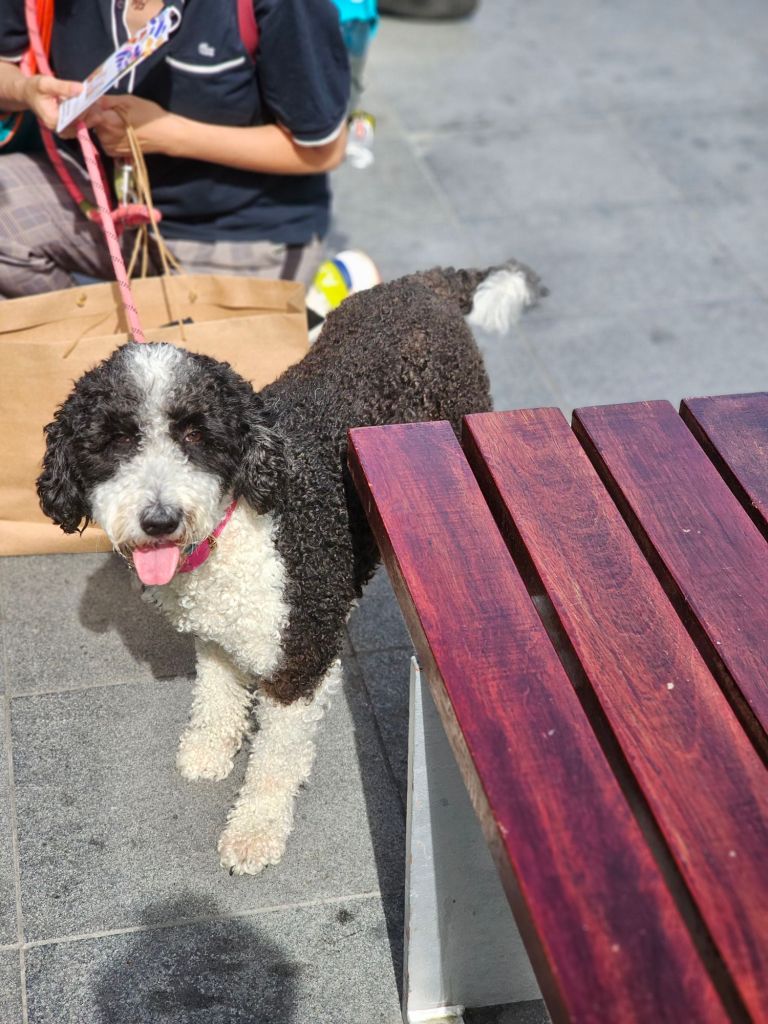
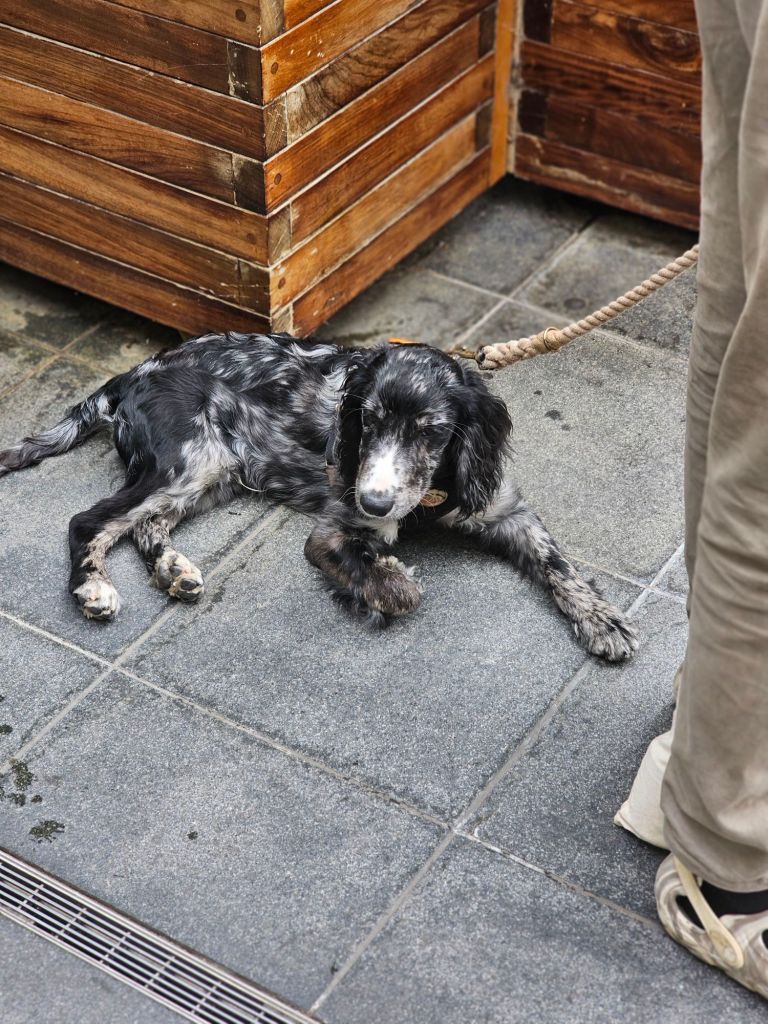
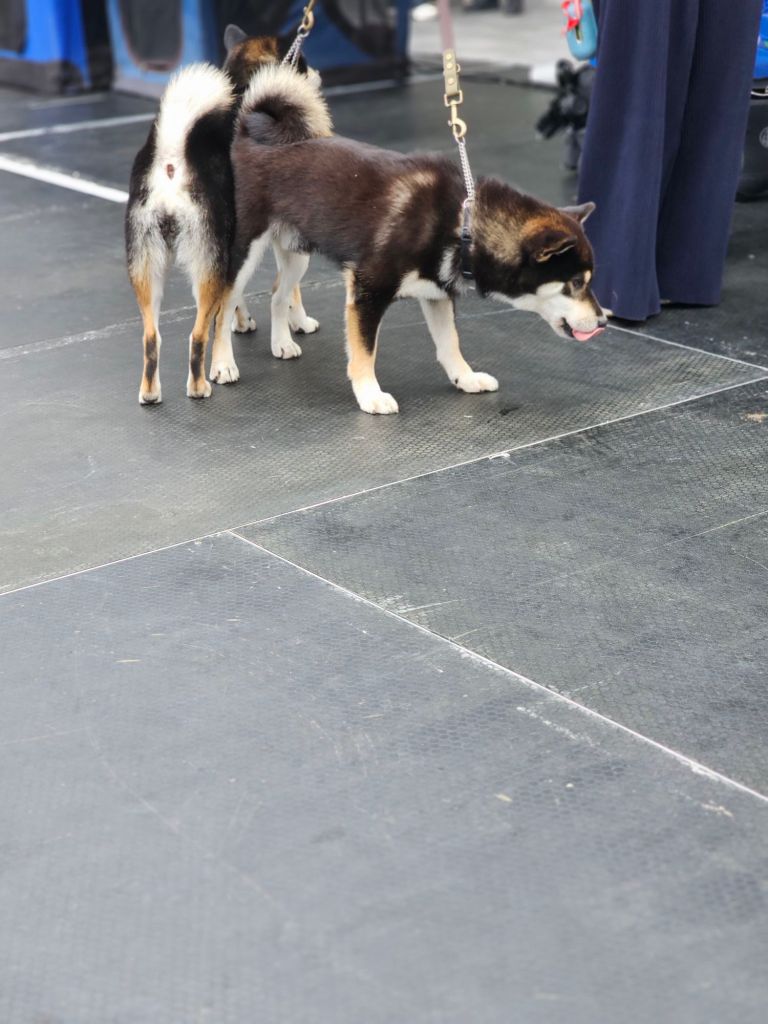
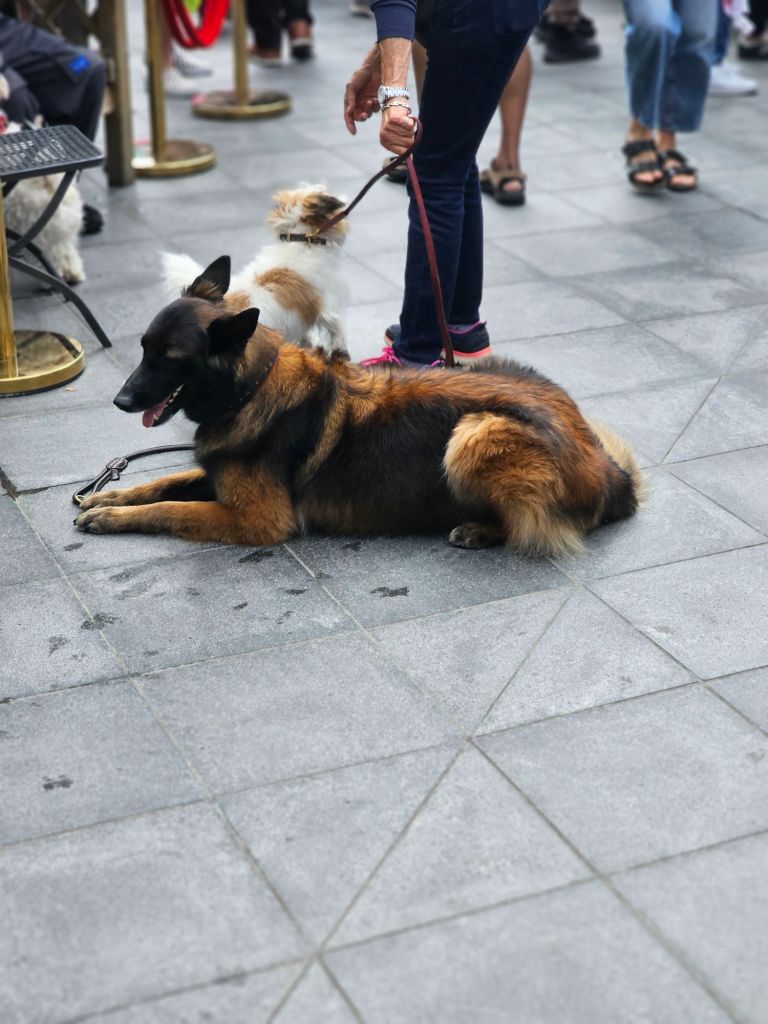
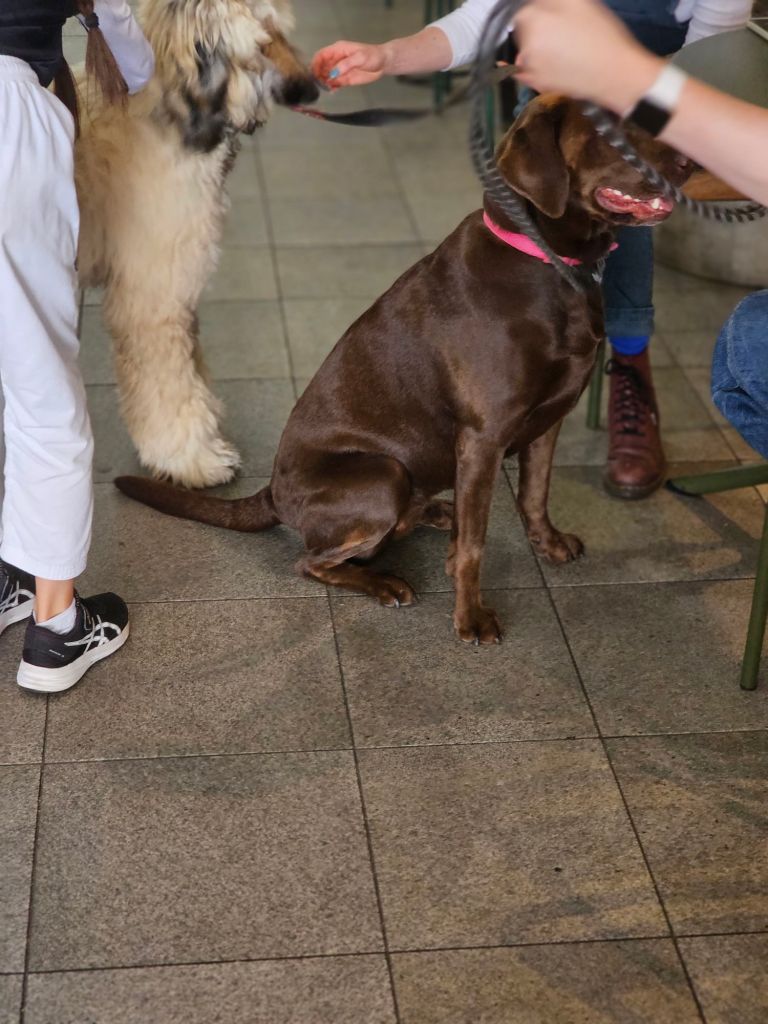
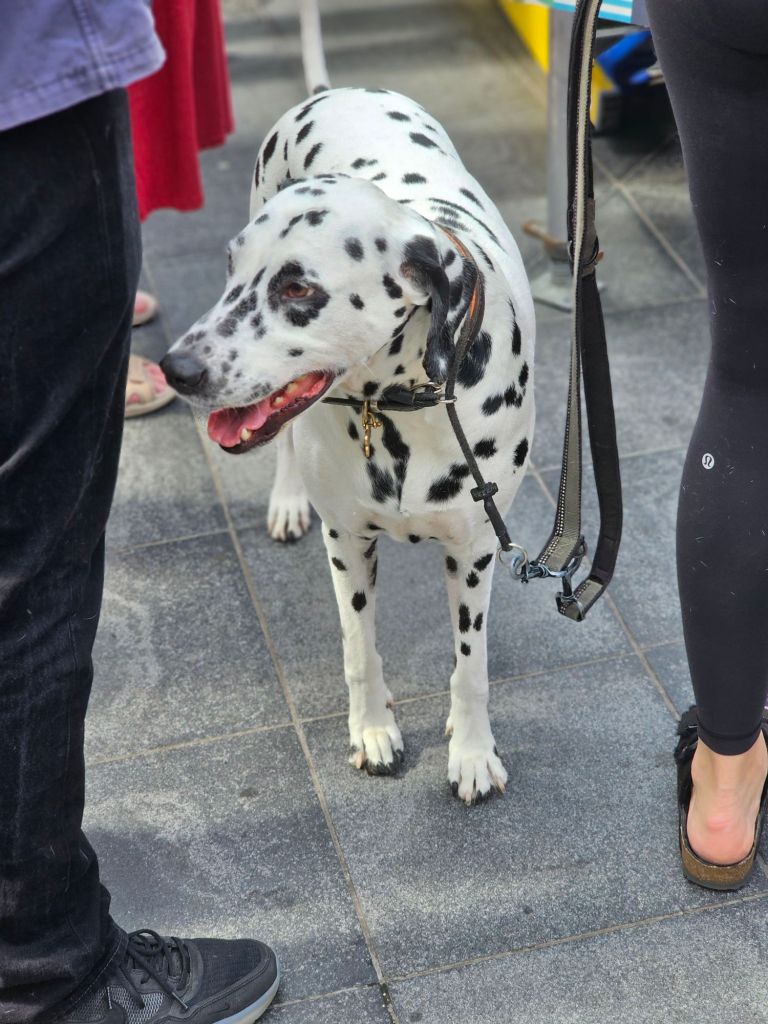
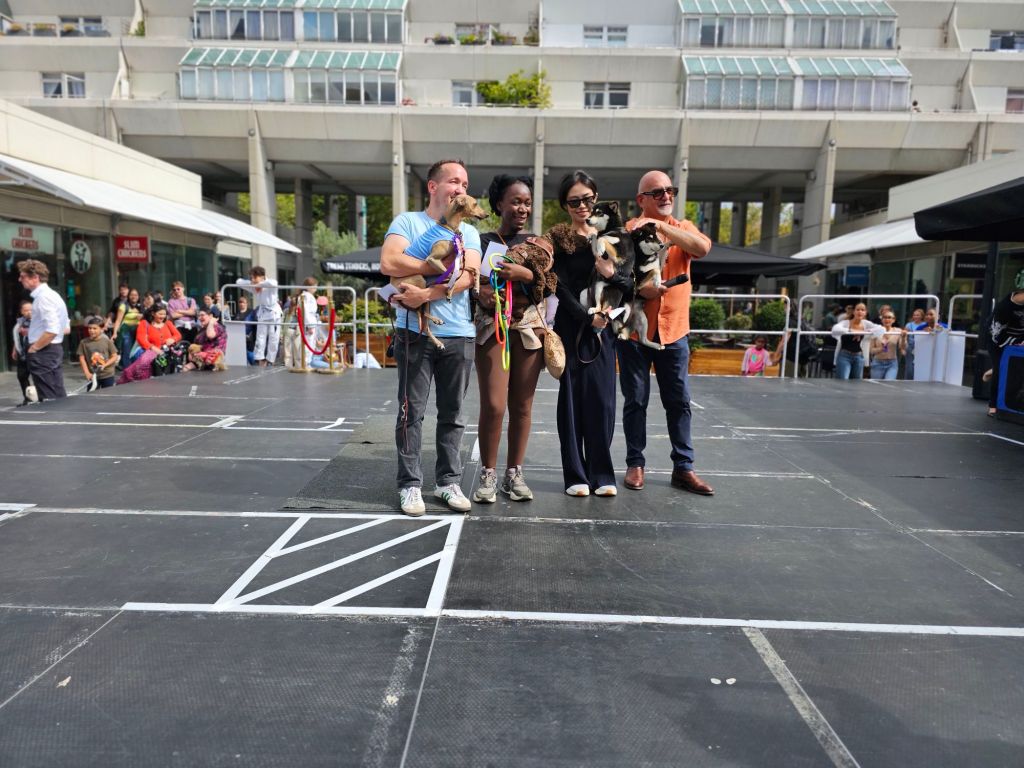
After such a poignant topic, I turn now to a joyful one. Each September, the Brunswick Centre, a brutalist monument to the architecture of the 1960s that includes apartments and a shopping centre, holds “Doggy Day” where dogs and their people come in droves to see and be seen and to win prizes. This is one of my favorite events of my time in London. I have collected photos of some of my favorites. Indulge me.
Italian Greyound I fell in love with this one.These were the winners, my favorite was among them.
September in Bloomsbury
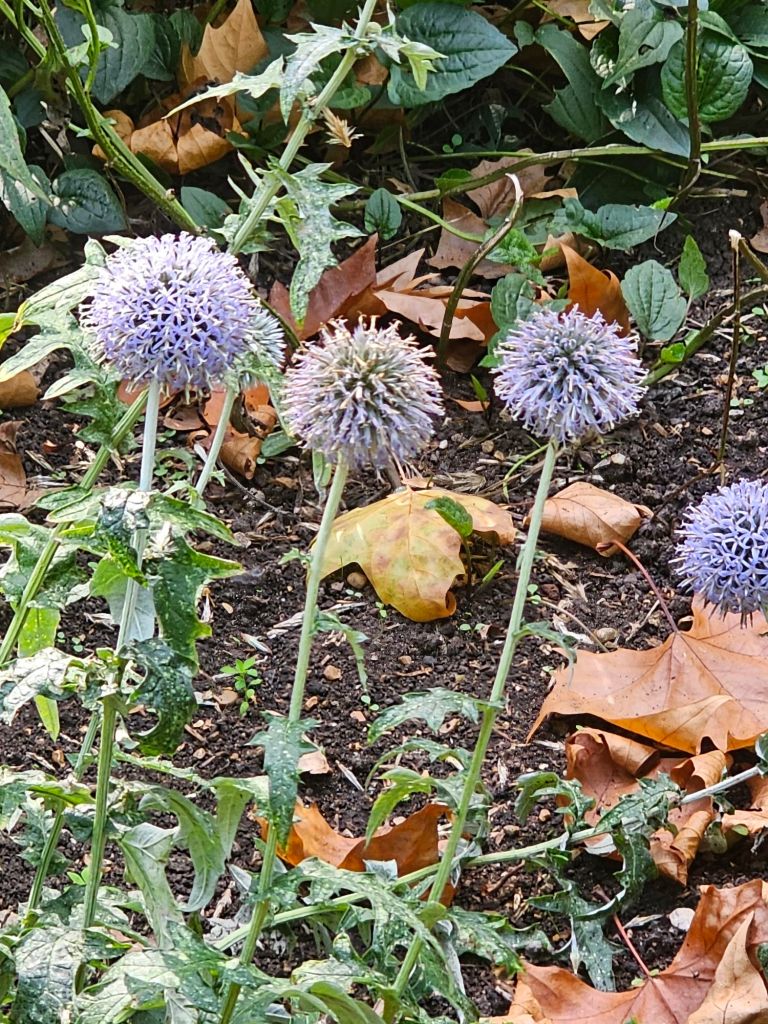
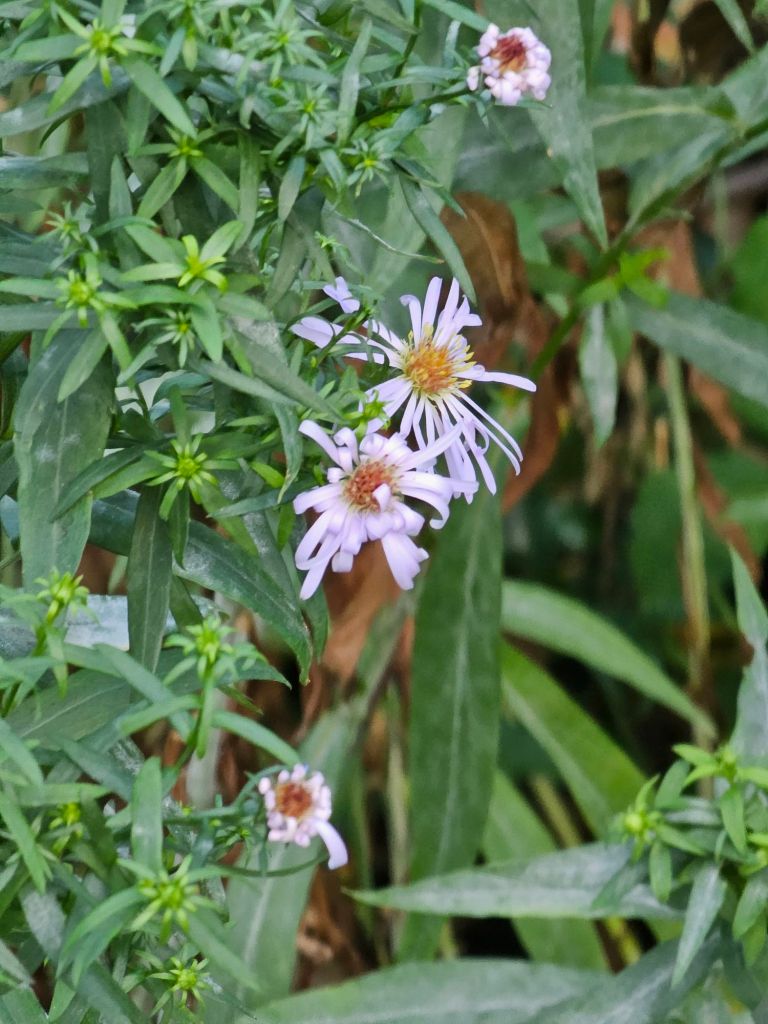
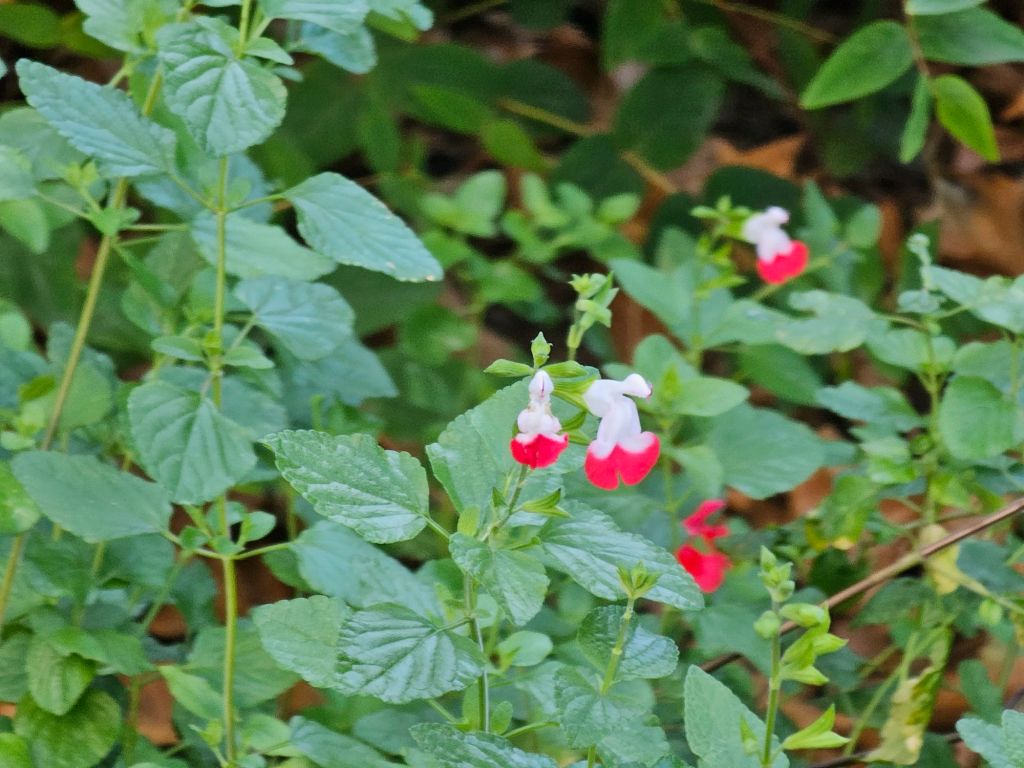
I took a stroll through two local parks today, the ones in Russell Square and neighboring Brunswick Square. There were so many late blooming flowers that I thought I should capture them.
With the London Underground on strike most of this week, I shall be looking for different kinds of adventures. I’ll let you all know if I find some.
It has been a week of gloomy weather with rain and hints of sunshine. On a cloudy day I took a walk up to the Wellcome Collection, a museum with rotating exhibits focusing on health, medicine and the human experience. I always enjoy approaching the museum from Kings Cross, along Euston Road because that particular stretch of the Road has various interesting places along the way, including Euston Train Station Friends House, owned and managed by the Quiet Company, a subsidiary of the Quakers of Britain. It contains a lovely Quaker Bookshop and a small cafe, as well as a Quaker Meeting Room. There are also a Birkbeck University Campus that happened to sponsoring a graduation ceremony on that day. It is always great fun to see the gowned graduates with their loved ones. I’ll say more about another favorite spot, St. Pancras New Church later.
Wellcome
The Wellcome Collection is running an exhibit on the search and need for fresh water. The earliest example of a water war is found in the Epic of Gilgamesh (2100-2000 BCE). It is captured in this clay tablet (below).
The exhibition included interesting ways water was stored in different cultures.
A BumolaA Ewer
Another interesting item is this depiction of “The Lifegiving Spring” from the 1700s. It represents an Eastern Orthodox belief that the Virgin Mary in 450 AD directed a soldier searching for water for a blind man to a spring.
I also enjoyed the display of diving rods used traditionally to find water in the ground.
There is also an interesting permanent collection that I have previously written about and a nice cafe with friendly staff.
Welcome
On my way back from the Wellcome Collection, I stopped in at St. Pancras New Church which I have also discussed in an earlier post. This is a wonderfully welcoming place and an important part of its community. Here are the three stained glass windows above the altar.
After sitting enjoying the peace of the church, I came upon a young man who happened to be a verger at the church. We had an interesting conversation about the Anglican Church and its differences and similarities with the Episcopal Church in America and with Roman Catholicism. He also told me about various upcoming events at the church and invited me to attend. St. Pancras New Church really is a welcoming place.
Let’s get the bride out of the way first. I was leaving my flat late one morning and was surprised to see a bride and groom (or perhaps two actors playing bride and groom, leaving a townhouse down the road.
Two Good To Be True
I like to mention the local shops and restaurants that give friendly service in Bloomsbury and Kings Cross, the neighborhoods that my current flat is bordered by. I have had several very nice encounters with the staff of “La Dolce London,” a charming cafe just a brief walk from my flat. Their coffee and other offerings, as well as their customer service are all excellent. As you will see below they also have some clever decorating.
Pole disguised as a tree.They always have a smile and kind word for patrons. Stop in on Marchmont Street if you get the chance.
Ancient India-Living Traditions
The second good thing is the exhibit at the British Museum that looks at devotional art of three religions that have their roots in India-Buddhism, Jainism, and Hinduism. The period considered was 200 BC to 600 AD. It begins with a representation of an important figure from each faith tradition.
The BuddhaGaneshaA Tirthinkara
For those of us unfamiliar with the depth and intertwining of the three faiths, it is interesting to learn, for example, that Ganesha is a god revered by some in all three faiths, though primarily a Hindu god. A Tirthinkara is an enightened leader in Jainism. This figure looks something like a Buddha but has an an endless knot symbol in the middle of his chest.
Male Yaksha and Female Yakshi Nature Spirits
These ancient spirits were adopted by all three faiths and many Yakshis were given male consorts when they were adopted by the three faiths.
Vishnu and Shiva
These two are recognized as principal deities in Hinduism. As you will see below, Vishnu is represented in human form here while Shiva in a symbolic form.
This exhibit opens the door and the mind of those of us who are mostly unfamiliar with the traditions associated with the three faiths. I hope this small introduction may lead you into further exploration.
We Must Never Forget Evil and We Must Forgive
This is what i took away from my most recent visit to the Weiner Holocaust Library. It’s current exhibit, “Looted to Families, Nazi Theft and the Search for Restitution,” teach the lessons of never forgetting history and learning, through forgiveness. This was the story of the Wertheimer and Keitenhauser families. The Wertheimers were a Jewish family, the Keitenhausers were Austrians with a strong connection to the Nazi Party in Austria after the Anschluss.
The Wertheimer family were forced to sell their properties at a vastly reduced price. They could take very little with them. The Keitenhausers prospered with the head of the family, Josef,a Nazi Party member had responsibilities, including spying on his neighbors. He also secured a position as Head Teacher (principal, in US terms), replacing a man who was not a party member. As happened throughout Germany, Austria and all the Nazi occupied countries, the Wertheimer’s posessions that were left behind and looted by neighbors and among those posessions was a table that made it’s way to the Keitenhausers.
Auschwitz transfer list. A member of the Wertheimer family was on this list. None of these people survived.
Many years after the war, in the 2000s, Katherina Mayrhofer, an Austrian artist and great granddaughter of Josef Kaltenhauser Sr, found a table in the attic of the family home. She discovered the table was an item looted from the Wertheimers. She contacted Diana Jelinek, a Wertheimer descendant and her daughter, British artist Emily Davy. The two artists restored the table and had a new key cut for it.
The two artists restored these skirts from the pre-war era.
Handmade keepsake box belonging to Josef Kaitenhauser Sr.
If I could recommend one small exhbit space to everyone who visits London, it would be this small gallery at the Weiner Holocaust Library. Each exhibit reminds us of how Europe descended into madness and attempted genocide. But we are also reminded to be ever vigilant with our liberty and freedoms.
A Bit of Nature to Conclude
As I walked back from the Weiner Library, my mood was lifted by this view of the Kimpton Fitzroy Hotel through the ancient trees in Russell Square.