All in All its just another Fleece in the Airport

Greetings from lovely Denmark where I am spending a few days with friends Barbara and Kuhrt. Barbara was, literally, the first friend I made in Washington, DC when I moved there to attend graduate school at American University. She had just completed a semester abroad in Grenoble, France and was preparing to move into a house on Quebec Street, NW, in the city with my friend Nancy who I knew through Gail, fiancée of Al, my best pal from SUNY Oneonta where Al, Gail and I had all become close friends and ‘fierce JEOPAERDY! competitors during after lunch games watched on a TV in the basement of one of our dorms. Nancy and Gail had gone to high school together. But I digress, as I often do. Barbara and Nancy, their housemates and our friends had many great times during the years of my grad school experience. Barbara and I remained friends and I got to know Kuhrt, a dashing Danish chef, with whom she fell in love and married. They started their life together in Bethesda, Maryland and had their two daughters there. But eventually, they moved to Allerød, Denmark just north of Copenhagen. Flash forward several decades and many visits back and forth, including a memorable meeting in Normandy, marriage of their two daughters, and the birth of their 4 beautiful grandkids, and here I am back today.

The flight over from Gatwick Airport was quick! We arrived 30 minutes early! The only issue was that I left my sleeveless fleece jacket in the departure lounge. This is a step up from leaving my winter jacket in Copenhagen airport three years ago. Let’s hope this isn’t becoming a thing with me!

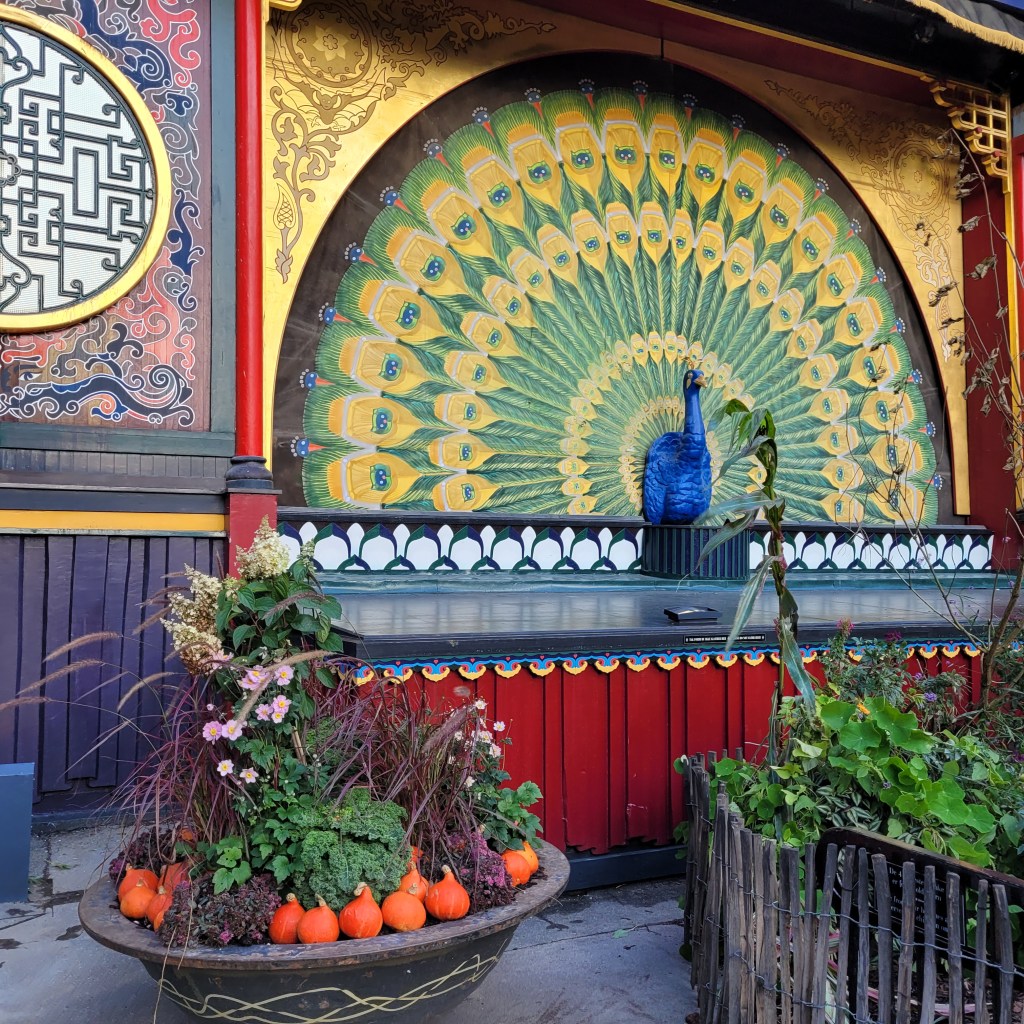
Kuhrt and Barbara have always been incredible hosts. After picking me up at the airport, our first stop was Copenhagen’s famous amusement park Tivoli Gardens. Like several European countries, Denmark has adopted some of America’s Halloween traditions, while keeping their own autumn traditions.
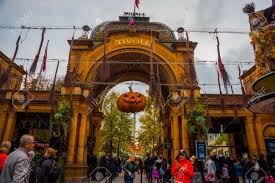
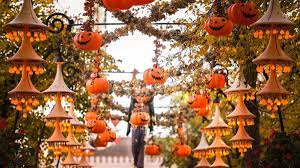
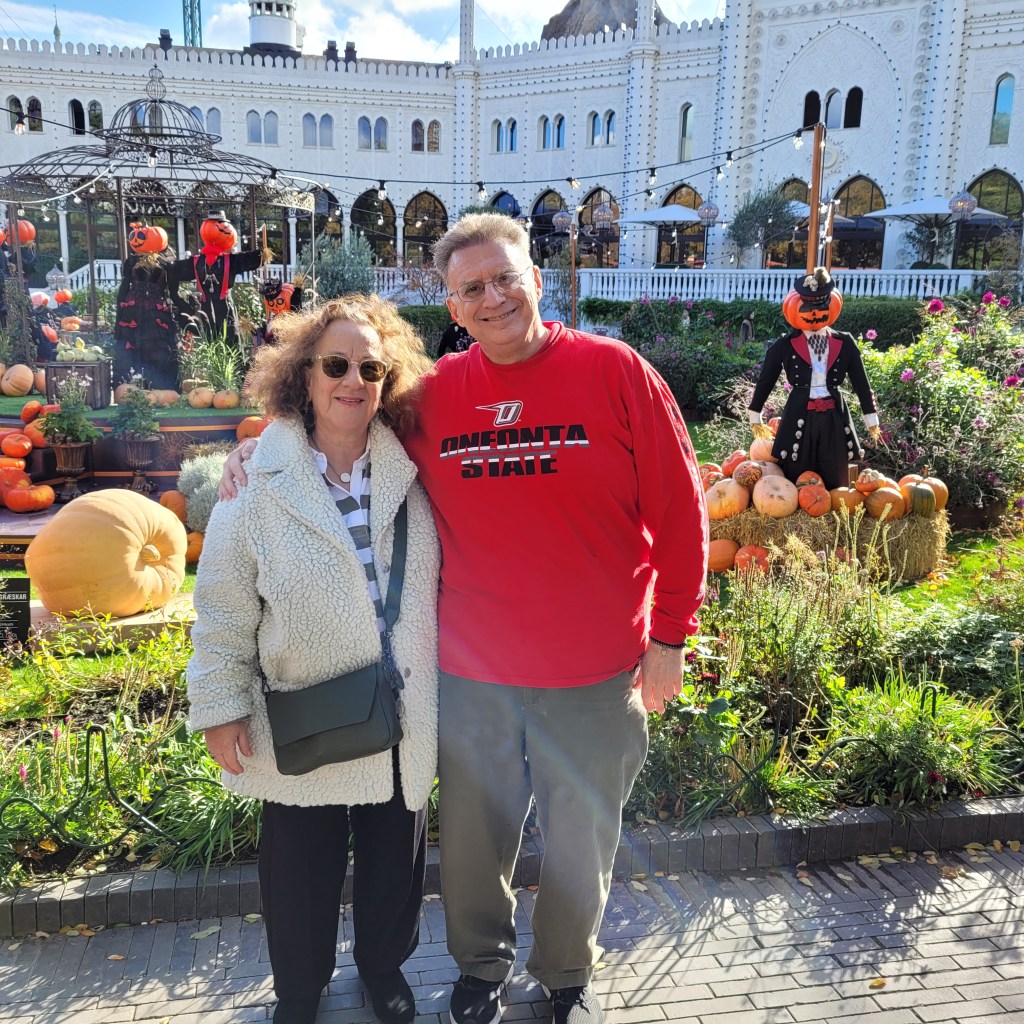
The two pictures above are from Google and give an idea of the kind of decorations that appear throughout the venerable park. Below left are Barbara and Kuhrt. Right are Barbara and me, as always, representing my Alma Mater.
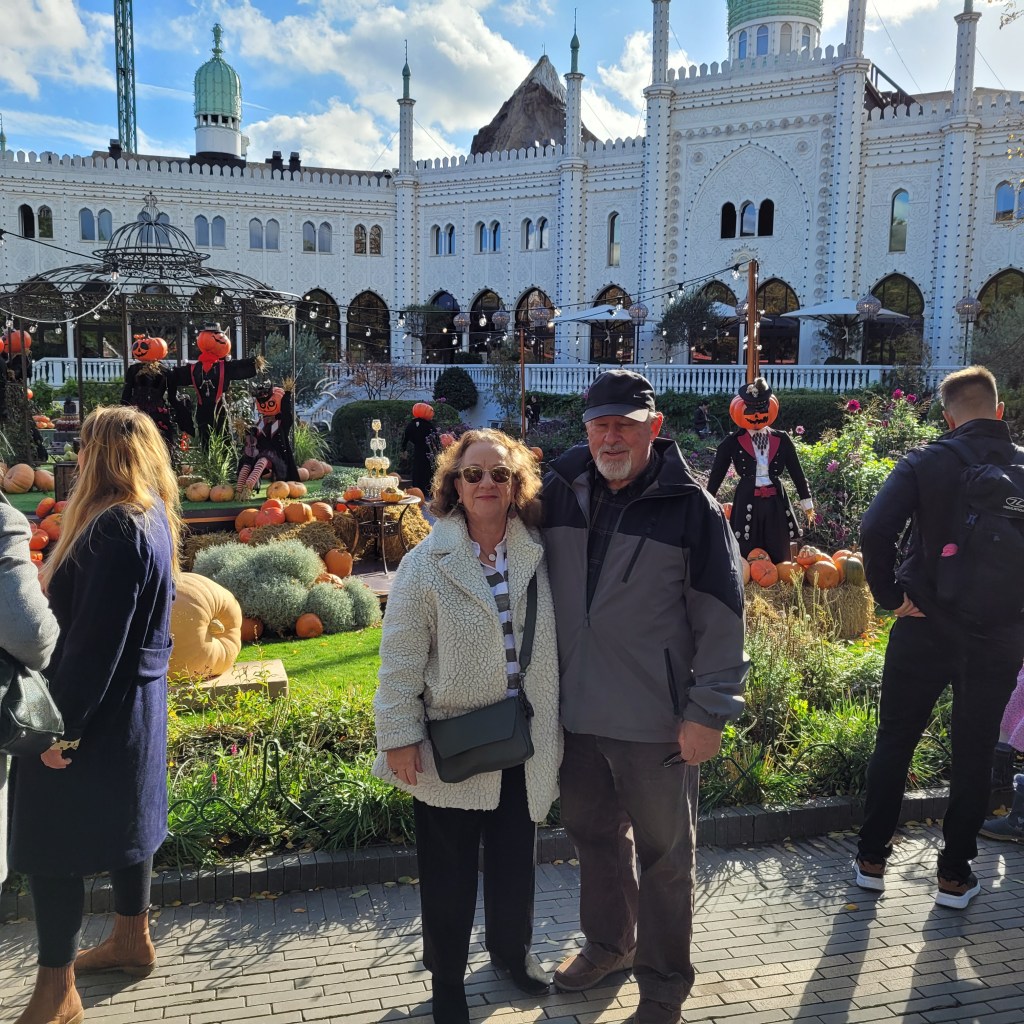
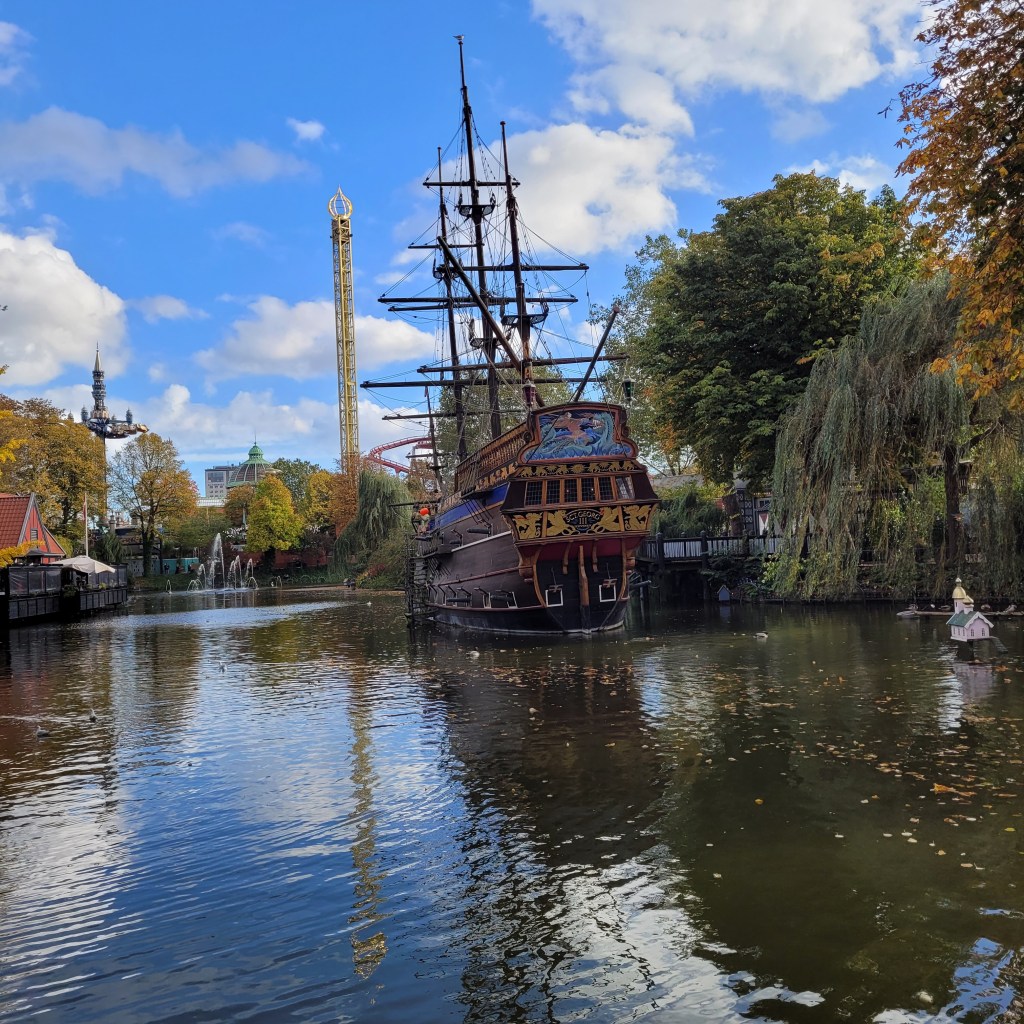
The park has grown and contains quite an array of rides, shops, restaurants and water features, see the boat in the photo. We had a great time walking, talking and laughing, as only old friends can.
Before we went to Barbara and Kuhrt’s home, we made a brief stop at her younger daughter’s home, where their two daughters, their husbands and children were spending a pleasant Sunday afternoon. I hoped my arrival would not disturb the family’s afternoon, but this is a family that defines the Danish concept of Hygge (pronounced hyoo-guh). The two sisters are both wonderful compassionate women who have married men who complement them well. Each couple has a son and a daughter, and all four cousins are a joy to spend time with. Celine, the daughter hosting us, demonstrated that she had her dad’s baking skills serving us a wonderful pumpkin cake.

On one of my first visits to Denmark, Kuhrt told me a famous joke that Danes tell (and I suspect Swedes reword slightly and tell too). “What does Sweden have that Denmark does not? A beautiful across the Öresund. (The sound dividing the two countries). The next day, we had the chance to experience that for ourselves when Kuhrt drove us up the coast and we took a 20-minute ferry ride to Sweden. It seemed to be nearly as large as the ferries I have taken to cross “La Manche” (the English Channel). It even had a duty-free store that only provided the duty-free prices for the second 10 minutes of each crossing.

We were passing the time looking at the various alcohol prices and when, of all the akvavit selling joints on all the daily crossings between Denmark and Sweden, who should walk into this one, but a friend of Barbara and Kuhrt’s! It is a small world!

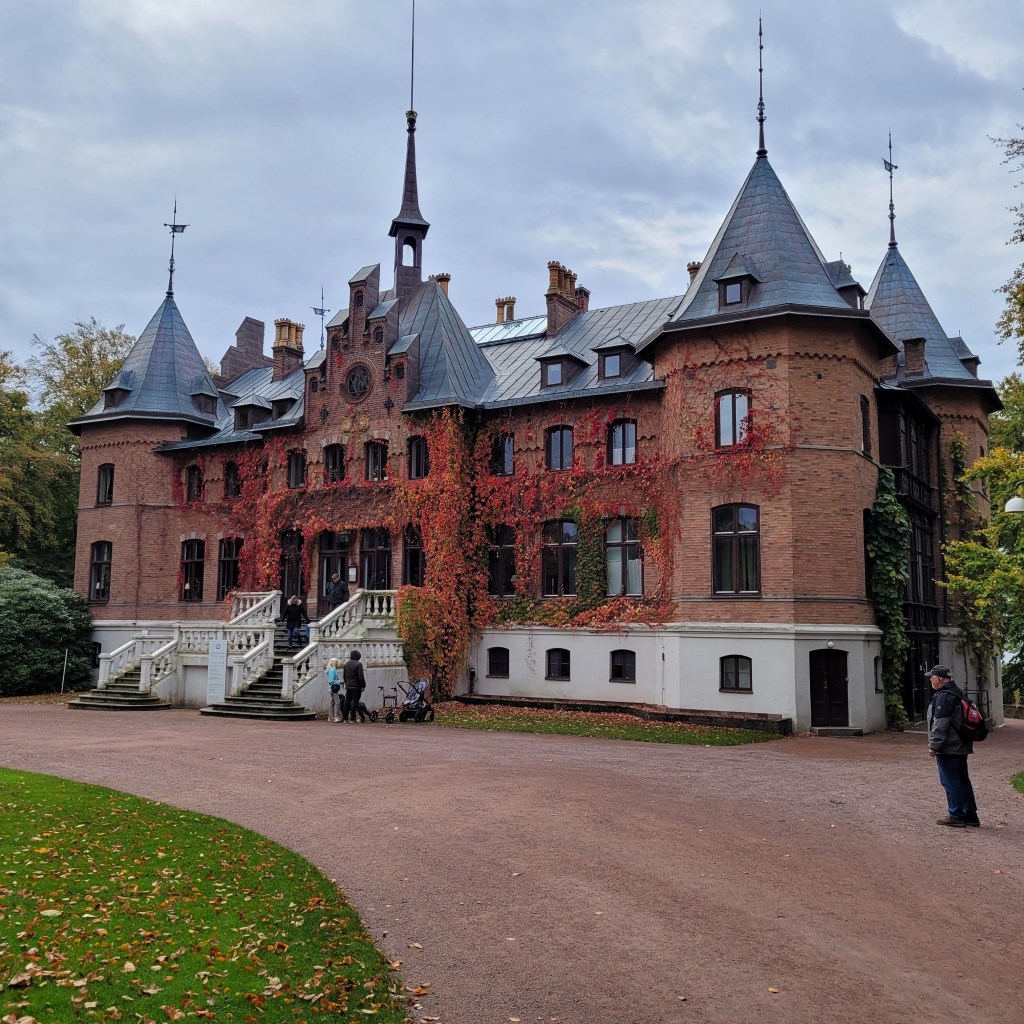
Upon our arrival, Kuhrt kept to a coastal route, and we saw lovely Swedish villages. Our first stop was at Sofiero, which was one of the Swedish royal family’s country mansions from 1864 until King Gustaf VI Adolf’s death in 1970 when he left it to the city of Helsingborg. It is a lovely, peaceful setting.
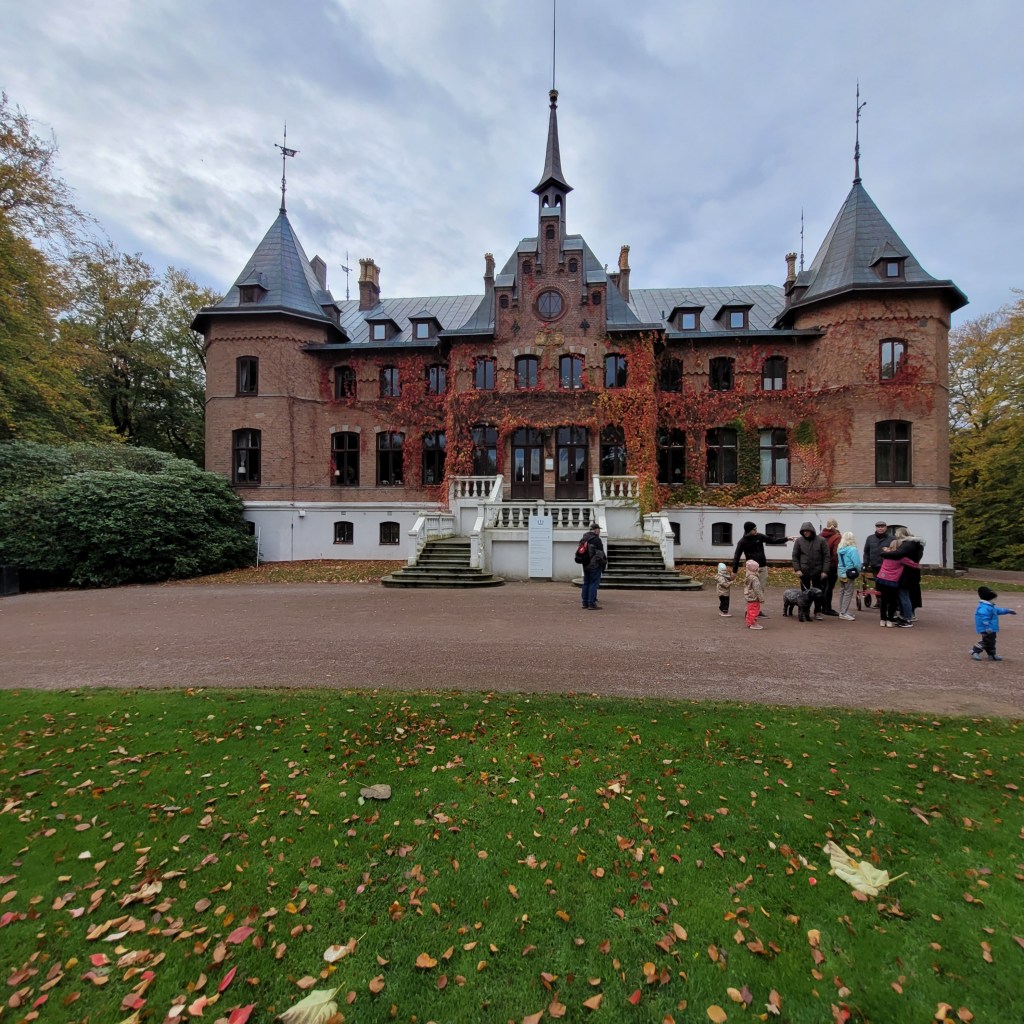
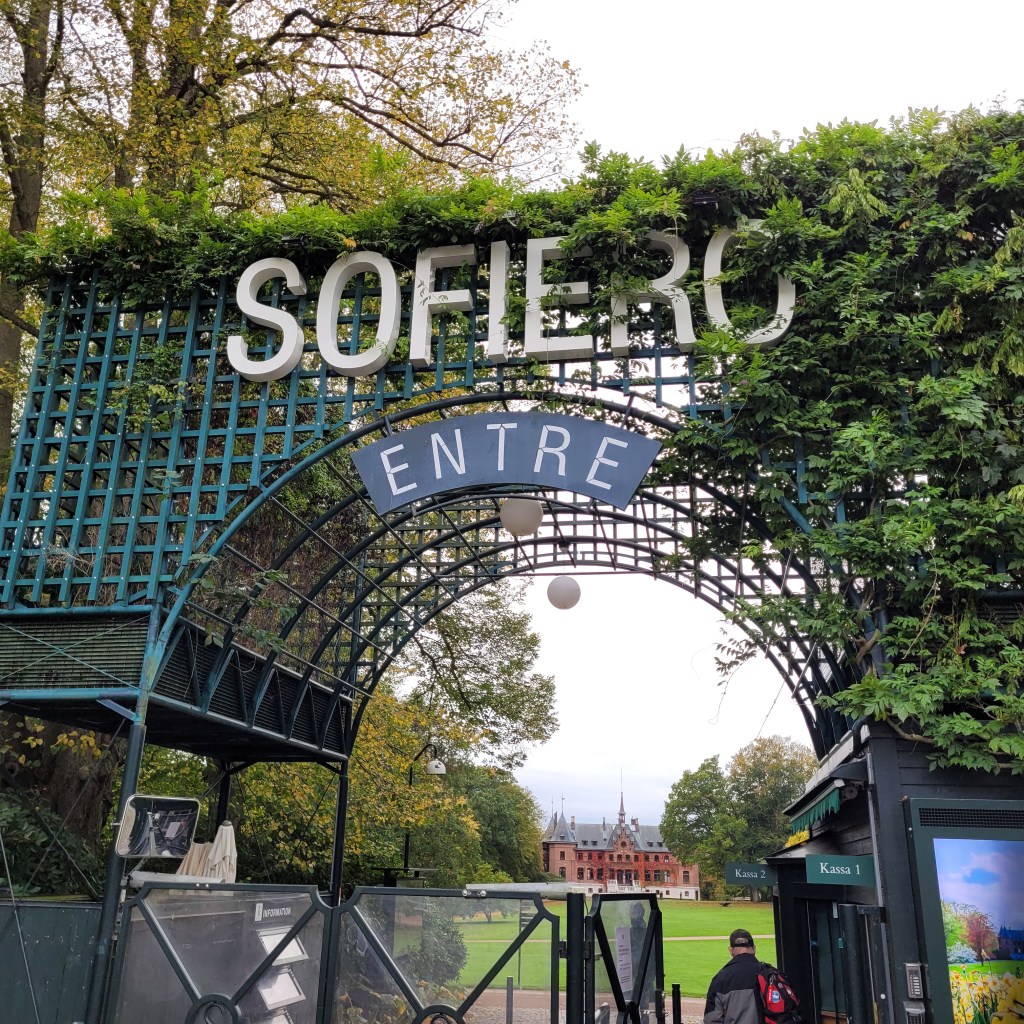
Though now used primarily as a restaurant and gallery for exhibitions, the grounds and its famous rhododendron gardens are maintained, as are wooded trails that are open to the people.
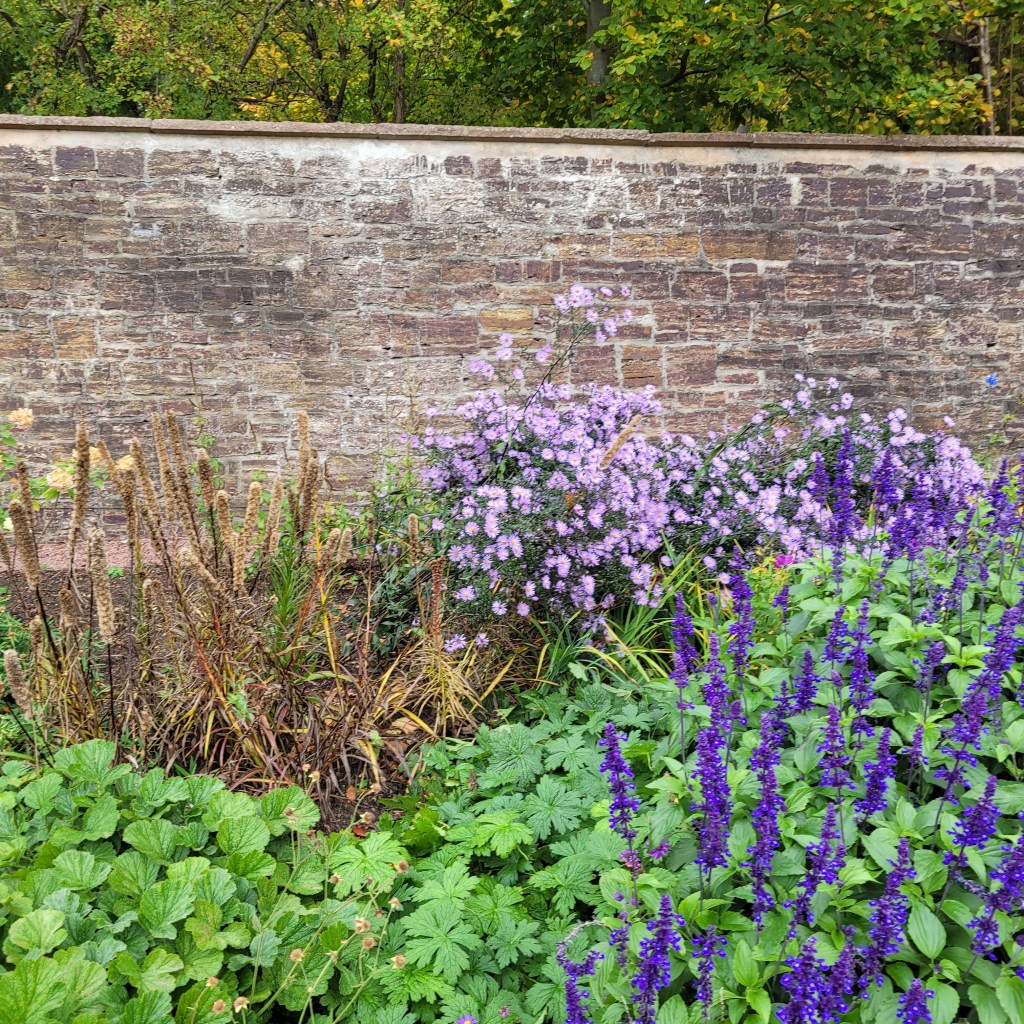
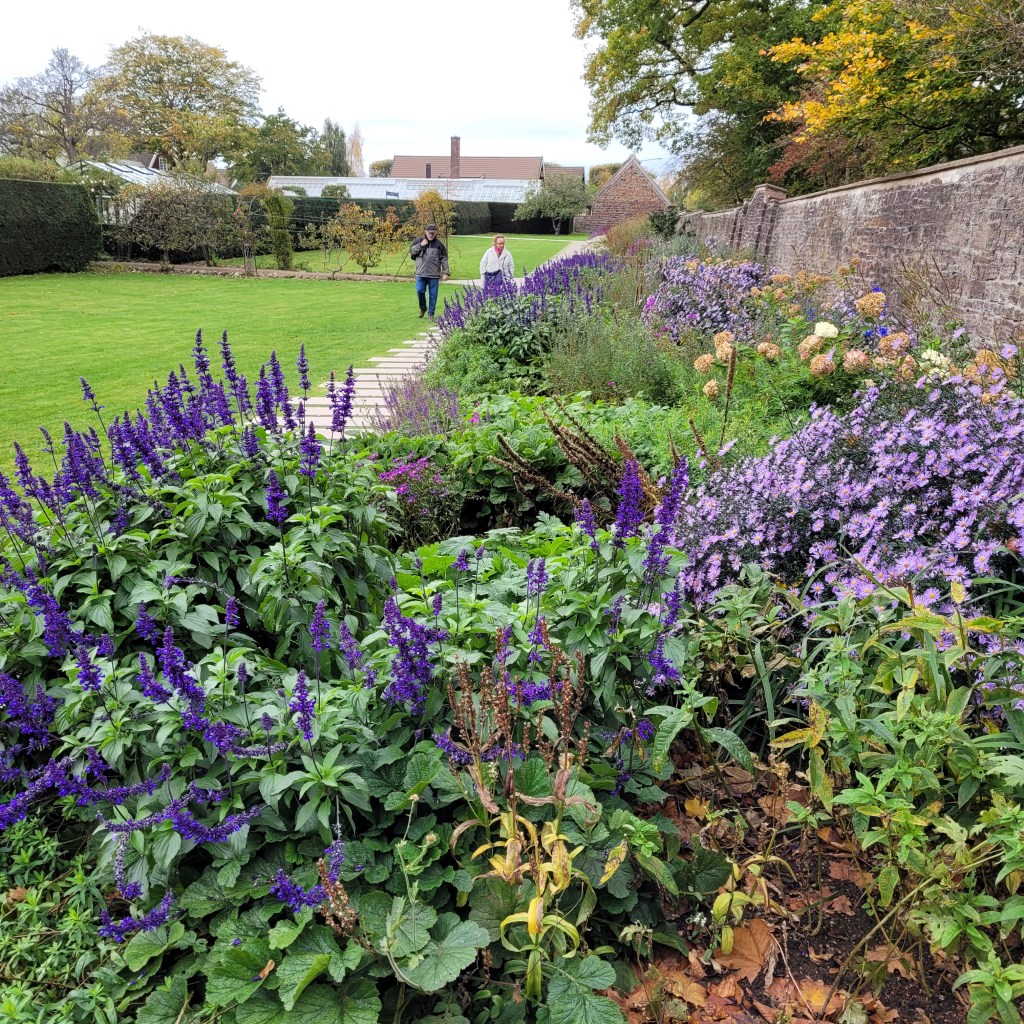
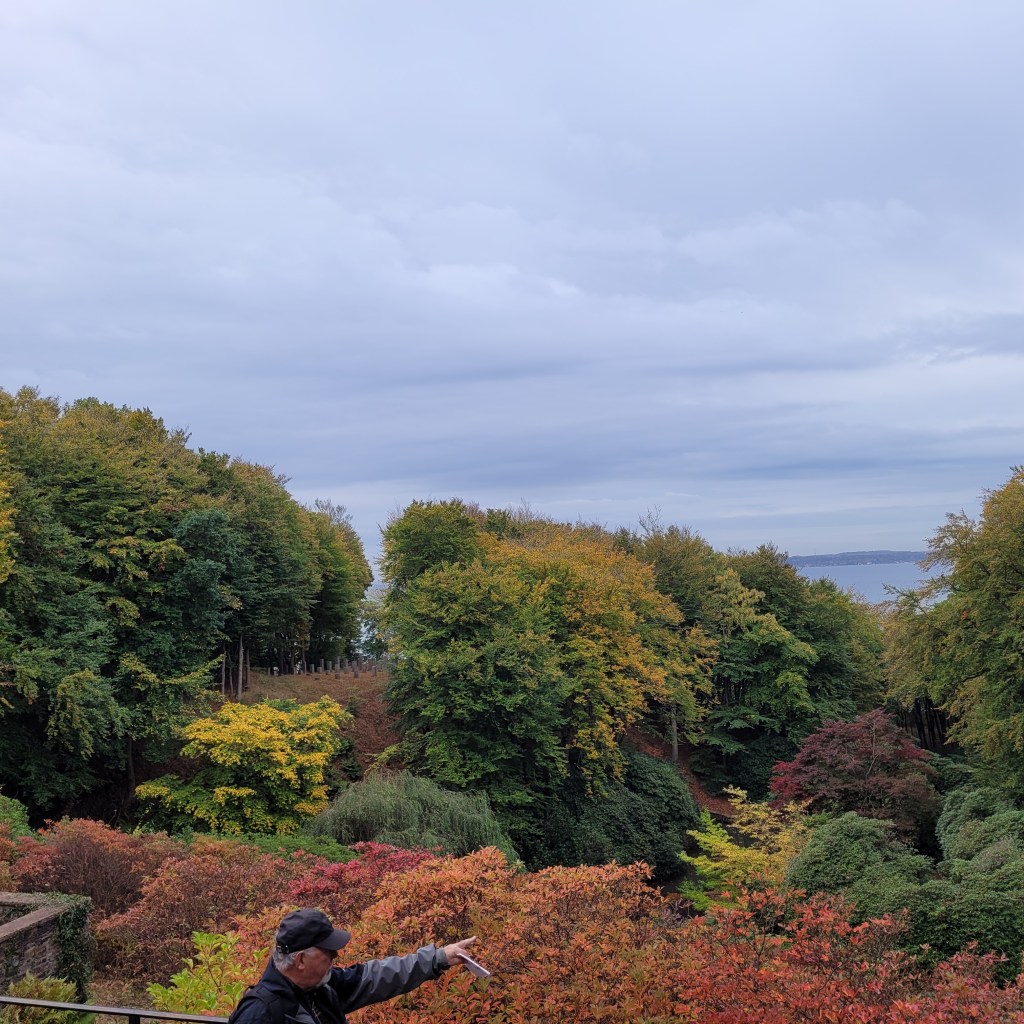
Some views of the front gardens in Autumn.

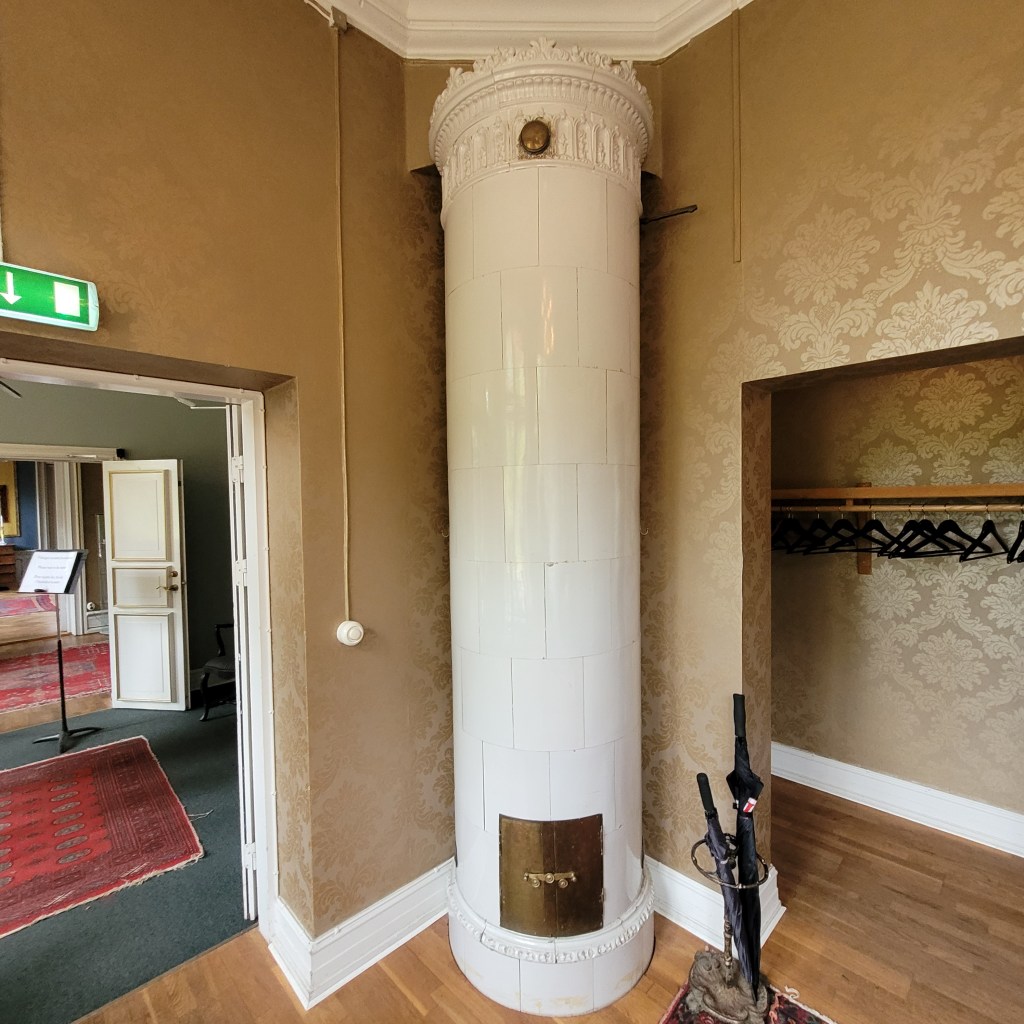
We were able to peek inside the entrance and get a view of a few of the rooms with some of the original furnishings, including the large Swedish heater in one corner.
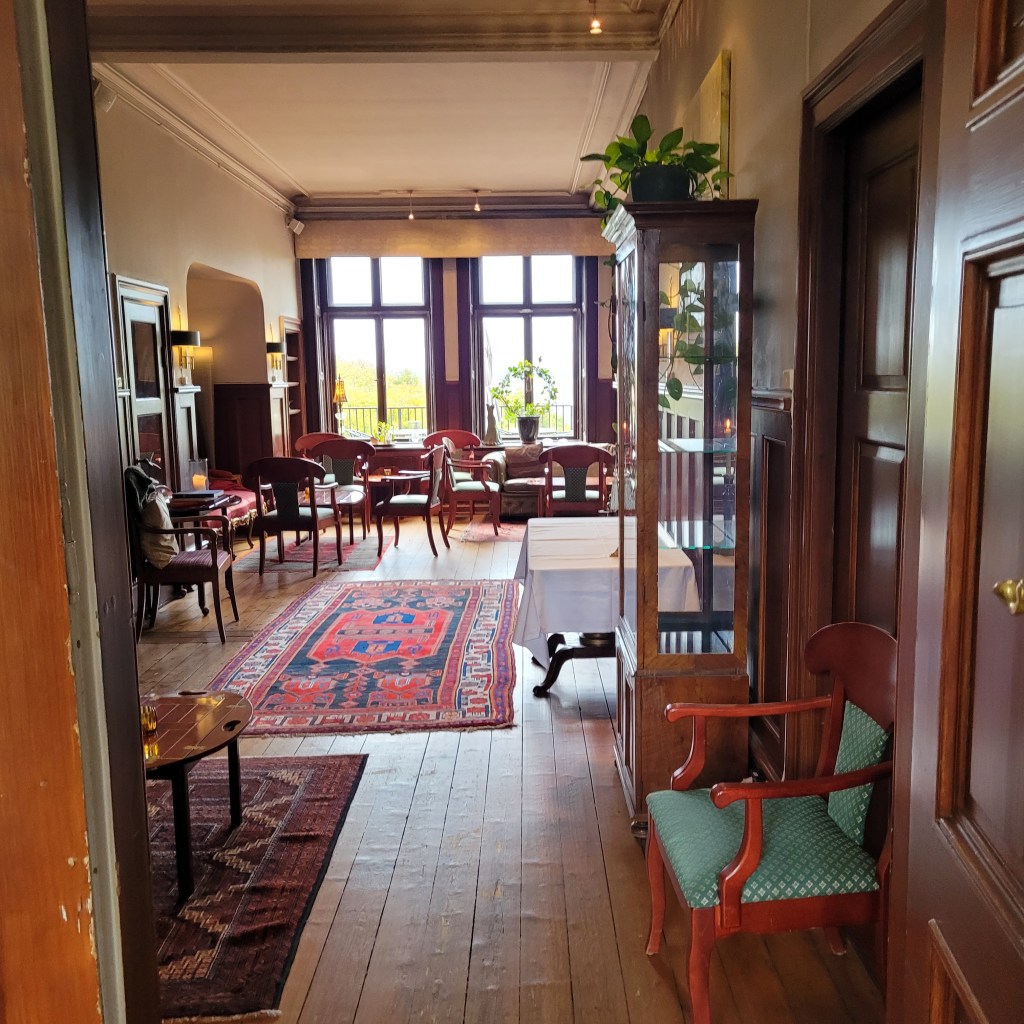
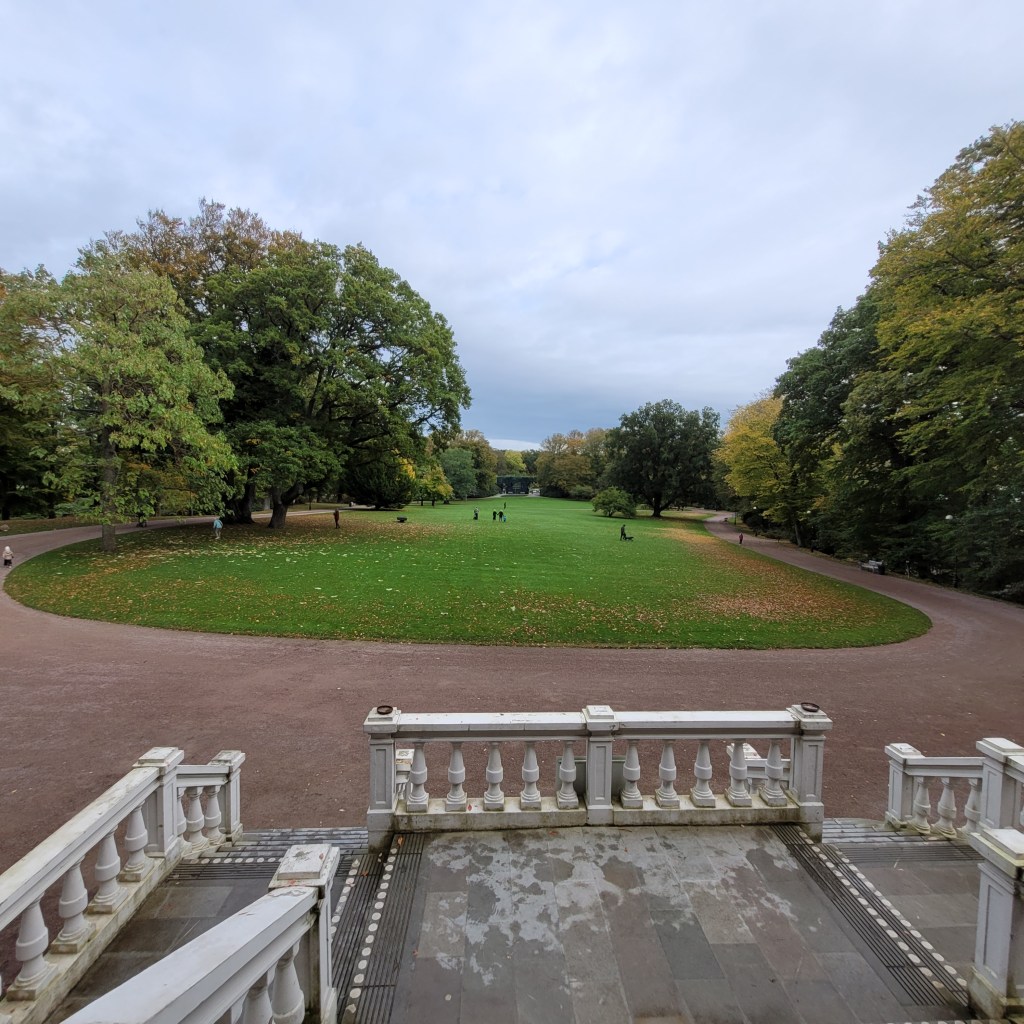
Views from the Front or the back were quite spectacular.
From Solero, we continued North along the Swedish coast toward our destination, a picturesque village, Mölle. It is the kind of place that brings to mind for me coastal Maine. But it is uniquely Scandanavian.
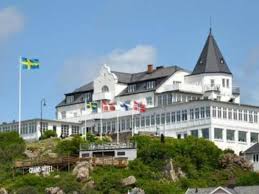
There homes were built neatly onto hillsides, the streets curved and turned to suggest the homes must have predated automobiles in many cases. As it was midday, we decided we would stop for lunch at the grandest looking establishment in the city and that turned out to be the one pictured in the third photo, above, the aptly named Grand Hôtel Mölle. What a delight!

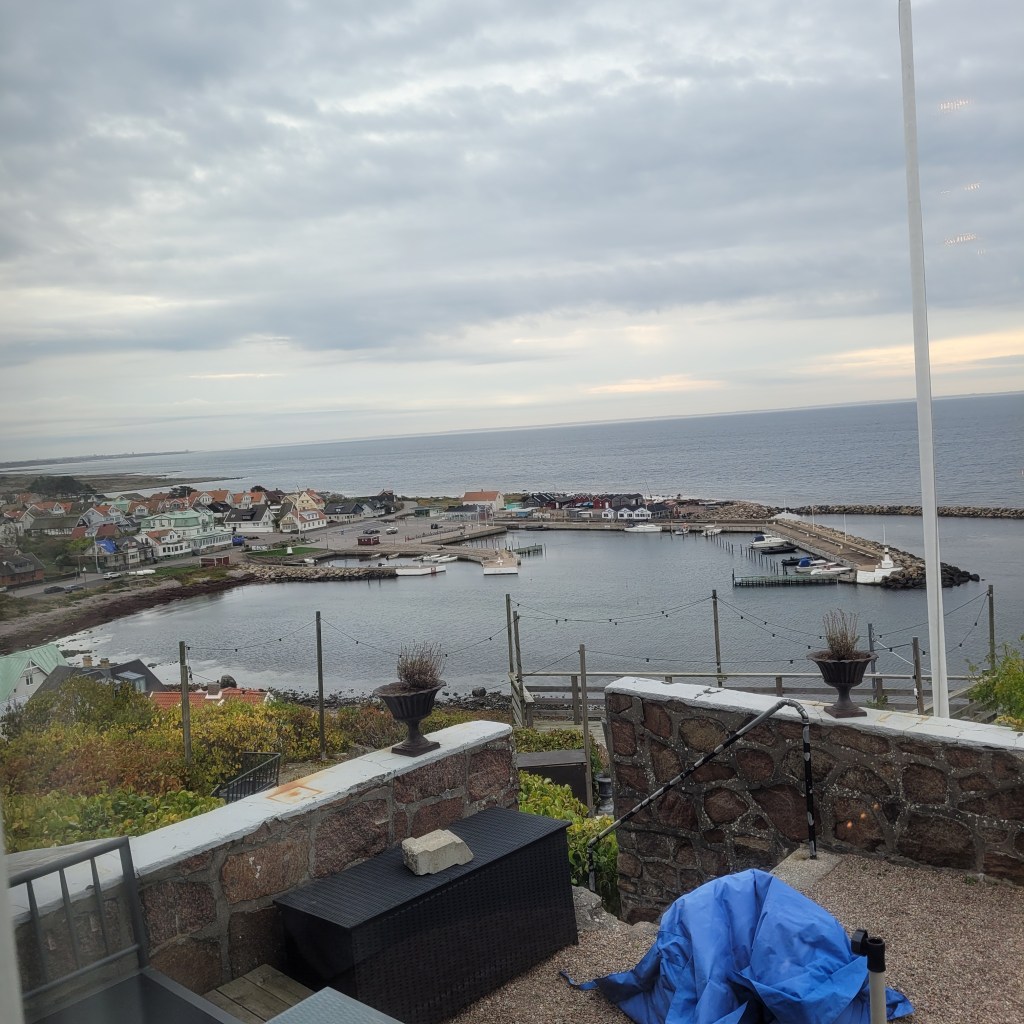
The entrance to the hotel was up a set of steps to a set of doors that looked as if the hotel might have been closed for the season. Bu to our great luck they were open, I used the middle stock photo to show the area of the dining room where were seated and my own rather poor shot out the window at our lunch

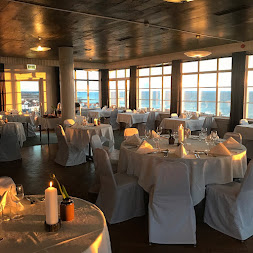
view. I wish I could have found a photo of the other side of the large room and the cozy fire burning in the fireplace and the nice bar setup. The staff was outstanding. As for the food, oh the food. I regret not being a food picture guy! The cod was so tender and mouth-watering I wonder if I will ever think of my Christmas Eve Baccala in the same way again. Aunt Lena and Aunt Jo if you are reading this from heaven, don’t worry, I didn’t try any eel, I will never cheat on your Christmas eve eel. Anway, the three of all agreed it was a grand meal at the Grand Hotel. The quality of the meal even overcame my disappointment at not seeing a ghost of a Garbo or Barrymore slinking through the corridors.

Before returning to Denmark, though, we had one last important stop to make, the ICA MAXI in Helsingborg. My, word! This was a shopping experience worth having. Not only could I pick up a few odds and ends of toiletries I had forgotten. (Note to travelers everywhere, Swedish dental floss is amazingly strong and effective.) This store had an amazing selection of fresh fruits and vegetables, meats, and canned and boxed products that included names we Americans would recognize from home. Like a somewhat upscale Target, this place rocked.

Then, it was back to the ferry and back to Denmark where, later, not satisfied with all of that driving, Kuhrt wowed me with a light meal of typical Danish open-faced sandwiches. As all of his meals are, delicious. As happens when old friends get together, the talk sometimes turned to times gone by. In our cases, we had all been in Washington, DC in a very special time in our lives and in the life of that city. As the Watergate and Viet Nam eras wrought changes, we enjoyed great freedom, and the city was alive with possibility. We remembered the Georgetown and low-rise Bethesda of those days. a pre-security conscious city where student housing was easy and cheap, and paranoia was treated by professional, not a political requisite. We remembered friends who had lost their way or lost their battles and some who had lost their lives. Barbara and I remembered historical moments that were involved in. Ah, the past! And then we spoke of the changes, but why linger on that!

On my last full day in Denmark, Barbara and I got out of the house to give the master chef room to work on a family meal (the ‘girls’ and their families were both coming to dinner), and we went on an expedition to the Allerød town center that is also known as Hillerød which has a large multilevel shopping mall as well as a lovely, pedestrianized downtown area. We thought we would see if we could find a fleece jacket to replace the one, I had left in the airport in the UK and generally window shop in the town. We parked in the multistory parking garage at Slotsarkaderne Shopping Mall. As Barbara noted to me, you really
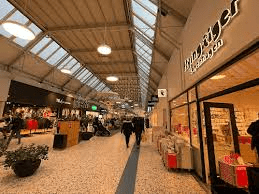
couldn’t tell whether you were in the US, Denmark, the UK or wherever from looking at the people. It was a classy looking place. We browsed a bit and then headed outside to the pedestrian zone. There were all kinds of shops that seemed to be doing well (see photo below, taken in summer, obviously). We even found a jacket for me! Barbara did some shopping for some garden accessories, and she even took me to a couple of wildly divergent toy stores. One was a typical “mom and pop” store. The other was filled with
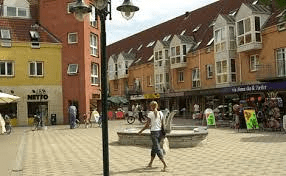
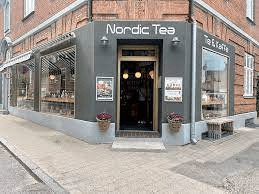
all kinds of Halloween stuff and the kinds of crazy plastic swords and cosplay stuff that kids love. There was a lovely tea-selling shop called Nordic Tea Bar that had brands I had never seen before. We even stumbled upon a delightful family run cafe, Rømers Kaffebar, where we stopped for coffee. As with every shop and store we entered, customer service was outstanding, the people were friendly and kind. This blog is just a labor of love, I don’t get anything from mentioning these shops. If I was local, though, I would be a regular at both.

We returned home and really didn’t have much time before we the fun began with the arrival of 4 kids, 4 adults and one aging Pekinese/chihuahua mix dog. Marina’s (the older sister) son had been at a school party, a big deal for a 10-year-old boy and all four kids were excited about Halloween and the fun of being with their grandparents. And I was the recipient of this special drawing from Celine’s son depicting me with the American flag!

I shall cherish this picture as a special memory of this trip to Denmark. We had another of Kuhrt’s great dinners with Barbara’s delicious salads and the assistace of Marina and Celine. We talked and laughed, and the children kept us smiling with their antics. The evening ended too soon with promises of visits to both sides of the Atlantic and then the old folks did some cleaning up and slipped off to bed. Before we knew it, morning had come, and Kuhrt was up and cooking us French toast with some of the Challah bread I had brought from London as a special treat for Barbara and it was time for us to return to Copenhagen Airport. I’ll conclude with a picture of a Danish magpie that visited Kuhrt’s birdfeeder each day, and with warm thanks to my hosts and dear friends for another memorable visit.

Ascents, Descents and a bit in the Middle

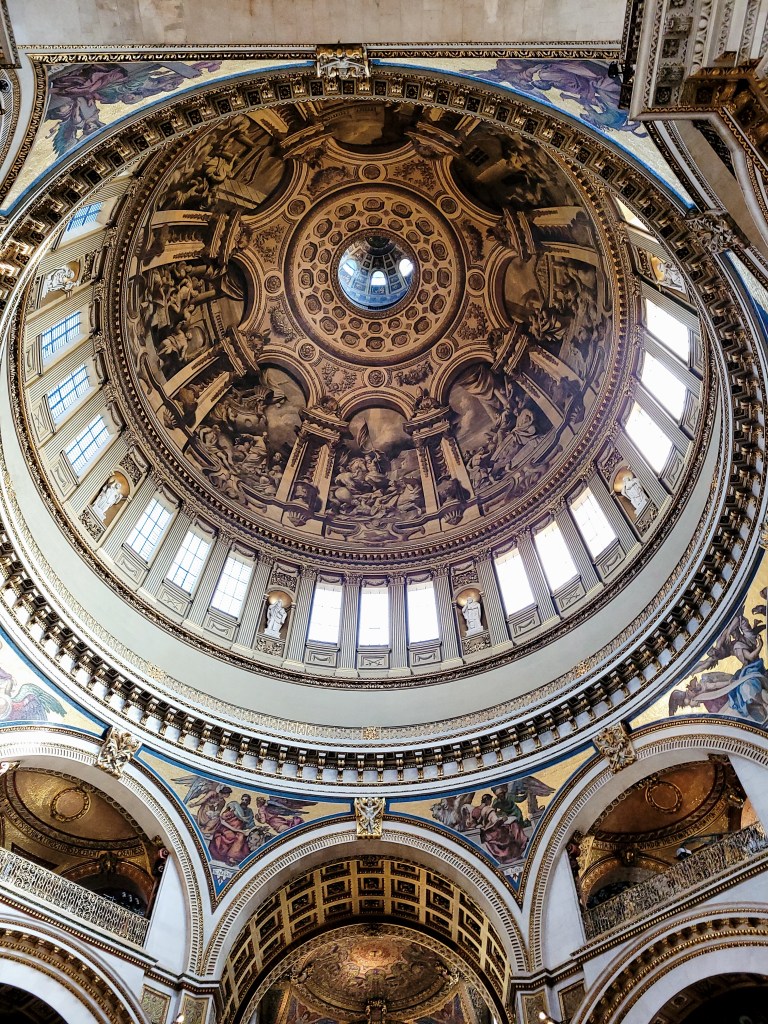
One of the friends I have made on this trip, a delightful lady named Elaine had been urging me to view a new statue placed in front of Saint Paul’s Cathedral, the iconic cathedral that has been the site of many events in British history and which is known for the heroic steps taken by Londoners to save it from bombs and fires during the German Blitz of World War II. I finally got to Saint Paul’s this week. In a sad statement on the times, we live in, security at the cathedral has greatly increased. I approached a rather dour looking guard at a side entrance who, before I could even ask a question, informed me that, ‘tourists pay twenty-one Pounds, worship is free’. I thanked her for the information and asked her if she could direct me to the new statue. “There is no new statue. There was a statue this summer, but it was temporary.” I asked if I could enter there where she was standing guard, but was sent to the main entrance.

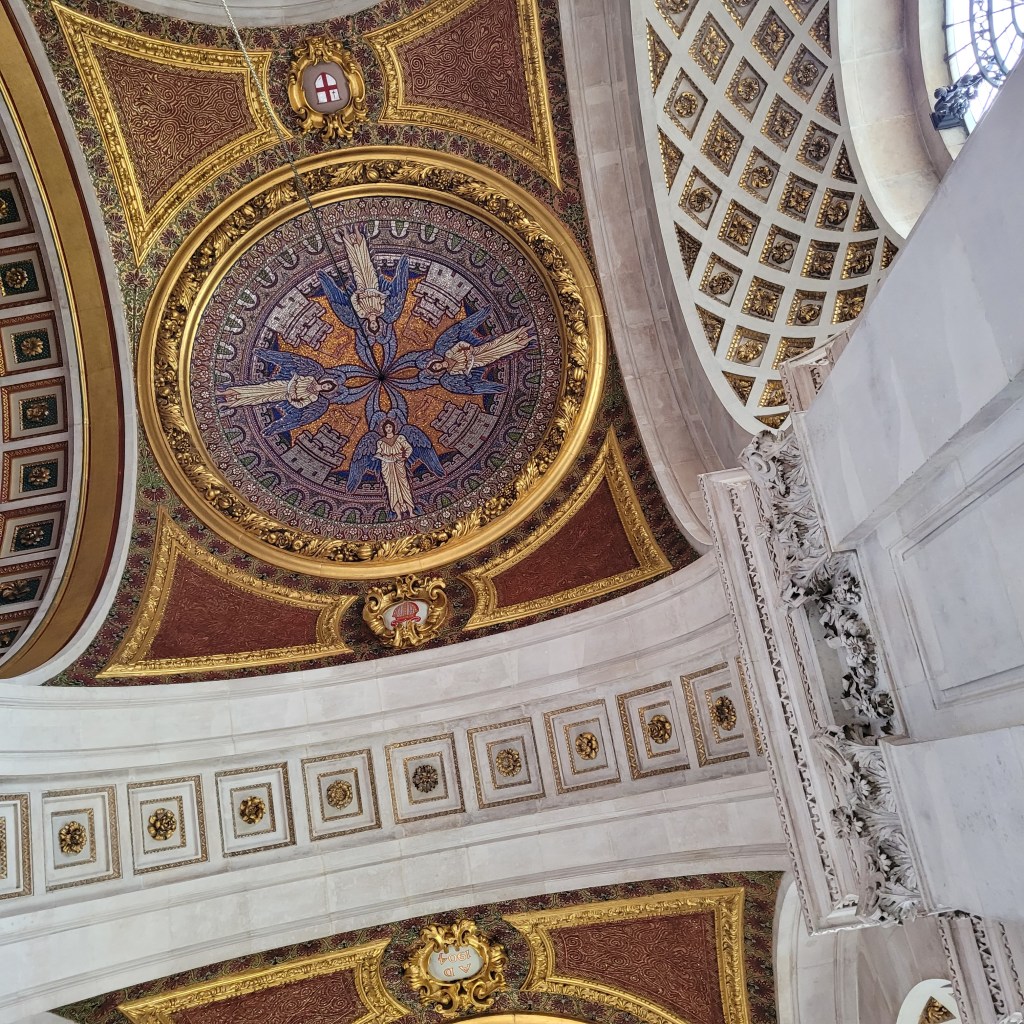
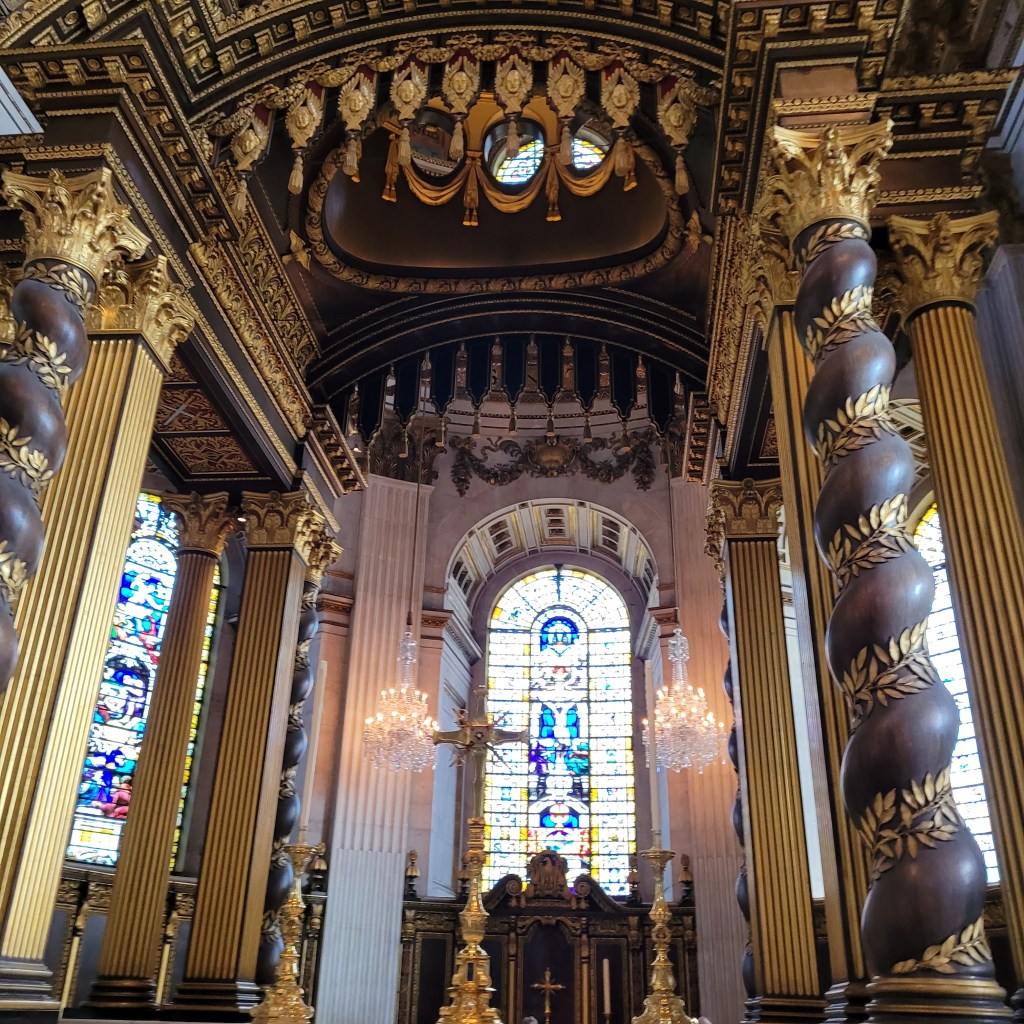
The main entrance to Saint Paul’s is the best way to visit this Christopher Wren masterpiece, another of the churches he designed after the great fire. This is very much a working church. I was lucky to happen upon a Eucharist service as I entered. The Anglican priest was welcoming to all who were present, and he spoke in a way that made people comfortable. It was a lovely experience, and it made the time I spent enjoying the beauty of the church’s art and architecture all the more enjoyable.

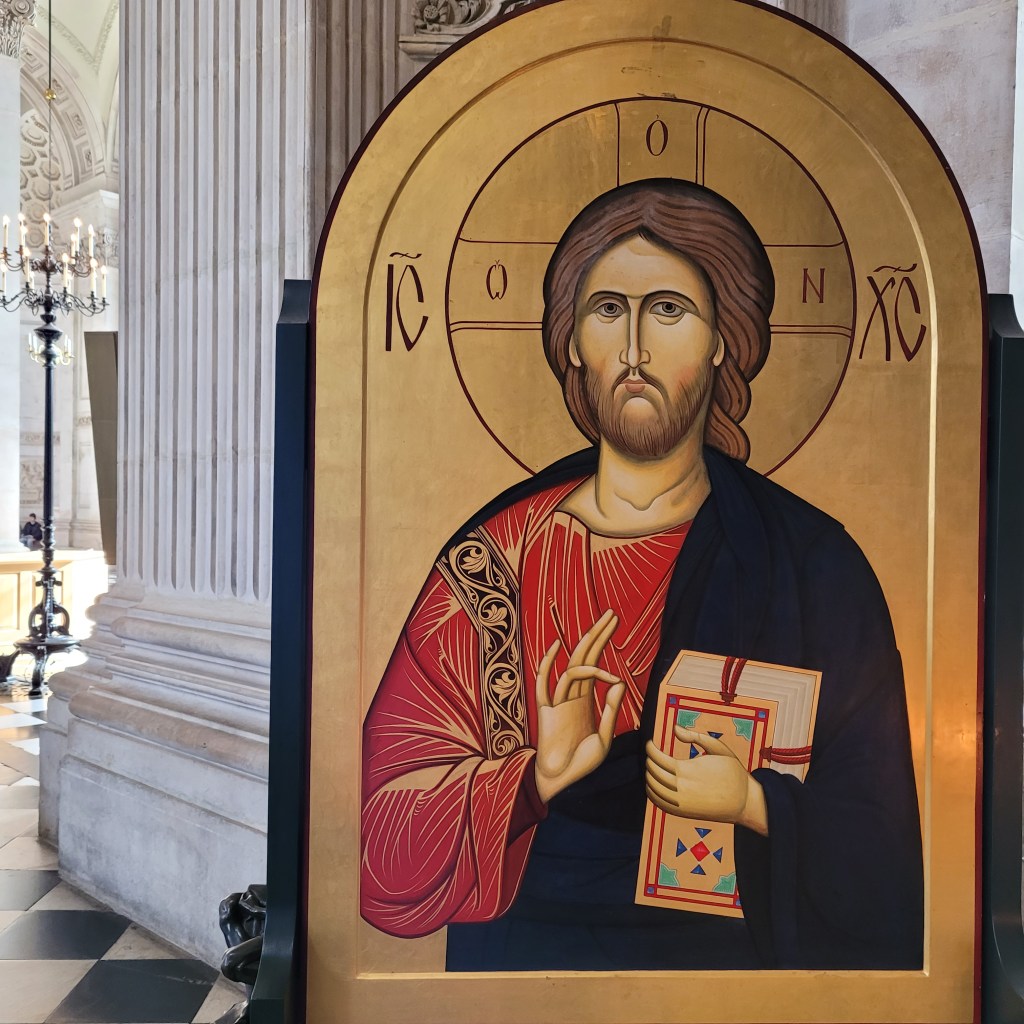
As these pictures show, this is a place of worship that does call out to all. It feels very familiar to me, coming from the Roman Catholic tradition, and seeing the Icon suggests to me that it is honoring the Eastern Catholic and Orthodox Christian traditions as well. The Moore sculpture speaks to the continuing growth and evolution of how we express our faith and how the faith community grows.

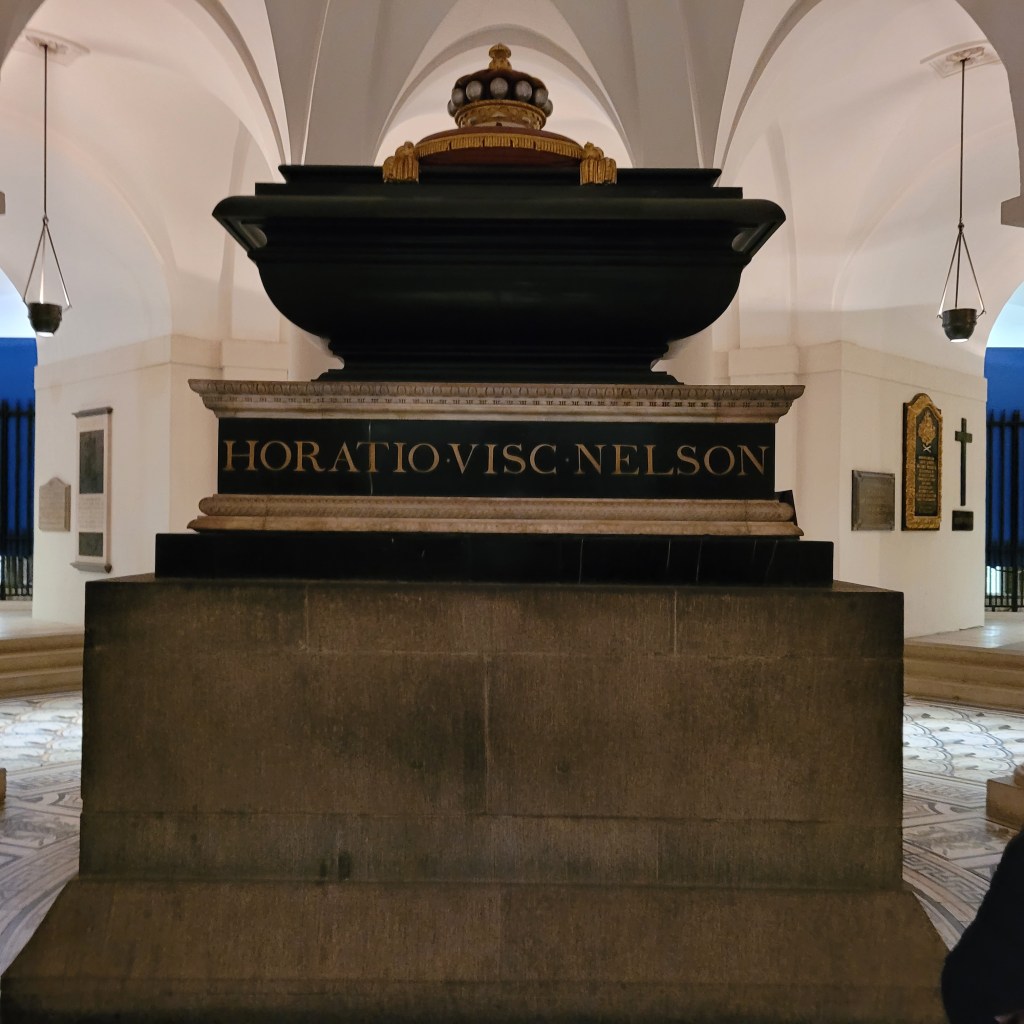
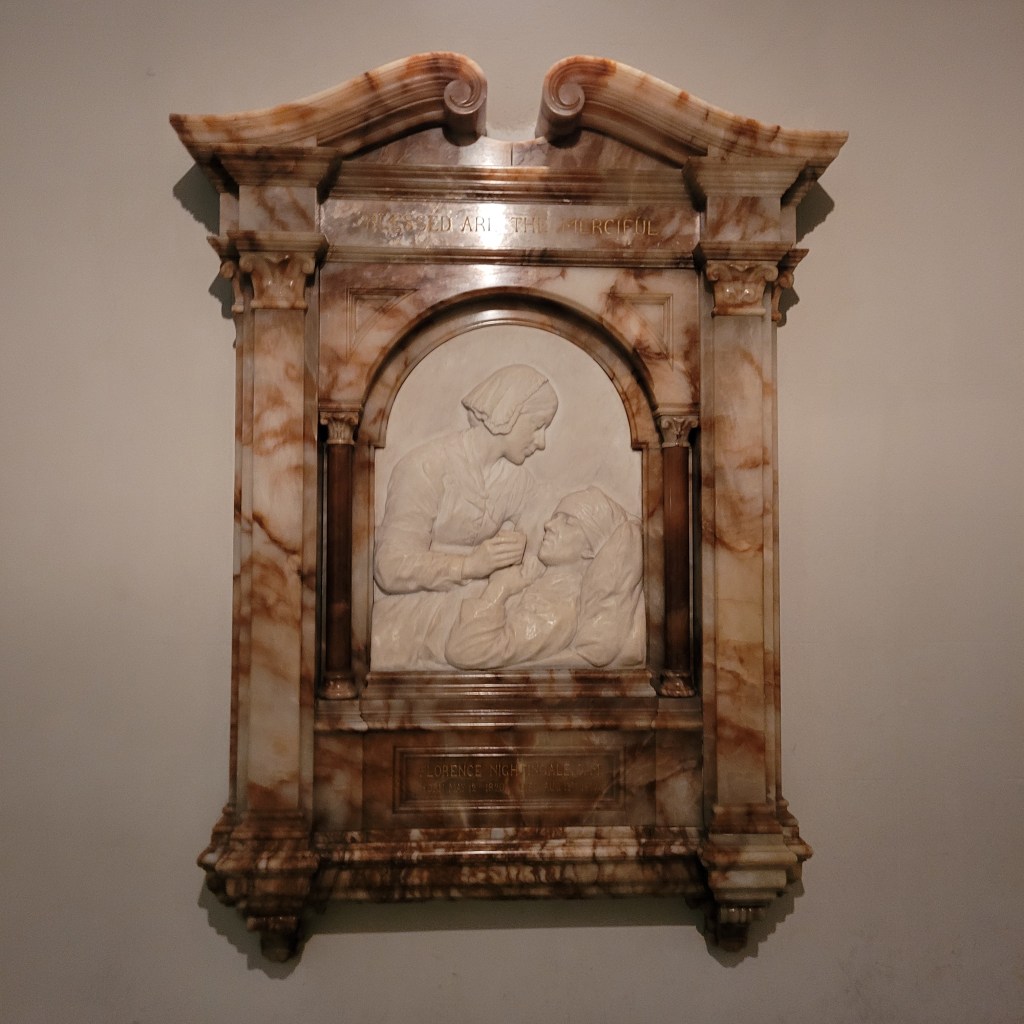
A descent to the cathedral’s crypt was another interesting experience. It is a huge labyrinth containing the remains of any of Britain’s great and good that, it seems did not make it to Westminster Abbey. I present to you, just three that I encountered there.

Once again, it took some searching, but there was a woman to be found and a pretty important one.

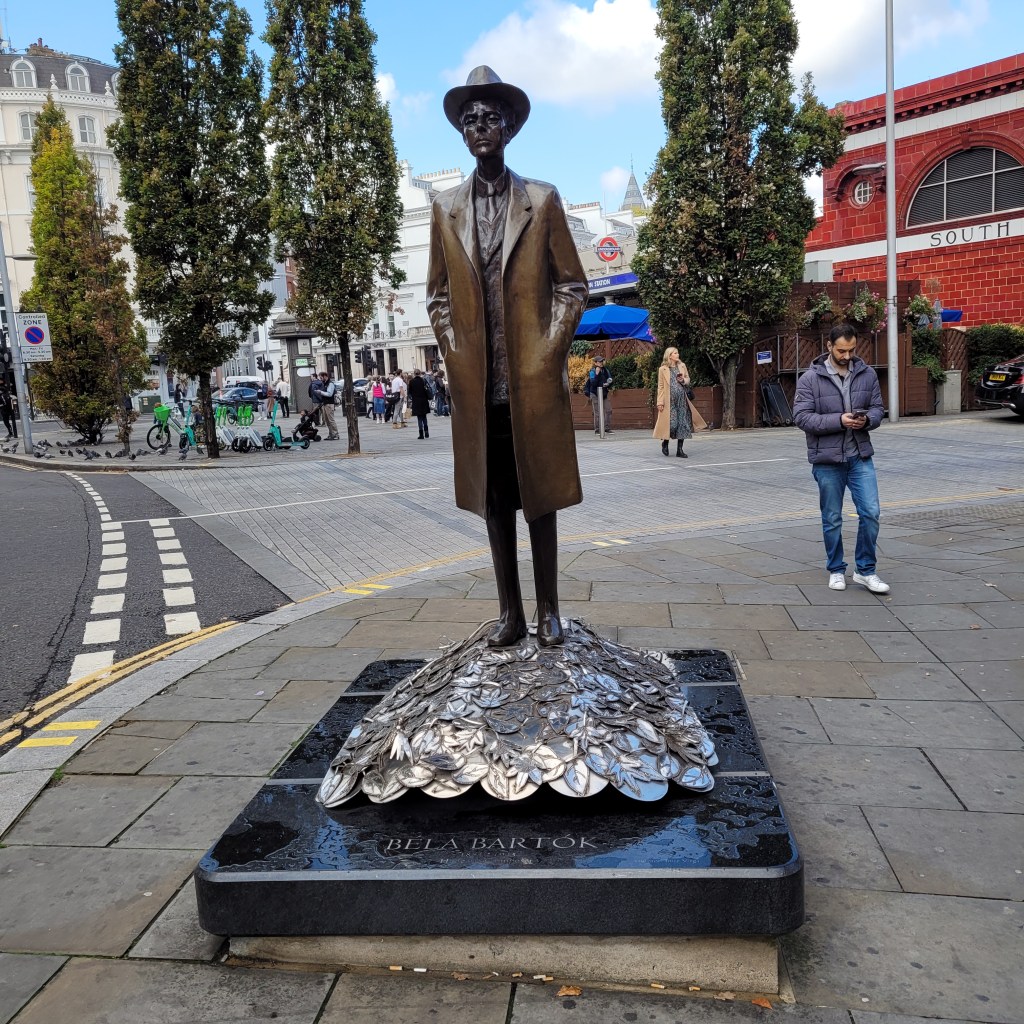
Before I go on to my next subterranean adventure, a small sidenote. I had hoped to report next on a visit to the Chelsea Art Show where I was going to view the works of my SUNY Oneonta classmate Madeline, a fine artist whose works I have admired for some years. Chelsea can be a difficult place to reach by any mode of transportation in the middle of the day, and it was for me on the day I chose to make the journey by Uber. When I finally arrived, it was to find that Madeline’s works were all sold and no longer on display! Congratulations Madeline! She does have another show coming up and I shall be at the opening and hope to report on it soon. But. I chose to take a brisk walk to the South Kensington Tube station to return to my part of London and was greeted by this charming statue of Béla Bartók, who once in a house adjacent to the station.

London, an unexpected treat around every corner.

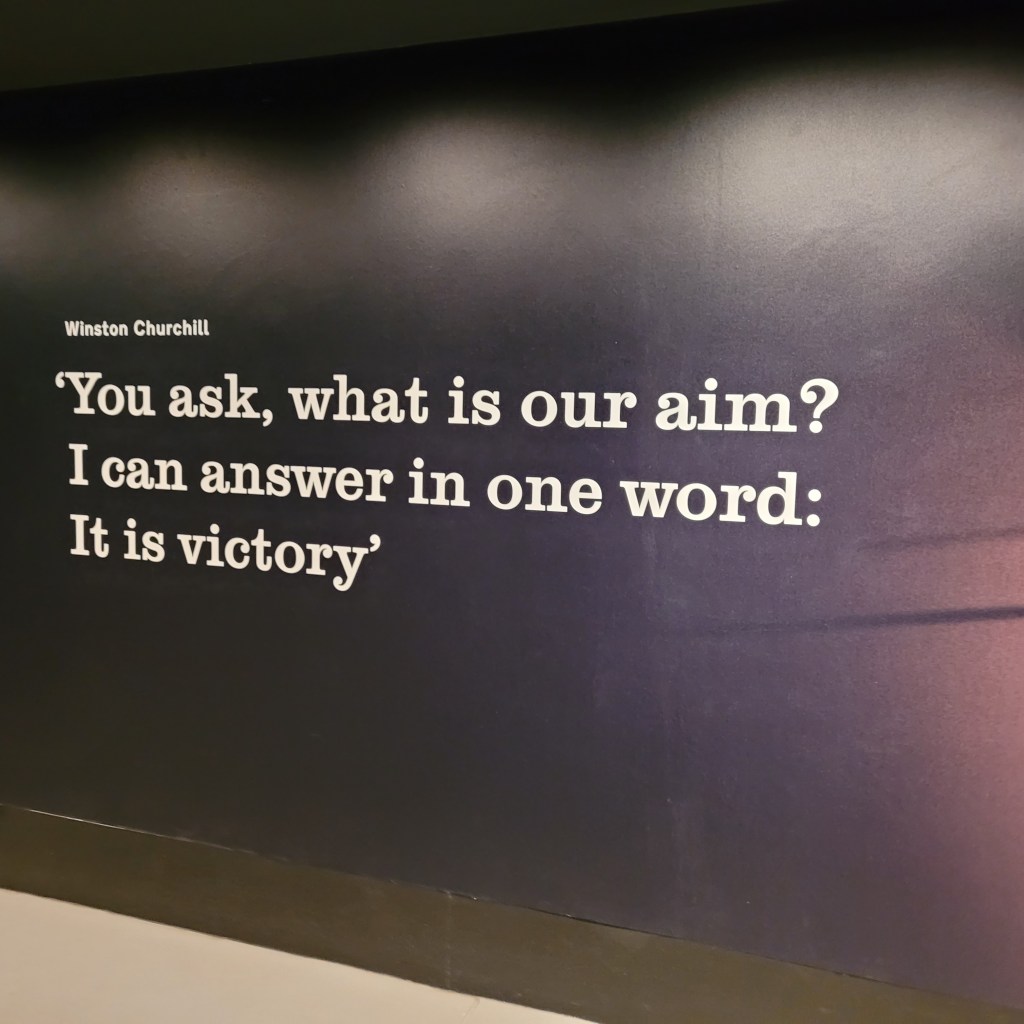
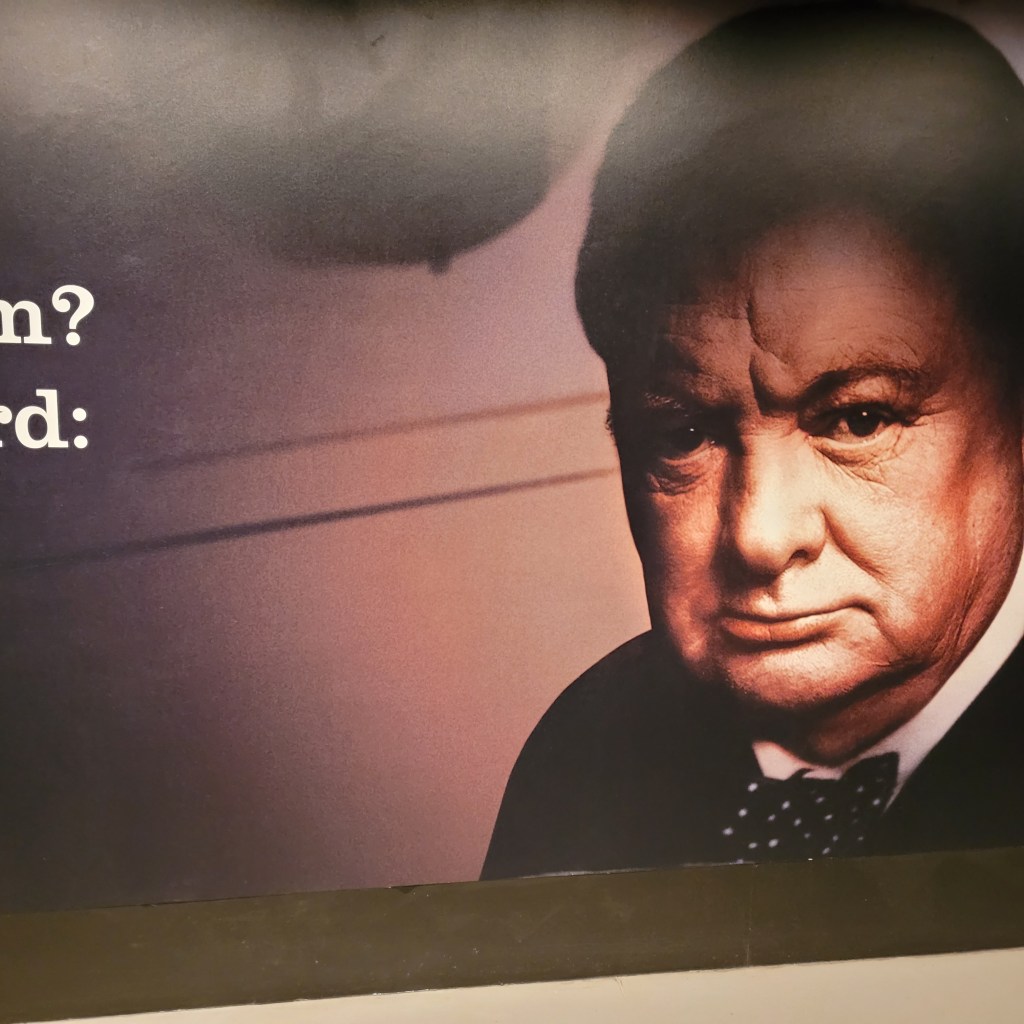
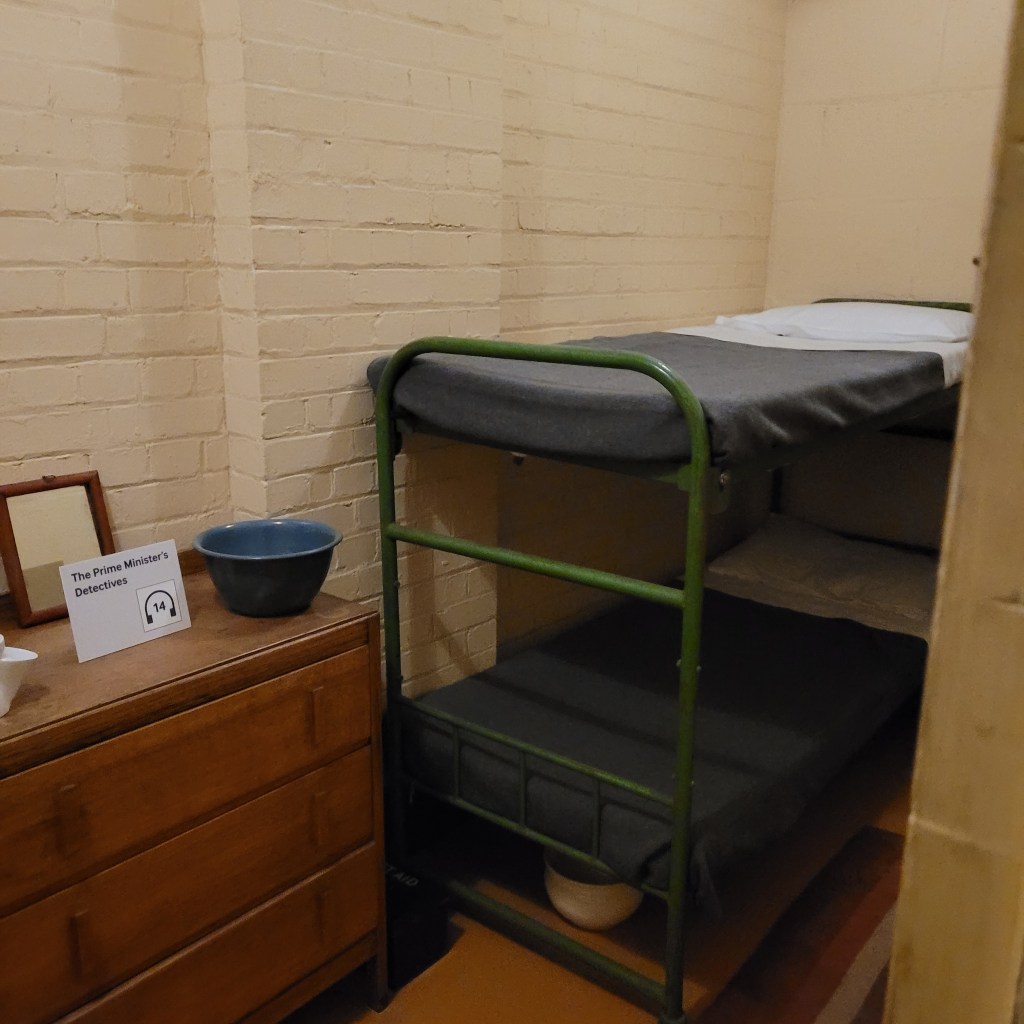
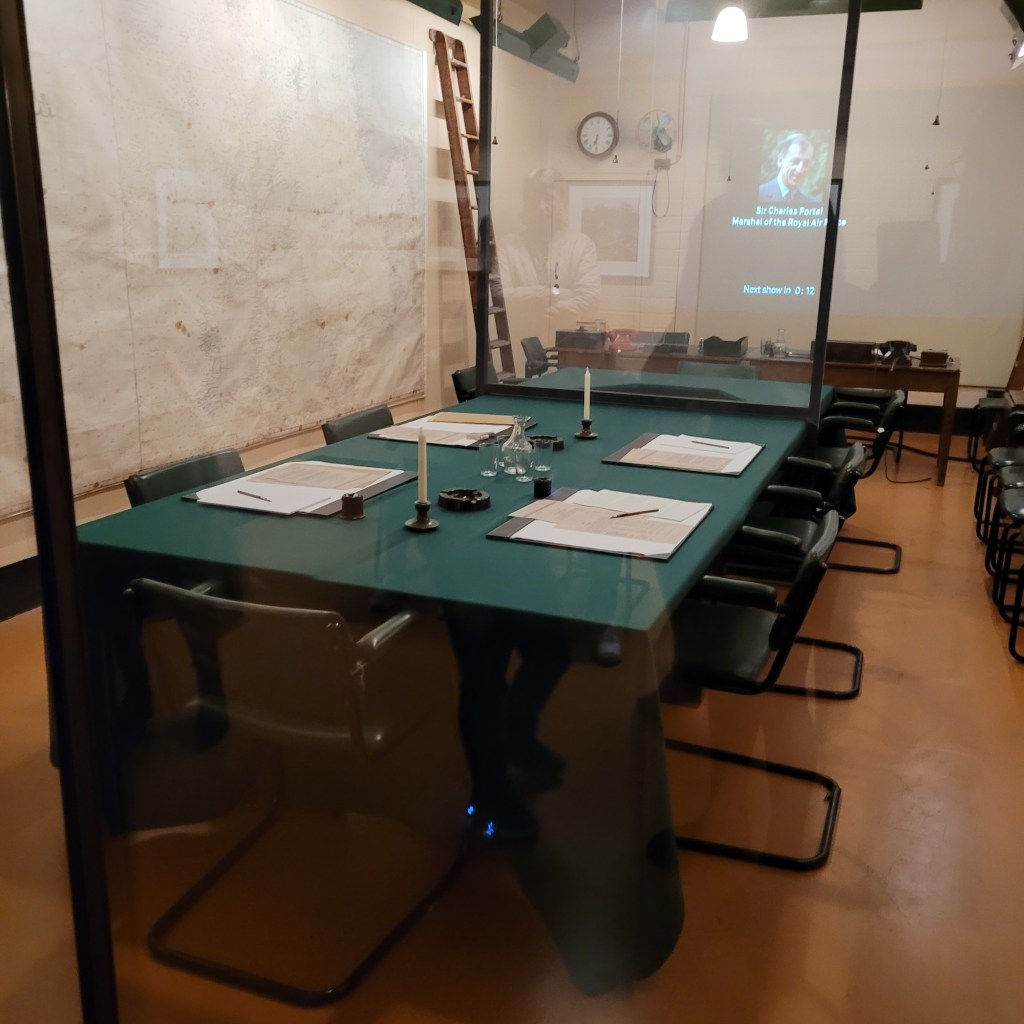
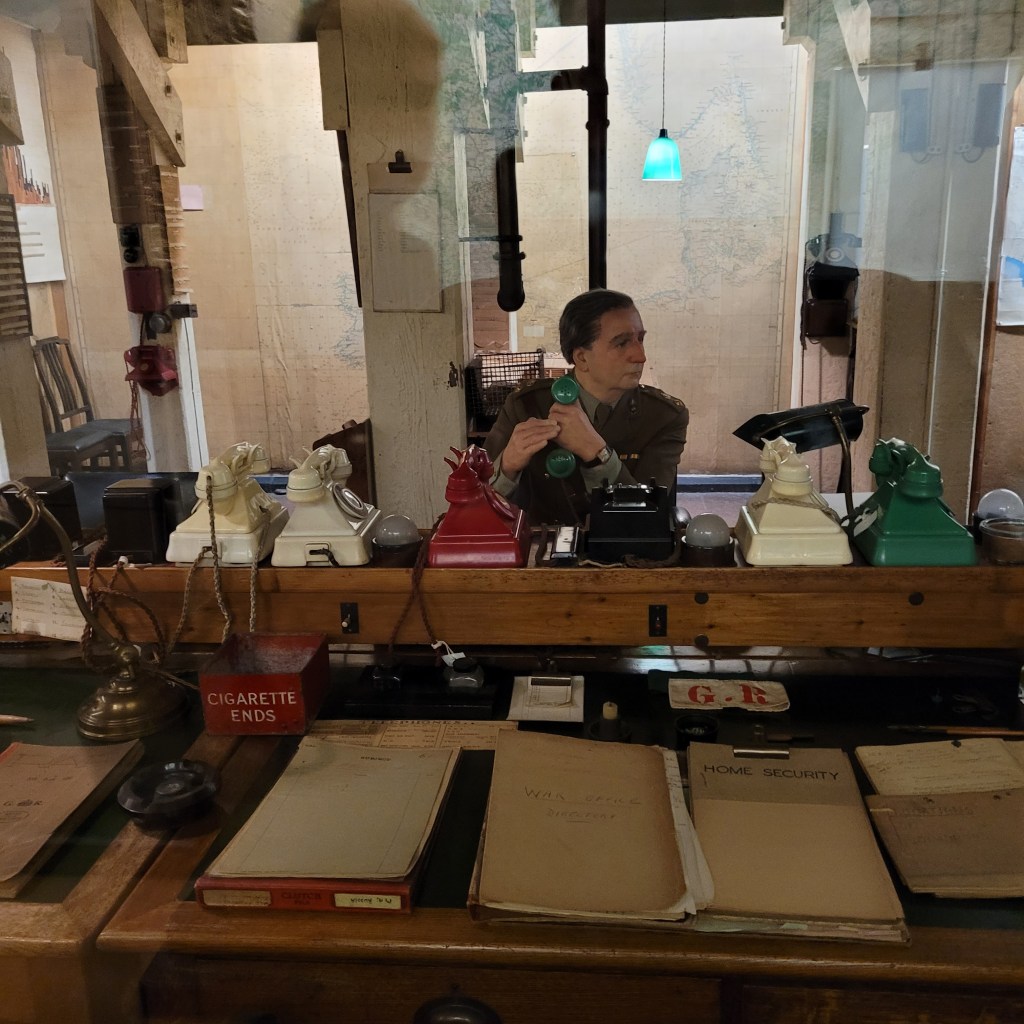
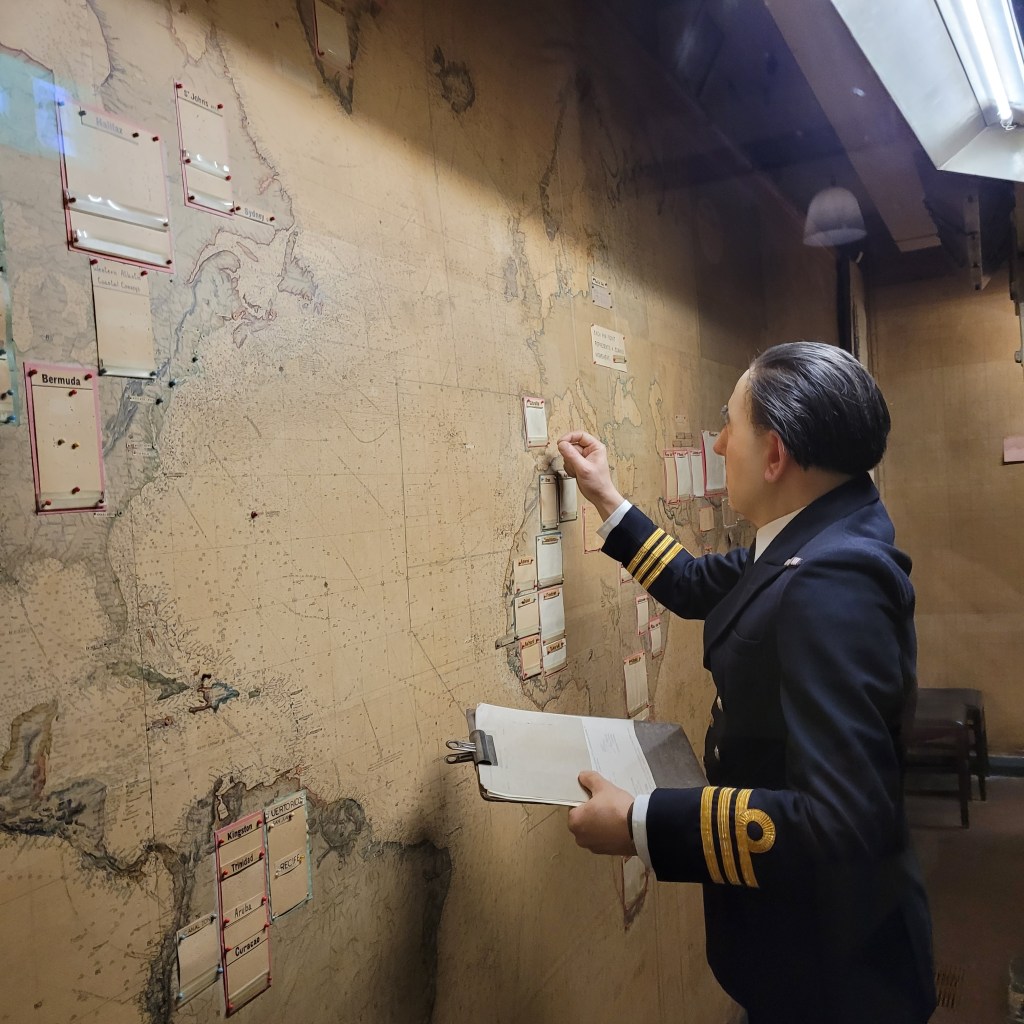
Finally, for today’s blog, back underground. I had been trying to meet with my good friends Stewart and Kerry for some time, but we just couldn’t make things work until today when we agreed to meet and tour Churchill’s War Rooms, a must see for history buffs and anyone with a child who you want to understand what happens when the world let’s mad men get too much power. I had not been down into this incredible set of rooms for well over a decade and it still is an enthralling place with a story to tell us all.

Imagine, if you can, living, eating, sleeping, showering underground for weeks on end. Most of the staff slept in rough quarters below this level. They were required to have “sunlamp sessions” because of their lack of exposure to sunlight. The conditions were difficult, but they worked on, through the Blitz. Churchill’s cabinet contained members of the three main political parties of the time and independents. Imagine! This is the kind of lesson we all must remember and teach the next generations.

Sometimes History Just Overwhelms You

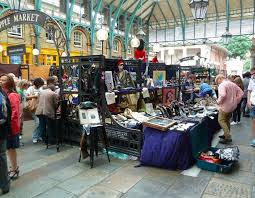
It was a chilly morning so, I hopped on the Picadilly Line for the quick trip to Covent Garden Tube Station on my way to the Courtald Gallery at Somerset House. I had left myself some extra time so that I could check around the stalls at Covent Garden for an item one of my SUNY Oneonta besties had asked me to look out for and to give myself some time to visit the shop at the London Transport Museum, just outside the old Covent Garden Market. With great forbearance, I escaped the shop without buying anything, a rare occurrence for me.

The Covent Garden area is rich in history. Most people know that Eliza Doolittle, the flower seller from Shaw’s ‘Pygmalion’ and Lerner’s adaption ‘My Fair Lady.’ But its literary references include Dickens and many others. The Bow Street Magistrates Court (now a hotel and museum), the Theatre Royal on Drury Lane, Saint Paul’s Church are all historic building in the streets around the former flower and vegetable market that is now a popular tourist attraction selling all kinds of souvenirs. It has restaurants, musicians and the Royal Opera house is nearby too.

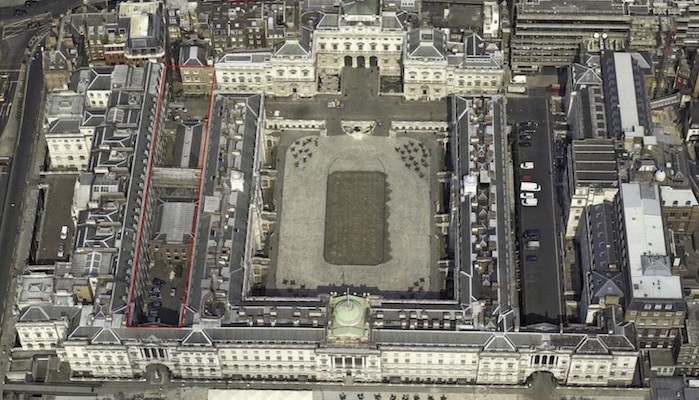
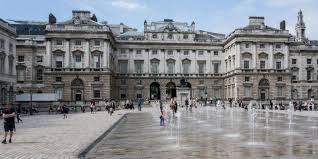
As I left the London Transport Museum, I passed the Marquess of Anglesey Pub in the upstairs restaurant of which I met my UK best pals Nigel and Gwynne many years ago. I also passed the former locations of restaurants I fondly recall. But that too is London, the city that has some landmarks that stay and some that stay only in our memories. I soon made my way to the Strand and across that busy road and walked through an unassuming arch into a courtyard for which I was not prepared. It had been enough years since my last visit to the Courtald Gallery that I had completely forgotten about the splendor of Somerset House in which it is located. Somerset House has a long and illustrious history. Earlier versions were royal residences and important sites in English and UK history. Today’s building has more of a governmental history, but an important one. It was so important that the German’s saw fit to damage it severely during World War II. Here are two exterior views of this beautiful historic building.

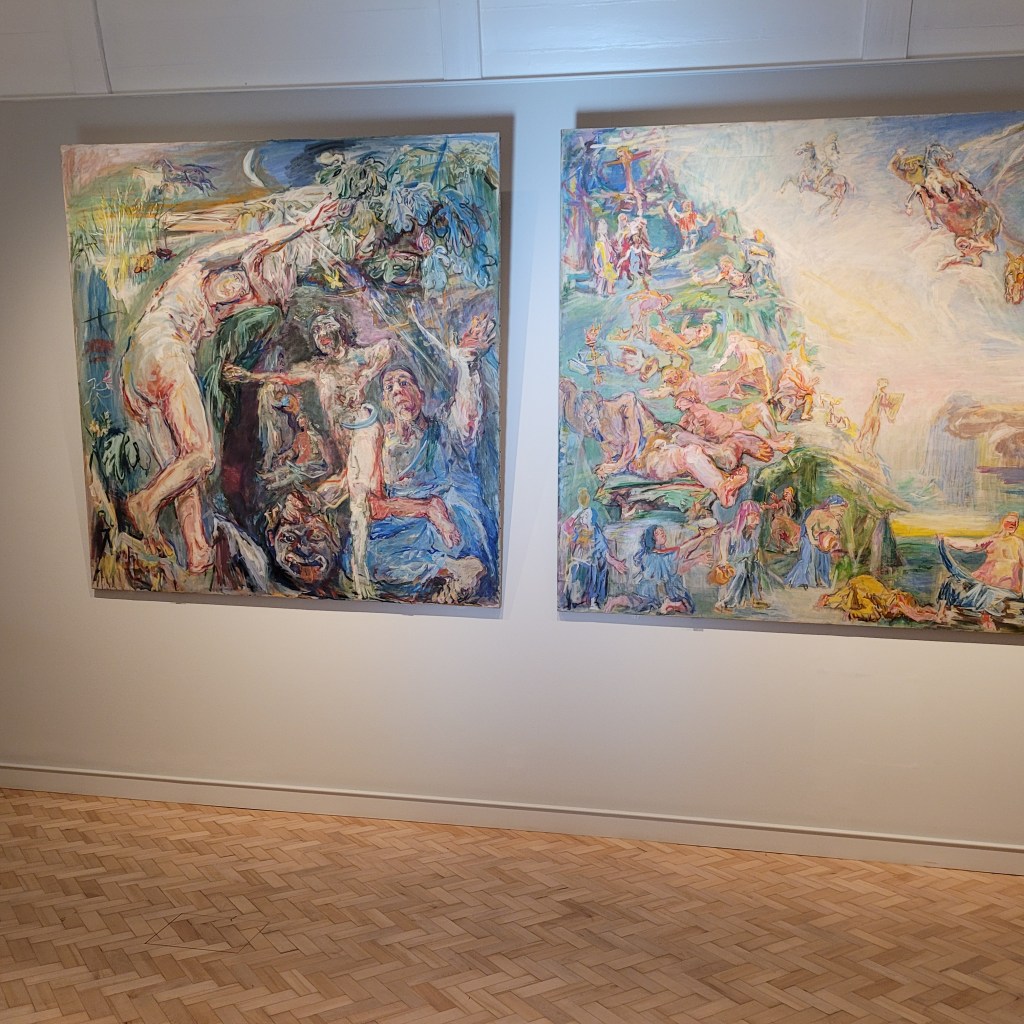
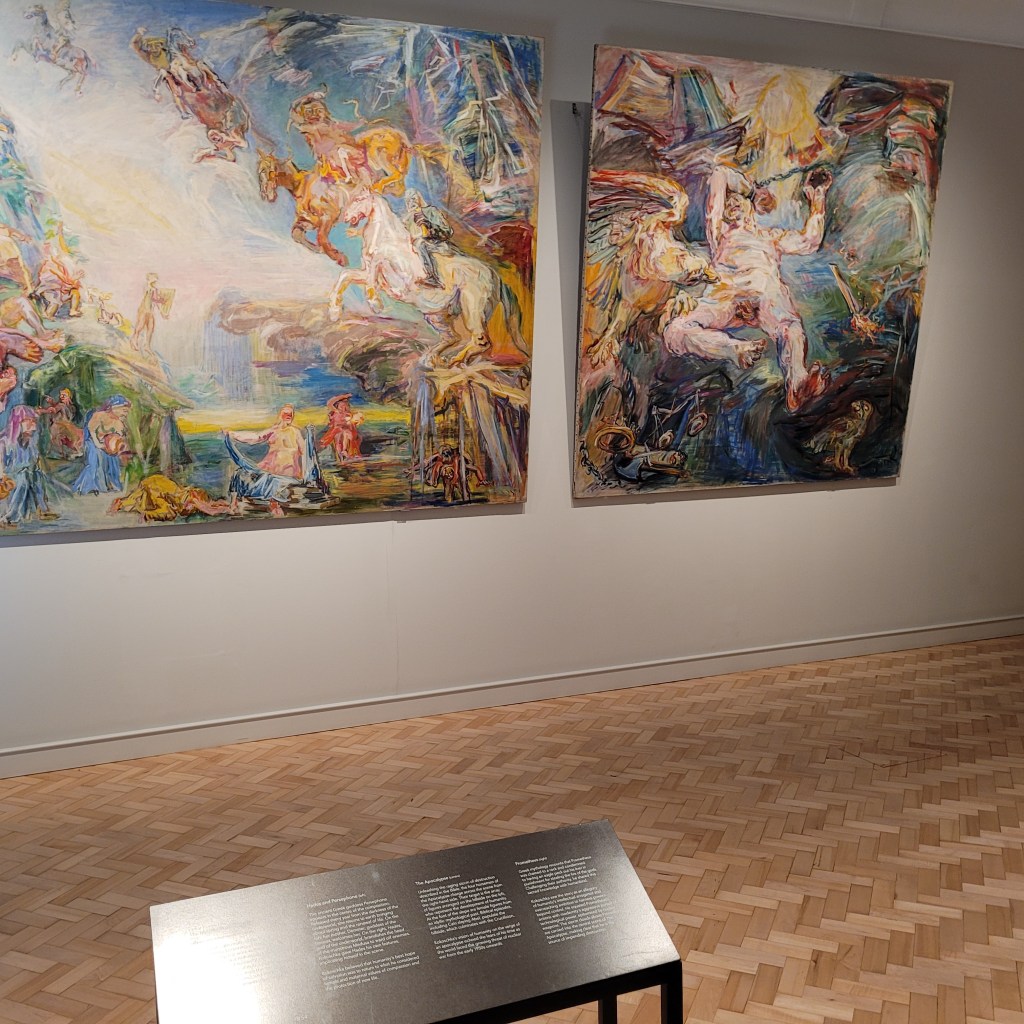
The Courtald’s collection contains masterpieces from the Middle Ages into the Twentieth Century. My visit focused on the Impressionists and Post-Impressionists. I found a three-piece depiction of the Prometheus Myth to be quite interesting. It was painted by the Austrian Oskar Kokoschka, a contemporary of Klimt.

The Impressionist collection contains paintings and some small sculptures by many favorites. I found the way they were presented, a bit too formal. The lighting seemed too dark. Some that I should have enjoyed more, seemed “flat.”

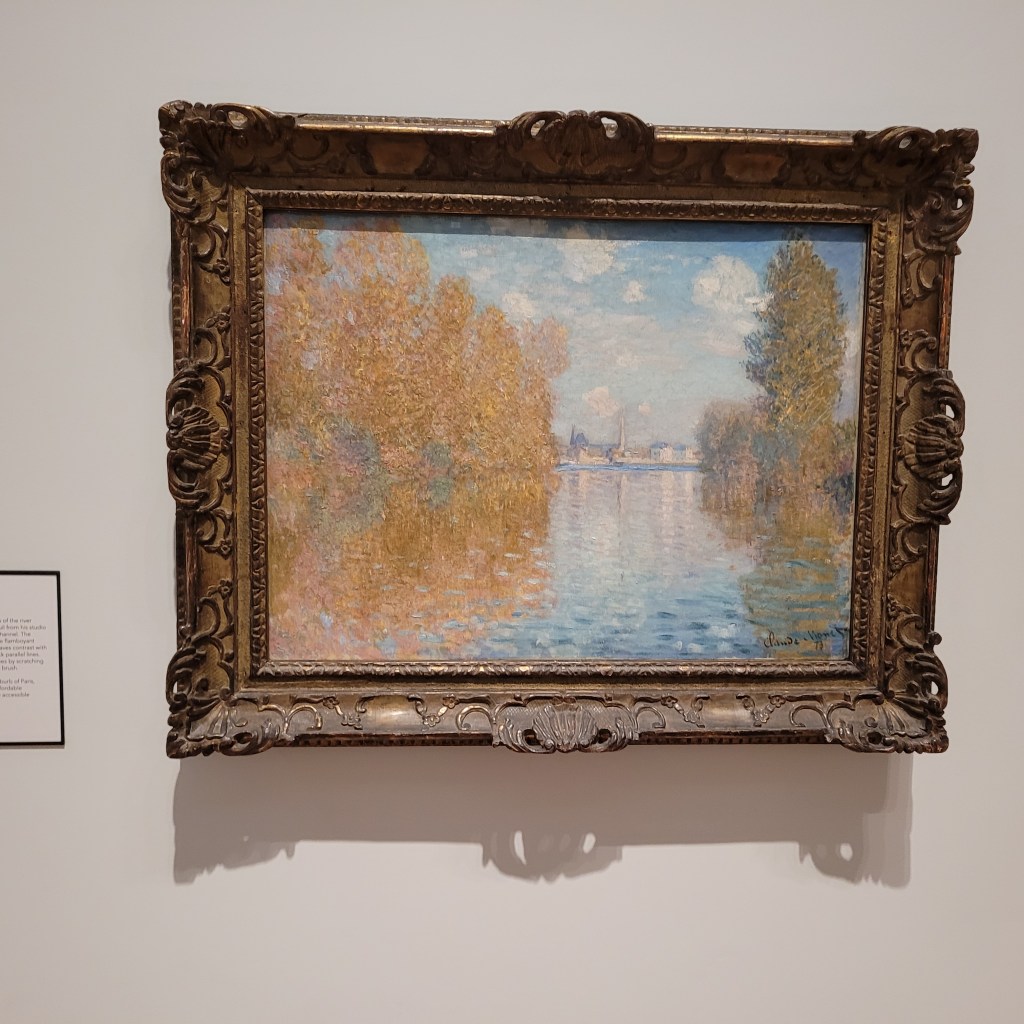
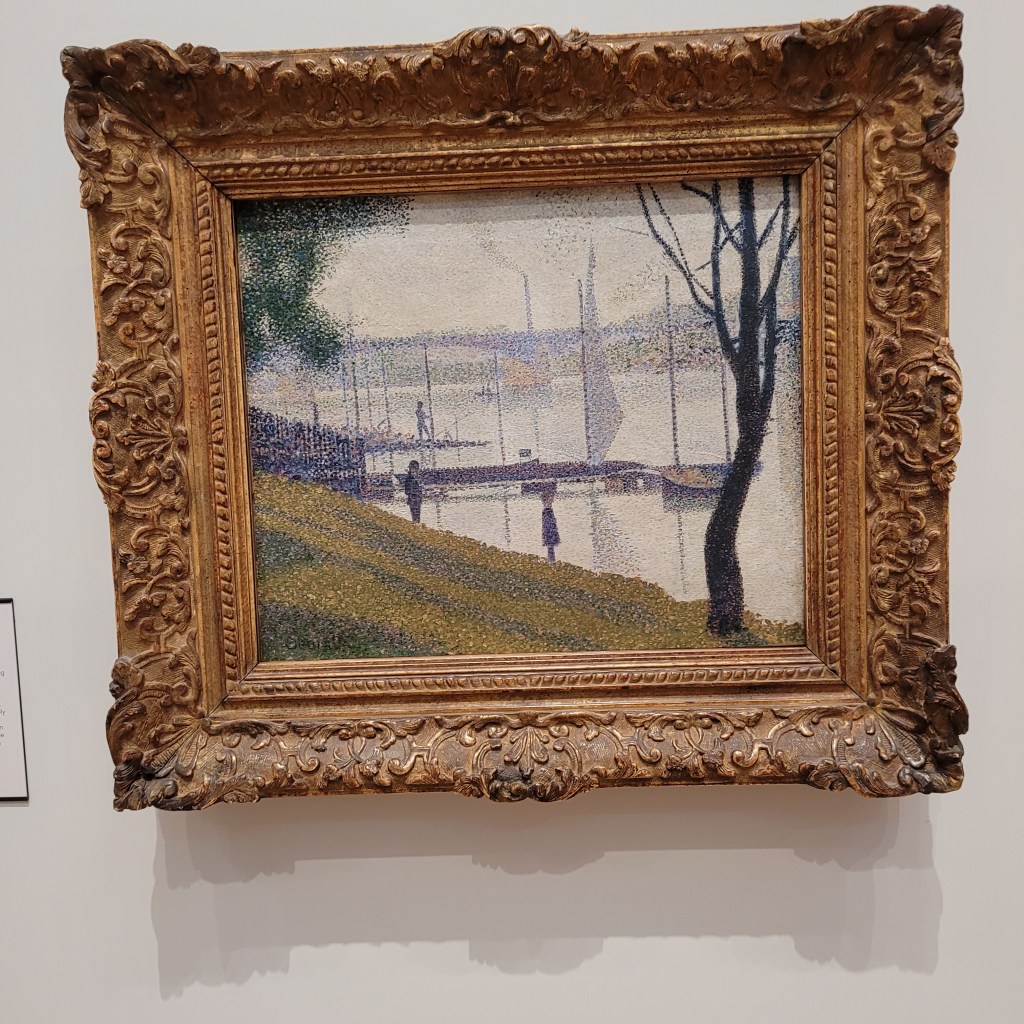
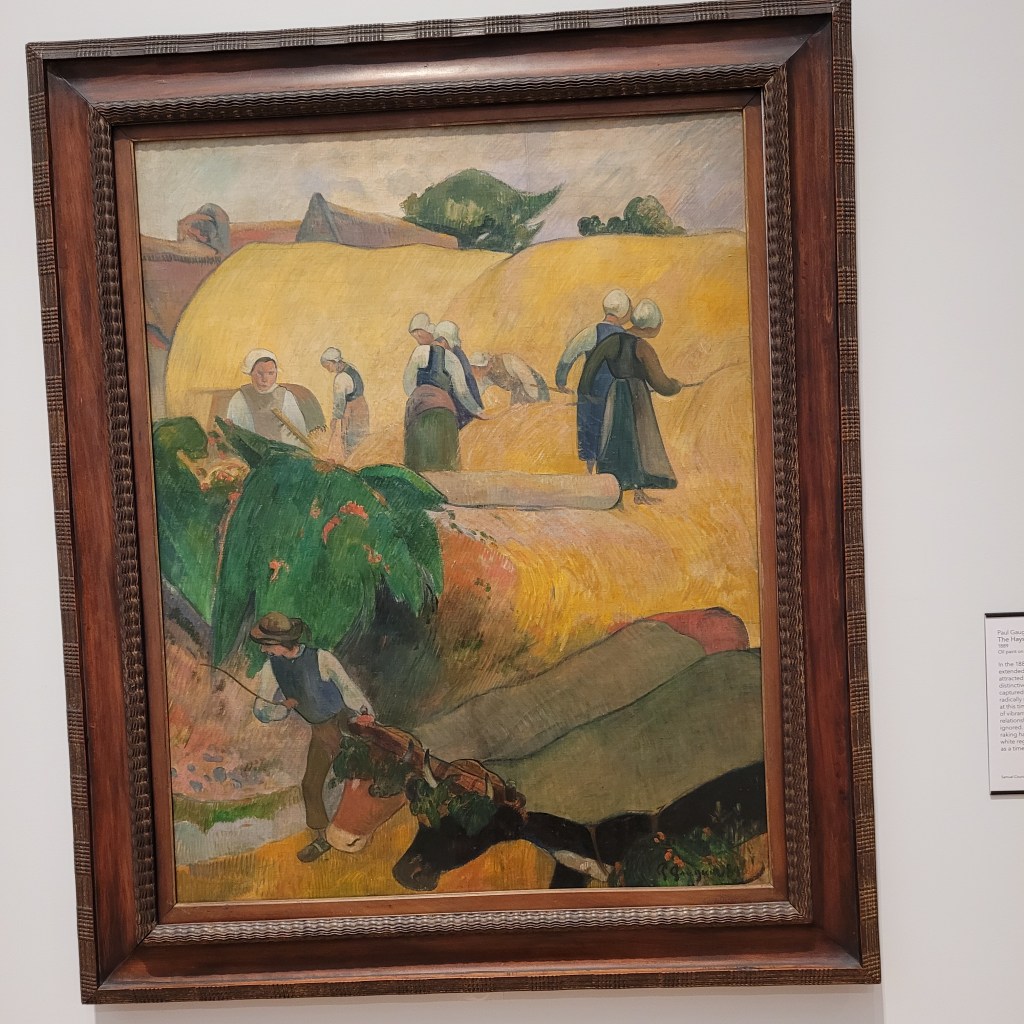
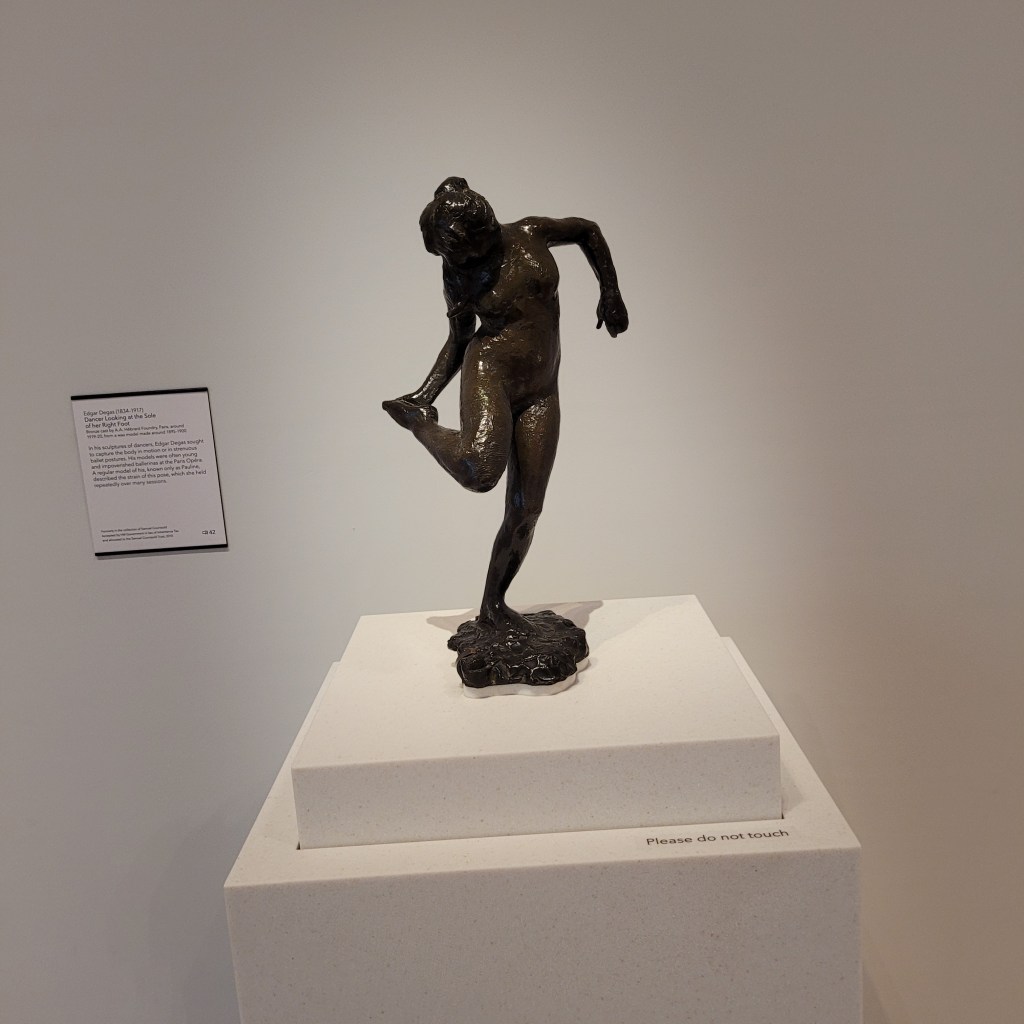
“Autumn Effect at Argenteuil” by Monet did standout to me. Seurat’s “The Bridge at Courbevoie” was excellent example of pointillist technique and Seurat’s unique style and detail, a delight to visit. I also thought that “The Haystacks: by Gauguin stood out in the collection. Degas’ “Dancer looking at the Right Sole of Her Foot,” is one of his exquisite small sculptures that made this visit a pleasing one too.
The final piece I want to mention is the large piece that hangs over the grand staircase that leads to the top Collections floor where the Impressionist and Post-Impressionists are located. This piece is called “Unmoored from Her Reflection it is a 2021 work by Cecily Brown (born 1969). I found it innovative and exciting, a piece that speaks to the future of art, filled with color and wonder.

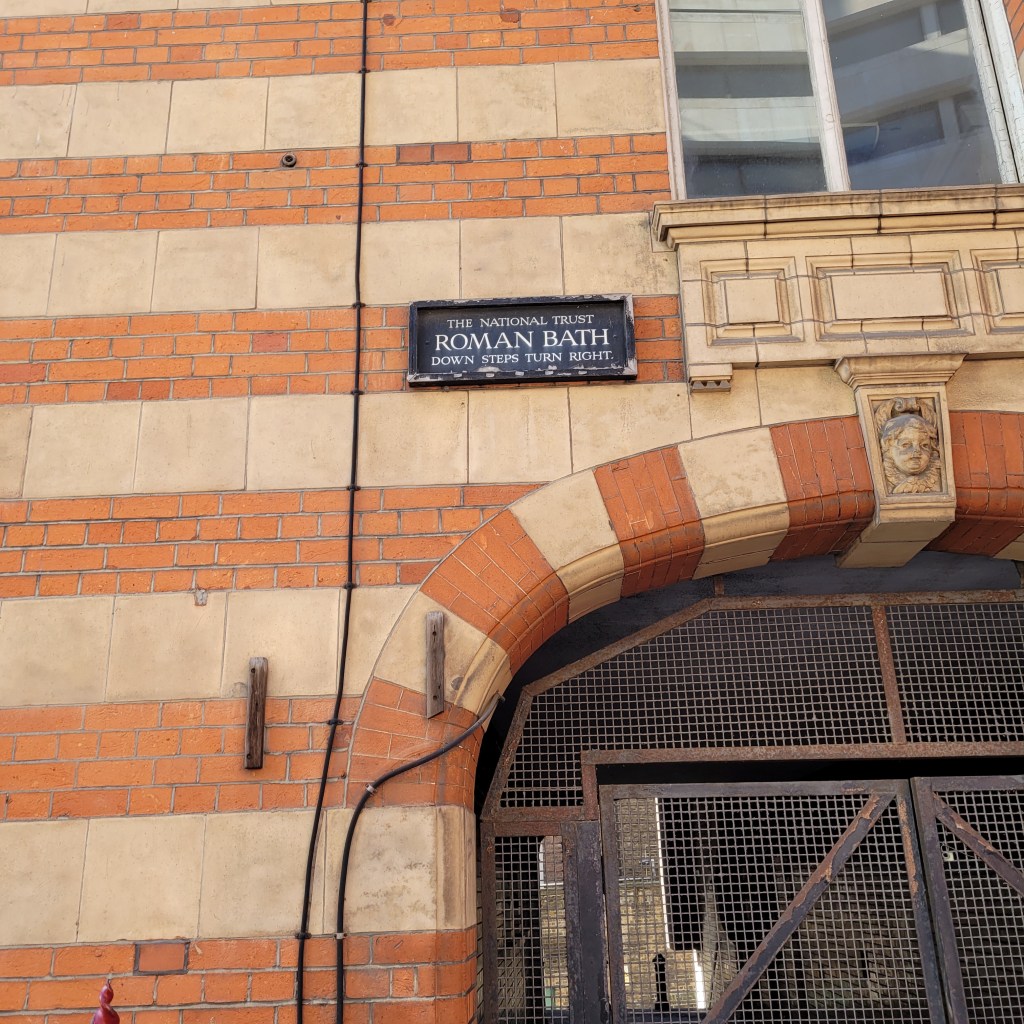
After a quick visit to the Art Cafe on the Ground Level of the Courtald (a lovely facility with good coffee), I made my way toward the Temple Tube Station, passing, as I made the short walk, this interesting sign above a locked gateway on a building at King’s College, London.

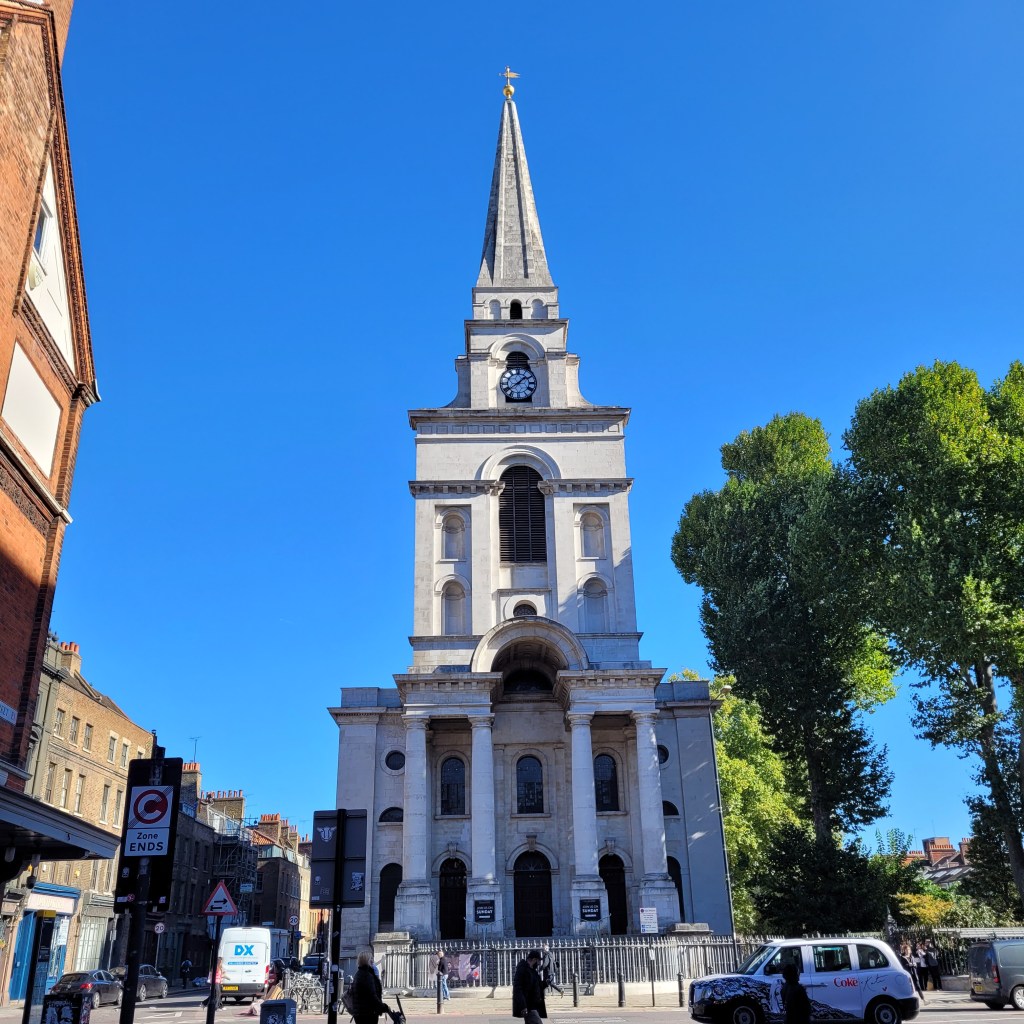
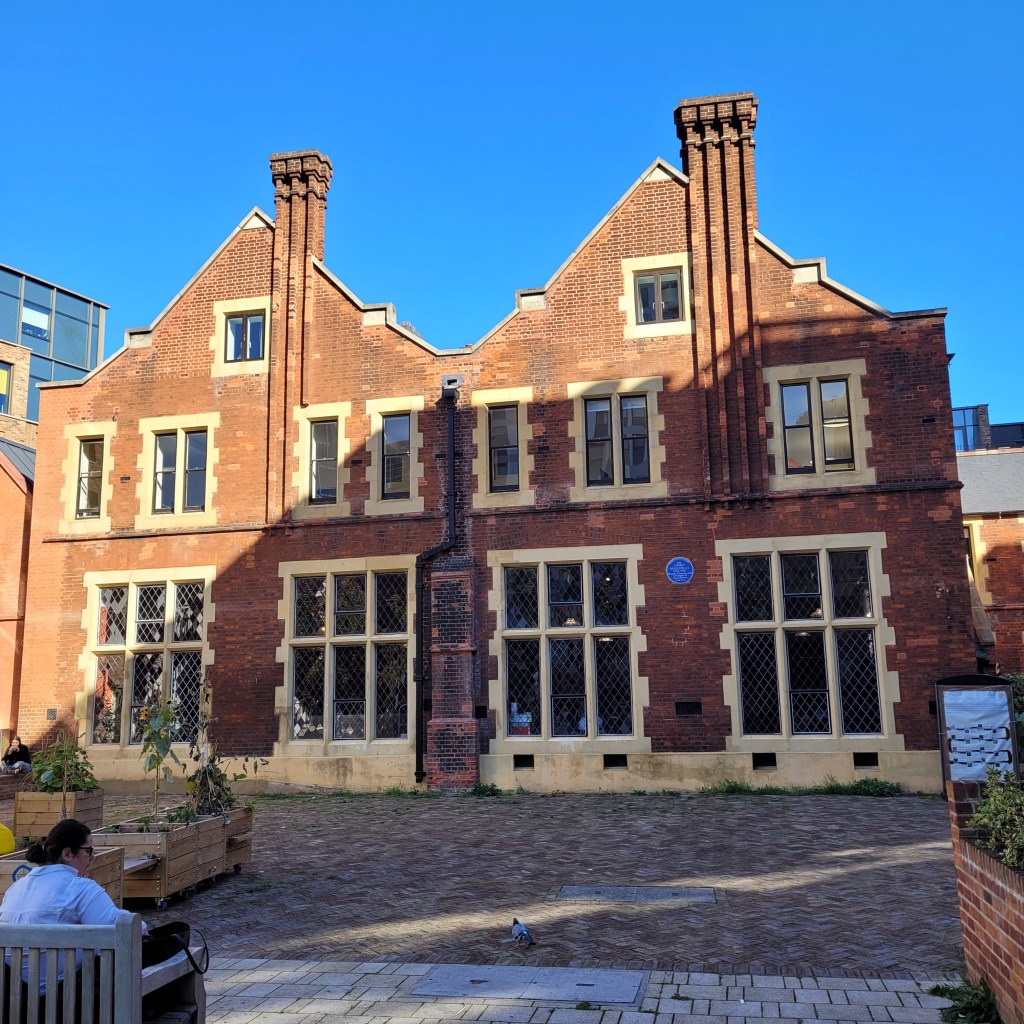
According to the National Trust, they are not “Roman, but in fact the remaining portion of a cistern built in 1612 to feed a fountain in the gardens of the old Somerset House, then a royal palace. After a long period of neglect and decay, following the demolition of the fountain, they were brought back into use in the 1770s as a public cold plunge bath. They can be viewed by making a request to the Westminster Council. I took the Tube on to visit another favorite London market, Spitalfields, that I have visited and posted about before on my Facebook page. I will post this picture of Christ Church Spitalfields, designed by Nicholas Hawksmoor and consecrated in 1729. And the picture of this interesting Arts and Crafts building that was the home of Dr. Jimmy Mallon, CH, Warden of Toynbee Hall, Champion of Social Reform (according to the Blue Plaque erected there.

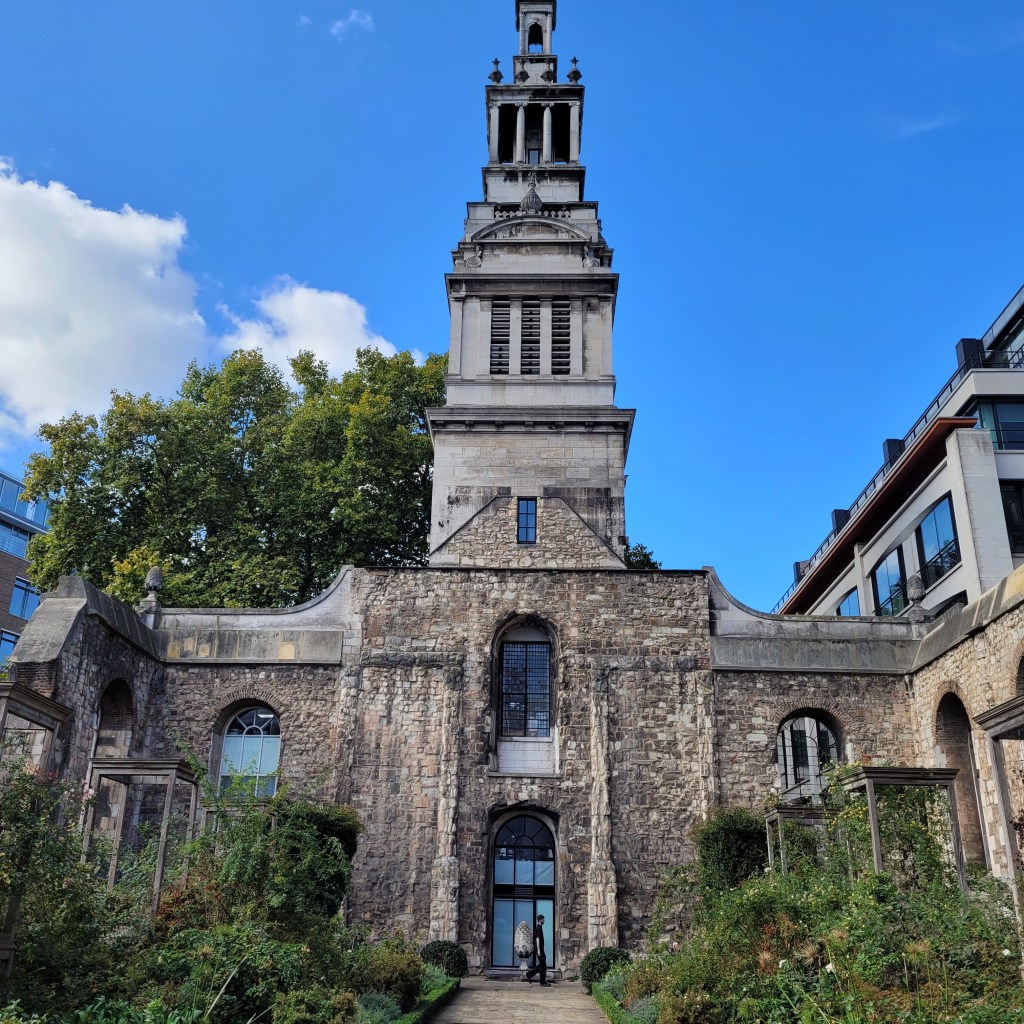
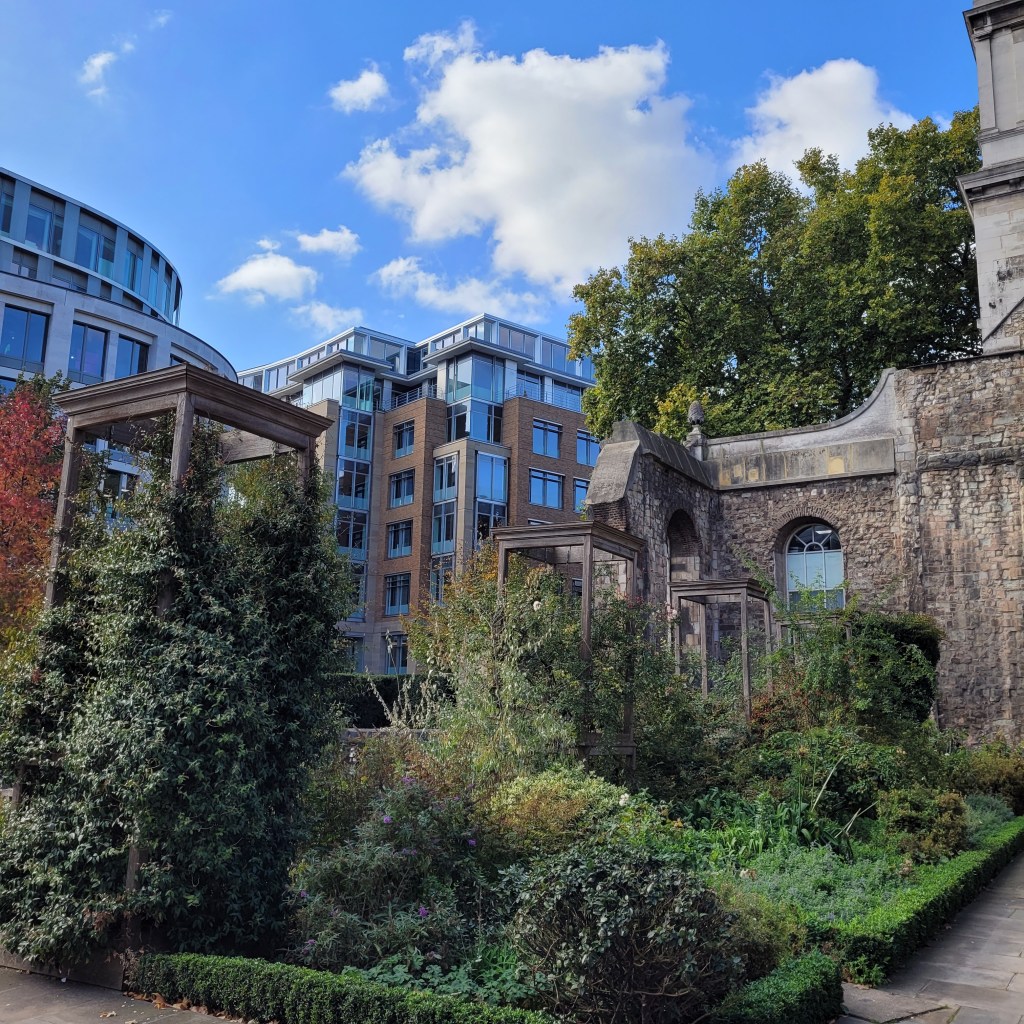
As I neared the Tube Station for my return to Bloomsbury, I noticed a lovely garden built in the midst of the ruins of a church of some kind, I thought. After taking a few pictures, I found a plaque identifying the place as remaining parts of the Christophen Wren designed Christ Church built to replace the Greyfriars Church, left after the dissolution of the monasteries. The Greyfriars church was destroyed in the Great Fire of London. Christ Church was one of 14 Wren churches destroyed by Nazi bombing during WWII. The garden funded by a private company is a peaceful haven in the busy center of the city.

And so, it goes in a city where history is around every corner.

A Jab and A Witch Trial

I travelled into the unchartered waters of Hackney in East London for the first time since the Patio Set, the band my friend James Grant was then a member of had a record launch there, around 15 years ago! Today’s visit involved records, but more record keeping, as my local NHS surgery in Bloomsbury sent me off to Saint Leonard’s Hospital in the Borough of Hackney to clarify some record keeping and, possibly, get my Covid-19 Booster. Part year residents, it seems, get special treatment. When my Uber driver turned into this place, my only thought was of Paddy Chayefsky’s 1971 dark comic classic movie, “The Hospital.”

I wondered how long my future would be. From the barred front entrance, there was adequate signage to both the Covid clinic, for me, and the Polio vaccination clinic for the nice Romanian family I met. After our excursion around the huge complex, we found our way inside and the always remarkably friendly and capable NHS staff helped me through the paperwork process. Two different women were patient with me as I tried to remember my UK post code, a jumble of letters and numbers that I always struggle with and then trying to find my UK pay-as-you-go phone’s number. This is my ’emergency phone that I only bought for NHS calls because they can’t call international numbers. Anyway, I finally found it and eventually, was able to be jabbed! Its Moderna this time, a big change for this guy. I’d been a Pfizer man before this.

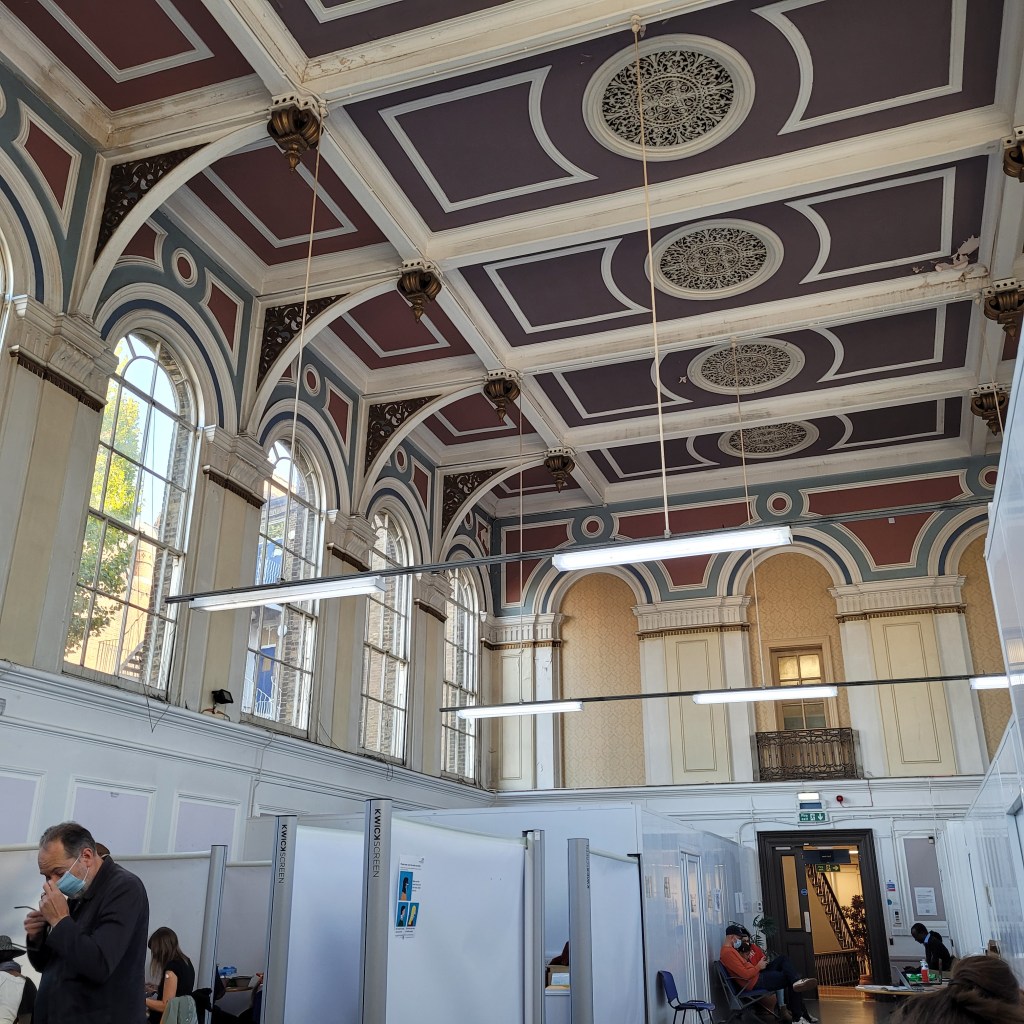
As I mentioned, this is an old hospital. It has roots as a workhouse for the poor of Shore ditch, London. The building where the clinic was held was a grand old 19th Century one. I noticed the details of the high ceilings and large windows. I mentioned this to the woman who was about to “jab” me. She told me that

the room was once the hospital cafeteria.

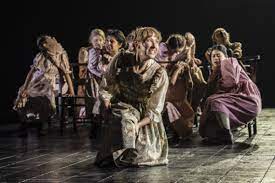
The jab search completed; it was on to the cultural activity of the day. Today, this involved a trip to the Southbank of Thames to the National Theatre complex where I would be seeing a matinee performance of Arthur Miller’s classic, “The Crucible” at the Olivier Theatre. This play, for people of my age, is one of those touchstones. I was born during the McCarthy era. Senator Joseph “Tail Gunner Joe” McCarthy, his henchman Roy Cohn, and journalist Edward R. Murrow and the roles they played in the tragedy and triumphs of the rise and fall of McCarthy’s bizarre crusade against non-existent communist cells in the Federal government, including the U.S. Army were the place and time where Arthur Miller saw history repeating itself. His words, as true today, as they were when Mr. Miller first published the play in 1953. Generations of people have seen its relevance in America, and I am sure, around the world. We certainly turned to it during the Viet Nam War and Civil Rights Protests of the 1960s and early 1970s, the attempts at political repression culminating with the police riot at the Democratic Convention in Chicago in 1968. Many have seen the parallels again when free speech has been denied to the people of countries around the world From Russia to China, to the Middle East. Today, Americans, again feel that our freedoms are again being threatened by the hysteria of those who claim to wish to protect the civil law by using what they believe to be their holy laws.

This was a good production. I lament the diminution of the character of Tituba, the young, enslaved girl who, in earlier version was given a much clearer role in bringing the magic and spells she had learned from her elders to the young Puritan daughters. chafing under the restrictions under the restrictions on which they lived. This was a “Crucible,” focused on the crime of failing to see what one does not wish to see and the sins of omission that often worse than commission. These, of course are the problems that we see eating our societies and democracies away today. I cannot stress, enough, though, that any production of this particular work still has the words of this great American playwright to sustain it. Whatever the issues may have been with accents, I left that theatre, reminded that we must find a way to awaken the minds of those who cannot see where we are headed or we, too will live with devastating consequences.