Category: Uncategorized

Return to Wigmore Hall, A Church Amidst Fleshpots, A Reading Room, and Fulham Wins

Return to Wigmore Hall

When last I visited wonderful Wigmore Hall, my mobile phone was stolen on the way there. So, for the first of this year’s Sunday morning concerts, I took a taxi rather than walk. Like my photo above of the stage bouquet, things weren’t quite in top form for the first Sunday morning concert of the Autumn season. The doors remained locked past the stated opening time and when they did open, we were greeted with the news that the box office would not open until just before the performance. The restaurant was open, but, unfortunately the tills were down and only one person on site knew how to operate the coffee machine. It was slightly chaotic. If you think that a bunch of 70 + year old British Classical Music fans would just “keep calm and carry on,” I’ve got news for you. There was some good old English queueing for the refreshments with a great deal of muted sarcasm and griping. But, in true Wigmore Hall fashion, we all got our drinks, the tills came online, and a box office attendant arrived to save the day.

Chiarusco Quartet (Chiaroscuro Quartet | Official Website) performed Mozart’s ‘String Quartet No. 15 in D Minor” and Schubert’s “String Quartet in A Minor.” The musicians played at the high standard I’ve come to expect from Wigmore Hall performances and the audience was very appreciative of their efforts.

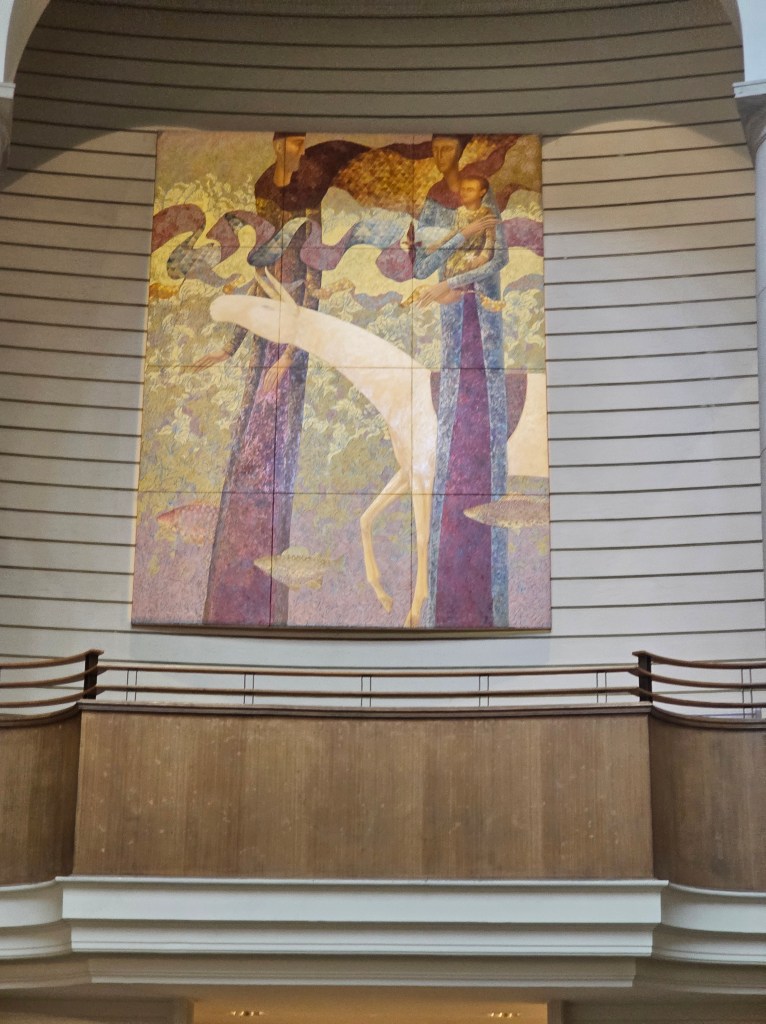
Notre Dame de France-Leicester Square, London

Leicester Square is an entertainment site somewhat akin to a blending of the old and newer Times Square in New York City. It is filled with “touristy” attractions, casinos, souvenir vendors, and plenty of suspicious characters, the perfect place to find an unassuming looking Catholic Church.

This turned out to be a very sweet and peaceful refuge in the midst of the hustle and bustle of Leicester Square and bordering China Town.
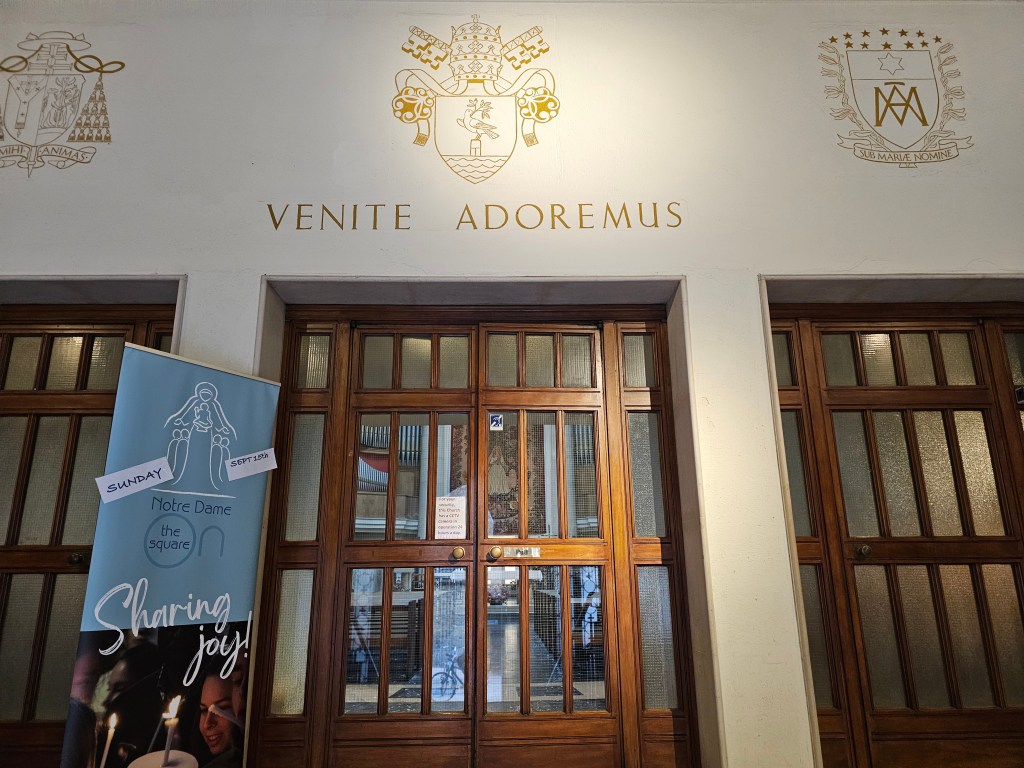
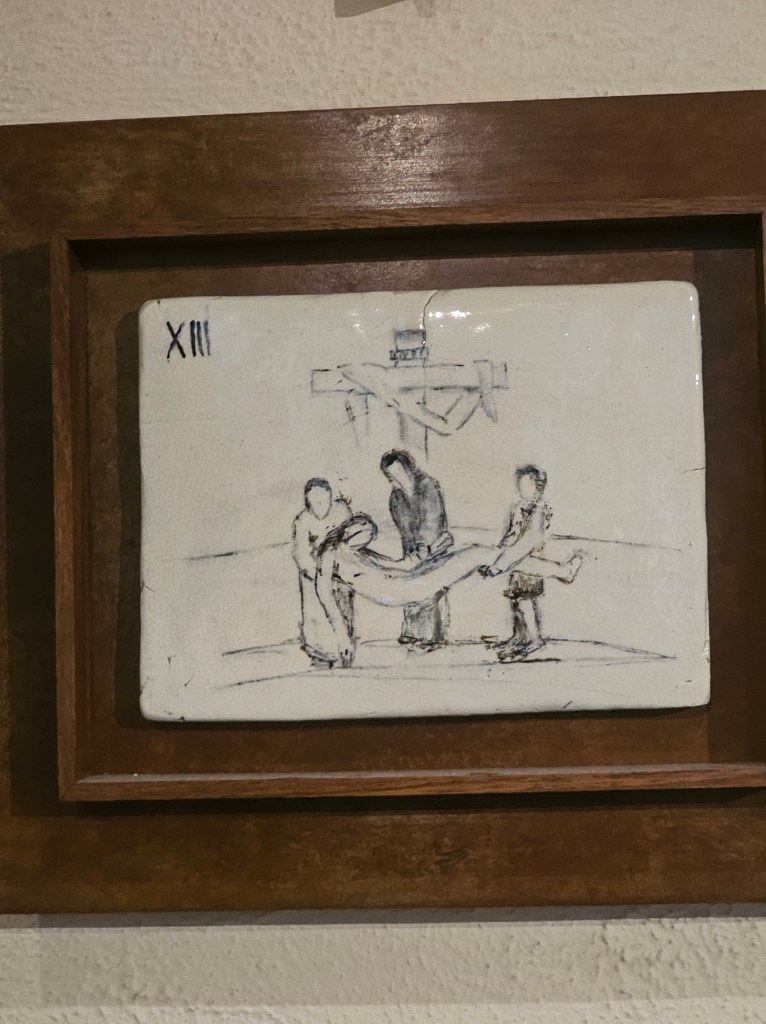
As you can see, the church is quite plain in design. I was touched by the rustic and simplistic Stations of the Cross. The church is tucked away down a short street, directly across from one of the casinos. It could be easily missed on a visit to Leicester Square.

The British Museum Reading Room
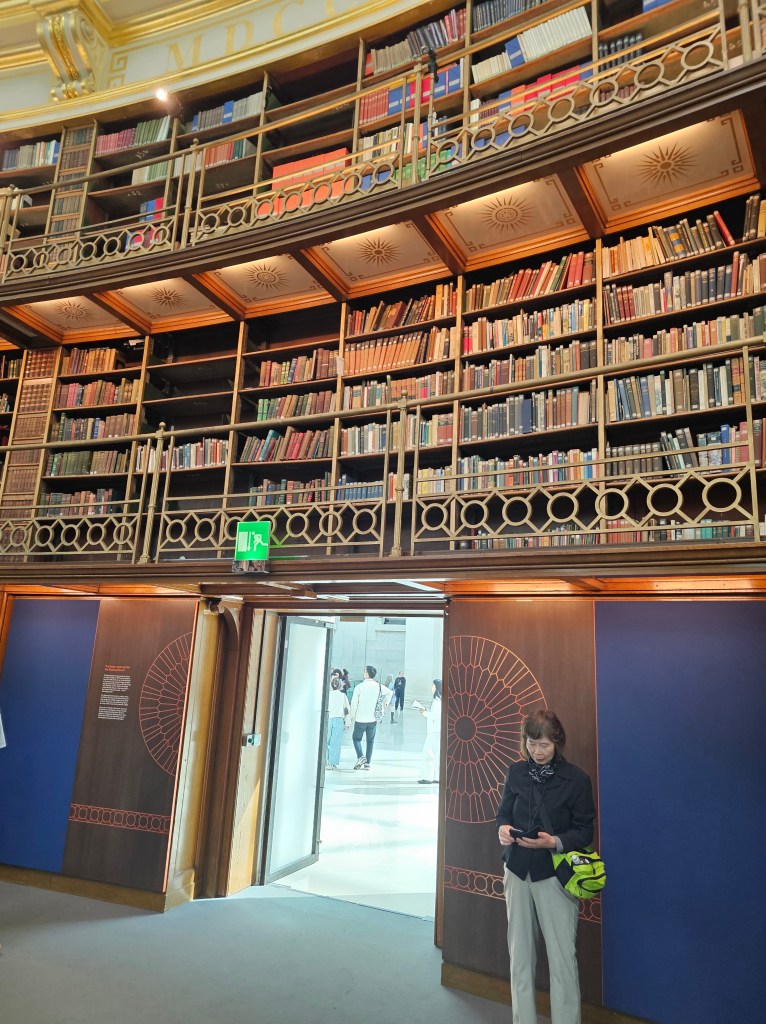
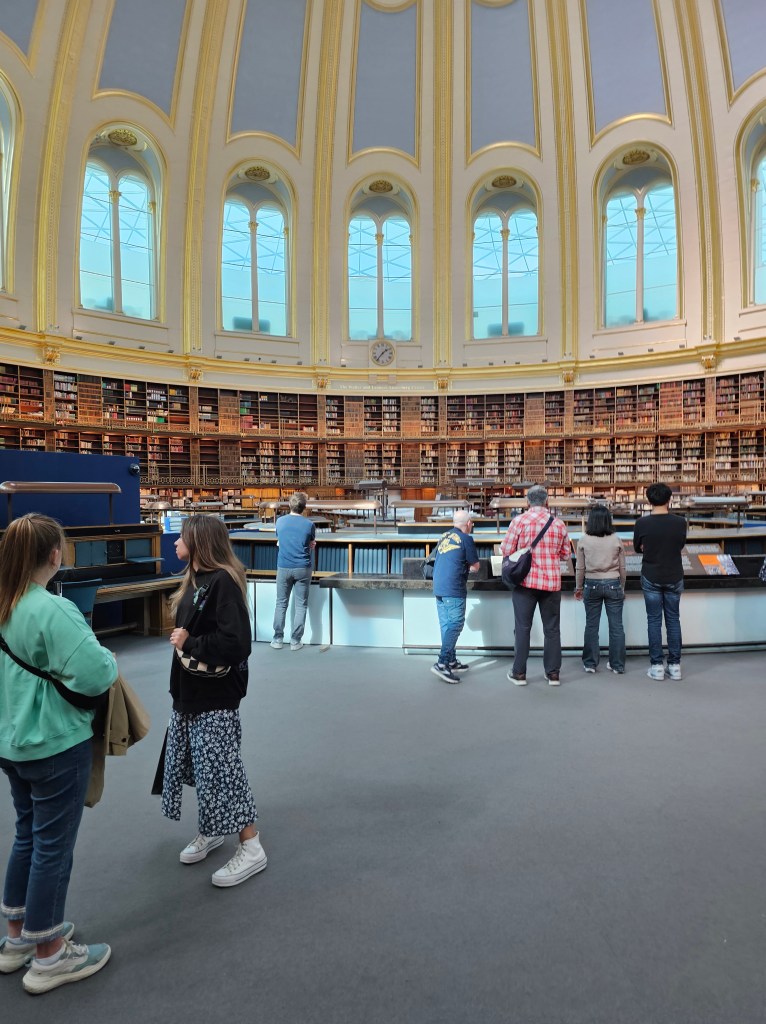
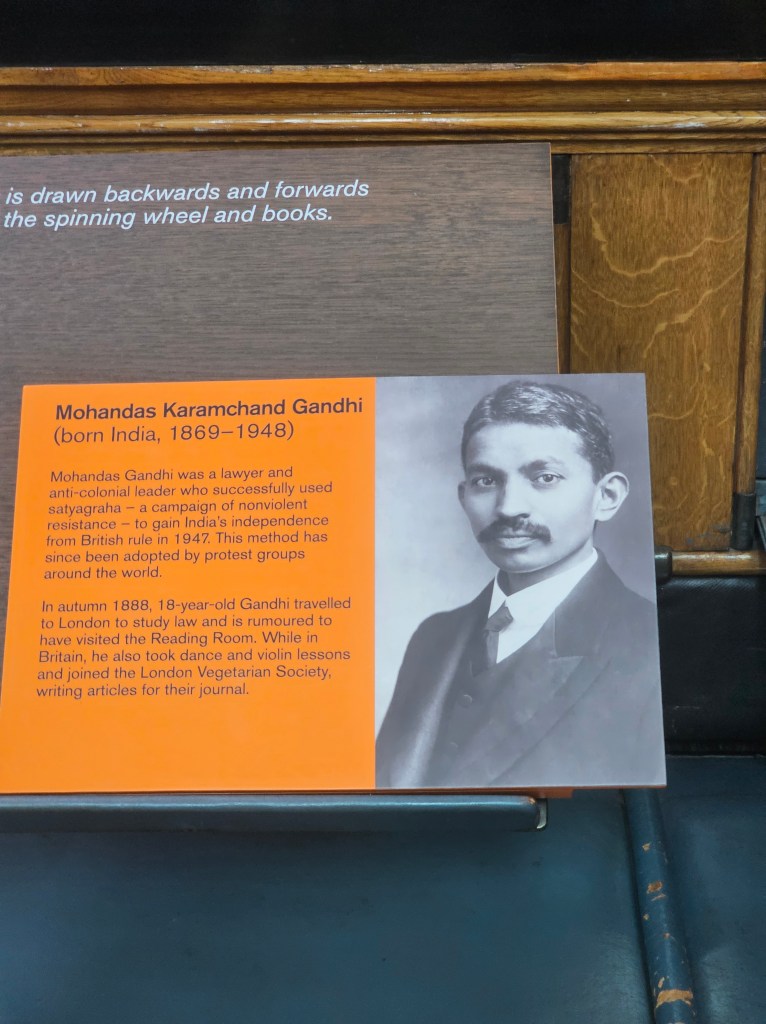
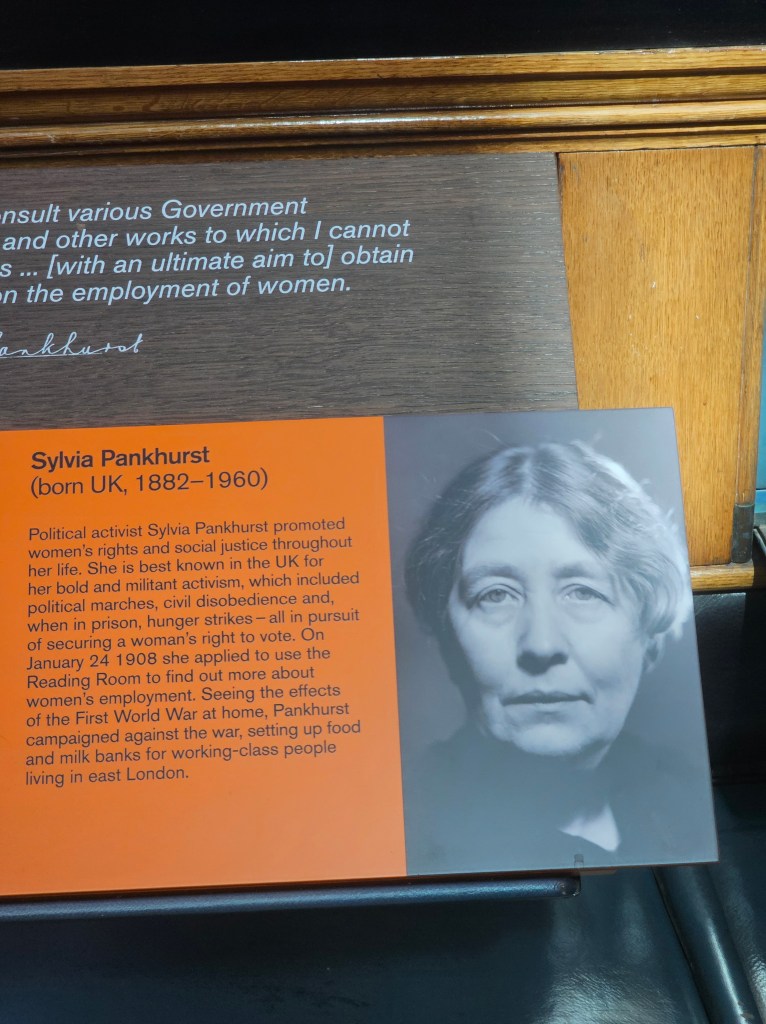
Before the British Library was built with its multiple reading rooms, the British Museum held the book collection and had a magnificent reading room. It has been preserved in the middle of the Great Rotunda of the British Museum. This visit was suggested by my UK besties, Nigel and Gwynne who came up to visit from Kent. The library tells the story of famous users of the reading room. In addition to Karl Marx, these were some of the famous users:
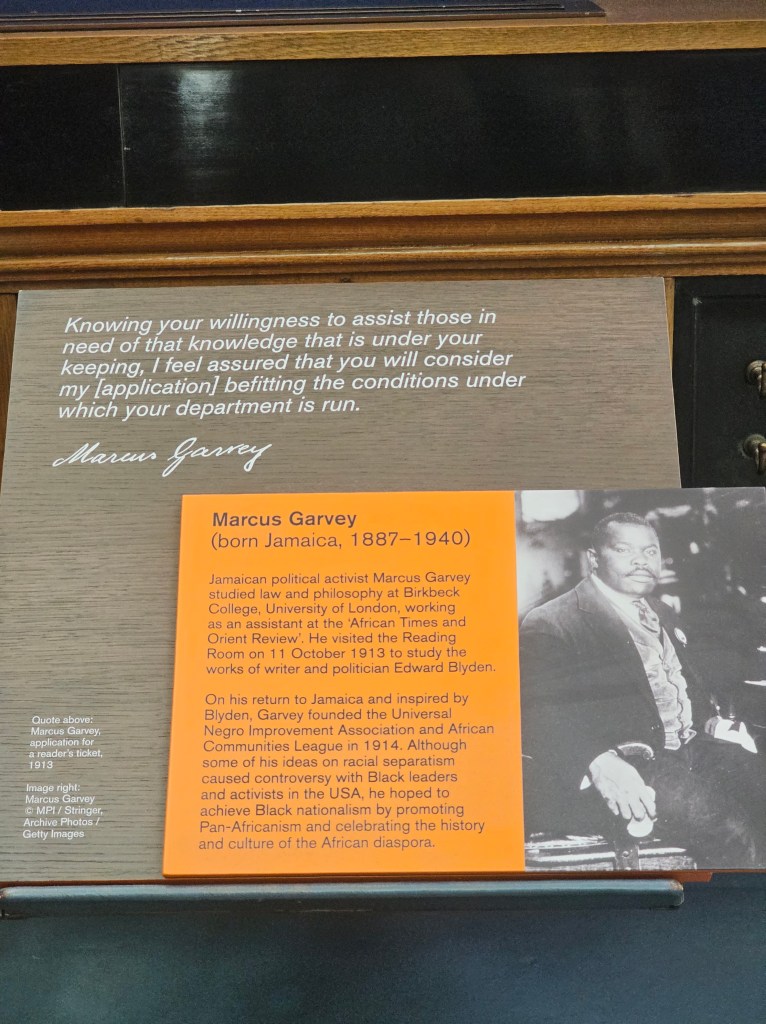
After our visit to the Reading Room, Gwynne suggested we go downstairs and visit the African art exhibit. The exhibit was fantastic. Unfortunately, Nigel and I got to talking and I forgot to take any photos! So, I hope to return before I leave.

Fulham Wins, Fulham Wins, Fulham Wins!
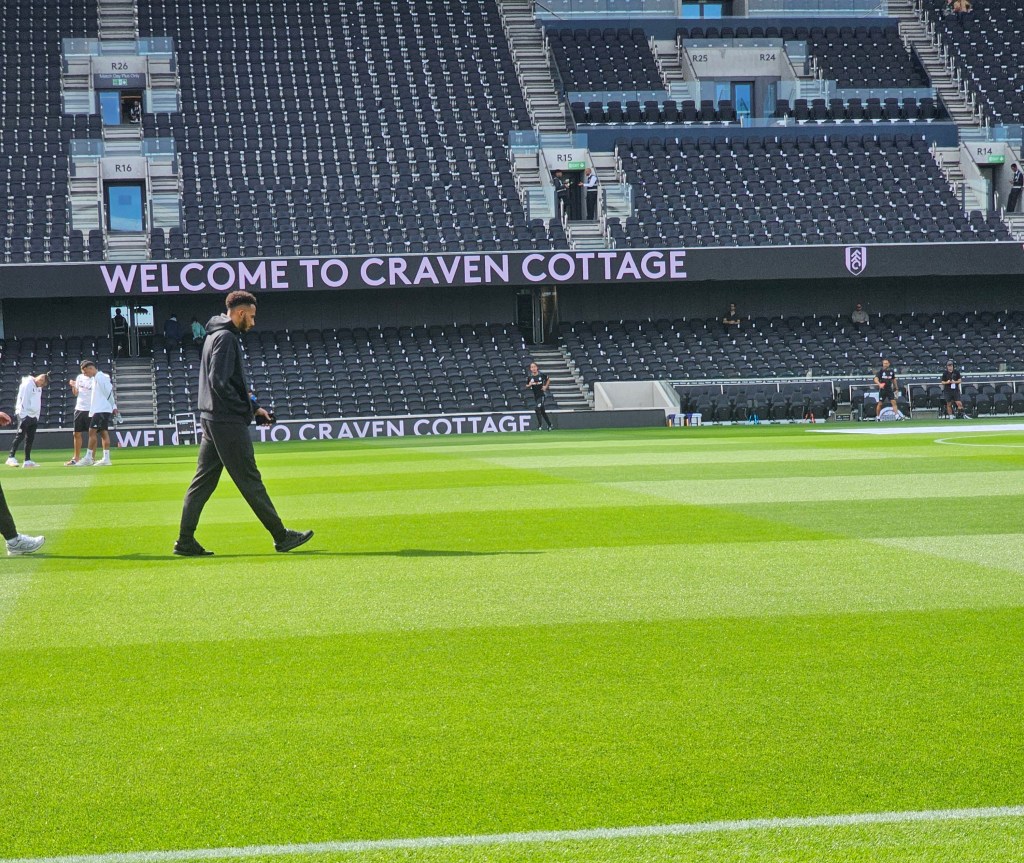
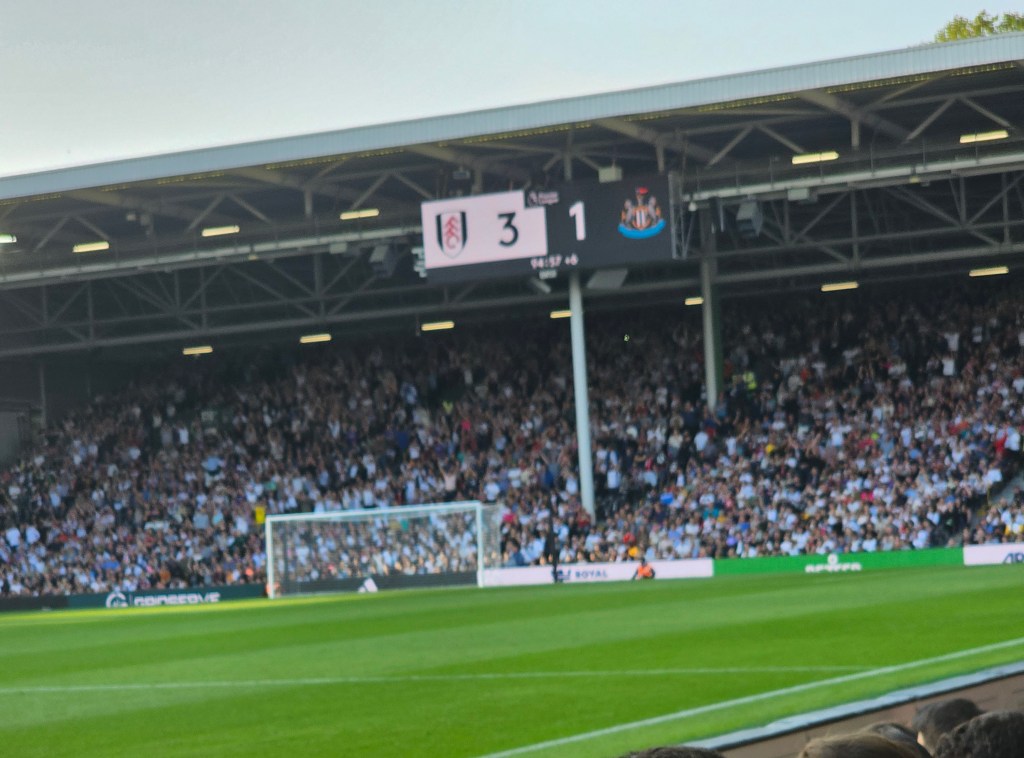
It was another perfect Saturday at Craven Cottage for Fulham’s meeting with Newcastle United. This time I was seated in the Johnny Haynes stand rather than the new Riverside Stand. The great thing about the Johnny Haynes is that you are probably going to be surrounded by hardcore fans who know the players and know the game. Fulham topped Newcastle 3-1 after a fierce second half. A funny thing happened on the way to Craven Cottage. As I walked through the beautiful Bishop’s Park, adjacent to the stadium, I overheard a pair of fans just behind me discussing the Michael Jackson statue that had been placed in front of the stadium by former late owner of Fulham FC, Mohammad al Fayed, who had been in the news recently, not for good reasons. One of the two fans was explaining where his friend would see the statue, I turned and gave the two a smile. The one who had told his friend of the statue asked me if the statue of Michael was still there. I explained that it had been gone for over 10 years. The two and I had a good laugh.

Eclectic Days-The Esoterick Visit, Dog Day, and a Wren Church

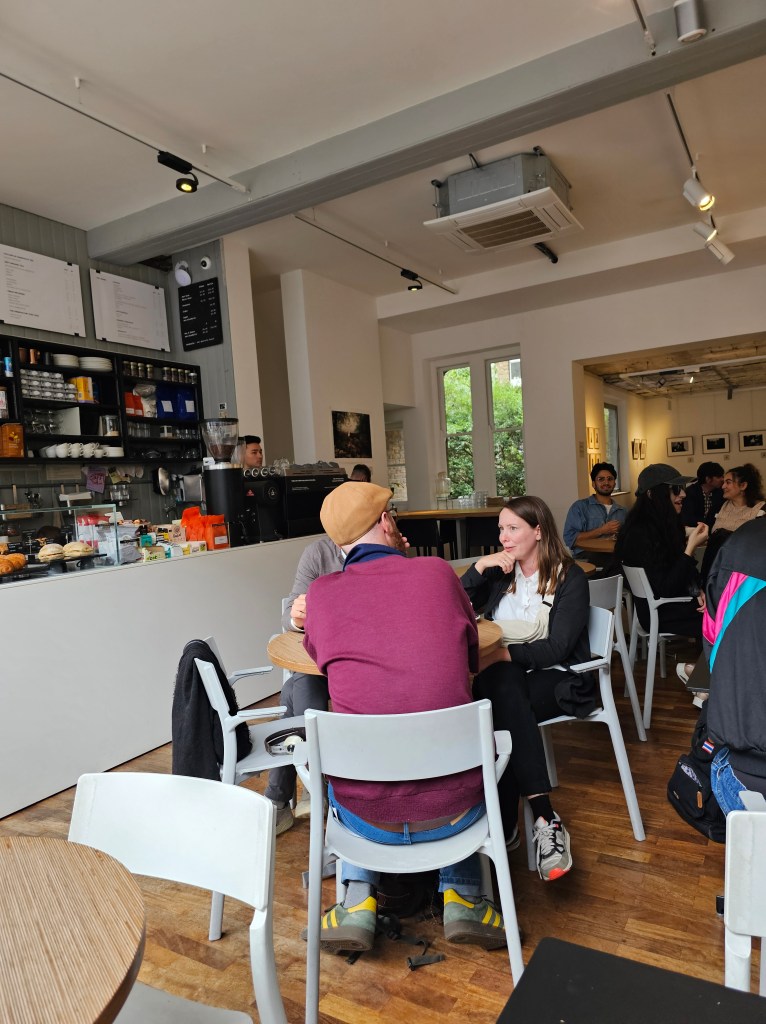
It’s been a minute since my last entry. I’ve been coping with my ‘foot issues,’ but they seem to be trending in the right direction. I’ve been taking it slow and easy but have managed to capture three recent excursions. Above is an unrelated photo of the inside of the Observatory Cafe, one of my Bloomsbury favorites that had been closed for ‘summer holidays through August.
The Esoterick Collection – Sergio Strizzi, The Perfect Moment

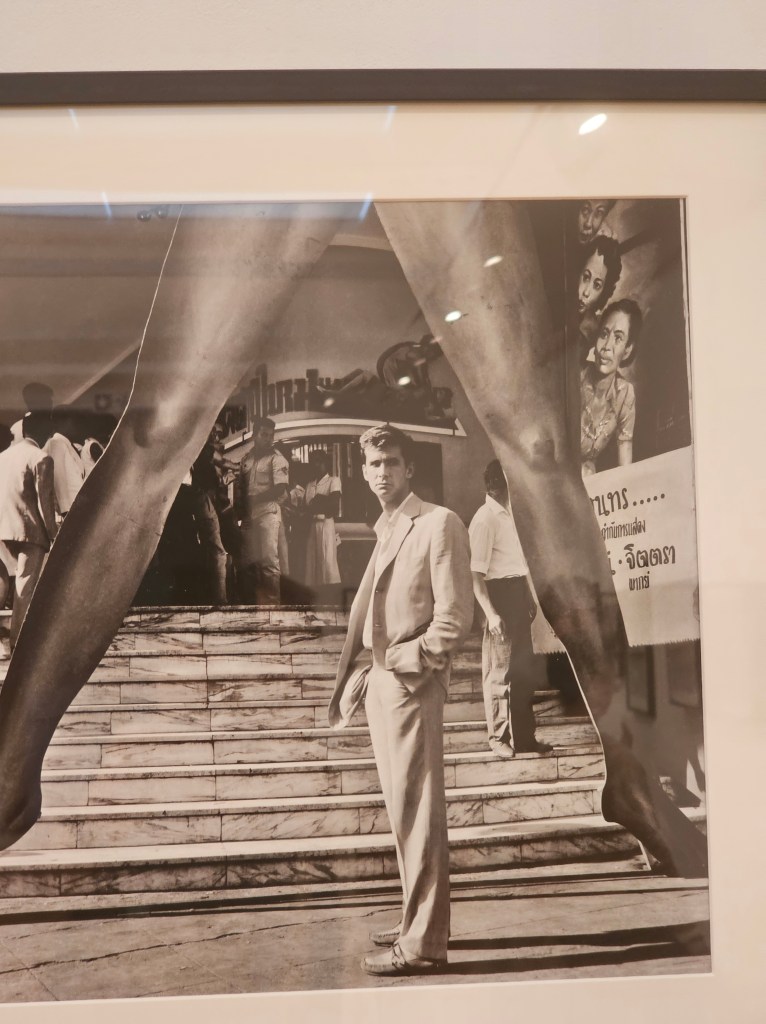
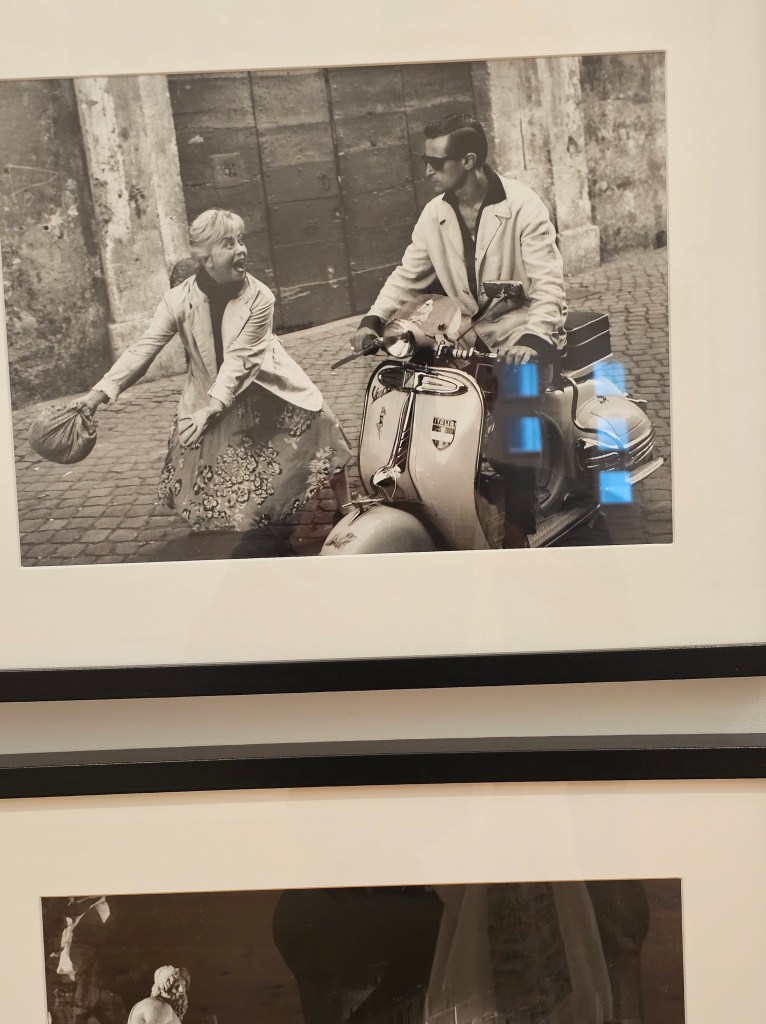
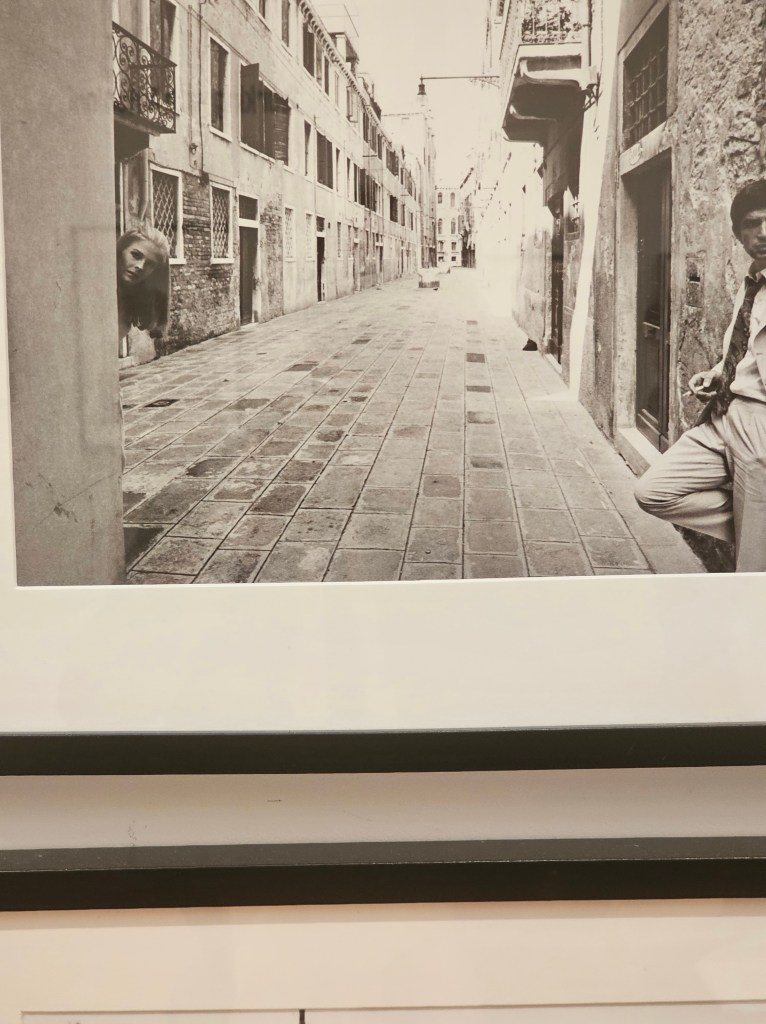
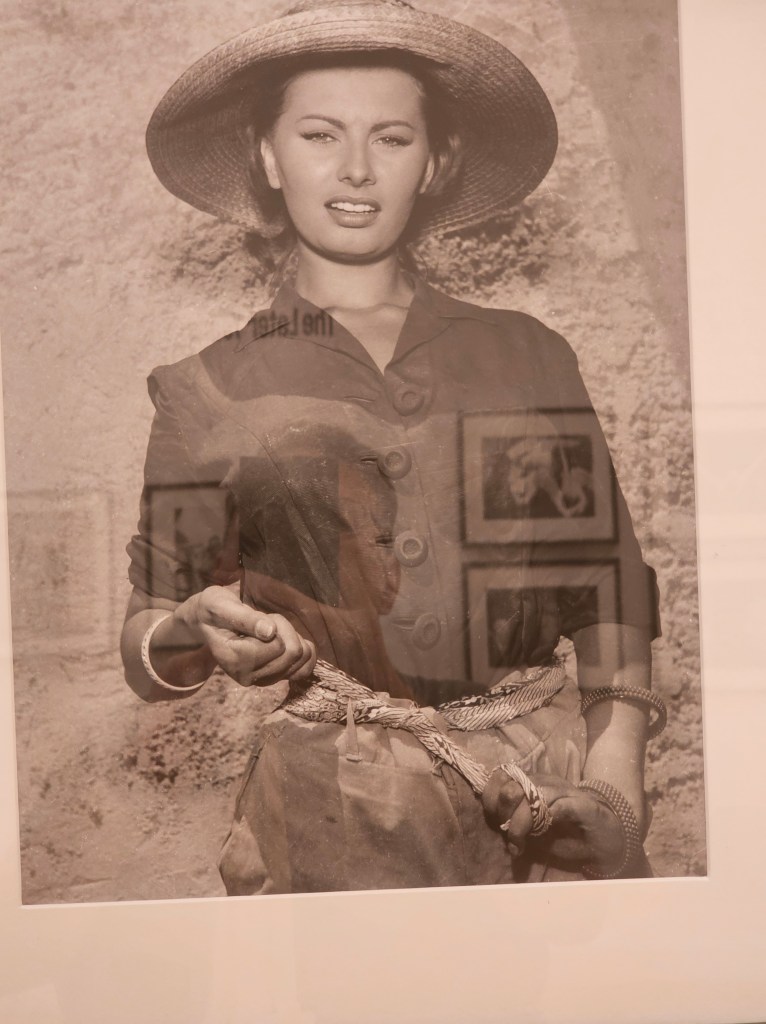
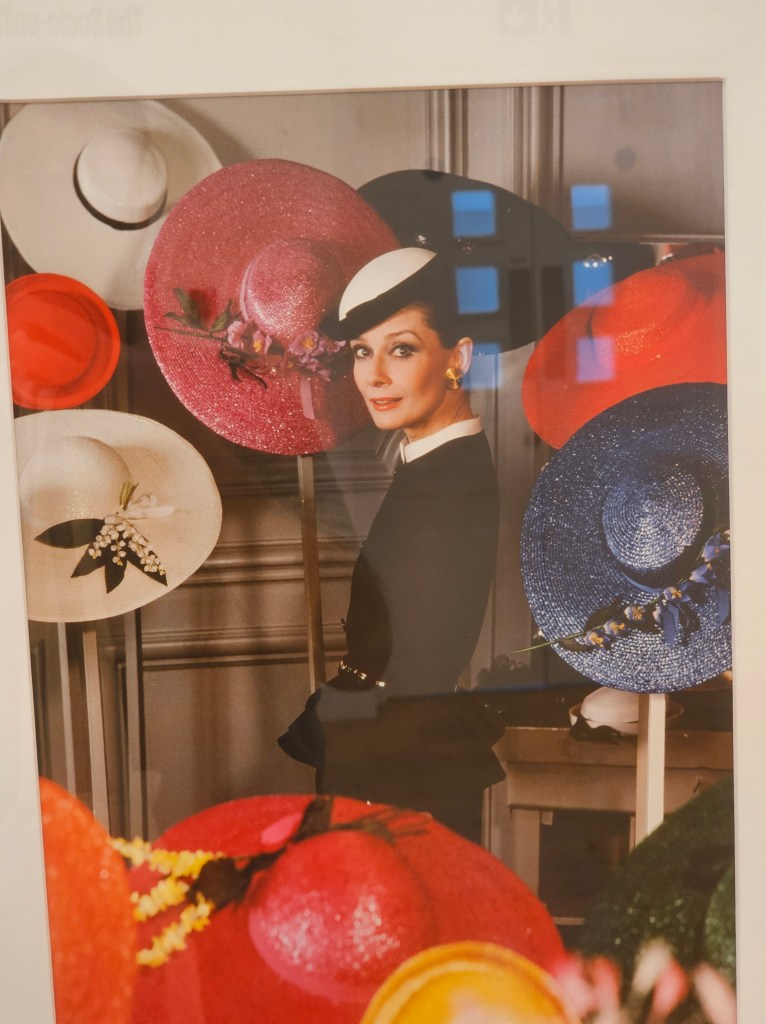
The Esoterick Collection of Modern Italian Art remains a favorite of mine because of its delightful and unexpected exhibitions. This exhibition of photographs by Sergio Strizzi, a still photographer, active in the last half of the 20th century through 2004 in Italy and around the world. The photos in the exhibition show both his artistry and provides us with a reminder of the stars of a golden era in films.

Dog Day Afternoon

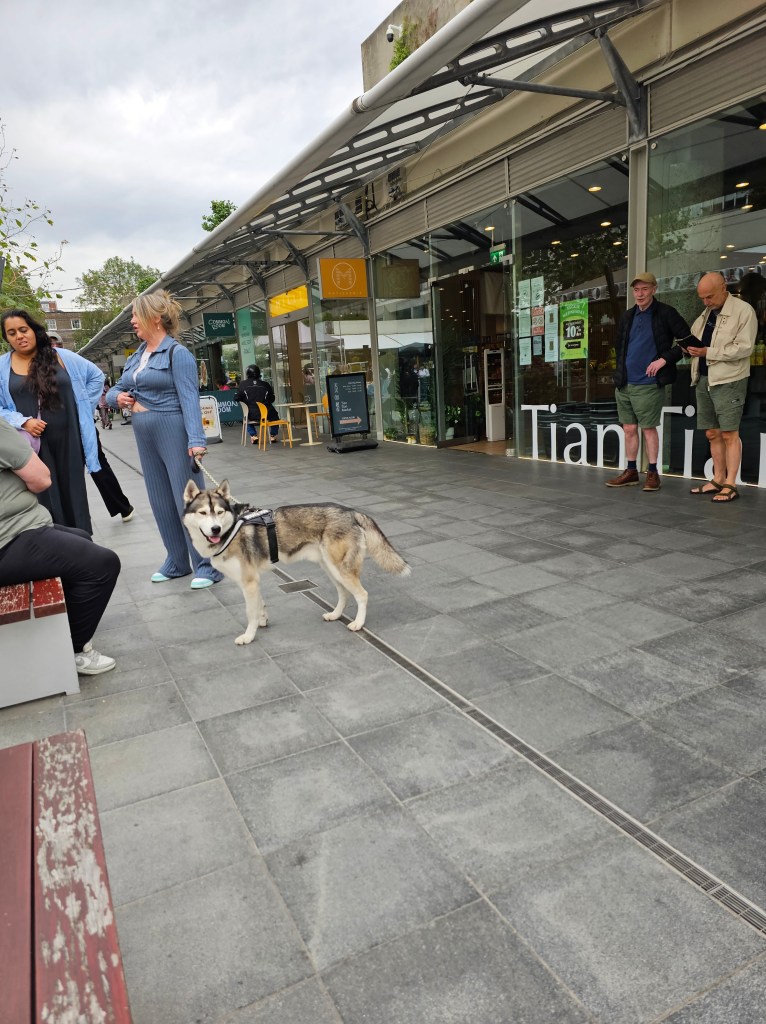
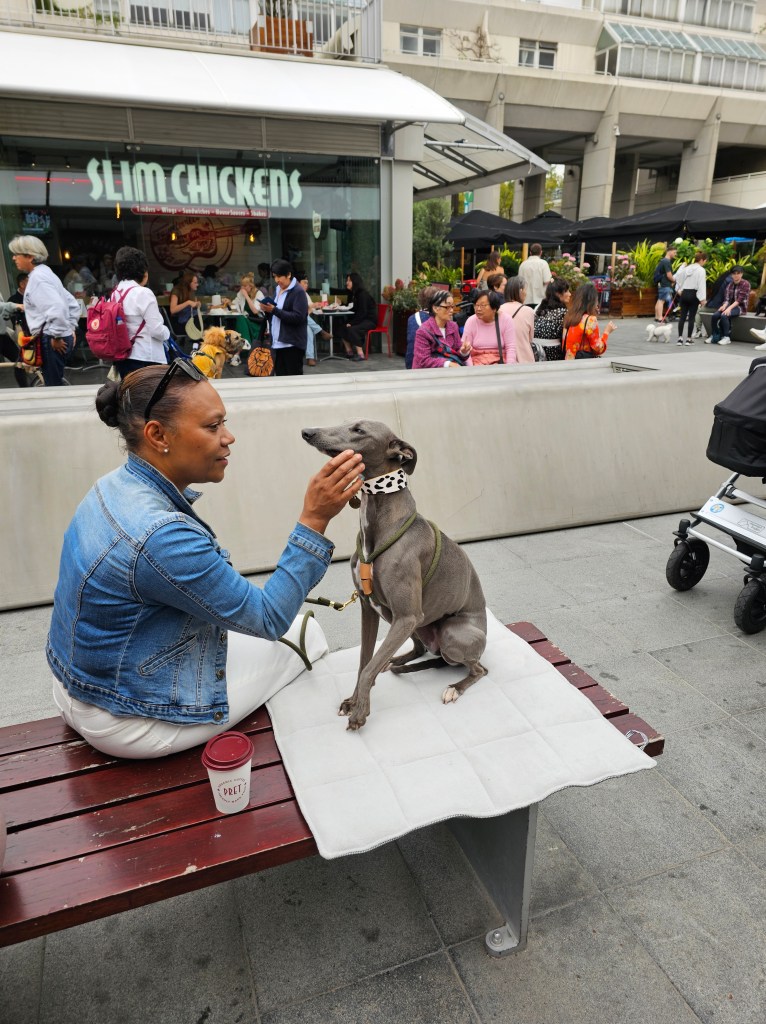
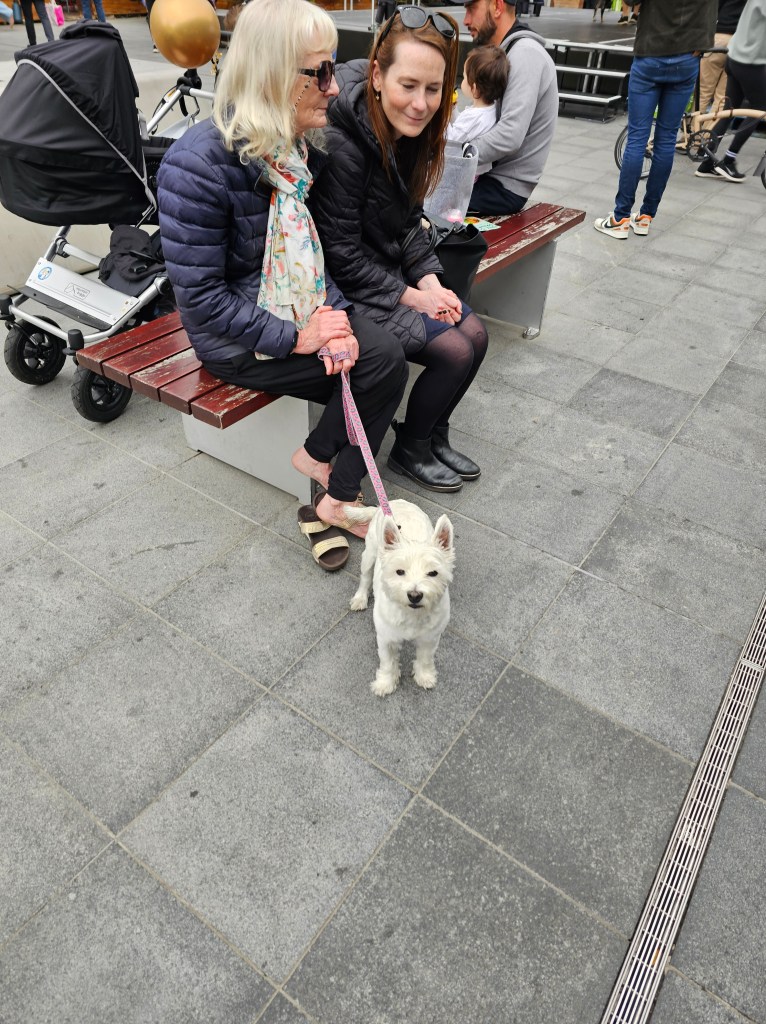
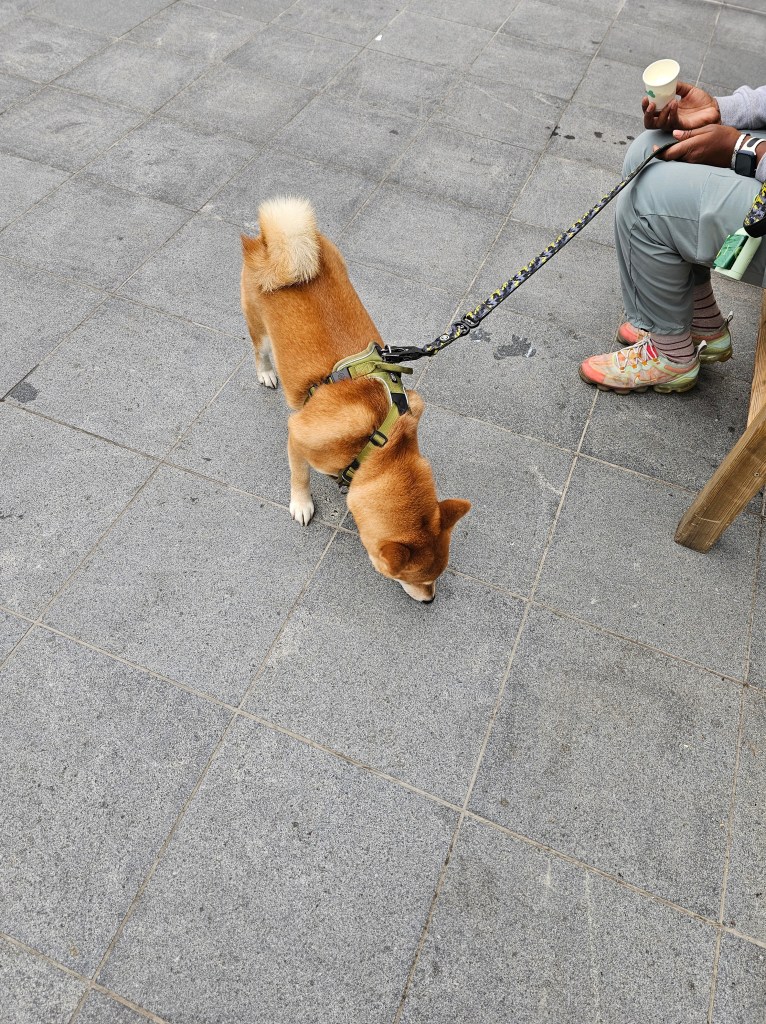
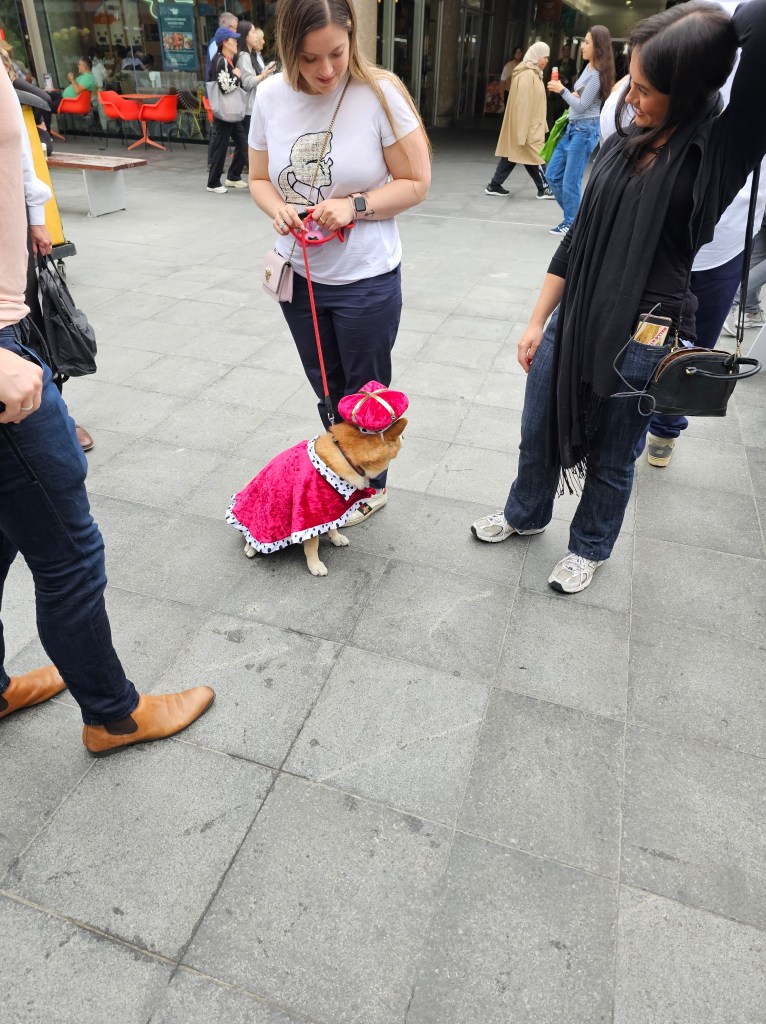
And now for something completely different, The Brunswick Centre, Bloomsbury’s mixed-use shopping and housing monument to 1970s brutalist architecture, held a celebration of dogs on the open concourse of the shopping plaza. They hold this “dog day” each year and it is a true celebration of ‘man’s best friend.’ There are prizes awarded, dog-related products for sale and ‘celebrity dogs’ that have appeared on television and in film. This year, Paddy, the terrier who has appeared as the family pet of Inspector Barnaby on “Midsomer’s Murders” was on hand. Below are some pictures of a few of dogs of all shapes and sizes that participated in the event.

Saint Andrew Church, Holborn, London

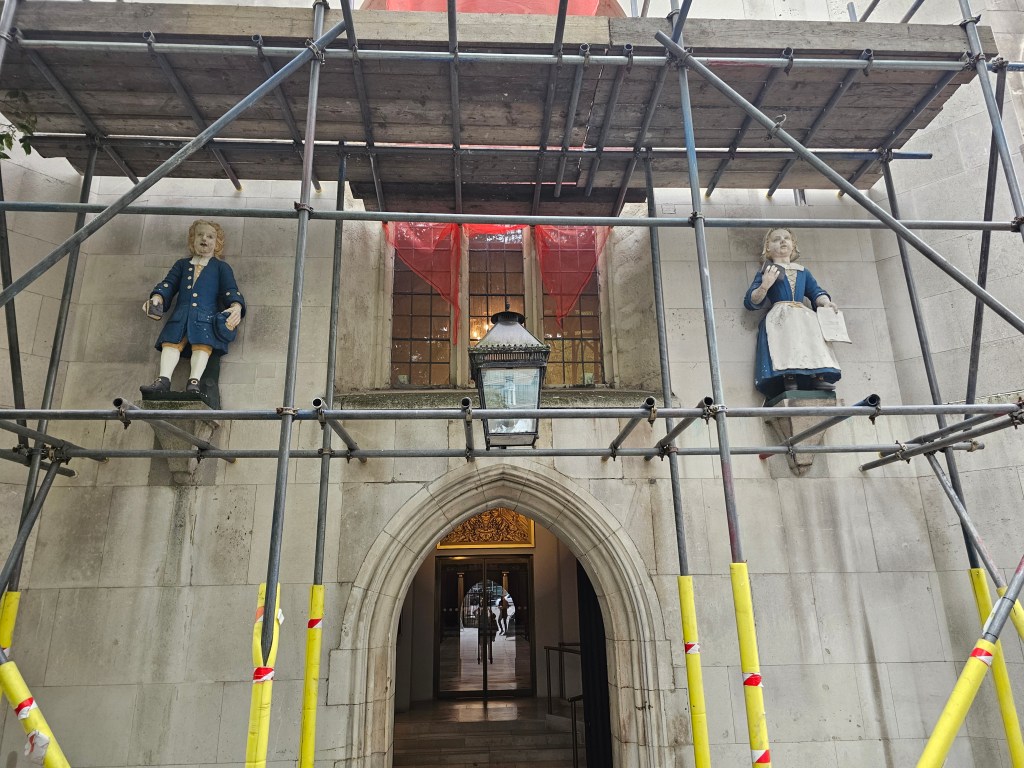
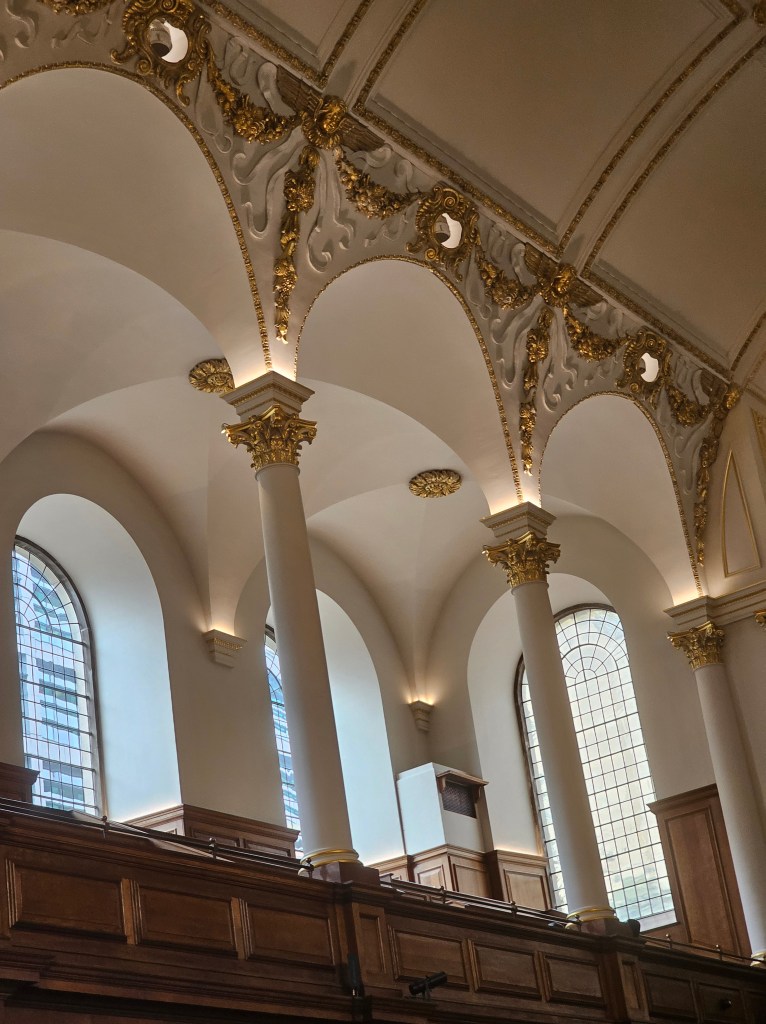
In the middle of a busy part of London, this church stands on a place that has been used for ritual and worship since the days of Roman London. The current church is the largest of the 52 parish churches built by Sir Christophen Wren in the 17th century. Above either side of the entrance to the church are statues of a boy and girl. These are known as Bluecoat Statues and are found at places that once were “Bluecoat Schools,” established for poor children in the 16th to 18th centuries. Excuse the scaffolding in the picture below.

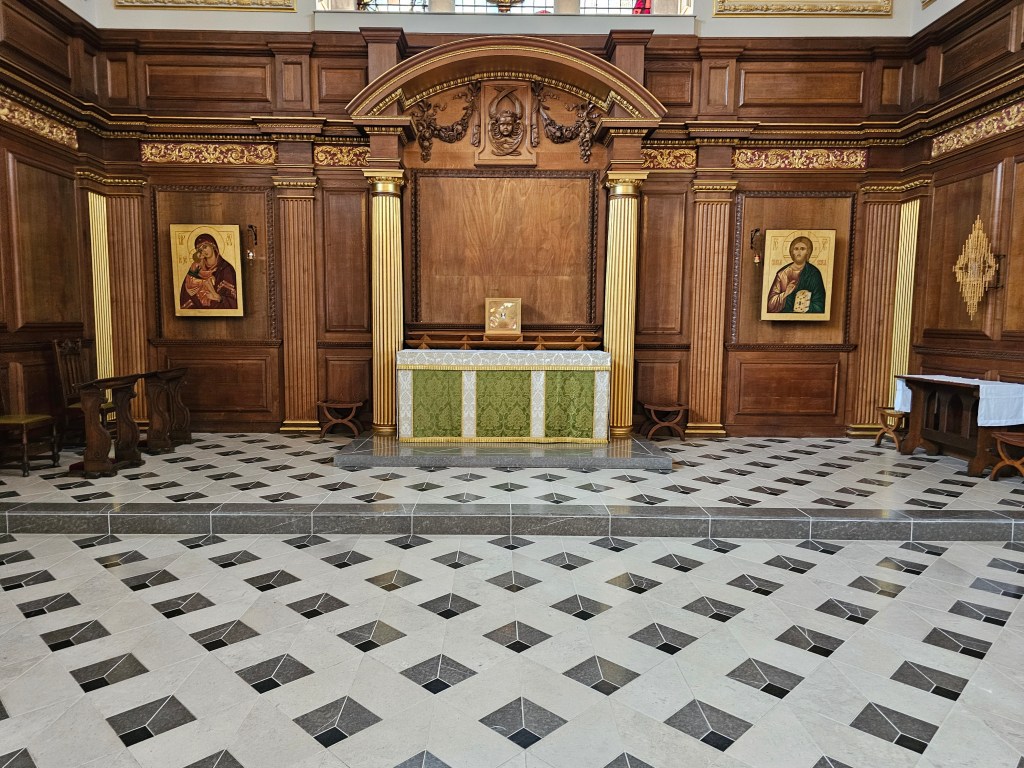
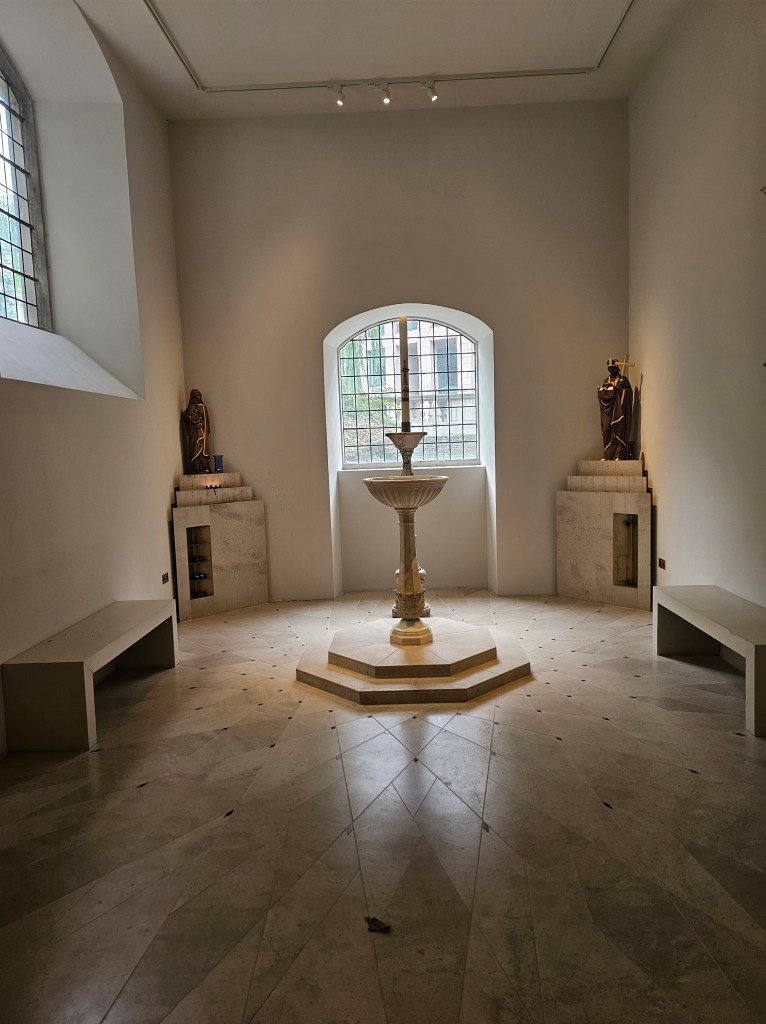
As I have found, so often in churches and cathedrals built on ancient sites of worship and ritual, this church is a place of peace. I felt a calmness inside it. Wren’s clean lines and simple design seems to enhance this.

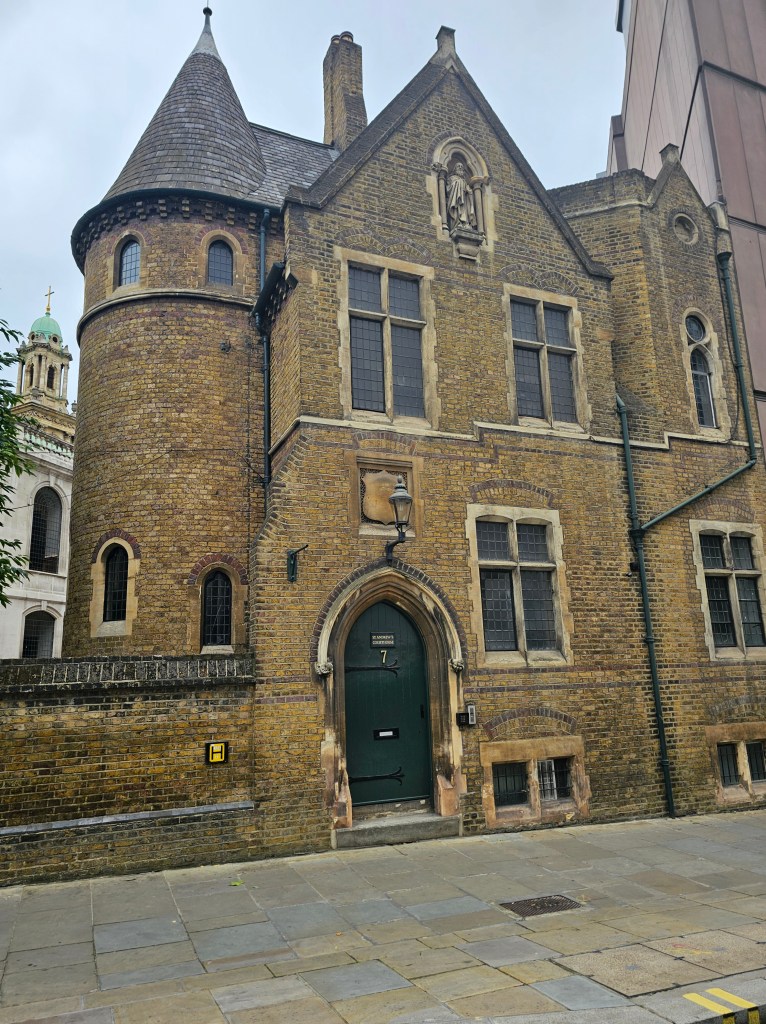
The Vicarage-nice pad for the clergy.

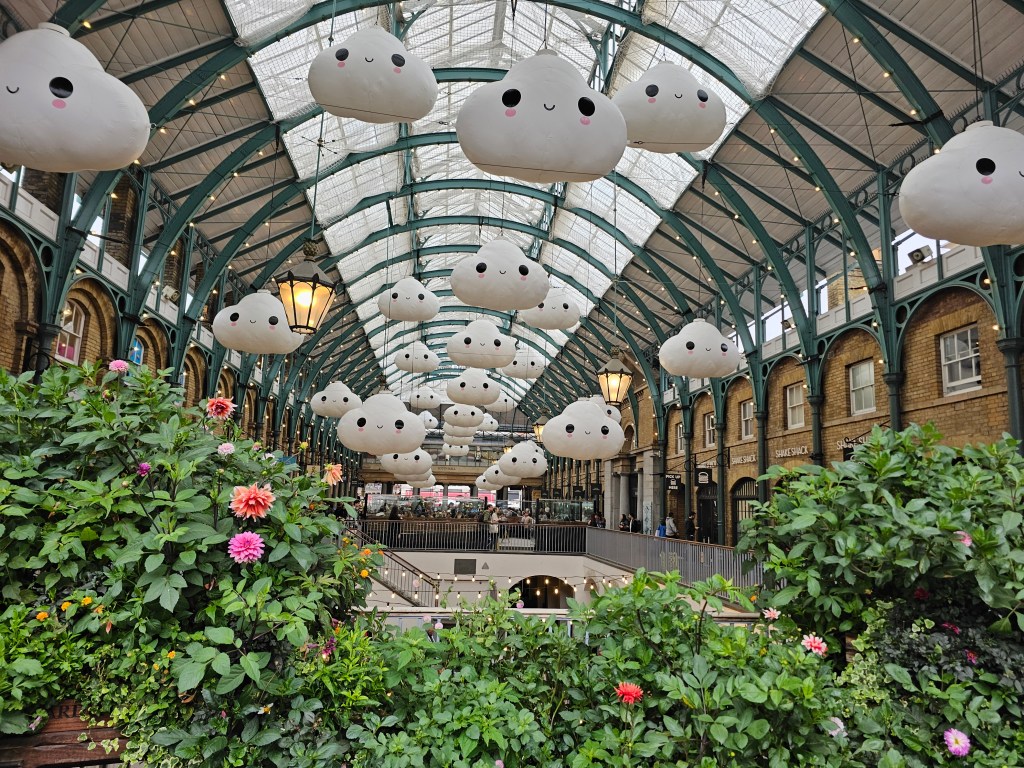
Three Quick Pix of a London Tourist Mecca-Covent Garden

I paid a quick visit to Covent Garden the other day. Covent Garden is a far cry from the flower market where Eliza Doolittle worked before, she encountered Henry Higgins. Parts of the market there stay the same, and parts reinvent themselves over time.

Weather and annoying foot willing, I have some fun adventures coming up. Keep checking for new posts.

Taking the Thames Link to St. Albans and the Tate Modern

Finally, a chance to visit another Cathedral, and a great way to get there!

The Thames Link

The Thames Link is a relatively new train service that provides service between the town of Bedford, 46 miles North of London) to the seaside resort town of Brighton, 47 miles South of London. But the route the train takes through central London has provided great improvements to getting to places within London, as well. Saint Pancras International Train Station is one of its stops, so I am lucky to have easy access to it.

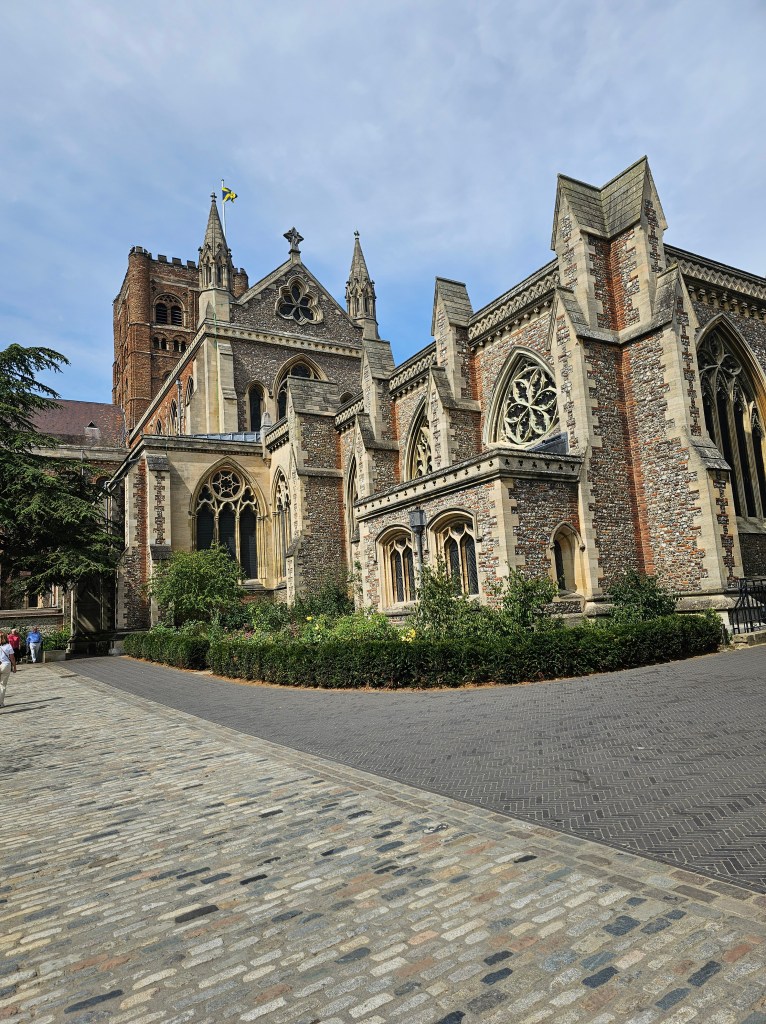
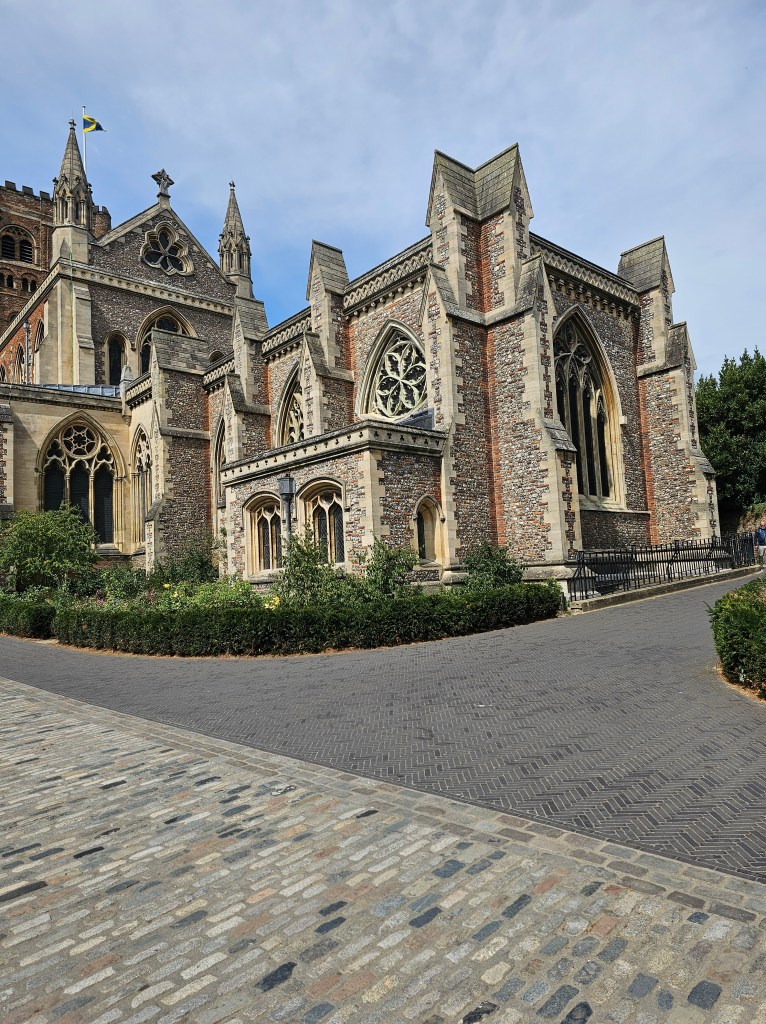
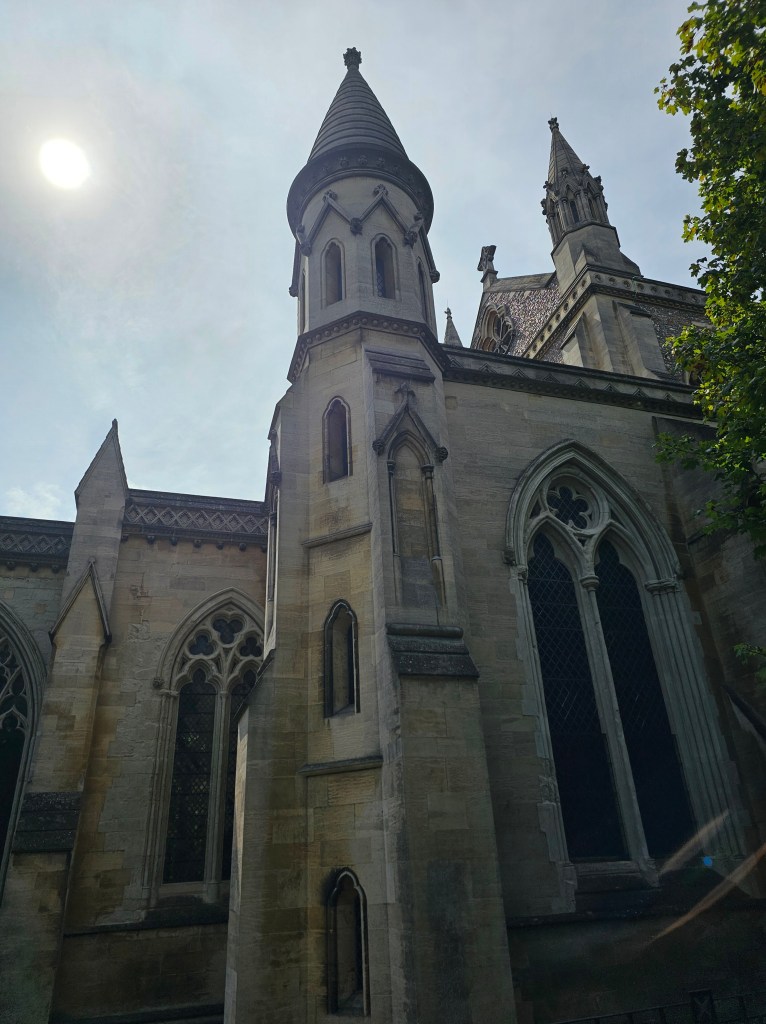
St. Alban’s Cathedral is located in the eponymous city, 19 miles from London and a quick and pleasant ride on the Thames Link. The city of some 86,000 is in Hertfordshire County. Two friends had separately recommended visiting St. Albans Cathedral, one an American who had lived there for two years and the other a Londoner, my friend Tom, who has recommended many of the churches I have visited.. I knew little about its history or its namesake, Alban, the first Christian martyr in England, recognized as a saint by Catholics, Anglicans and Orthodox Christians. Construction of the Cathedral began in 1077 and was eventually part of an Abbey, until the dissolution during the reign of King Henry VIII.

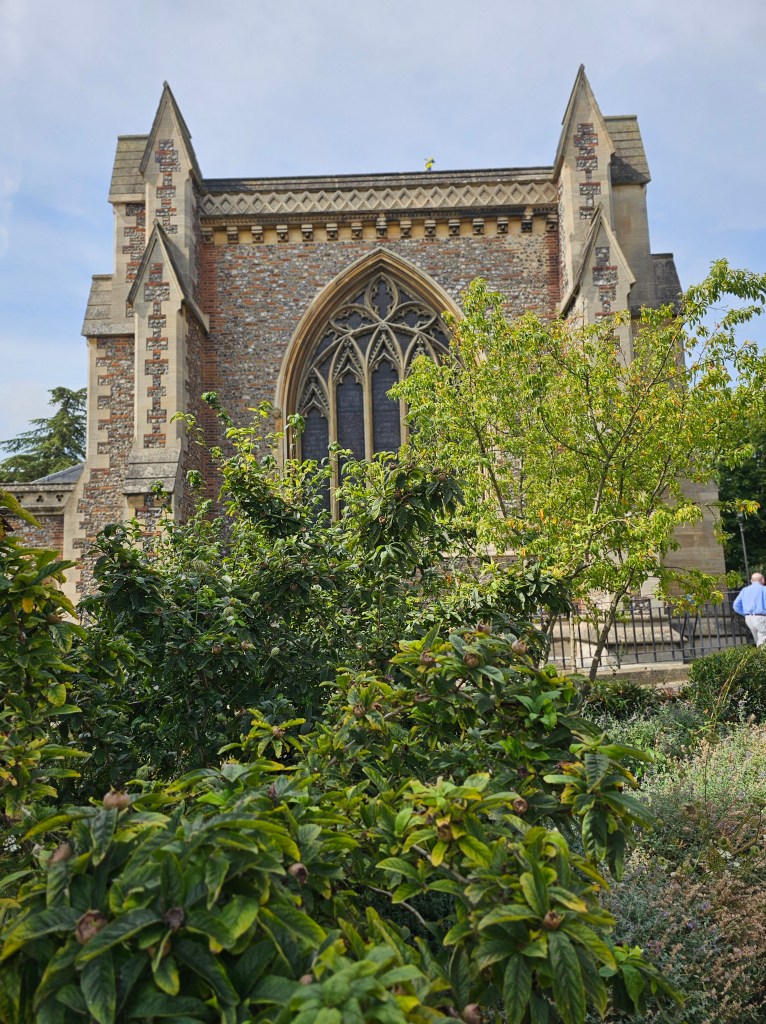
Four views of the exterior of St. Albans.

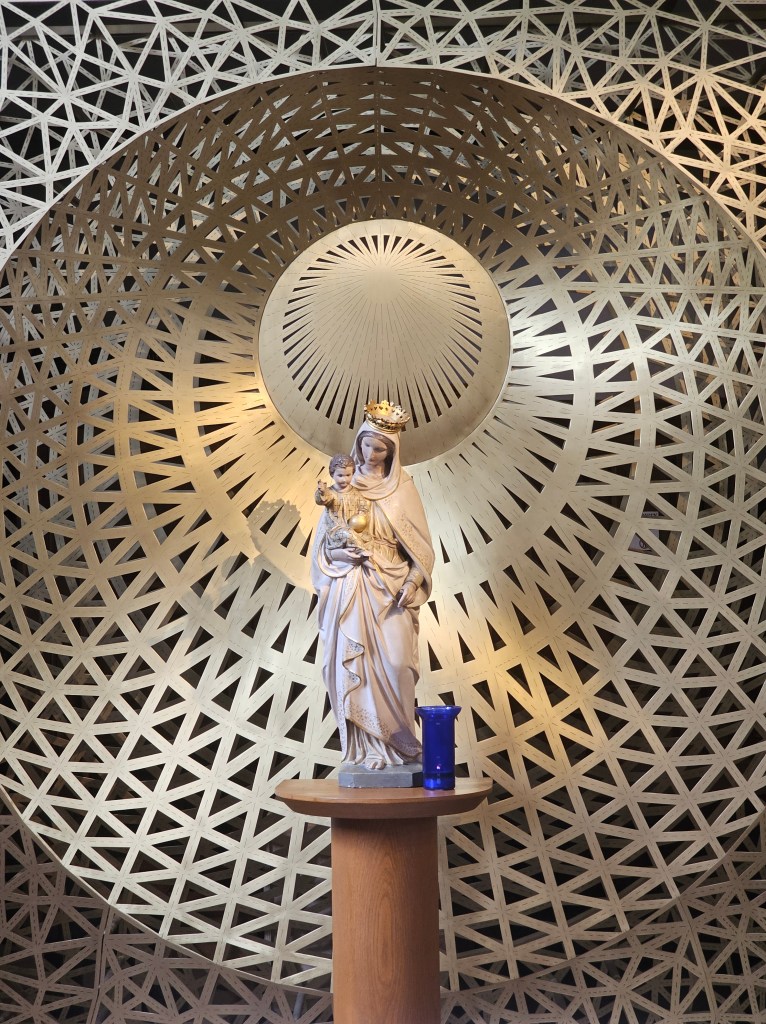
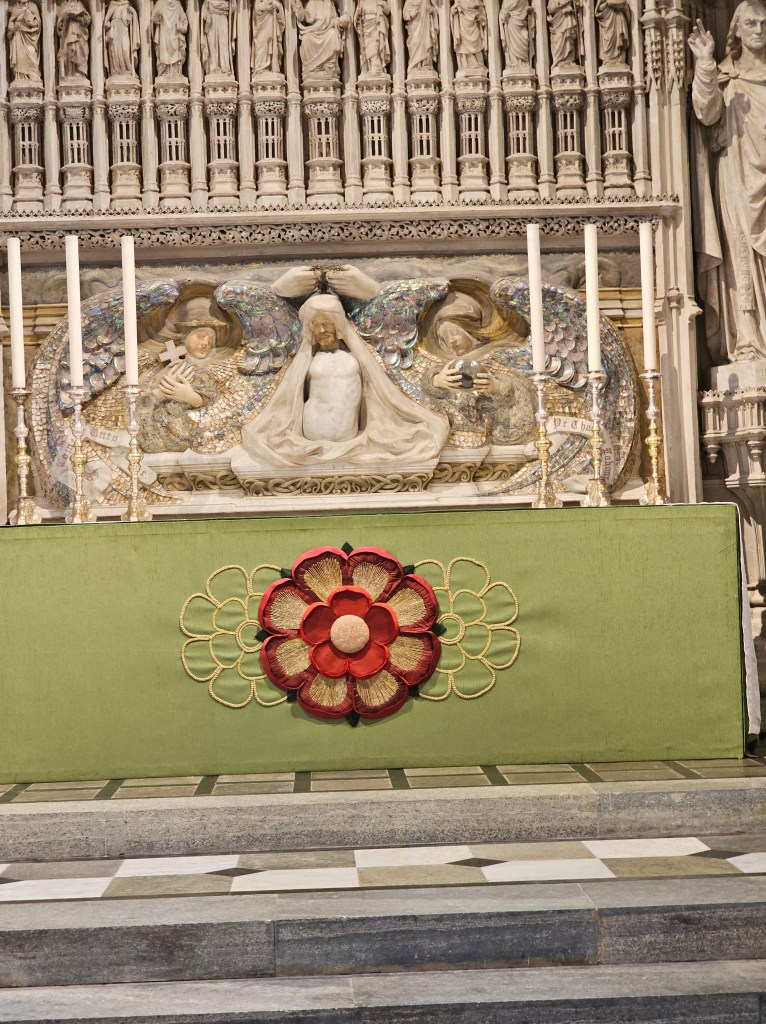
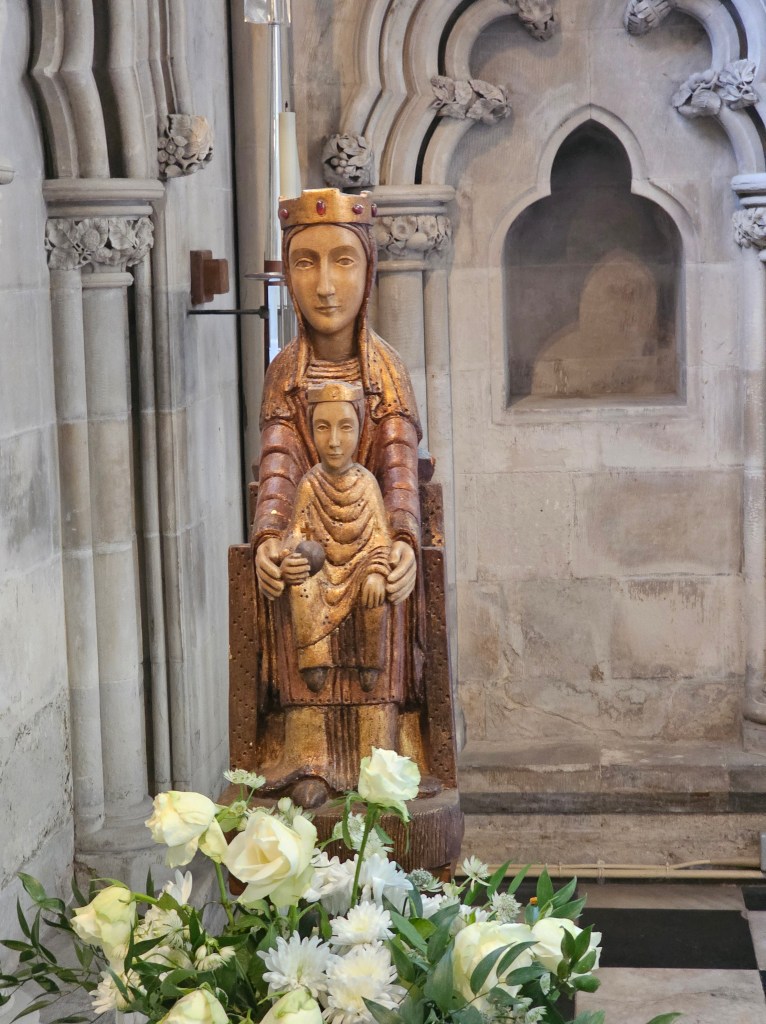
There is so much history associated with this place. The earliest structures were built on the spot where St. Alban was said to be martyred, and the Cathedral held relics of his body until the dissolution and further destruction during the religious unrest of the Reformation. I found the history of the cathedral’s Lady Chapel (honoring Mary, the mother of Jesus) to be quite interesting. This part of the Cathedral had been built with contributions of the city’s residents and businesses at a time when pilgrimages were an important economic driver. When King Henry’s men came to take control and pillage the buildings, the people of St. Alban’s closed off the chapel and claimed it as separate from the abbey. They turned it into a boys’ school and thus saved it from damage and destruction. The Lady Chapel today is the only Anglican place of worship in which all Christian denominations may pray and celebrate. Thus, Catholic and Orthodox services are held there, along with Anglican and other Protestant one. Below are some views of the Lady Chapel, starting with a close up of the altar.

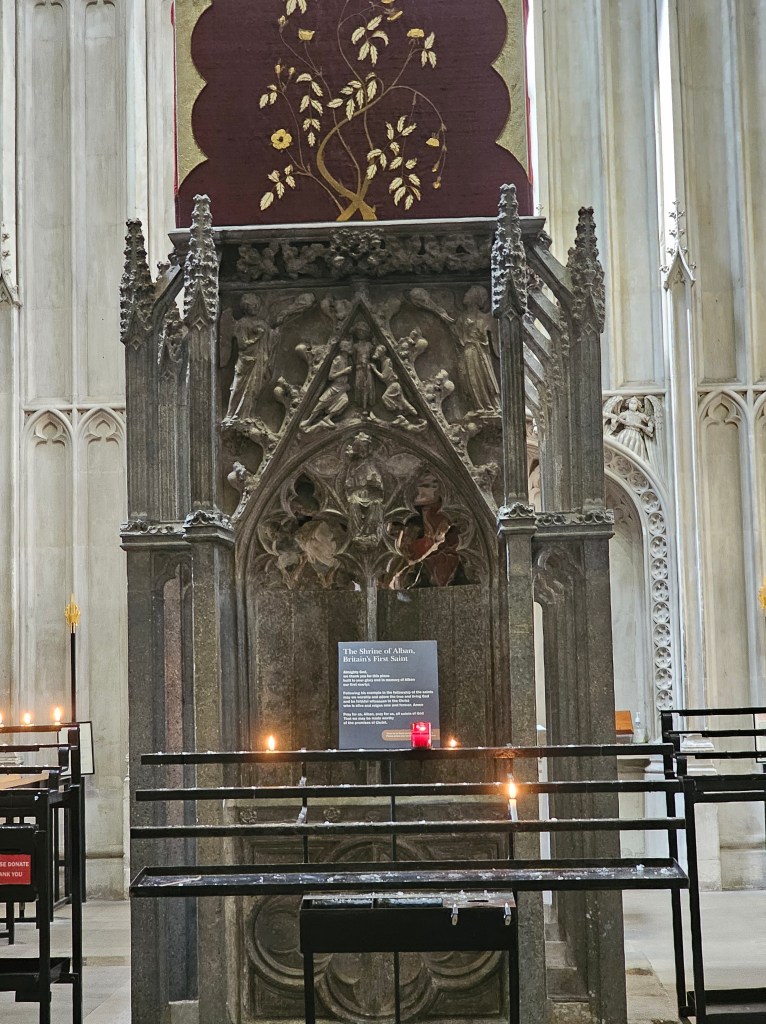
The reliquary has been restored, though St. Alban’s relics were lost during the turbulent years. A separate shrine

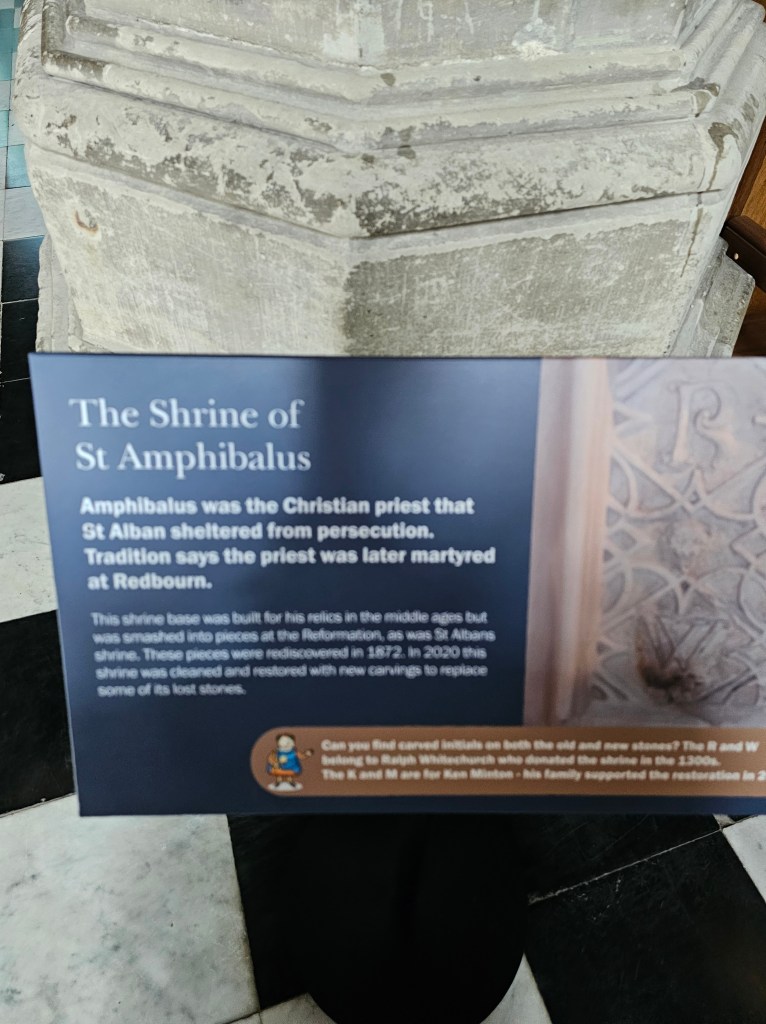
The first two pictures above are the shrine of St Alban. The third, sadly, is the only picture I have for the other shrine, the Shrine of St. Amphibalus who sheltered Saint Alban from persecution.

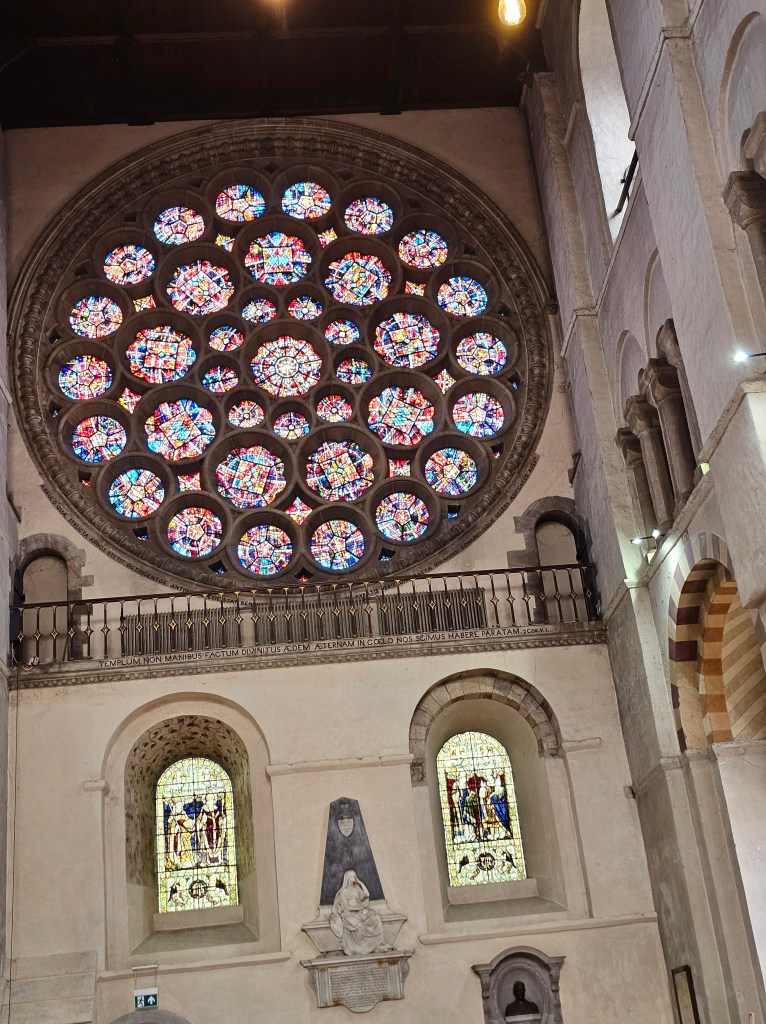
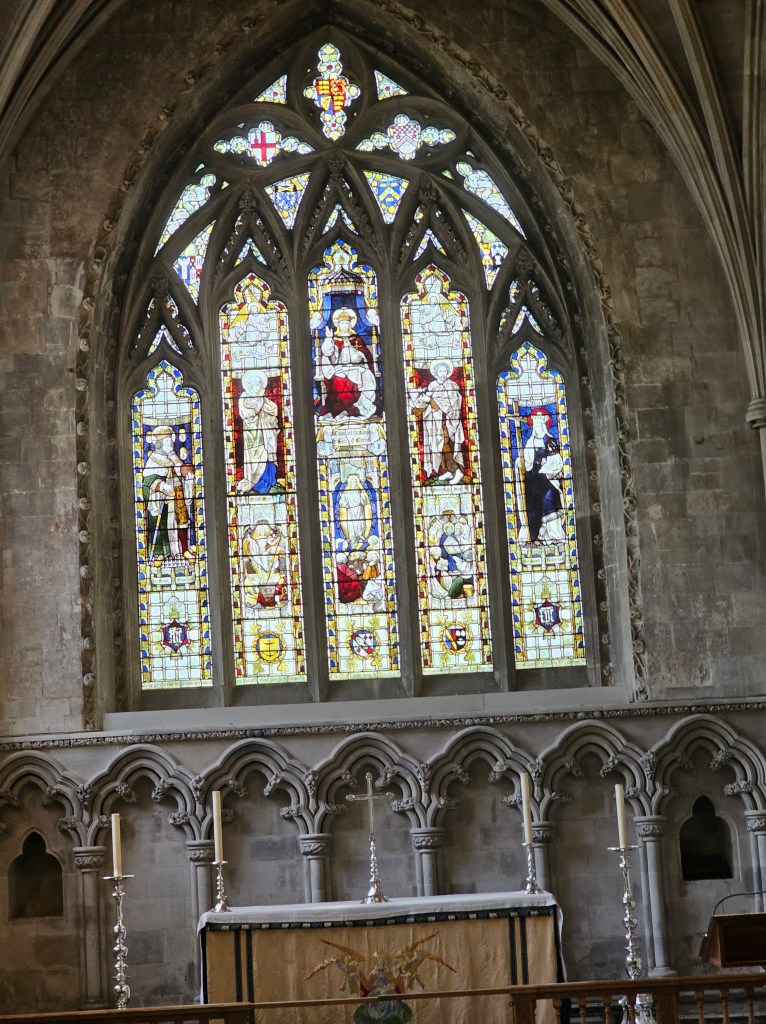
Here are two pictures of the lovely stained glass windows in the Cathedral.

Obligatory photo of a surviving Medieval Door.

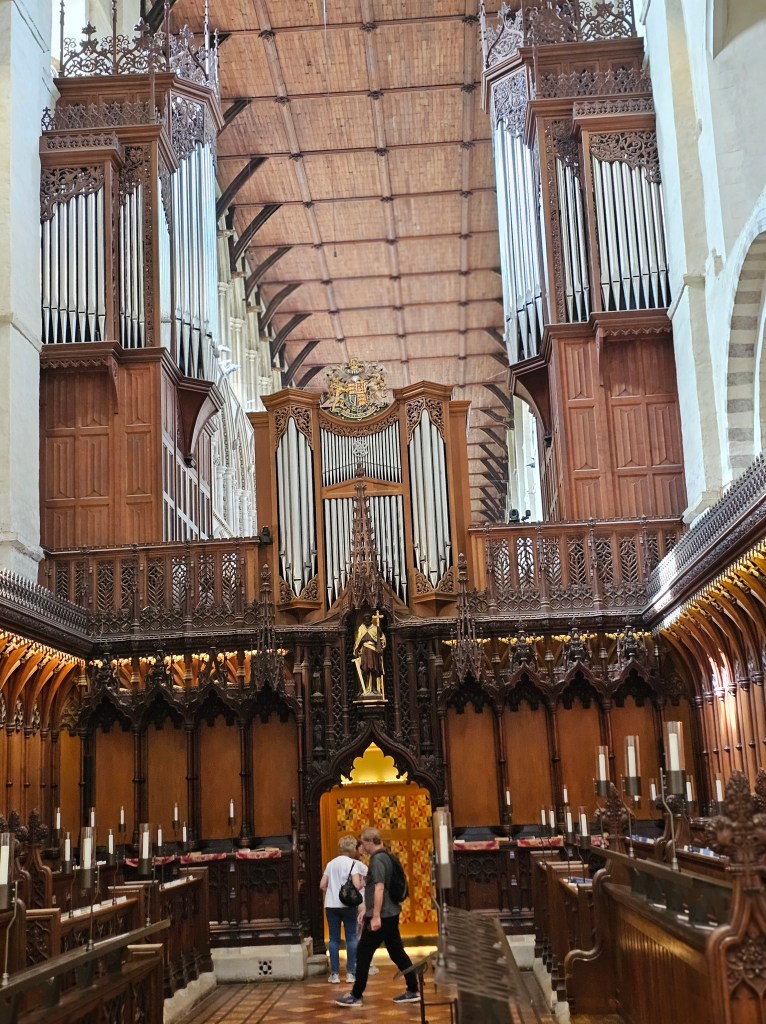
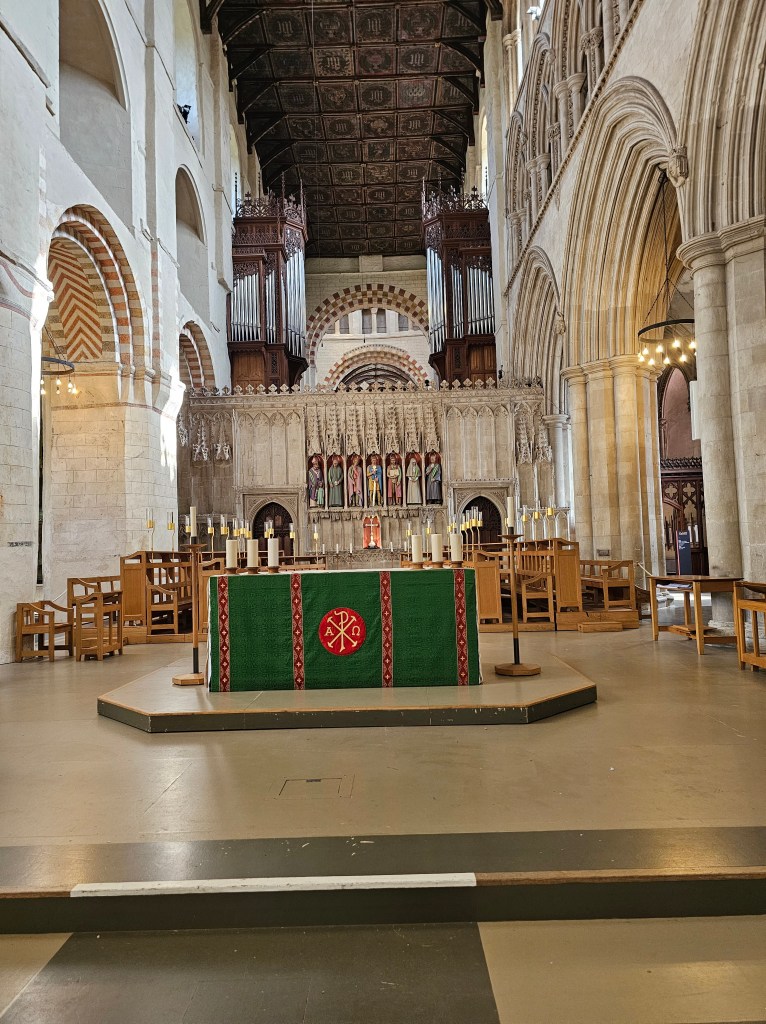
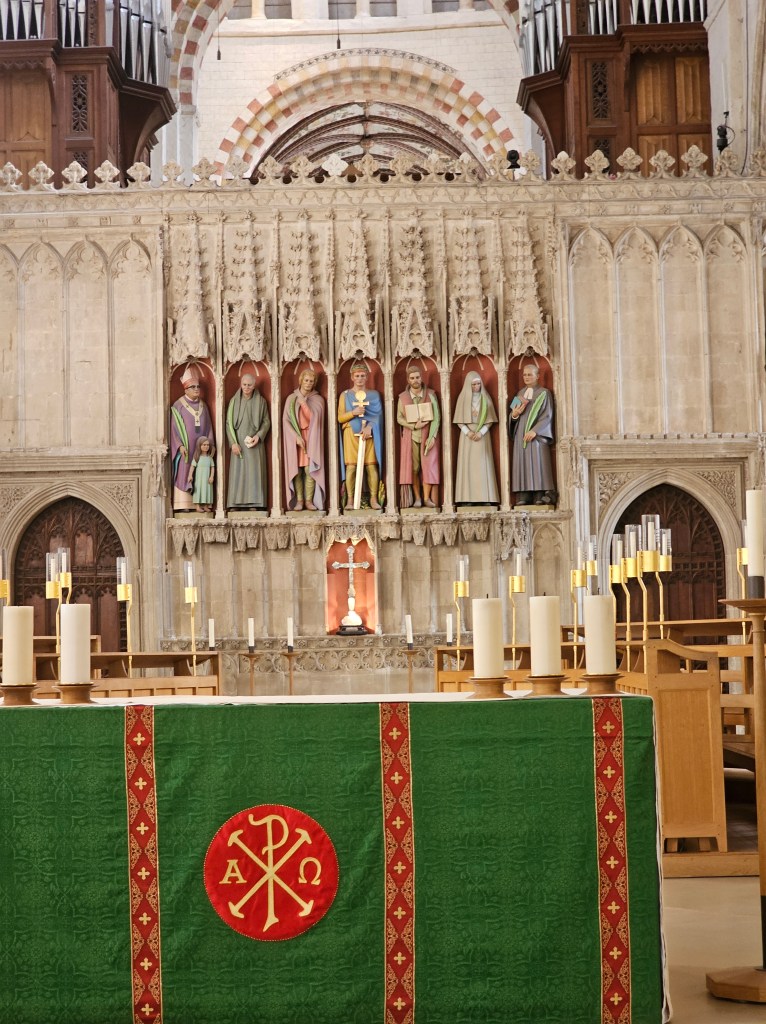
Finally, a picture of the Choir and the main altar with its beautiful painted statues of ancient and modern saints, in the style that it is believed all statuary would have been in the Middle Ages.

If you look at the arches on the left. you will notice patterns on the top. What you cannot see on the flat surface of this arch and others on that side are faded Medieval scenes from the Bible. These are being carefully restored.

A Thames Rail Journey to the Tate Modern

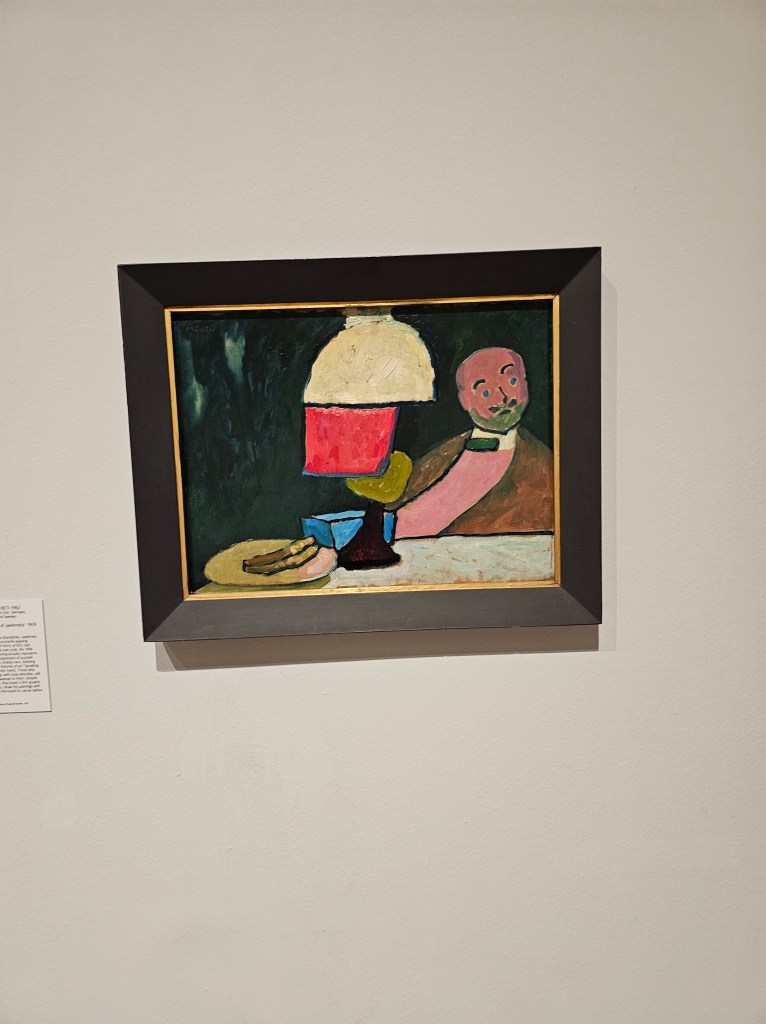
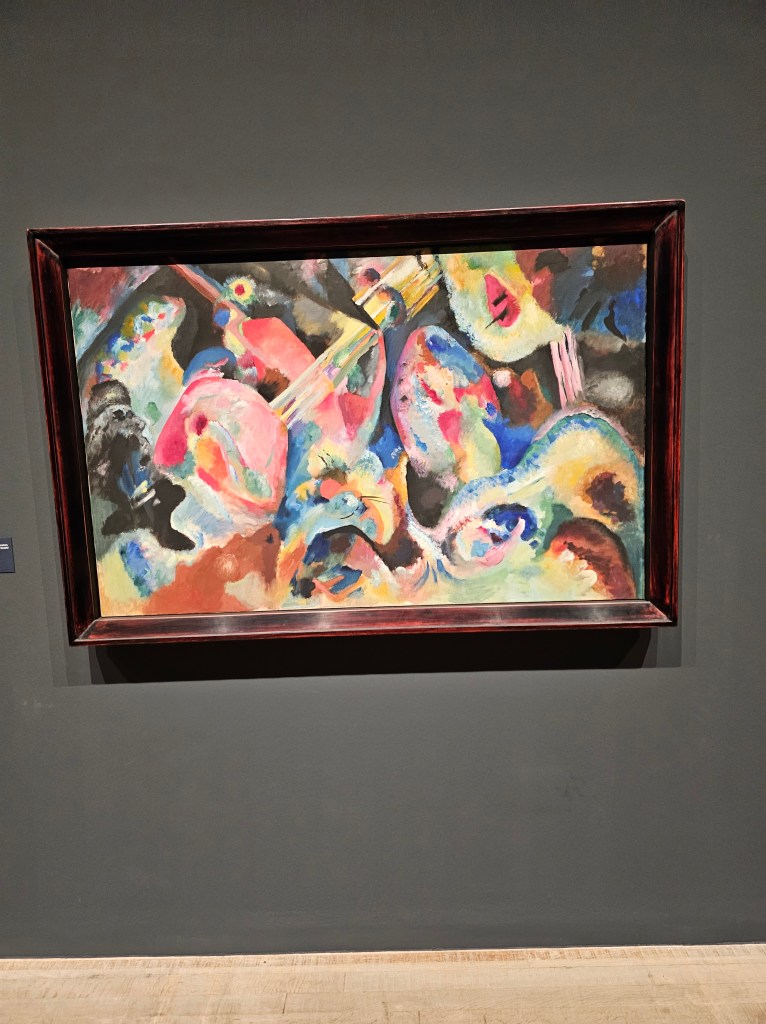
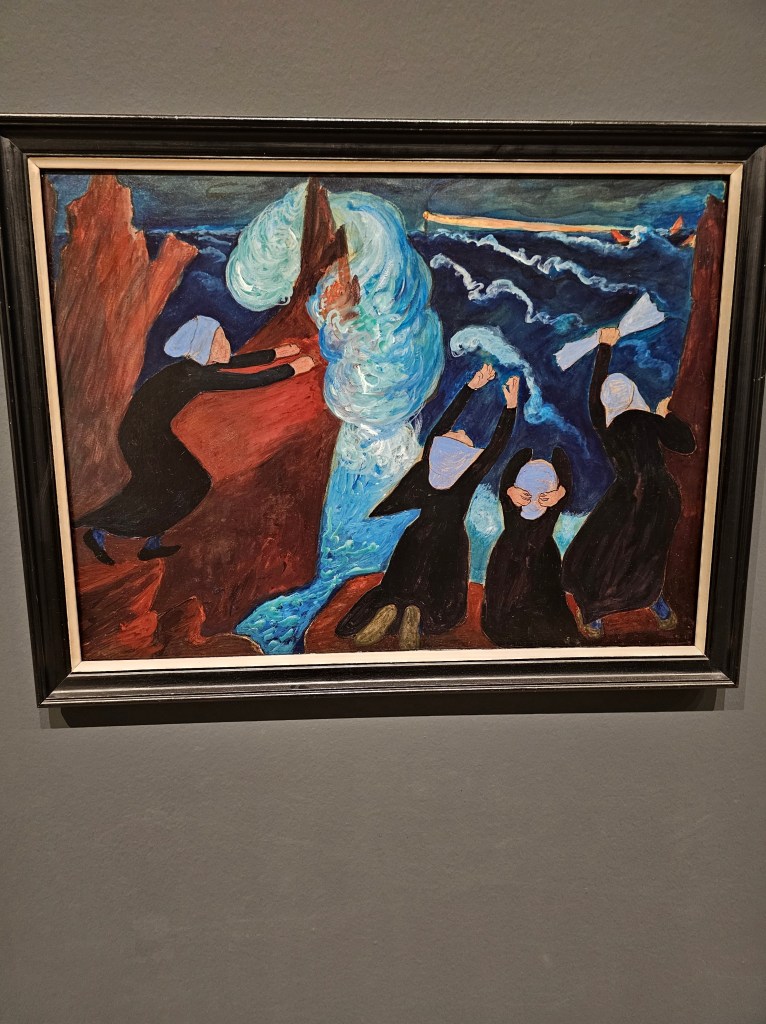
I was thrilled to find that Thames Rail could take me much closer to the entrance of the Tate Modern on the South Bank of the Thames than the Tube could. So, with my annoying foot forcing me to consider how many steps I might take, I hobbled (not really) up to Saint Pancras and headed to the Tate Modern. I was short on time though, so I had to choose among several interesting exhibitions. I chose, “The Expressionists: Kandinsky, Munter, and the Blue Rider”. As you will see below, the exhibition was a celebration of color and creativity during the often-bleak years of war and privation in the late 19th and early 20th centuries.

I am looking forward to more adventures in the coming two months and hope to share them with you.

Things to do, Places to go

Bad Traffic, Bad Foot

It has been a tough couple of weeks, as my plantar fasciitis has continued to slow me down. In aid of saving steps, I decided to take a Black Cab down to the Tate Britain. I’m always amused at the discussions I have with London cabbies. This fellow wanted to make sure I knew where I wanted to go. “Now you do want to go to the ‘Tate Britain,’ not the ‘Tate Modern?’ He explained that many visitors confuse the two. I assured him that I wanted to go to the one on Millbank and our adventure began. A big portion of central London was under construction that morning. While I was in no rush and enjoyed people watching out the windows of the cab, as the meter and clock ticked, the cabbie became more and more agitated. When we eventually reached the gallery, he very graciously reduced the fare and urged me to “take the Tube home” (advice I followed).

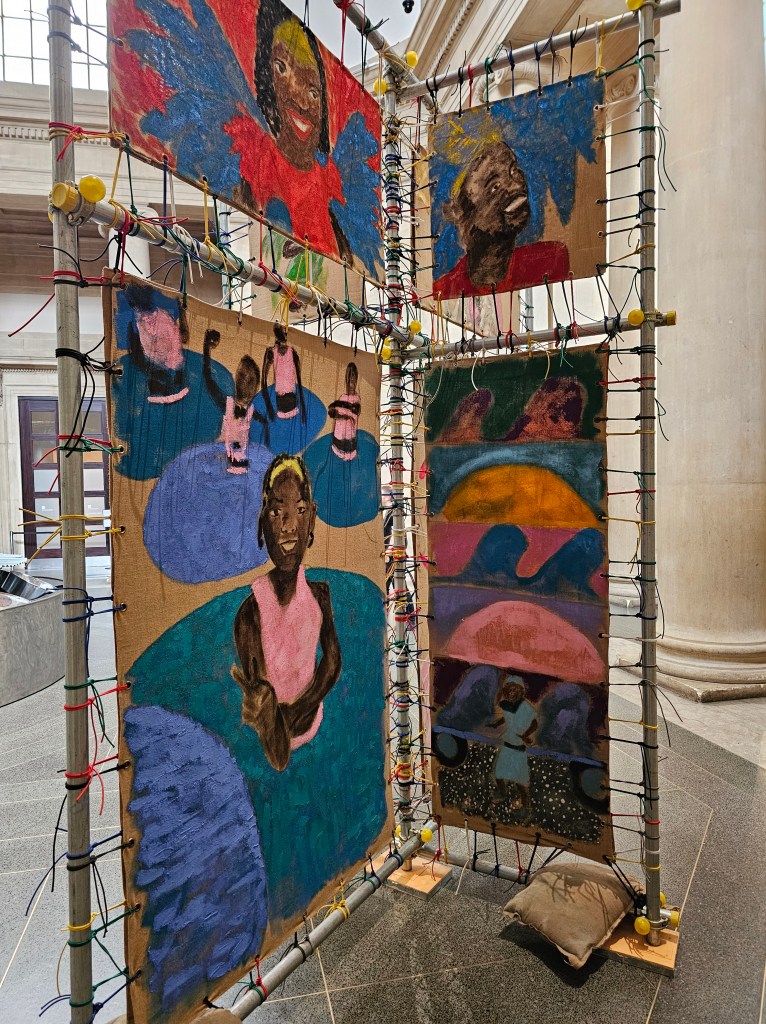
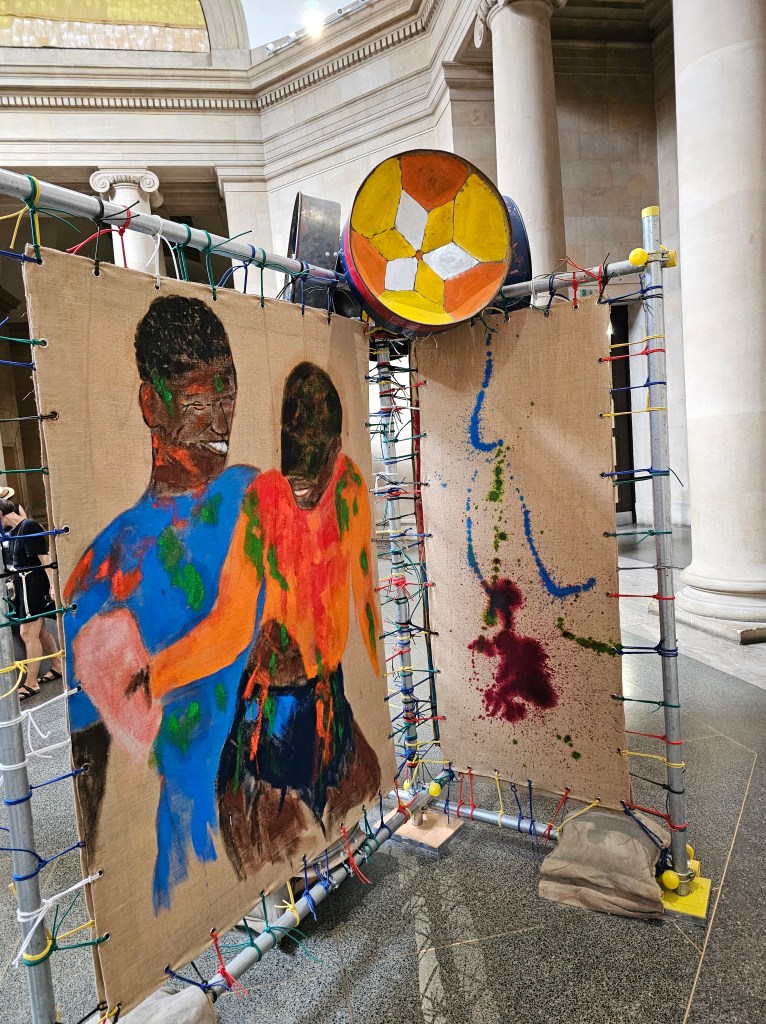
Alvaro Barrington had a colorful display that evoked both his Caribbean family connections and the spirit of Carnival (being celebrated with the Notting Hill Carnival in London).

The colors were vibrant and there was movement and music in each piece.

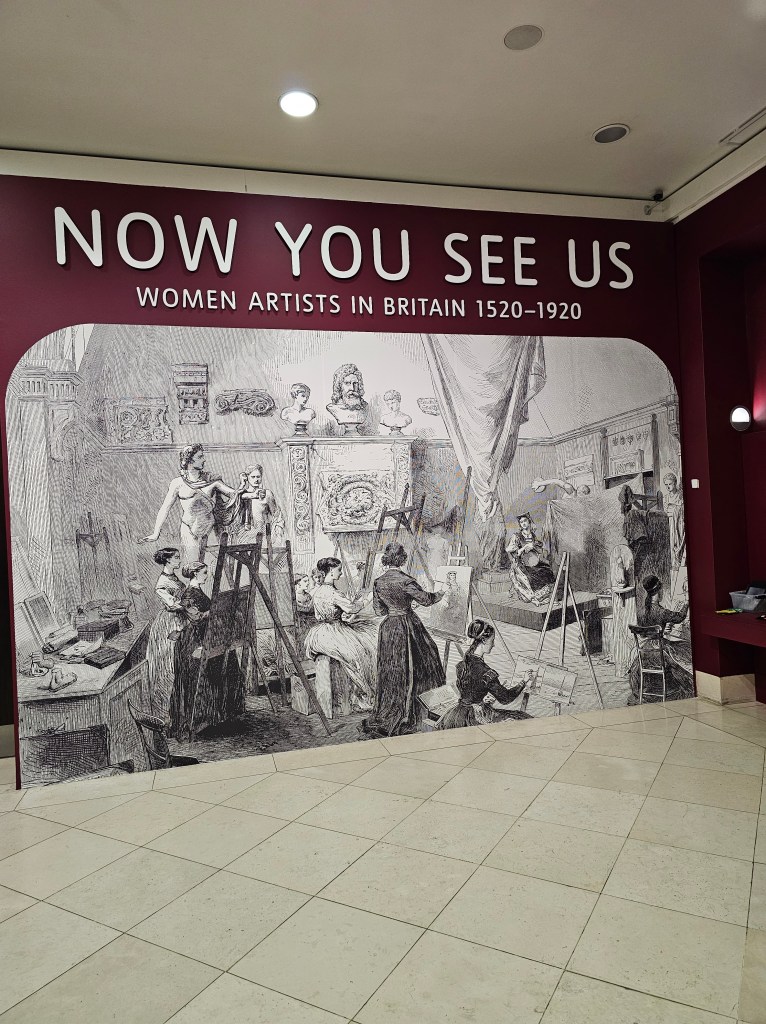
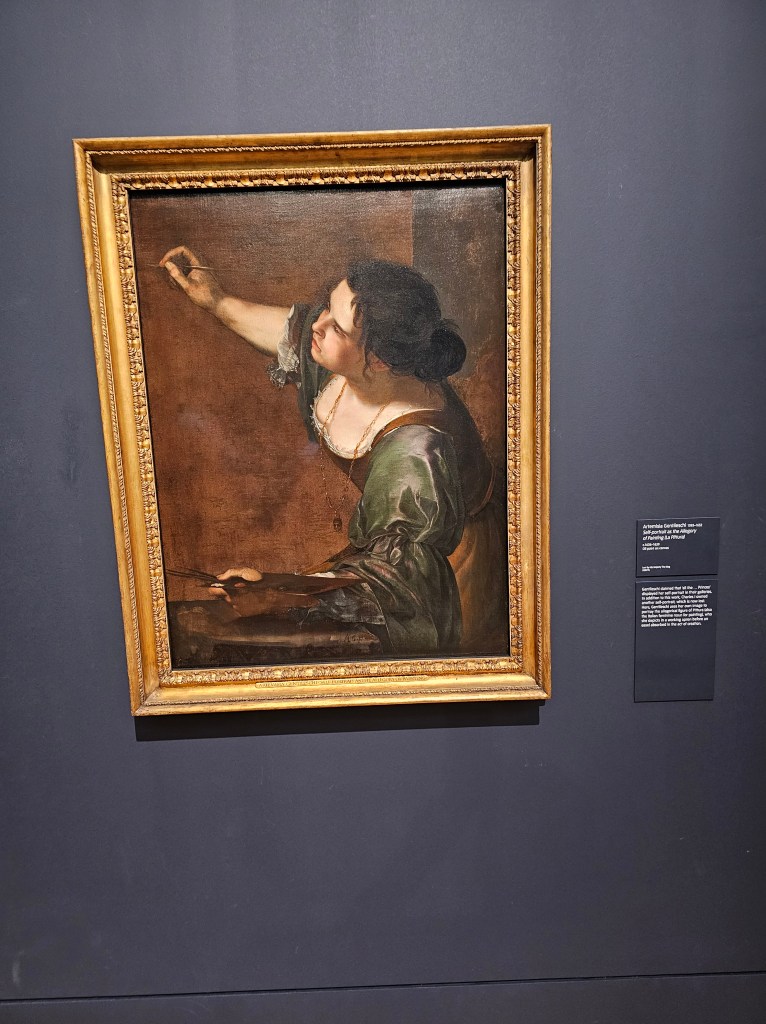
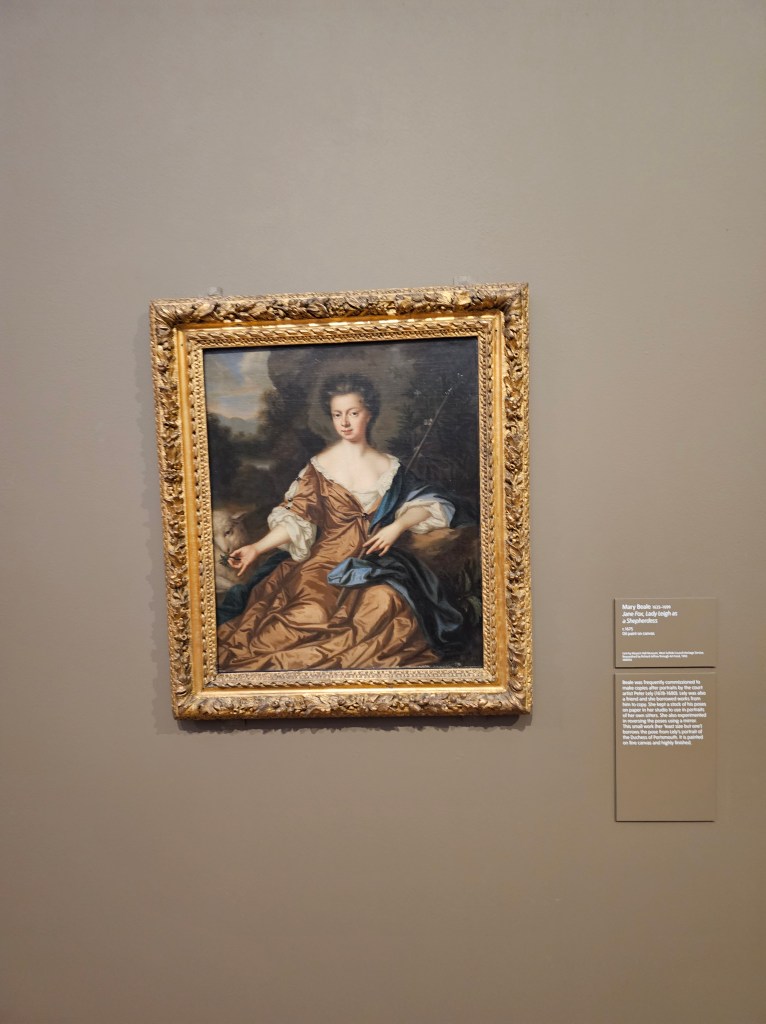
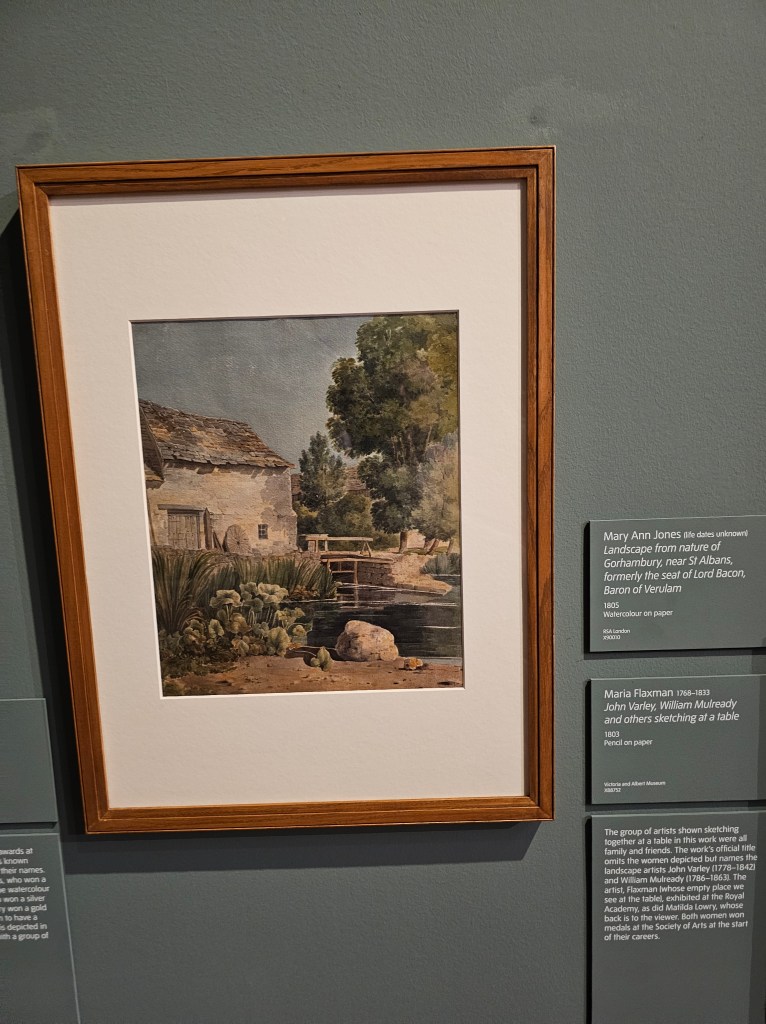
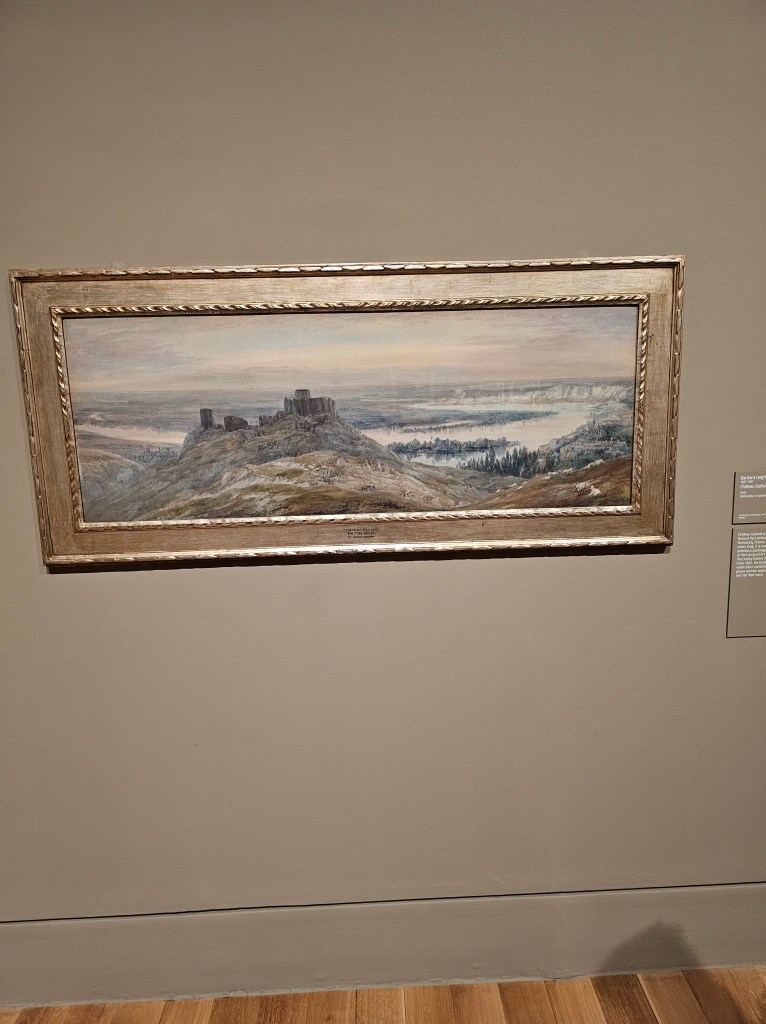
There was also an exhibition, “Now You See Us: Women Artists in Britain, 1520 to 1920.” An exhibit covering 400 years is ambitious and this one certainly covered plenty of ‘artistic ground. Here are a few of the highlights.

And finally, upon my return to Bloomsbury, I noticed these lovely yellow roses growing in a walking path behind the Brunswick Centre, the local shopping center.