Category: Uncategorized

The Actors’ Church and Memories of Steps Taken

I have been neglecting my seeking out and finding of new churches to visit. Yesterday, I found myself at a loose end and decided to take a walk down to Covent Garden to get a start on my daily steps and figure out what I would do with the day. As I walked around the piazza at Covent Garden, I noticed a sign for St. Paul’s “the actor’s church” and thought that I had never paid a visit there, at least since I had got serious about church visiting. It turned out to be a great choice. Covent Garden, of course is remembered as the original flower market in London and was made famous by the movie version of “My Fair Lady.”
This was the best noncopyrighted image I could find from the movie, but you get the idea.

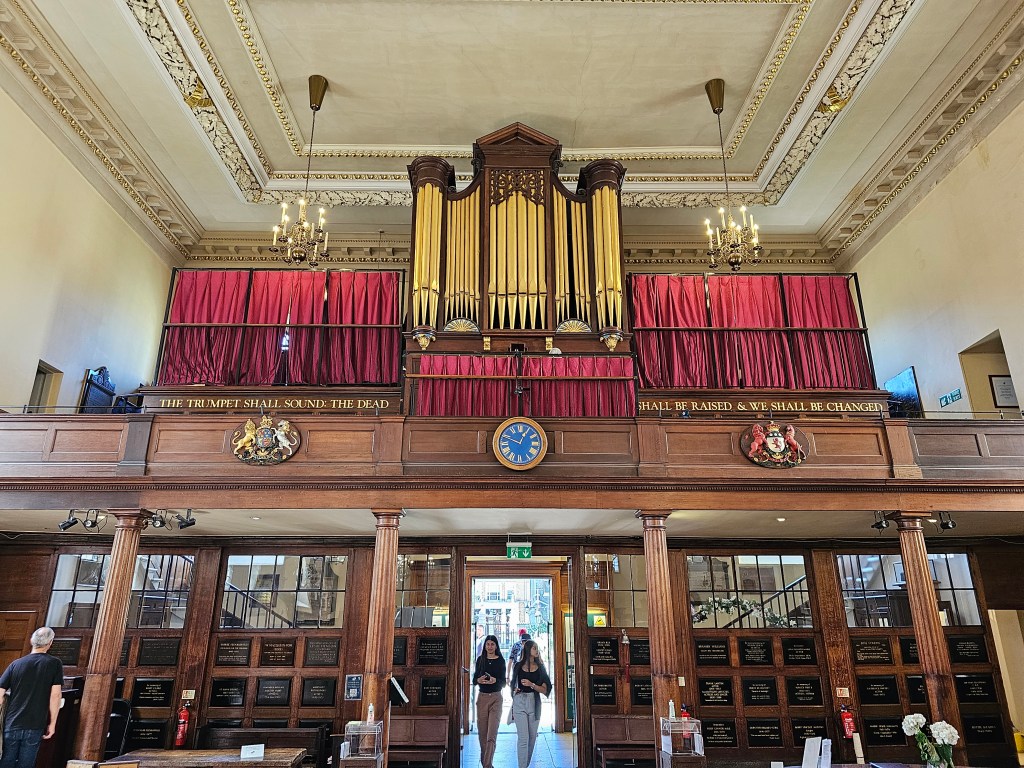
The church is a small one, and it serves the local community as well as the theatre community. There are several West End theatres in Covent Garden and I believe the shortest distance between two London Underground stations is between Covent Garden and Leicester Square where several more theatres are located. During the day, the church sells a variety of food for workers lunches and offers outdoor seating in their beautiful gardens. The simple interior has plaques with many familiar names.

This is a view of the church from the main entrance on the opposite side from Covent Garden. As you can see, it was a beautiful day and people were enjoying the sunshine while eating their lunches.

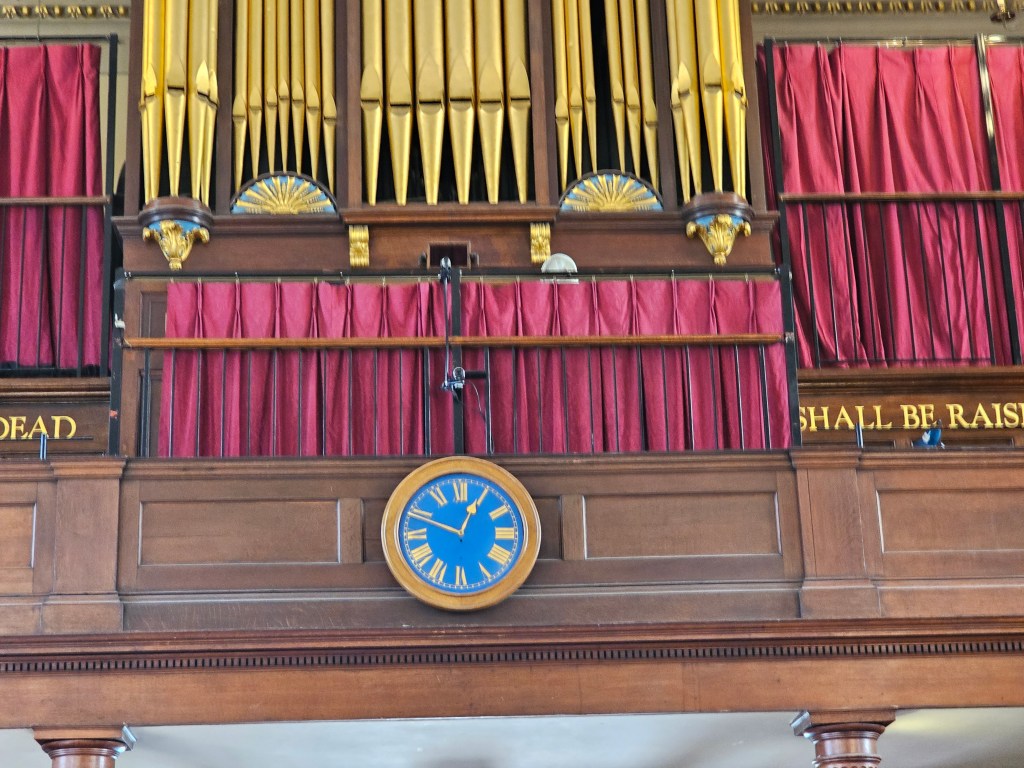
Below are pictures of the lovely baptismal font, inside the entrance and two views of the organ above the entrance.

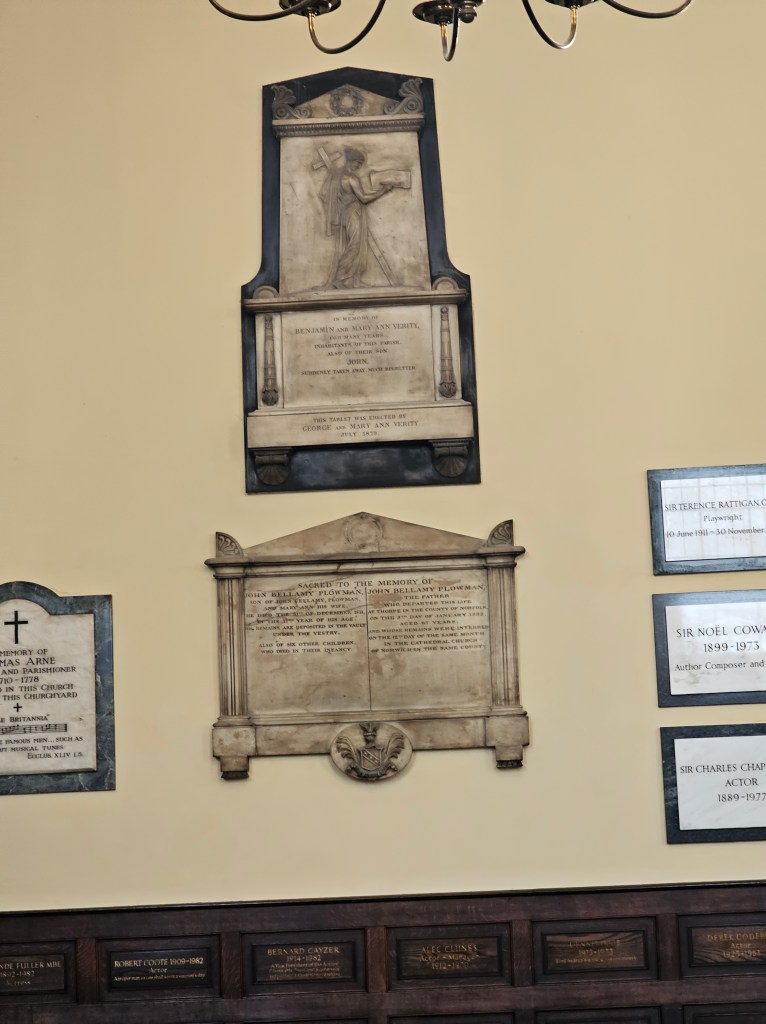
There were many interesting plaques decorating the walls. I was drawn to several, in particular.

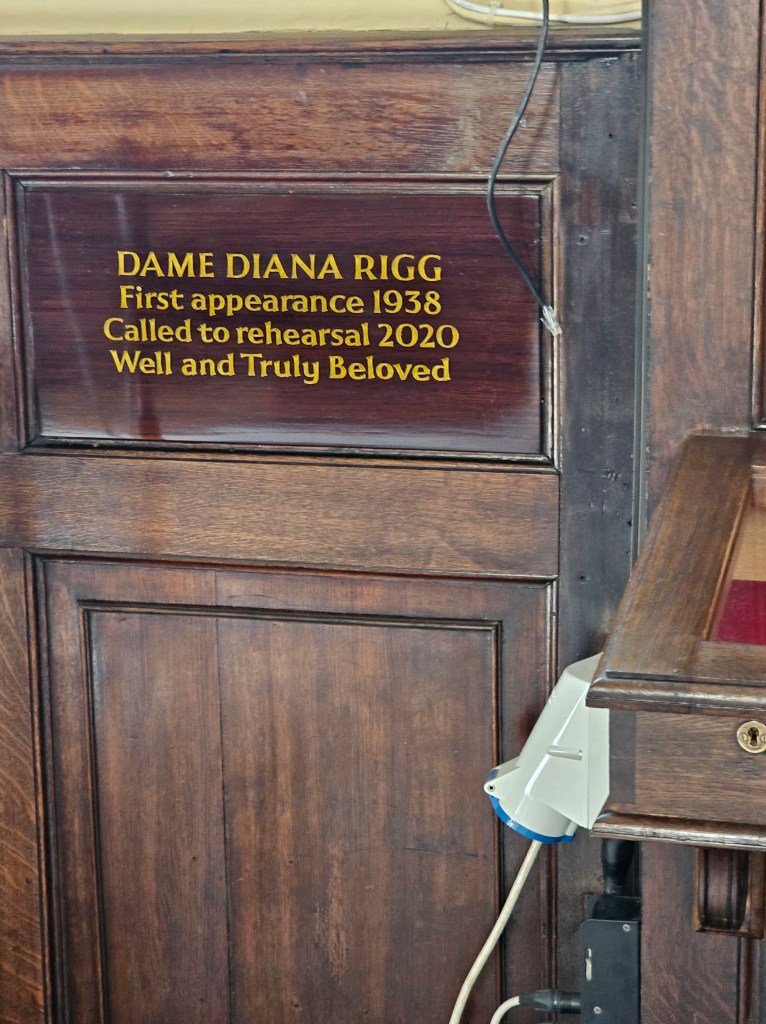
Noel Coward above Charlie Chaplin in the white marble with dark borders caught my eye immediately. I remember when Charlie was honored with an award at the Oscars in 1972, for “the incalculable effect he has had in making motion pictures the art form of [the 20th] century”. It was his first trip to the US in 20 years. He received a 12-minute standing ovation when he received his award. Diana Rigg is, perhaps one of my favorite actresses of all time. She was honored on the opposite side of the church with a much less noticeable memorial. I am from a generation of young men who first saw her as Emma Peel on “The Avengers” TV series when British TV shows were something new and exciting and when Ms. Rigg was particularly exciting to see. I am lucky enough to have seen her on stage in London’s West End several times, including in a memorable performance of “Who’s Afraid of Virginia Woolf.” I hope Patrick MacNee’s John Steed, won’t mind if I borrow from his standard opening on the series and change it, just a bit to say, “Mrs. Peel, you are still needed, and very much missed.”

One more traditional memorial on the church’s wall.
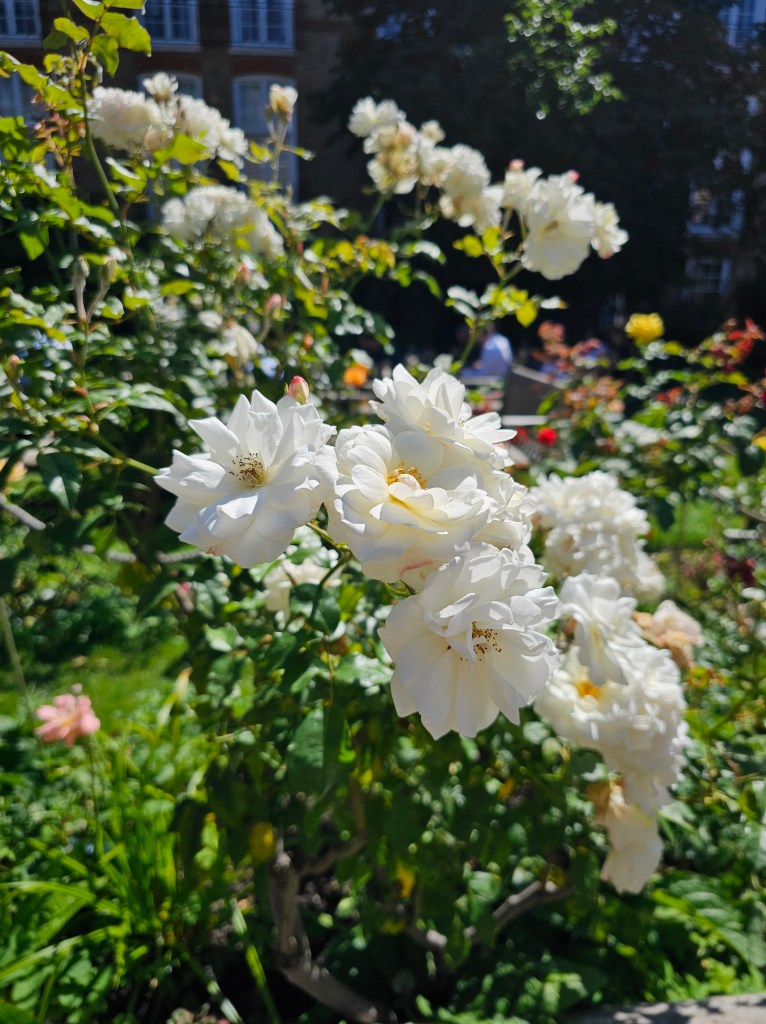
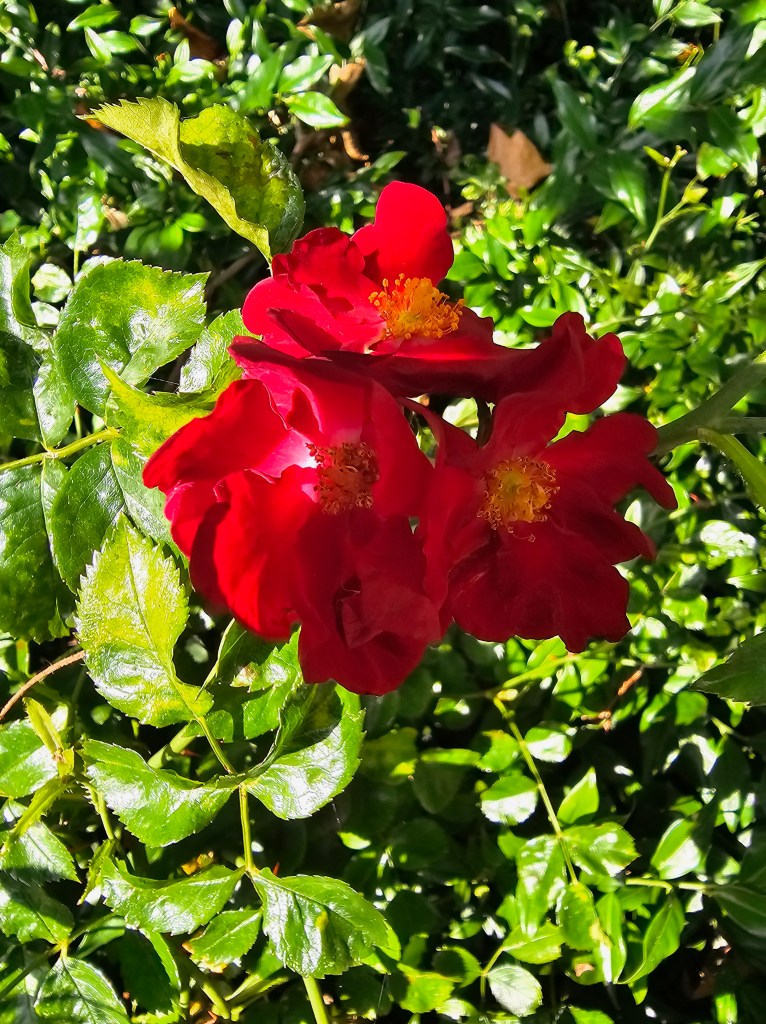
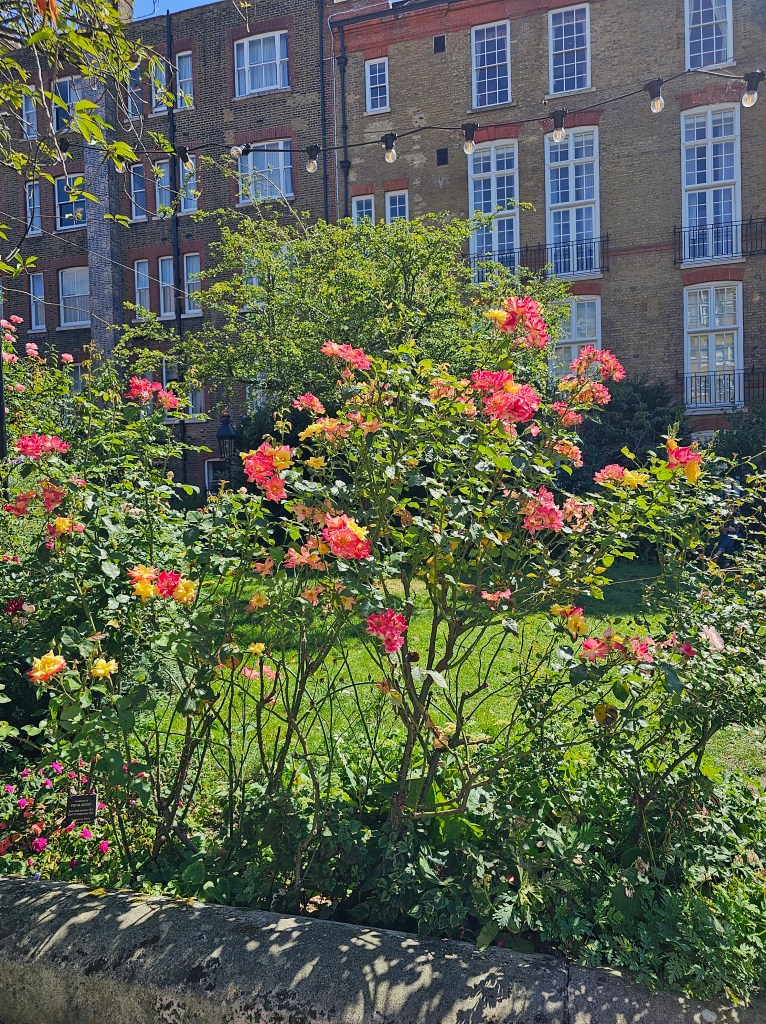
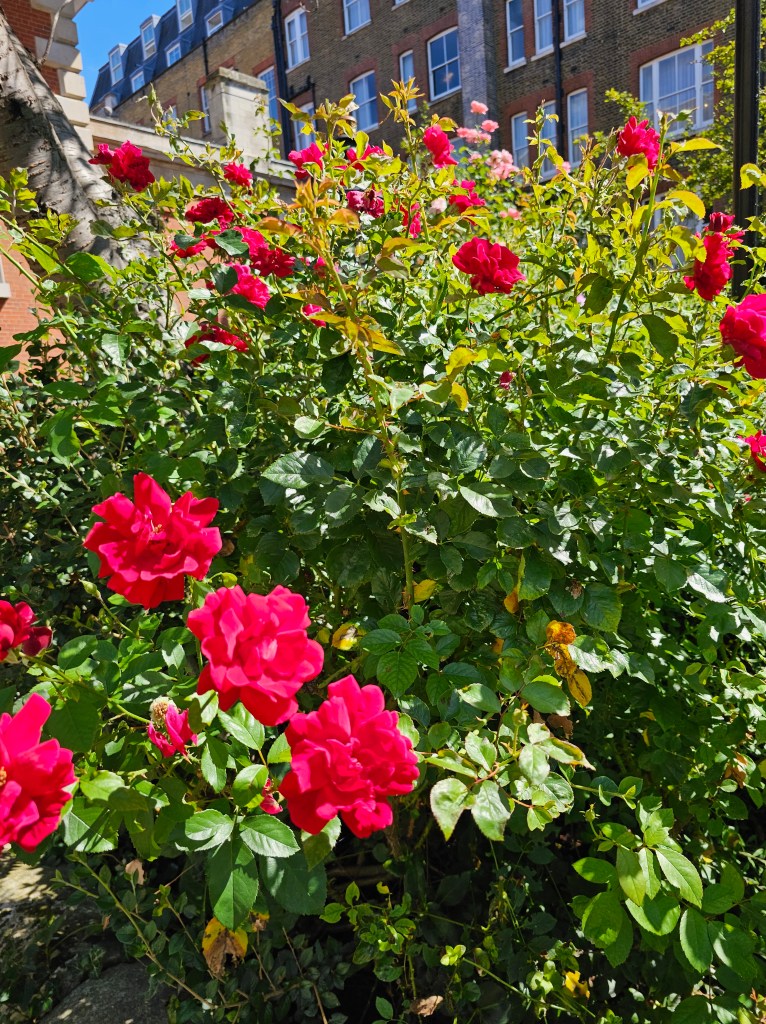
Let’s move out to the Church Garden now. I hope you will enjoy these pictures of the beautiful blooms I saw there.
One last photo from that day’s visit. When I walk from Bloomsbury to Covent Garden, I make it a habit to walk down Coptic Street, a small street that runs between the British Museum on Little Russell Street and New Oxford Street. It is on Coptic Street that I rented my first long-stay (5 weeks) flat back in 2016. It was a 5th floor walkup. As my friend Sally likes to remind me, “what were you thinking?” So, I walk along Coptic Street and look up to the windows at the very top of that building and think to myself that, I still can’t answer Sally’s question.
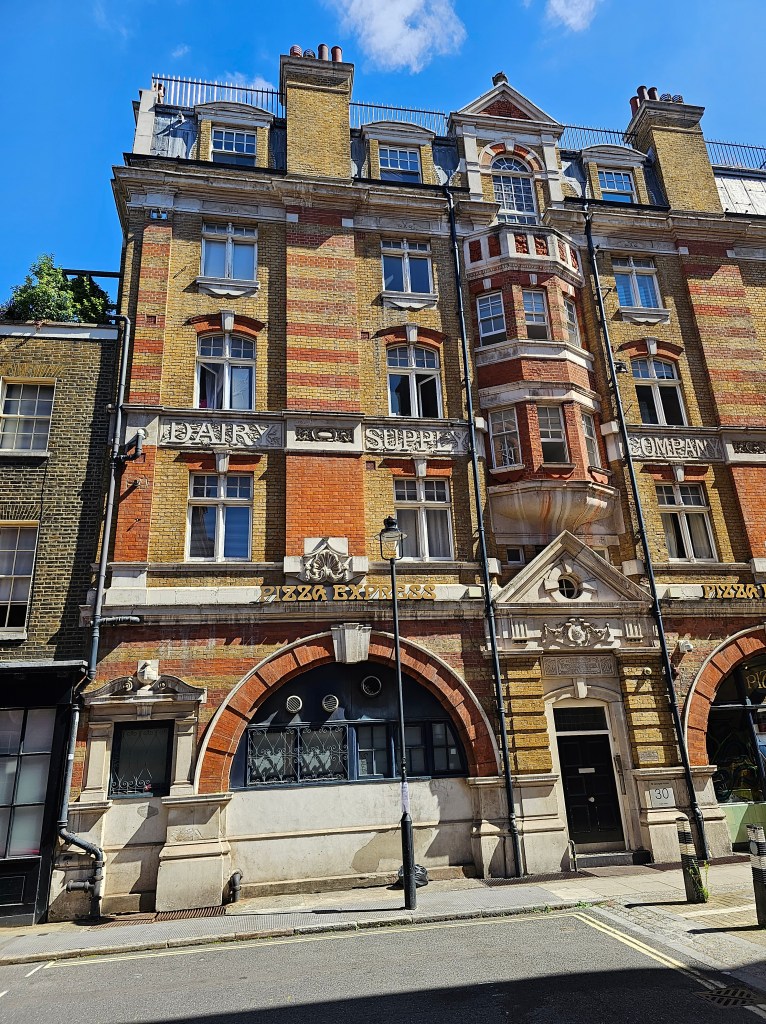
A lovely building, a lovely flat. So many stairs to walk up.

I am off for 5 days to lovely Normandy, France, from tomorrow. I’m never sure of what the internet situation will be. My hosts live in a lovely century old farmhouse with very thick stone walls that do not conduct well. So, I may be quiet for a few days. Wish me calm crossings of “La Manche.”
Return to the V&A and Flowers

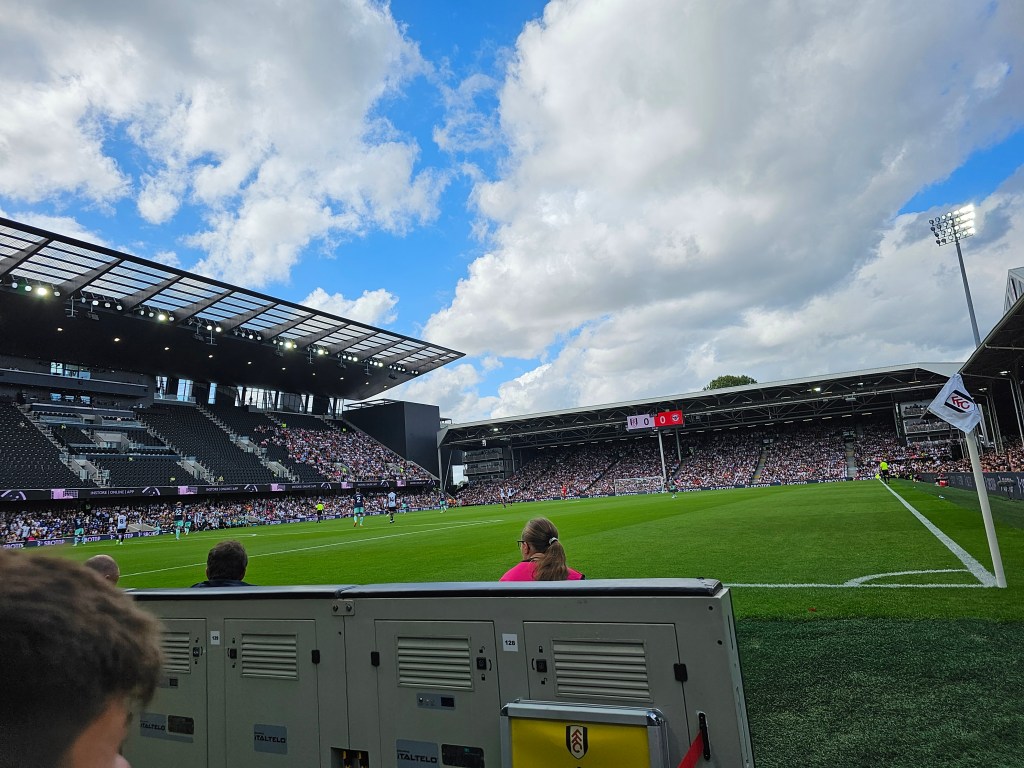
I was going to title this “Sorry, it took me a while to find a phone. Perhaps it was Fulham’s tragic loss to at the weekend to Brentford and the concurrent loss of their star goal scorer Aleksander Mitrovitch to the Saudi league, but I have had a form of writer’s block. I have been writing and rewriting this blog entry, but all that has come out have been rants about pet peeves of mine. Today, I’ve come to the British Library and am sitting in the Humanities Reading Room determined to get a blog posted. Let’s see. Before I leave Fulham, it was a beautiful day for football and the team was looking physically ready for the season. Here’s hoping they can replace Mitro soon.

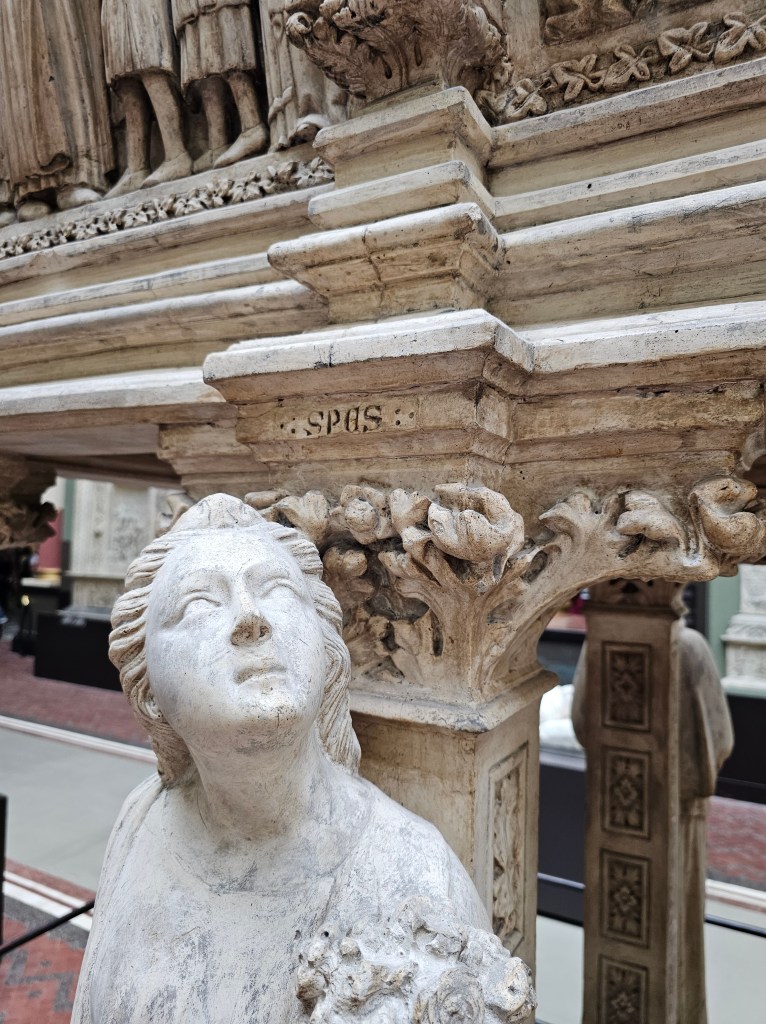
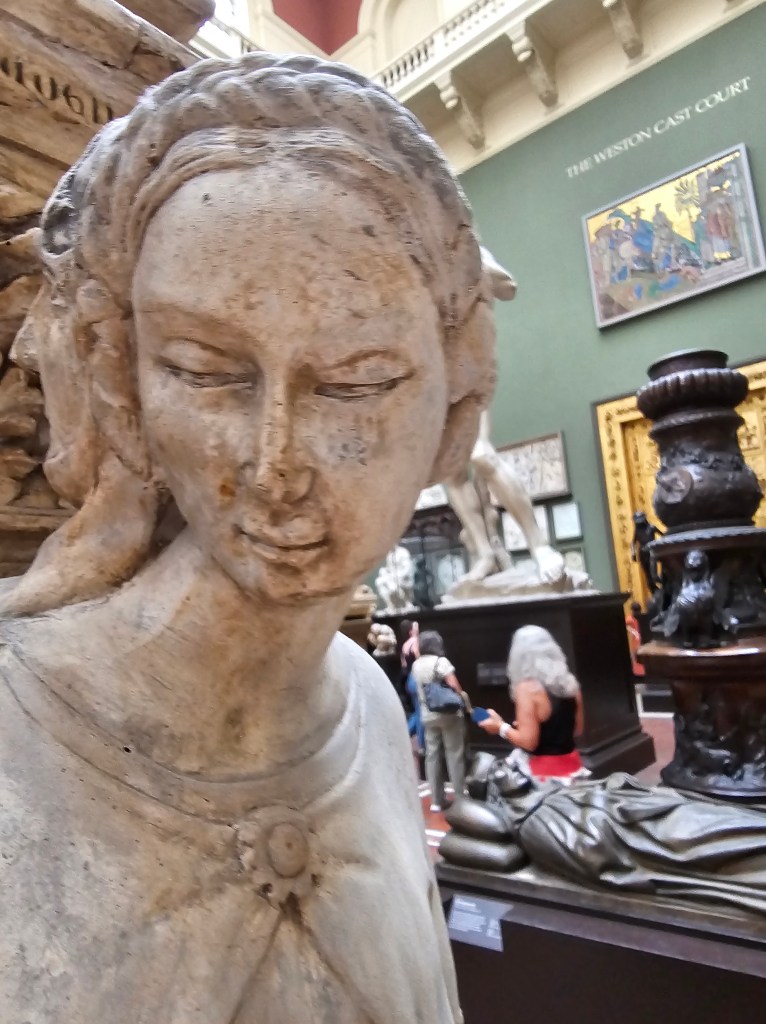
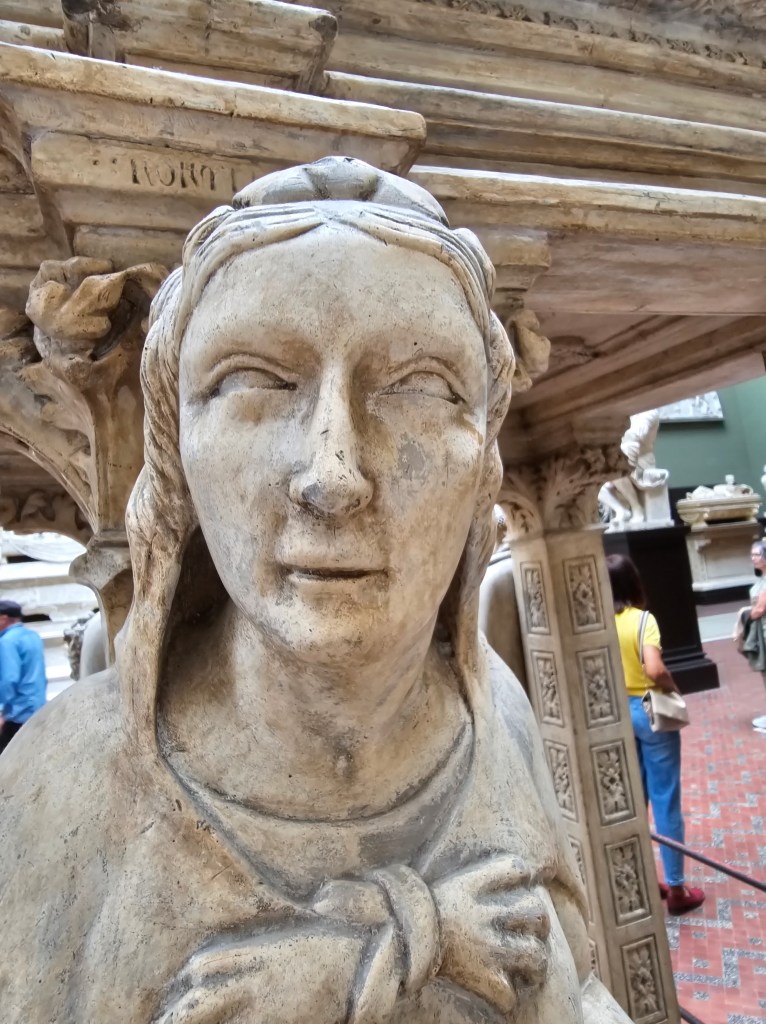
I have spoken, over the years, of my love for the Victoria and Albert (the V&A) Museum. A recent visit was quite interesting. Let me share some of what I saw. In the Cast Courts, my favorite place, there is a very unusual set of sculpted figures that surround the base of a sarcophagus of Marchese Spineta Malespina who died in 1407. Look at the faces of each one. There are such specific expressions captured in the faces

of these figures that were originally painted and gilded, it is thought.

Not far from these figures, I noticed some other rather compelling casts that I thought were worth sharing. The first depicts Christ’s descent from the cross, the main other figures are “the three Marys (Mary, his mother, Mary the mother of James and Salome; and Mary Magdaline). The gospel attributed to Mark, the earliest of the synoptic gospels, places only female followers of Jesus at the crucifixion with the soldiers. Mary, the mother of James and Salome and Mary Magdeline are said to have been the first two to have been at the tomb on Easter morning and “proclaim the Good News” of the empty tomb that Christians believe signifies the Resurrection of Jesus.

The second is an interesting depiction of the resurrection of Lazarus, Jesus’ good friend. His sisters Mary and Martha are important figures in another of the synoptic gospels, the Gospel attributed to Luke. And in the Gospel attributed to John, the last of the 4 gospels written.

This was done around 1125-1150 but was hidden for many centuries and only rediscovered at Chichester Cathedral in the 19th century. Clearly, something about this family must have struck a chord to have been mentioned in both of these gospels but as you can see, neither of the women appear in this important foreshadowing of the Resurrection. I found it interesting.

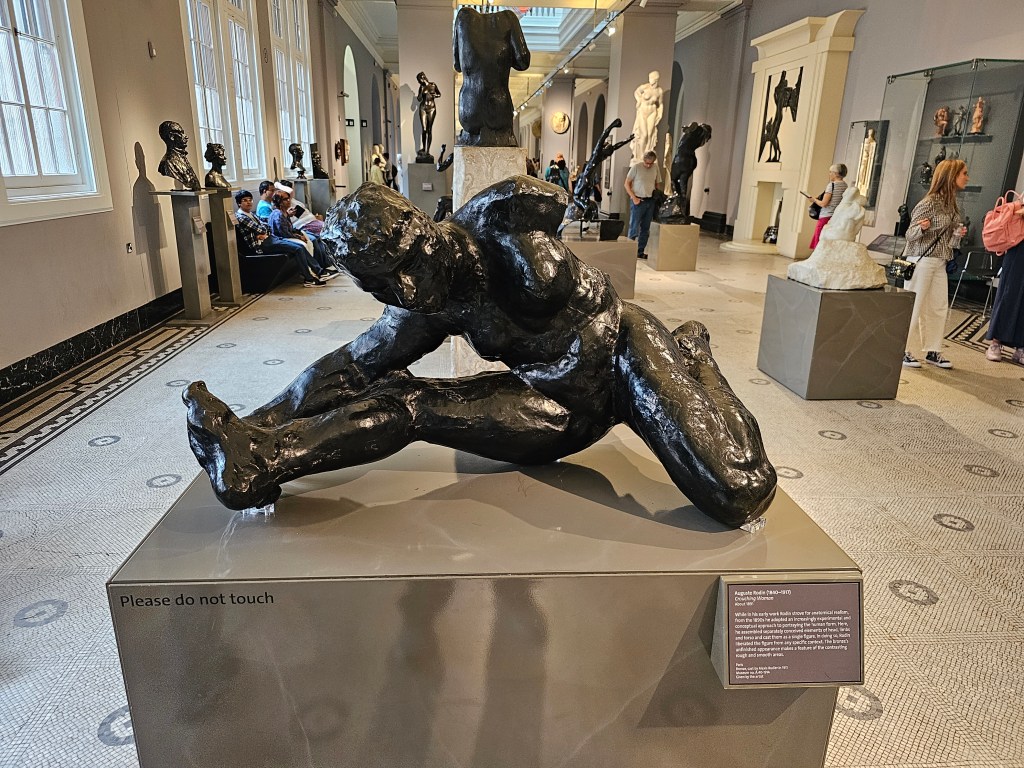
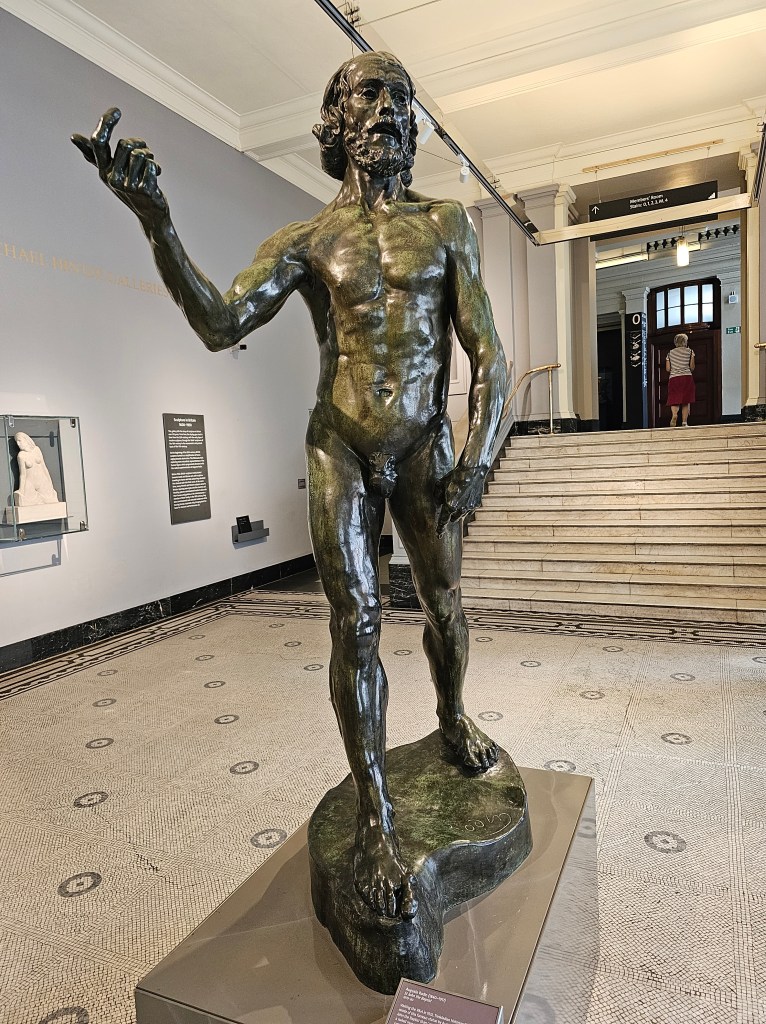
As I was making my way out of the museum, I came across these Rodin sculptures. I had been discussing with my London gang, who among us had been to Paris’s Rodin Museum. This was a funny coincidence.

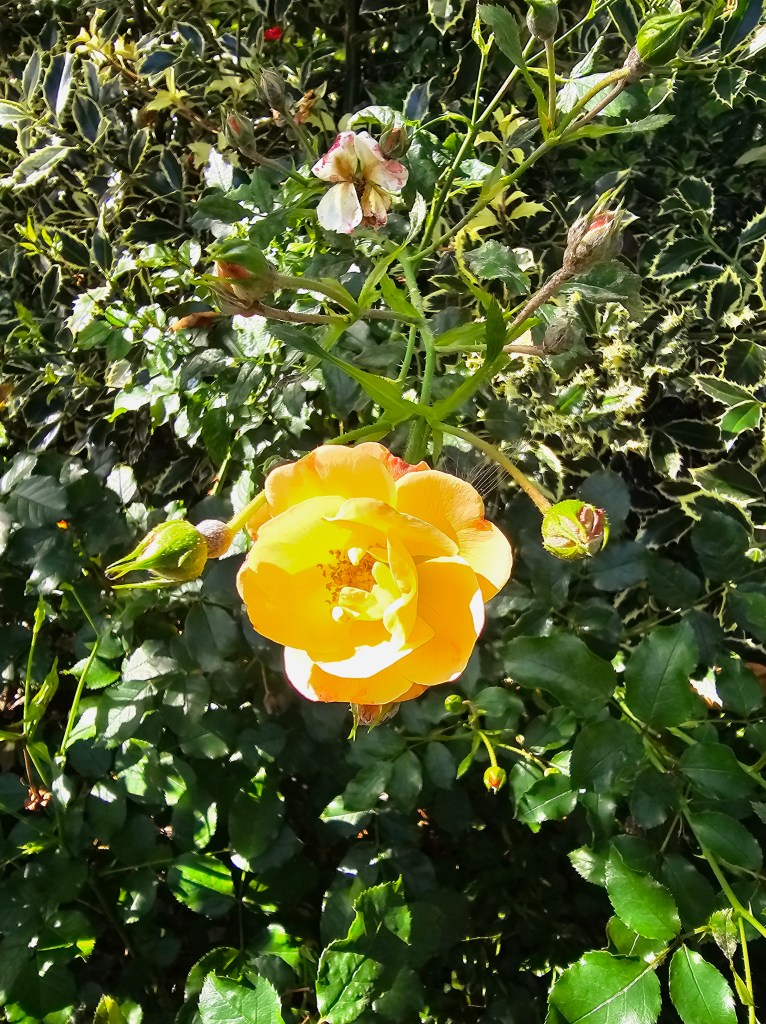
Finally, somewhere along the line, we had a very humid day, and I needed a bit of shade a few moments of quiet to sit and meditate and regaine my sense of peace. As I was just a block or so away from Brunswick Garden, the smaller garden that is just a block or so away from Russell Square but is less busy and almost a hidden gem. I sat down and soon did cool off in the shade. i was able to meditate and regain my equanimity. Then I noticed all the blooms and I heard someone mention the tree that was over 200 years old. So, I took some pictures to share with you.

My Beef With the National Portrait Gallery Continues and Other World News

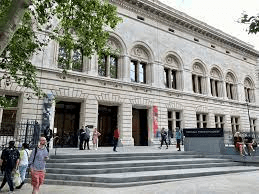
Britain’s National Portrait Gallery (BNG) is a fine institution that I have enjoyed visiting for lo these many years. It has been closed for a major facelift for the last several years and today was the first time that I visited the newly refreshed location. It is as interesting and provocative as ever. But somebody is still missing. Somebody important and somebody whose omission I have pointed out to them for many times since April of 2005.

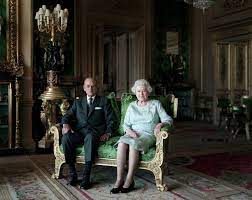
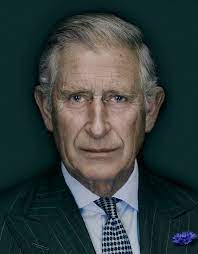
As I toured the galleries that covered the 20th and 21st centuries, I saw many familiar faces from the arts, science, politics, British sports, and, of course, the British Royal Family. There were several portraits of Her Late Majesty Queen Elizabeth II. One particularly touching one was the last portrait of her with the late Prince Philip. There were several portraits of the newly named Prince and Princess of Wales, Prince William and Catherine. There was even a picture of King Charles III’s late first wife Diana, Princes of Wales. Amid all the portraits of people who have had a significant role in the United Kingdom in the last 18 years, however, let alone, the last year, I had to go to the exhibit titled “Works In Progress to find a recent portrait of King Charles, (by himself). “Hmm,” I said to myself, “where’s the Queen, where is Queen Camilla? Don’t tell me they still don’t have a portrait of her on display. She’s the Queen of the UK for goodness sake!” But, after checking with the staff available, it was true. No Queen Camilla. So, I’m not sure if it’s just me beefing with the BNG or if the BNG is beefing with the Queen.

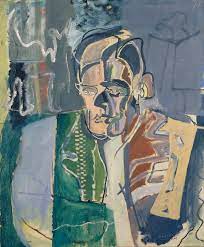
Anyway, here are the portraits of the former monarch and her consort and current monarch, all by his lonesome. The final one is a portrait of TS Elliot by one of my favorite artists, Patrick Heron, who only did a few portraits of close friends. They are not always on display, so I am thrilled when I get a chance to see one of Heron’s works.

The other big news is that Fulham FC won their season opener against Everton, the “other” team in Liverpool. The home opener at Craven Cottage will be this Saturday and I will be there!

I’m hoping to make this museum week, with a special Wednesday visit with a good friend more to come.

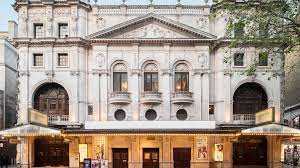
Theatre Days-transported to Oklahoma, Vienna and Pest without leaving London.

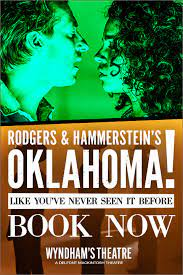
If you follow me on Facebook, you will know that Wednesday, August 9th, 2023, was a special day. It was the 100th anniversary of my mother, Jacqueline Margaret Nehls Delligatti’s birth. Coincidentally, it was the day that I had booked a ticket to see a revival of Rogers and Hammerstein’s ‘Oklahoma.’ The connection of these two events is that a previous revival of ‘Oklahoma’ was the first professional theater production that I ever saw in New York City in the mid-1960s.

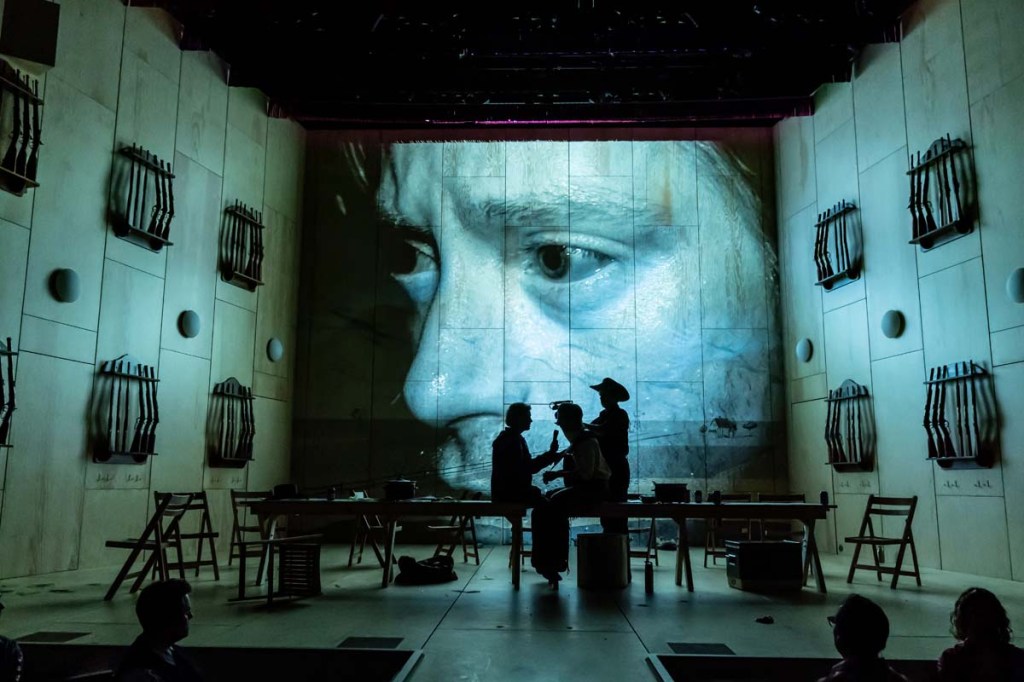
This production was bold and very different from the one I saw in the 1960s or from the Technicolor movie many may remember. But those songs! Oh those songs. I had forgotten how many were part of the American Song Book. Melodies and and lyrics so familiar that they came rushing back. The staging was quite stark, a few long tables and many chairs, some picnic accessories and (anachronistically) some six-packs of “Bud Lite” Beer. Since these were on the stage before the production began, I asked one of the ushers if this was a salute to Budweiser’s commercial that caused so much controversy in the U.S. While he said he did not know, he assured me that the production had some controversial elements.

While the production did include some minor changes that enhanced it (a lessening of the more racist elements in the portrayal of the trader with roots in the Middle East) and a Second Act opening scene that seemed like a portrayal of an LSD trip, it did stick to the original script and was true to Rogers and Hammerstein’s original vision for the production. It was lyrically beautiful, and shocking, everything one should expect from a classic musical. The actor playing Laurie, Anoushka Lucas has a beautiful voice. She also had the ability to act with tenderness, toughness, warmth, and all the emotions that make Laurie a complex character. The other actor playing an important female character that I found fascinating was Page Peddie as Ado Annie. Ms. Peddie seemed to channel the great American comedic actress Judy Canova, whose short films can sometimes be found on YouTube, when she sang and performed “I’m just a girl who can’t say no.” The song requires an actress who can show both the comedic side of the song and the wartmth of the woman singing it. She knows how to use her facial expressions as well as her entire body and voice to bring home the song.

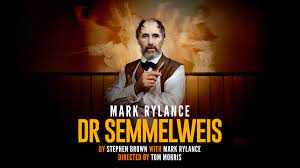
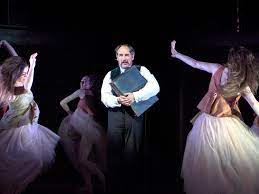
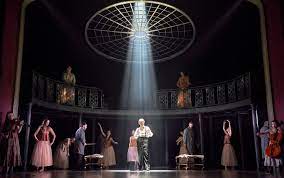
The second matinee that I saw the day after “Oklahoma” was Doctor Semelman about a Hungarian doctor who recognizes that doctors and nurses washing their hands before touching patients cuts down on post operative (and post natal deaths (in the latter case of both mothers and children). He made his ‘discovery while a junior doctor at the most prestigious hospital in Europe at the time in Imperial Vienna. As an unknown young practitioner from Pest (a decade or more from joining its sister city of Buda across the Danube and eventually becoming the capital of an independent Hungary when the Hapsburg empire ended), he was not taken seriously. He was arrogant and, as we would say today, had anger issues that led to his return to Pest for many years before a disastrous return to Vienna. This show was remarkable for the many techniques it used. A rather heavy drama, it included four violins that accompanied the action at many points, a ‘greek chorus’ was present above the action and sometimes on the stage, an almost vaudevilain comedy scene was woven into the firstthird of the first act. An oddity was the fact the Mark Rylance, who plays the title character spoke with a connincing Hungarian accent other actors, (e.g., the nurse and one of the Austrian doctors spoke with Irish and African accents) while this was a bit jarring, it did not take away from the overall impact of this remarkable performance.

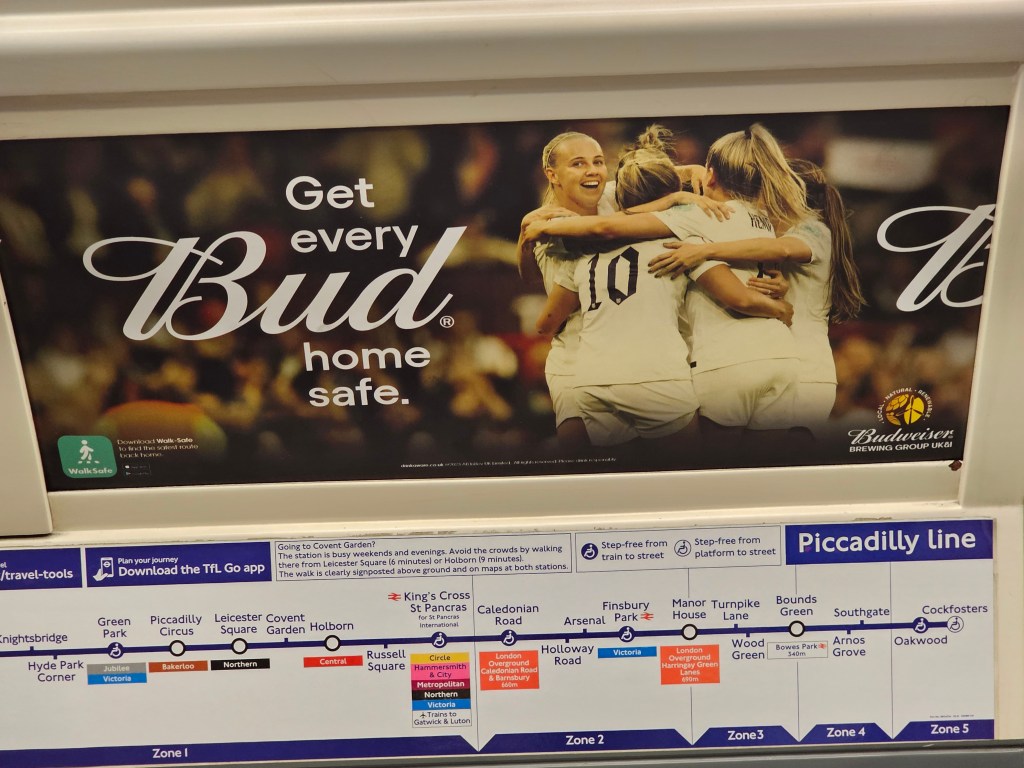
A couple of random photos that I have taken this week. Ironically, I saw this Budweiser ad in the Tube on my way home from “Oklahoma.”

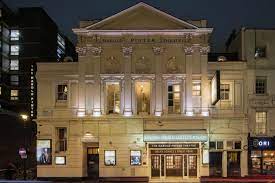
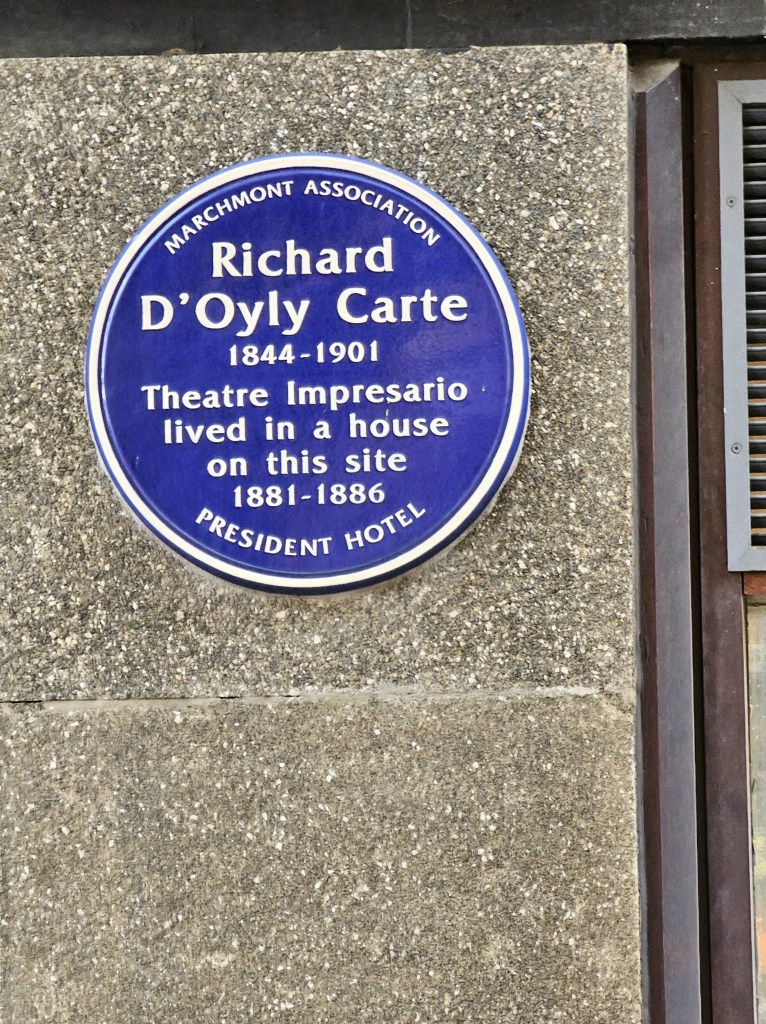
This second one is a Blue Plaque I don’t think I had noticed before on the President Hotel near Russell Square. Richard D’Oyly Carte, of course, was responsible for the theater company that bears his name. and that Gilbert and Sullivan created their light operas for.