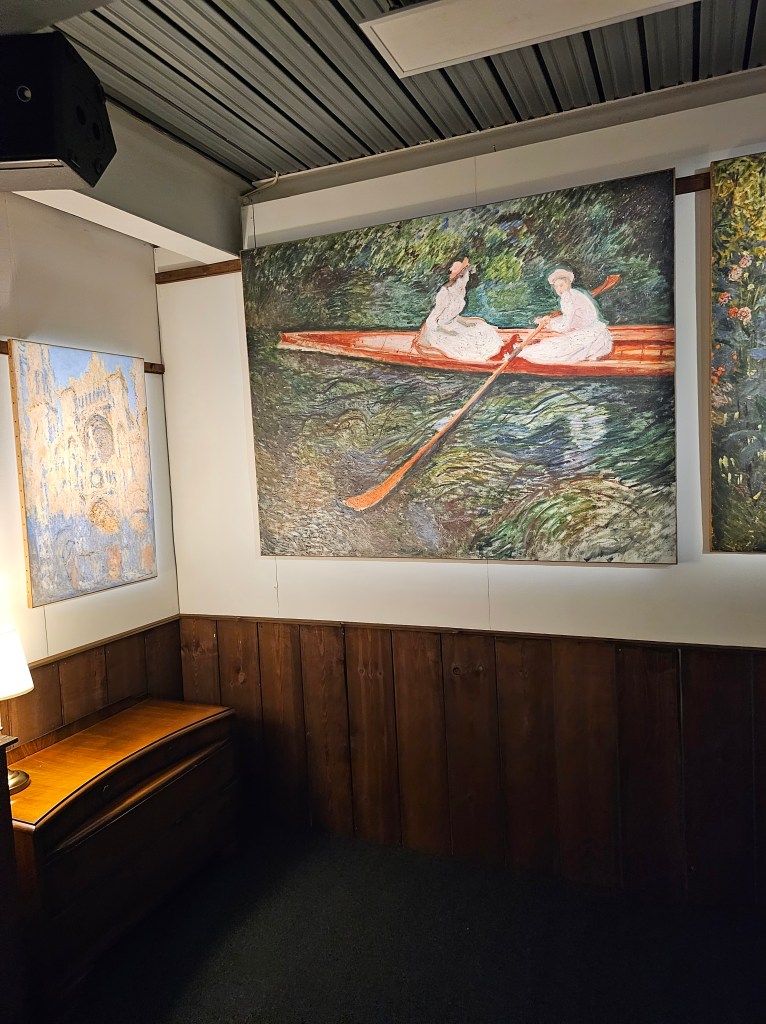
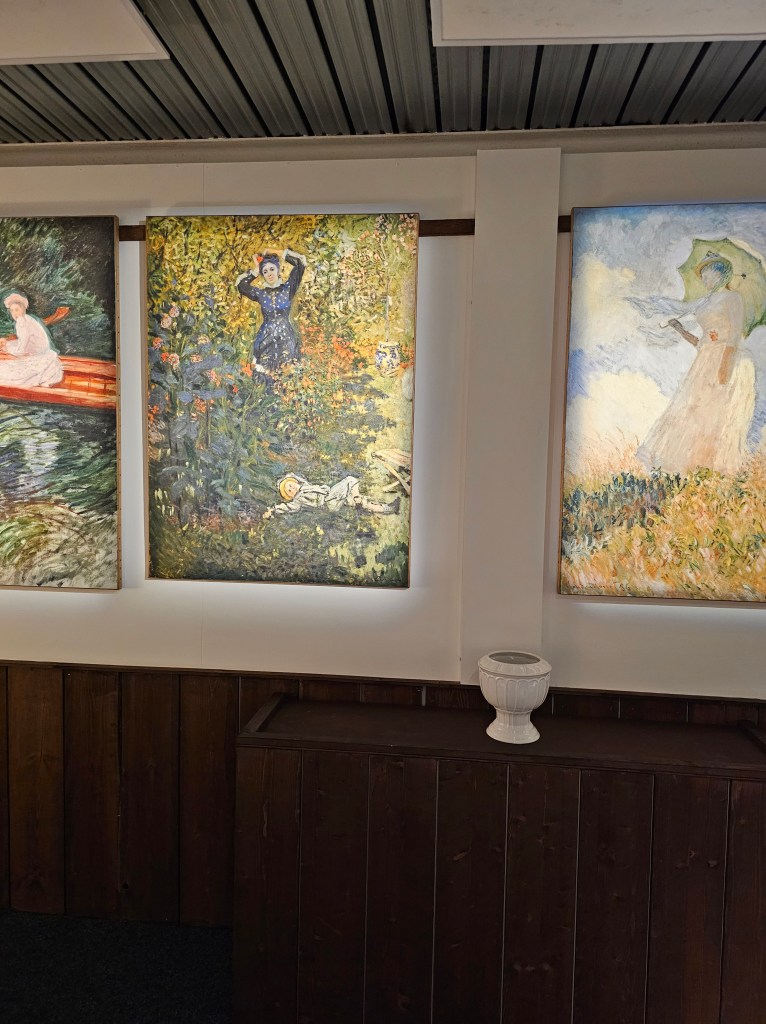
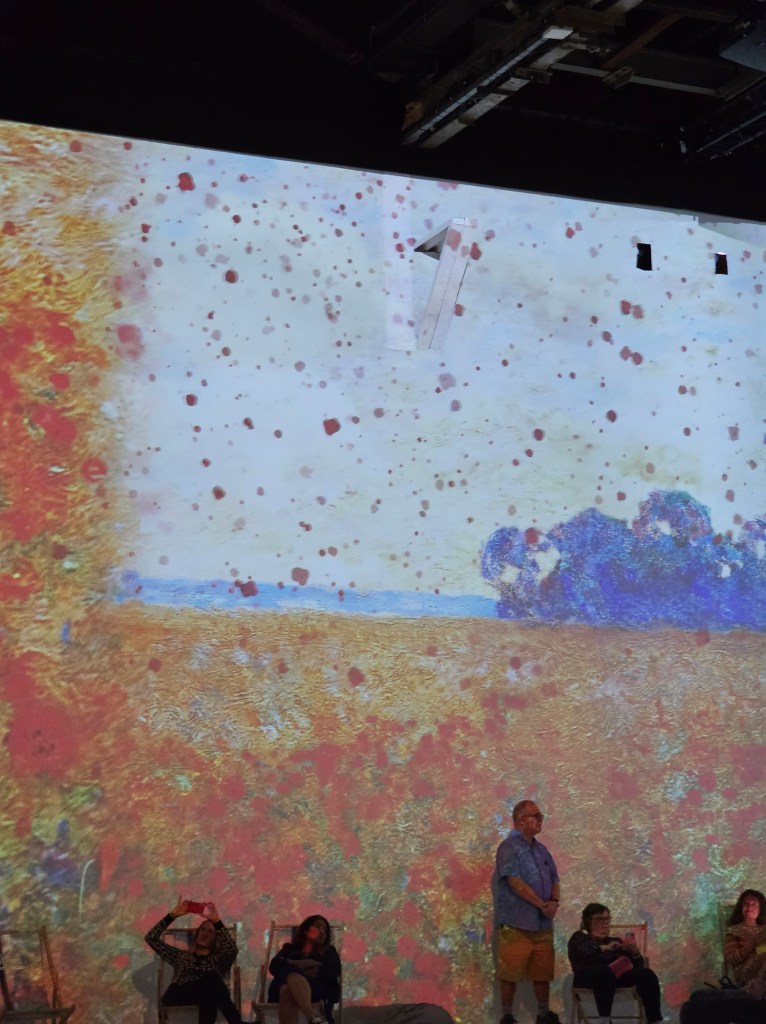
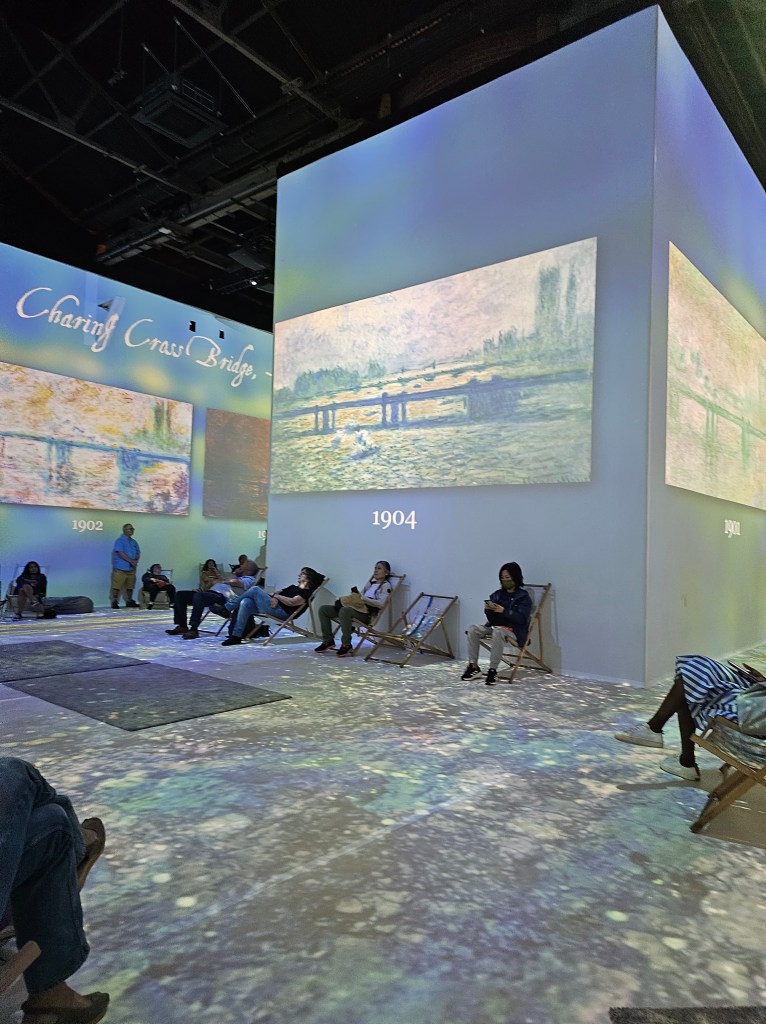
The art immersive experience has been around for a while. I had booked the Monet experience a while ago and had almost forgotten that I had the ticket. Luckily, the organizers sent an email reminder. It was at the same location as the previous one I went to last year, off of Brick Lane in one of London’s old ethnic neighborhoods that have seen different waves of immigrants enter into British life over the centuries. You still see signs of old Eastern European businesses beside more recent Indian, African, and Afghan stores and restaurants. The Monet Immersive Experience was enjoyable. Below are a few photos of the display of his famous works set as they might have looked in his study. And then, “the immersion room” where his works first are made to come alive, a wonderful experience of color, sound and music in a large, darkened space.
The Immesive ExperienceI wonder how many of these folks went to Charing Cross afterwards.
The part that I can’t share with you in photos, of course is the part where “the helmet” is placed on your head and you are taken on a journey to Monet’s world. In this case we travelled extensively around parts of Normandy, France, a place both he and I love. Seeing these places as they looked in his time and using the combination of photography and his work was truly a magical tour that I was sorry to see end. It was a delightful experience. I hope I get to experience Dali Immersive Experience when it is in town. My friend Jack Bond who directed and produced the famous film “Dali in New York” back in 1965 is still with us and I am hoping he is well and able to go the Experience and I would love to hear his views on it as he worked closely with Dali for so long.
A Special Month
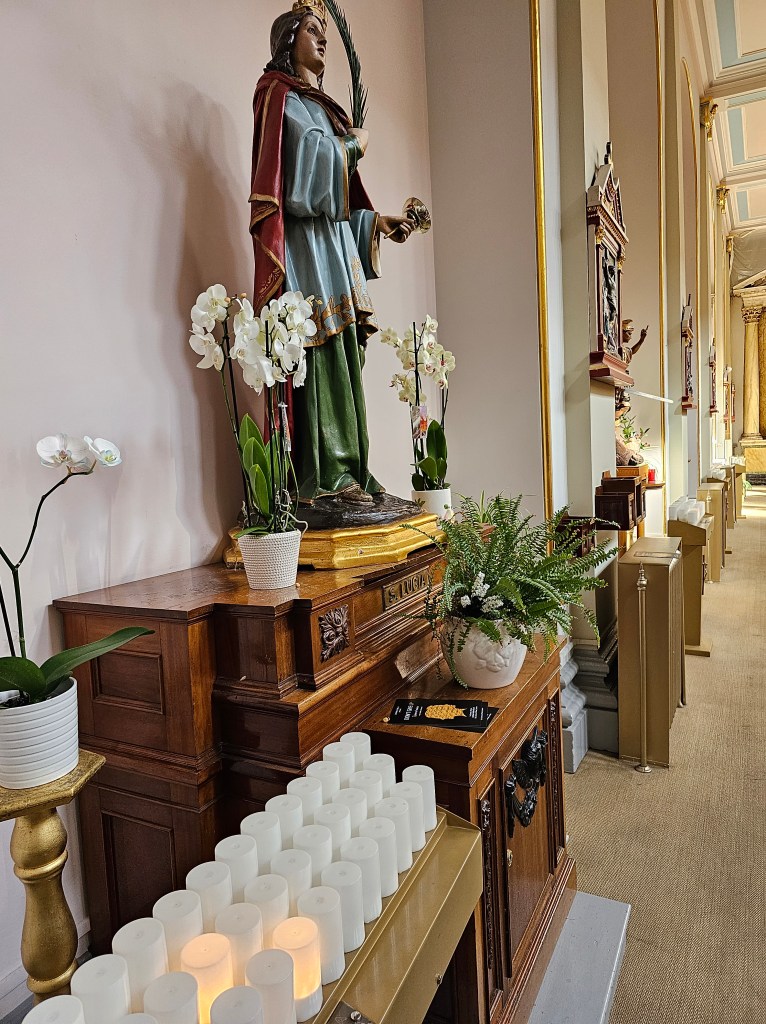
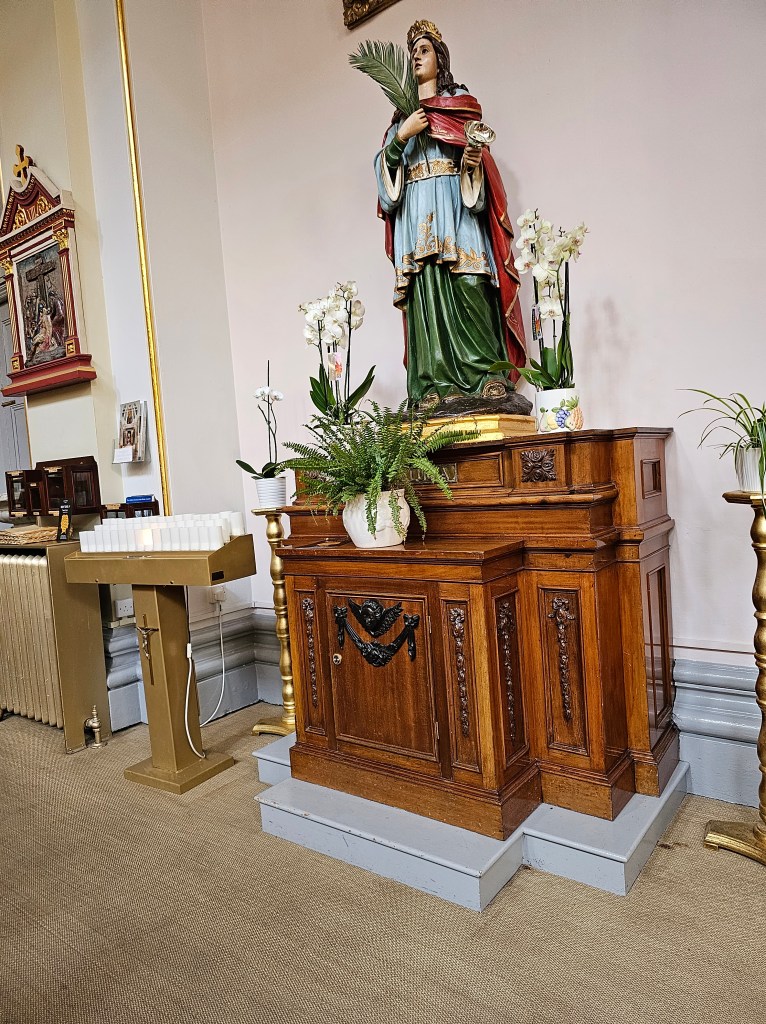
Not only is October the last of my three-month sojourn in London, but it is also, back in the States, Italian American Heritage Month. The end of September coincided with the feast day of Saint Amato in Nusco, the small Italian City from which my paternal grandparents and eldest uncle immigrated to American in the early 20th Century. In honor and remembrance of them, I visited Saint Peters, also known as the Italian Catholic Church in the Clerkenwell section of London. Clerkenwell was once, London’s Little Italy. I have posted pictures of St. Peters before, it is very much in the tradition of Italian churches with colorful paintings of Saints, Jesus, and Mary. Many statues are placed around the church. I was sure that St. Amato or Saint Rocco, another saint popular in Nusco, was there last year when I visited, but neither could be found. So, I chose Saint Lucy, in honor of my late Aunt Lou, one of my dad’s three sisters who all of my generation of cousins loved dearly, and planned to light a candle in her memory. I did, sort of. Saint Peter’s has electric candles. You place money, change or bills in the slot, and an electric candle turns on! The Lord does work in mysterious and safety conscious ways.
Electric CandlesMe with the CandlesSaint Lucy
The Secret Garden
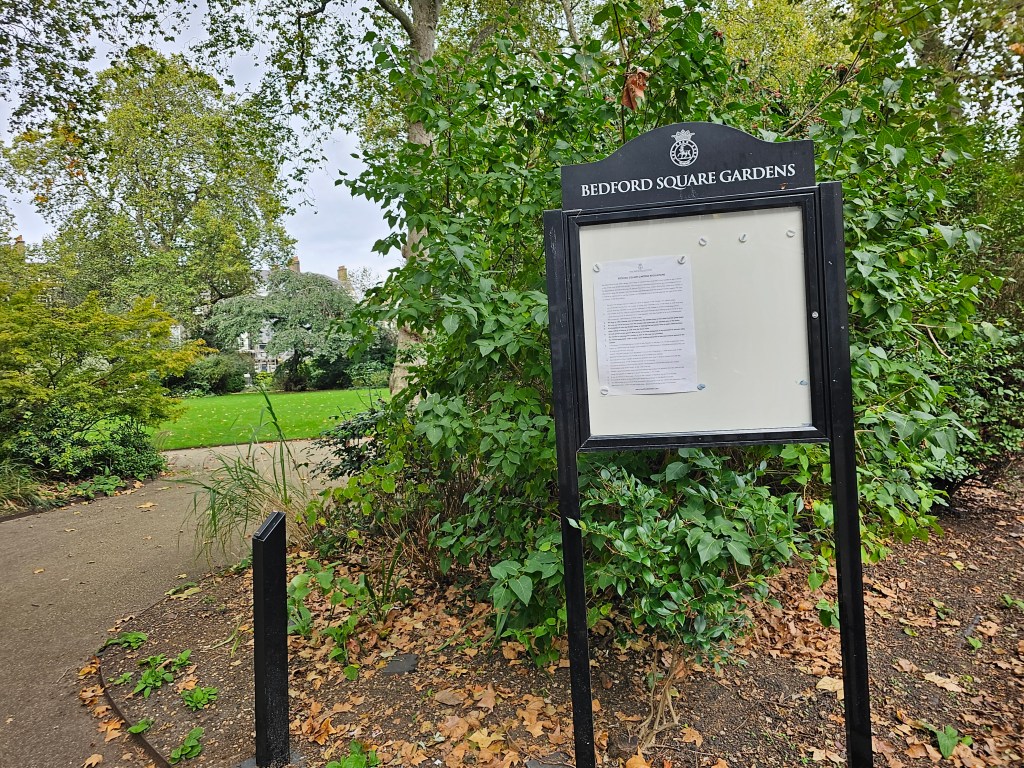
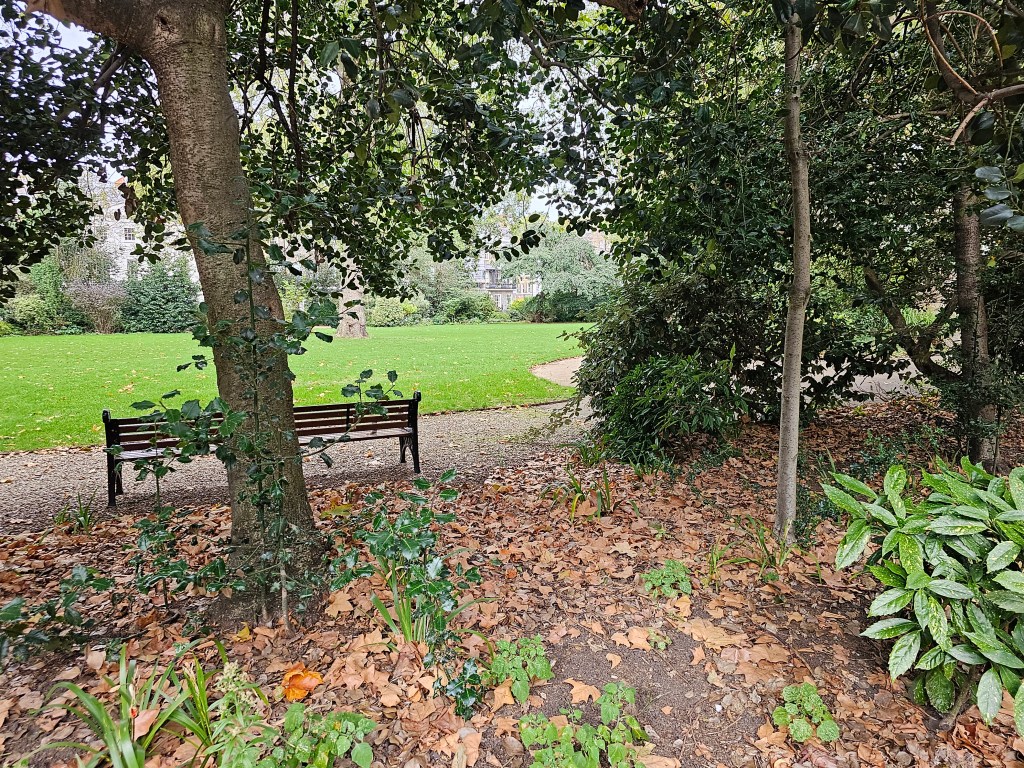
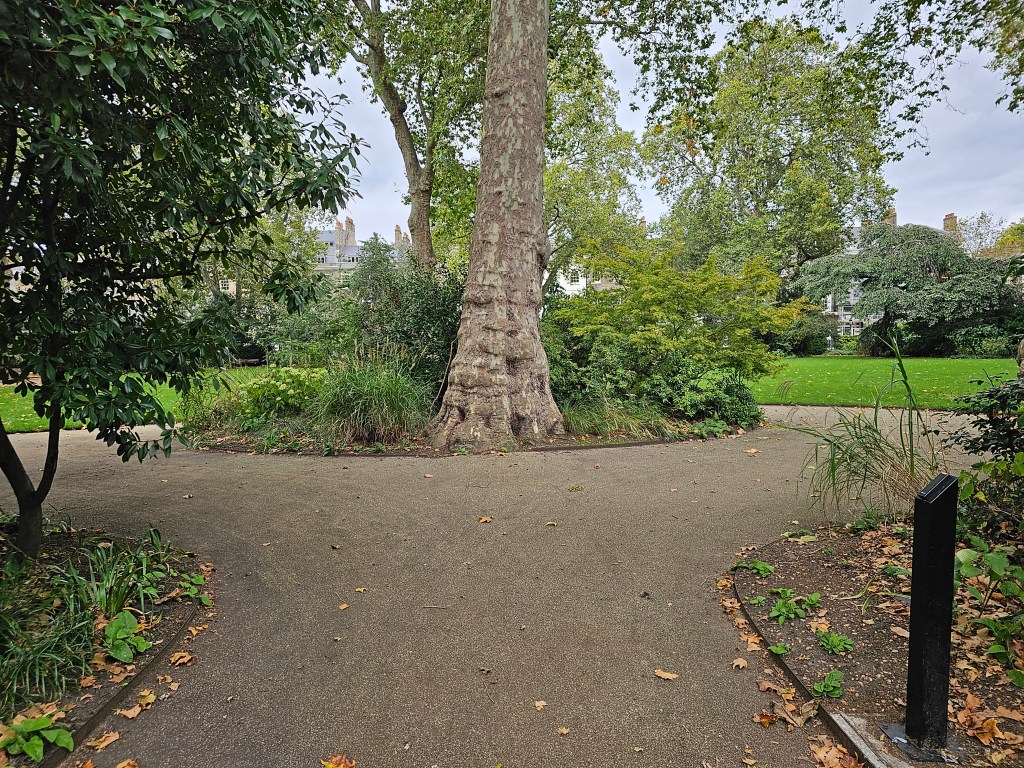
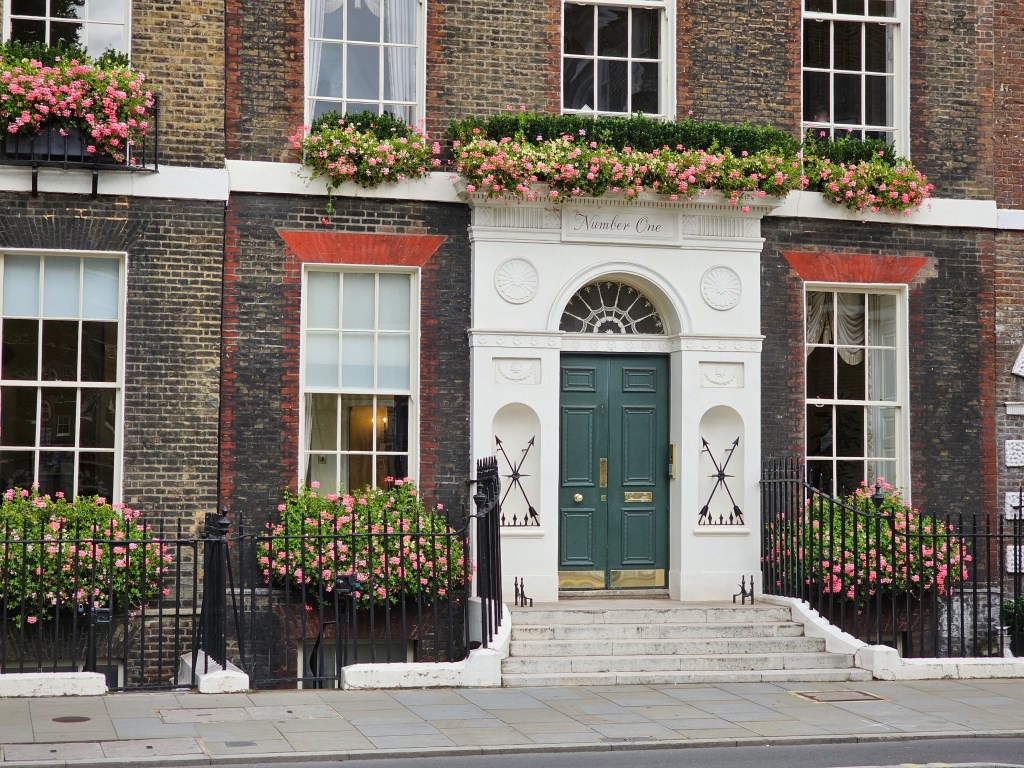
One of my friends lives on a street just off Bedford Square. Bedford Square itself is a square of beautifully preserved townhouses that I believe to be Georgian. In the center of square is a “garden” that is secured with a wrought iron fence and gates. There are old-growth trees and shrubbery all around it with paths and some grassy areas visible. I’ve deemed it “the secret garden” and tease my friend about whether she has a key to it. Here are some photos I took of the secret garden (through the bars) and one of the fine houses on the square.
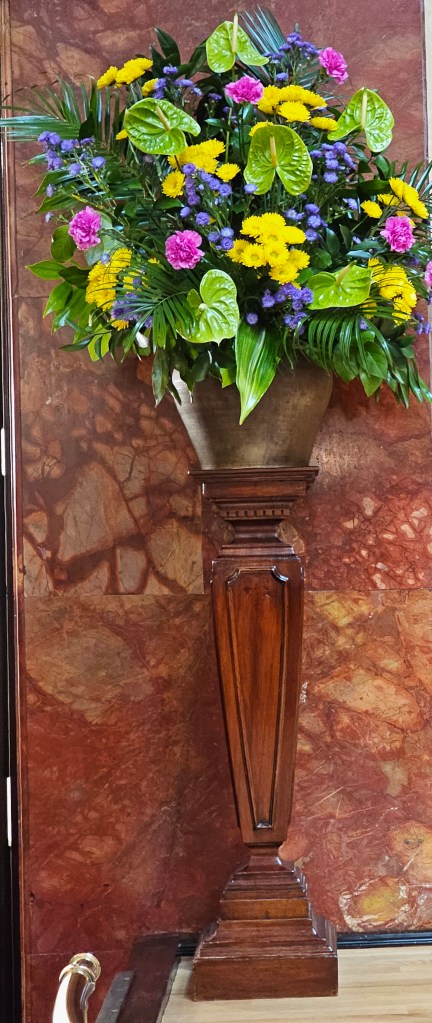
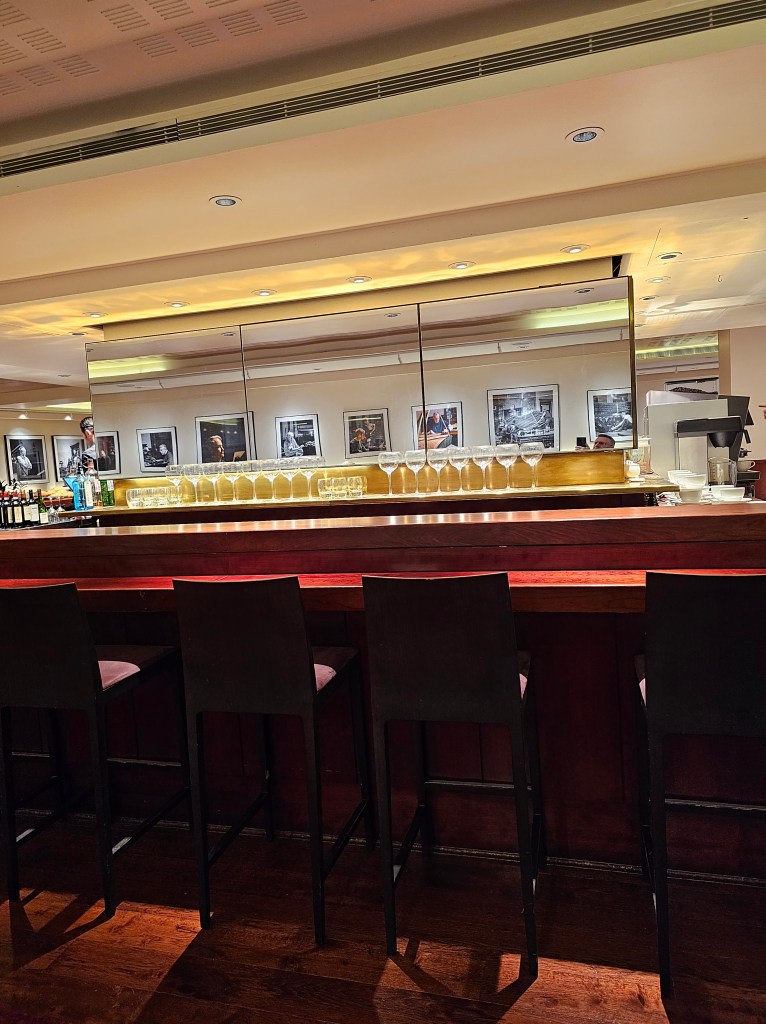
It was a splendid Sunday morning that found me back at Wigmore Hall. I arrived with plenty of time to enjoy my coffee and relax and appreciate the bar/cafe before the performance.
The staff here is always so friendlyGreat photos line the walls
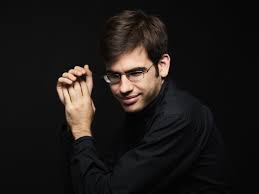
This time, it was Beethoven, Brahms and Piazzolla being performed by Maciej Kutakowski (cello) and Jean-Selim Abdelimoula (piano). Both accomplished musicians performed magnificently. The music was an interesting mix. Beethoven’s arrangement of ‘7 Variations on Bei Mannern welche Leibe fuhlen’ fro m Mozart’s Die Zauberflote WoO. 46 (1801) was a magical way to begin the morning program. In the opera, it is about the first meeting between two central characters. In this musical setting, one simply can let the mind soar with the music of two great masters and these two brilliant musicians.
Jean-Selim AbdelmoulaMacueh Kulakowski
Beethoven’s Cello Sonata in C Op 102 No. 1. (1816) was another lovely piece that started fast-paced and then slowed that showed the skills of the musicians, remarkable as it was written in what is known as the beginning of Beethoven’s late period. Without a significant pause, the two then continued into Brahms Cello Sonata No. 1 in E minor Op. 38, (1862-65). This piece is sometimes described as an homage to J.S. Bach which is nice, if for no other reason than it gets all three of the “B” composers into one one-hour concert.
The two artists ended with Astor Piazzolla’s rousing “Le Grand Tango (1982) that left the audience calling for more.
On a note of “it is a small world,” as I was leaving the hall, I noticed a gentleman wearing a short-sleave shirt with a logo of an Asian country’s nuclear regulatory authority and an atom, similar to the illustration below used by my former employer the U.S. Nuclear Regulatory Commission. It looked similar to the one below, which is very similar to one I have tattooed on my upper right arm. Not having a business card
with me, I rolled up my short sleeve as I introduced myself and showed him my atom and explained that I was a retired member of the US NRC staff. We shook hands and then he hurried off. The post-concert tea, coffee and sherry tends to run out fast.
Church Quest Returns
After the wonderful day of music, the week beckoned and my search for London’s historic churches returned. One that sounded interesting to me was The Guild Church of St. Dunstan in the West, located on Fleet Street in the center of the old home of London’s once busy newspaper business.
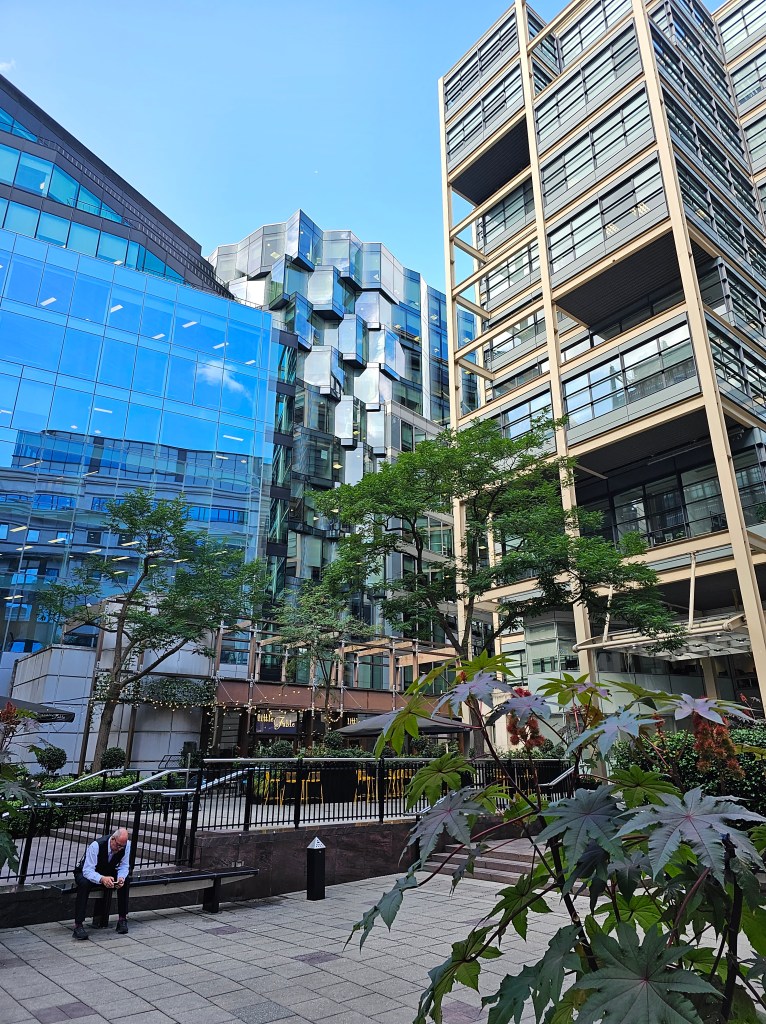
Since this involved me and my “Frenemy” Google Maps, there was, of course, the unexpected along the way. Google sent me into a skyscraper canyon that allowed me to take these two interesting photos of London’s modern side.
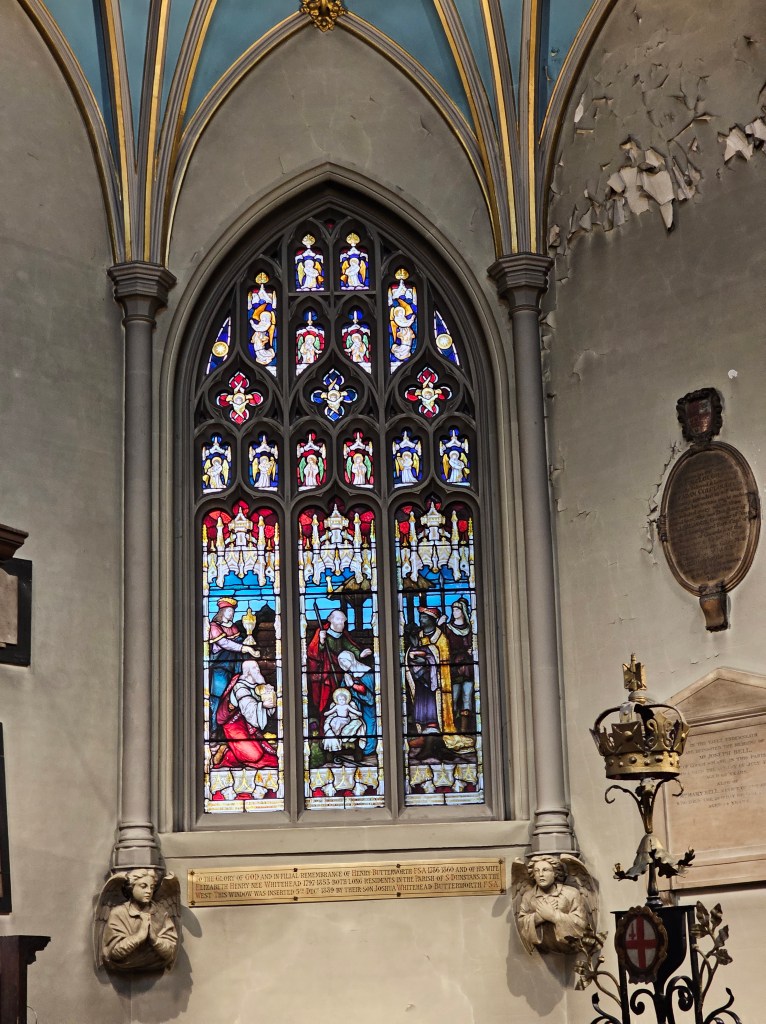
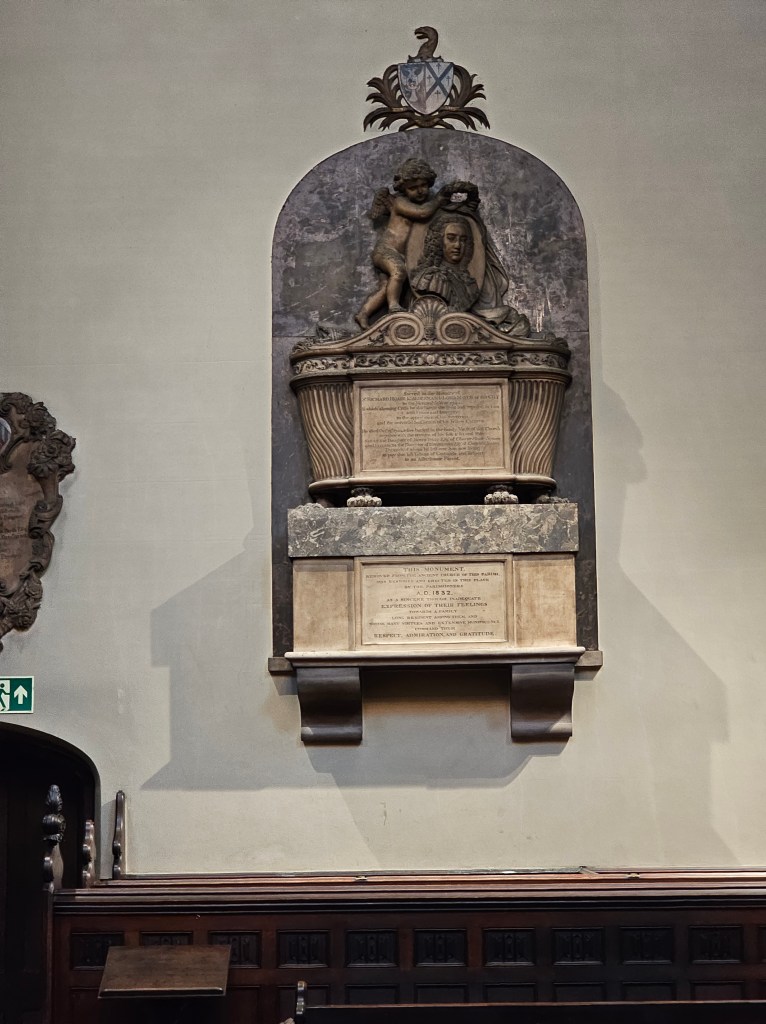
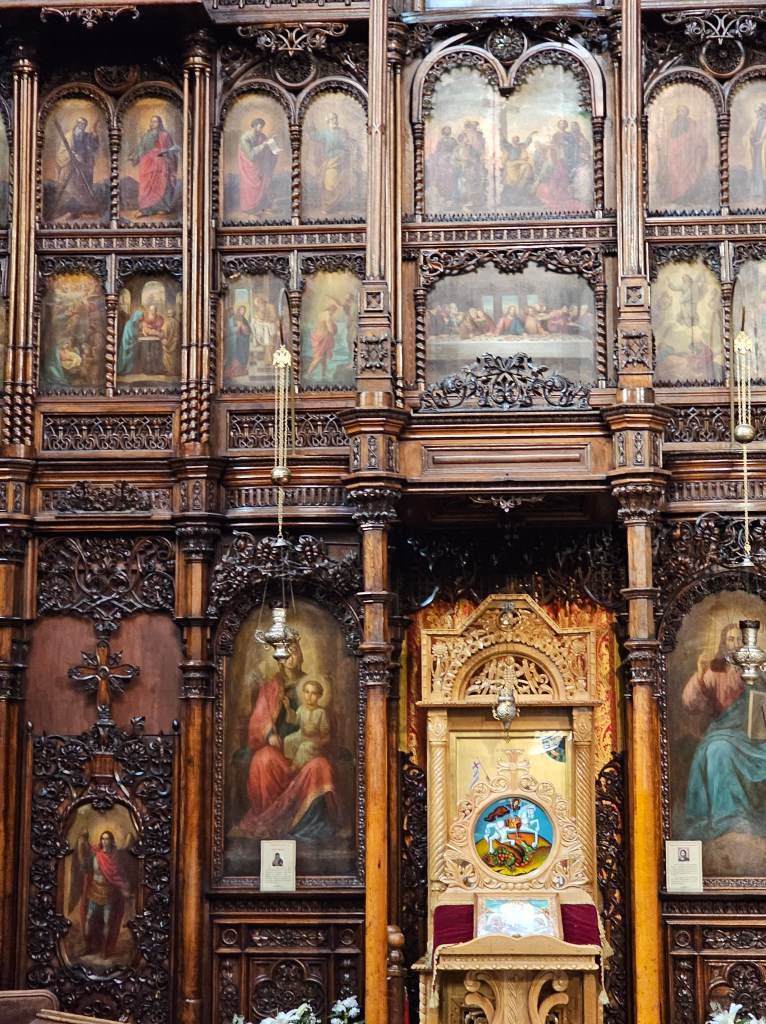
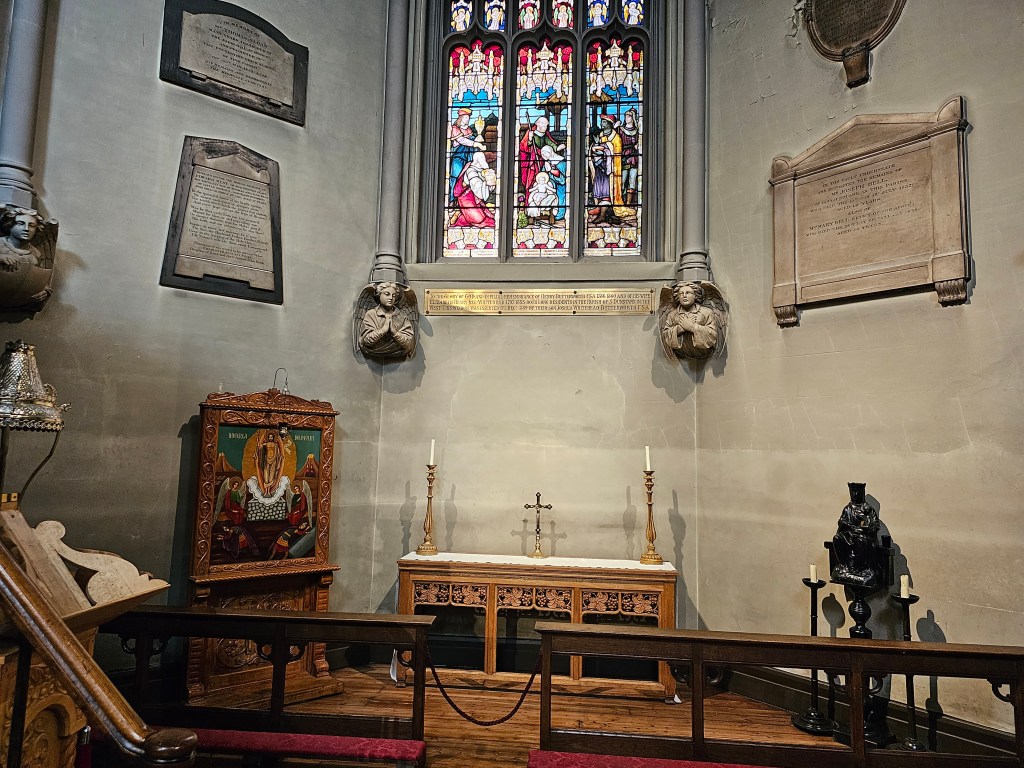
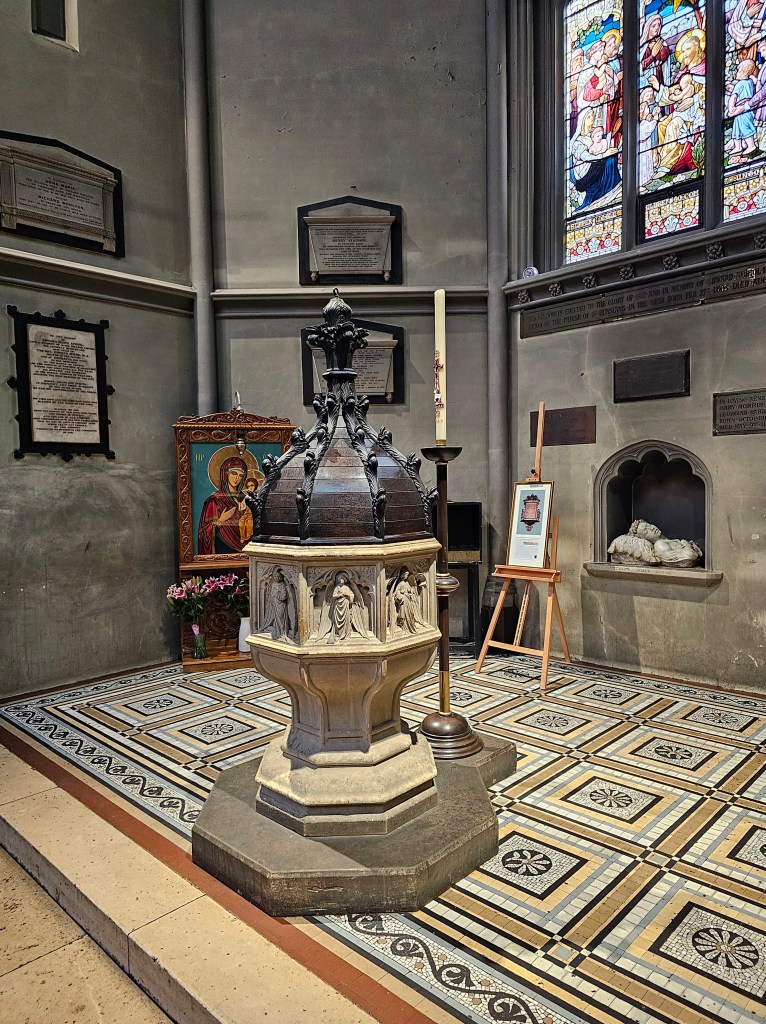
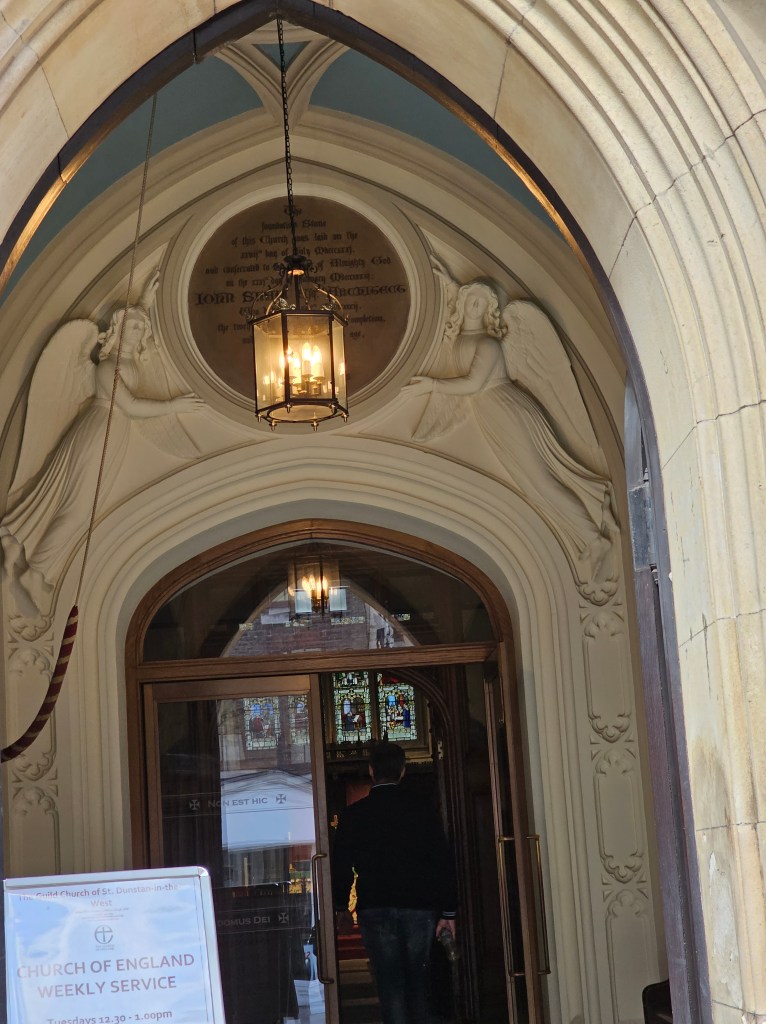
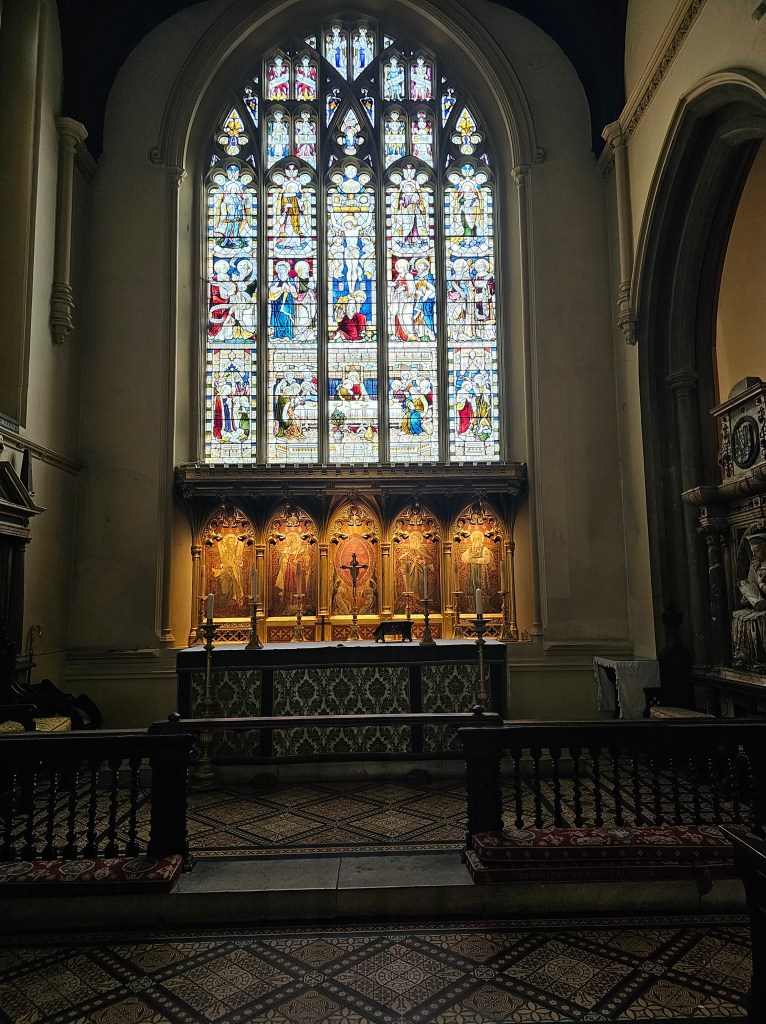
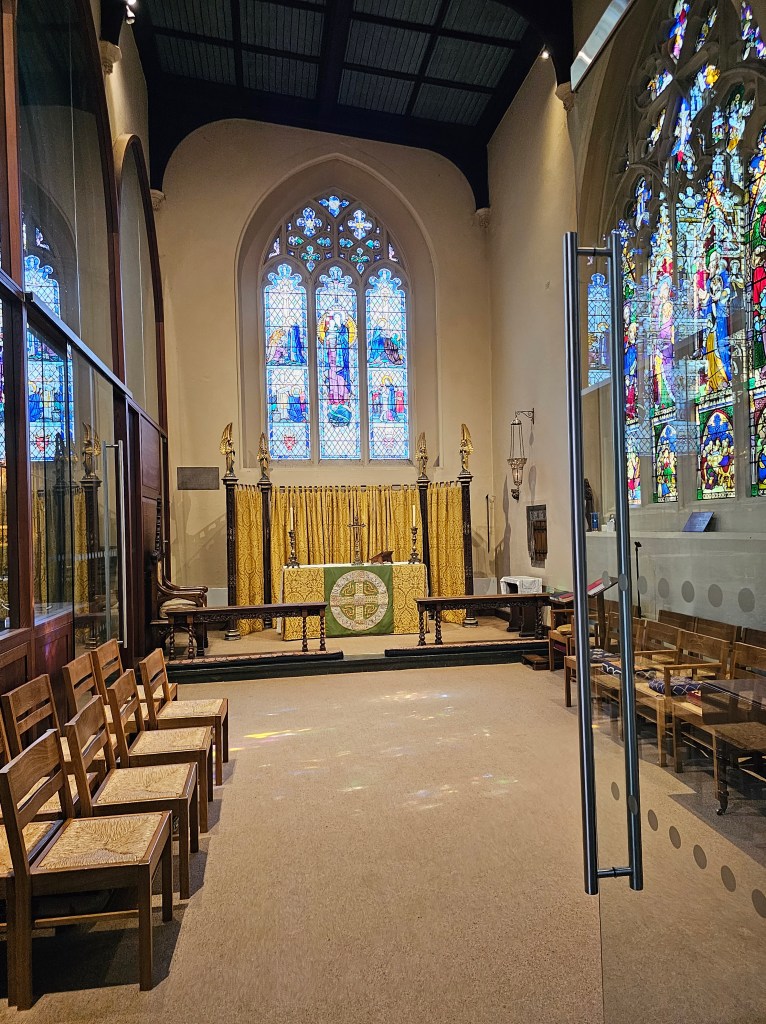
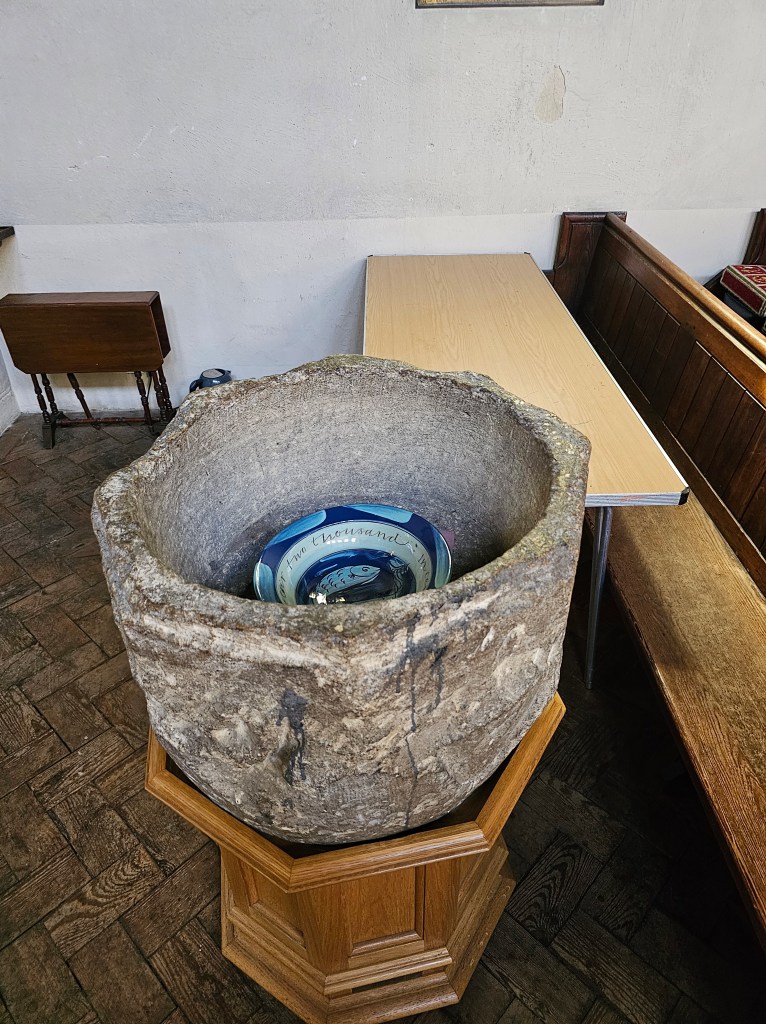
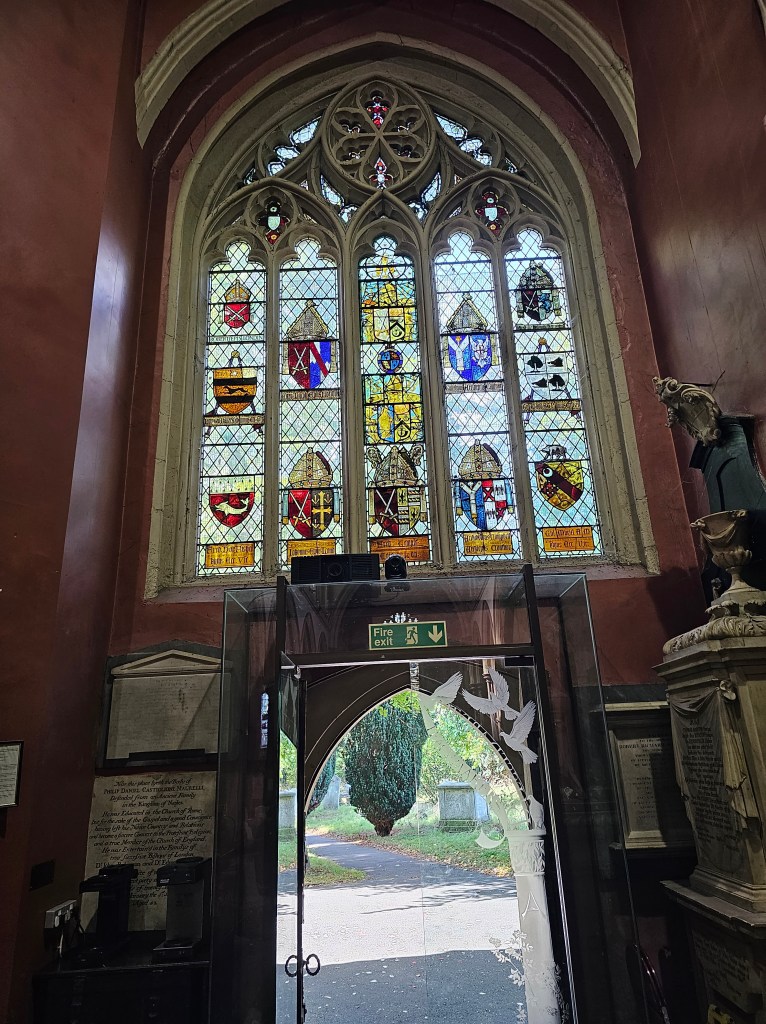
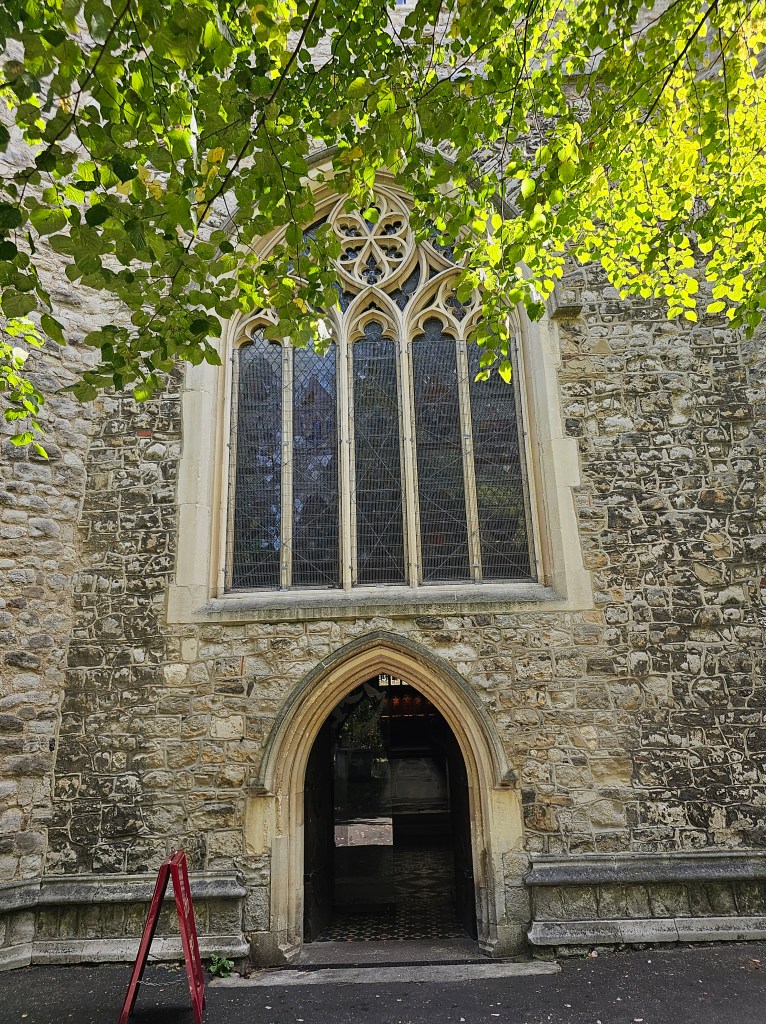
But, back to Saint Dusnstan. There is some evidence that there has been a church there since the late 900s AD, although the current building, with its octagonal nave, was builtin the 1830s to the designs of John Shaw, whose son finished the church after his death. The Shaws are also known for the semi-detached style of housing that is still very popular in the UK. If you are wondering as I was what a guild church is, I found this definition: an English metropolitan church that has been freed from parish responsibilities in order to minister full time to nonresident city workers during their hours in the city. If you are wondering why the church “in the west, it turns out there was a St. Dunstan in the East until the Nazis bombed it in World War II. Its ruins remain and are now, I understand maintained as a lovely garden. It is on my list to visit. Now for some pictures and then a few final words on this church and how it is used today.
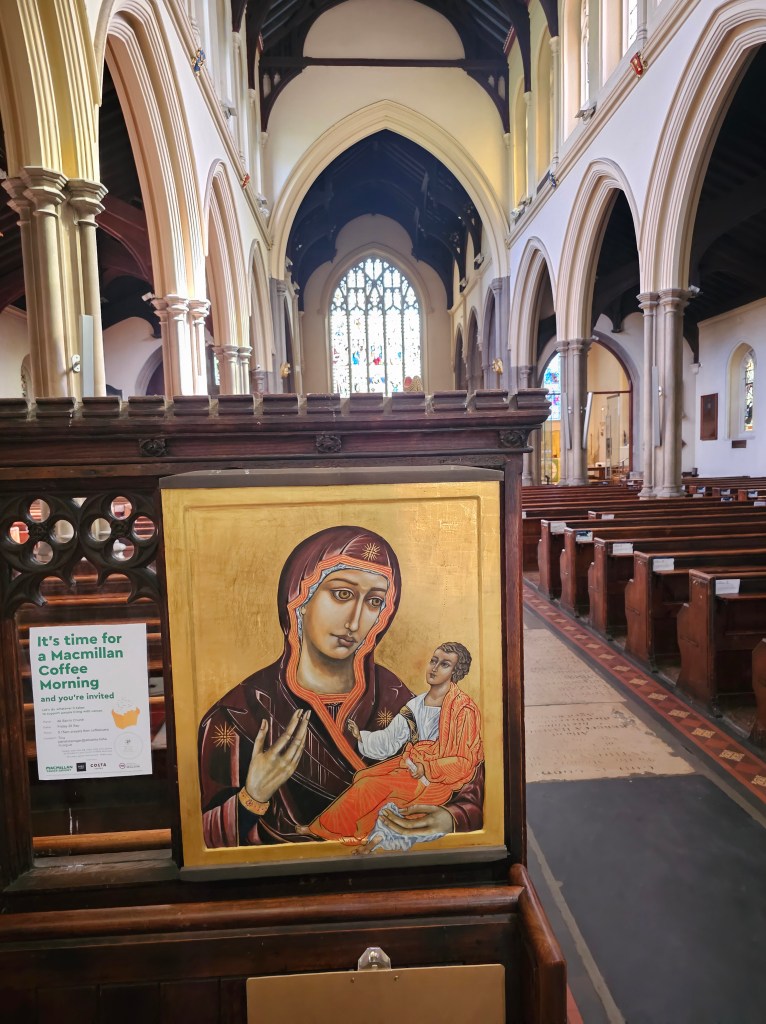
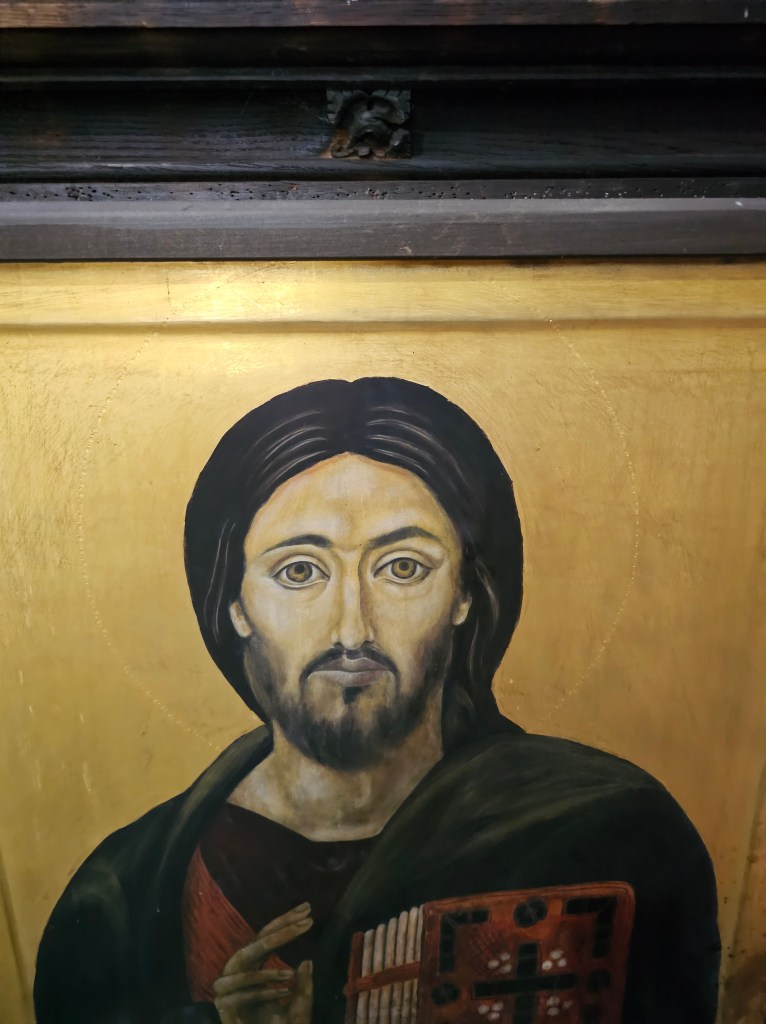
When I entered the church, I noticed a young man standing near the front admiring, I thought, a painting of an icon. One often sees icons in Roman Catholic and Anglican churches, though they are not generally associated with these faith traditions. I noticed though that young man also seemed to be praying before the icon using postures that I associate with the Orthodox Christian traditions. As I walked around the church, I noticed that there were multiple icons set throughout the worship space, see the bottom left painting to the left of the baptismal font, for example. As I was walking out into the foyer of the church I finally noticed that the Anglican worship community of St. Dunstan has, for many decades, shared this worship space with the Romanian Orthodox Church in London. What a wonderful way to live up to its Guild Church responsibility!
Another Red Dragon In London
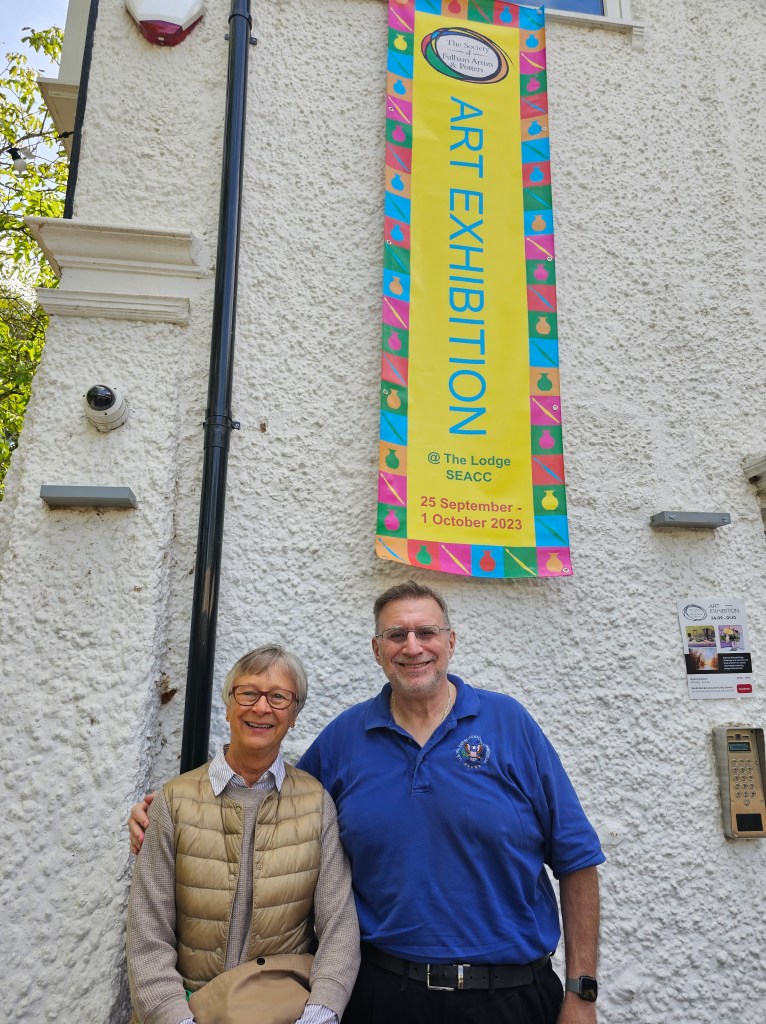
I love being the unofficial SUNY Oneonta Ambassador in London. I get the chance to visit with our alumni that are lucky enough to live here and to help out any who are visiting while I am in town. Whenever I am on my annual jaunt, I hope that my friend and classmate Madeleine will have some of her wonderful artwork on display and that she might have time for a chat. Once again, she made time in her busy schedule and I was able to see her work and some lovely pieces by other artists on display at the Sandsend Arts and Community Centre which is not too far from Craven Cottage, home of Fulham Football Club, that you may have heard me mention once or twice before. Anyway, Madeleine and I had a great catchup and walk down memory lane. Here is a photo outside the exhibition.
And since it was just a quick bus ride away from Craven Cottage, I figured I might as well visit the team store.
An Unexpected Church Visit in Bishopsgate Park (and some late Roses)
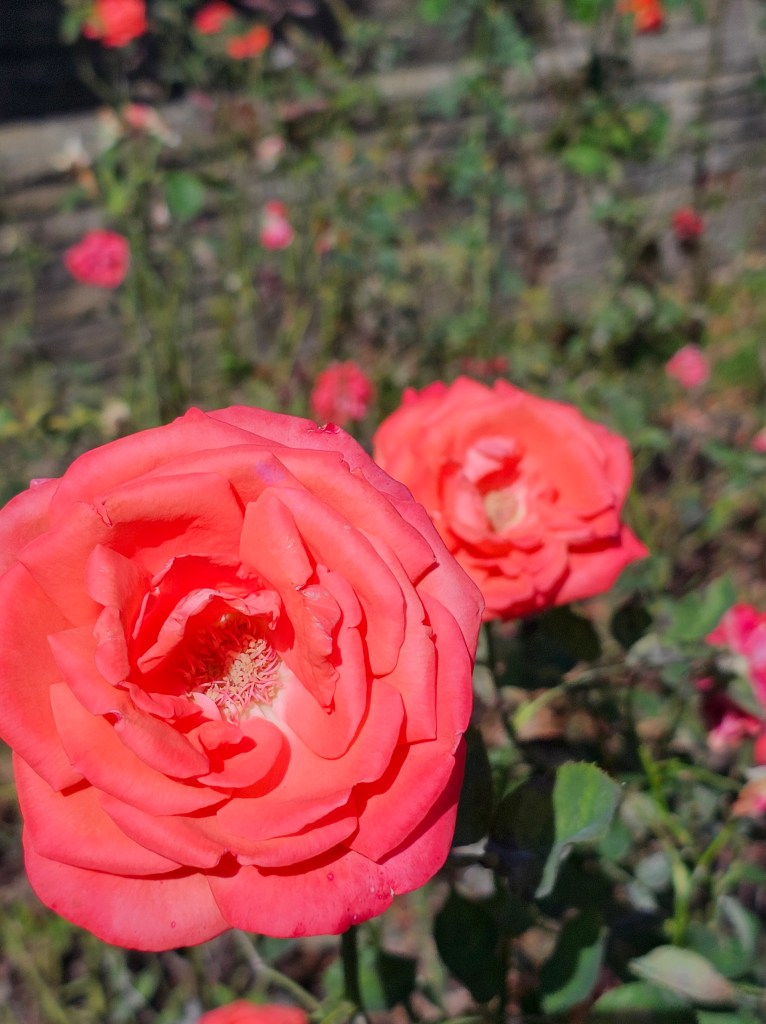
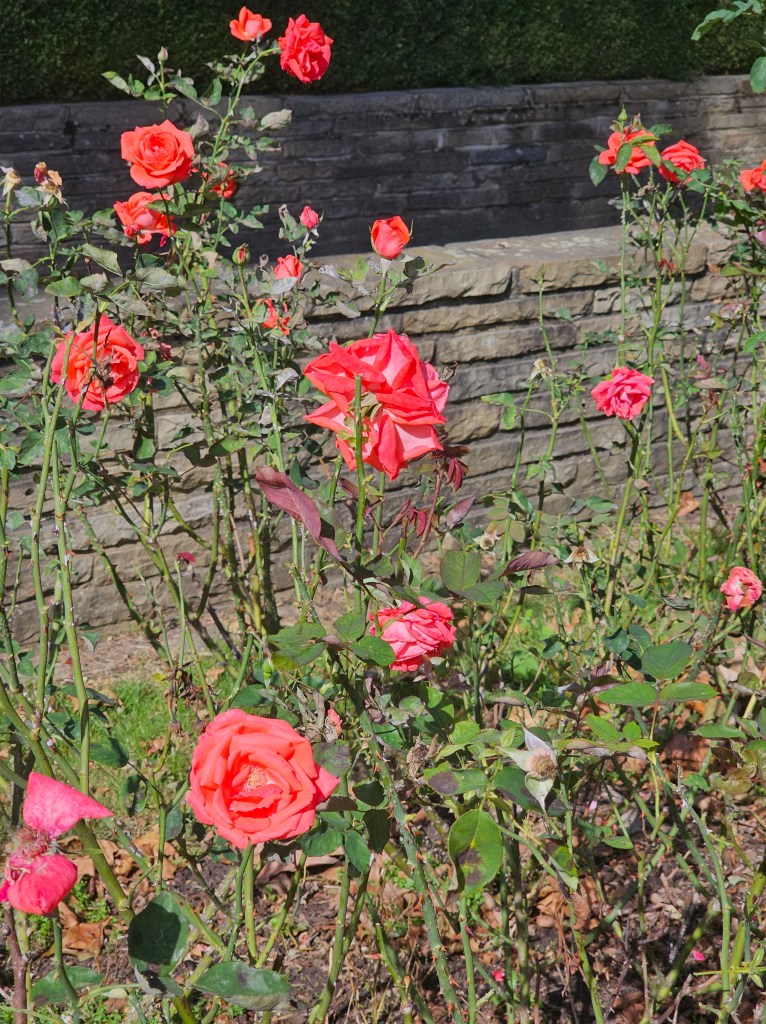
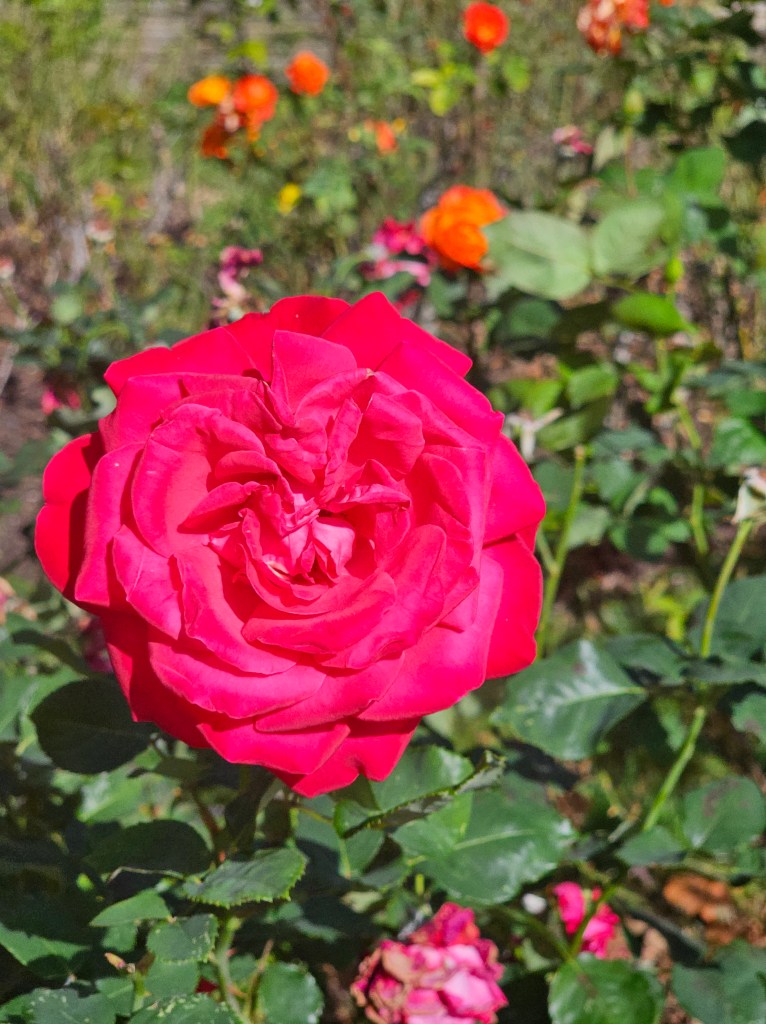
One of the many benefits of being a Fulham FC fan is having a reason to walk through the beautiful Bishopsgate Park, along the Thames to go to Craven Cottage, the team’s stadium. Besides the beautiful trees, and grass and all the dogs running and playing, there are the formal gardens where I saw these late season roses.
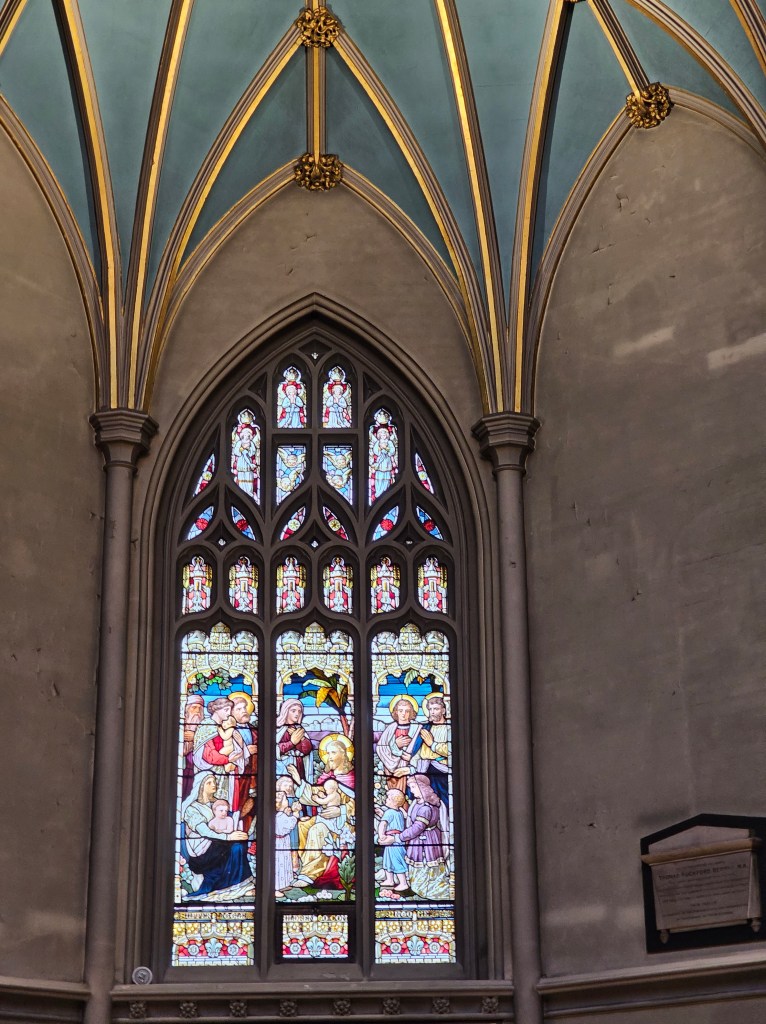
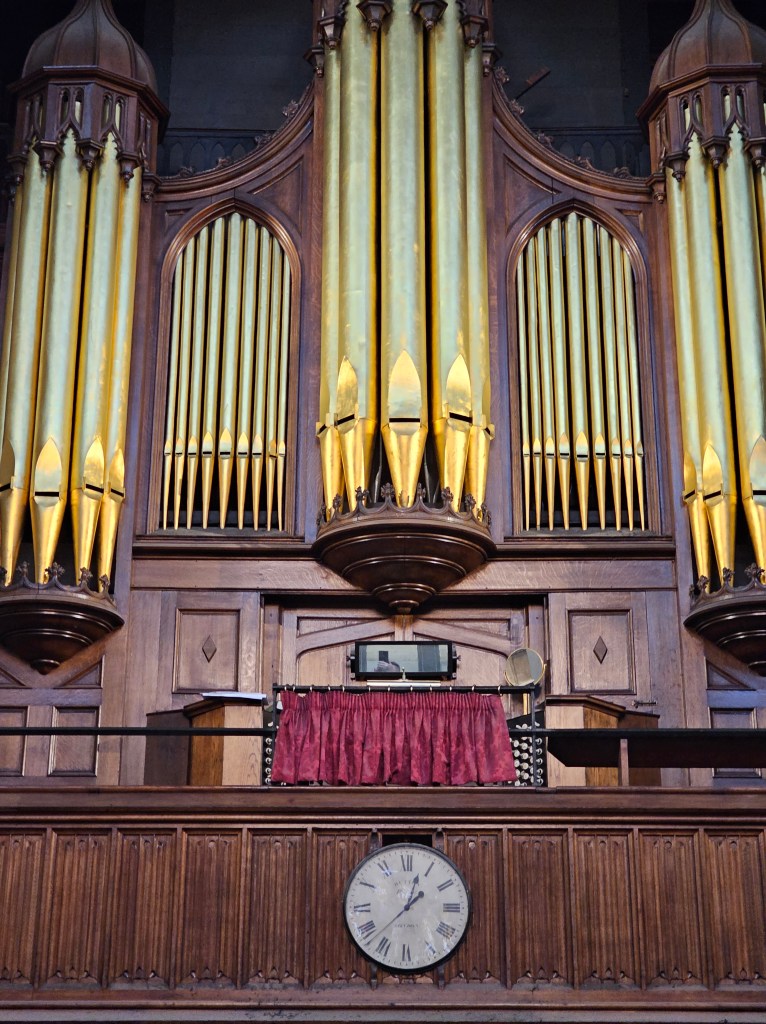
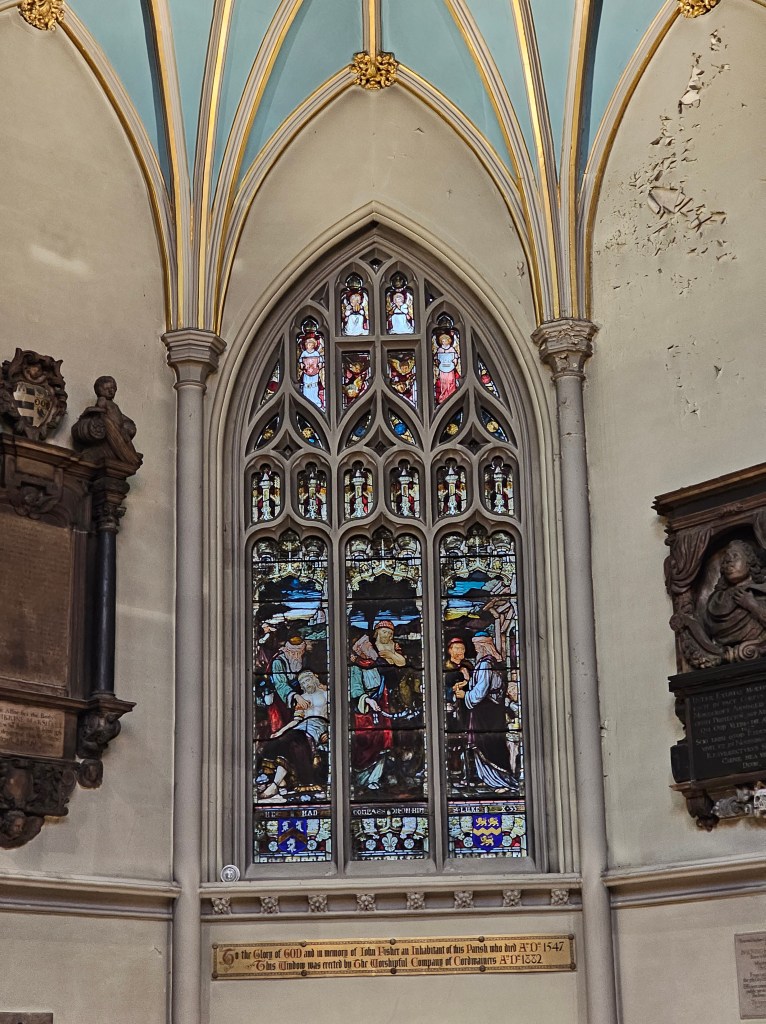
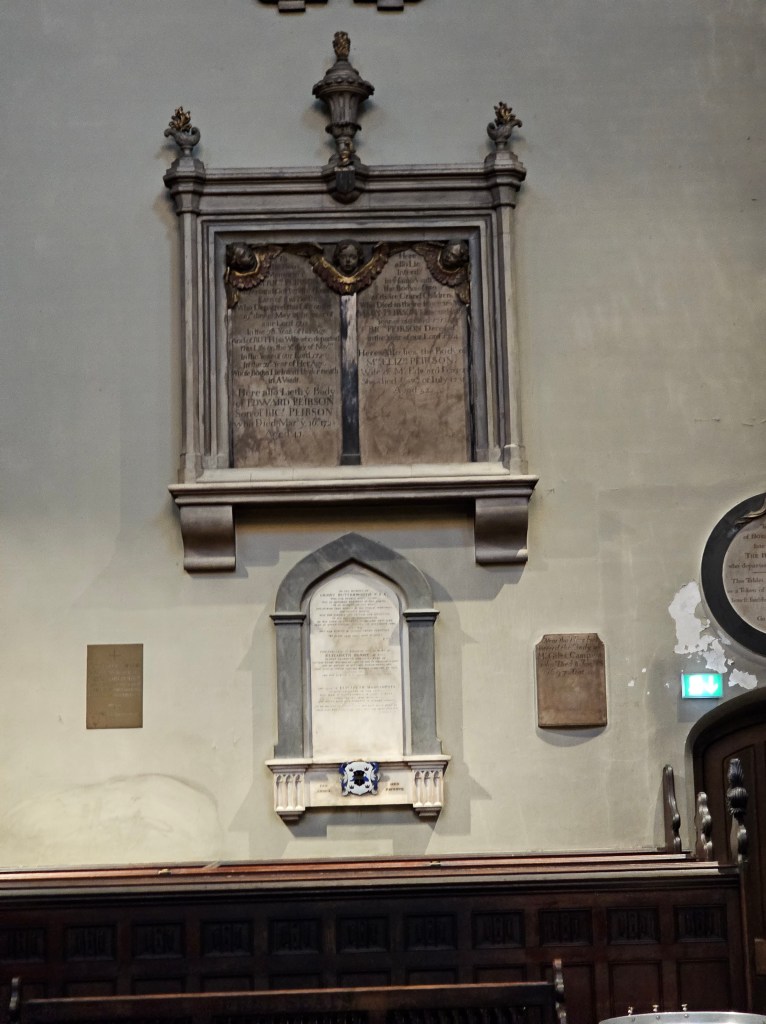
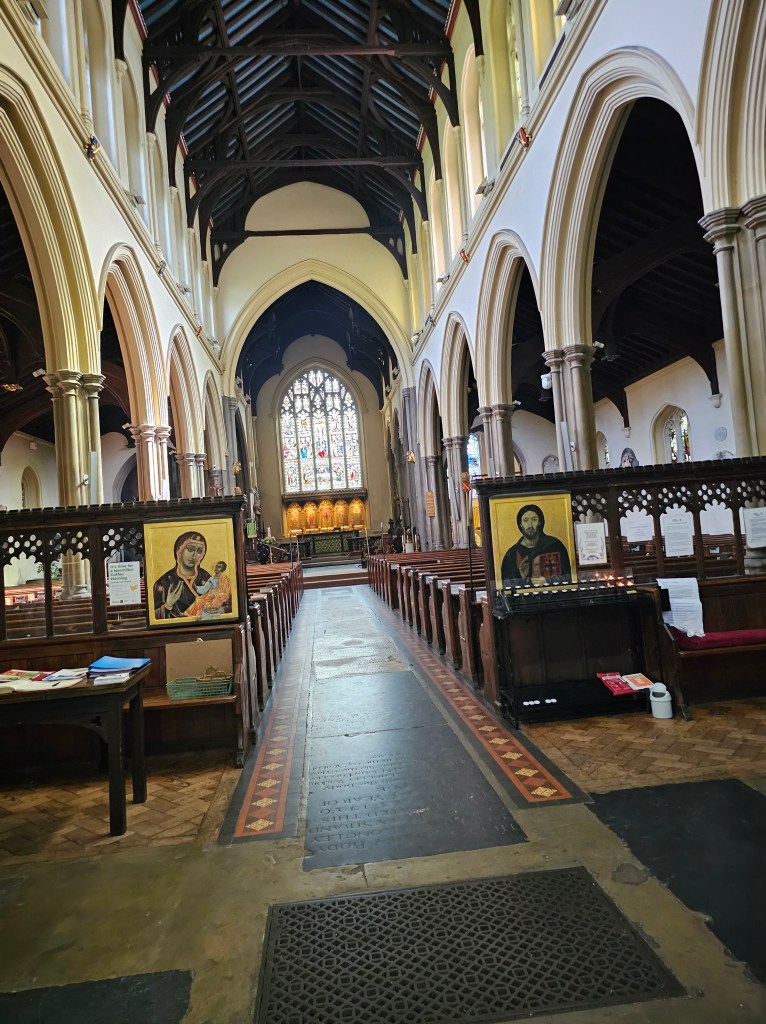
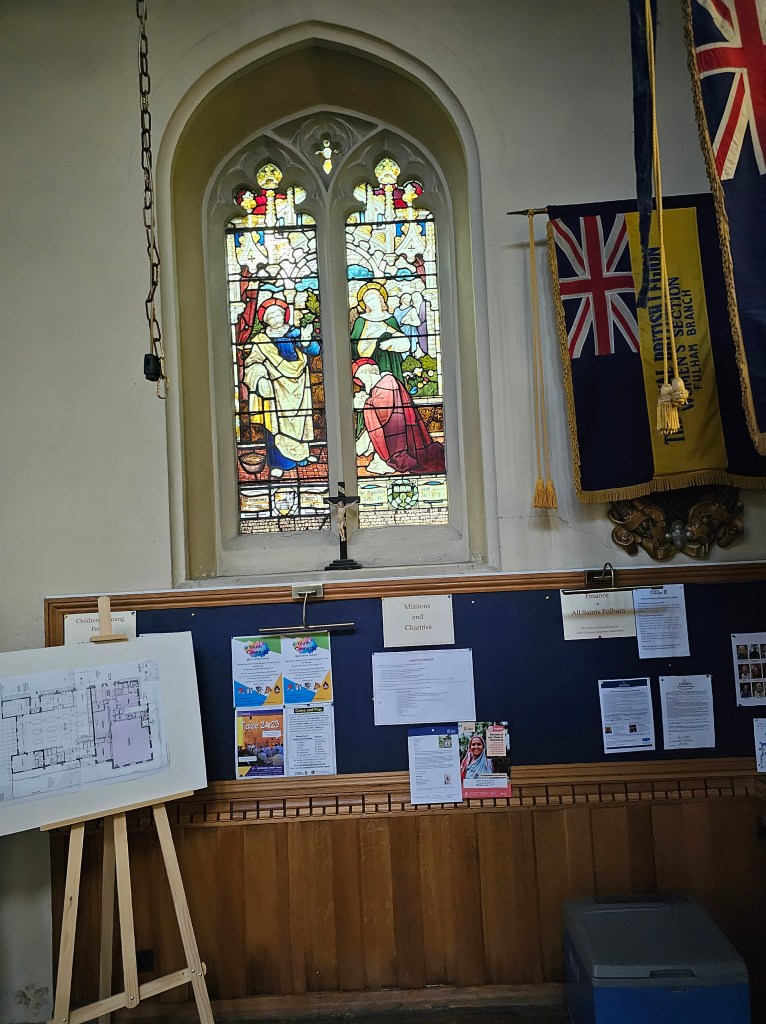
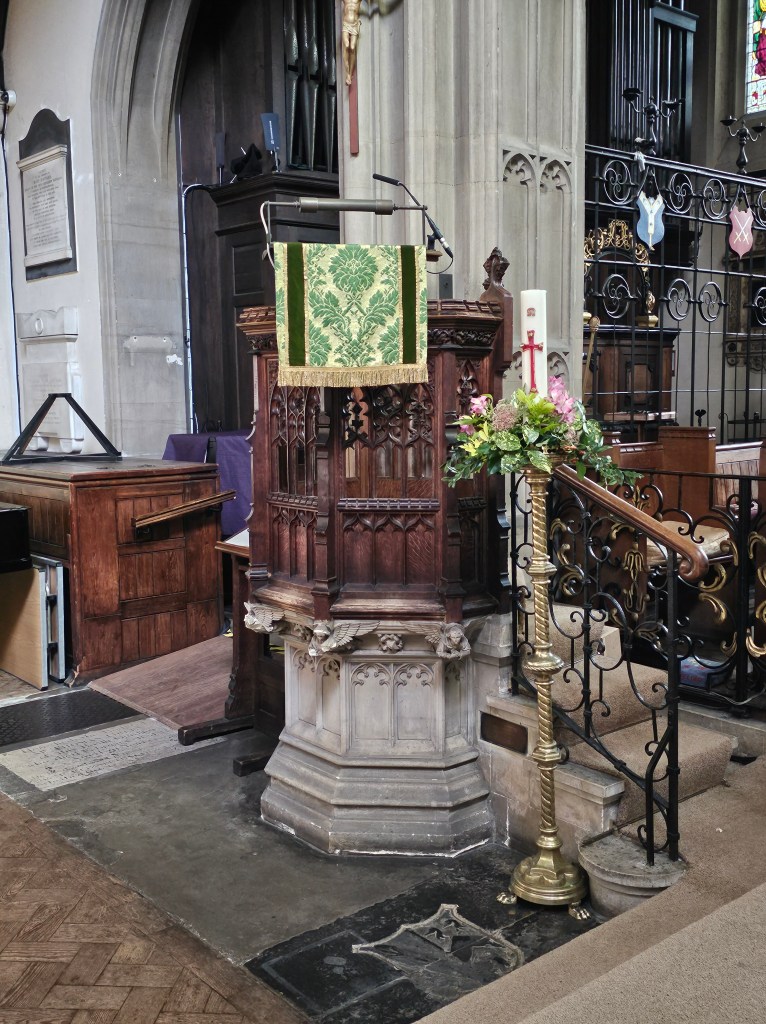
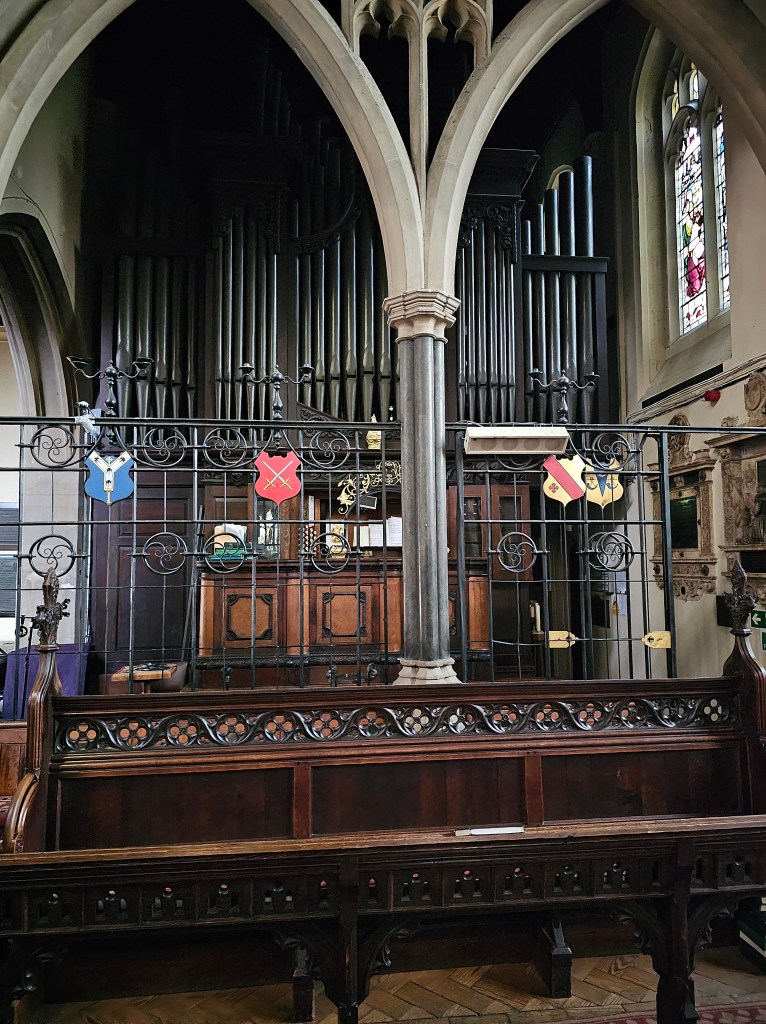
And much to my surprise, All Saints Church that sits within the grounds of the park was open for visitors. So, before heading across the park to give my legs and credit card a workout, I thought I would go inside. It is thought that there has been a church on the north side of the river around this area since Saxon times, but the earliest recorded vicar “only” goes back to 1242. The tower of a 1442 church remains but the current church replaced it in the late 1800s, though its organ was originally built in 1732 and rebuilt in 1881. It is a lovely place and, once again you will see some icons that have been added to the decor. I hope you enjoy these pictures.
Thanks for your patiences everyone. i have had “production problems along the way. I have another blog I hope to have out shortly too.
Sunday morning started to look like we might miss the predicted rain. Not that I got out into the morning sun, I had a few hours of blog work to do, so I cracked on with it…well after BBC’s “Match of the Day” ended. I had to watch until the end because Fulham was the last match covered. I had been there and
Match of the Day
wanted to see if I had made it on to the broadcast when one of the plays took place in front of my second-row seat. I did.
When I went outside, the rain had started and then stopped but I was glad to find friends Tom and Jacquie under the overhanging roof of Caffe Tropea in Russell Square Park. We were finally able to have a chat about the program I attended at the British Library about the anniversary of the coup in Chile; and to have a general catchup on what we had each been up to. We also had some fun with our neighbors at the next table who had a sweet Dalmatian puppy on his first outing after receiving all his shots.
Speaking of Shots
What a difference a year makes. Last year, getting my flu and Covid booster shots in London was something of a production. Two years ago, it had been pretty simple, a little pharmacy across the street from the barbershop I use on Lambs Conduit Street offered the flu to me for free. And, after signing up as a part year UK resident with the UK National Health Service, I made an appointment for my Covid booster at my local “GP Practice.” Last year, there were only a few pharmacies giving a limited supply of flu shots and I chased all over before finding one, virtually on my doorstep, at the Boots pharmacy branch at Saint Pancras Train Station. The Covid shots for part year residents, I learned, after many false starts on the phone and using the NHS app on the computer, were consolidated in an ancient Victorian hospital that was mostly closed. It did have a polio vaccination clinic too and a Senior Citizens facility. Oh, and it was surrounded by a high iron-barred fence, but I got the shots. This time, my GPs office told me I would have to call a special number, but the receptionist did not ask my age or really seem to know what was going on. So, once the vaccine campaign opened, I checked the NHS website and found that people “of a certain age” just had to input their NHS number and Post Code to make an appointment at the closest pharmacy. In my case that turned out to be the one on Lamb’s Condiuit Street again. So, the next day,, I was back with a bunch of folks who did the British queueing thing and got both shots.see if I had any messages on the NIH website and found that all I
Banksy!
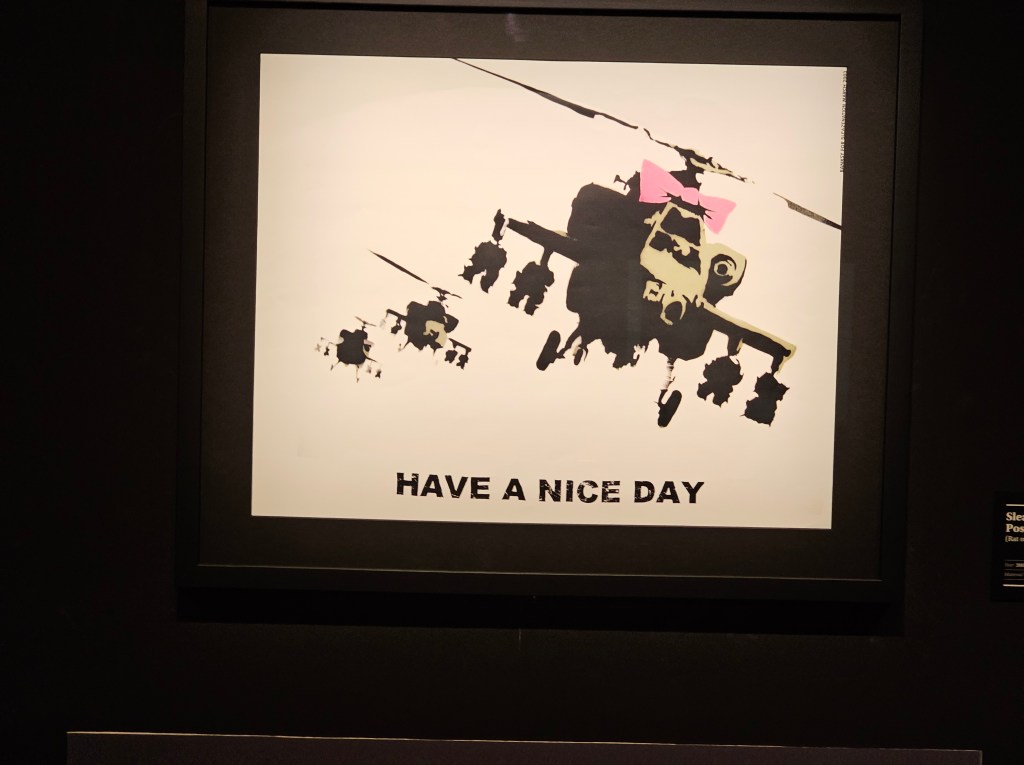
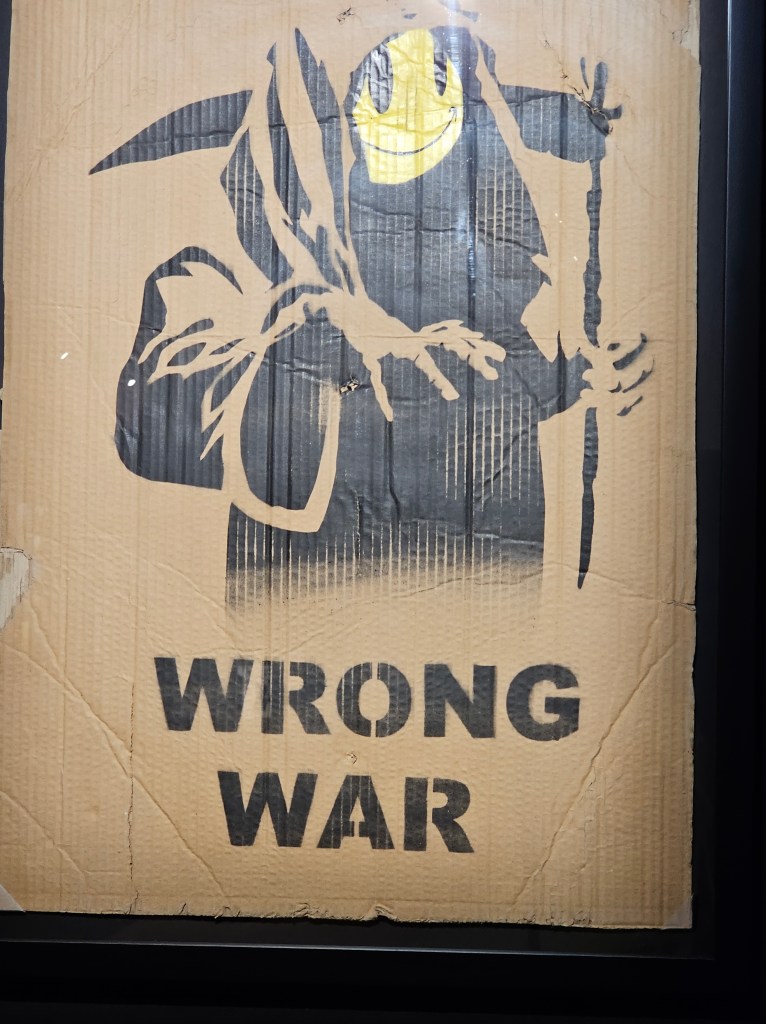
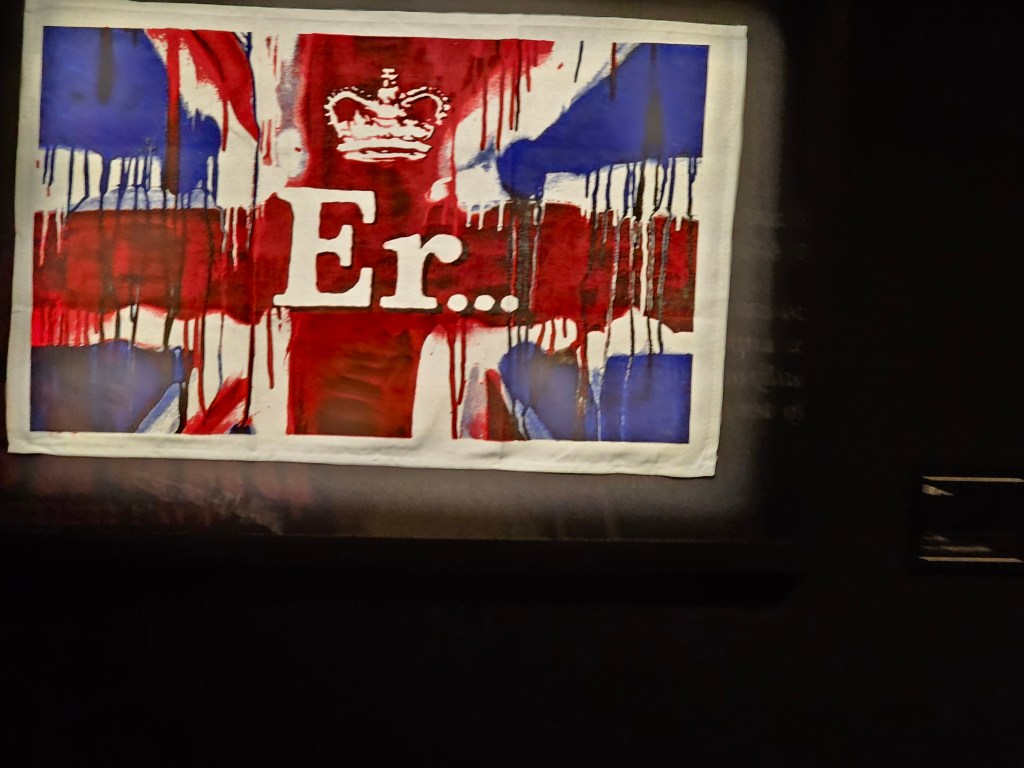
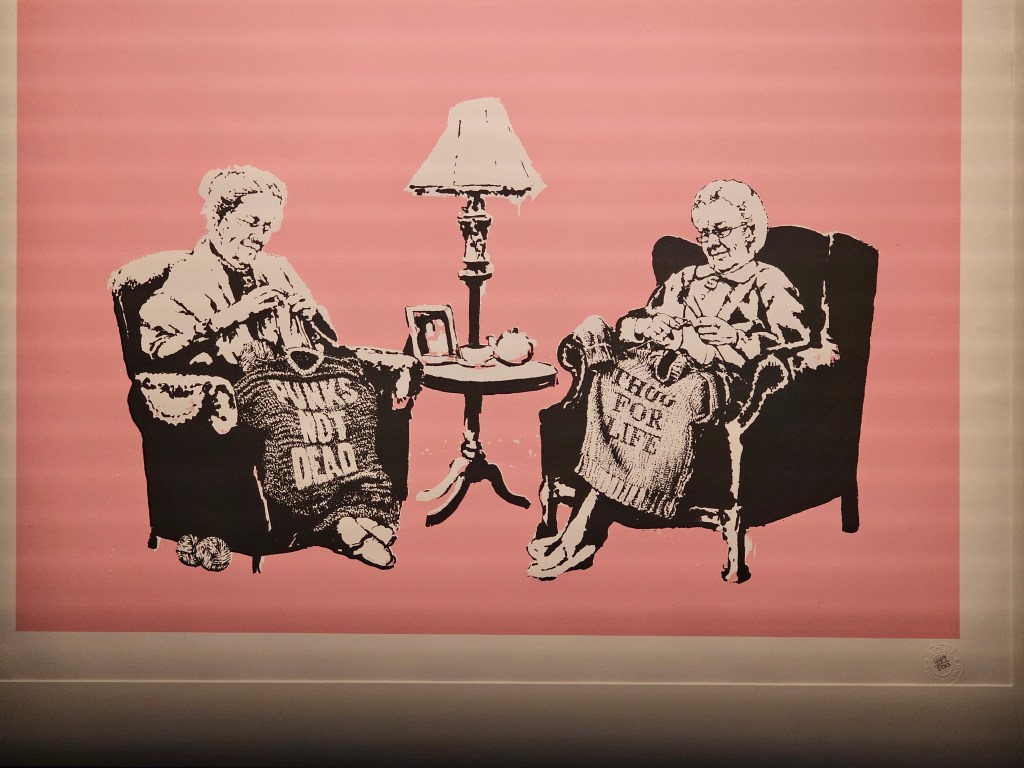
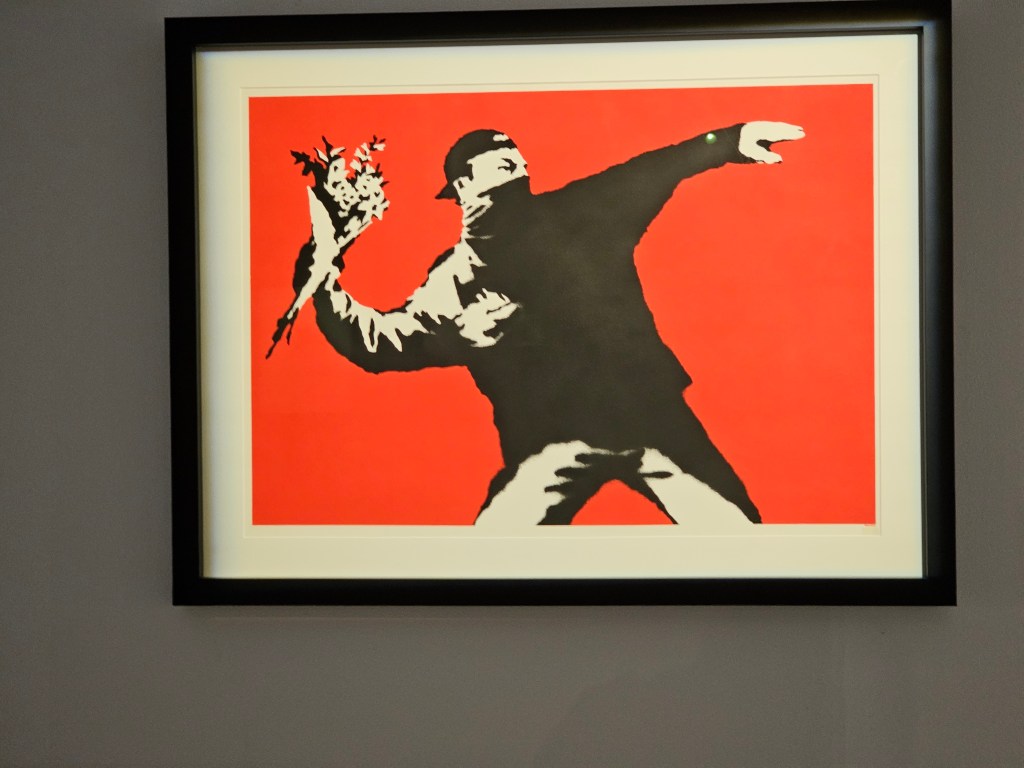
Banksy is the well-known British street/graffiti artist and political activist who has been active since around1990. His identity has never been definitively confirmed. He seems to be more popular than ever at the moment. There are several exhibitions of his art on concurrently. The one I visited on Regents Street in London is showing mostly his political art. Walking into the exhibition space, and seeing the young staff, my immediate thought was, “punk lives.” The exhibition was well-curated and thought provoking. Banksie is not partisan in any discernable way. Clearly, his beliefs are with “the people,” but he is not blinded to any one side’s ideology. He abhors war and violence as well as the unfair distribution of wealth in the world, that is clear. But his art and his anarchic ideas together make statements that I believe make him a phenomenon unlike others who worked only in the graffiti or street art arenas. For instance, when socialite Paris Hilton recorded a CD of her music, Banksy, in collaboration with Danger Mouse, before the release of the CD, replaced about 500 copies of the CD, with one that included his rewrite of the booklet and insert and a Danger Mouse remix of the music. These were placed in music stores around the UK.
Banksy Revision of Hilton Album
Below are a selection of the images shown at the exhibition.
His ironic expression on warand the exploitation of natural resourcesAnd how he perceives the choices.The House of Commons as MonkeesThe Symbols of the Crown reduced.A humorous side to aging punksPerhaps the best pacifist statement since the 60s students placing flowers in guns.
Red Dragon Lunch
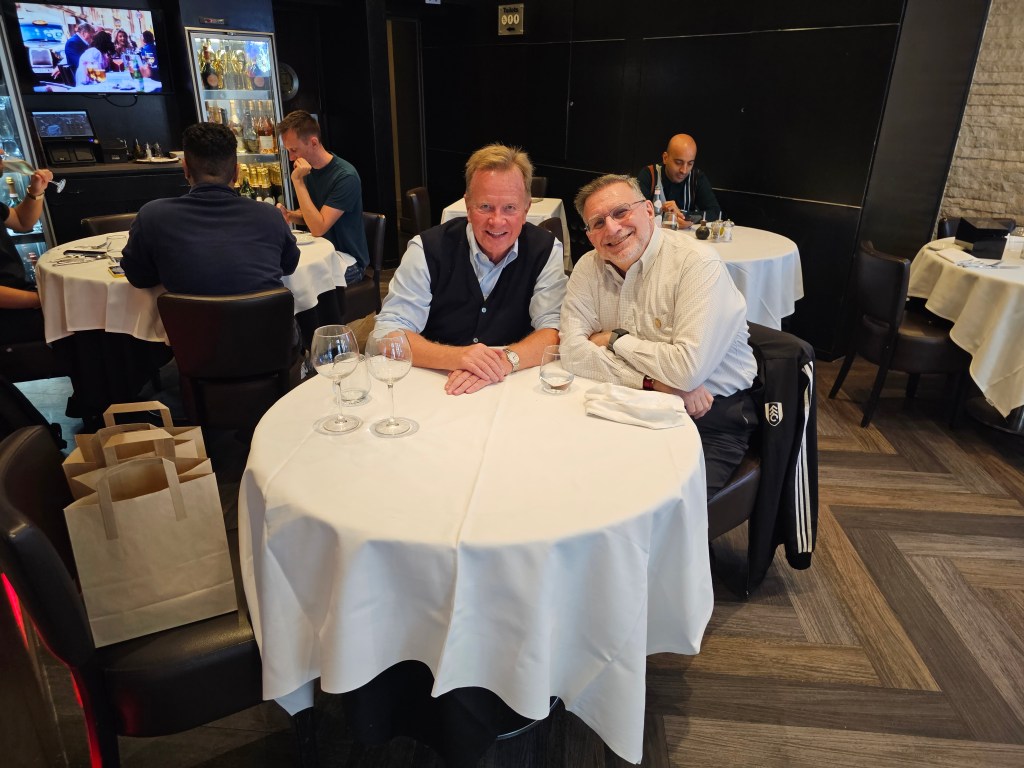
One of my great pleasures during my annual sojourn in the United Kingdom is meeting fellow alumni and sometimes current students from Oneonta University-State University of New York. One of the people I try to see when his busy schedule allows is Chairman of the Board of Frasers Group and Non-Executive Board Member of Fulham Football Club, David Daly. David was one of the players recruited by the legendary soccer coach Garth Stam to play at the then SUNY College at Oneonta during the golden era when the school played in NCAA Division I. I attended the college during those years, but Dave and I missed each other by about a year. I did have the chance to see other Stam recruits like English standouts Joe Howarth, David North, and North American Soccer League 1974 Number One Draft Pick, Farrukh Quraishi play. Dave introduced me to Fulham football several years ago and I have become a staunch fan ever since. Dave and I share a great appreciation for Oneonta University, our education and the particular character formation and life lessons we took away from that beautiful campus nestled in the upper Catskill Mountains.
We enjoyed an excellent lunch at Little Italy, a restaurant in London’s vibrant Soho neighborhood.
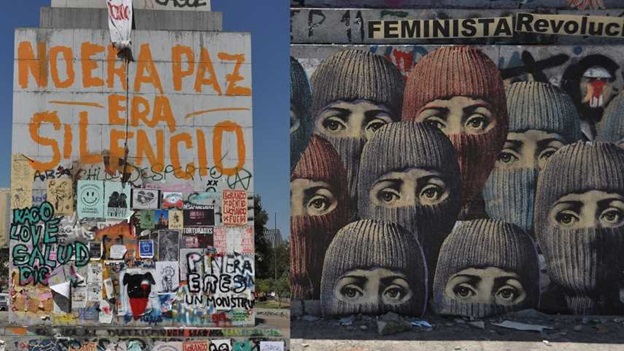
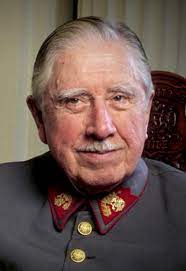
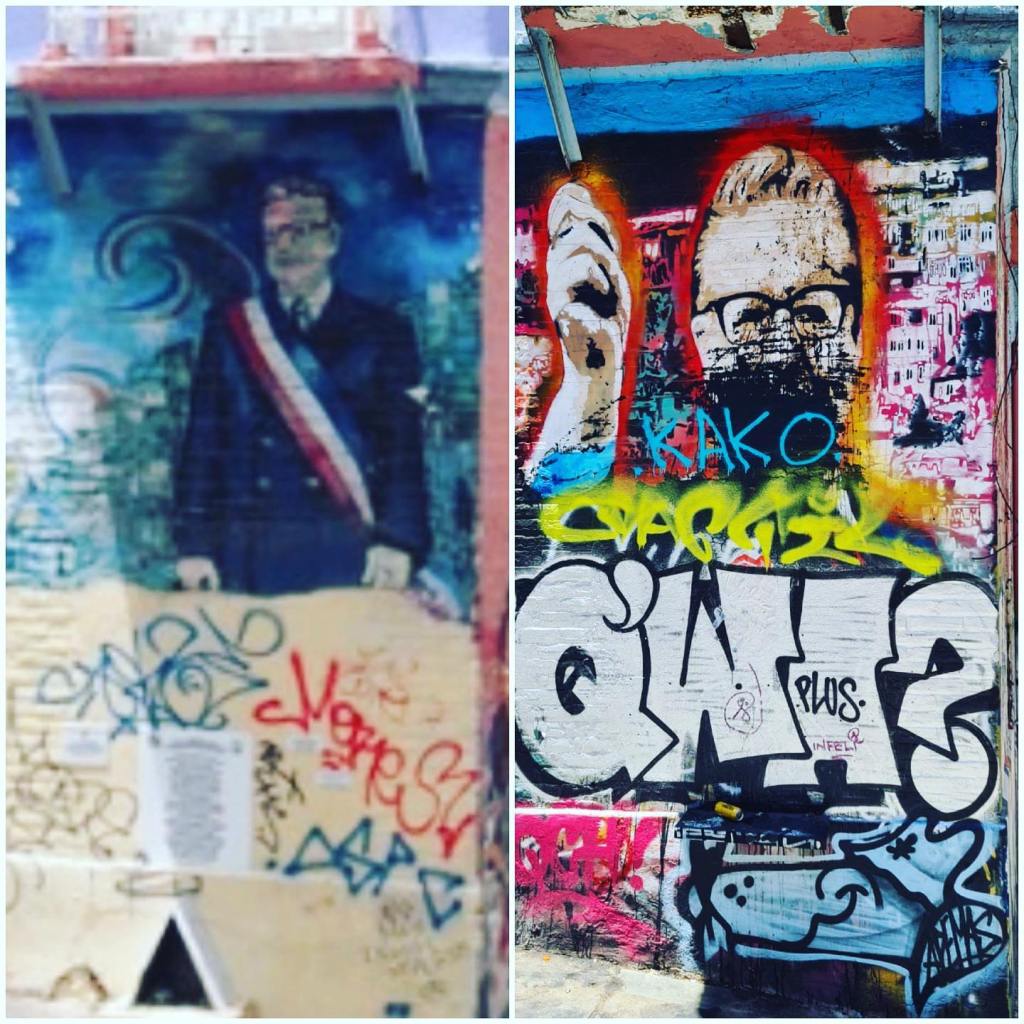
When I arrived in London, I heard about a lecture at the nearby British National Library. The lecture’s title, “Chile 50 Years After the Coup” intrigued me, so I signed up for a ticket. The weeks quickly passed, as they always do during my three-month sojourns, and I found myself in the first soaking downpour of my stay splashing my way across the Euston Road to the library one evening. Names from long ago came forward in my head Eduardo Frei, Salvador Allende, Augusto Pinochet. Orlando Letelier.
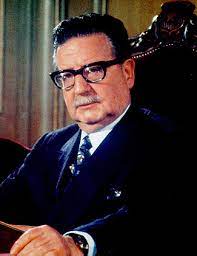
This evening’s discussion centered on the coup by Pinochet and the Chilean military that overthrew the elected socialist President Allende. The story was told completely from the view of the political left which had suffered greatly under the dictator Pinochet, including exiles, “disappearances,” murders, loss of livelihoods, etc. There was an elected Congress that had supported many of Allende’s reforms, including
AllendePinochet
nationalization of mining industries. However, the extent to which his intentions to move further from a social democracy to a communist system was not fully understood. What was known was that the poor and landless were pushing ahead of the legal reforms and outside groups, now acknowledged by the CIA, for instance, were involved in helping to destabilizing the political situation that led to the coup. The aftermath of coup, besides the repressive regime of Allende, was the growth of an underground music and artistic scene during and after the coup and then an exile culture that remains alive today. With children of the political exiles now becoming the new voices of the Chilean cultural diaspora. The wonderful Chilean historian who lead the discussion, is at least two decades my junior. It is both exciting
and daunting to see one so full of knowledge and so ready to defend her subject. The two “survivors, shall we say, were a few years my senior, I like to think and were remarkably resilient and positive in their discussion of the times of the Allende Presidency and their lives since. It was an expectedly great evening. It reminded me of my very first political science class at SUNY Oneonta during the time of Allende’s presidency. I was unable to get into any of the introductory courses and Professor Kathleen Kenney allowed me to take her course on Cuba and Chile. Our next-door neighbors in Rockville Centre, NY, for several years had been exiles from Castro’s Cuba, so I had a first-hand view of a middle-class Cuban family who had to start over in America and I was interested in learning about the developing situation in Chile where Eduardo Frei had been the President and represented a significant period of stable Presidential governance in Chile. In fact, my neighbor wrote me a letter documenting his experiences in
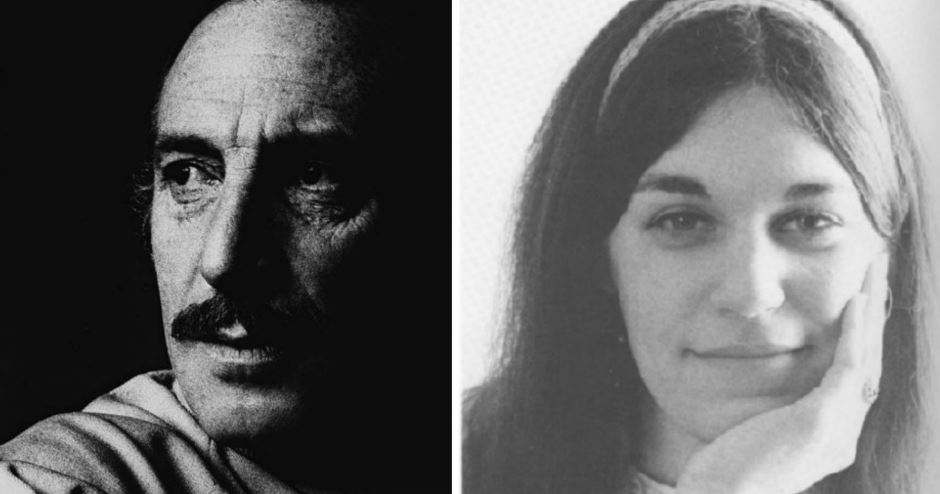
Orlando Letelier and Ronni K. Moffit-Victims of Car Bomb in Washington Ordered by Pinochet
Cuba and in Florida when the Family started over. It was helpful to me in that college class.
A few years later, after the coup in Chile, Orlando Letelier, the exiled Chilean Ambassador to Washington during the Allende presidency, and his associate Ronni Karpen Moffitt were killed in a car-bombing in Washington, DC, where I was attending graduate school. A colleague in the office where I was serving an internship, was a friend of Ambassador Letelier and spoke very highly of him. The murders were traced back to Pinochet. And so, a cycle of history and events in my own life sort of came full circle with the presentation at the library. As an American living through these years where we are a nation divided with such different views on what our national values are and to whom (a person) or what (the Constitution) we owe allegiance, I look back on Cuba, Chile, and look at Ukraine and Russia. I hope our great experiment with democracy survives and that we do not sink into the chaos of authoritarianism that so many nations have faced. Now on to happier topics.
A Night Out With James
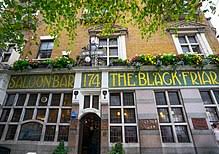
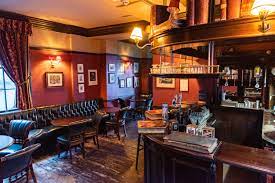
Regular readers may be familiar with tales of my friendship with the Grant family. This started with Nigel and Gwynne and bloomed to include much of their family. A particularly warm friendship has grown between their son James and me who enjoy many of the same kinds of pursuits, one of which is drinking good ales in interesting pubs as we argue the finer points of politics, environmental policy, housing, and immigration (I know, right, a couple wild and crazy guys). This trip started at the Black Friar.
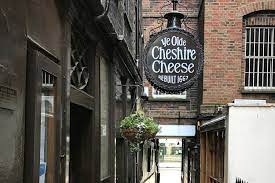
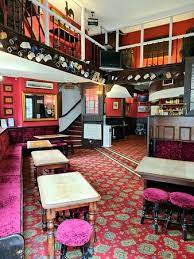
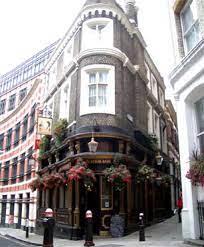
The pub is across the street from Black Friars Tube Station which gave me a chance to try the Thameslink rail service to Black Friars, saving much time from the comparable tube journey. Unfortunately, Thursday is the new Friday for the Tuesday, Wednesday, Thursday office workers (TWT ), known by a crude acronym with an “A” strategically placed between the ‘w’ and the second ‘t,’ according to my barber. So, the place was heaving with drinkers and we moved on, checking out several places locally, before James braved the crowd in “Ye Olde Cheshire Cheese and found us a small table in the cellar bar. It is a place we had met at
on one of our first drinking excursions, to use a phrase from the late great Jesse Winchester, “as somewhat younger men.” After a pint an James explaining to me the latest permutations in the world of cricket and how cricket can be seen as a paradigm for the change in the class system and the movement of wealth from the former colonial powers to the now independent colonies, we decided to head back above ground and give the Black Friar another try. It was still bursting, so we made our way a few blocks to another 19th century gem, the Cockpit. This was a smaller venue, but great for conversing and for drinking.
We finished off solving most of London’s problems and enjoying some very nice ale along the way. I am looking forward to seeing the rest of James’ family before too long.
Fulham Wins, Fulham Wins, Fulham Wins
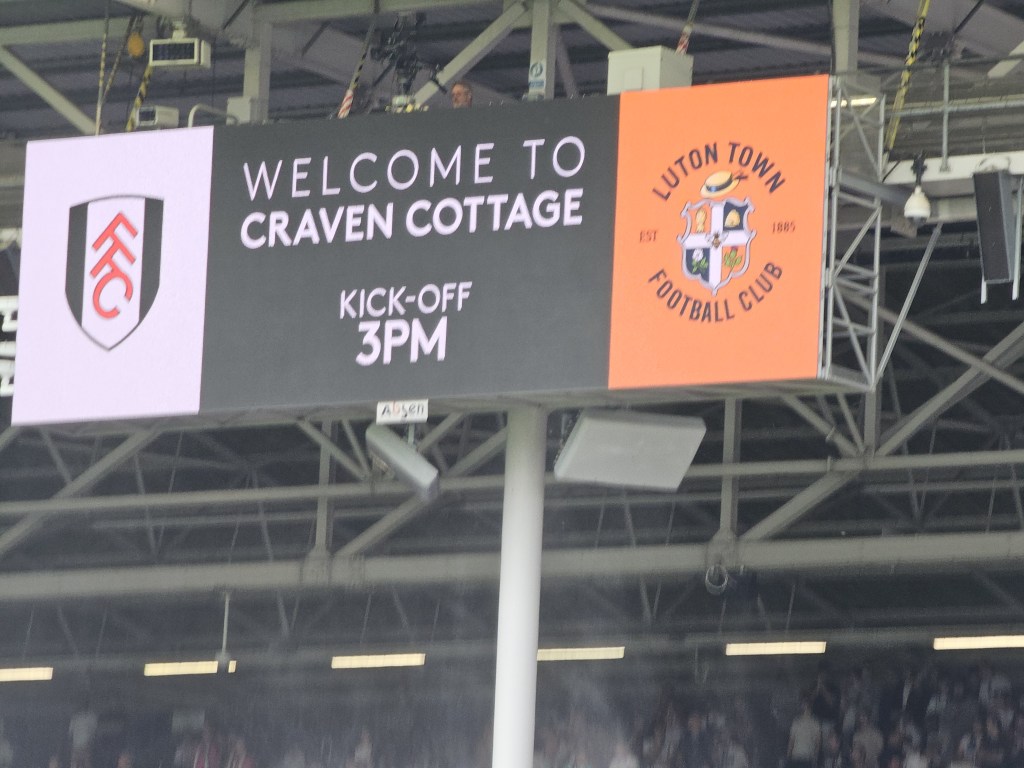
OK, it was just a 1-0 win over the newly promoted Luton Town, but it was sweet none-the-less. First, though, it was a beautiful day, in spite of the crazy Transport for London Tube closures “for essential works” that had tourists scratching their heads trying to figure out how to get to their destinations. The walk through Bishopsgate Park to get to Craven Cottage where Fulham plays was lovely. The rose gardens still looked pretty good for mid-September and there were boat races on the Thames.
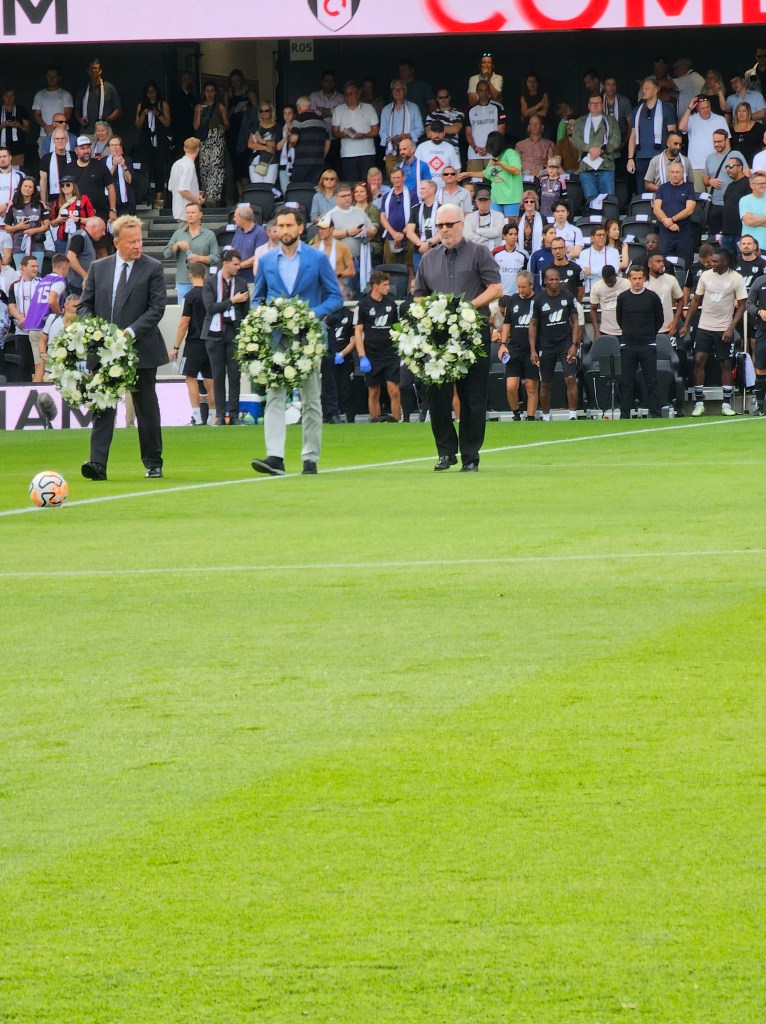
Before the match began wreaths were laid on the field by SUNY Oneonta alumnus David Daly, representing Fulham FC, one Mr. Al Fayed’s sons, and a member of the Fulham Supporters Association, honoring the late Mohammed Al Fayed who bought Fulham FC in the 90s and brought it from the 3rd division of British Football to contention. He was well loved by Fulham fans. If his name sounds familiar,
he was the father of Dodi Al Fayed who died in the car crash in paris, along with Diana, Princess of Wales. He was also the owner of Harrods Department Store in London. The wreath-laying was followed by a moment of silence.
The match was somewhat harrowing, with Fulham’s one goal not coming until the 65th minute of play. The goal was by Carlos Vinicius coming in as a substitute. 38-year-old American Tim Ream was chosen as Fulham Player of the Match.
Fulham FC presents the Fulham Forever award to players and staff who exemplify the standard of excellence that the club seeks to represent. Below, we see this week’s awardee was Paul Konchesky (right). He was escorted by Dave Daly, once again, making SUNY Oneonta proud.
Finally, below is an interesting building I saw this week while walking up to the Camden from Bloomsbury. Thought you might enjoy it.
It was once a music venue where the Beatles, the Stones and many other famous groups performed.





















 Mark In London