The Brunel Museum
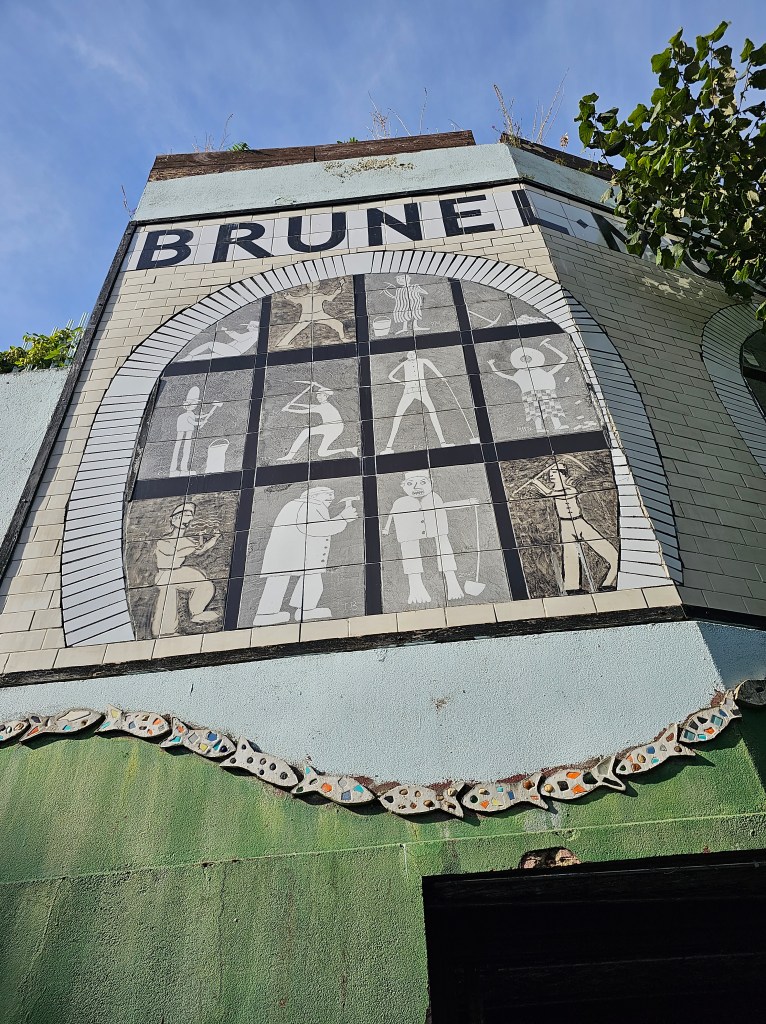
When my friends Steward and Kerry invited me to meet them at the Brunel Museum, I knew it would be an interesting day. Stewart is one of Nigel’s brothers and the extended Grant family has yet to let me down on excursions around London and the Home Counties. This journey took via the London Overground to Rotherhithe Station near the Thames to the site of the Museum that recognizes Marc Brunel’s incredible achievements of creating his tunnel shield, in affect a human tunnel version of the 20th century tunnel boring machine and the successful completion of the world’s first tunnel beneath a navigable body of water anywhere in the world. The shaft and tunnel were constructed between 1825 and 1843. Brunel’s son, Isambard Kingdom Brunel assisted in the engineering and completion of the tunnel.

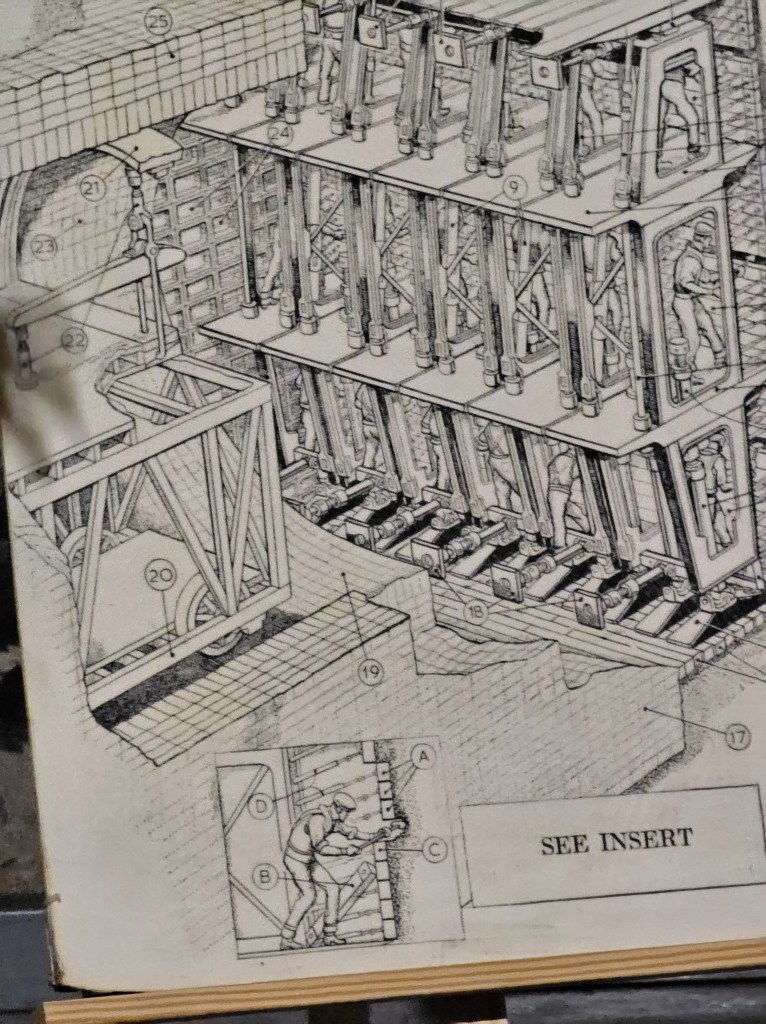
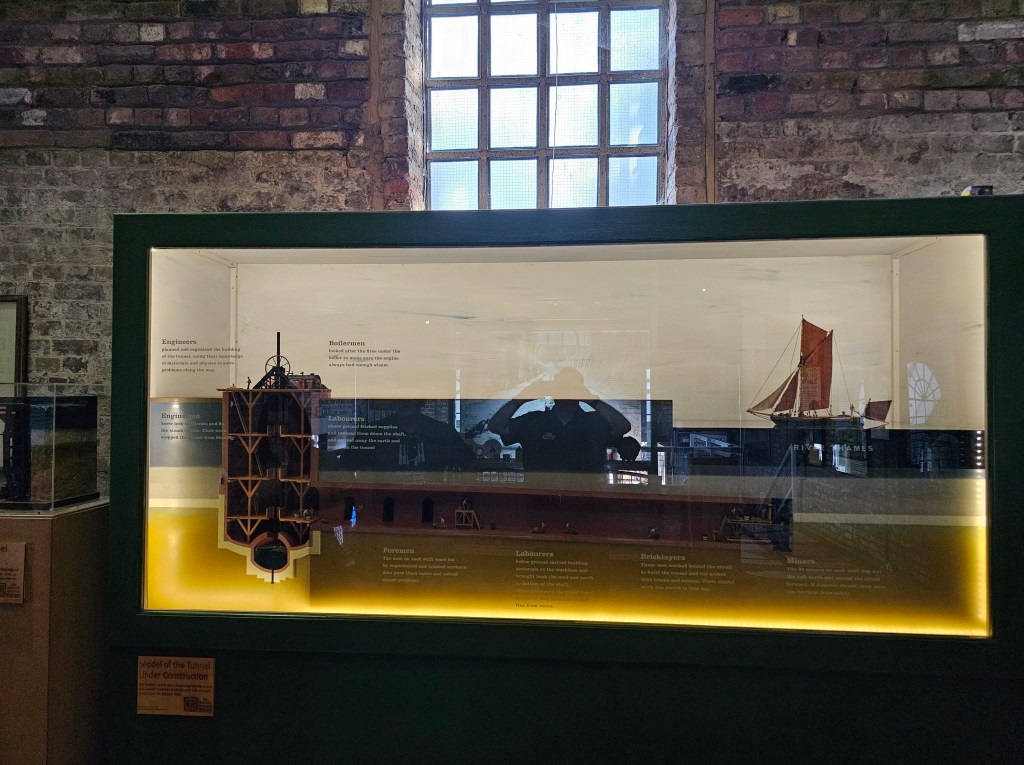
The three images above show something of the incredible engineering that went into the development of Brunel’s shield and how the miners and brick layers worked under the river to dig out the soil, build the brick walls and move forward. It is absolutely amazing that the succeeded with as few deaths and accidents as they did. Having spent a good bit of my career at the Nuclear Regulatory Commission working on a project that involved underground tunnels and geology, I “totally geeked out” during this museum tour. The tour guides were well prepared to discuss the limits of taking core samples and dealing with irregular soil depths as well as the obvious fairly limited technology in terms of breathing and maintaining a healthy environment under the Thames.
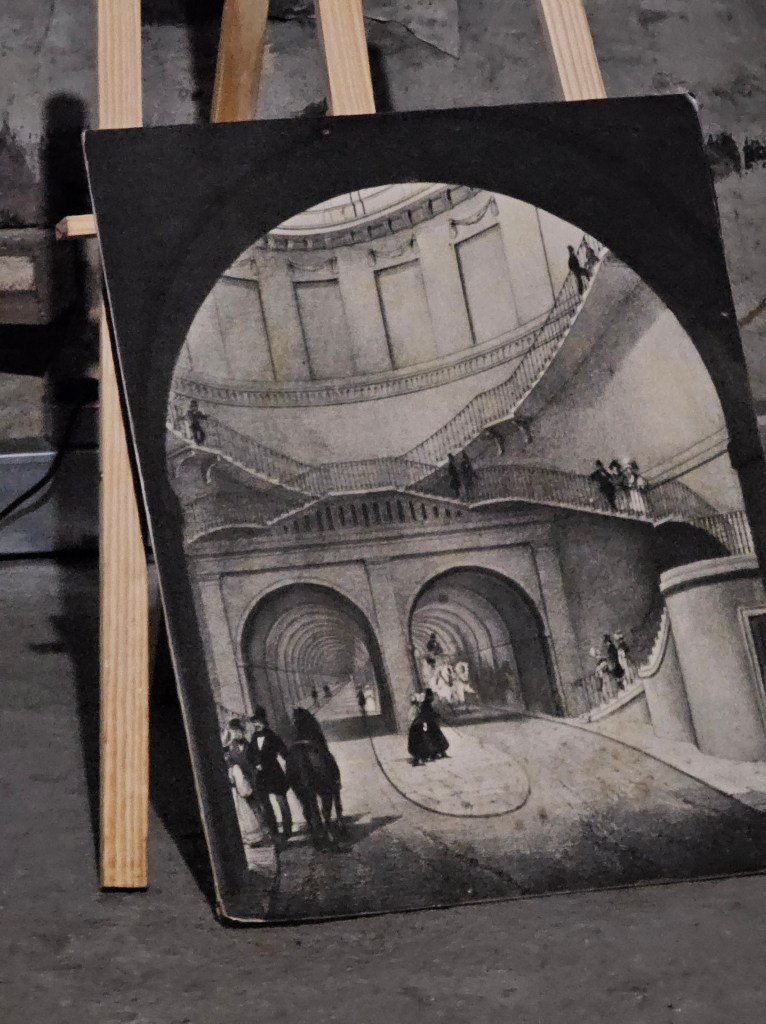
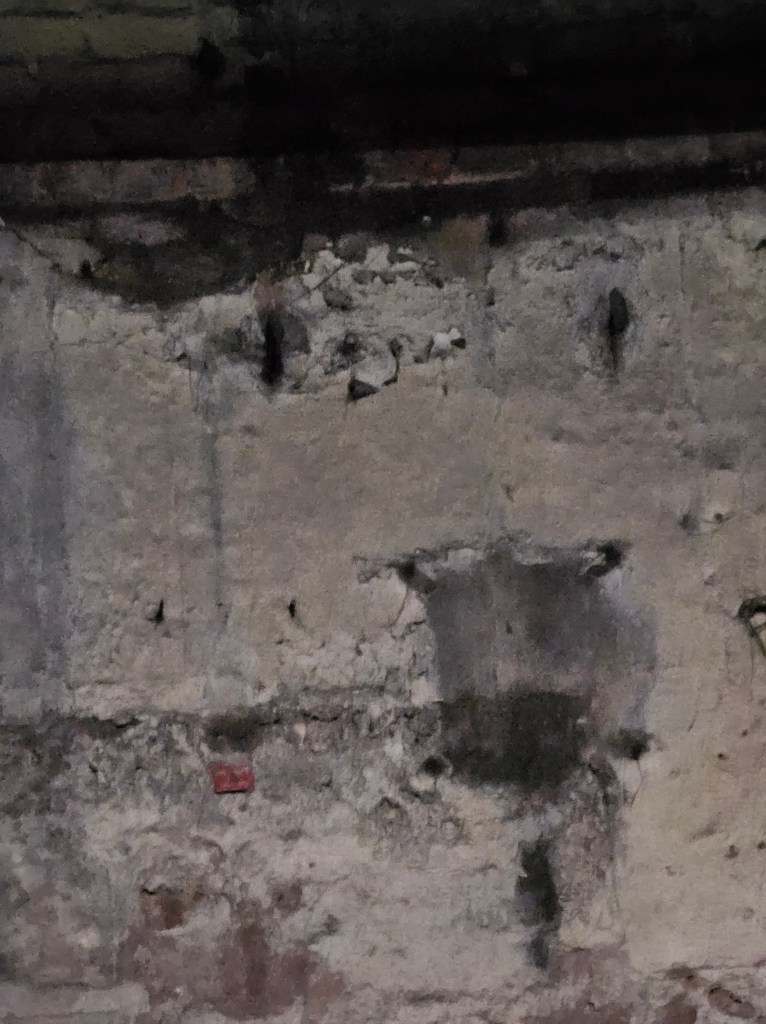
The picture on the left, above shows the completed tunnel when it was used as a pedestrian and animal crossing and the one on the right is actually from the shaft which is now used for the tour. Here you can see some of the original brickwork and this is part of one of those decorative rectangles shown at the top. The tunnel was eventually sealed from the shaft and turned into a still-used rail tunnel.
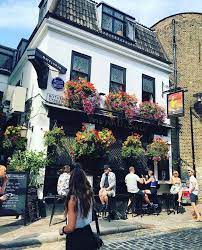
When we finished the tour, Stewart asked if there were any good places to eat nearby. The museum staff recommended “The Mayflower Pub.” It was renamed after the famous ship some years ago after a major anniversary of it’s sailing from Rotherhithe. The place was packed! We waited (hovered) for a table and I am glad we did. The food was superb. I had fish and chips. It was delicious. Here is a photo that I believe was not copyrighted.
Gorillas
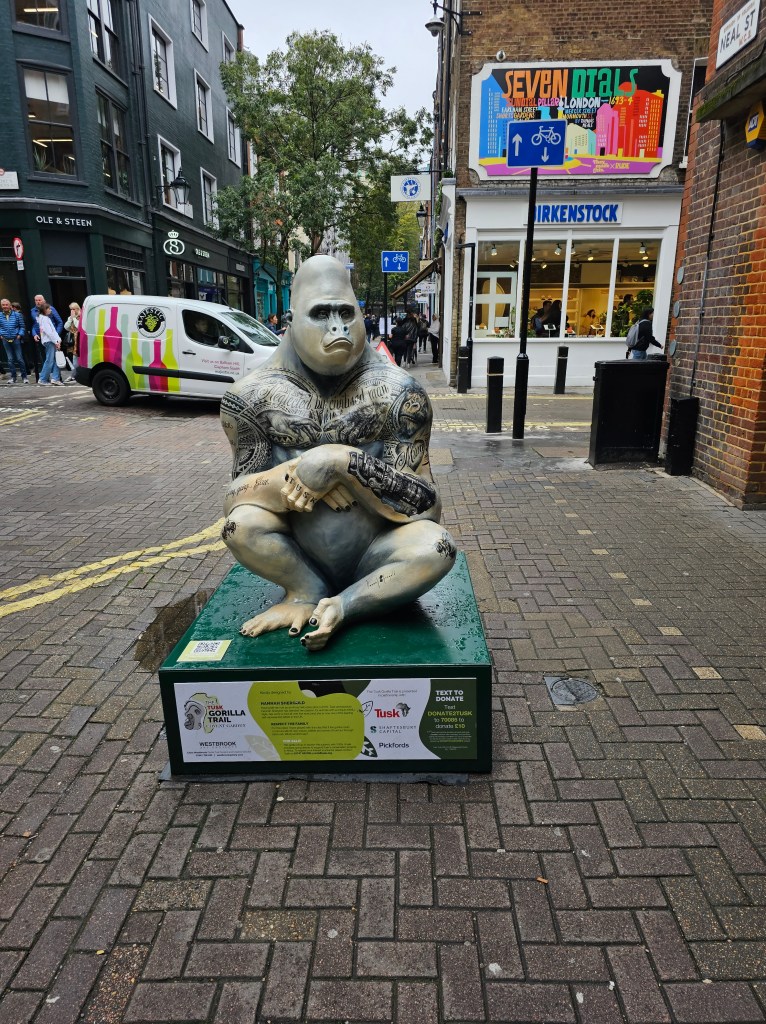
Every year of so, sculptures of one type of animal appear around London and people will often make a serious activity of hunting for all of them. I’m just happy to run into a few in my travels around town. Since my last blog, I have met these two “gorill a my dreams.”

A Record Shop
I didn’t think record shops existed anymore. Another member of the Grant family has a milestone birthday coming up. Actually there are several Grant birthdays in the offing, in addition to Miss Edie Grant’s recent celebration that I missed to go to the Brunel museum with her Great Uncle and his lovely lady. Edie’s dad, my pal in many London adventures, Rennaissance man, James, has an upcoming birthday. James and I share an interest in music, so I thought i would buy him some classic vinyl or cds for this special occasion. I was surprised to see that there were several stores offering both near Bloomsbury. When I walked into FOPP in Covent Garden, I was transported back about 30 years to a multi-story emporium of vinyl record and cds. I was delighted and overwhelmed by the selection and variety.

The Unexpected Priory
Keeping with the Grant family theme, I had twice cancelled trips down to Gillingham, Kent to visit Nigel and Gwynne Grant, but there were no train strikes on the horizon, so I made my trip without trouble and had a delightful homecooked lunch with my dear friends. After lunch Nigel asked if I was up for a visit to Aylesford Priory. To me, this meant that Nigel probably thought that this would be a great way to spend our afternoon. I knew from experience that he would most likely be right. So, I agreed.
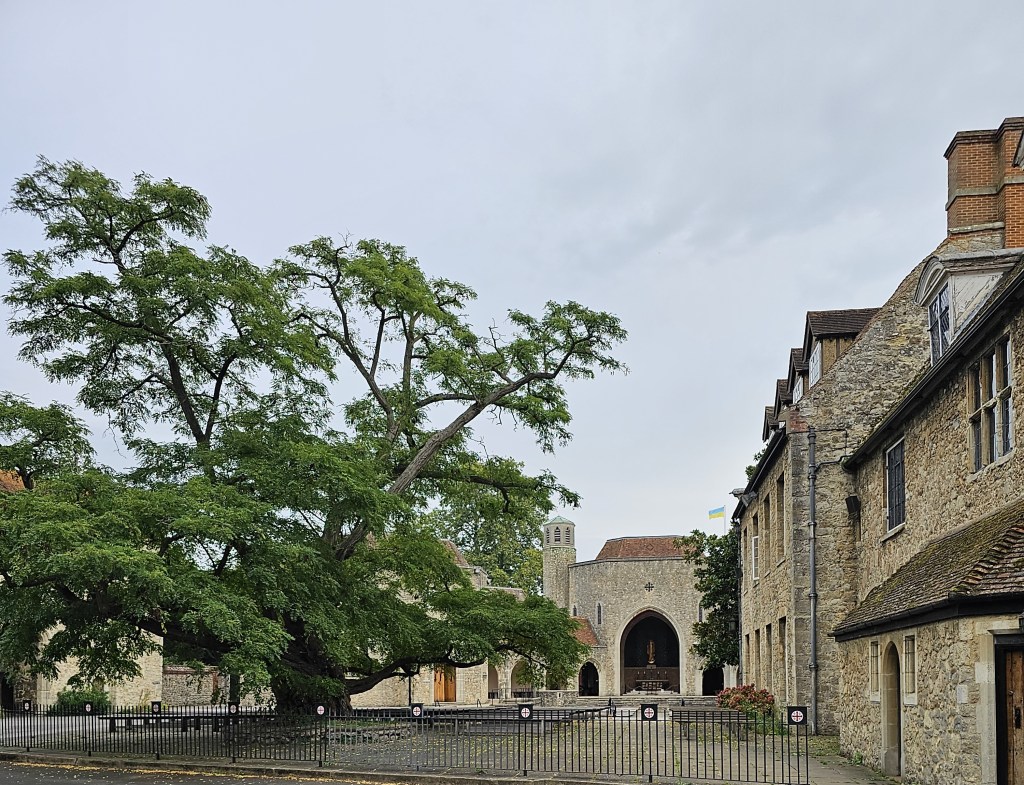
Aylesford Priory has an interesting history. It was started by the Carmelite order in the 13th Century and remained in its Maidenstone, Kent home, until King Henry VIII dissolved all the religious houses and took their resources. The Carmelites saw that the land and the manor house that had been the priors’ home was for sale in the 1940s and bought it back! They have since restored old barns and buildings and built the chapels that we see today. They have a conference center, hold retreats, have a pottery and a tea and gift shop to help support and sustain their lives of prayer and contemplation.

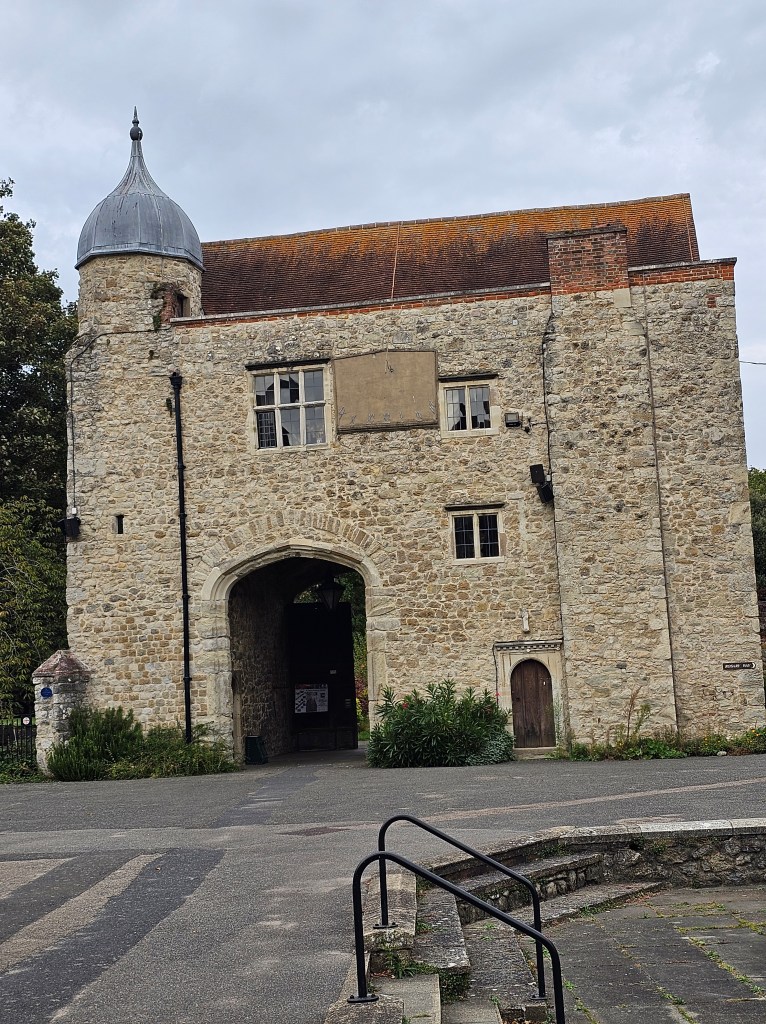
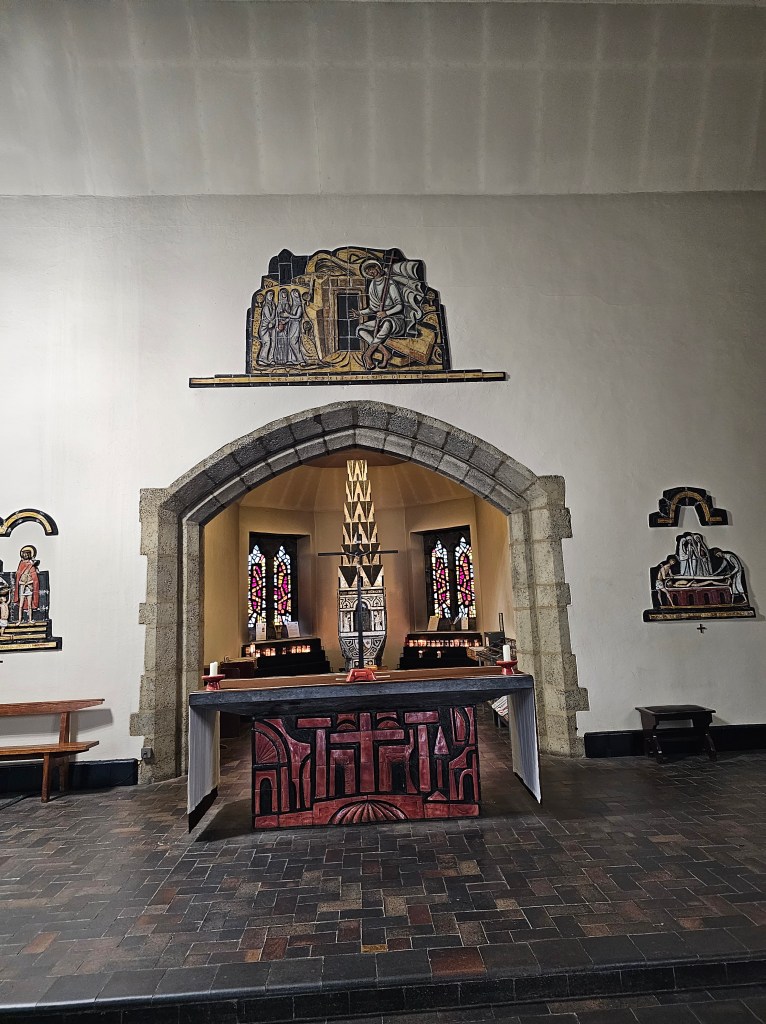

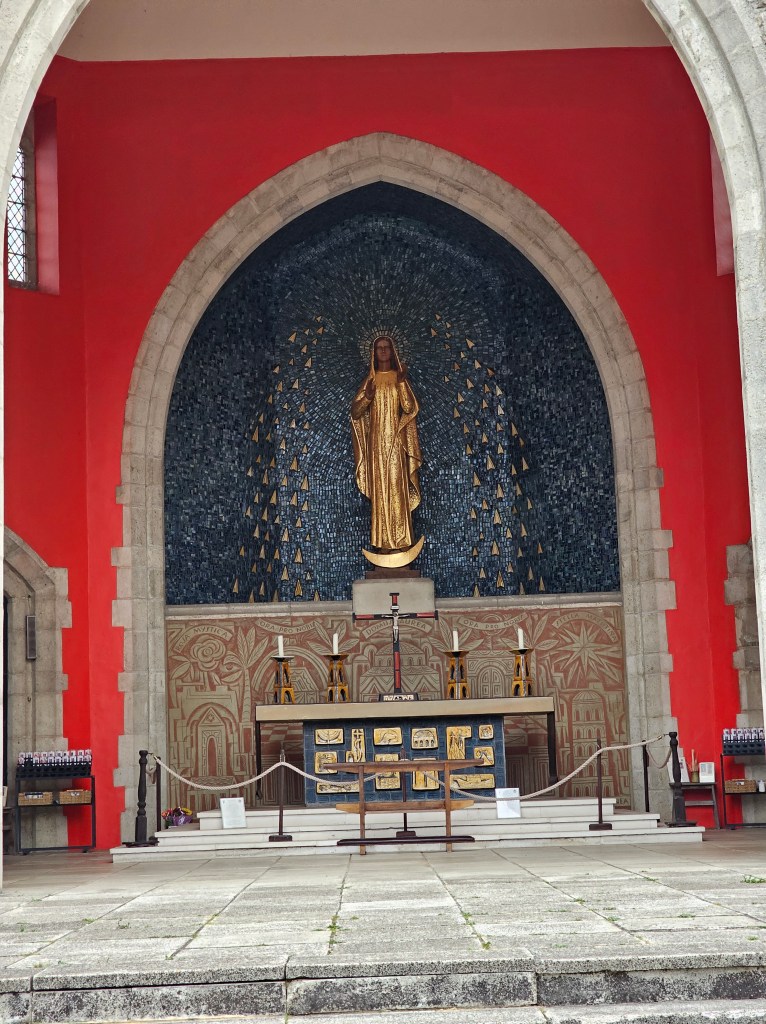
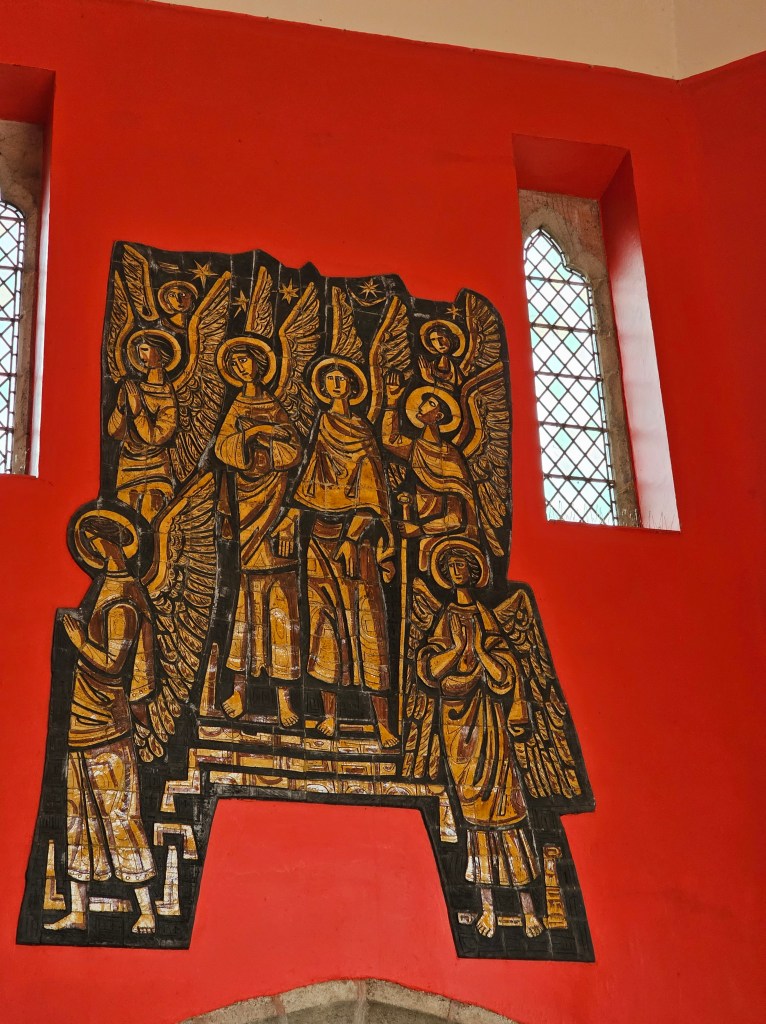
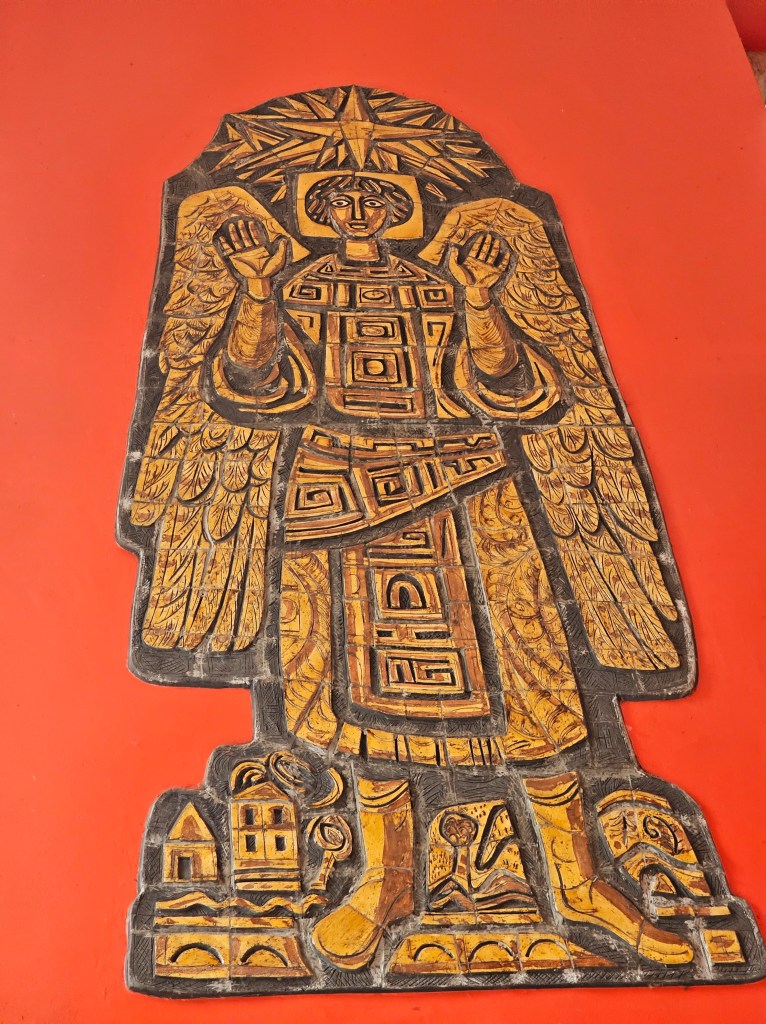
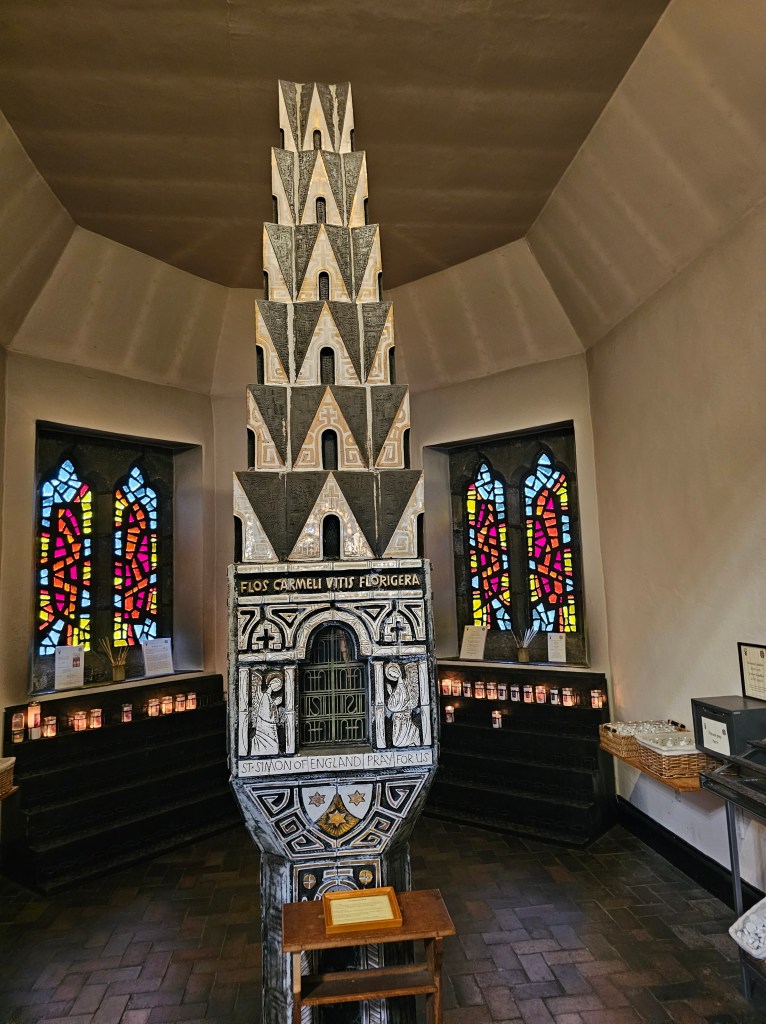
While we were walking around the chapel which was something of “a Tardis,” we noticed the reliquary (the place where a relic of a Catholic saint is kept). Shortly afterwards we met a friendly prior, coincidentally named Mark, who was originally from New Zealand. He took us back to the reliquary and turned on the interior light so that we could actually see the relic, the skull of Saint Simon Stock, a 12th Century Carmelite Monk who lived at the Priory.
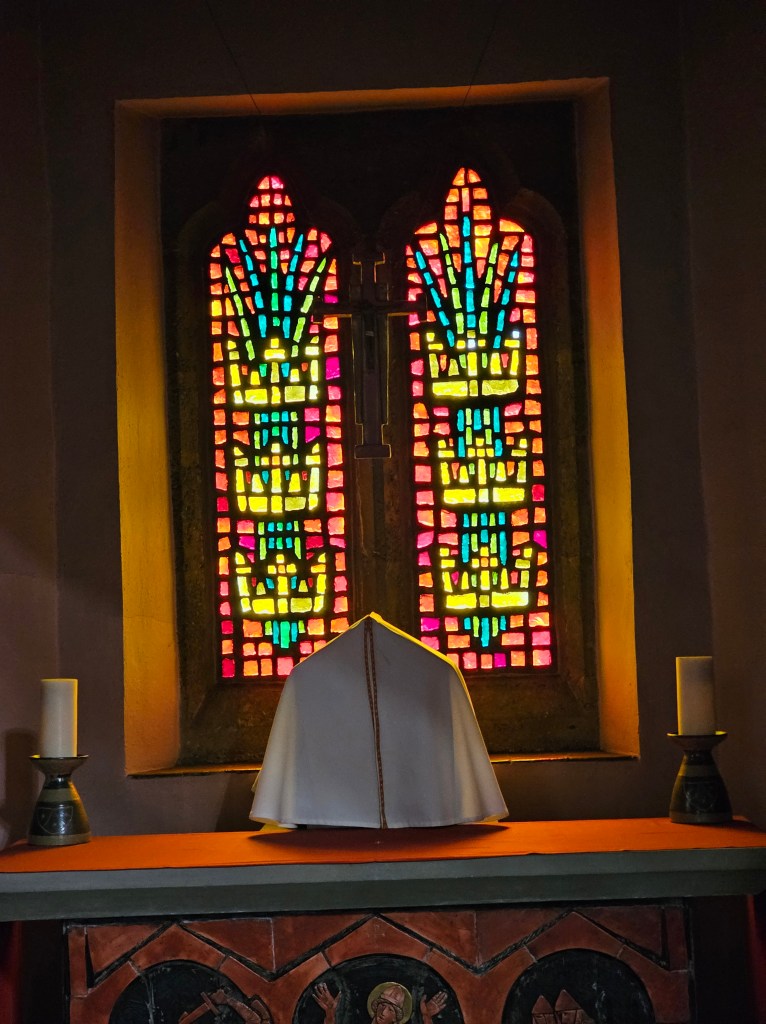
Below, three examples of modern stained-glass windows in the chapel.


Above, two examples of different styles of Stations of the Cross in the Chapel.
Next up, more music and theater!
 Mark In London