Returning to Wigmore Hall
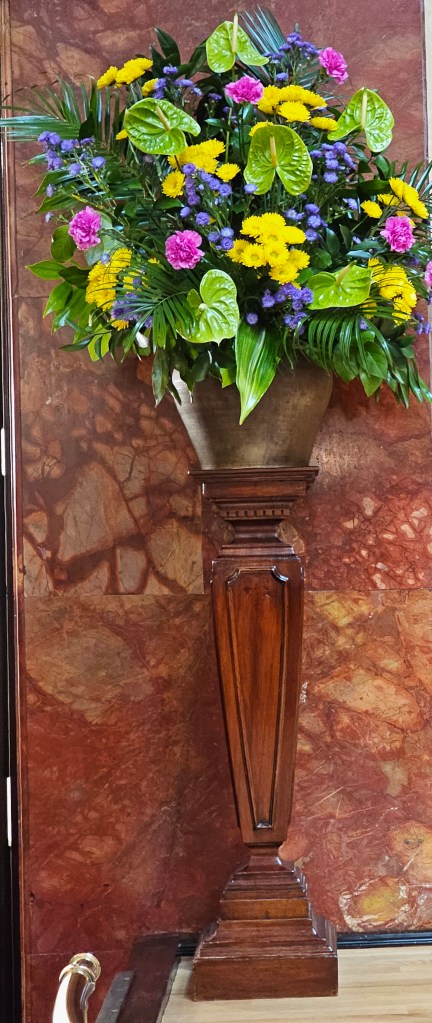
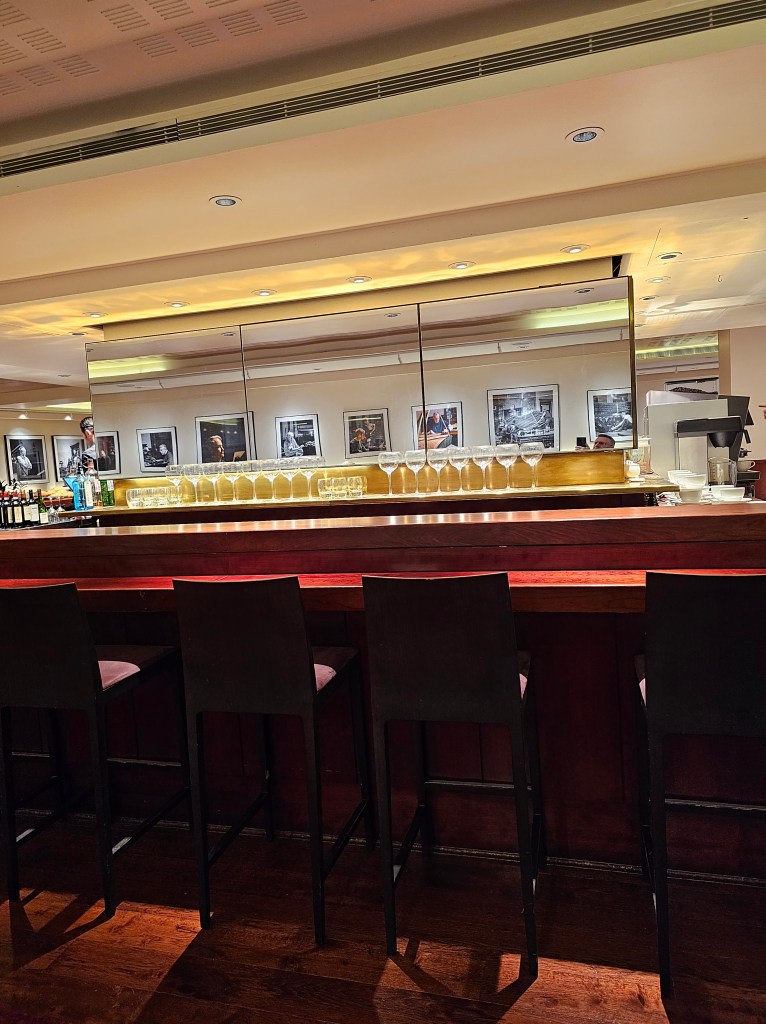
It was a splendid Sunday morning that found me back at Wigmore Hall. I arrived with plenty of time to enjoy my coffee and relax and appreciate the bar/cafe before the performance.

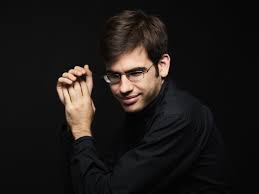
This time, it was Beethoven, Brahms and Piazzolla being performed by Maciej Kutakowski (cello) and Jean-Selim Abdelimoula (piano). Both accomplished musicians performed magnificently. The music was an interesting mix. Beethoven’s arrangement of ‘7 Variations on Bei Mannern welche Leibe fuhlen’ fro m Mozart’s Die Zauberflote WoO. 46 (1801) was a magical way to begin the morning program. In the opera, it is about the first meeting between two central characters. In this musical setting, one simply can let the mind soar with the music of two great masters and these two brilliant musicians.

Beethoven’s Cello Sonata in C Op 102 No. 1. (1816) was another lovely piece that started fast-paced and then slowed that showed the skills of the musicians, remarkable as it was written in what is known as the beginning of Beethoven’s late period. Without a significant pause, the two then continued into Brahms Cello Sonata No. 1 in E minor Op. 38, (1862-65). This piece is sometimes described as an homage to J.S. Bach which is nice, if for no other reason than it gets all three of the “B” composers into one one-hour concert.
The two artists ended with Astor Piazzolla’s rousing “Le Grand Tango (1982) that left the audience calling for more.
On a note of “it is a small world,” as I was leaving the hall, I noticed a gentleman wearing a short-sleave shirt with a logo of an Asian country’s nuclear regulatory authority and an atom, similar to the illustration below used by my former employer the U.S. Nuclear Regulatory Commission. It looked similar to the one below, which is very similar to one I have tattooed on my upper right arm. Not having a business card

with me, I rolled up my short sleeve as I introduced myself and showed him my atom and explained that I was a retired member of the US NRC staff. We shook hands and then he hurried off. The post-concert tea, coffee and sherry tends to run out fast.
Church Quest Returns
After the wonderful day of music, the week beckoned and my search for London’s historic churches returned. One that sounded interesting to me was The Guild Church of St. Dunstan in the West, located on Fleet Street in the center of the old home of London’s once busy newspaper business.
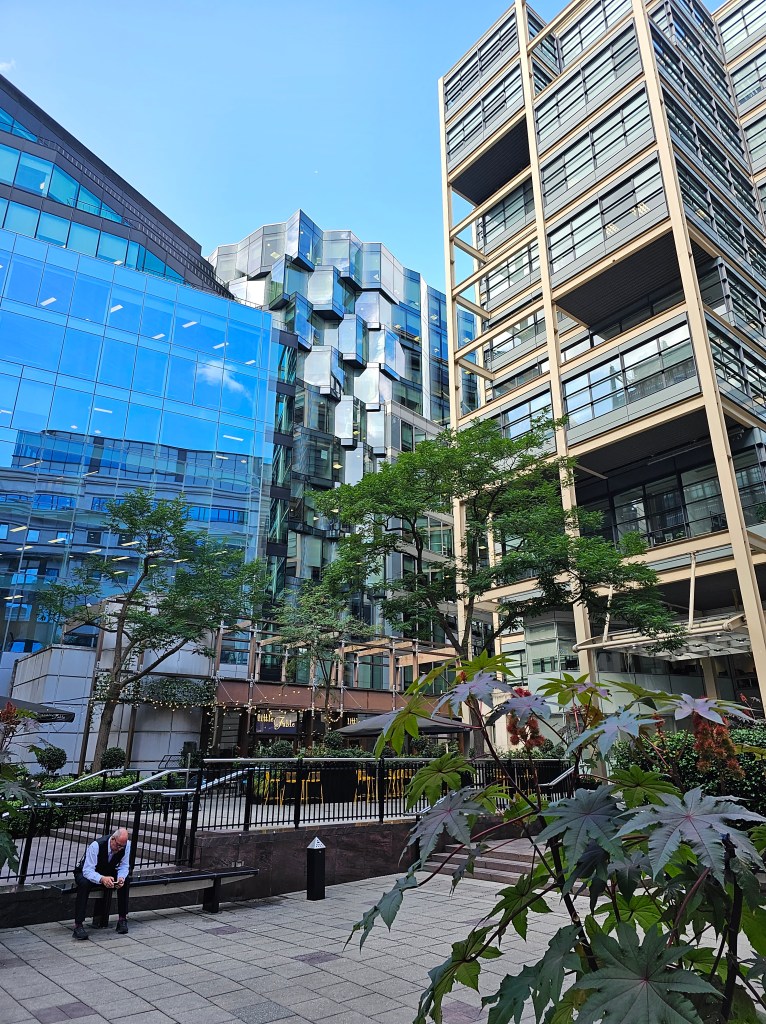
Since this involved me and my “Frenemy” Google Maps, there was, of course, the unexpected along the way. Google sent me into a skyscraper canyon that allowed me to take these two interesting photos of London’s modern side.

But, back to Saint Dusnstan. There is some evidence that there has been a church there since the late 900s AD, although the current building, with its octagonal nave, was builtin the 1830s to the designs of John Shaw, whose son finished the church after his death. The Shaws are also known for the semi-detached style of housing that is still very popular in the UK. If you are wondering as I was what a guild church is, I found this definition: an English metropolitan church that has been freed from parish responsibilities in order to minister full time to nonresident city workers during their hours in the city. If you are wondering why the church “in the west, it turns out there was a St. Dunstan in the East until the Nazis bombed it in World War II. Its ruins remain and are now, I understand maintained as a lovely garden. It is on my list to visit. Now for some pictures and then a few final words on this church and how it is used today.

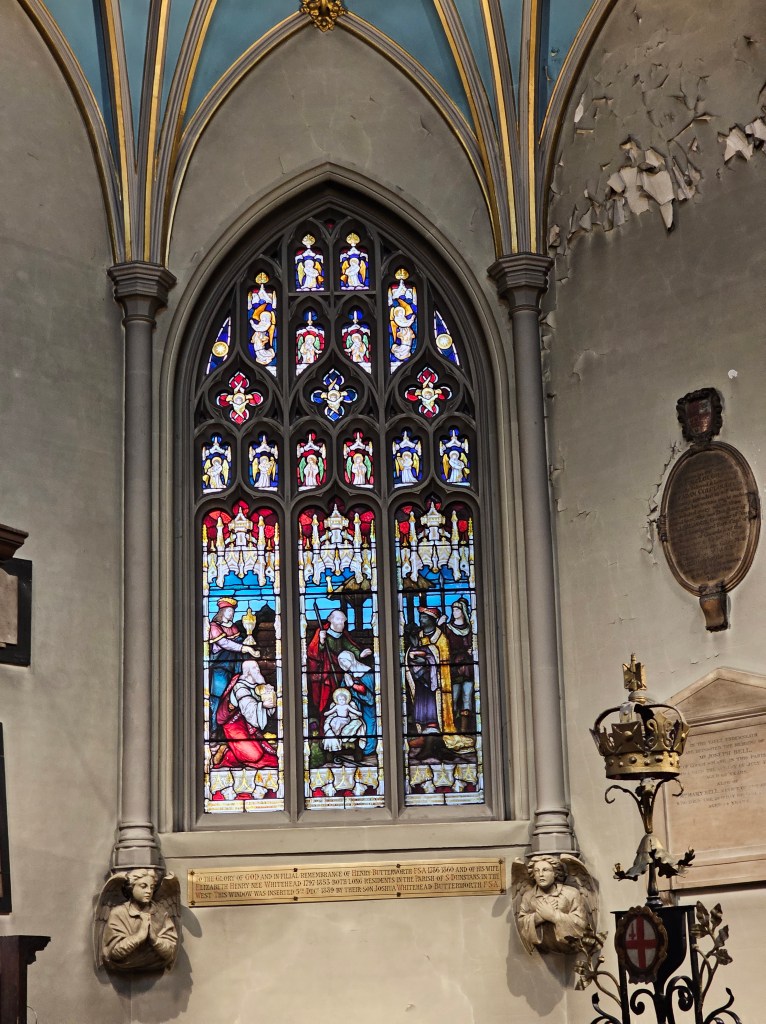
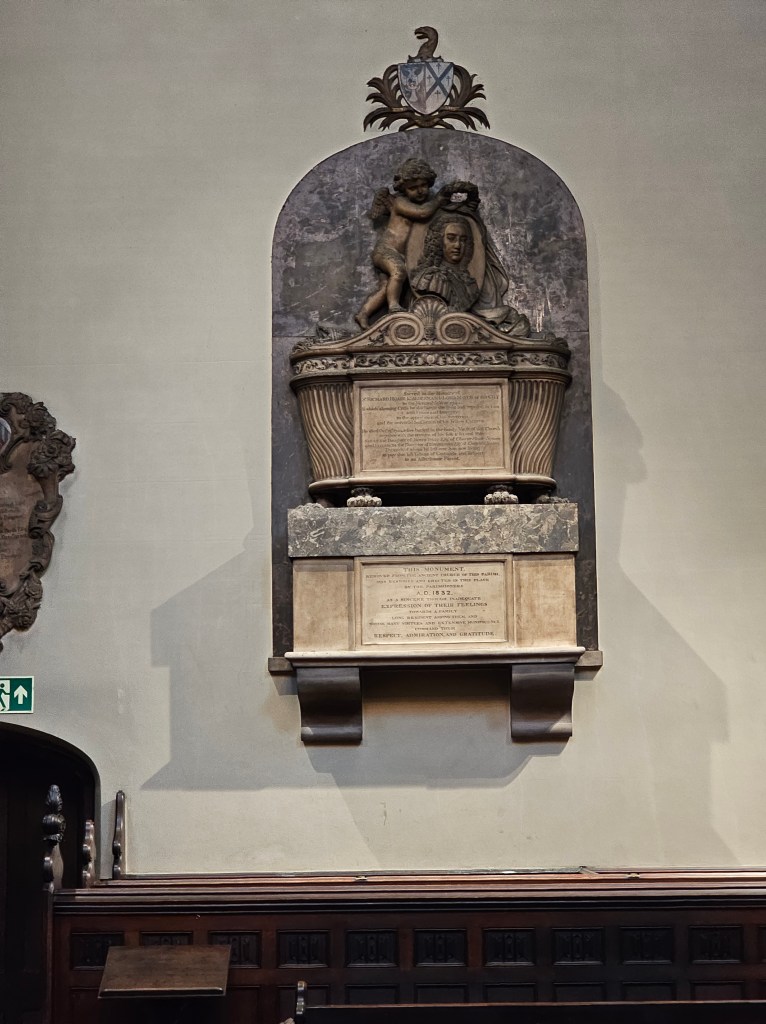
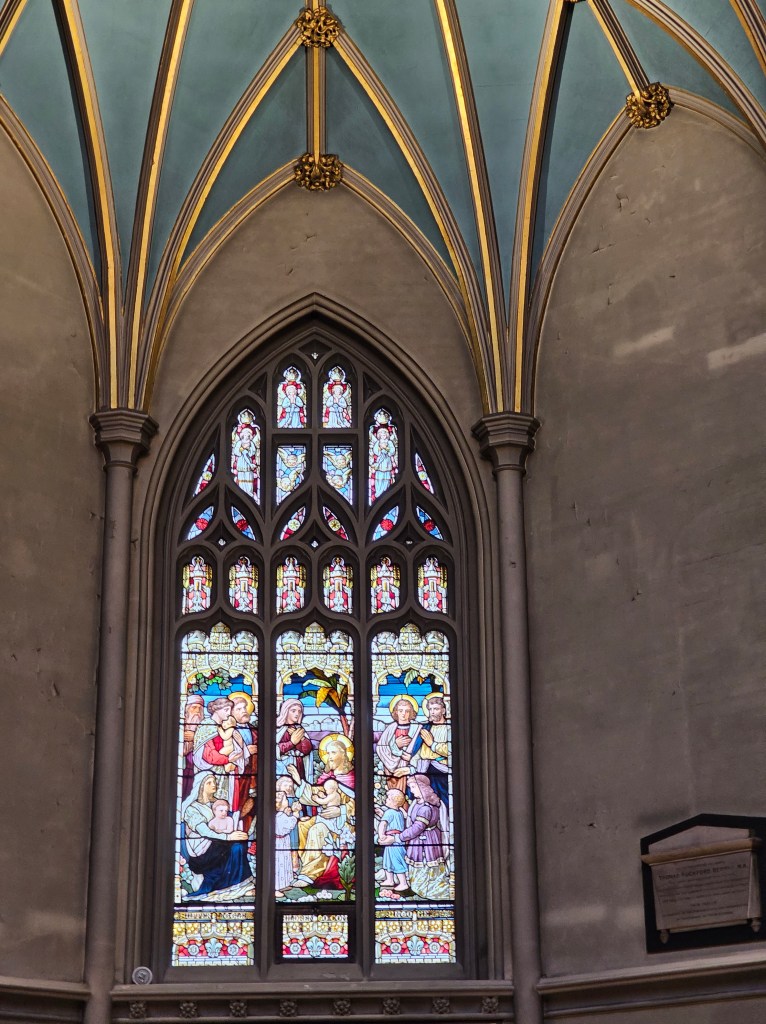
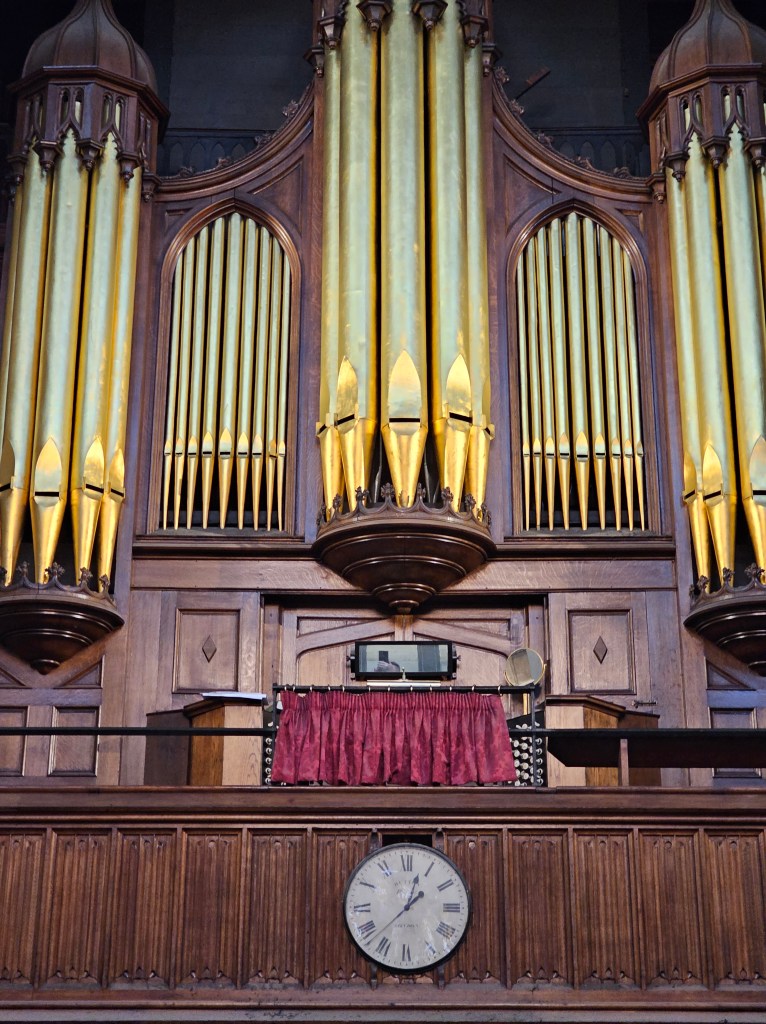
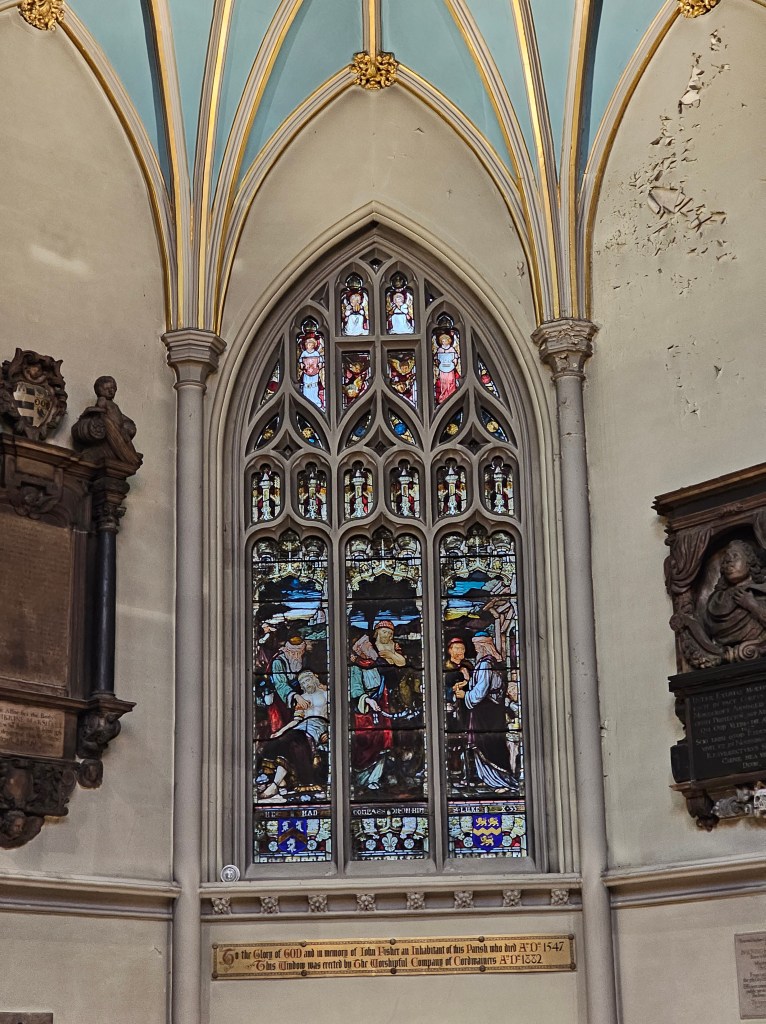
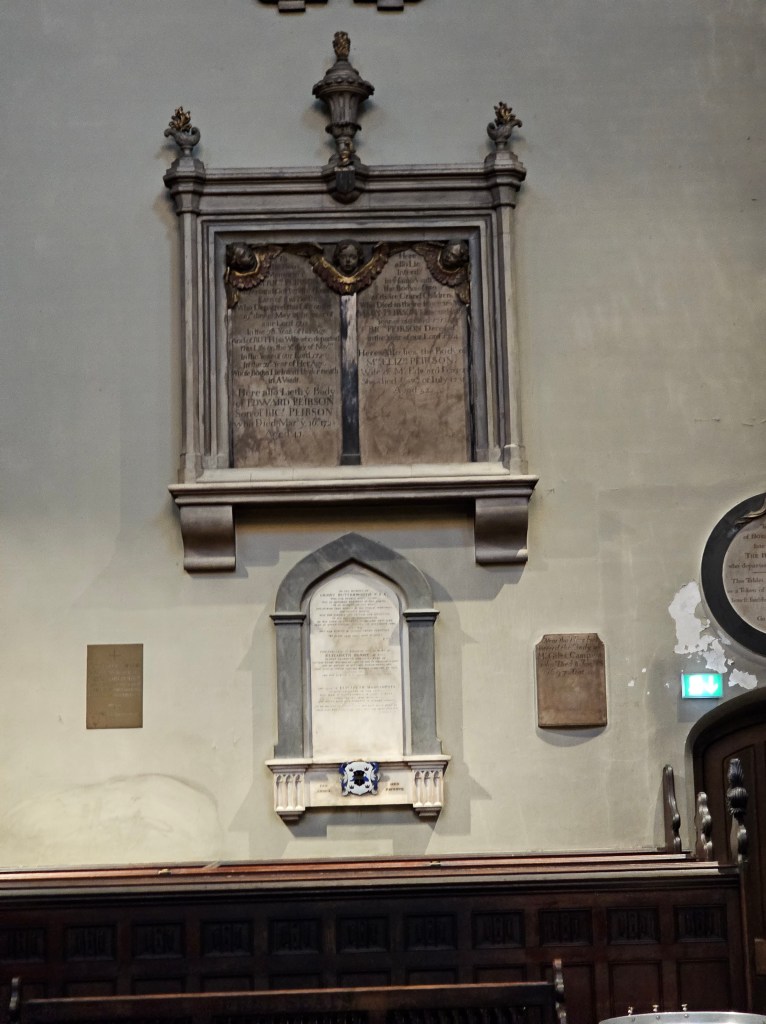
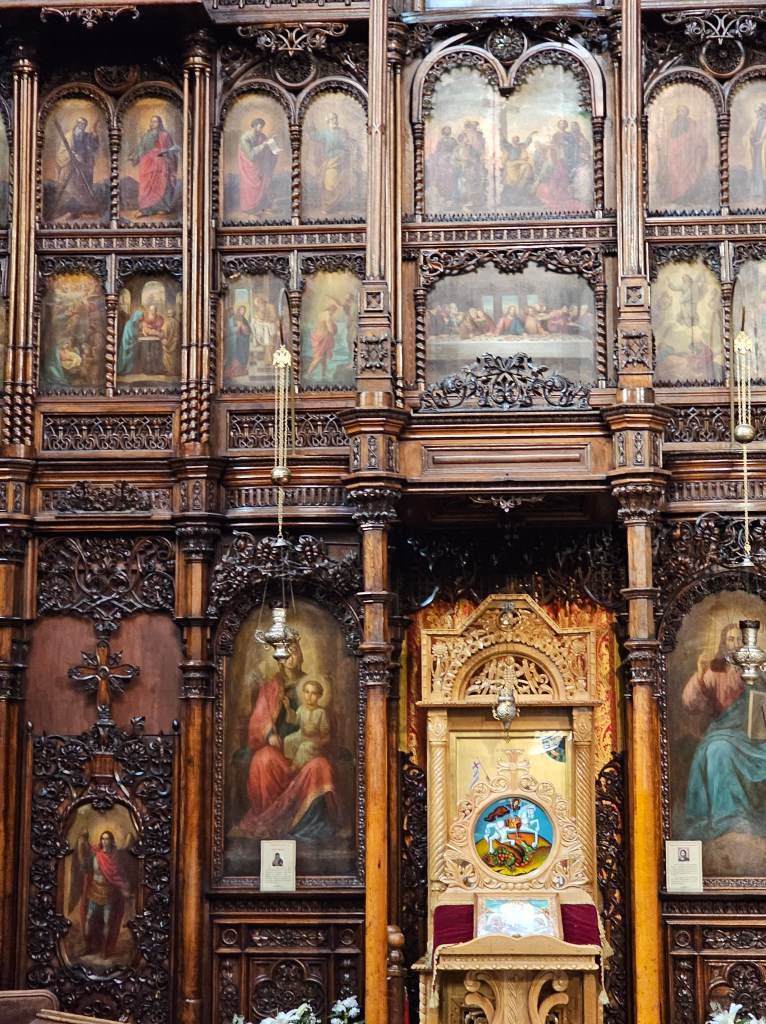
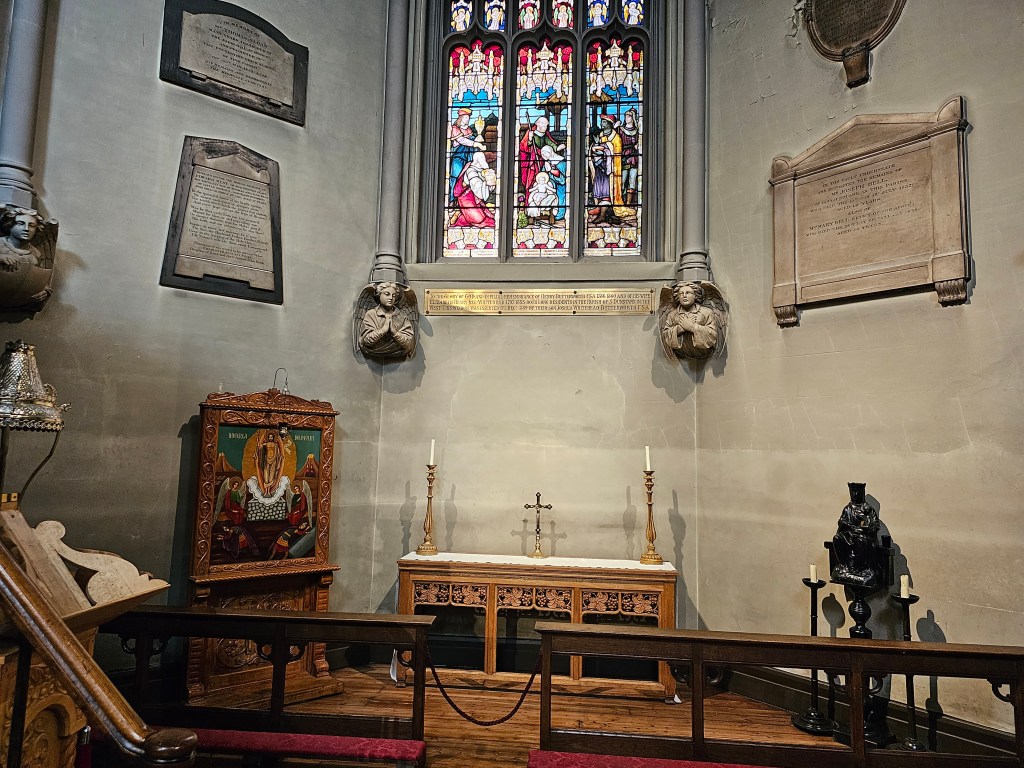
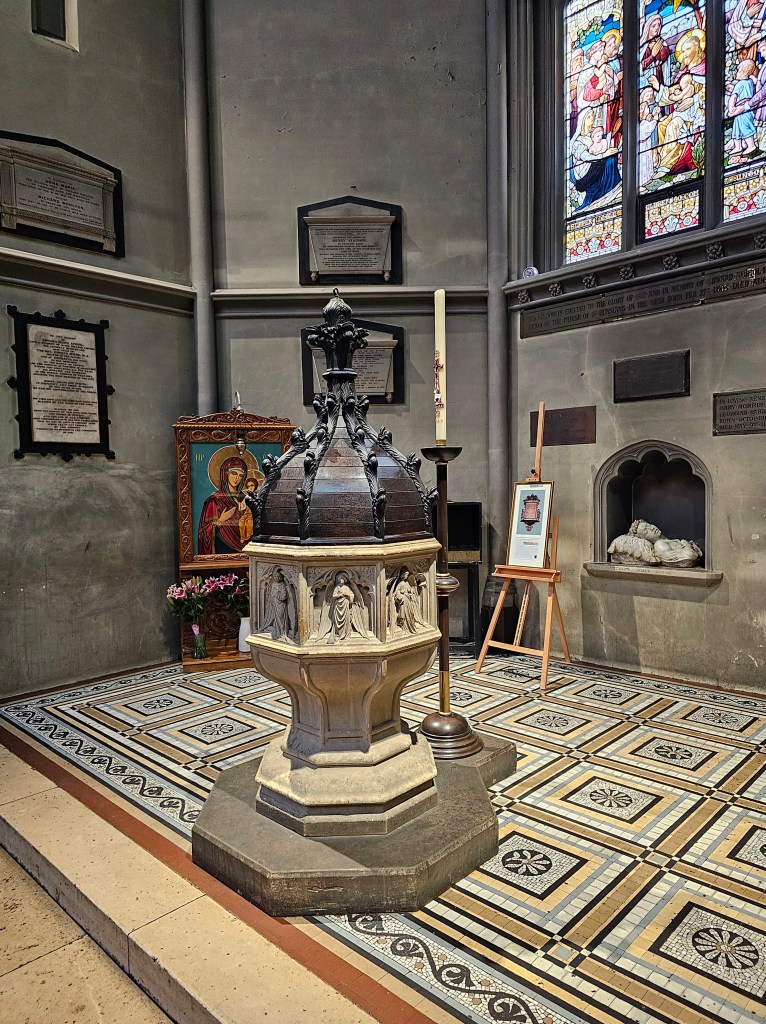
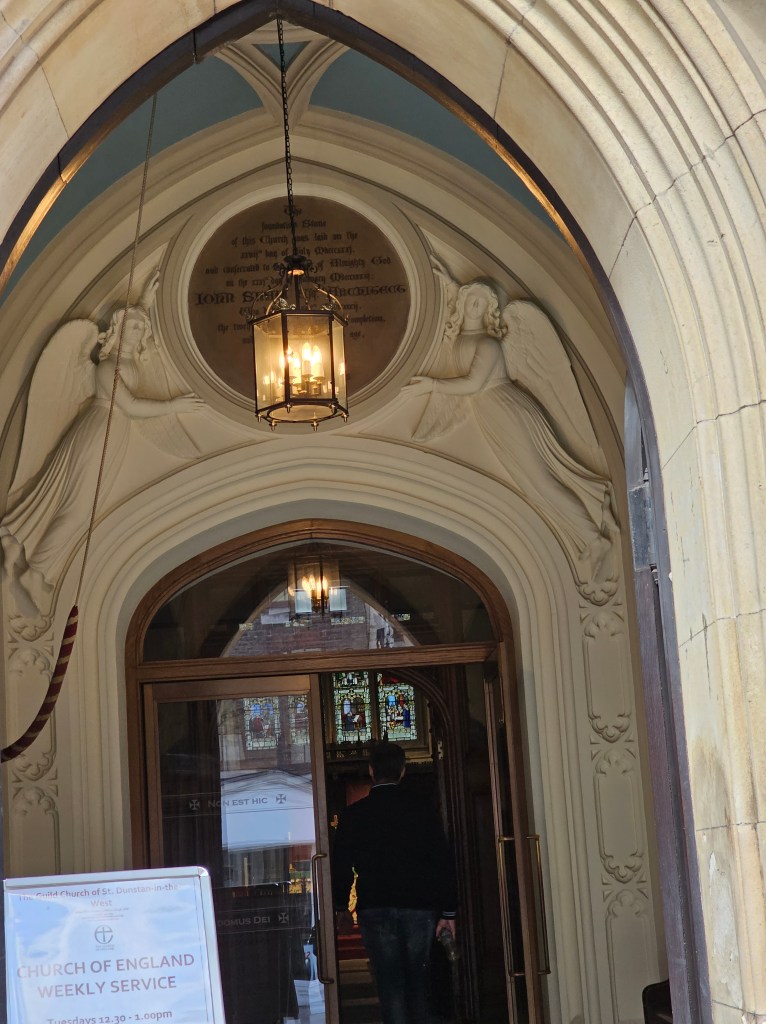
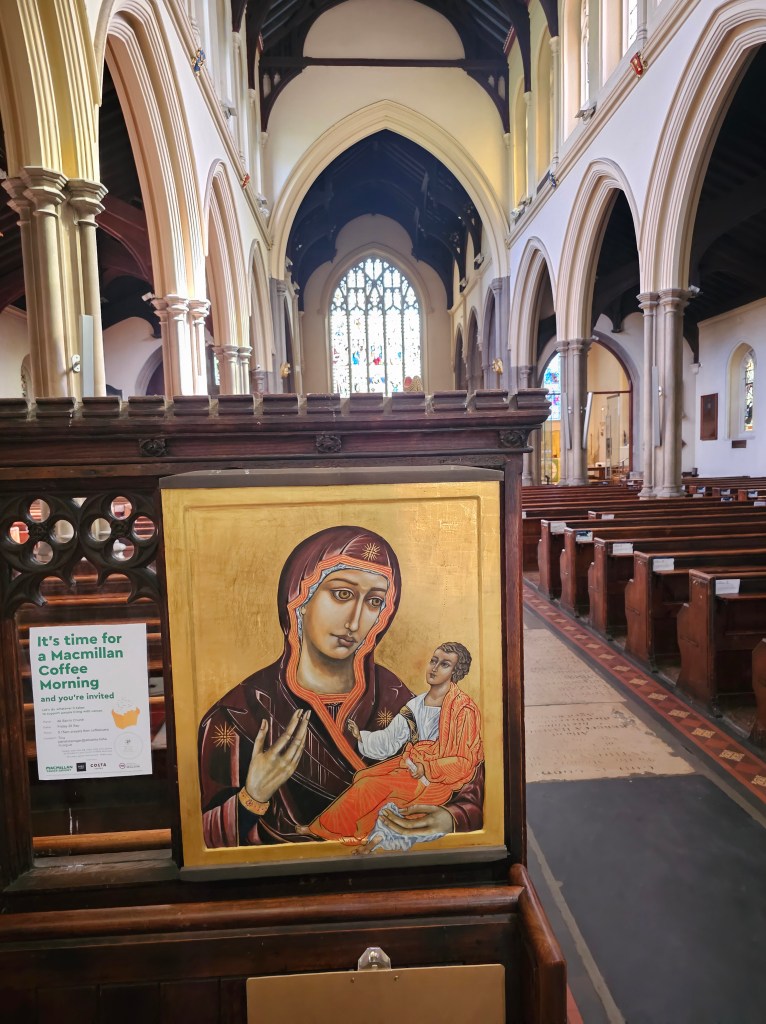
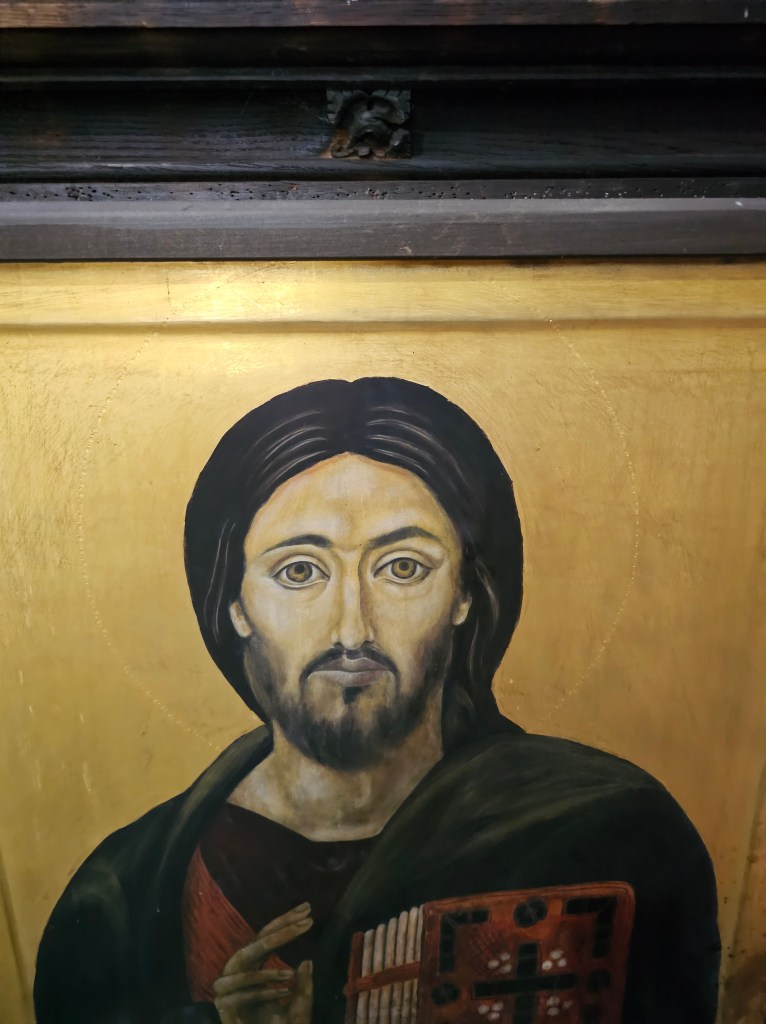
When I entered the church, I noticed a young man standing near the front admiring, I thought, a painting of an icon. One often sees icons in Roman Catholic and Anglican churches, though they are not generally associated with these faith traditions. I noticed though that young man also seemed to be praying before the icon using postures that I associate with the Orthodox Christian traditions. As I walked around the church, I noticed that there were multiple icons set throughout the worship space, see the bottom left painting to the left of the baptismal font, for example. As I was walking out into the foyer of the church I finally noticed that the Anglican worship community of St. Dunstan has, for many decades, shared this worship space with the Romanian Orthodox Church in London. What a wonderful way to live up to its Guild Church responsibility!
Another Red Dragon In London
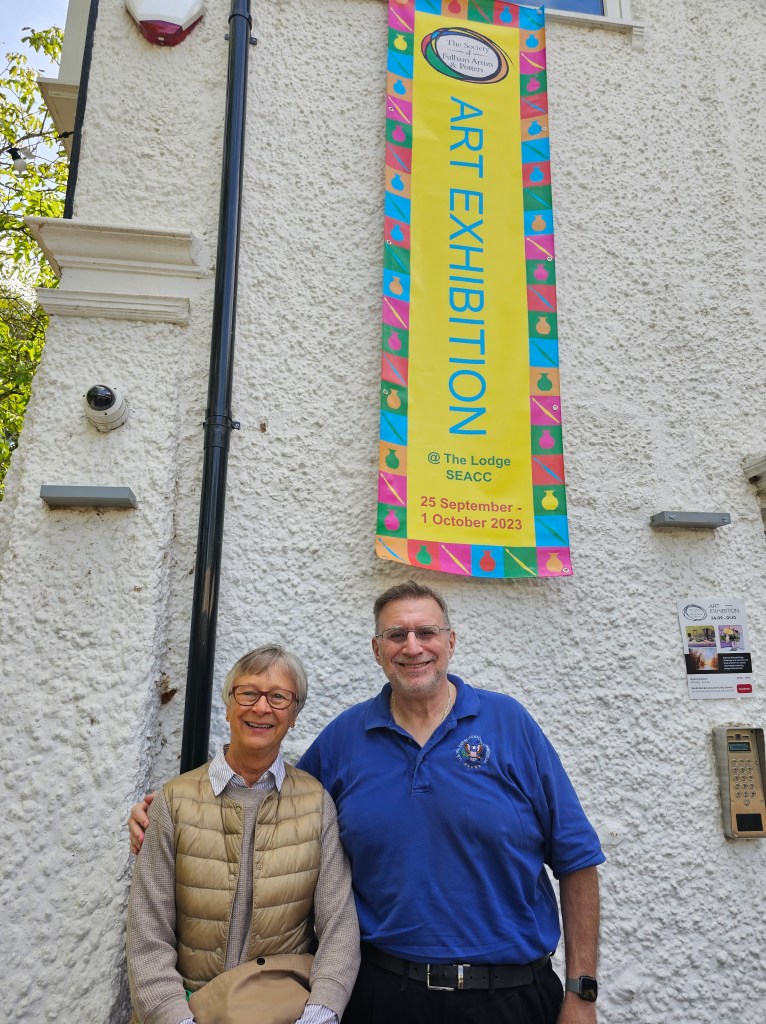
I love being the unofficial SUNY Oneonta Ambassador in London. I get the chance to visit with our alumni that are lucky enough to live here and to help out any who are visiting while I am in town. Whenever I am on my annual jaunt, I hope that my friend and classmate Madeleine will have some of her wonderful artwork on display and that she might have time for a chat. Once again, she made time in her busy schedule and I was able to see her work and some lovely pieces by other artists on display at the Sandsend Arts and Community Centre which is not too far from Craven Cottage, home of Fulham Football Club, that you may have heard me mention once or twice before. Anyway, Madeleine and I had a great catchup and walk down memory lane. Here is a photo outside the exhibition.
An Unexpected Church Visit in Bishopsgate Park (and some late Roses)
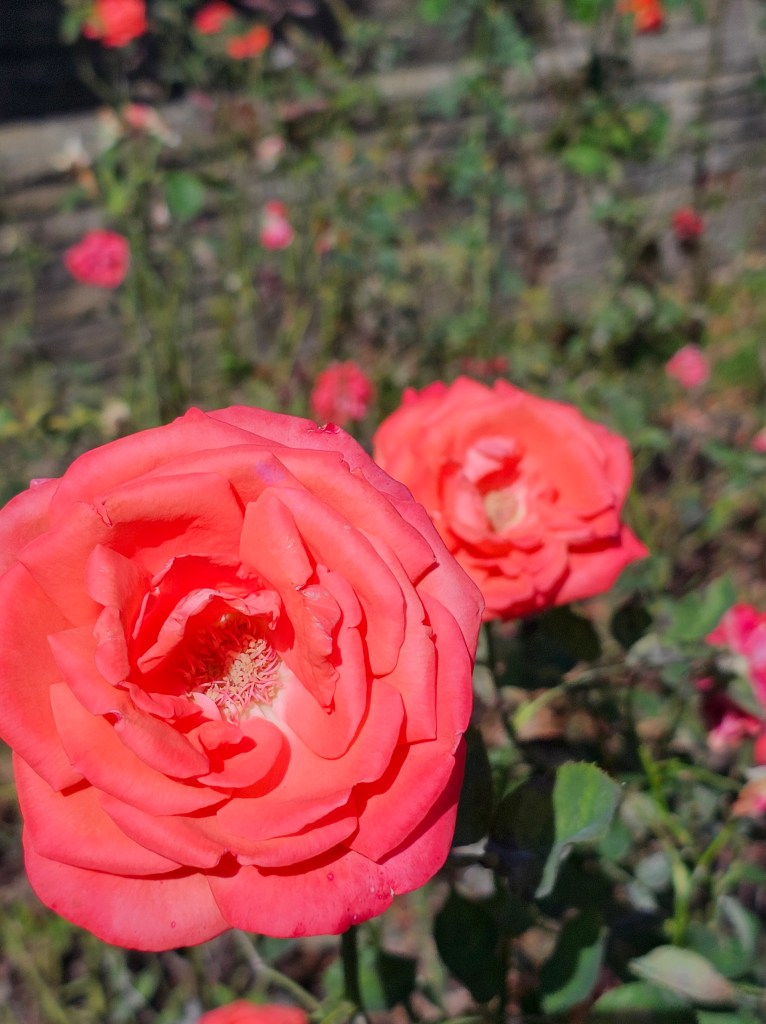
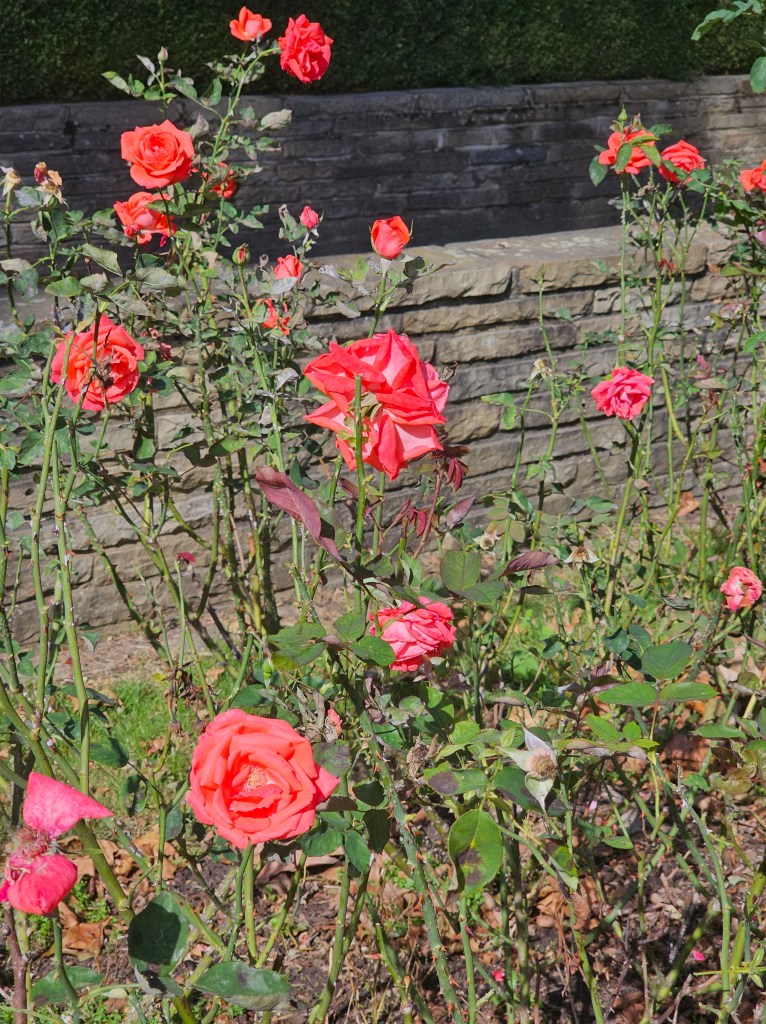
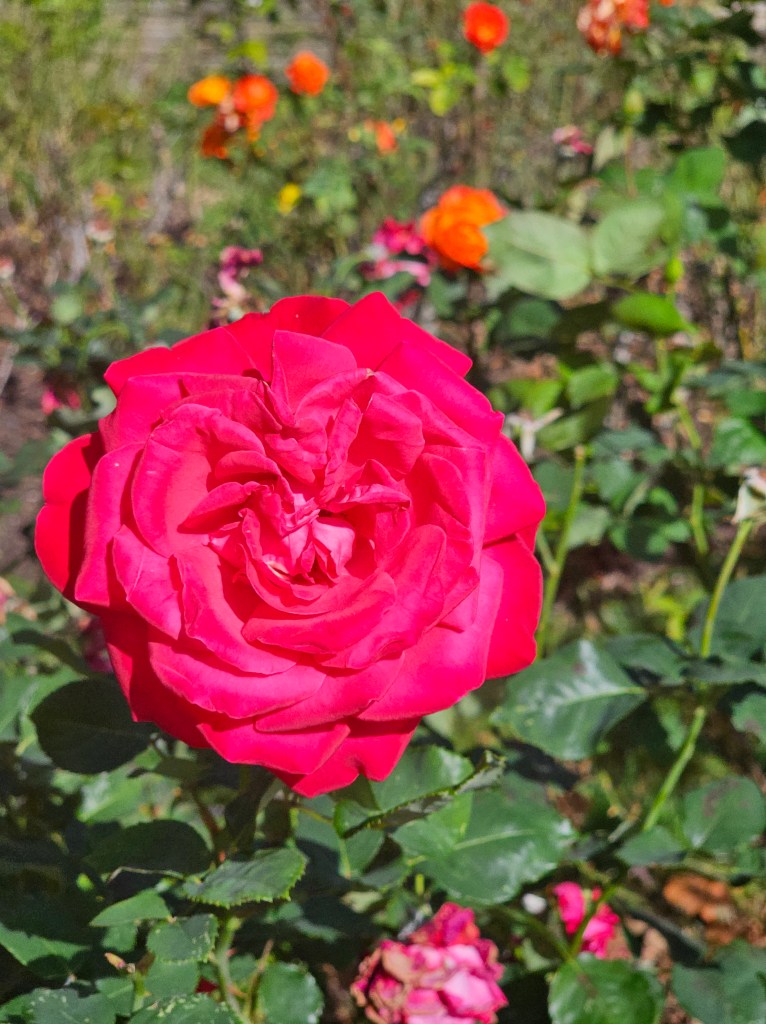
One of the many benefits of being a Fulham FC fan is having a reason to walk through the beautiful Bishopsgate Park, along the Thames to go to Craven Cottage, the team’s stadium. Besides the beautiful trees, and grass and all the dogs running and playing, there are the formal gardens where I saw these late season roses.
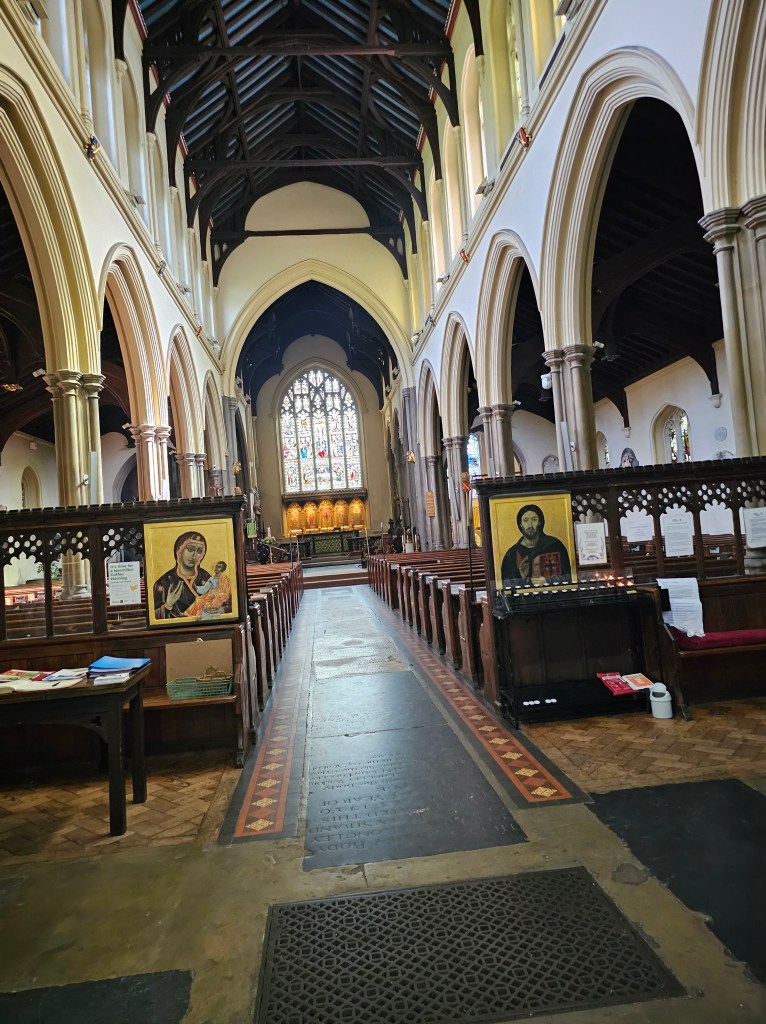
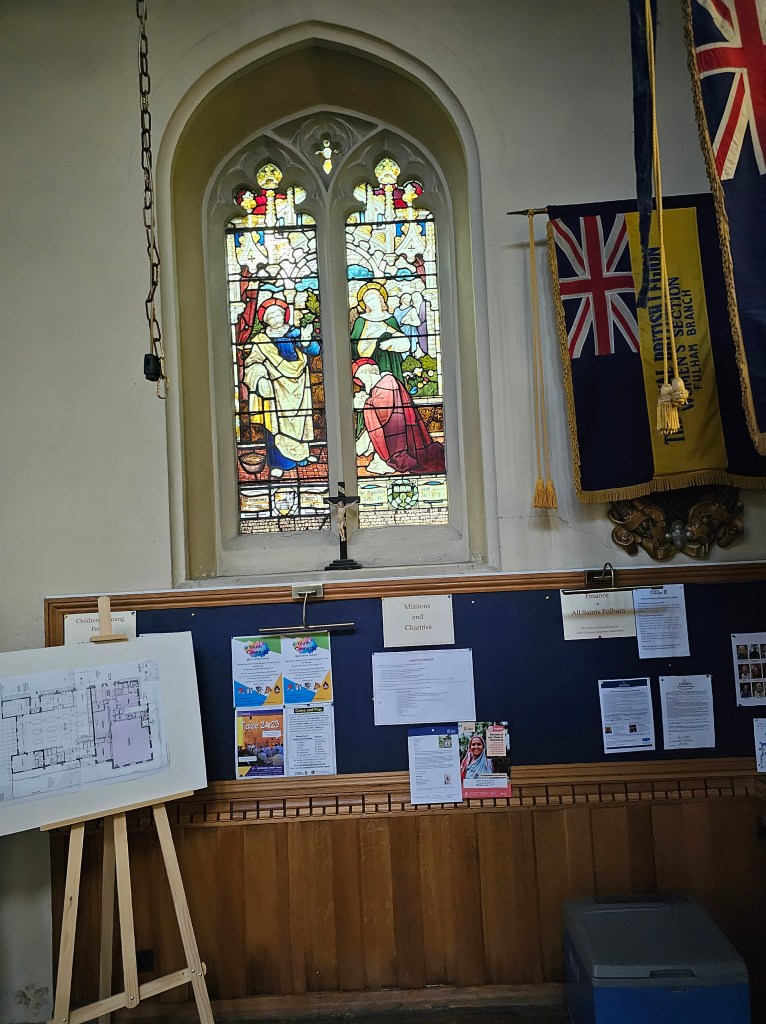
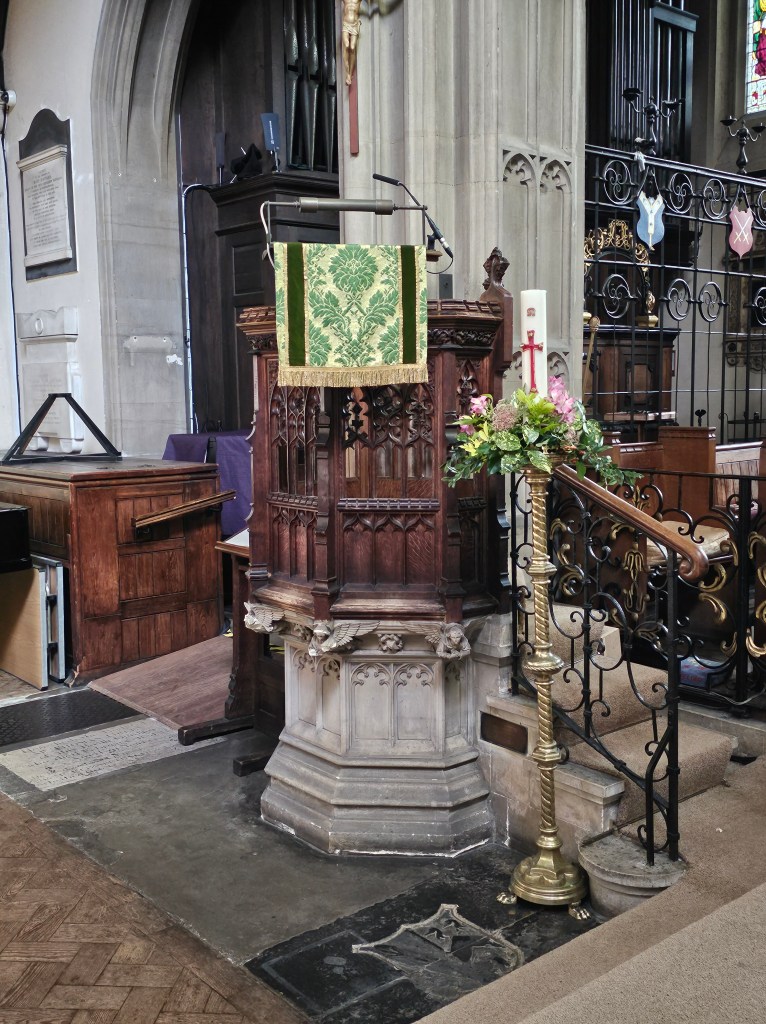
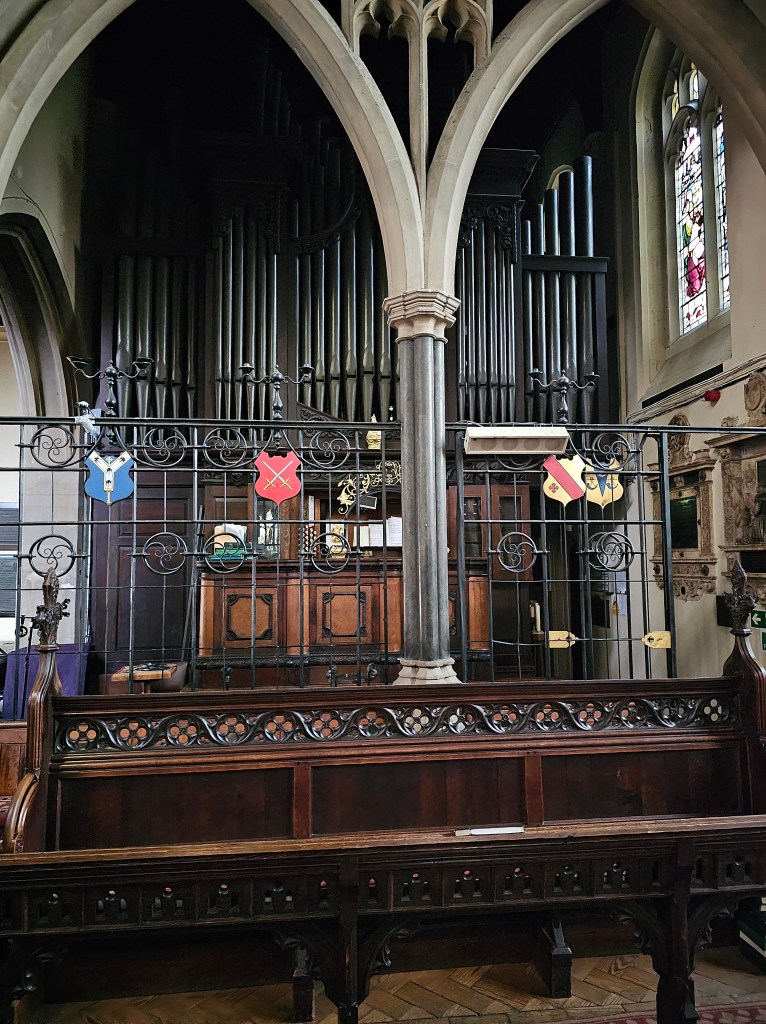
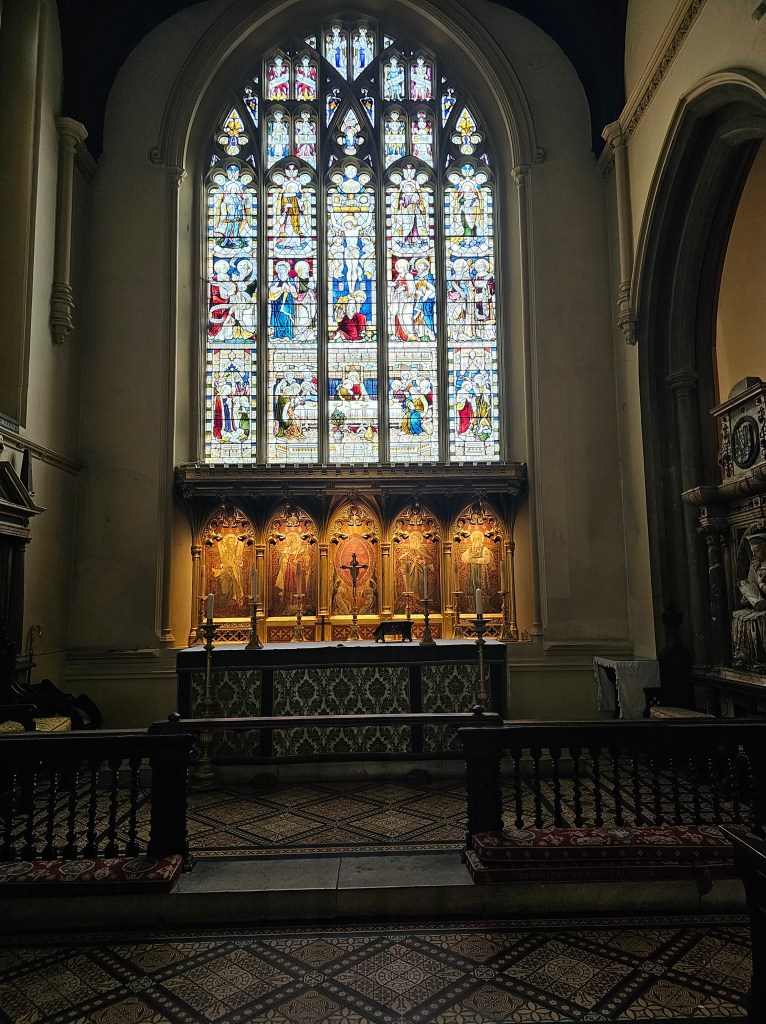
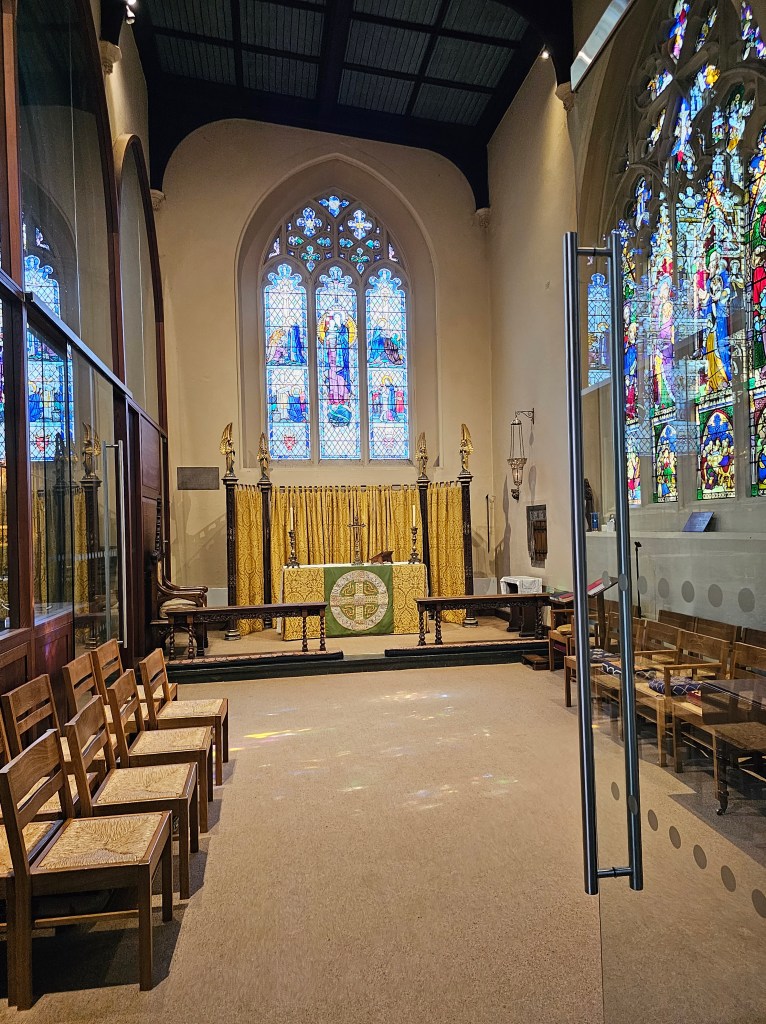
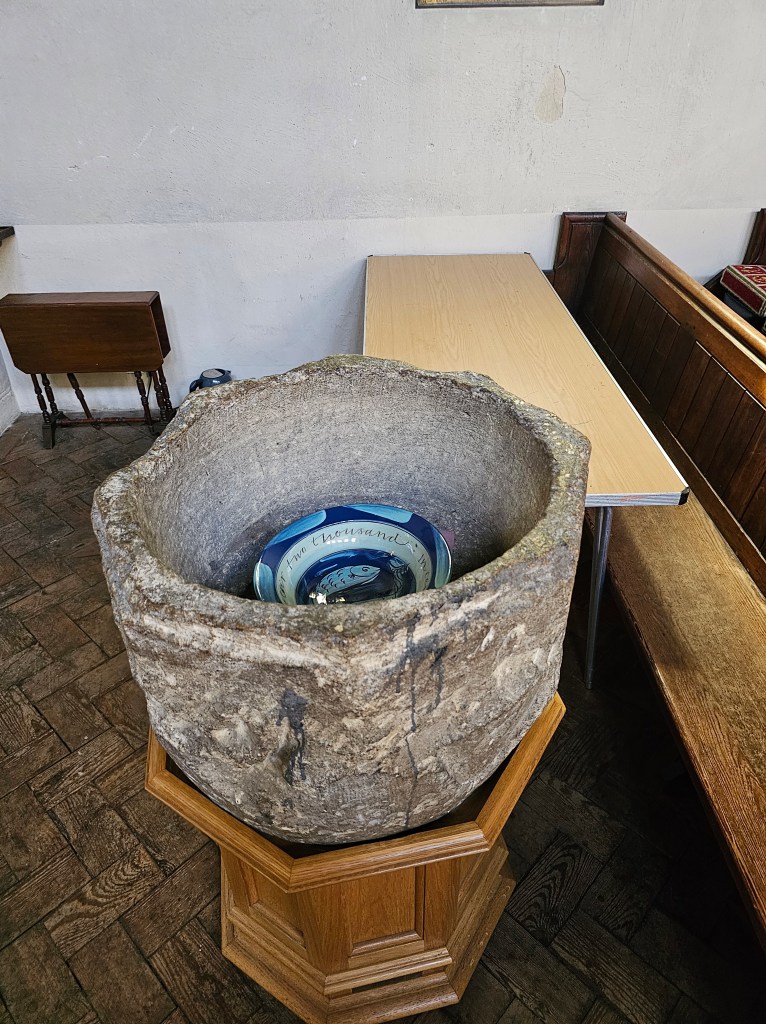
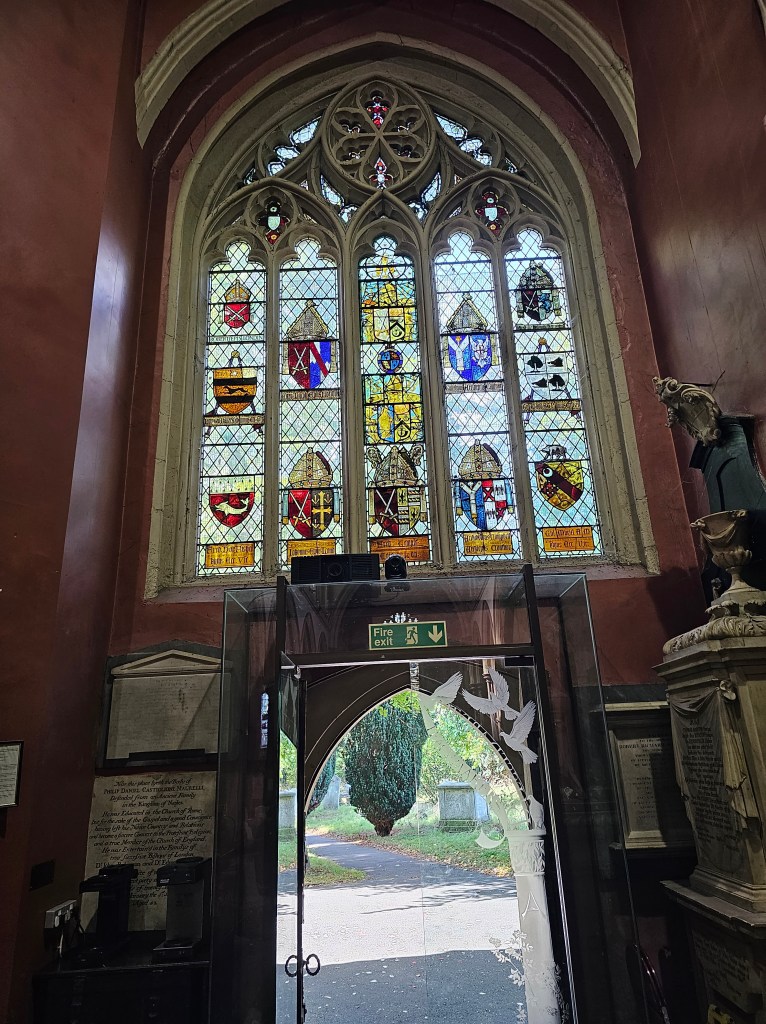
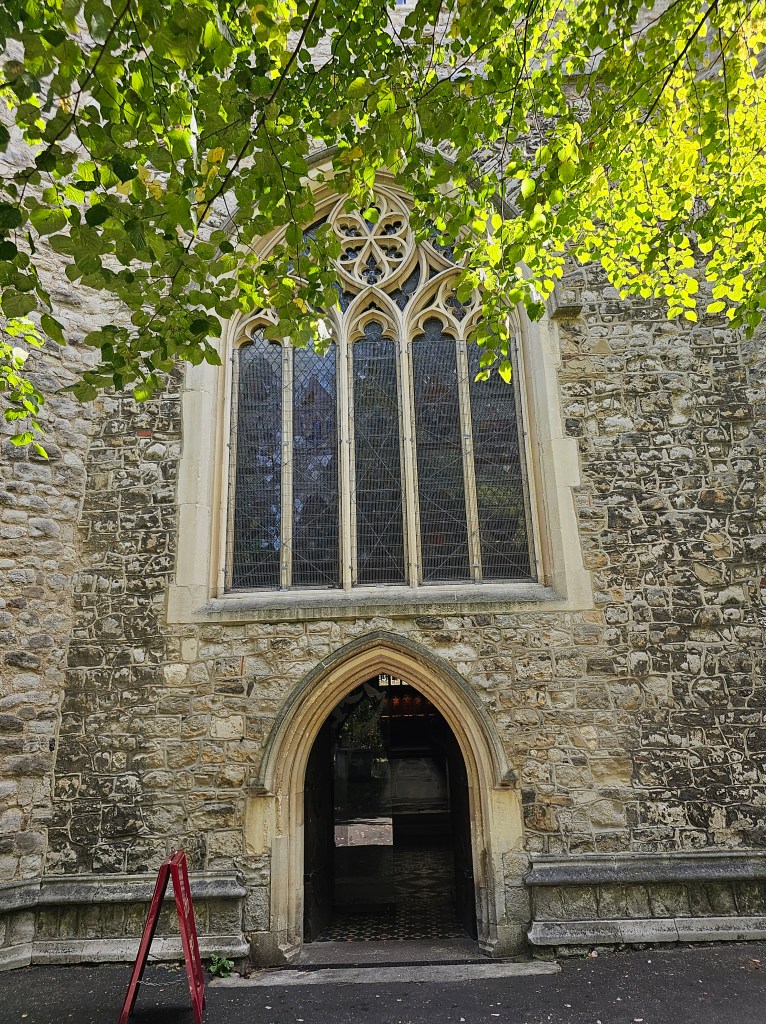
And much to my surprise, All Saints Church that sits within the grounds of the park was open for visitors. So, before heading across the park to give my legs and credit card a workout, I thought I would go inside. It is thought that there has been a church on the north side of the river around this area since Saxon times, but the earliest recorded vicar “only” goes back to 1242. The tower of a 1442 church remains but the current church replaced it in the late 1800s, though its organ was originally built in 1732 and rebuilt in 1881. It is a lovely place and, once again you will see some icons that have been added to the decor. I hope you enjoy these pictures.




Thanks for your patiences everyone. i have had “production problems along the way. I have another blog I hope to have out shortly too.
 Mark In London