The Proms

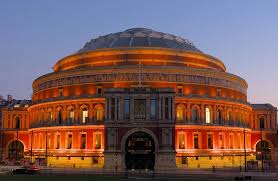
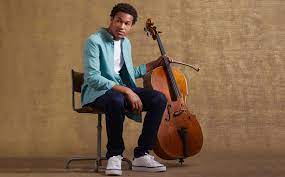
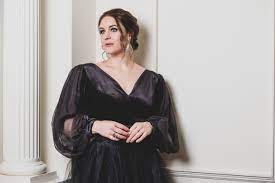
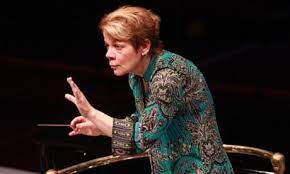
I don’t always manage to get a ticket to one of the Proms, the BBC annual summer celebration of (mostly) classical music at Royal Albert Hall, but I try never to miss the last night, even if it is only watching it on TV. What is so special about the last night of the Proms? First of all, the BBC Symphony Orchstra, Chorus, and Singers, conducted by by great conductors (this year, American, Marin Alsop) are joined by renowned soloists for an evening filled with old and new music. There is always a male or female voice who tends to bring down the house with their incredible vocal performances and another who does the same with their virtuoso instrumental performance. This year the singer was Norwegian Lise Davidsen whose voice filled the hall with such clarity and fullness that I was left stunned. She sang in several languages and was perfect in each one. Sheku Kaneh-Mason performed on the Cello. His work was brilliant. The two of them, alone, along with the rest of the classical program of Strauss and other pieces would have been a fine evening for any music lover.
But the last night of the Proms is about singing songs from each of the United Kingdom’s constituent nations, and singing silly old songs, singing patriotic songs, some of which need to be adapted to modern times and some of which need to be accepted for what they are-songs written long ago by an island nation that had fought with its neighbors and had survived, a nation that had been majority Christian nation, whose monarch to this day has the title “Protector of the Faith”. The song “Jerusalem,” after all, was written as much about social reform (remember those satanic mills), as it was a hymn. It is this last part of the prom with penny whistles and Union Jacks, as well as the flags of every other nation which has a citizen or a former citizen present are waved as songs like “Jack the Lad” and other British sea shanties are played by the orchestra, and Rule Britannia (led by Lise Davidsen), Land of Hope and Glory, and Jerusalem are all sung. Then a more solemn singing of the national anthem, (this year, of course, God Save the King, for the first time at the Proms since last year’s Last Night was cancelled out of respect for the passing of the late Queen Elizabeth II). Finally, all of those present cross their arms and join hands, singing Auld Lang Syne to conclude the celebration. I always feel the way I do at the end of a July 4th fireworks display or when I watch a military band play a Sousa march at home. Somehow, it just lifts the spirits and so it did for me that night.
Wigging Out at Wigmore Hall
There was little traffic that morning, so I arrived with plenty of time to get a coffee downstairs in the little coffee bar. As this was the first of these Sunday morning concerts of the season, the staff was still getting their routines down. But some of my fellow concert goers were less than happy with the service. I had ordered at the same time as a gentleman who was obviously used to white glove service and was already disturbed that he would have to carry his own coffee to the other lounge.
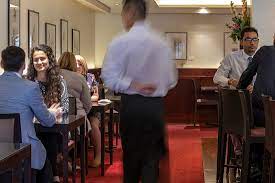
As I was about to sit down at one of the few remaining tables, he sat there first and turned to me and said, “you don’t mind if I squat here while I wait.” Never passing up an opportunity to hear a person grumble, I quickly sat at the other seat. In the minute or two we waited, my latte came before his flat white, and he continued to be amazed at the lack of coordination and preparedness. I didn’t have the heart to tell him, in case this was his first visit that this was status quo here. Over the years, I had come to believe that many of the staff had probably worked a night event several hours before and were probably the unlucky ones chosen to come back in for this shift. They were always understaffed and never had enough of anything that the mostly older crowd wanted. In any case, he soon got his coffee and moved on. I enjoyed mine, thanked the staff and was soon upstairs in my seat and waiting for the arrival of the Doric String Quartet whose name always reminds me of an ancient Steve Martin skit on Saturday Night Live “Theodoric of York, Medieval Barber.”


The Doric String Quartet, now featuring Alexi Kenney, violin; Ying Xue; violin; Helene Clement, viola; and John Myerscough, cello performed Franz Schubert’s String Quartet No. 15 in G D887, written in 1826. However, it was not published until after his death. It was also last string quartet he wrote. It is described as hauntingly transcendent, moving into strange, mysterious territory. Another describes its first movement as “an exploration, an opening of space. Still another says it focuses on “lyrical ideas.” It is a work that allows your mind to go to the places it needs to go to ask the questions that need to be answered. Perhaps as Schubert neared the end of his life, he too was doing this. It is a work that takes about 45 minutes to complete and the artists work hard throughout that time. There is so much in the work, so many different places that it takes you that by the end, you might feel, as I did, that you had been on a voyage and yet you also might feel that you now had another journey ahead, a journey of self discovery and self-enhancement.
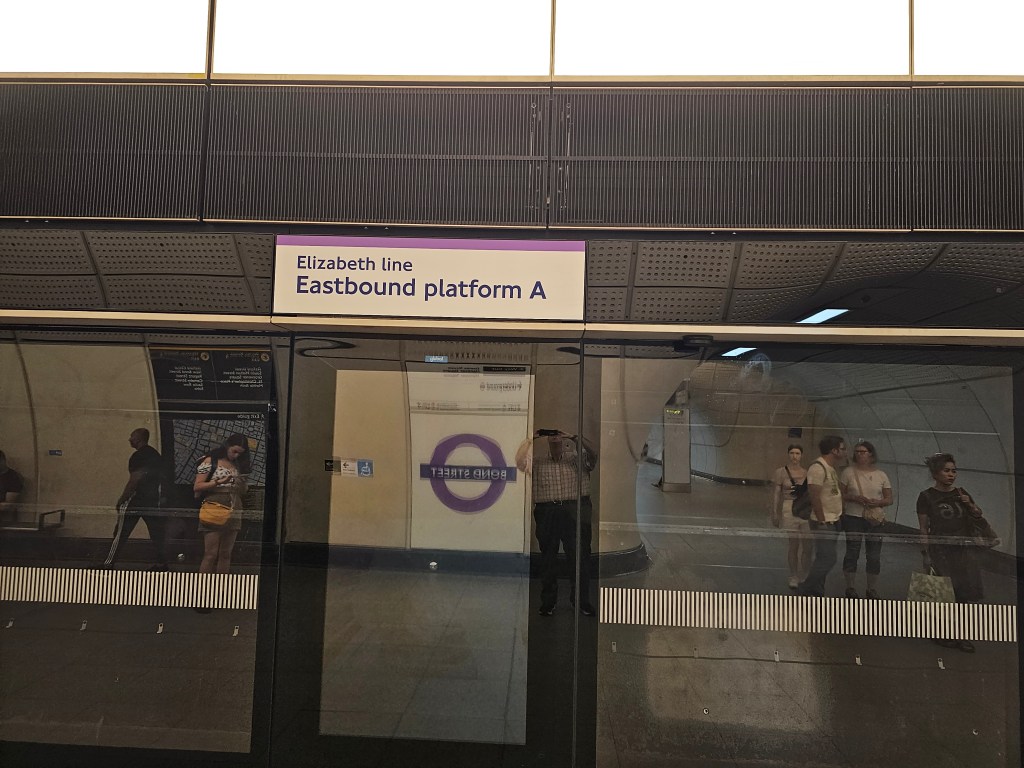
I love these morning concerts at Wigmore Hall, they are truly a great way to start a day. When I left the Hall, I decided that the weather had settled down some and I would try walking to a Tube station, at least. This ended up being a very positive move as the station I chose was on the new Elizabeth Line (named for the late Queen). My friends who have ridden it have all marveled at its cleanliness, the airconditioned cars, and how quiet it is. It could only take me two stops, before I had to transfer back to reality, but it was still a nice ride.
 Mark In London