
Leicester Cathedral has been on my list of English Cathedrals to visit since the remains of King Richard III, the last English King killed in battle, were found in a car park in Leicester on the site where Greyfriars Church had once stood. Richard was buried in the church after he was killed in the Battle of Bosworth in 1485. In 2012, the remains were discovered and reburied in Leicester Cathedral in 2015. To my surprise, upon arriving at Leicester Train Station, I discovered that the Cathedral was closed for renovations until 2023!
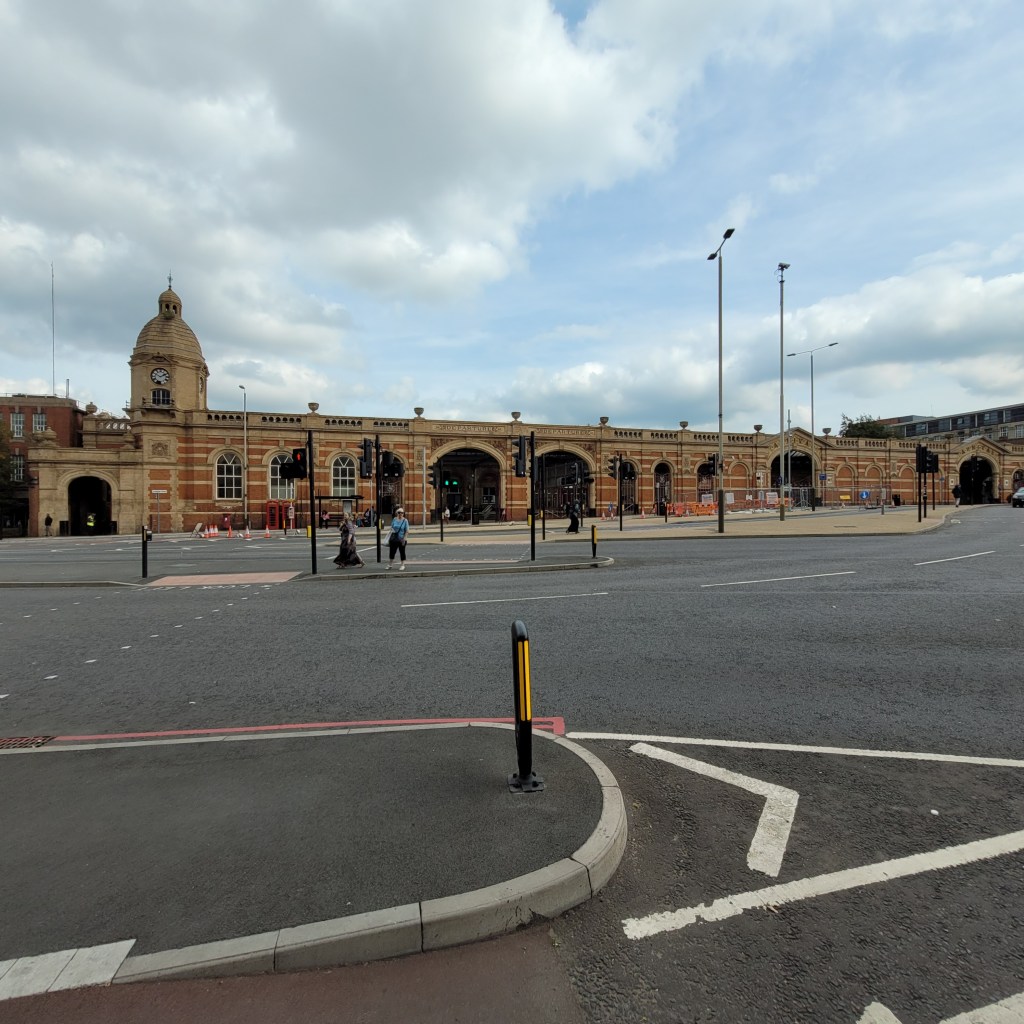
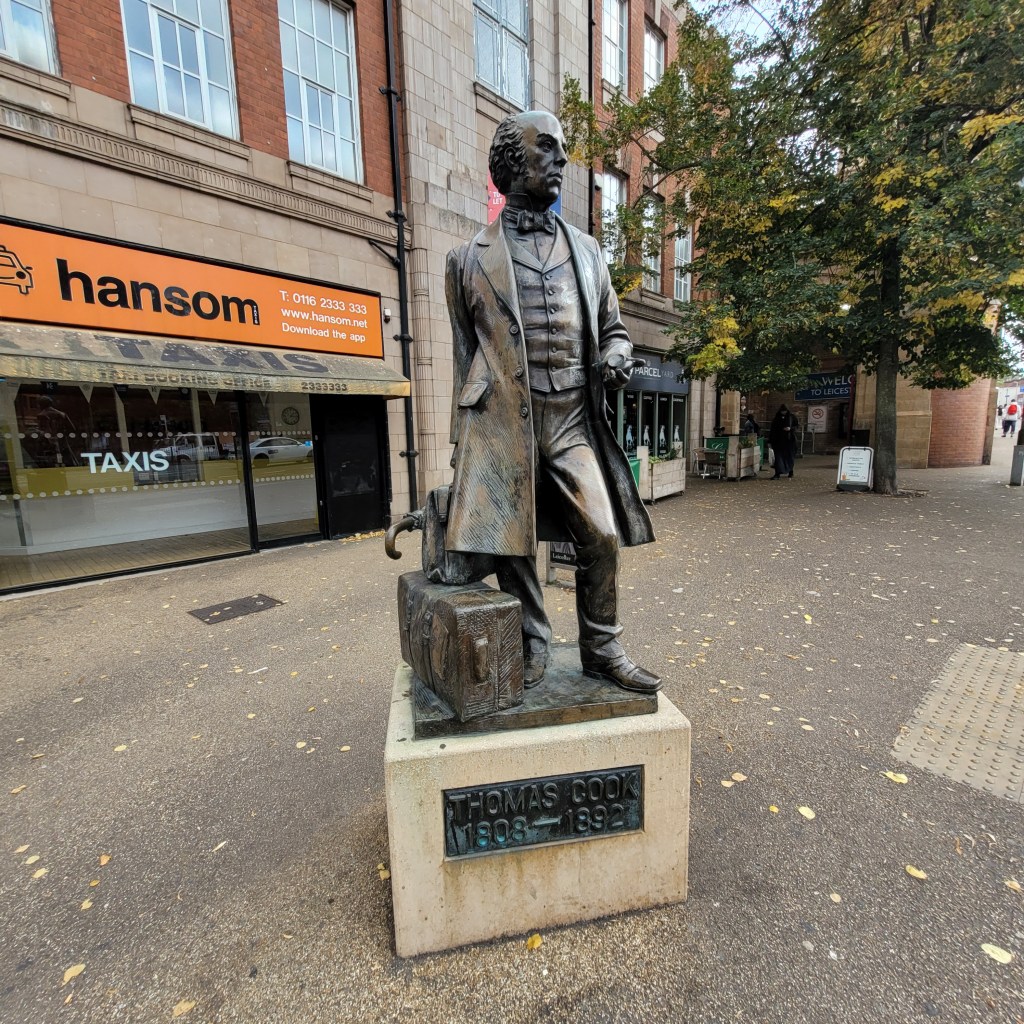
Now, what was I going to do in Leicester on a pleasant late September afternoon? I figured Jannick Vestergaard from Leicester City FC might not take my call, so I’d have to improvise. Luckily for any tourist finding themselves in Leicester it is a city that is easy to navigate, filled with lovely buildings and lovely folks speaking with a distinctive English Midlands accent. A quick google check showed that the Leicester Museum and Art Gallery was just a short walk away. On my way there, I did pass a couple of interesting statues and a nice Methodist Church. The first was a statue of Thomas Cook who founded a famous English travel company. It is just a few steps away from the train station.
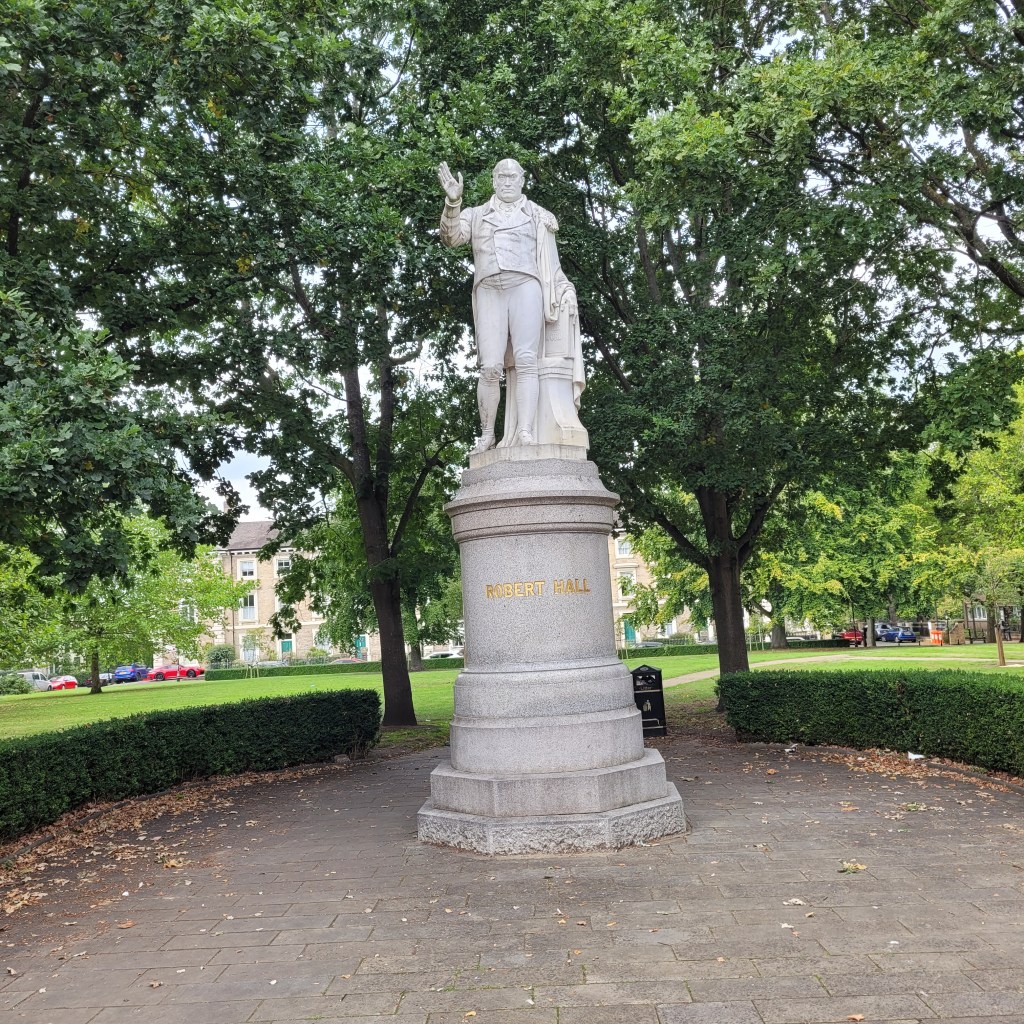
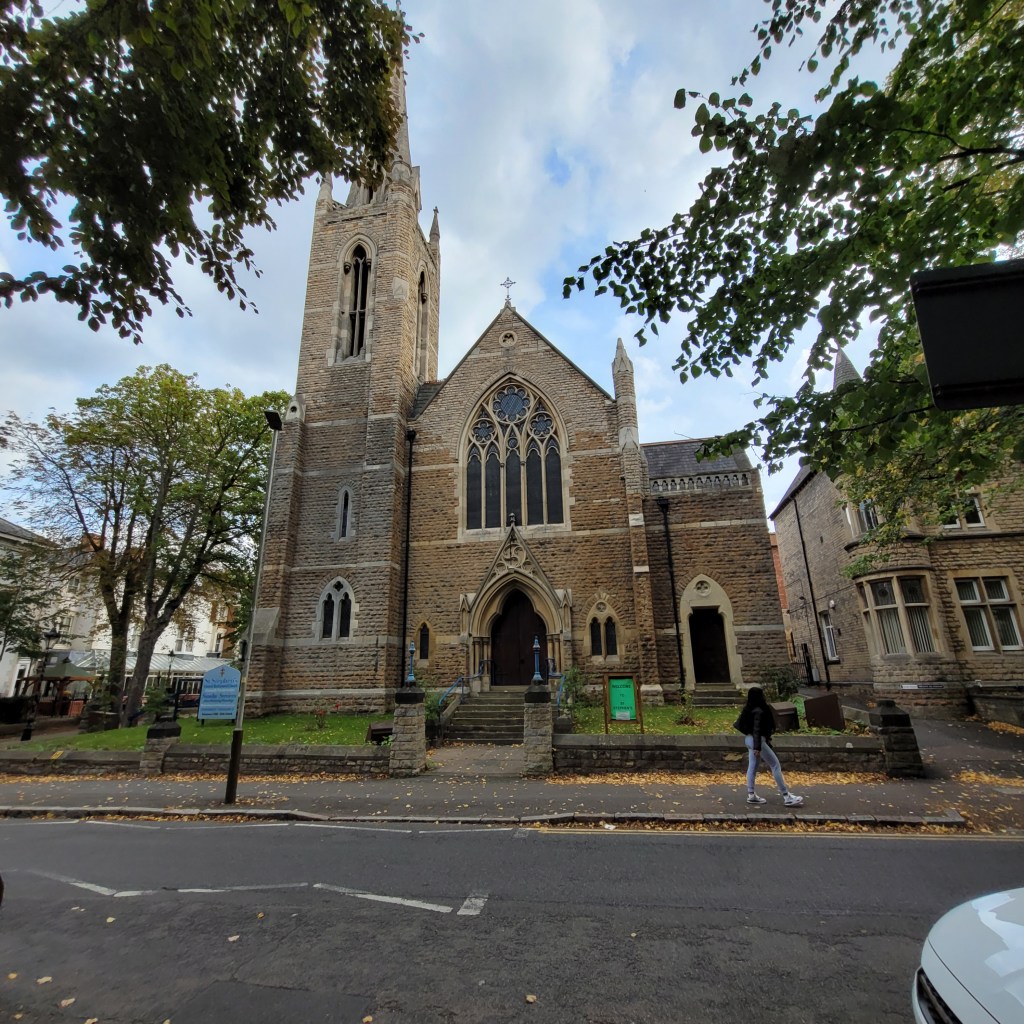
After walking around De Montfort Square, the location of the statue of Robert Hall who was an 18th Century Baptist Minister, and the Methodist Church pictured above, I continued down the New Walk to the Leicester Museum and Art Gallery. This Robert Hall had nothing to do with the fondly remembered American eponymous discount clothing retailer of days gone by.
I can’t say enough positive things about the Leicester Museum and Art Gallery. From the charming young woman who greeted me when I entered through every docent and other staffer, there was a smile and a kind word. The museum has an interesting permanent collection of Victorian period art that, in my eyes was of as good a quality as the similar collection at London’s Guild Hall Art Gallery. The museum has an interesting collection of German Expressionism. The paintings were dark, using muted colors and to me seemed to presage the horrifying events to come in World War II. Happily, featured exhibition artist Eillen Cooper, (English, born 1953) seems to have a more energetic and brighter view of life and expression. I hope you enjoy these works as much as I did”
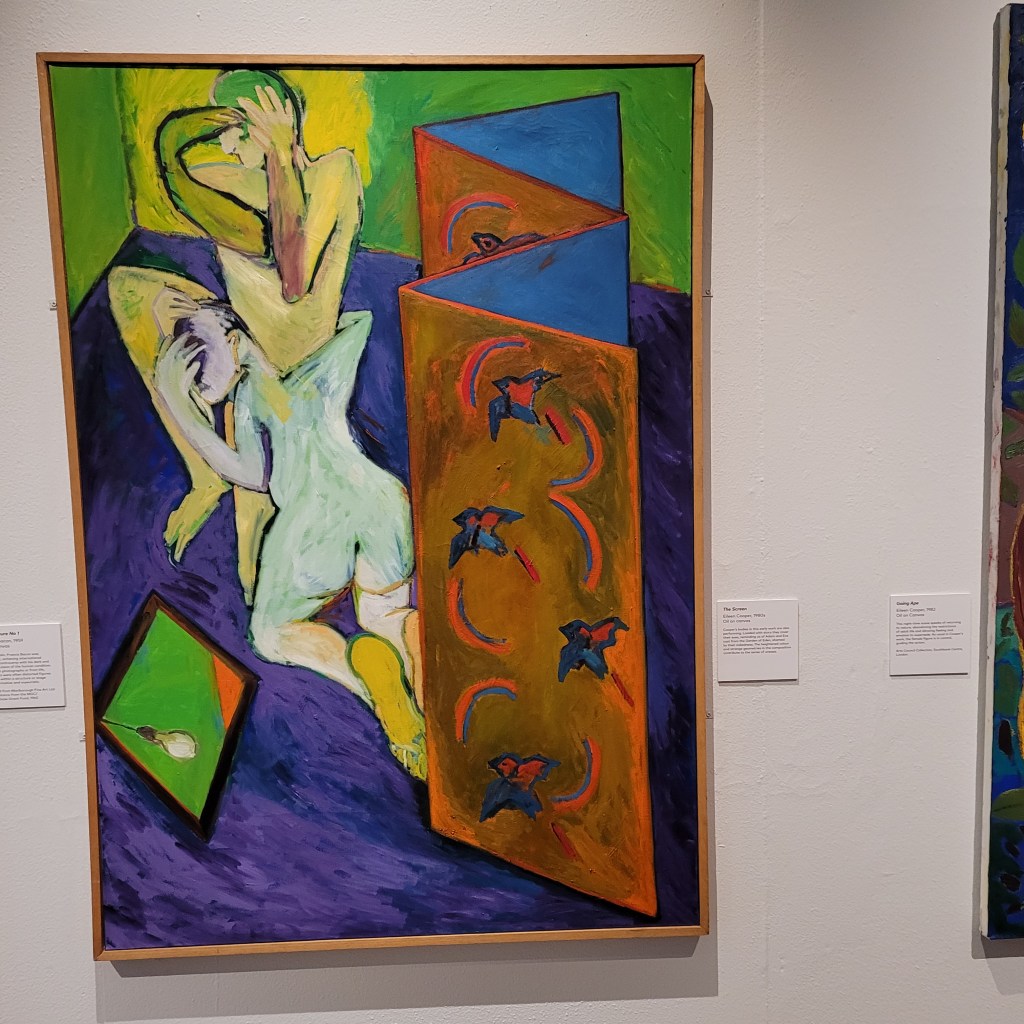
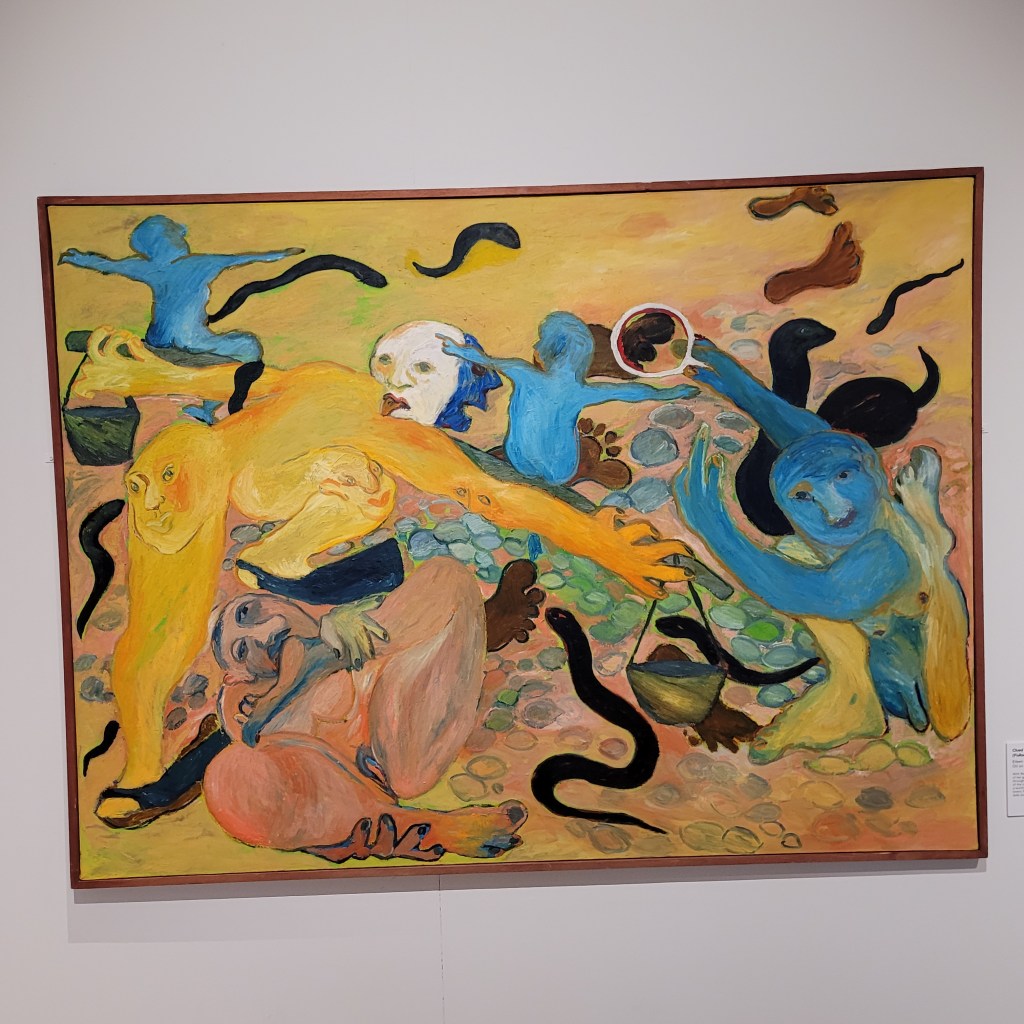
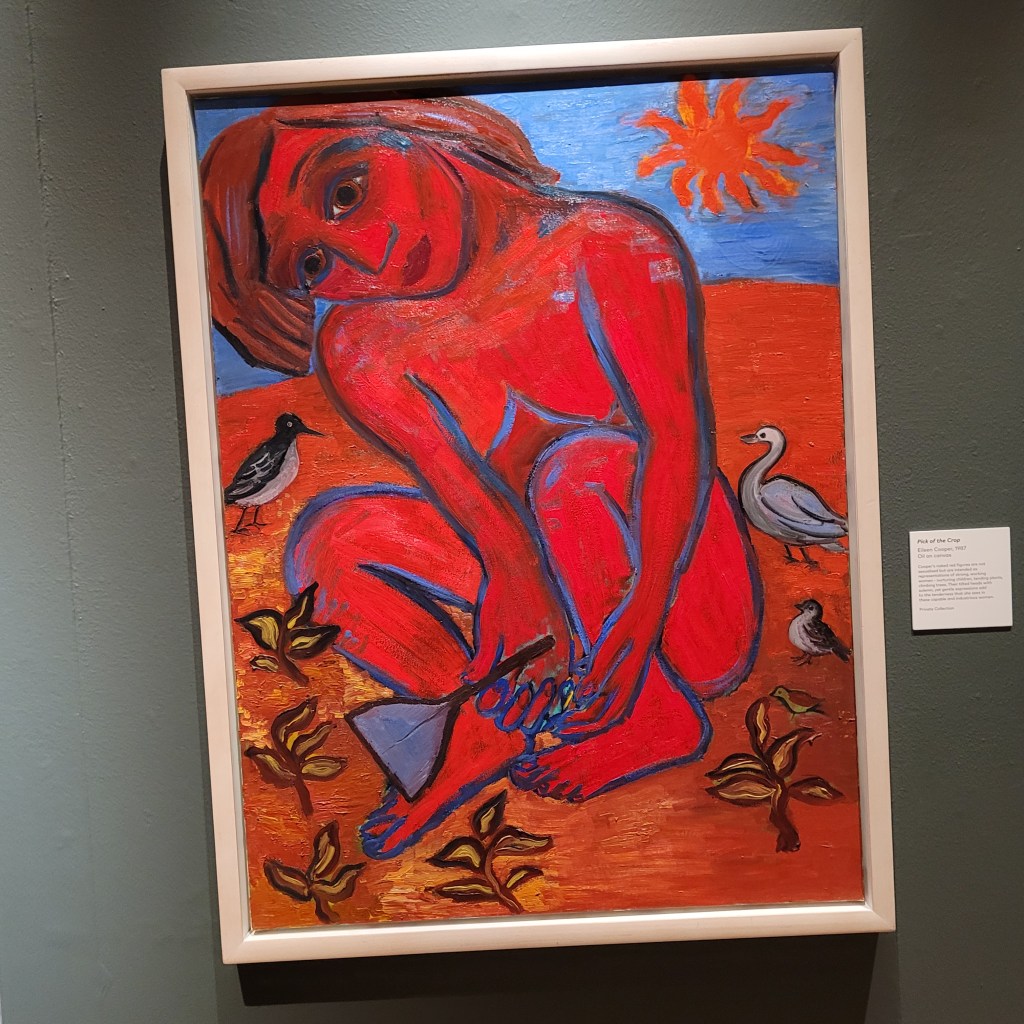
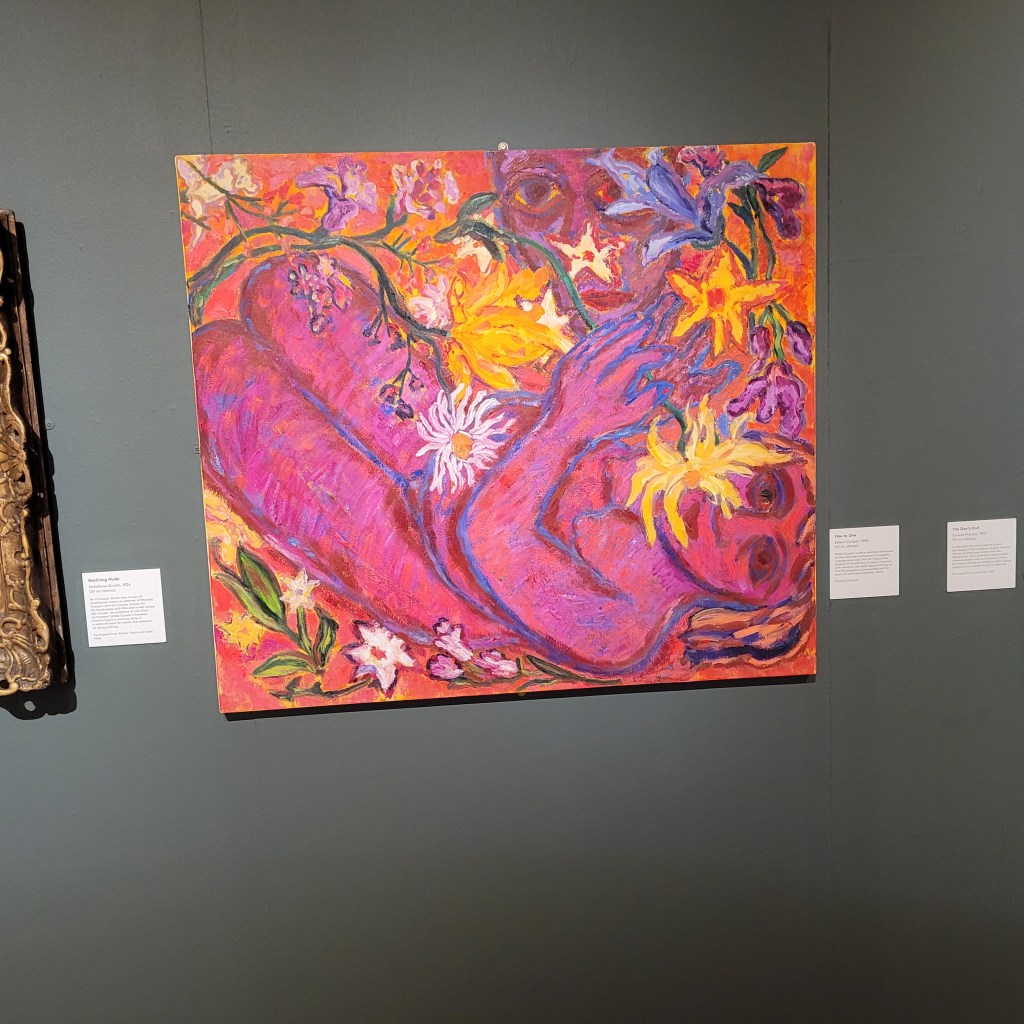
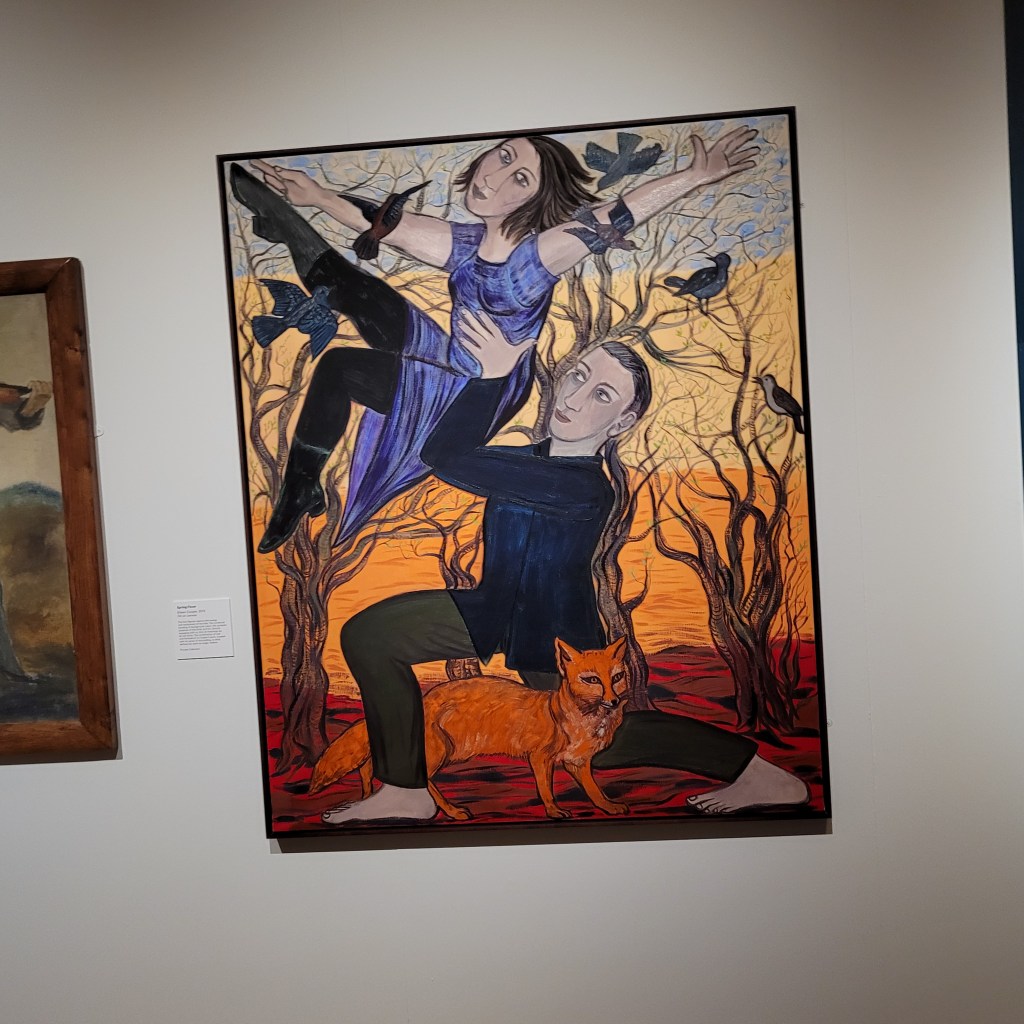
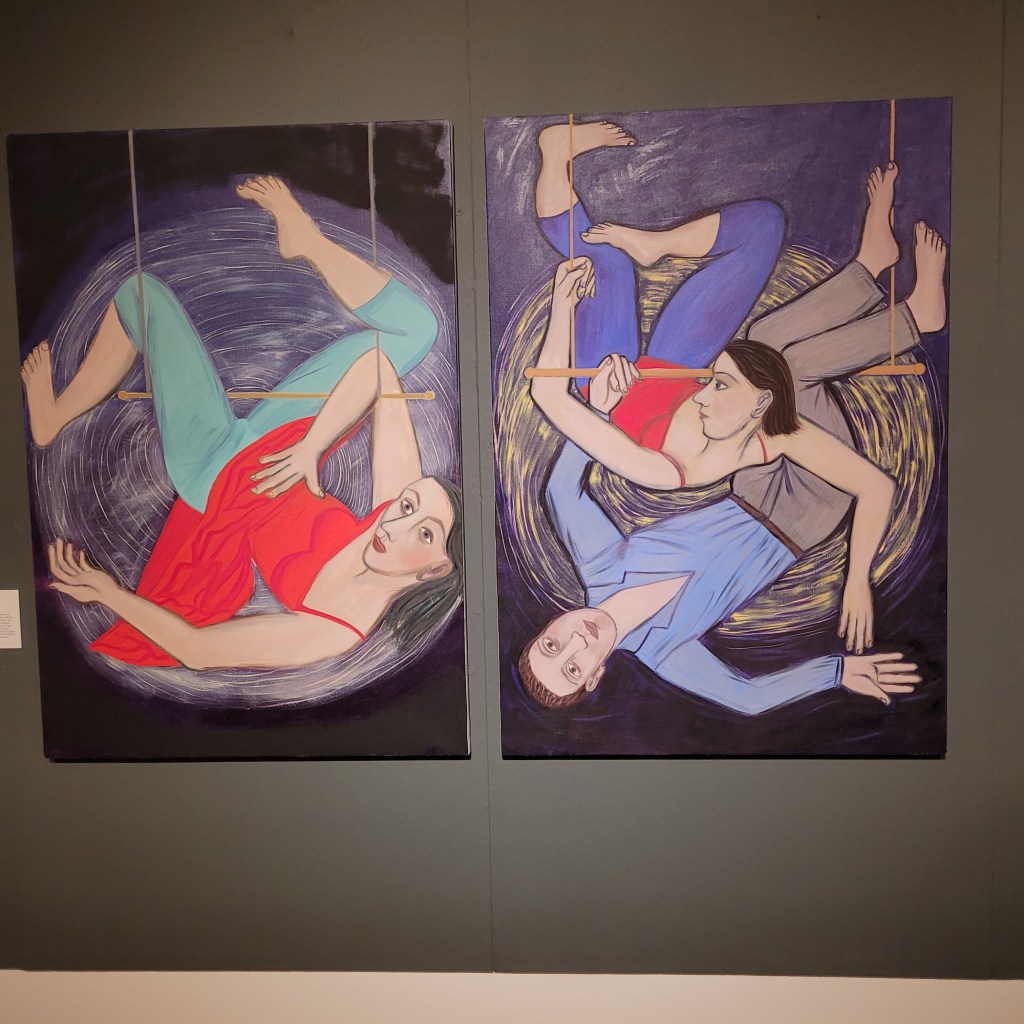
After a blissfully quiet and reflective time enjoying the Cooper exhibit, I went through the glass doors and down the hall into a world of energy and noise that can only be made by elementary school children. They were in a crafts room and transitioning into the Egyptian Mummy exhibit. The kids were amazing, though and when I crossed with them later, as they were leaving, they all thanked the staff member who had supervised the room I was in while they were visiting.
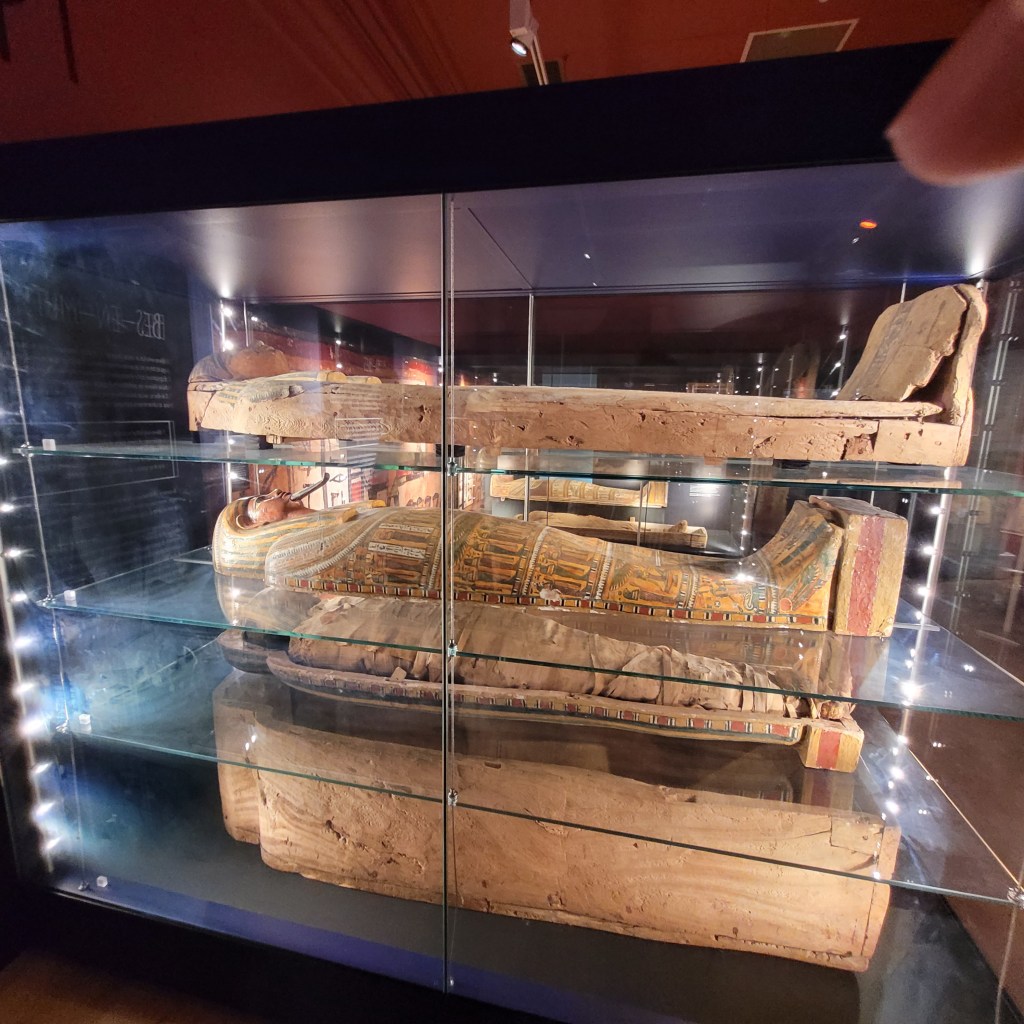
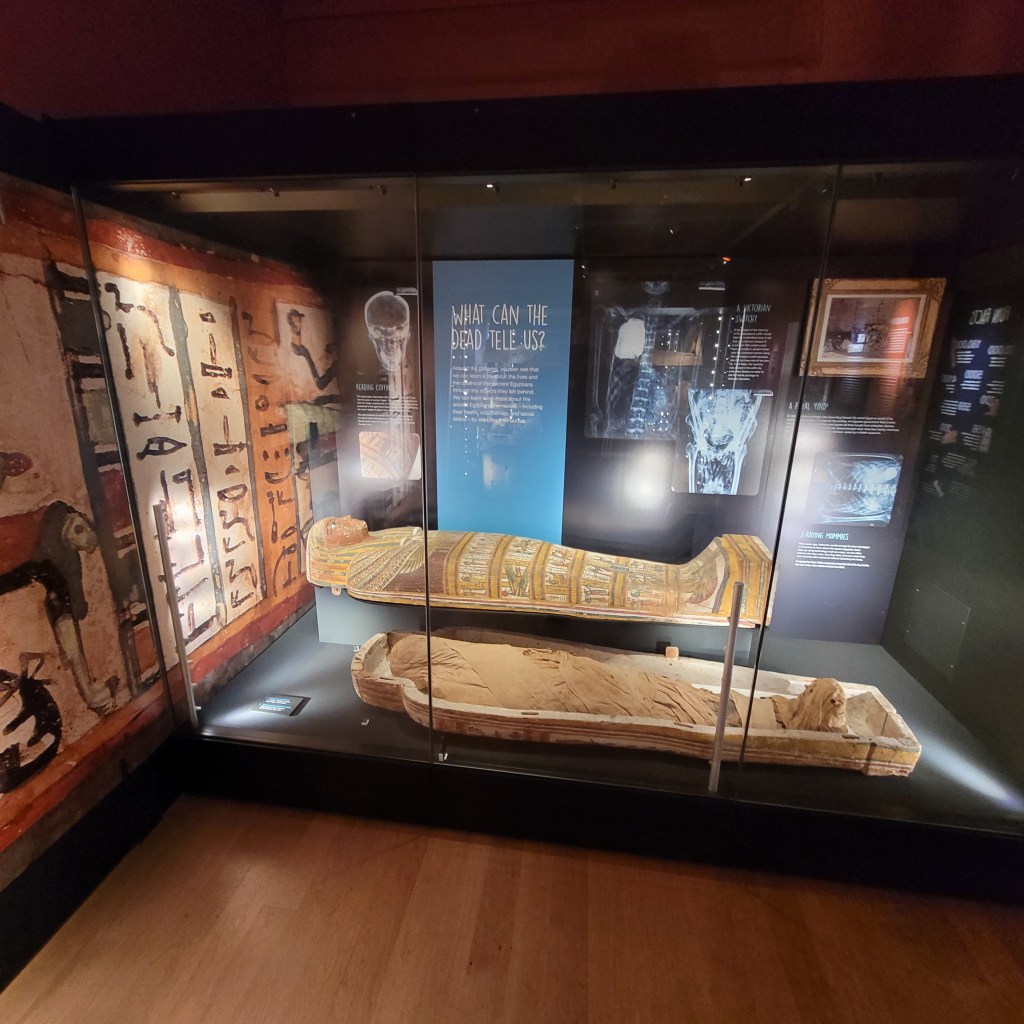
Above two examples of mummified remains on display.
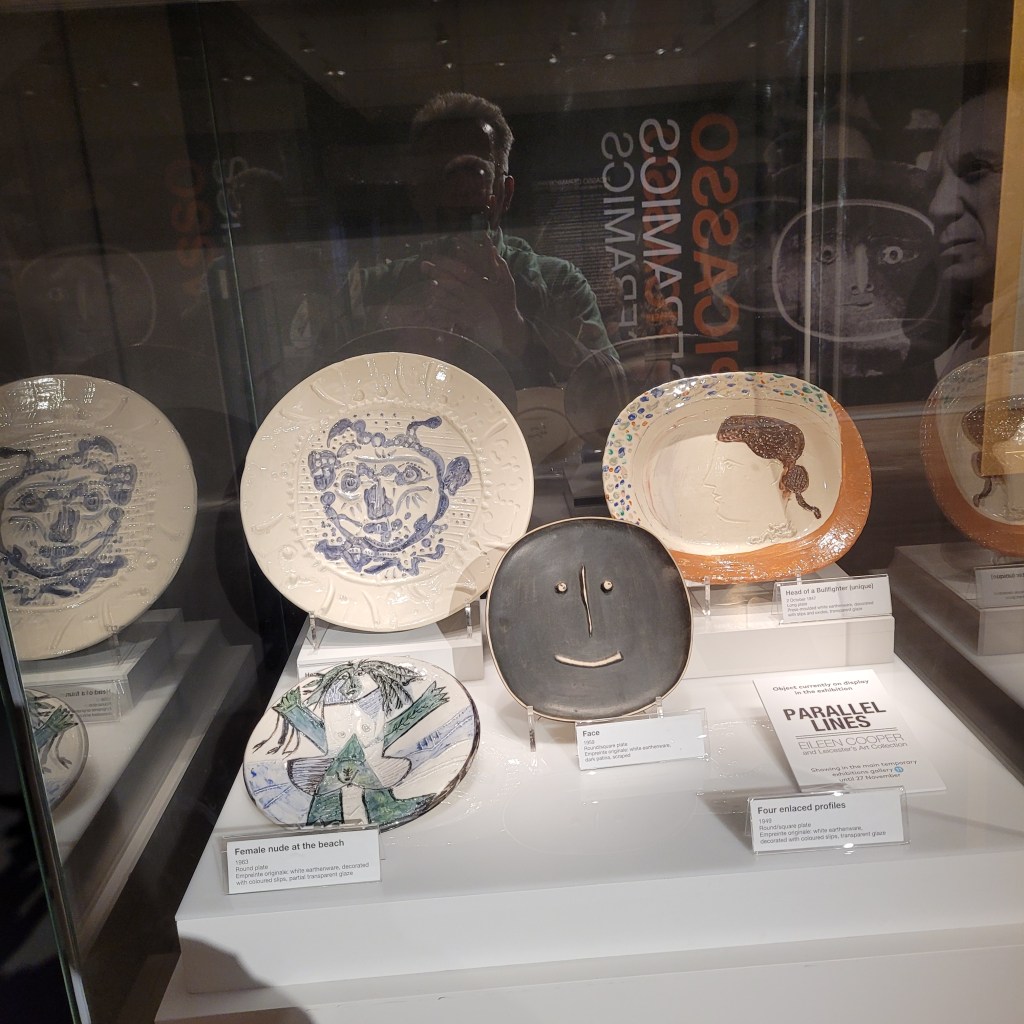
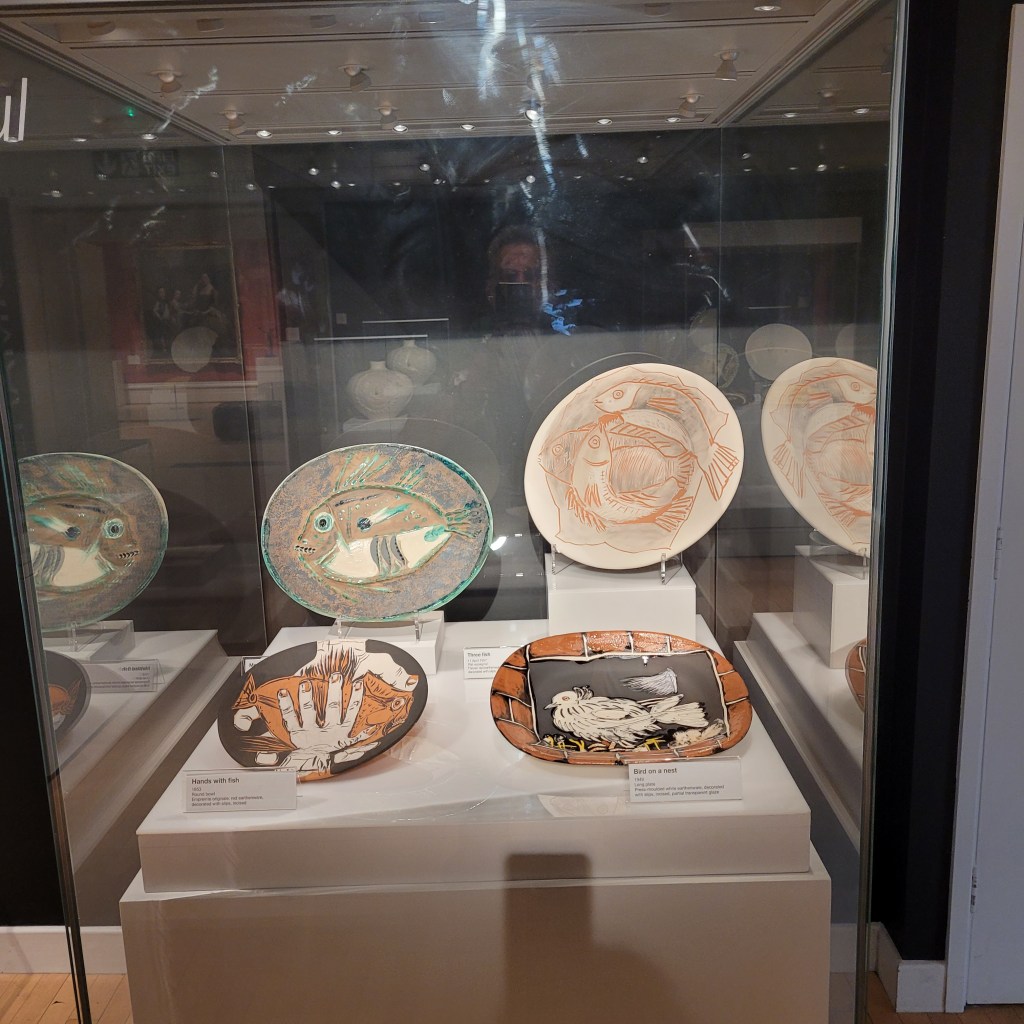
Another surprise was a display of Picasso ceramics that were donated by Lord and Lady Attenborough (Richard Attenborough, the renowned British actor and his wife, actress Sylvia Sim) in memory of their daughter and granddaughter who were killed in the Tsunami in Malaysia.
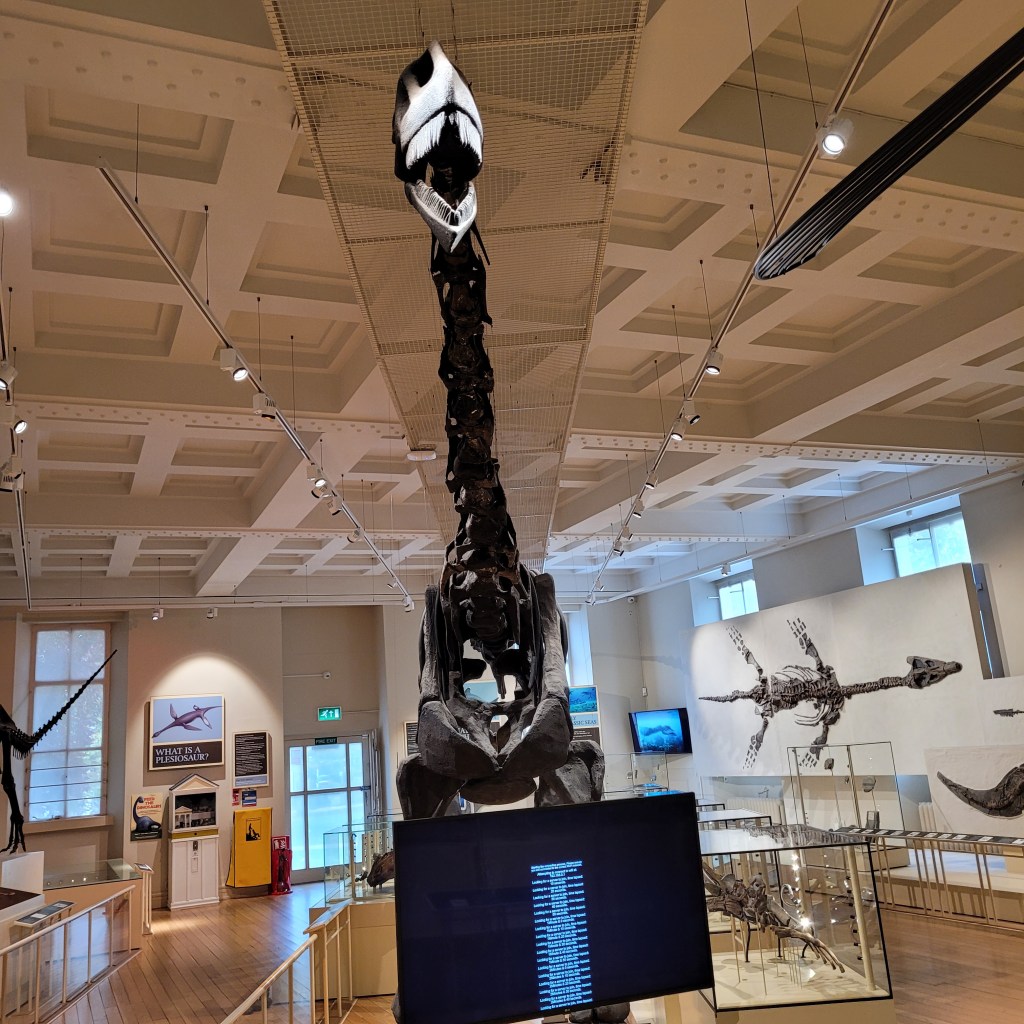
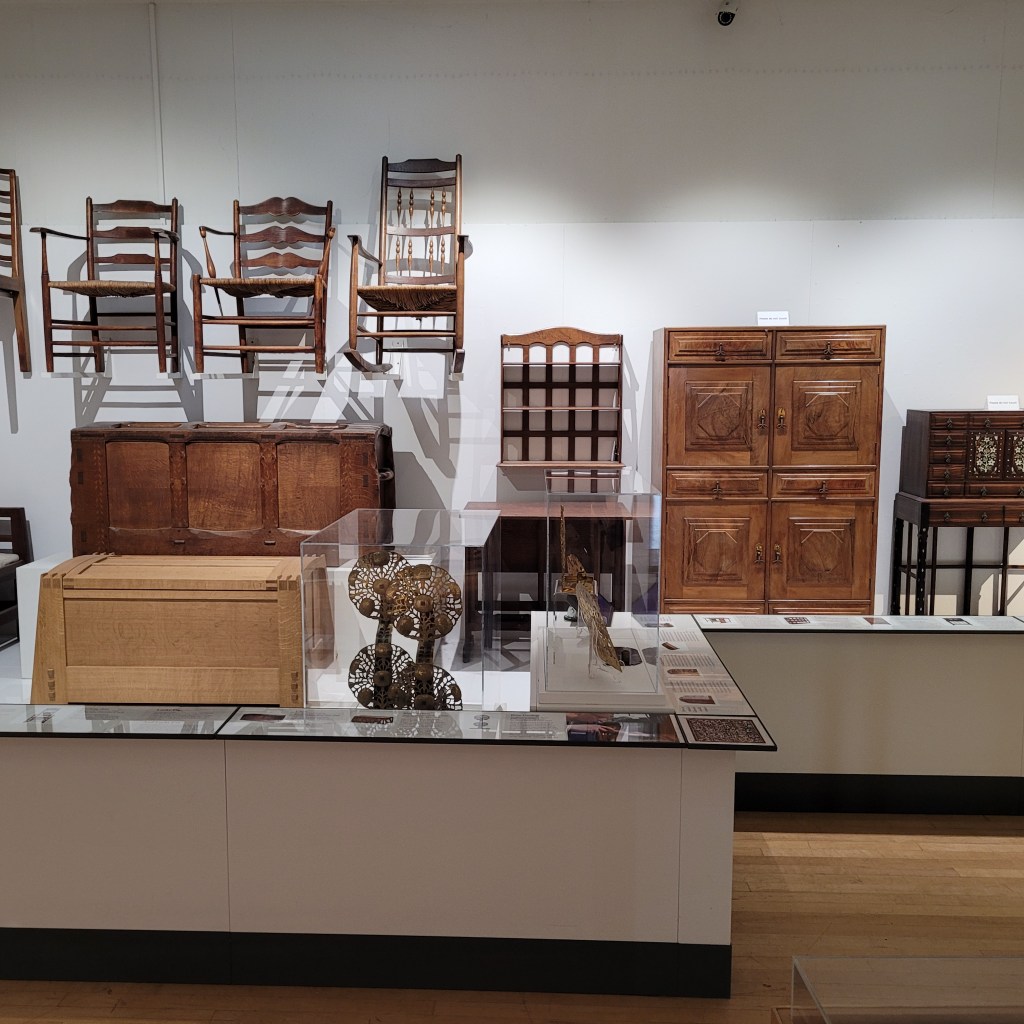
Two other excellent exhibits are the Dinasaur exhibit that included the Rutland Dinasaur, pictured below and an interesting display of Arts and Crafts period furniture.
I will certainly return to Leicester to see the Cathedral, perhaps for the football match, or just to enjoy this lovely small city. The last Leicesterian I spoke to was the gentleman working the Costa Coffee stand on the platform of the train station while I was waiting for the train back to Saint Pancras Station, London. He was as friendly and kind as everyone I met that day.
 Mark In London