As I mentioned in my last blog, I had visited a few churches prior to the passing of Queen Elizabeth. I visited another today. I will discuss them in historical order and then move on to a concert that took place on September 11, 2022.
Saint Ethelreda’s is a Catholic Church with a history dating back to the 1200s. Some say it is the oldest Catholic Church in London. I leave that debate to others. It sits in a now modern court of townhouses not far from Farringdon Underground Station and London’s jewelry district. It started as a larger, grander structure and a property with a Bishop’s mansion and gardens, but history, the English Reformation and World War II were not kind to it. The Church passed from Anglican back to Roman Catholic hands in the 19th Century and today’s church is a small but peaceful haven in the middle of the city. These first three
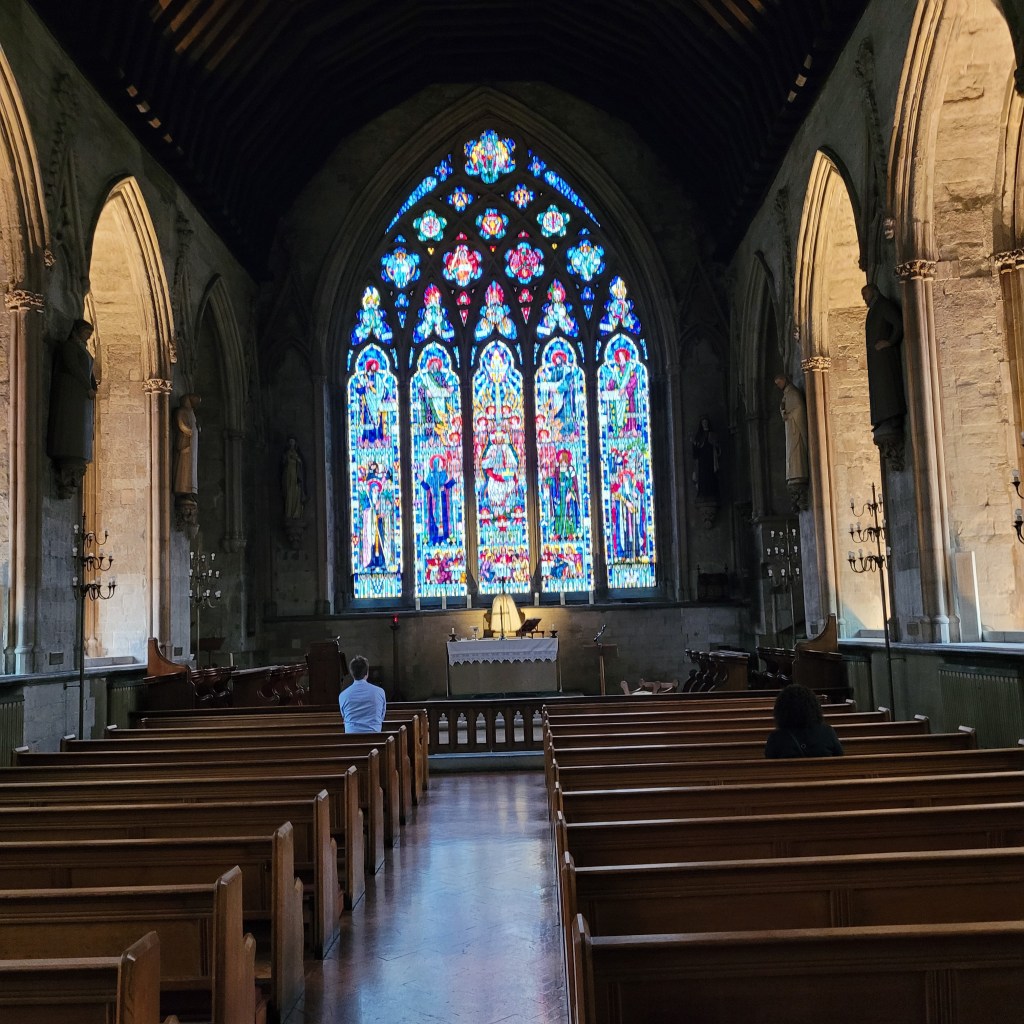
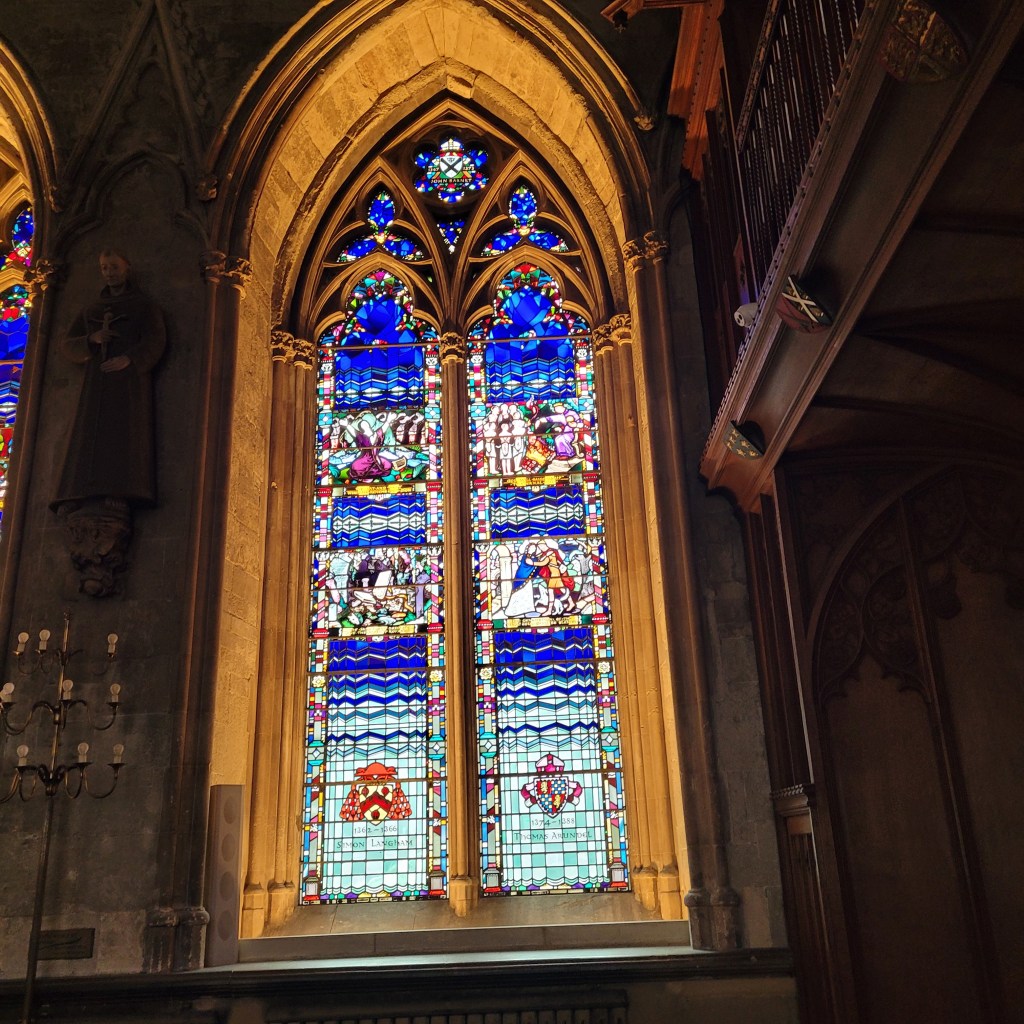
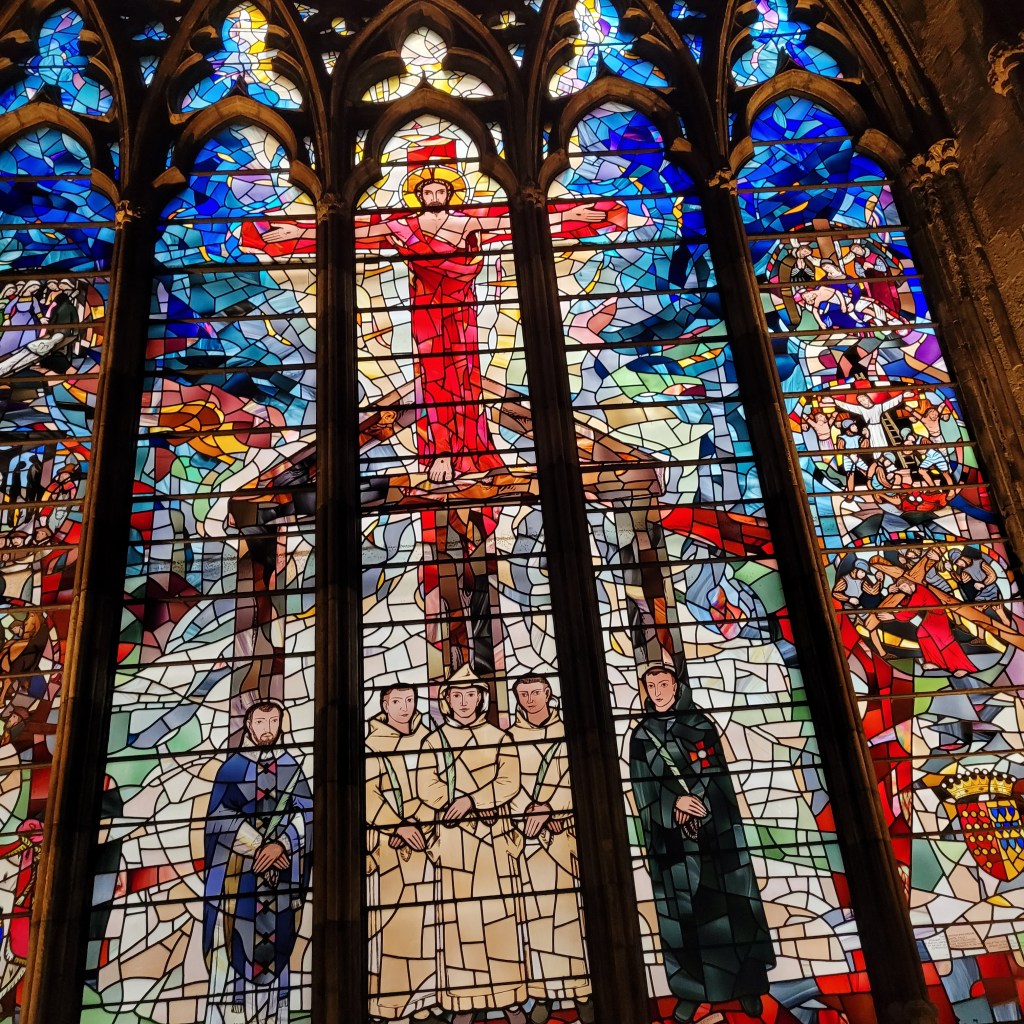
pictures show the upper church with a few of its lovely stained-glass windows. I am sure that the many people working nearby at the Inns of Court have taken comfort here over the centuries. The church also has an ancient crypt on its lower level, which like many churches is used for different purposes today. It retains religious symbols of old, while bringing opportunities for community to gather outside of the space set aside for worship and contemplation.
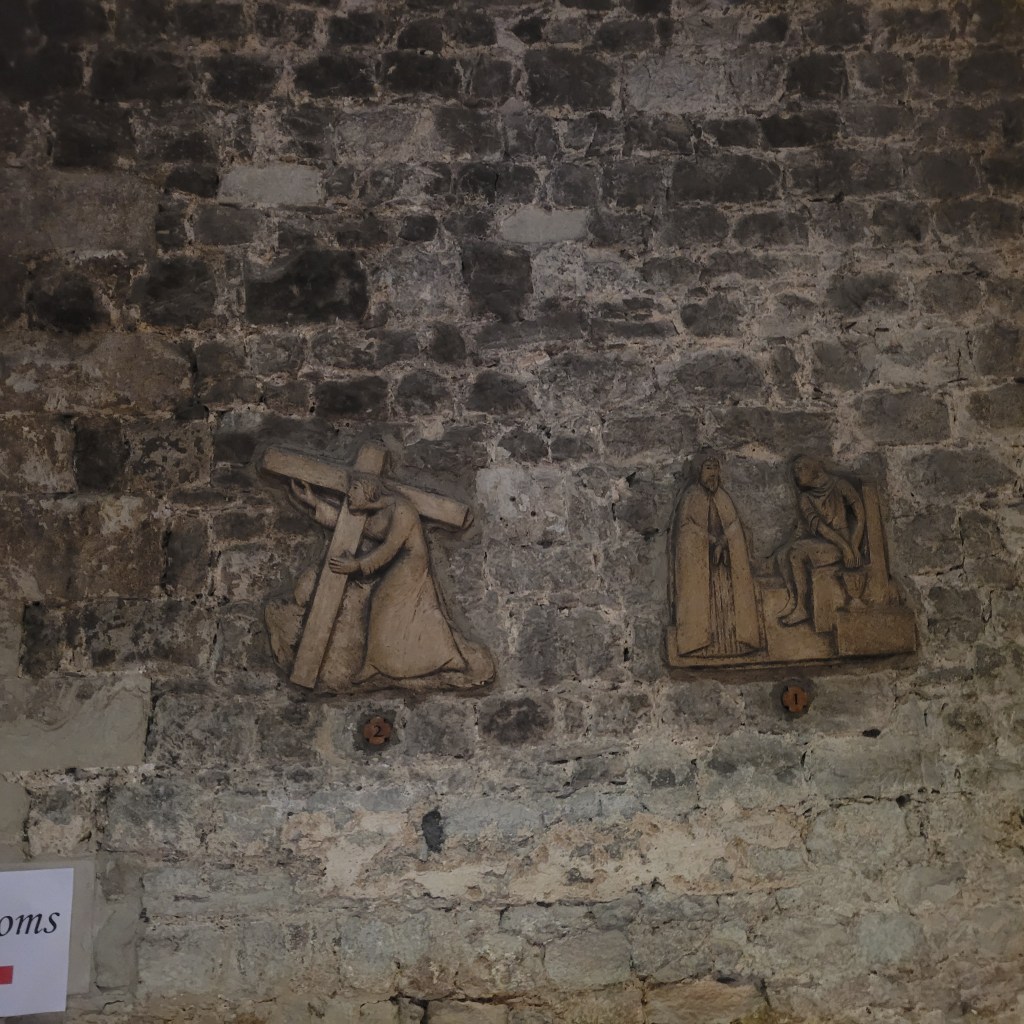
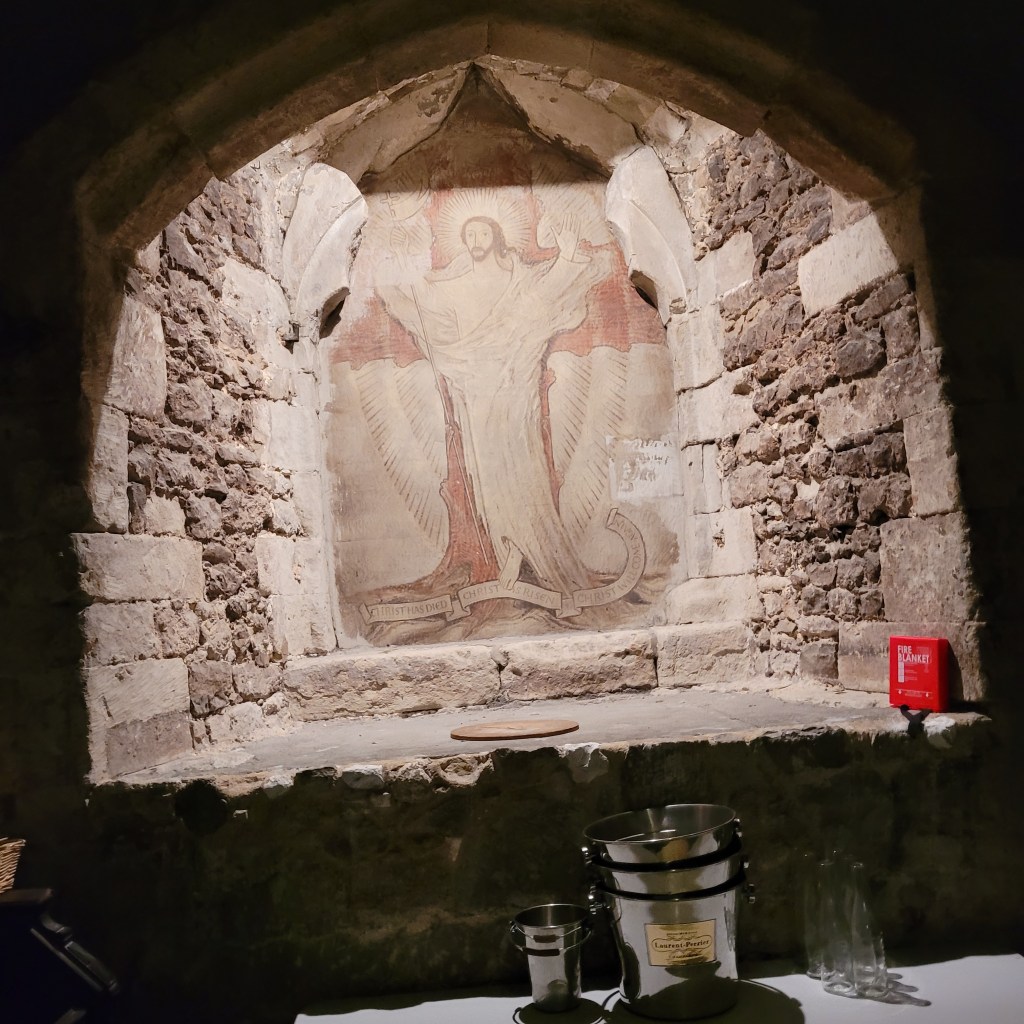
On the left, two of the lovely “Stations of the Cross” placed along the walls of this ancient space. On the right, a fresco depicting Christ Triumphant, after His resurrection, is relatively recent, but is made to fit with the ancient walls.
The next oldest church in this group is St Botolph without Aldgate meaning that it is outside the old City of London Wall, built in Roman times and basically marking the square mile of the City of London. The Church was joined with the Church of Holy Trinity Minories back in 1899 and is now known as St Botolph without Aldgate and Holy Trinity Minories. The earliest written record of St. Botolph’s Church dates back to 1115! However, the church, which survived the great fire in London, was rebuilt several times, the last being from 1741-44. Like St. Ethelreda’s it was damaged by bombing during World War II and restored, then damaged by a fire in 1965 and restored again! Today, it sits in an area that has been built up with skyscraper style office buildings. But it has a beautiful powerful organ, and it too is a place of refuge from the hustle and bustle of this metropolis. It sits just a few meters from the Aldgate Tube station, if you want to stop by for a quick visit, or if you are on your way to the Spitalfields Market, a few streets away.
The first picture below is “the man” himself, St. Botolph. Wikipedia tells us that he died around 680 and that he was an English abbot and saint He is regarded as the patron saint of boundaries, and by extension, of trade and travel, as well as various aspects of farming.
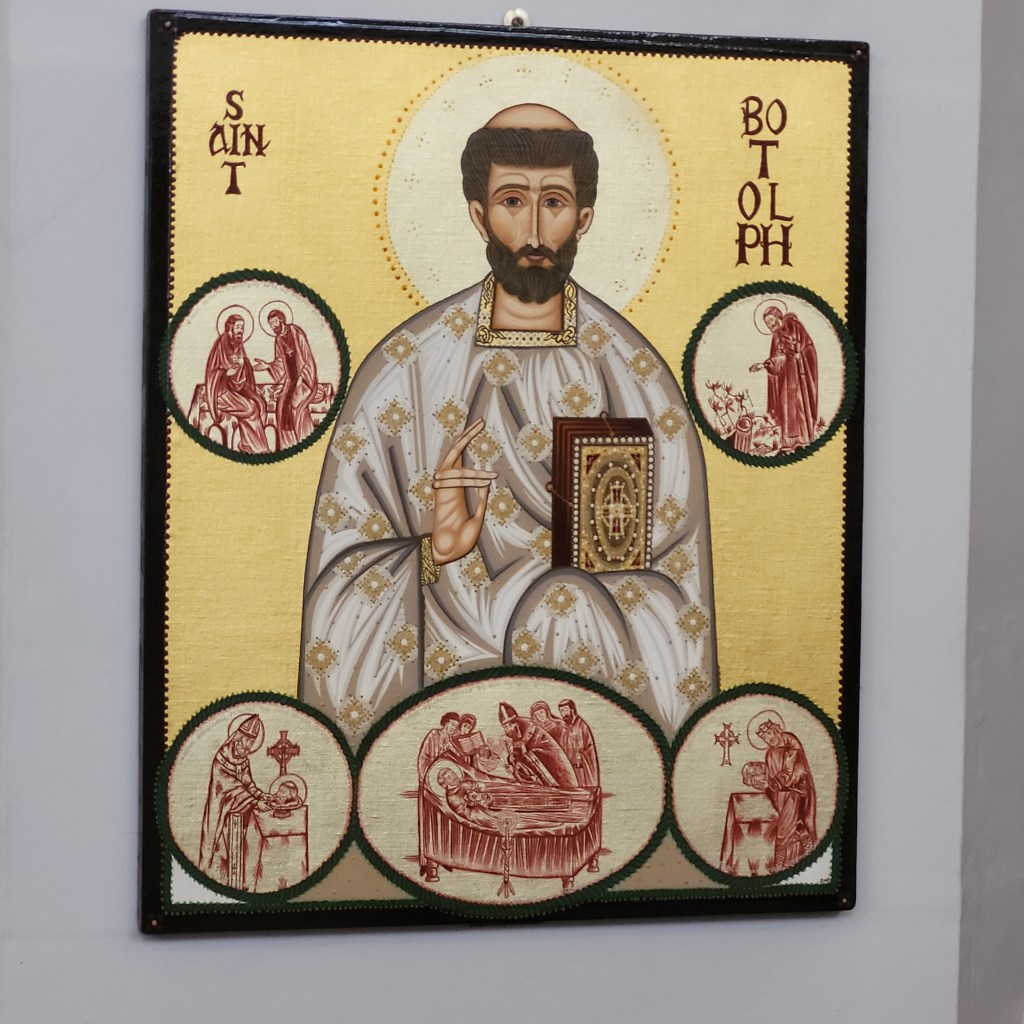
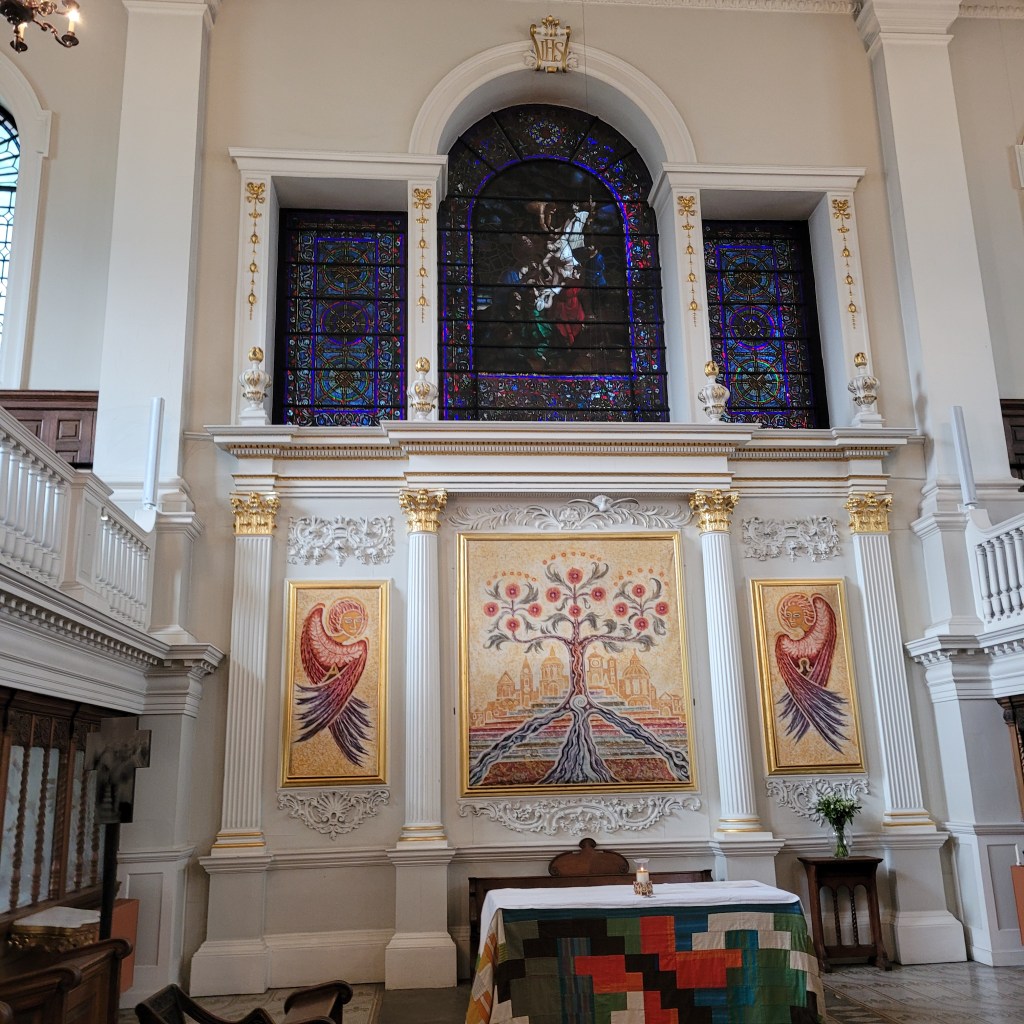
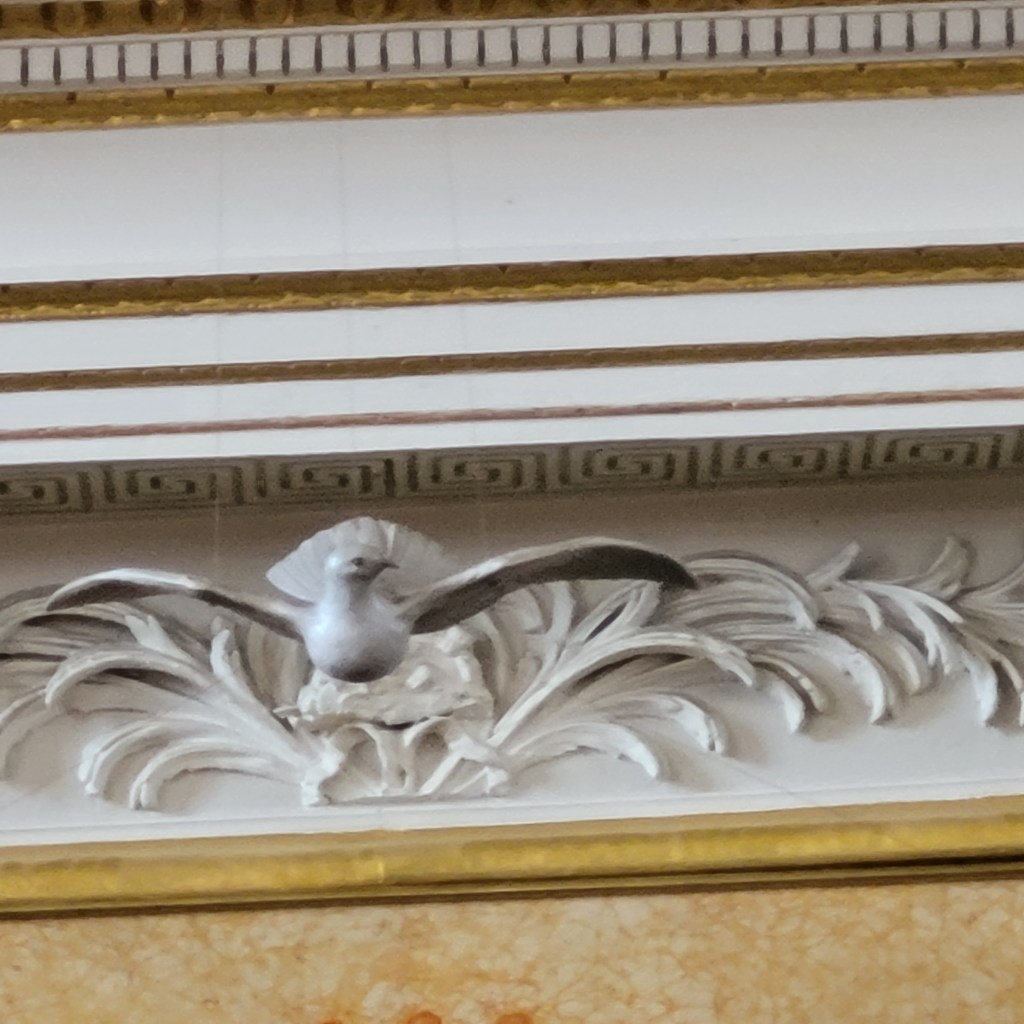
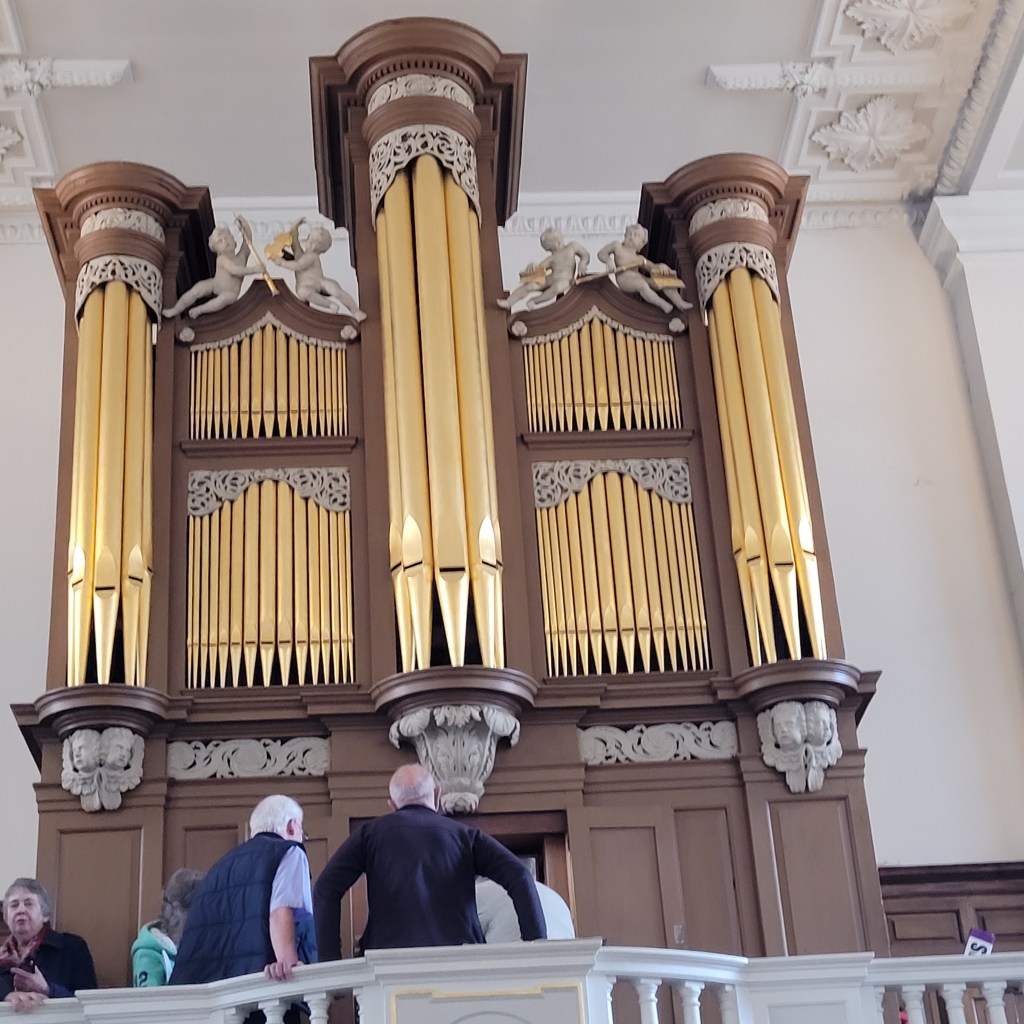
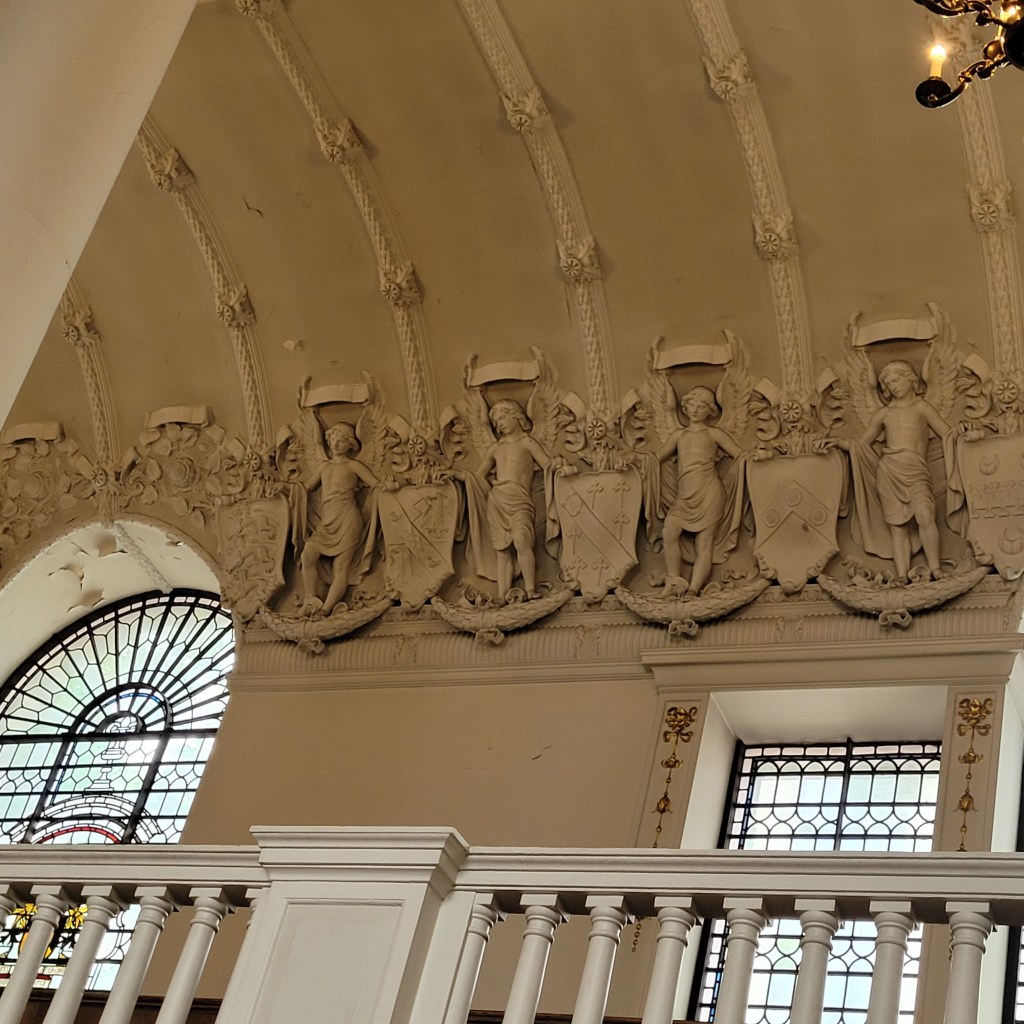
The second picture above is the altar, the third is particularly interesting. The dove that soars above the altar is where the Eucharist is reserved. The fourth picture is the beautiful organ. The reason people are gathered around it is that there was a midday organ concert that ended just a few minutes before. The fourth picture shows how the cherub theme on the organ is carried around the ceiling of the second-floor gallery.
Below is a selection of pictures of the stained-glass windows in Saint Botolph’s.
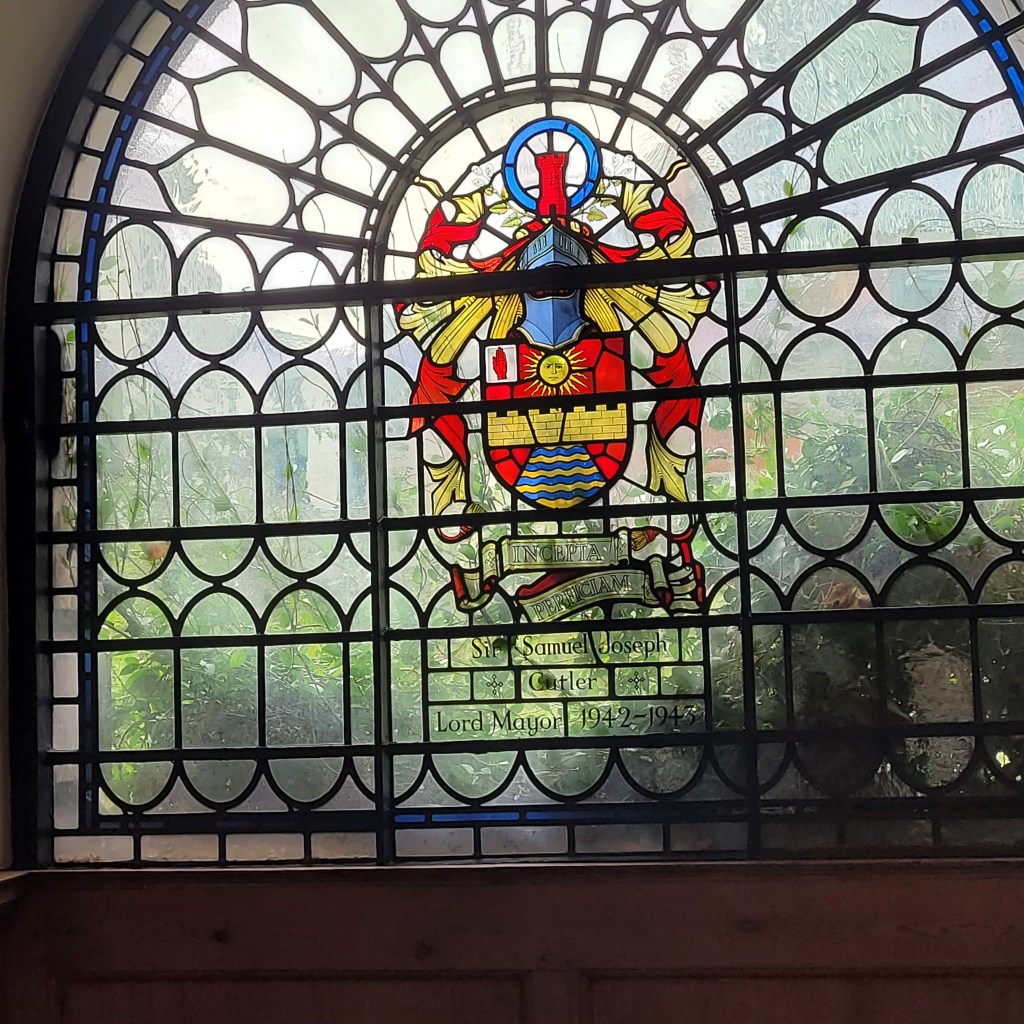
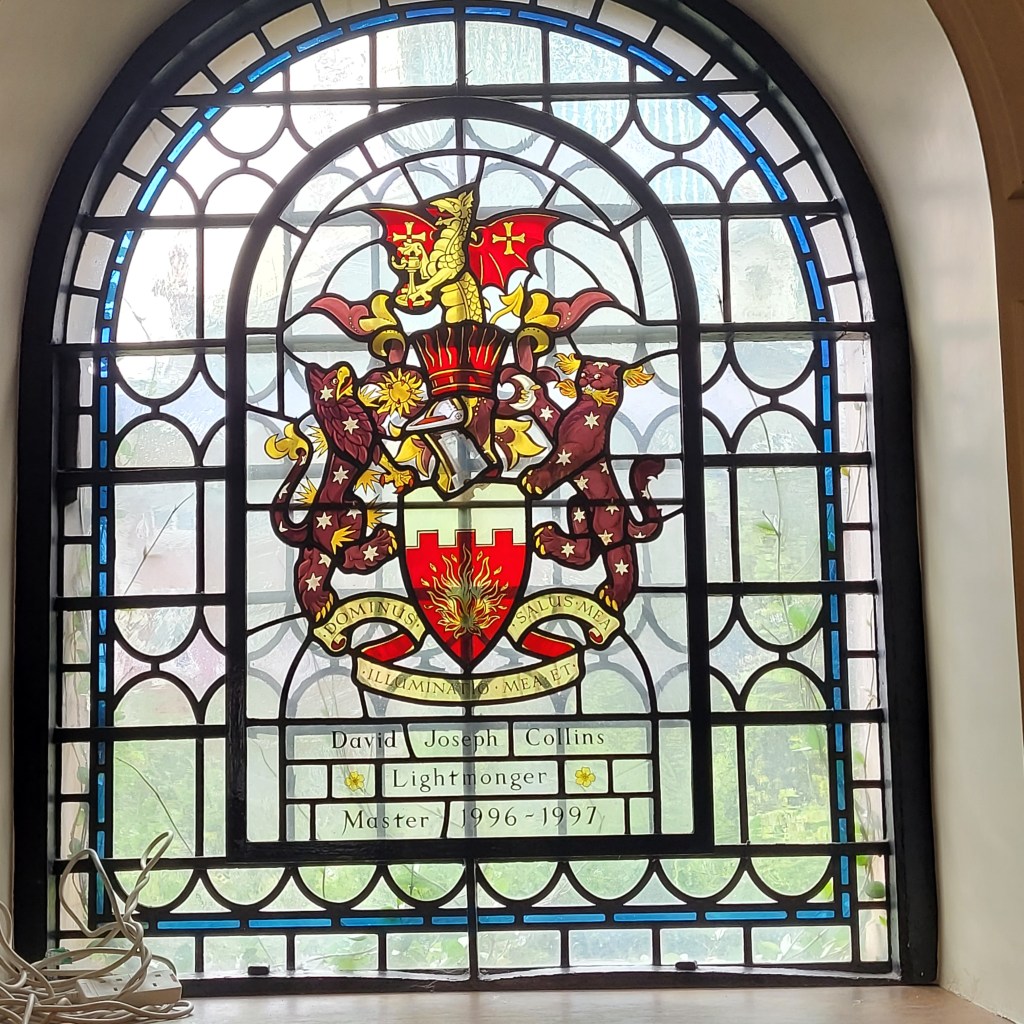
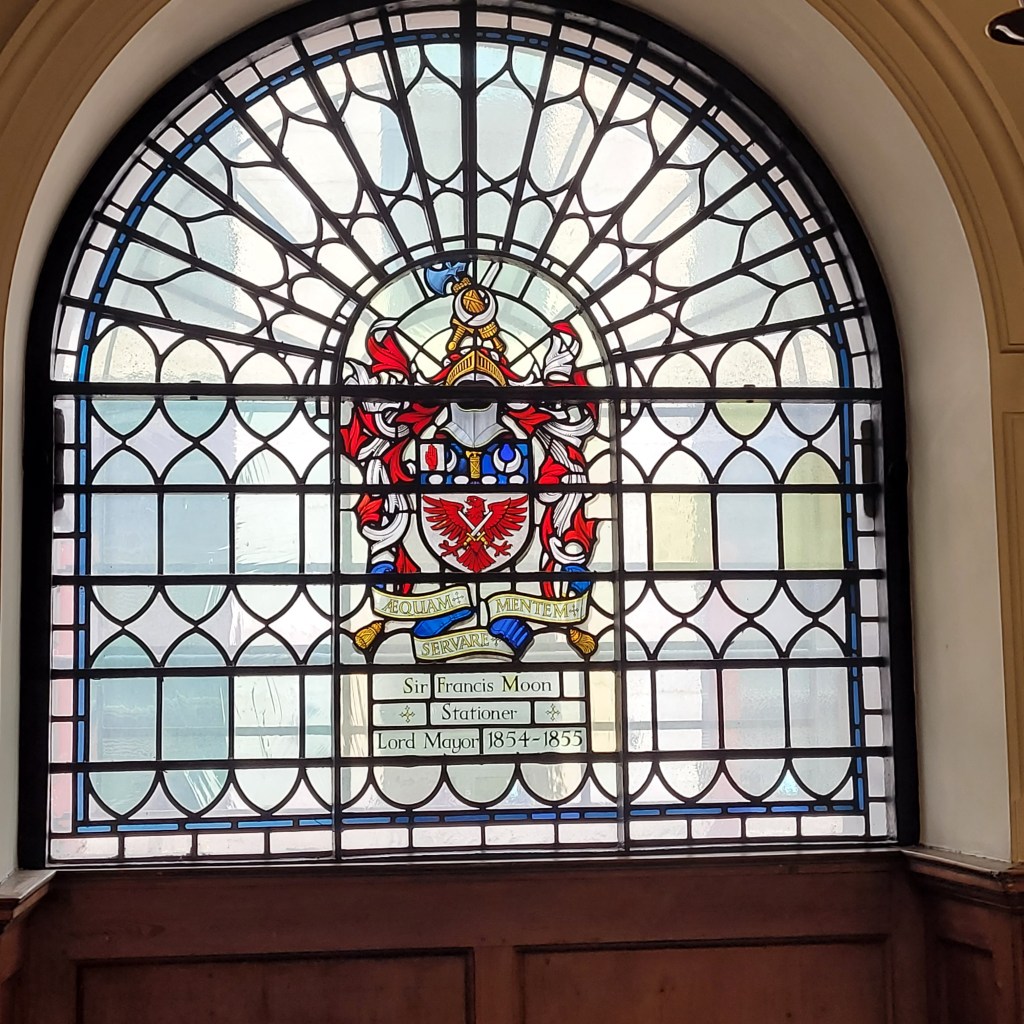
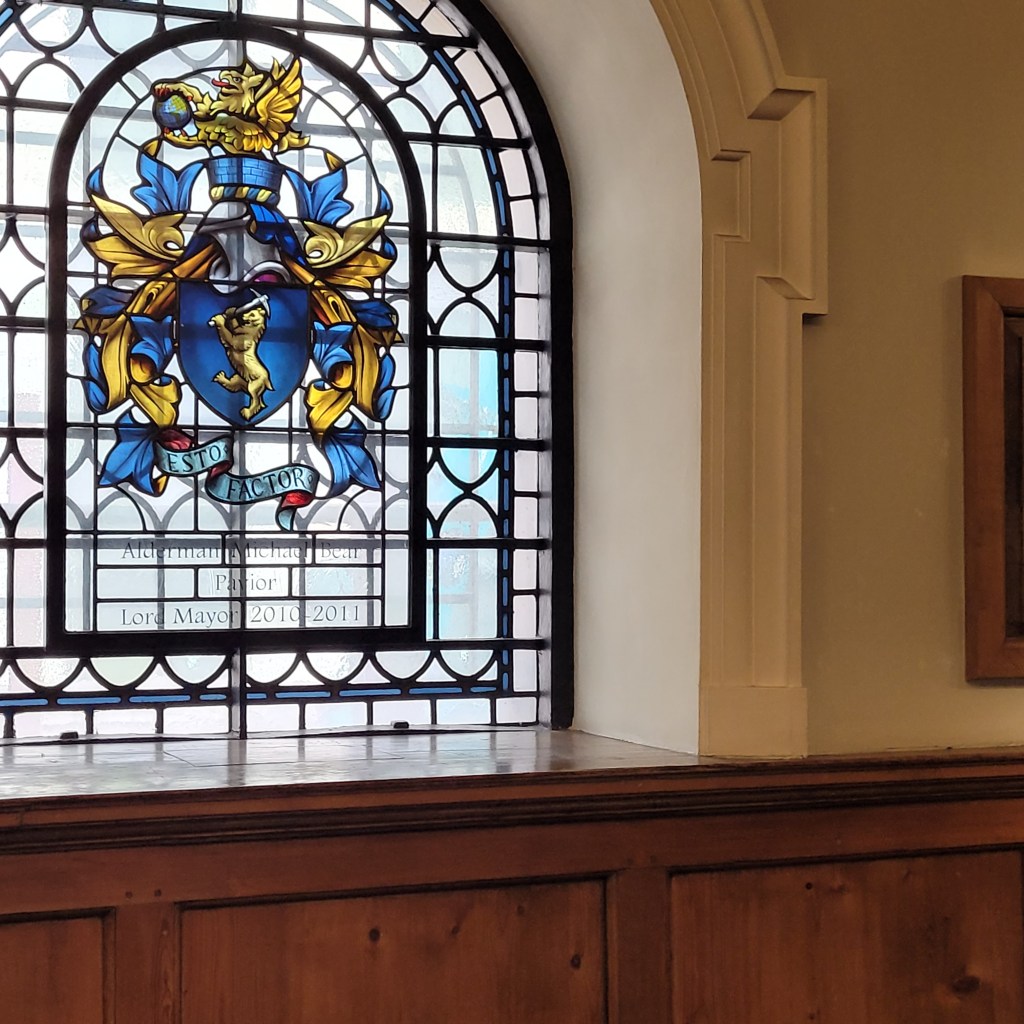
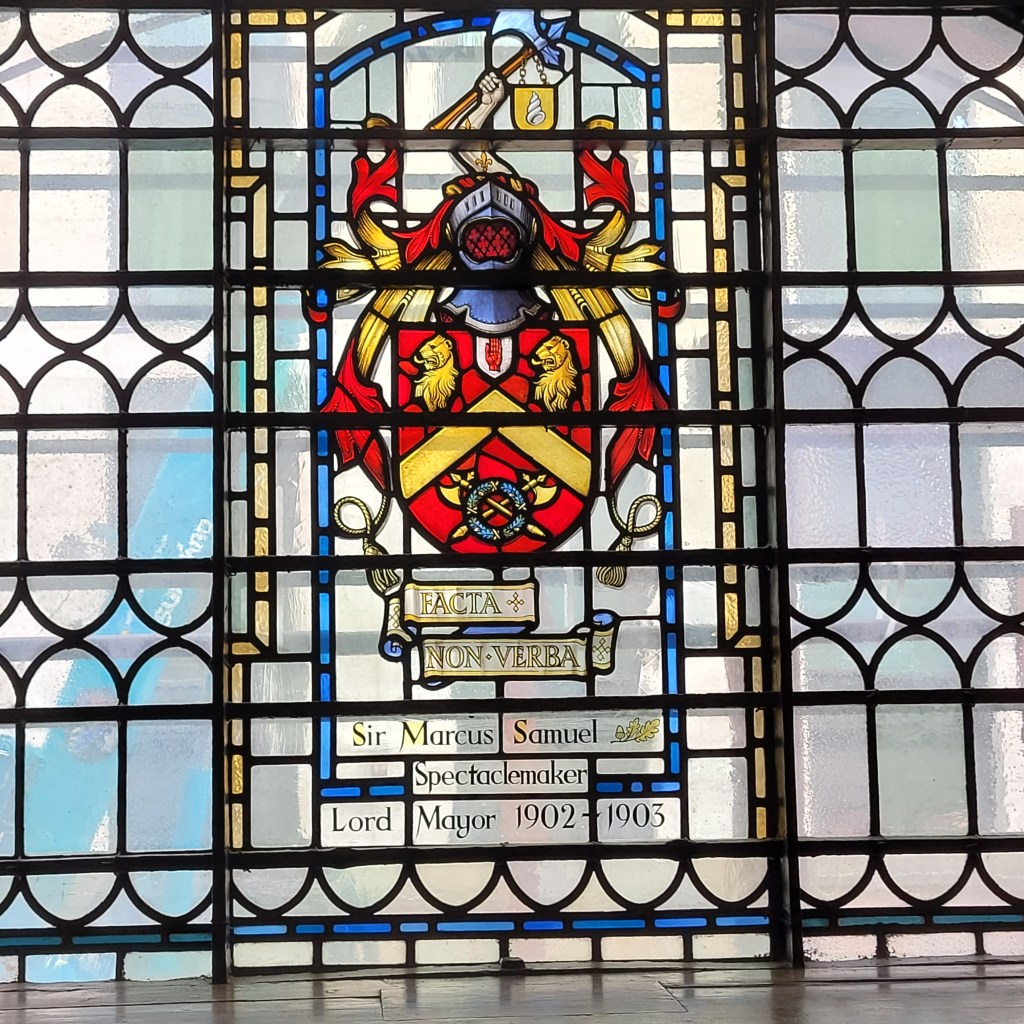
As you can see, these are dedicated to individuals, rather than as teaching tools, with biblical themes as traditional stained-glass in older churches were. Still, these show craftmanship and are interesting to view.
Finally, a delightful favorite of mine, a church known as “the Italian church.” Its formal name is “St. Peter’s Italian Catholic Church.
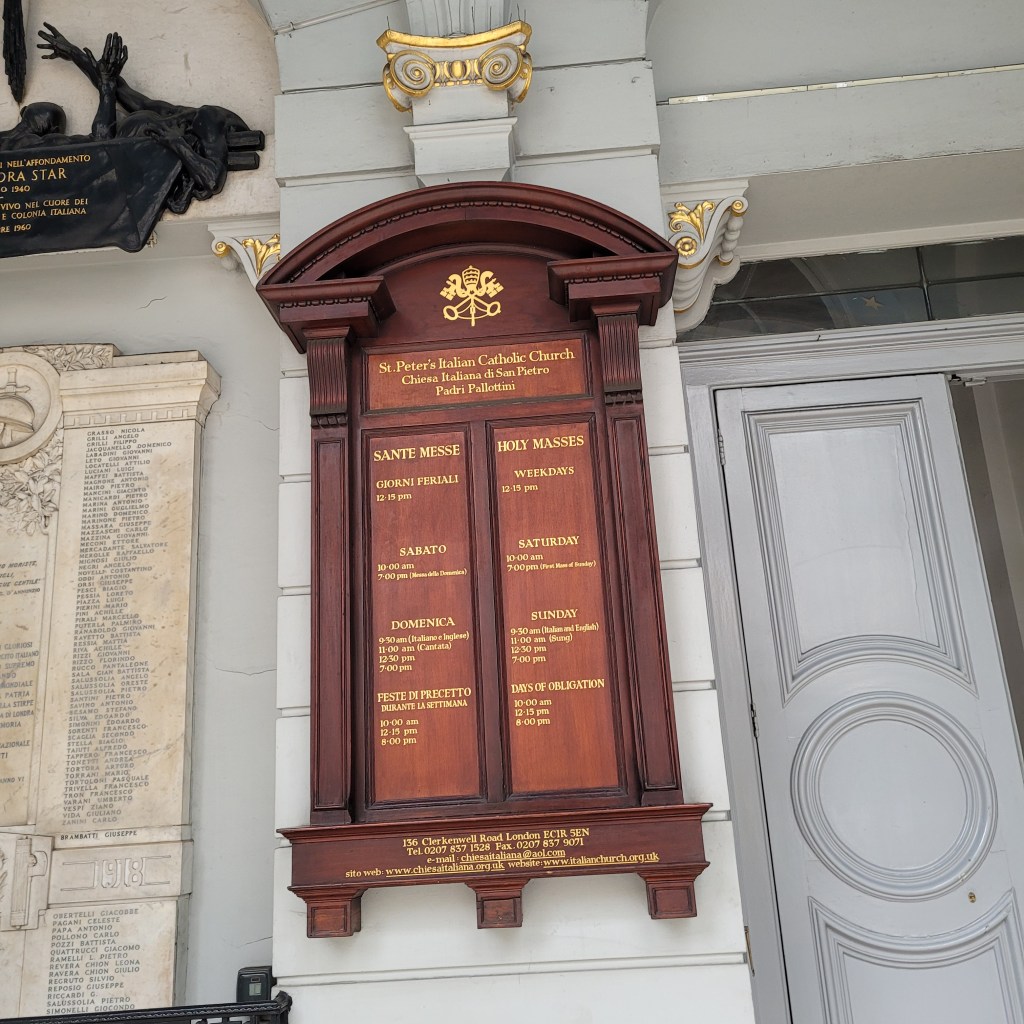
Saint Peter’s is one of the few remaining symbols of the once thriving Italian immigrant community, a second or third wave of Italians (not counting the Romans ones that encountered a lady named Boadicea, quite a while back). The group that built this church came to London at the same time as the great Italian diaspora that saw thousands of their fellow citizens leave for America, as well. Walking into this church gave me a feeling of immediate familiarity. The paintings reminded me of those found in churches in America in my youth if a parish had a large Italian American component.
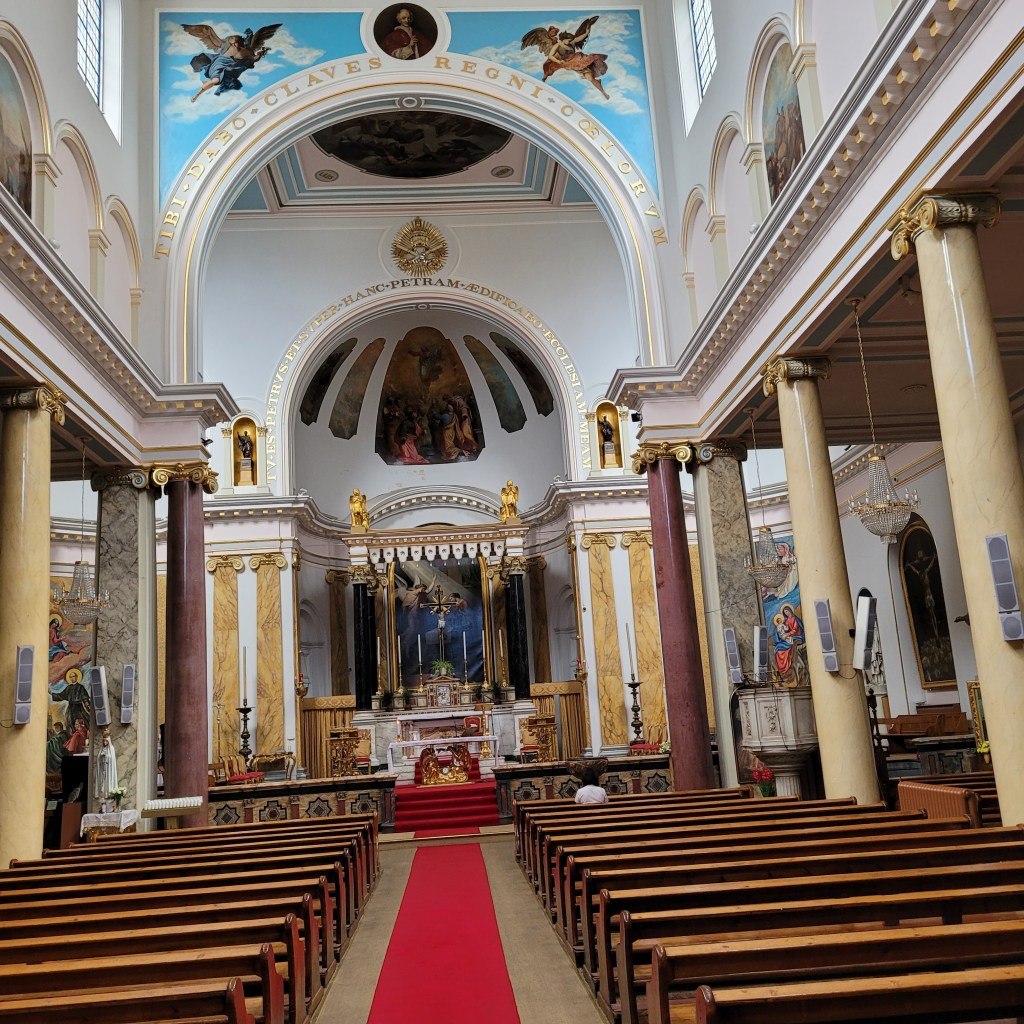
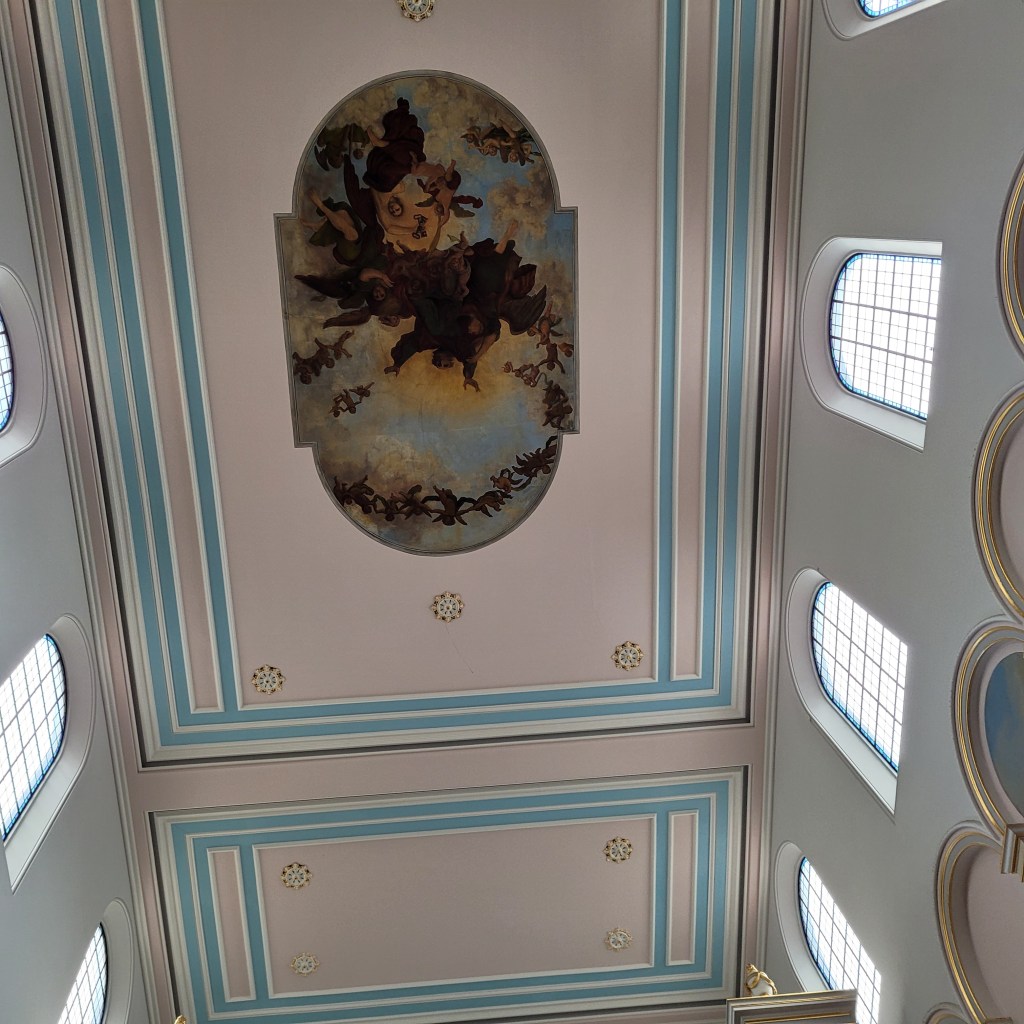
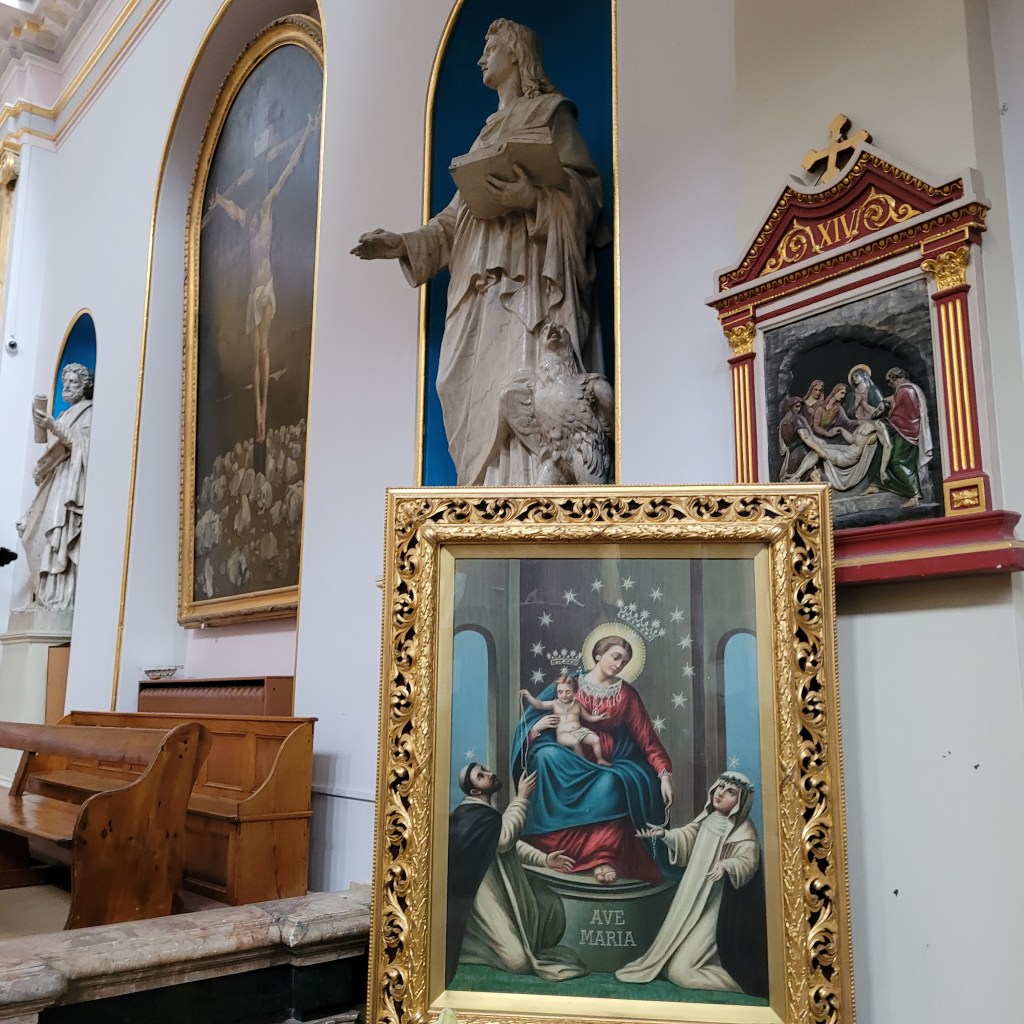
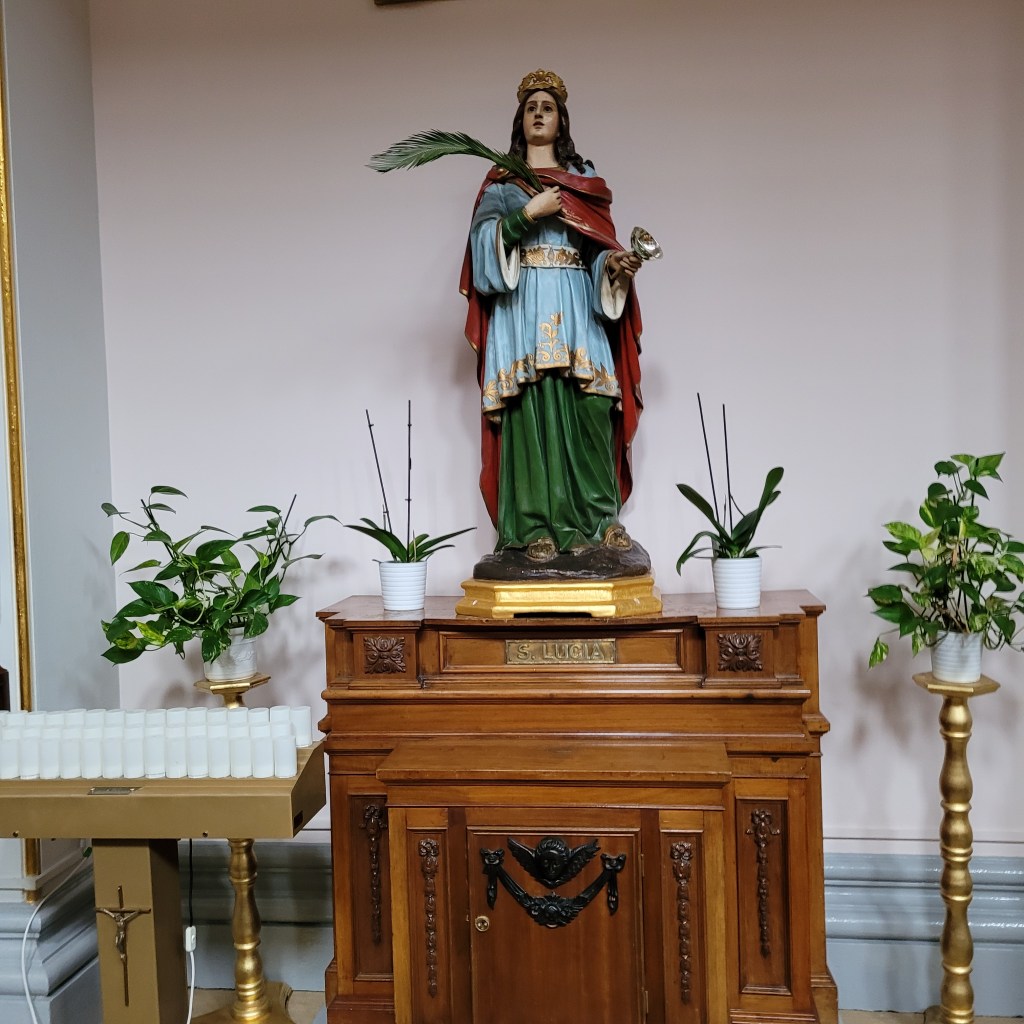
A local friend tells me that even though the Italian community has largely left the area, this church thrives with families returning for weddings and to celebrate other special occasions and its Sunday schedule still includes an Italian bi-lingual mass.
And finally, the Sunday after I visited the Italian Church, I paid my first visit to Wigmore Hall for one of the
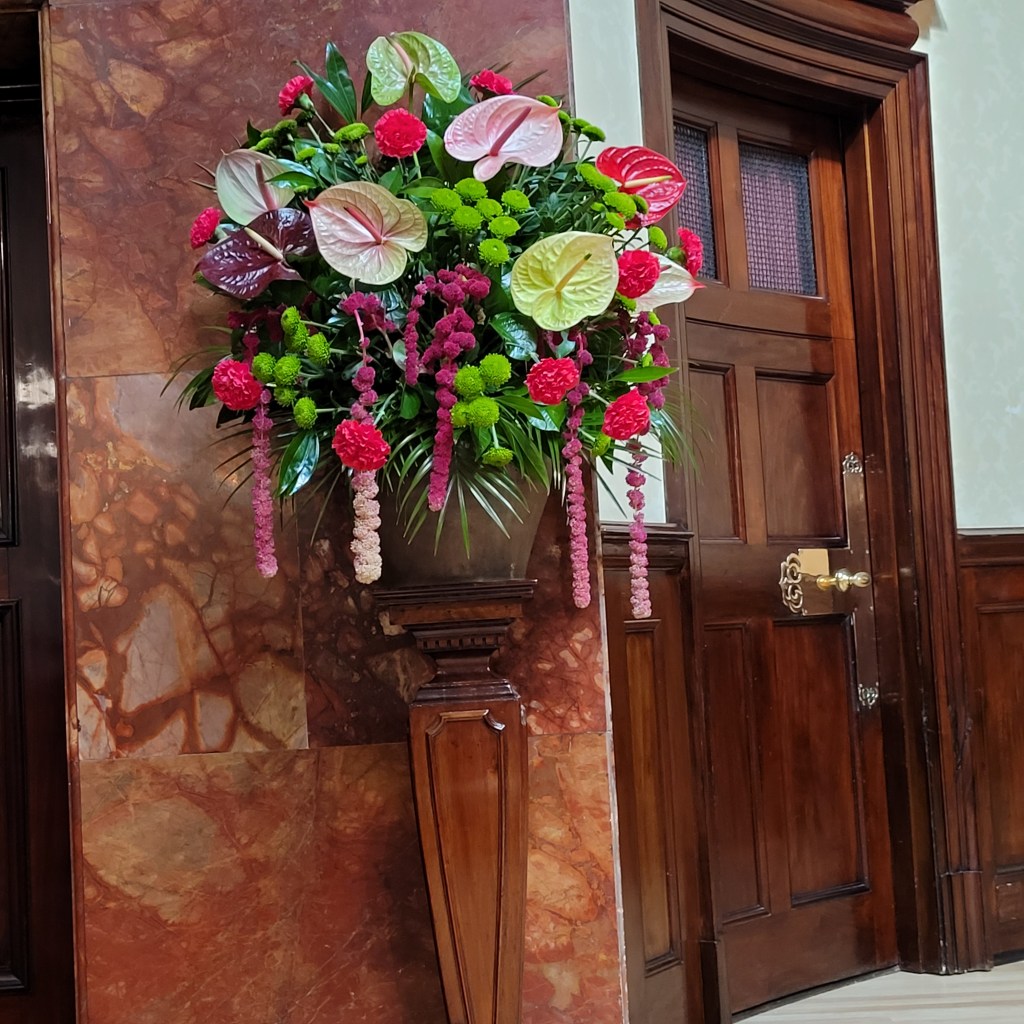
always special Sunday morning concerts. This one featured the Heath Quartet. Above is one of the incredible bouquets that always adorn the sides of the stage at Wigmore Hall. The Heath Quartet, two violins, a viola, and a cello, played Benjamin Britten’s String Quartet No. 3 Opus 94 and Fannie Mendelssohn’s String Quartet in E flat.
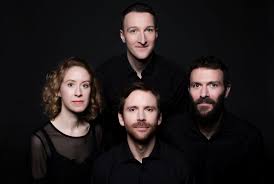
The music was sublime. The crowd at Wigmore Hall is always composed of classical music lovers and the crowd went wild. This quartet deservedly received three call backs to the stage (there is no curtain, so I really couldn’t call them curtain calls.) I recommend Wigmore Hall’s program of Sunday and Monday afternoon concerts as well as their evening programs.
 Mark In London